
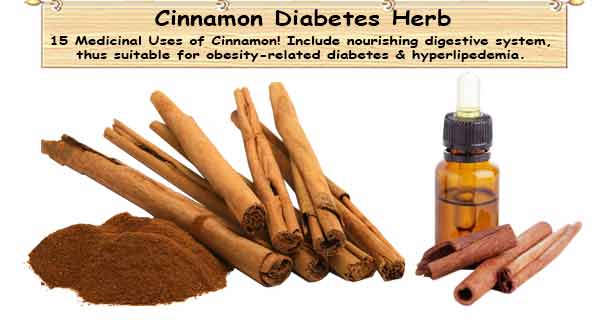
Cinnamon help manage glucose level by nourishing digestive system and support glucose metabolism. Cinnamon is suitable for obesity-related diabetes and hyperlipidemia.
What is Cinnamon?
Cinnamon (Cinnamomun zeylanicum) is a spice obtained from the inner bark of the tree of genus Cinnamomum, which is in use for both sweet and savory foods. Cinnamon trees are native to South-East Asia.
Traditionally used for blood sugar & cholesterol management and relieve digestive problems or improve appetite.
Other names of cinnamon are Cassia, Cassia Cinnamon, Chinese Cinnamon, Rou Gui (Mandarin).
{"preview_thumbnail":"/drupal8/sites/default/files/styles/video_embed_wysiwyg_preview/public/video_thumbnails/0lvUSftmI3Y.jpg?itok=7ZxtGjx9","video_url":"https://youtu.be/0lvUSftmI3Y","settings":{"responsive":1,"width":"854","height":"480","autoplay":0},"settings_summary":["Embedded Video (Responsive)."]}
Cinnamon may help lower blood-sugar level
Conventional drug and herbal medicine may cause potential interactions that lead to adverse events. So get doctor’s consent before starting herbal treatment.
Cinnamon contains biologically active substances that have demonstrated insulin-mimetic properties. Cinnamon improves insulin-mediated glucose metabolism, enhances insulin signaling in skeletal muscle and helps glucose to glycogen conversion. Thus, cinnamon is considering as an anti-diabetic herb.
Cinnamon scientific evidence in diabetes control
- The study result shows after 40 days, all three levels of cinnamon reduced the mean fasting serum glucose (18–29%), triglyceride (23–30%), LDL cholesterol (7–27%), and total cholesterol (12–26%) levels. Changes in HDL cholesterol were not significant. Cinnamon Improves Glucose and Lipids of People With Type 2 Diabetes. Diabetes Care December 2003 vol. 26 no. 12 3215-3218.
- This study result show, the efficacy of cinnamon extract supplementation on reducing fasting-blood-glucose and systolic-blood-pressure, and improving body composition with the metabolic syndrome and suggest that this spice can reduce risk factors associated with diabetes and cardiovascular diseases. Effects of a water-soluble cinnamon extract on body composition and features of the metabolic syndrome in pre-diabetic men and women. Journal of the International Society of Sports Nutrition 2006 Dec 28; 3:45-53.
- Cinnamon has the potential to be a useful add-on therapy in the discipline of integrative medicine in managing type 2 diabetes. The glycaemic outcomes of Cinnamon, a review of the experimental evidence and clinical trials. Nutrition Journal 2015; 14: 108.
- Intake of 2g of cinnamon for 12 weeks significantly reduces the HbA1c, blood pressure and among poorly controlled type 2 diabetes patients. Glycated hemoglobin and blood pressure lowering effect of cinnamon in multi-ethnic type 2 diabetic patients in the UK. Diabetic Medicine, 2010 Oct;27(10):1159-67.
Herbal medicines are complex mixtures of bioactive compounds. Season, growing condition, processing method can vary the constitutions of the bioactive compound.
15 Medicinal Uses of Cinnamon
Cinnamon may help maintains both healthy blood sugar and cholesterol levels. It remains a warming circulatory tonic, as well as a digestive aid to soothe upset stomach, gas, bloating and occasional indigestion.
Studies show cinnamon may be useful for obesity-related diabetes as well as to hyperlipidemia control.
- Blood Sugar - Lower insulin resistance by improving insulin sensitivity. Cinnamon lower blood sugar by interfering with digestive enzymes and slows the breakdown of carbohydrates absorption. Cinnamon can by mimicking insulin.
- Cholesterol - The special compounds in cinnamon can help reduce levels of total cholesterol, LDL cholesterol, and triglycerides, while HDL cholesterol remains stable.
- Blood pressure - Cinnamon has also been shown to reduce high blood pressure, which is another threat for causing heart disease or a stroke.
- Improves digestion - alleviate indigestion, stomach cramps, intestinal spasms, nausea, flatulence, and it improves the appetite, and treat diarrhea.
- Antioxidants - protect the body from oxidative damage caused by free radicals. Cinnamon is full of powerful antioxidants.
- Fight infection - Cinnamon is a natural antimicrobial, antibiotic, anti-fungal, and antiviral agent. Cinnamon is used in many cultures to help fight harmful infections and viruses naturally.
- Anti-Inflammatory - It may help lower the risk of heart disease, cancer, brain function decline, and more.
- Cut heart disease risk - it protects heart health.
- Protect Nerves - cinnamon helped to protect neurons, normalize neurotransmitter levels and improve motor function. Neurodegenerative diseases are a progressive loss of the structure or function of brain cells in the case of Alzheimer’s disease and Parkinson’s disease.
- Protect against cancer - reducing the growth of cancer cells and the formation of blood vessels in tumors, and appears to be toxic to cancer cells, causing cell death.
- Fight bacteria & fungus - The antimicrobial effects of cinnamon may effectively treat respiratory tract infections, inhibit the growth of certain bacteria, prevent tooth decay, and reduce bad breath.
- Protects dental health - cinnamon were shown to be protective against bacteria living in the oral microflora that could cause bad breath, tooth decay, cavities, or mouth infections.
- Cure Candida - cinnamon’s powerful anti-fungal properties may be effective in stopping or curing Candida overgrowth in the digestive tract.
- Skin Health - Cinnamon has antibiotic and anti-microbial effects that protect skin from irritations, rashes, allergic reactions, and infections.
- Fight Allergies - Cinnamon has been shown to be helpful in fighting common allergy symptoms because it reduces inflammation and fights histamine reactions in the body. For the same reason, it can also help to reduce symptoms of asthma attacks.
Cinnamon may help lower heart diseases & strokes risks
Cinnamon lowers blood sugar, cholesterol, and blood pressure levels. Cinnamon lowers LDL cholesterol responsible for the plaque formation. Additionally, Cinnamon has antioxidant property, which helps prevent the LDL cholesterol oxidation, thus prevent inflammation of arteries and further plaque formation.
Cinnamon dosage
The daily dose of cinnamon you need for diabetes control may vary depending on your age, weight and health status. Only your doctor can recommend the appropriate dosage for you, consult your doctor before you begin taking cinnamon supplements to control blood-sugar level.
The dosage of ground cinnamon bark is 2 to 6 g daily, and cinnamon oil dosage is 0.05 to 0.2 g daily. Your doctor may adjust your dosage of cinnamon to meet your blood-sugar regulation needs.
Cinnamon availability
Over-the-counter cinnamon supplements are available in various forms; they are powder, oil, and tincture. Cinnamon volatile oil is much more concentrated compared to other forms, and it may cause temporary oral or skin irritation or burning.
How do you take cinnamon?
The sweet tasty spice cinnamon can be added about 1/4 to 1/2 teaspoon to foods and beverages such as coffee, tea, and breakfast cereal. It increases the tastes of apple and pumpkin dishes, including puddings and applesauce.
Break cinnamon stick into pieces, boil it with water, cover, and steep for 10 minutes. Dilute it if needed with hot water and enhance the taste with natural sweetener (Stevia). Otherwise, add a cinnamon stick in any tea while it steeps to add flavor and health benefits.
Bioactive constituents of cinnamon
Terpenoids found in the volatile oil of cinnamon are eugenol and cinnamaldehyde, which are having various medicinal effects. Cinnamaldehyde possesses potential antifungal, antibacterial, anti-allergic, anti-hyperglycemic, and anti-hyperlipidemic properties.
Cinnamon side effects
Widely used food spice, grounded cinnamon bark has considered safe. However, cinnamon's essential oil is much more concentrated than the powdered cinnamon. High doses of cinnamon oil might depress the central nervous system. It is advisable that pregnant women should avoid taking cinnamon oil or excess doses of the bark.
Diabetes may experience low blood sugar (hypoglycemia), so you should be vigilant on your blood-glucose level.
It may harm your liver if you already have a liver problem and take it in large quantities.