
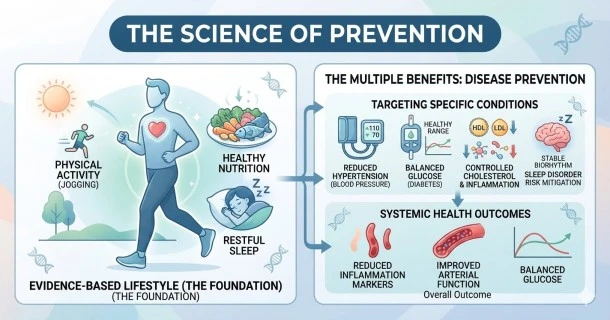
Explore the scientific data behind lifestyle modifications. Learn how optimizing diet, physical activity, and sleep reduces the physiological risks of chronic illness.
The Science of Prevention: Evidence-Based Lifestyle Interventions for Chronic Diseases
Modern clinical research increasingly identifies lifestyle habits as primary drivers of chronic, non-communicable diseases. Traditional medicine has historically excelled at managing acute pathology, but long-term conditions require addressing daily physiological inputs.
According to data compiled by organizations like the World Health Organization (WHO), addressing modifiable behaviors can significantly mitigate risks for major health conditions. Lifestyle medicine focuses on using evidence-based interventions to target the root causes of systemic illness.
10 Core Health Habits and Their Scientific Impact
Understanding the physiological mechanisms behind daily routines reveals how micro-habits determine overall clinical outcomes:
1. Diet and Ultra-Processed Foods
Diets high in refined sugars and ultra-processed foods induce rapid glycemic spikes, driving cellular insulin resistance. Chronic insulin resistance is a foundational pathway for systemic inflammation and metabolic syndrome.
Actionable Step: Prioritize whole, nutrient-dense foods to stabilize blood glucose levels and maintain endothelial health.
2. Nutritional Intake Quality
Our agricultural ecosystem yields crops with lower micronutrient density than in previous decades. Deficiencies in essential vitamins and minerals impair cellular enzymatic functions.
- Actionable Step: Focus on diverse, plant-rich meals, and consult a professional to see if targeted supplementation is required.
3. Sedentary Behavior
Prolonged sitting for more than 6 hours per day is an independent risk factor for all-cause mortality. A lack of muscular contraction reduces lipoprotein lipase activity, impairing lipid and glucose clearance.
- Actionable Step: Break up long sitting blocks every hour and achieve 150 minutes of moderate-intensity exercise weekly.
4. Psychological Stress Levels
Chronic stress keeps the sympathetic nervous system activated, causing sustained elevation of cortisol and adrenaline. This neuroendocrine state alters immune function and drives vascular endothelial damage.
- Actionable Step: Implement evidence-based stress-reduction protocols like mindfulness-based stress reduction (MBSR) or cognitive behavioral strategies.
5. Circadian Biology and Sun Exposure
Inadequate daylight exposure can impair vitamin D synthesis and disrupt core circadian clock genes. Vitamin D regulates hundreds of pathways influencing immune health and bone mineral density.
- Actionable Step: Secure 10–15 minutes of safe, direct morning sunlight exposure to anchor your master biological clock.
6. Environmental Xenobiotic Exposure
Regular contact with plastics containing bisphenol-A (BPA) or phthalates introduces endocrine-disrupting chemicals to the body. These compounds can mimic or block native hormones, altering cellular pathways.
- Actionable Step: Use stainless steel or glass food packaging and utilize advanced carbon water filters.
7. Respiration Dynamics
Stress-induced clavicular or shallow breathing limits optimal diaphragmatic excursion. This breathing pattern impairs arterial oxygenation balance and keeps your nervous system in a fight-or-flight loop.
- Actionable Step: Engage in deliberate, slow diaphragmatic nasal breathing to increase vagal tone and lower heart rate.
8. Sleep Physiology
Sleep deprivation disrupts the hormonal regulation of appetite (leptin and ghrelin) and prevents neural glymphatic clearance. Chronic poor sleep directly accelerates cardiovascular and cognitive decline.
- Actionable Step: Establish a rigid sleep schedule targeting 7–9 hours of continuous sleep in a completely dark environment.
9. Microbiome Integrity
The excessive usage of broad-spectrum antibiotics or harsh chemical disinfectants can decimate beneficial gut microflora. This dysbiosis compromises intestinal barrier function and can cause systemic immune reactivity.
- Actionable Step: Avoid using antibiotics unless clinically indicated by a provider, and consume fermented, fiber-rich foods.
10. Artificial Blue Light Exposure
High-intensity blue light exposure from digital screens after sunset suppresses natural melatonin secretion. This physiological delay degrades deep sleep phases and prevents overnight cellular repair.
- Actionable Step: Enforce a digital screen curfew at least 60 to 90 minutes before your planned sleep window.
Global Impact of Non-Communicable Diseases
Epidemiological data shows that behavioral patterns play a dominant role in the progression of global health conditions:
Clinical Condition | Primary Biochemical Drivers | Proven Lifestyle Interventions |
| Type 2 Diabetes | Pancreatic beta-cell strain, peripheral insulin resistance | Structured medical nutrition therapy, resistance training, weight optimization |
| Hypertension | Arterial stiffness, endothelial dysfunction, hypervolemia | Sodium restriction, increased dietary potassium, aerobic conditioning |
| Coronary Heart Disease | Atherosclerosis, systemic inflammation, dyslipidemia | Elimination of tobacco products, unsaturated lipid optimization, daily cardiorespiratory exercise |
Why do I name this site healthy-ojas?
Many friends and visitors often inquire about the significance of this term. "Ojas," derived from Sanskrit, translates to "vigor." It represents the essential life force formed in the body. Once ojas diminish, human existence cannot sustain itself.
Ojas possesses the hue of ghee, the flavor of honey, and the aroma of toasted rice.
Ojas denotes the fundamental energy that underpins vitality, immunity, strength, the preservation of youth, radiance, and emotional resilience.
Healthy vital energy, known as ojas, is essential for sustaining health or restoring lost vitality. Therefore, I have designated this website as healthy-ojas.
Ojas depletion might result from improper digestion, excessive stress, and other detrimental habits. Therefore, enhancing digestion and adopting a healthier lifestyle can boost your ojas (vital energy).
Frequently Asked Questions (FAQ)
What is lifestyle medicine?
Lifestyle medicine is a specialized clinical branch focused on the research-backed application of behavioral interventions. It uses targeted dietary protocols, exercise prescriptions, and stress modification to manage and prevent chronic diseases.
How exactly does a sedentary routine alter metabolic health?
When you sit for extended periods, the primary skeletal muscle groups are inactive. This inactivity severely reduces the uptake of free glucose and fatty acids from the blood, paving the way for metabolic syndrome and metabolic dysfunction.
Can structural lifestyle updates reverse type 2 diabetes?
Clinical trials demonstrate that intensive lifestyle modifications can achieve type 2 diabetes remission in early-stage cases. This is primarily accomplished through caloric adjustments and exercise that clear ectopic fat from the liver and pancreas.
Why does sleep quality matter for blood pressure?
Deep sleep serves as a natural down-regulation phase for the cardiovascular system, lowering blood pressure and heart rate. Chronically shortened sleep profiles prevent this dip, driving sustained nocturnal hypertension and blood vessel stress.