Explore how to safely use natural remedies, yoga, and complementary therapies alongside conventional medicine to support your cholesterol and heart health.
Natural and Complementary Approaches to Supporting Healthy Cholesterol
Understanding Integrative and Complementary Medicine for Heart Health
Many individuals look for natural cholesterol support to enhance their cardiovascular health. When exploring options outside of traditional pharmaceutical interventions, it is essential to understand how different health approaches work together:
- Complementary Medicine: Therapies used alongside conventional medical treatments prescribed by your doctor.
- Alternative Medicine: Therapies used in place of conventional medicine.
Medical consensus strongly advises against using alternative medicine in place of standard, proven treatments for high cholesterol. Instead, an integrative health approach—combining standard medical care with evidence-based lifestyle modifications and supportive therapies—is the safest and most effective way to protect your blood vessels and heart.
4 Complementary Approaches for Cardiovascular Wellness
Before starting any new herb, supplement, or physical regimen, it is vital to consult your primary healthcare provider. Some natural products can interact significantly with prescription cardiovascular medications.
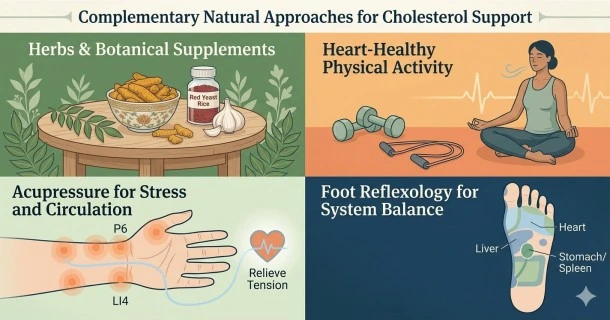
1. Evidence-Based Dietary Supplements and Herbs
Botanical medicine and natural products are widely researched for their lipid-lowering properties. These substances generally support the liver—the primary organ responsible for processing cholesterol—and provide antioxidant benefits to blood vessels.
- Red Yeast Rice: Contains monacolin K, which is chemically identical to the active ingredient in some statin medications. It can help reduce LDL cholesterol but requires medical monitoring due to potential side effects similar to statins.
- Garlic and Guggul: Traditionally used to support blood circulation and overall cardiovascular health.
- Soluble Fiber: Supplements like psyllium husk physically bind to cholesterol in the digestive tract, helping your body eliminate it naturally.
2. Stress Management and Yoga
Chronic stress triggers the release of hormones like cortisol and adrenaline, which can indirectly raise cholesterol levels and increase cardiovascular inflammation.
- Autonomic Nervous System Regulation: Yoga, deep breathing exercises, and meditation help stimulate the vagus nerve, transitioning the body from a stressed state to a restorative state.
- Physical Activity Benefits: Dedicated yoga practices provide a gentle-to-moderate form of physical exercise, which helps raise HDL ("good") cholesterol and improves blood vessel elasticity.
3. Traditional Chinese Medicine and Acupressure
In Traditional Chinese Medicine (TCM), metabolic imbalances are often viewed as disruptions in the body's energy pathways or organ systems (such as the liver, spleen, or kidneys).
- Symptom Management: Stimulating specific acupressure points is primarily used to relieve stress, improve circulation, and mitigate the tension or anxiety that often accompanies a chronic health diagnosis.
- Safety Precaution: Ensure you work with a licensed practitioner if you pursue acupuncture, as sterile techniques and precise placement are necessary to avoid injury.
4. Reflexology and Massage Therapy
Reflexology involves applying targeted pressure to specific zones on the hands or feet that correspond to internal organs.
- Circulatory Support: While reflexology cannot directly dissolve arterial plaques or lower serum cholesterol levels, specialized foot and hand massage improves localized blood flow and promotes deep physical relaxation.
- Safety Precaution: Individuals with advanced cardiovascular disease, deep vein thrombosis (DVT), or peripheral neuropathy should consult their physician before receiving deep tissue massage or intense reflexology to avoid vascular damage.
Implementing Natural Support Safely
Never Discontinue Prescribed Cholesterol Medications
High cholesterol typically causes no physical symptoms, but it quietly damages your arteries over time. Automatically stopping life-saving treatments like statins to try unproven natural remedies can cause your cholesterol levels to spike dangerously. This is especially dangerous for individuals with familial hypercholesterolemia, a genetic condition that cannot be managed by diet or lifestyle changes alone.
The Right Way to Introduce Supportive Therapies
If you want to incorporate complementary strategies, do so gradually and under professional guidance:
- Consult Your Doctor First: Discuss the specific herbs or physical practices you want to try.
- Add One Change at a Time: Introduce a practice like yoga or a soluble fiber supplement first to monitor how your body responds.
- Verify with Lab Work: The only way to know if a natural approach is working is to have your lipid panel checked via regular blood tests. If your numbers improve significantly, your doctor may evaluate whether adjusting your medication dosage is appropriate.
Comprehensive Cardiovascular Protection
Managing your lipid profile is about more than just numbers; it is about preventing severe cardiovascular complications like atherosclerosis, heart attacks, and strokes. A robust lifestyle foundation—consisting of a heart-healthy diet (like the Mediterranean diet), routine exercise, smoking cessation, and stress reduction—works hand-in-hand with standard medical therapies to protect your blood vessels and improve your overall longevity.
Frequently Asked Questions (FAQ)
Can I cure high cholesterol completely with natural remedies?
No. High cholesterol cannot be permanently "cured" with alternative treatments, but it can be successfully managed. While lifestyle changes and specific supplements can lower cholesterol for some individuals, genetic factors (such as familial hypercholesterolemia) often require conventional medication to keep your cardiovascular risk low.
Is it safe to take red yeast rice if I am already taking a statin?
No, it is generally unsafe to combine the two without strict medical supervision. Red yeast rice contains monacolin K, which functions exactly like a prescription statin. Taking them together increases your dose unexpectedly, significantly raising your risk of liver damage and muscle pain (myopathy).
How long does it take for natural therapies to lower cholesterol?
If a natural approach or lifestyle modification is effective, changes in your blood lipid levels typically become visible within 4 to 12 weeks. You must get a routine lipid panel blood test to accurately measure these changes, as you cannot feel your cholesterol levels shifting.