
- Discover how bile acid sequestrants like cholestyramine lower LDL cholesterol. Learn about common brands, gastrointestinal side effects, drug interactions, and FAQs.
Bile Acid Sequestrants: Side Effects, Brands, and Mechanisms
Bile acid sequestrants are a foundational class of non-systemic prescription medications designed to lower circulating LDL cholesterol by binding with bile inside the gastrointestinal tract. As one of the earliest developed types of cholesterol-lowering medication, bile acid sequestrants serve as a powerful alternative or supportive therapy for managing hyperlipidemia. They are particularly beneficial for individuals who cannot tolerate statins due to muscle or liver sensitivities.
How Do Bile Acid Sequestrants Work?
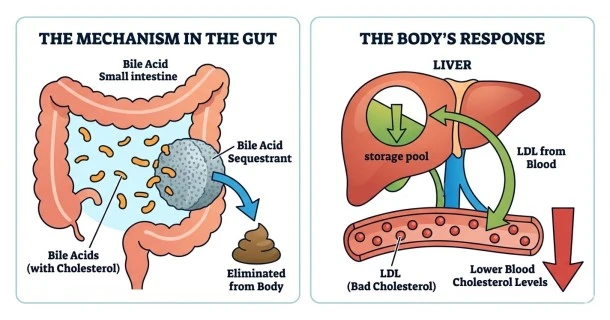
Unlike other lipid-lowering drugs that enter the bloodstream to modify cellular liver enzymes, bile acid sequestrants work entirely within your digestive tract:
- Binding in the Intestines: The medication acts like a chemical sponge, physically binding to cholesterol-rich bile acids inside your small intestine.
- Preventing Reabsorption: This binding action blocks the bile acids from being reabsorbed back into the body, causing them to be naturally eliminated through bowel movements.
- Depleting Liver Storage: Because the body loses its normal pool of recycled bile, the liver is forced to consume its internal supply of stored cholesterol to synthesize new bile acids.
- Clearing Bloodstream LDL: To make up for this internal deficit, the liver pulls low-density lipoprotein (LDL) directly out of your blood circulation, safely lowering your overall cholesterol panel.
Common Brands and Available Medications
Bile acid sequestrants are primarily available in two physical forms: fine powders that must be mixed thoroughly with fluids, or solid oral tablets. Common prescription options include:
- Cholestyramine (Brand names: Questran®, Questran® Light, Prevalite®, Locholest®, Locholest® Light)
- Colesevelam HCl (Brand name: WelChol®)
- Colestipol (Brand name: Colestid®)
What Changes Can You Expect on Your Lipid Panel?
When taken consistently, even small or moderate therapeutic doses of these resins can predictably modify your baseline cholesterol numbers:
+-----------------------------------+-----------------------------------+

| Blood Lipid Parameter             | Typical Clinical Impact           |
+-----------------------------------+-----------------------------------+

| Low-Density Lipoprotein (LDL)     | Decreases by 15% to 30%           |
+-----------------------------------+-----------------------------------+

| High-Density Lipoprotein (HDL)     | Increases by 3% to 5%             |
+-----------------------------------+-----------------------------------+

| Triglycerides                     | May temporarily elevate or spike  |
+-----------------------------------+-----------------------------------+For individuals diagnosed with advanced coronary heart disease or severe familial hypercholesterolemia, physicians frequently co-prescribe a bile acid sequestrant alongside a standard statin medication. This combination therapeutic approach combines the distinct mechanisms of both drug classes, safely dropping absolute LDL cholesterol numbers by over 40%.
Common Side Effects and Digestive Management
Because bile acid sequestrants operate locally within your gastrointestinal tract without entering systemic circulation, their primary side effects are entirely digestive. Most symptoms are mild and tend to fade after a week or two of consistent use:
- Gastrointestinal Distress: The most frequent complaints involve bloating, abdominal pain, excess gas (flatulence), heartburn, nausea, and mild diarrhea.
- Severe Constipation: The binding resins can significantly slow intestinal transit times. Management Tip: If constipation persists for more than a week, increase your daily intake of water, step up physical activity, or incorporate high-fiber remedies like bran, stewed prunes, or prune juice into your diet.
- Impaired Vitamin Absorption: Heavy or prolonged usage of these medications can interfere with your body's capacity to absorb fat-soluble vitamins, potentially leading to vitamin A, D, E, and K deficiencies.
- Gallstone Risks: Long-term alterations in bile acid saturation curves can occasionally promote gallstone formation in susceptible individuals.
- Unintentional Weight Loss: Minor, transient shifts in dietary fat absorption profiles can lead to slight weight reductions.
Strict Rules for Taking Bile Acid Sequestrants
Because these binding resins are highly non-specific, they can inadvertently bind to and block the absorption of other vital prescription medications inside your digestive tract. To avoid dangerous drug interactions, always apply this strict timing protocol:
- Take your other prescription medications at least one hour before consuming your bile acid sequestrant.
- Alternatively, wait four to six hours after taking your sequestrant before consuming any other oral medications.
- Administration Tip: Always mix powdered versions completely with water, non-carbonated soft drinks, or fruit juices. If you are taking tablets, swallow them with large volumes of fluid to prevent early esophageal blockages or sudden digestive irritation.
Frequently Asked Questions (FAQs)
1. Why do doctors prescribe bile acid sequestrants if they can cause side effects?
While modern statins are typically favored as a first-line defense, bile acid sequestrants are highly effective for patients who cannot tolerate statins due to severe muscle pain or elevated liver enzymes. Because sequestrants work entirely within the intestines without entering the bloodstream, they avoid systemic side effects.
2. Can bile acid sequestrants accidentally increase my triglycerides?
Yes. While these medications are excellent at lowering bad LDL cholesterol, their impact on liver signaling pathways can inadvertently stimulate the liver to synthesize more very-low-density lipoproteins (VLDL). This can cause an increase in circulating triglyceride levels, which your doctor will monitor via routine lipid testing.
3. How do I prevent severe constipation while taking cholestyramine or colesevelam?
To manage or prevent constipation caused by binding resins, drink plenty of water throughout the day and stay physically active. Gradually increasing your intake of high-fiber foods, prune juice, bran, or fiber supplements can also help maintain normal digestive transit.
4. What is the strict timing rule for taking other medications with sequestrants?
Because sequestrants can block the absorption of other drugs, you must take your other oral medications at least one hour before or four to six hours after your dose of a bile acid sequestrant. This ensures your body can fully absorb each medication without interference.