In this article let us see; how to lower ldl cholesterol without medication through therapeutic lifestyle changes tlc diet plan, natural ways to lower triglycerides and raise hdl, and evidence based lifestyle modifications for hypercholesterolemia.
Lowering Cholesterol Naturally: The Ultimate Guide to Therapeutic Lifestyle Changes (TLC)
Therapeutic Lifestyle Changes (TLC) is an evidence-based, medically backed program designed to lower clinical cholesterol levels with or without prescription medication. Originally introduced by the National Cholesterol Education Program (NCEP), the TLC protocol targets low-density lipoprotein (LDL) cholesterol to reduce your risk of cardiovascular disease. By modifying specific daily habits, you can strategically improve your lipid profile, lower triglycerides, and raise protective HDL cholesterol.
While underlying factors like hypothyroidism, fatty liver, or genetic predispositions can contribute to high cholesterol, a structured lifestyle modification plan provides the vital foundation your body needs to return to a balanced metabolic state.
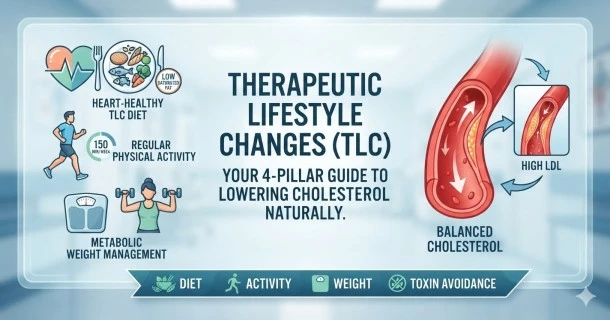
4 Core Pillars of the TLC Diet and Lifestyle Program
To successfully reduce high cholesterol naturally, the clinical TLC framework focuses heavily on four integrated lifestyle changes:
1. Adopt the Clinical TLC Diet Plan
Your dietary structure is the primary tool for lowering harmful lipid levels. A target TLC macronutrient breakdown includes:
- Saturated Fat Reduction: Limit saturated fats to less than 7% of your total daily calories by cutting back on fatty red meats and full-fat dairy.
- Eliminate Trans Fats: Ban all man-made hydrogenated oils and processed baked goods.
- Boost Viscous Soluble Fiber: Consume 10 to 25 grams of soluble fiber daily from oats, barley, lentils, and psyllium supplements to block cholesterol absorption in the gut.
- Incorporate Plant Sterols and Stanols: Add 2 grams per day of plant sterols or stanols to competitively inhibit intestinal cholesterol absorption and drop LDL levels by up to 10%.
- Prioritize Omega-3 Fatty Acids: Eat fatty fish (salmon or mackerel) 2–3 times weekly to safely lower triglycerides.
2. Increase Regular Physical Activity
Physical activity to improve cholesterol number: Regular exercise forces the body to clear out circulating lipids and use triglycerides for immediate cellular energy.
- Aim for at least 150 minutes of moderate-intensity cardio (like brisk walking) every week.
- Combine cardio with two weekly strength-training sessions to amplify your reduction in LDL.
- Consistent exercise raises protective High-Density Lipoprotein (HDL) concentrations.
3. Maintain a Healthy Metabolic Weight
Lose weight to improve your cholesterol number: Carrying excess weight, especially around the midsection (waist size over 40 inches for men or 35 inches for women), triggers inflammatory responses that elevate bad cholesterol.
- Maintain a target Body Mass Index (BMI) below 25.
- Losing just a few pounds directly reduces circulating LDL and stabilizes blood pressure.
4. Eliminate Vascular Toxins
Smoking, vaping, and heavy alcohol consumption put immense strain on the liver and directly degrade the structural integrity of your blood vessels.
- Quit Smoking Immediately: Cessation rapidly improves your overall HDL concentrations and structural arterial health.
- Limit Alcohol Intake: Restricting alcohol reduces liver strain, limits unnecessary empty calories, and controls soaring triglyceride numbers.
Evidence-Based Cholesterol Supplements
If dietary adjustments need an extra boost, targeted clinical supplementation can safely enhance your lipid-lowering results under proper medical supervision:
| Supplement Component | Clinical Recommended Dosage | Expected Impact on Lipids |
| Plant Sterols / Stanols | 2 grams per day | Lowers LDL cholesterol by 5% to 15% |
| Soluble Fiber (Psyllium) | 10 to 25 grams per day | Binds bile acids to reduce serum LDL up to 10% |
| Niacin (Vitamin B3) | 1 to 3 grams per day (Rx Only) | Boosts HDL and cuts LDL by up to 30% |
| Omega-3 Fatty Acids | Marine-derived EPA/DHA | Safely drops elevated triglyceride levels |
Frequently Asked Questions (FAQ)
Can I lower my LDL cholesterol without medication?
Yes. Adopting targeted lifestyle modifications—such as limiting saturated fat to under 7% of your daily calories, eating 10–25 grams of soluble fiber, and exercising 150 minutes a week—can significantly reduce LDL cholesterol levels naturally. However, individuals at high cardiovascular risk may require medication alongside these lifestyle changes.
What is the TLC diet plan for high cholesterol?
The Therapeutic Lifestyle Changes (TLC) diet is a medically curated eating framework that focuses on reducing saturated and trans fats while maximizing the intake of cholesterol-blocking nutrients like plant sterols (2g/day) and viscous soluble fiber.
How long does it take for lifestyle changes to reduce cholesterol?
Clinical guidelines recommend checking your lipid response roughly six weeks after initiating strict therapeutic lifestyle modifications. If target goals are not reached, further dietary options or medical interventions may be considered by your doctor.
Do lifestyle changes help lower triglycerides and raise HDL?
Yes. While diet primarily targets LDL, increasing physical activity, losing weight, and avoiding smoking or heavy alcohol consumption are highly effective ways to decrease triglycerides and increase protective HDL cholesterol.