
Discover safe complementary therapies for diabetes. Learn about herbal supplements, mind-body exercises, and how to safely integrate CAM with your medical care plan.
Integrating Complementary and Alternative Medicine (CAM) for Diabetes Management
Complementary and alternative medicine (CAM) therapies are widely popular among individuals living with diabetes. While there is no permanent cure for diabetes, certain natural, mind-body, and physical practices can safely complement your conventional medical treatment to improve blood glucose control, reduce stress, and enhance overall quality of life.
The visual features of diabetes management focus heavily on lifestyle adaptation. When adopting alternative strategies, it is essential to balance metabolic tracking with physical symptoms like fatigue or neuropathy.
Understanding CAM in Diabetes Care
Medical professionals categorize therapies outside of standard Western medicine into distinct groups based on how they are utilized alongside a primary care plan:
- Complementary Medicine: Therapies used together with conventional medical treatments, such as using yoga alongside a prescribed insulin regimen to manage stress and glucose levels.
- Alternative Medicine: Treatments used in place of standard medical care. Note: Medical consensus strongly advises against replacing standard diabetes treatments with alternative-only protocols due to severe acute health risks.
- Integrative Medicine: An evidence-based approach that combines standard medical treatments with complementary therapies that have been clinically reviewed for safety and efficacy.
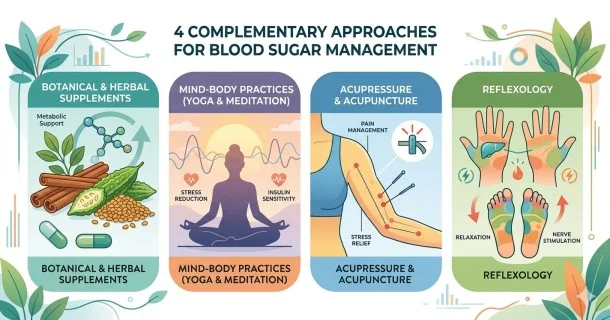
4 Complementary Approaches for Blood Sugar Management
1. Botanical and Herbal Supplements
Herbal remedies utilize plant parts like seeds, roots, and leaves to support metabolic health. Certain herbs may improve insulin sensitivity or slow glucose absorption in the gut. Common botanicals researched for metabolic support include:
- Gymnema Sylvestre
- Bitter Melon (Momordica charantia)
- Fenugreek seeds
- Cinnamon
2. Mind-Body Practices (Yoga & Meditation)
Yoga combines physical postures, breathing exercises, and meditation to regulate the nervous system and decrease stress hormones like cortisol. Elevated stress directly drives up blood glucose levels. Regular yoga practice can improve physical flexibility, cardiovascular health, and insulin sensitivity.
3. Acupressure and Acupuncture
Rooted in traditional practices, stimulating targeted physical points via firm pressure (acupressure) or fine needles (acupuncture) is utilized to alleviate pain and improve systemic blood flow. For individuals with diabetes, these therapies are primarily beneficial for managing peripheral neuropathy pain and reducing chronic systemic stress.
4. Reflexology
Reflexology applies targeted pressure to specific zones on the hands and feet. This mechanical stimulation promotes overall relaxation, alleviates muscular tension, and improves localized nerve sensation and blood circulation.
Safe Implementation and Risk Mitigation
While integrative therapies offer supportive benefits, they present distinct clinical risks if implemented incorrectly.
The Danger of Treatment Cessation
Never stop or reduce your prescribed diabetes medications or insulin to pursue alternative therapies. Abruptly halting medical treatment can cause rapid, life-threatening spike elevations in blood glucose, leading to Diabetic Ketoacidosis (DKA) or Hyperosmolar Hyperglycemic State (HHS). Individuals with Type 1 diabetes require lifelong exogenous insulin survival support and must never eliminate insulin therapy.
Hypoglycemia Monitoring
Complementary therapies that successfully lower blood glucose can increase your risk of hypoglycemia (low blood sugar) when paired with existing medications like insulin or sulfonylureas.
- Increase the frequency of your blood glucose monitoring when initiating any new lifestyle or herbal routine.
- Coordinate with your endocrinologist to safely adjust your prescription dosages if your daily tracking shows a consistent downward trend in blood sugar.
Herbal Drug Interactions
Active compounds in herbal supplements can interact unpredictably with prescription medications. Some herbs may strain liver or kidney function, which is a critical concern for anyone at risk for diabetic nephropathy. Always seek a medical professional's oversight before adding any supplement to your daily care protocol.
Physical Considerations for Neuropathy
If you suffer from diabetic neuropathy (nerve damage causing numbness or pain in the extremities), your feet are highly vulnerable to injury.
- Ensure reflexology or massage practitioners use very gentle pressure to avoid skin breakdown or tissue damage.
- Always inspect your feet daily for minor cuts, blisters, or redness following any physical therapy session.
Frequently Asked Questions (FAQ)
Can alternative medicine permanently cure diabetes?
No, there is currently no permanent cure for Type 1 or Type 2 diabetes. While Type 2 diabetes can frequently be driven into clinical remission through structured weight loss, dietary modifications, and routine exercise, the underlying genetic and metabolic susceptibilities remain. Beware of any products or therapies claiming to provide a complete or permanent cure.
What are three alternative options for treating diabetes symptoms?
Three distinct supportive options for managing diabetes-related stress and symptoms include herbal supplements (like cinnamon or fenugreek under medical supervision), mind-body practices (such as regular yoga or mindfulness meditation to improve insulin sensitivity), and physical therapies (like professional acupuncture to manage diabetic neuropathy pain).
Is it safe to stop taking insulin if my blood sugar normalizes using herbs?
No, you must never stop taking insulin or prescribed medications without direct medical approval. If herbs or lifestyle modifications lower your blood sugar, stopping your medical therapies abruptly can cause extreme rebound hyperglycemia or acute diabetic ketoacidosis (DKA). Any adjustments to prescription dosages must be managed systematically by your healthcare provider.