
Compare top type 2 diabetes combination pills like Janumet, Glucovance, and ACTOplus Met, including ingredients, benefits, and A1C reduction scores.
Combination Diabetes Pills: Multi-Action Therapy for Type 2 Diabetes
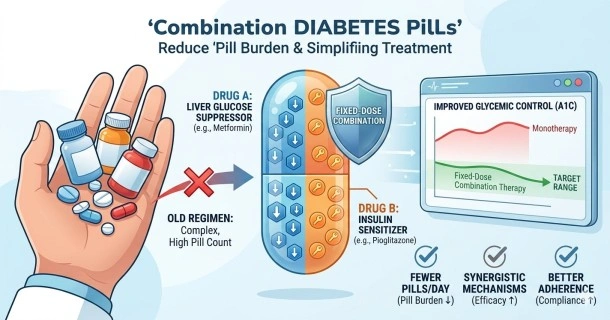
Combination diabetes pills combine two distinct classes of blood-sugar-lowering medications into a single, daily tablet to manage type 2 diabetes. By targeting multiple metabolic pathways at once, these fixed-dose combinations lower production costs, reduce daily pill burdens, and significantly improve long-term treatment compliance.
Understanding how these combination treatments function, their comparative blood sugar efficacy, and their individual clinical applications can help you work more effectively with your endocrinologist.
Why Metformin is the Foundation of Combination Pills
Metformin serves as the anchor ingredient in the vast majority of combination diabetes tablets available today. Clinical guidelines heavily utilize it because it safely suppresses glucose production in the liver without forcing the pancreas to secrete extra insulin. This allows it to maximize your glycemic control without causing sudden drops in blood sugar (hypoglycemia) or tracking undesirable weight gain.
Comparison of Common Combination Diabetes Medications
The following scannable table outlines the most common FDA-approved fixed-dose oral combinations, their primary drug mechanisms, and their average clinical impact on Fasting Blood Glucose (FBG) and Hemoglobin A1C.
Note: Several older combinations containing rosiglitazone (such as Avandamet and Avandaryl) have been widely discontinued or strictly restricted in global markets due to cardiovascular safety alerts.
A comprehensive table comparing combination brand names, active ingredients, and drug classes can be found on the Healthy Ojas website.
Key Benefits and Safety Considerations
Multi-class therapies provide synergistic blood sugar control, improved treatment adherence by lowering daily pill counts, and often greater financial efficiency. However, because they combine two treatments, patients take on the combined side effect profiles, including potential gastrointestinal distress from metformin, fluid retention risks from thiazolidinediones, and elevated hypoglycemia risks if a sulfonylurea is included.
Transition Guide: Switching From Single Pills to Combination Therapy
Many patients are transitioned to a combination pill when a single drug (like metformin monotherapy) is no longer enough to keep their A1C within a target range.
What to Expect During the Switch
- The "Washout" Window: Your healthcare provider will give you a specific timeline to stop your individual pills before starting the fixed-dose combination. Do not overlap your old separate prescriptions with the new combo pill unless explicitly directed.
- Tighter Blood Sugar Tracking: For the first 14 days of starting a combination pill, check and log your blood sugar more frequently (e.g., fasting in the morning and two hours after your largest meal). This helps ensure your body is adjusting safely without sudden spikes or drops.
- Side Effect Monitoring: While combination pills simplify your routine, they introduce two side-effect profiles at once. For example, if you switch to Janumet, you are monitoring for both the mild stomach adjustments of metformin and the cold-like upper respiratory symptoms of sitagliptin simultaneously.
Frequently Asked Questions (FAQs)
What are combination diabetes pills?
Combination diabetes pills are single tablets that merge two completely different classes of oral diabetes medications. Instead of taking multiple separate prescriptions, patients can take one fixed-dose pill that targets several blood sugar pathways at the same time.
Why is metformin included in almost all combination diabetes tablets?
Metformin is widely considered the foundational treatment for type 2 diabetes. It is included in combination pills because it effectively lowers glucose production in the liver and improves insulin sensitivity without causing weight gain or low blood sugar (hypoglycemia) when used as a baseline therapy.
Can combination diabetes pills cause low blood sugar (hypoglycemia)?
It depends entirely on the specific ingredients in your pill. If your combination pill contains an insulin secretagogue like a sulfonylurea (e.g., glipizide or glimepiride) or a meglitinide (e.g., repaglinide), your risk of low blood sugar increases because those drugs force your pancreas to release extra insulin. If it only mixes metformin with a drug class like a DPP-4 inhibitor, the risk of hypoglycemia is exceptionally low.
Are older combinations like Avandamet or Avandaryl still safe to use?
Many older fixed-dose combinations that contain rosiglitazone (such as Avandamet and Avandaryl) have been widely discontinued, heavily restricted, or phased out in global markets due to clinical data linking the drug to increased cardiovascular risks and heart failure alerts. Modern treatments typically favor combinations using safer drug anchors like pioglitazone, DPP-4 inhibitors, or SGLT2 inhibitors alongside metformin.
What happens if I experience side effects from one of the active ingredients in a combination pill?
Because combination pills contain two distinct medications, you can experience side effects from either drug class. A major challenge with fixed-dose combinations is that your healthcare provider cannot easily adjust the dose of just one ingredient. If a specific component causes severe side effects, your doctor will likely switch you back to taking separate pills so they can monitor and titrate each medication independently.