
Learn how chronic high blood sugar causes nerve and blood vessel damage. Discover the symptoms of major long-term diabetes complications and how to prevent them.
Understanding Long-Term Diabetes Complications
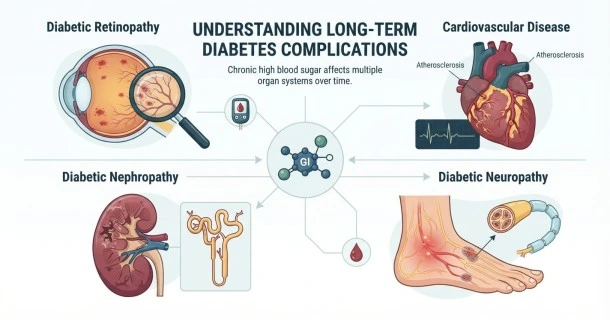
Chronic, uncontrolled diabetes can progressively damage your body's blood vessels and nerves over time. When blood glucose levels remain consistently high, it leads to systemic inflammation and restricted blood flow.
Managing your blood sugar, cholesterol, and blood pressure is essential to lowering your risk of developing severe, long-term health issues.
Cardiovascular Disease (Heart Disease and Stroke)
Diabetes significantly increases the risk of cardiovascular complications. High blood sugar contributes to the buildup of fatty deposits (atherosclerosis) in the arterial walls.
- Heart Attack: Blocked coronary arteries can cut off oxygen-rich blood flow to the heart muscle.
- Stroke: Restricted or interrupted blood supply to the brain can cause a cerebrovascular accident.
- Peripheral Artery Disease (PAD): Reduced blood flow to the limbs increases the risk of slow-healing wounds, ulcers, and, in severe cases, lower-limb amputation.
Diabetic Neuropathy (Nerve Damage)
Prolonged hyperglycemia injures the walls of the tiny blood vessels (capillaries) that nourish your nerves, particularly in the legs and feet.
- Peripheral Neuropathy: Symptoms include numbness, tingling, burning pain, or loss of sensation in the feet and hands.
- Autonomic Neuropathy: Affects the nerves controlling internal organs, leading to heart rate irregularities, digestive issues, and bladder dysfunction.
Diabetic Nephropathy (Kidney Disease)
The kidneys contain millions of tiny blood vessel clusters that filter waste from your blood. High blood sugar damages this delicate filtering system over time. Left unmanaged, diabetic nephropathy can progress to chronic kidney disease (CKD) or kidney failure, requiring dialysis or a kidney transplant.
Diabetic Retinopathy (Eye Damage)
Diabetes can damage the microscopic blood vessels of the retina, the light-sensitive tissue at the back of the eye.
- Retinopathy: This damage can cause fluid leakage or abnormal blood vessel growth, leading to blurry vision or permanent blindness.
- Other Eye Conditions: Individuals with diabetes also have a higher statistical prevalence of developing cataracts and glaucoma.
Gastrointestinal Complications (Gastroparesis)
Autonomic nerve damage to the vagus nerve impairs the stomach's ability to empty food normally. Symptoms of diabetic gastroparesis include nausea, vomiting, bloating, acid reflux, and unpredictable fluctuations in blood glucose levels due to delayed digestion.
Urological Complications and Infections
Nerve damage and compromised immunity cause specific urological and structural complications:
- Bladder Dysfunction: Damage to the autonomic nerves controlling the bladder can lead to urinary incontinence, overactive bladder, or incomplete emptying.
- Urinary Tract Infections (UTIs): High glucose levels in urine create an environment where bacteria grow more easily. Additionally, a weakened immune response makes it harder for the body to fight off infections.
- Erectile Dysfunction (ED): Diabetes can damage the nerves and blood vessels required to maintain an erection.
Mental Health and Depression
Living with a chronic health condition increases stress and mental fatigue. Individuals with diabetes are statistically more prone to developing clinical depression compared to the general public. Depression can impair an individual's ability to follow a diabetes management routine, creating a cyclical effect on glycemic control.
How to Prevent Diabetes Complications
The risk of developing chronic complications can be significantly reduced through proactive care:
- Maintain Glycemic Control: Monitor your blood glucose routinely and aim to keep your Hemoglobin A1C within your target range.
- Manage Cardiovascular Risk Factors: Work with your doctor to maintain optimal blood pressure and lipid (cholesterol) levels.
- Schedule Annual Screenings: Comprehensive annual eye exams, kidney function labs (microalbuminuria tests), and professional foot checks help catch early signs of damage before major symptoms develop.
Frequently Asked Questions (FAQ)
What are the first signs of long-term diabetes complications?
Early signs depend on the organ system affected. They frequently present as a burning or tingling sensation in the feet (neuropathy), blurry vision (retinopathy), or frequent urination and swelling in the hands or feet (nephropathy).
Can you reverse diabetes complications once they start?
While advanced structural damage to nerves or organs cannot usually be fully reversed, early-stage complications can often be halted or slowed down significantly. Tight blood sugar management, lifestyle improvements, and medical treatments can prevent early damage from worsening.
Why does diabetes cause poor wound healing?
Diabetes slows down the healing process because chronic high blood sugar narrows the blood vessels, reducing blood flow and oxygen delivery to wounds. Elevated glucose also impairs immune cell function, making it harder for the body to repair tissue and fight off bacterial infections.