
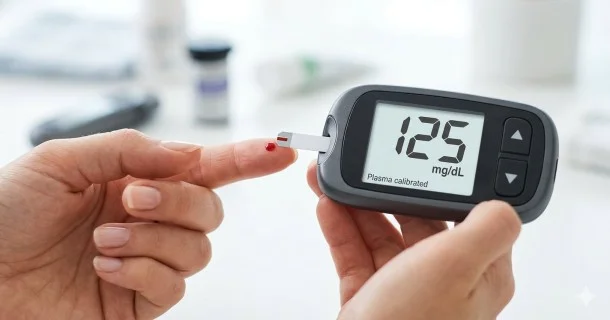
Master your home blood sugar tracking. Learn how to choose a blood glucose meter, perform accurate fingerstick tests step by step, and maintain your device.
Selecting and Operating a Blood Glucose Meter: A Practical Patient Guide
A blood glucose meter—commonly referred to as a glucometer—is a vital portable tool that empowers individuals living with diabetes to monitor their blood sugar levels at any time and place. Obtaining instant readings allows you and your healthcare provider to make immediate, safe decisions regarding medication dosing, nutritional intake, and activity levels to effectively avoid acute states of hyperglycemia or hypoglycemia.
How to Choose the Best Blood Glucose Meter
When evaluating different glucometers on the market, it is essential to look past simple branding and focus on practical features that match your daily routine:
- Sample Volume Size: Look for meters that require a minimal blood sample (measured in microliters). Smaller sample requirements translate directly to less painful fingersticks.
- No-Coding Architecture: Ensure the device features an automatic, non-coded system. Manual coding is outdated and increases the risk of calculation errors if a user forgets to calibrate a new batch of strips.
- Data Logs and Connectivity: Select a meter capable of saving internal logs featuring the exact time and date of tests. Many modern devices sync directly with smartphone applications via Bluetooth, allowing you to instantly share trend reports with your medical team.
- Total Long-Term Cost: Evaluate the recurring retail cost of the disposable test strips rather than just the one-time cost of the meter device itself.
Step-by-Step Testing Procedure
To achieve an accurate measurement and reduce the risk of localized infection, follow this clinical step-by-step framework:
- Preparation: Gather your glucometer, a fresh test strip, a clean lancet, an automatic lancing device, and a sanitizing alcohol prep pad.
- Hand Hygiene: Thoroughly wash your hands with warm water and soap, then dry them completely. Residual sugars from foods left on your skin can drastically alter your results.
- Device Setup: Insert the disposable test strip into the designated port of the meter to power the machine on. Wait for the visual prompt indicating it is ready for the sample.
- Sampling: Clean the side of your chosen finger with the alcohol pad and let it dry entirely. Pierce the side of the soft fingertip using the automatic lancing tool.
- Reading: Gently touch the edge of the test strip to the blood drop until the capillary action draws the sample inward. The monitor will calculate and display your absolute value within a few seconds.
Technical Context: Whole Blood vs. Plasma Values
Modern, high-quality home glucometers are specifically calibrated to report results as plasma glucose concentrations rather than whole blood concentrations.
Glucose concentrations measured within blood plasma are typically 10% to 15% higher than measurements taken from raw whole blood. Ensuring your home meter aligns with plasma standards is critical because standard clinical reference ranges used by hospital laboratories are also based entirely on plasma matrixes.
Cleaning, Storage, and Device Maintenance
Environmental degradation can lead to significant reading inaccuracies. If a meter is exposed to extreme temperatures, stored in high humidity, or gathers dirt inside the sensor path, its internal mechanisms can fail. Always clean the casing according to the manufacturer's instruction manual and check expiration dates on strip vials prior to use.
Frequently Asked Questions (FAQ)
Why are my home glucometer readings higher than older whole-blood models?
Modern home meters are calibrated to read plasma glucose levels, which run roughly 10% to 15% higher than whole-blood measurements. This design ensures that your home data matches the standardized plasma numbers used by professional diagnostic labs.
What is the most common mistake when using a diabetes meter?
The most frequent error is testing with damp hands or checking immediately after handling food. Residual sugars on your fingers or unevaporated water/alcohol can dilute or artificially spike the sample drop, leading to highly inaccurate results.
Do all blood glucose meters require code entries?
Most modern blood glucose monitors are engineered with "no-coding" technology. This means they calibrate automatically as soon as a test strip is inserted, removing the risk of errors associated with typing manual batch codes.