
Discover what causes hypoglycemia (low blood sugar). Explore diabetes medication mismatches, hidden non-diabetic causes, and lifestyle triggers like fasting and alcohol.
What Causes Hypoglycemia? Primary Triggers & Underlying Factors
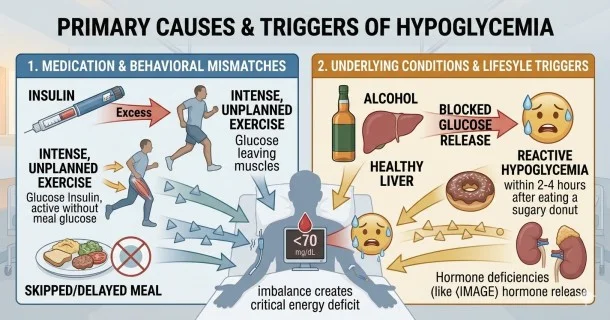
The fundamental cause of hypoglycemia is an imbalance between circulating insulin (or other glucose-lowering medications) and the available supply of glucose in your bloodstream. When there is too much active insulin signaling or too little sugar entering the system, blood glucose drops below the safe physiological threshold of 70 mg/dL, depriving your cells and brain of vital fuel.
While a mismatch in medication is the most common cause among individuals managing diabetes, a wide array of lifestyle choices, dietary habits, and hidden non-diabetic medical conditions can also trigger a severe metabolic drop.
Primary Causes in Individuals with Diabetes
For those managing Type 1 or Type 2 diabetes, hypoglycemia is typically an unintended side effect of glucose-lowering therapies. The most frequent clinical triggers include:
- Medication Excess or Timing Mismatches: Accidentally administering too much insulin, or taking a class of oral diabetes medications called sulfonylureas (like glipizide, glimepiride, or glyburide) or meglitinides, forces the pancreas to pump out excess insulin regardless of your actual blood sugar levels.
- Delayed or Skipped Meals: Taking your short-acting insulin dose or oral medication but then delaying a meal, eating fewer carbohydrates than anticipated, or skipping a snack entirely leaves the medication with no external glucose to process, pulling existing sugar out of the bloodstream.
- Unplanned or Intense Physical Activity: Exercise dramatically increases your muscles' sensitivity to insulin and allows them to absorb glucose without needing insulin at all. If you do not lower your medication doses or eat extra carbohydrates before physical exertion, your blood sugar can drop during or even up to 24 hours after the workout.
Comprehensive List of Non-Diabetic & Lifestyle Triggers
Low blood sugar can also occur in individuals who do not have diabetes. These episodes are categorized into two main behavioral or physiological types:
Lifestyle & Dietary Triggers
- Excessive Alcohol Consumption on an Empty Stomach: When you drink heavily without eating, your liver prioritizes breaking down and clearing the alcohol from your system. Because it is occupied with detoxifying alcohol, the liver completely halts its ability to release stored sugar into the bloodstream (glycogenolysis), causing sugar levels to plunge.
- Reactive Hypoglycemia (Postprandial): Occurs within 2 to 4 hours after a meal. This happens when the pancreas overproduces a massive surge of natural insulin in response to a high-carbohydrate, sugary meal, causing a rapid "crash" shortly afterward.
- Prolonged Fasting or Starvation: Severe, long-term lack of food intake can deplete the liver's glycogen reserves entirely, preventing it from maintaining baseline glucose balance.
Underlying Medical Conditions & Organ Malfunction
- Critical Organ Failure: Severe kidney disease slows down the clearance of insulin from your body, leaving it active in your blood for too long. Advanced liver disease (like cirrhosis or hepatitis) directly destroys the organ's ability to store or manufacture glucose.
- Hormonal Deficiencies: Disorders of the adrenal glands, such as Addison’s disease, or a sluggish pituitary gland result in a deficiency of vital counter-regulatory hormones (like cortisol and growth hormone) that are supposed to naturally protect your body from dropping sugar levels.
- Insulinomas (Pancreatic Tumors): A rare, benign tumor of the pancreas that continuously manufactures and secretes high levels of insulin completely independent of blood sugar concentrations.
[ Excess Medication / Insulin ] ───► Over-absorbs Blood Glucose ───┐
[ Heavy Alcohol / Empty Stomach ] ───► Halts Liver Sugar Release ───┼─► CRISIS: HYPOGLYCEMIA
[ Intense Unplanned Exercise ] ───► Rapidly Consumes Fuel Stores ───┘
To explore the physical warning signs your body uses to alert you to a critical drop in sugar, view our guide on Recognizing Hypoglycemia Symptoms. For an in-depth breakdown of how the body maintains glucose balance at a cellular level, visit our Introduction to Hypoglycemia.
Frequently Asked Questions (FAQ)
Can psychological stress cause hypoglycemia?
Generally, no. In the vast majority of cases, acute psychological or emotional stress releases hormones like adrenaline and cortisol, which actually work to increase blood sugar and cause hyperglycemia. However, chronic stress can indirectly cause low blood sugar if it severely alters your baseline behavioral habits—such as causing a person with diabetes to accidentally miss a meal or over-medicate while distracted.
Why does drinking alcohol cause a drop in blood sugar?
Alcohol severely blocks your liver's ability to manufacture and release glucose. Normally, when your blood sugar drops, your liver continuously breaks down its stored glycogen to stabilize your numbers. If your liver is busy processing alcohol, that safety mechanism shuts down completely, putting you at high risk for a severe drop, especially if you have not eaten carbohydrates.
What medications besides insulin cause low blood sugar?
Beyond insulin, the most common medications that cause hypoglycemia are oral diabetes drugs that stimulate natural insulin production, specifically sulfonylureas (such as glipizide and glimepiride) and meglitinides (such as repaglinide). Other common diabetes drugs, like metformin or SGLT2 inhibitors, rarely cause hypoglycemia when used on their own because they do not force the pancreas to squeeze out extra insulin.
What is reactive hypoglycemia?
Reactive hypoglycemia is a condition where blood sugar drops abnormally low within 2 to 4 hours after eating a meal. It is typically triggered by consuming heavily processed, high-glycemic carbohydrates or sugary foods. The rapid spike in blood sugar confuses the pancreas, causing it to overcompensate by releasing a massive flood of insulin that pulls too much sugar out of circulation, resulting in a post-meal energy crash.