
Explore what causes diabetic ketoacidosis (DKA). Learn about primary insulin deficiencies, hidden infection triggers, and medications that increase DKA risk.
What Causes Diabetic Ketoacidosis? Primary Triggers & Underlying Factors
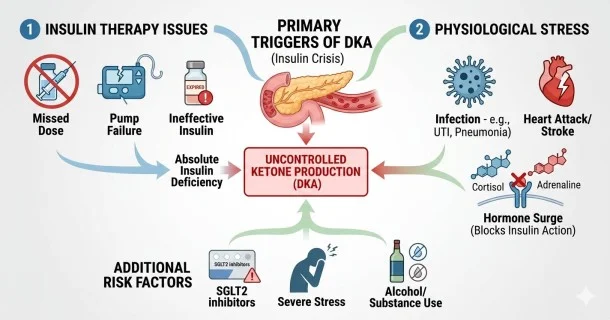
The fundamental cause of diabetic ketoacidosis (DKA) is a severe shortage of functional insulin paired with a surge in counter-regulatory hormones. Without enough insulin, glucose cannot enter the cells to be used for energy. This forces the body to rapidly break down fat for fuel, generating a hazardous accumulation of acidic ketone bodies.
While an absolute lack of insulin is the underlying physiological mechanism, a wide array of acute medical conditions, physical stressors, or lifestyle factors can actively trigger this metabolic crisis.
The Two Primary Causes of DKA
Statistically, the vast majority of DKA episodes are driven by two main precipitating factors:
- Underlying Infection or Acute Illness: When you get sick, your body enters a state of physiological stress and releases high amounts of hormones like adrenaline, cortisol, and glucagon. These stress hormones directly counteract the effects of insulin, causing blood glucose to skyrocket and fat breakdown to accelerate.
- Inadequate or Inconsistent Insulin Therapy: Missing scheduled insulin injections, taking an incorrect dose, or experiencing an unrecognized equipment malfunction (such as a bent insulin pump cannula or expired, overheated insulin) can rapidly deplete active insulin levels in the bloodstream.
Comprehensive List of DKA Triggers
Beyond the two primary causes, several other hidden illnesses, behaviors, and medical changes can disrupt your metabolic balance:
Acute Medical Conditions & Trauma
- Infections: Urinary tract infections (UTIs), pneumonia, sepsis, and gastroenteritis are among the most common illness-related triggers.
- Cardiovascular Events: Heart attacks (myocardial infarctions) or strokes subject the body to extreme hormonal stress capable of triggering DKA.
- Physical Trauma: Major injuries, severe burns, or undergoing surgery can dramatically spike stress hormone production.
- Pancreatitis: Inflammation of the pancreas can directly damage the cells responsible for producing whatever baseline insulin your body relies on.
Medication-Induced Triggers
- SGLT2 Inhibitors: Certain oral medications for Type 2 diabetes (such as canagliflozin, dapagliflozin, or empagliflozin) can trigger a unique condition known as eoglycemic DKA, where ketoacidosis develops even though blood sugar levels remain under 200 mg/dL.
- Corticosteroids: Systemic steroid medications (like prednisone) aggressively increase insulin resistance and induce severe hyperglycemia.
- Certain Antipsychotics & Diuretics: Medications like clozapine or high-dose thiazide diuretics can negatively impact insulin secretion and sensitivity.
Lifestyle & Physiological Factors
- Severe Dehydration: Lack of fluids concentrates sugar and ketones in the blood while reducing the kidneys' ability to filter them out.
- Alcohol or Substance Abuse: Heavy alcohol consumption or the use of illicit substances like cocaine can induce severe dehydration, cause pancreatitis, and directly stimulate the release of counter-regulatory stress hormones.
- Unrecognized Type 1 Diabetes: DKA is frequently the very first sign of Type 1 diabetes in individuals who have not yet been diagnosed.
[Infections / Illness] ───► Spikes Stress Hormones ───┐
[Missed Insulin] ───► Drops Insulin Levels ───┼─► UNRESTRAINED KETONE PRODUCTION (DKA)
[SGLT2 Medications] ───► Alters Renal Threshold ───┘
To see how these underlying triggers manifest physically in the body, check out our guide on Recognizing Diabetic Ketoacidosis Symptoms. For a foundational look at what this condition means for your metabolism, view our Introduction to Diabetic Ketoacidosis.
Frequently Asked Questions (FAQ)
Can psychological stress cause diabetic ketoacidosis?
Yes, intense emotional or psychological stress can contribute to triggering DKA. Severe stress causes the body to release high amounts of cortisol and adrenaline. These hormones elevate blood sugar and interfere with how effectively your body processes insulin, meaning a highly stressful event can rapidly drive up ketone levels if insulin doses are not adjusted accordingly.
Why does an infection cause ketoacidosis?
When your body fights an infection (like pneumonia or a UTI), it releases inflammatory signals and counter-regulatory "stress" hormones to give your immune system more energy. Unfortunately, these hormones raise blood sugar and directly oppose insulin, triggering fat breakdown and escalating into DKA if insulin levels are not increased to match the stress demand.
Can you get DKA if you have Type 2 diabetes?
Yes. While DKA is far more common in Type 1 diabetes, a person with Type 2 diabetes can develop it under conditions of extreme physiological stress, such as a severe infection, a heart attack, or major surgery. It is also an established, rare risk factor for people taking SGLT2 inhibitor medications.
How can an insulin pump malfunction cause DKA?
An insulin pump delivers a continuous supply of short-acting insulin. If the small plastic tube under your skin (the cannula) becomes bent, clogged, or dislodged, your body completely stops receiving insulin. Because pump users do not have long-acting baseline insulin in their system, a total block in delivery can cause a critical insulin deficiency and trigger DKA within a few hours.