
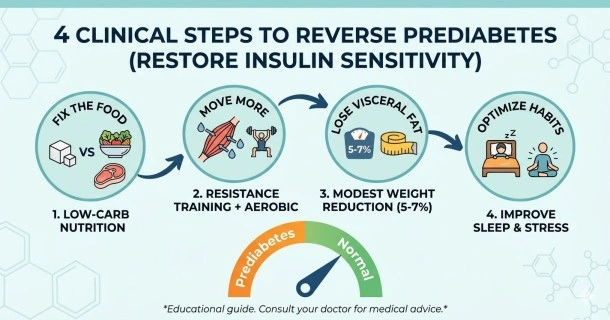
Learn how to reverse prediabetes naturally using evidence-based lifestyle changes. Discover clinical tips on diet, exercise, fasting, and metabolic health.
Reversing Prediabetes: Evidence-Based Steps to Restore Insulin Sensitivity
Prediabetes affects more than 1 in 3 adults, and without timely intervention, up to 50% of individuals progress to type 2 diabetes within four years. Fortunately, data from the landmark Diabetes Prevention Program (DPP) confirms that structured lifestyle choices can reduce this progression rate by 58%, outperforming standard medical treatments.
By strategically targeting the root causes—systemic insulin resistance and pancreatic beta-cell fatigue—you can restore optimal glucose tolerance and bring your blood sugar levels back to a healthy range.
The Core Pillars of Reversing Insulin Resistance
1. Optimize Carbohydrate Quality and Quantity
Chronic overconsumption of refined sugars and processed grains forces the pancreas to constantly pump out high volumes of insulin, downregulating cellular insulin receptors.
- Action: Shift from ultra-processed "fake foods" (sugary beverages, white bread, and refined pastries) to nutrient-dense, whole food options. Prioritize non-starchy vegetables, lean proteins, healthy fats (avocados, nuts, seeds), and low-glycemic fruits like berries.
2. Achieve a Sustainable 5% to 7% Weight Reduction
Carrying excess visceral fat tissue promotes systemic inflammation and worsens insulin resistance in the liver and skeletal muscle.
- Action: Aim for a gradual, realistic weight loss of 5% to 7% of your total body weight. Clinical trials demonstrate that this modest reduction improves overall insulin action by roughly 30%, safely offloading operational stress from your pancreatic beta cells.
3. Implement a Dual-Approach Exercise Regimen
Physical activity acts as a powerful non-pharmacological tool to sweep glucose out of the bloodstream without relying entirely on insulin.
- Action: Accumulate at least 150 minutes of moderate-intensity aerobic exercise (such as brisk walking or cycling) every week. Combine this with 1 to 2 weekly sessions of progressive resistance or strength training. Building lean skeletal muscle mass creates additional storage sites for circulating blood glucose, rapidly improving metabolic clearance.
4. Utilize Post-Meal Movement Snapshots
Sitting for prolonged periods after eating can trigger sharp, harmful postprandial blood glucose spikes.
- Action: Commit to a gentle, 10 to 15-minute walk immediately following your largest meals. This simple habit leverages your muscles to immediately burn off incoming food energy, improving digestion and stabilizing post-meal blood sugar curves.
Optimizing Daily Habits for Metabolic Recovery
- Incorporate Time-Restricted Feeding: Consider aligning your meals with a structured eating window (such as finishing dinner by 6:00 PM or 7:00 PM). This creates a 14 to 16-hour overnight fast that forces the body to deplete liver glycogen stores and transition into burning fat for fuel, which naturally assists in reducing systemic insulin resistance.
- Prioritize Restorative Sleep and Stress Management: Chronic mental stress or severe sleep deprivation elevates circulating levels of the hormone cortisol. High cortisol triggers the liver to dump excess glucose into the blood. Aim for 7 to 8 hours of quality sleep, and utilize practices like mindfulness meditation, yoga, or tai chi to lower sympathetic nervous system stress.
- Support Your Gut Microbiome and Hydration: Chronic low-grade gut inflammation from an imbalanced microbiome can negatively impact your metabolic health. Protect your gut by consuming probiotic-rich, fermented foods and staying consistently hydrated with pure water, which assists the kidneys in naturally flushing out extra circulating sugar.
Frequently Asked Questions (FAQ)
How long does it take to reverse prediabetes and normalize blood sugar?
The timeline depends heavily on your baseline HbA1c levels and how consistently you implement lifestyle changes. Most individuals observe significant metabolic improvements and a return to normal blood sugar levels within 3 to 6 months, though long-standing insulin resistance may take 1 to 2 years to fully resolve.
Can I stop my healthy habits once my blood sugar returns to normal?
No. Reversing prediabetes means your current metabolic function has normalized, but the underlying genetic predisposition remains. If you return to previous dietary habits, stop exercising, or regain weight, insulin resistance and borderline blood sugar levels will quickly return.
What supplements are clinically helpful for managing prediabetes?
While no supplement can replace a healthy diet, evidence suggests that correcting underlying deficiencies in magnesium and vitamin D can support optimal insulin function. Additionally, natural botanical options like cinnamon or berberine are often studied for their modest support in glucose metabolism, but they must always be discussed with a doctor first to avoid interactions.