
Discover the essential first steps for treating eye infections safely. Learn how to prevent the spread of pink eye, manage symptoms, and protect your vision.
Eye Infection Treatments: How to Heal and Prevent the Spread
Eye infections can be uncomfortable and highly contagious, but taking the right first steps can speed up your recovery. An eye infection typically spreads through direct or indirect contact with infected eye drainage, which carries the underlying virus, bacteria, or fungi. Identifying your symptoms early and practicing strict hygiene are essential to protect your vision and prevent the infection from spreading to your other eye or to those around you.
First Steps in Eye Infection Treatments
When you touch an infected eye, contagious drainage transfers to your hands. If you then touch your other eye, a surface, or another person, the infection can easily spread.
Implementing immediate hygiene and lifestyle adjustments is the crucial first step in managing an eye infection:
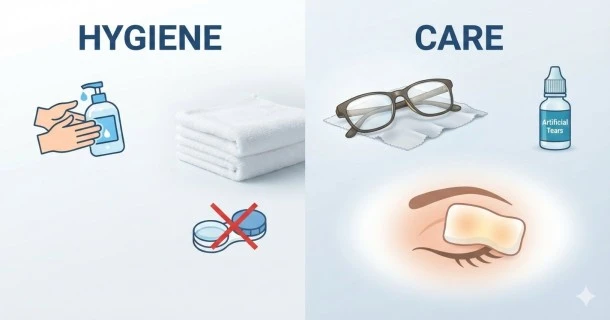
- Wash hands frequently: Clean your hands thoroughly with soap and water before and after touching your face, eyes, or administering prescribed eye drops.
- Suspend makeup use: Stop using all eye makeup until the infection is completely resolved. Discard old eye cosmetics used right before the infection to avoid recontaminating your eyes.
- Pause contact lens wear: Switch to eyeglasses immediately. Do not wear contact lenses until your doctor clears you. Thoroughly disinfect or replace your lenses, and discard your old contact lens case.
- Isolate linens: Use clean towels, washcloths, pillowcases, and handkerchiefs daily. Do not share these items with family members, and wash them in hot water to eliminate pathogens.
- Avoid environmental irritants: Protect your eyes from wind, smoke, harsh chemicals, extreme heat, or intense cold, which can worsen inflammation.
- Avoid contaminated water: Stay out of swimming pools, hot tubs, and natural water bodies until your eyes have fully healed.
Potential Causes of Eye Symptoms
If you are experiencing redness, irritation, or discharge, it could be related to several distinct conditions. Common medical possibilities include:
- Infectious Conjunctivitis (Pink Eye): A highly contagious inflammation of the conjunctiva caused by bacteria or viruses.
- Blepharitis: An inflammation of the eyelids, often caused by clogged oil glands or bacterial overgrowth at the base of the eyelashes.
- Stye (Hordeolum): A localized, painful red bump near the edge of the eyelid, usually caused by an infected eyelash follicle.
General Treatment Options
Medical treatment depends entirely on the root cause of the infection. General management options include:
- Antibiotic or Antiviral Eye Drops: Prescribed by a physician to target specific bacterial or viral pathogens.
- Warm and Cold Compresses: Placing a clean, damp compress over closed eyelids can soothe irritation and help clear crusty discharge.
- Over-the-Counter Artificial Tears: Lubricating drops can help relieve dryness and discomfort, though they do not cure the underlying infection.
Frequently Asked Questions (FAQ)
How long do eye infections usually last?
The duration depends on the cause. Viral conjunctivitis often clears up on its own within 7 to 14 days, while bacterial infections may begin improving within 24 to 48 hours after starting prescribed antibiotic drops.
Can I treat an eye infection at home without seeing a doctor?
While hygiene measures and warm compresses can help manage symptoms, it is critical to consult a healthcare professional. Using the wrong treatment (such as putting antibiotic drops on a viral or fungal infection) can worsen the condition or delay proper healing.
When should I seek immediate medical attention for an eye symptom?
You should see an eye doctor immediately if you experience severe eye pain, changes in your vision (such as blurriness), extreme sensitivity to light, or deep redness in the eye..