Learn to recognize critical eye symptoms in adults. Spot the signs of optical emergencies like retinal detachments, cataracts, and macular degeneration.
Warning Signs of Vision Problems in Adults: Recognizing Routine vs. Emergency Eye Symptoms
Many adults overlook gradual vision shifts, chalking them up to normal aging or temporary fatigue. However, changes in your visual acuity or ocular comfort can be the first warning signs of progressive eye conditions or underlying systemic health issues.
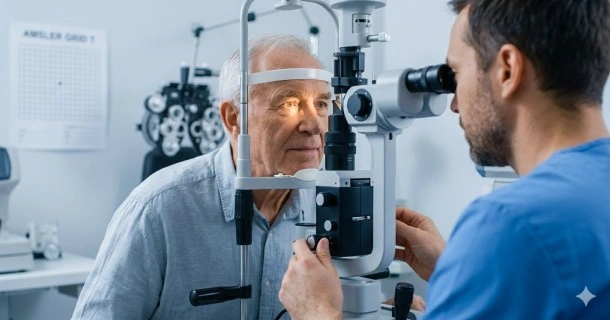
According to clinical protocols from the American Academy of Ophthalmology (AAO) and the American Optometric Association (AOA), adult eye symptoms are divided into two main categories: chronic signs that require a routine comprehensive evaluation, and acute warning signs that demand immediate emergency medical intervention.
Emergency Ocular Symptoms: Seek Immediate Care
If you experience any of the following acute symptoms, seek emergency ophthalmic or medical care immediately. Waiting even a few hours can result in permanent, irreversible vision loss:
- Sudden Loss of Vision: Complete or partial blindness occurring rapidly in one or both eyes (often pointing to a retinal artery occlusion or stroke).
- Flashes of Light and New Floaters: Seeing sudden streaks of light or a sudden shower of dark spots, which are classic signs of a posterior vitreous detachment or an active retinal tear/detachment.
- The "Curtain" Effect: A dark shadow or curtain falling over any part of your visual field.
- Sudden Distorted or Wavy Vision (Metamorphopsia): Straight lines (like doorframes or window blinds) appearing bent, wavy, or distorted. This is a primary sign of macular degeneration or macular swelling.
- Halos Around Lights: Seeing rainbow-colored rings or halos around light sources, especially when accompanied by severe eye pain and nausea (indicative of acute angle-closure glaucoma).
- Sudden Loss of Peripheral Vision: A sudden reduction in your side vision, leaving you with only central "tunnel" vision.
Chronic Eye Symptoms Requiring a Clinical Evaluation
These symptoms typically develop more gradually but still require a thorough, professional diagnostic examination to prevent progressive ocular damage:
1. Changes in Visual Focus and Clarity
- Presbyopia: Increasing difficulty focusing on close-up objects or reading material, usually emerging after age 40.
- Nyctalopia (Night Blindness): Distinct difficulty adapting to dark rooms or driving safely at night due to poor contrast.
- Diplopia (Double Vision) or Ghost Images: Seeing two images of a single object, or experiencing a shadowy "ghost" overlay.
2. Ocular Surface Discomfort and Irritation
- Dry Eye Syndrome: Chronic burning, stinging, a gritty "sand-like" sensation, or paradoxical watery eyes caused by poor tear quality.
- Blepharitis: Red-rimmed, swollen, itchy, or crusty eyelids, usually indicating localized inflammation or blocked oil glands.
3. Structural and Physical Shifts
- Iris Color Changes: Any noticeable shift in the coloration or pattern of the iris, which requires evaluation to rule out ocular tumors or uveitis.
- Frequent Deep Ocular Pain: Achiness or pressure in or directly behind the eyes.
Frequently Asked Questions (FAQ)
What does it mean if straight lines look wavy or distorted?
Wavy or distorted vision (metamorphopsia) is a major clinical indicator of a problem in the macula, the center part of your retina responsible for sharp vision. It is a common early warning sign of Age-Related Macular Degeneration (AMD) or macular edema and requires an urgent retinal exam.
Why am I suddenly seeing floating dark spots and flashes of light?
A sudden onset of flashes and floaters usually happens when the vitreous gel inside your eye pulls away from the retina. While this can be a natural aging process, it can also create a tear in the retina. If left untreated, a retinal tear can turn into a full retinal detachment, leading to blindness.
Why do my eyes water constantly if they feel dry and irritated?
This is a classic symptom of Dry Eye Syndrome. When your eyes lack high-quality, lubricating tears, the surface becomes irritated. In response, your lacrimal glands produce a flood of reflex tears. However, these tears are mostly water and lack the oils needed to stay on the eye, leaving it dry again.
I have high blood pressure. Which eye symptoms should I watch out for?
Adults with hypertension or diabetes face a higher risk for vascular eye conditions. You should watch out for sudden blurred vision, dimming sight, or persistent dark spots in your field of vision. These can indicate hypertensive retinopathy or retinal vein occlusions.