
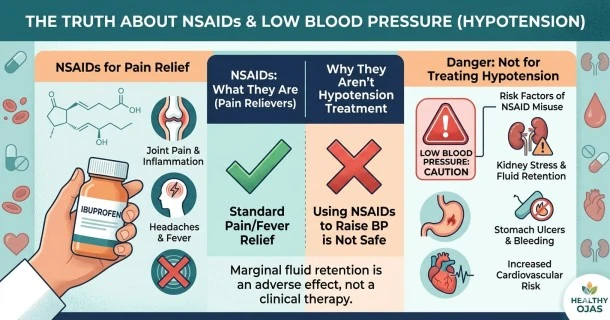
Learn how NSAIDs like ibuprofen affect your cardiovascular system. Discover why using pain relievers to raise low blood pressure is clinically unsafe.
The Truth About NSAIDs and Low Blood Pressure (Hypotension)
When exploring advanced therapies for severe low blood pressure, patients frequently read about lifestyle habits like using a fluid and sodium tracker or targeted prescriptions such as Midodrine.
Occasionally, older online literature mistakenly lists Nonsteroidal Anti-inflammatory Drugs (NSAIDs)—such as Ibuprofen (Advil, Motrin), Naproxen (Aleve), and Aspirin—as low blood pressure medicines.
While it is true that NSAIDs can cause a small, marginal increase in systemic blood pressure, they are never used or approved as a clinical treatment for hypotension. Using pain relievers to manage low blood pressure is ineffective and poses a severe threat to your kidneys and digestive system.
How Do NSAIDs Affect Your Blood Pressure?
NSAIDs are primarily formulated to block cyclooxygenase (COX-1 and COX-2) enzymes to reduce pain, fever, and systemic inflammation. However, blocking these enzymes simultaneously alters how your kidneys regulate fluids:
- Disruption of Renal Prostaglandins: In a healthy body, prostaglandins keep the blood vessels in your kidneys widened, allowing your body to filter wastes and excrete excess salt properly.
- Sodium and Fluid Retention: By blocking COX enzymes, NSAIDs suppress these prostaglandins. This causes your kidneys to constrict their blood vessels and actively retain sodium and water.
- Marginal Pressure Elevation: This fluid retention can expand your intravascular volume, causing a temporary, unpredictable rise in blood pressure of roughly 3 to 5 mm Hg.
Why NSAIDs Are Unsafe for Treating Hypotension
Relying on over-the-counter pain relievers to raise your blood pressure is highly dangerous due to several severe health risks:
1. Severe Renal (Kidney) Damage
Because NSAIDs force the blood vessels inside your kidneys to narrow, they reduce vital blood flow to your renal tissues. Over time, or at high daily dosages (such as 800 mg to 1,200 mg of ibuprofen), this restriction can precipitate acute kidney injury or chronic renal failure.
2. Gastrointestinal Ulcers and Bleeding
NSAIDs degrade the protective mucosal lining of your stomach and intestinal tract. Using these drugs consistently can lead to painful gastric ulcers, severe abdominal inflammation, and life-threatening internal gastrointestinal bleeding.
3. Increased Cardiovascular Risks
Paradoxically, while they can mildly elevate low blood pressure numbers, long-term NSAID use alters vascular lining chemicals in a way that actually increases your overall risk of experiencing a blood clot, heart attack, or stroke.
Critical Drug Interactions with NSAIDs
If you are already taking approved medications for low blood pressure or other systemic conditions, combining them with NSAIDs can create dangerous interactions:
- Fludrocortisone (Florinef): Taking an NSAID alongside Fludrocortisone (a prescription corticosteroid volume expander) exponentially multiplies your risk of developing stomach ulcers and internal bleeding.
- Blood Thinners (e.g., Warfarin): NSAIDs cause hypocoagulability (they reduce your blood's ability to clot). Mixing them with prescription anticoagulants can lead to uncontrollable bleeding after minor injuries.
- Diuretics: NSAIDs actively suppress the effectiveness of fluid pills, stressing your kidneys and driving fluid accumulation (edema) in your hands and feet.
- Lithium and Methotrexate: Pain relievers slow down your body's ability to clear these specialized medications, allowing toxic levels of the drugs to build up in your bloodstream.
Frequently Asked Questions (FAQs)
Can I take ibuprofen to treat a headache caused by low blood pressure?
If you have low blood pressure and experience an occasional tension headache or joint pain, taking a standard over-the-counter dose of ibuprofen (200 mg to 400 mg) is generally safe for short-term pain relief. However, you must take it strictly to treat the pain, not as a tool to raise your blood pressure. If your low blood pressure headache is caused by poor blood flow, fast-acting remedies like a targeted caffeine beverage or extra hydration are clinically safer options.
Do all pain relievers raise blood pressure like NSAIDs do?
No. While NSAIDs block COX enzymes and cause your kidneys to retain fluid, other pain relievers work through entirely different chemical pathways. For instance, Acetaminophen (Tylenol) is not an NSAID and does not cause the same type of fluid retention or kidney blood vessel narrowing. Always talk to a doctor to find the safest pain reliever for your specific cardiovascular profile.
What should I do if my low blood pressure drops after taking a medication?
Many standard medications—including alpha-blockers, antidepressants, and diuretics—can cause secondary low blood pressure as an unintended side effect. Never attempt to counteract a medication-induced drop by taking over-the-counter NSAIDs. Schedule a consultation with your prescribing doctor to evaluate an alternative drug class or adjust your current dosing schedule safely.