
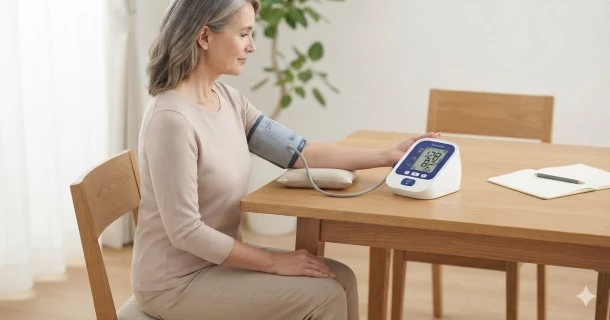
Learn how to accurately measure your blood pressure at home. Discover the differences between upper arm and wrist blood pressure monitors, avoid white-coat hypertension, and follow our step-by-step guideline.
Automatic Home Blood Pressure Monitors: An Accuracy & Usage Guide
If you have been diagnosed with high blood pressure (hypertension) or suspect your levels are elevated, tracking your readings at home is vital. While regular clinical measurements taken by a healthcare provider are important, home blood pressure monitoring provides a comprehensive picture of your true cardiovascular health over time.
Why Monitor Your Blood Pressure at Home?
Blood pressure naturally fluctuates throughout the day in response to emotions, medications, food, and physical exertion. Some individuals experience white-coat hypertension, a condition where blood pressure spikes in a medical environment but remains completely normal at home. Conversely, others may present with masked hypertension, where readings appear normal at the clinic but are elevated elsewhere.
Measuring your blood pressure in a relaxed, familiar environment helps eliminate these anomalies. The data collected allows your doctor to determine if you truly have hypertension and evaluate whether your current treatment or lifestyle modifications are effectively managing your levels.
Comparing Types of Home Blood Pressure Monitors
To achieve clinical accuracy, choosing the right equipment is essential. Digital monitors operate on the oscillometric method, measuring the vibration of blood traveling through your arteries to automatically calculate your numbers.
Monitor Type | Pros | Cons | Best Suited For |
| Upper Arm Monitor | Highly accurate; stays level with the heart automatically; heavily recommended by doctors. | Can be difficult to fit independently if the cuff size is wrong; bulky. | Standard home use for the general public, elderly individuals, and pregnant women. |
| Wrist Monitor | Lightweight; highly portable; easy to slip on for individuals with very large arms. | Highly sensitive to body positioning; keeping it perfectly at heart level is difficult, leading to less reliable readings. | Frequent travelers or individuals whose physical traits make arm cuffs painful or unfeasible. |
Step-by-Step Guidelines for an Accurate Reading
Even the most accurate automatic blood pressure machine will output errors if used incorrectly. Follow these standard clinical guidelines to ensure precise data tracking:
- Prepare Appropriately: Do not smoke, consume caffeine-containing beverages, eat a heavy meal, or engage in rigorous exercise for at least 30 minutes before taking a measurement. Empty your bladder prior to sitting down.
- Maintain Correct Body Posture: Sit quietly in a supportive chair with your back straight and firmly rested. Place both feet flat on the floor; do not cross your legs or ankles.
- Position Your Arm Correctly: Rest your bare arm on a flat surface (like a table) so that the upper arm remains level with your heart.
- Apply the Cuff Properly: Ensure the cuff fits tightly but comfortably around your upper arm. Align the arrow or indicator on the cuff directly over your brachial artery (located on the inside of your elbow crease).
- Follow the Rule of Multiples: Take two or three readings spaced exactly 1 minute apart. Log all values or use a machine that automatically averages them, as individual first readings are often falsely elevated.
- Stay Consistent: Measure your blood pressure at the same times each day (e.g., once in the morning and once in the evening) to map out clear, reliable trends.
Diagnosing and Managing Your Readings
A single high reading does not mean you have chronic hypertension. True diagnosis requires consistent patterns. Generally, a normal reading sits under 120/80 mmHg. Readings consistently at or above 140/90 mmHg warrant direct consultation with a physician to build an appropriate management strategy.
If diagnosed, blood pressure can often be managed or even reversed in its early stages through target lifestyle choices, though advanced stages may require prescription medication:
- Sodium Reduction: Restricting dietary salt intake directly alleviates fluid retention and arterial pressure.
- Aerobic Exercise: Participating in 30 minutes of moderate activity most days strengthens the heart muscle.
- Weight Control: Shedding excess body weight decreases the global workload placed on your cardiovascular framework.
Frequently Asked Questions (FAQs)
Which type of home blood pressure monitor is most accurate?
Upper arm blood pressure monitors are universally considered more accurate than wrist monitors. Because an upper arm cuff sits naturally at the same horizontal level as your heart, it minimizes positioning errors. Wrist monitors can provide reliable data, but only if the user remains completely still and holds their wrist precisely at heart level during inflation.
Why is my blood pressure higher at the doctor’s office than at home?
This is typically caused by a phenomenon called white-coat hypertension, which occurs when the anxiety or stress of being in a medical clinic or around healthcare professionals temporarily raises your blood pressure. Monitoring your vitals in a calm home environment over several days provides your doctor with a truer baseline.
How do I know if my blood pressure monitor cuff fits correctly?
Before buying a machine, use a tape measure around the midpoint of your bare upper arm. Match your measurement to the sizing metrics on the box. A proper cuff should wrap smoothly around your arm, leaving just enough room to snugly slide two fingertips under the top edge. A cuff that is too small will artificially overestimate your blood pressure, while a cuff that is too large will provide falsely low readings.