
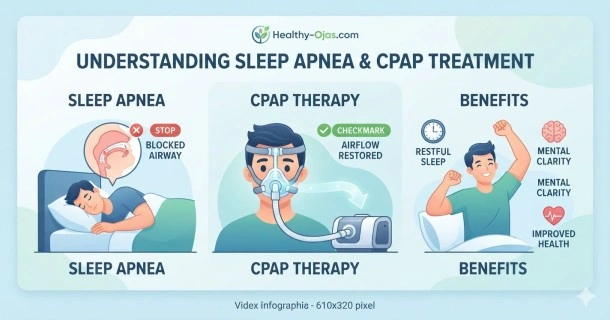
Learn how CPAP therapy treats moderate-to-severe sleep apnea. Discover how CPAP machines keep your airway open, setup protocols, and tips to resolve side effects.
What is a CPAP Machine? How Sleep Apnea Therapy Keeps Your Airway Open
Continuous Positive Airway Pressure (CPAP) is the absolute gold standard and most common medical treatment for moderate-to-severe obstructive sleep apnea in adults. Understanding what is a cpap machine used for helps patients see why this equipment is so crucial: it directly addresses the underlying physical collapse of the upper airway, restoring regular breathing patterns and drastically improving your overall quality of life.
How Does a CPAP Machine Work?
To understand how does a cpap machine work, look at it as a pneumatic splint for your throat. The system consists of a motorized base unit, a flexible tube, and a specialized mask that fits securely over your nose, your mouth, or both.
The machine draws in room air, filters it, and gently supplies continuous, pressurized air into your throat. This pressurized air acts as a constant wall of support against the soft tissues of your upper airway. Your doctor will adjust the machine's pressure settings so that it delivers exactly enough force to prevent the airway from narrowing or completely collapsing while you sleep.
Delivery and Setting Up Your CPAP Machine
Once your doctor prescribes sleep apnea cpap therapy, your equipment is typically coordinated through a specialized durable medical equipment (DME) supplier:
- Initial Clinical Setup: A clinical technician or respiratory therapist will supply your machine and set it up based directly on your doctor’s prescribed pressure settings. They will help fit your initial mask to minimize leaks.
- Routine Adjustments: After the initial home setup, your sleep medicine team may occasionally check your machine's data wirelessly to perform adjustments on your air pressure to ensure you get the best therapeutic results.
CPAP Side Effects and Troubleshooting Tips
While CPAP therapy is incredibly effective, it is common to experience mild cpap side effects as you are adjusting to a cpap machine. Knowing how to troubleshoot these issues keeps you consistent with your treatment:
- Dry or Stuffy Nose: The rapid flow of air can dry out your nasal passages. Most modern machines have integrated heated humidifiers. Adding moisture to the air and using a saline nasal spray can quickly relieve a dry, runny, or stuffy nose.
- Skin Irritation and Sore Eyes: If your mask is too tight, it can cause facial skin marks. Conversely, if it is too loose, air can leak into your eyes, making them sore and dry. Adjust the mask straps evenly or try a different mask size or style.
- Stomach Bloating and Aerophagia: If your pressure settings are too high or poorly adjusted, you may accidentally swallow air, leading to stomach bloating, gas, and abdominal discomfort.
- Morning Headaches: Often caused by an ill-fitting headgear strap applying too much pressure to your face or sinuses overnight.
If you run into persistent issues, reach out to your sleep specialist or DME technician. They can adjust your settings, change your mask style, or add automated pressure features to make breathing out against the air completely comfortable.
Frequently Asked Questions (FAQs)
What is a CPAP machine used for in sleep apnea care?
A CPAP machine is used to deliver a steady stream of pressurized air through a mask into a patient's throat while they sleep. This positive air pressure keeps the upper airway physically splinted open, completely preventing the breathing pauses, loud snoring, and dangerous oxygen drops associated with obstructive sleep apnea.
Why does my CPAP machine cause stomach bloating?
Stomach bloating from a CPAP is caused by a condition called aerophagia, which means "swallowing air." This typically happens when the air pressure settings on your machine are slightly too high, or your mask is fitting poorly, causing you to accidentally gulp the pressurized air into your stomach instead of breathing it into your lungs.
How long does it typically take to get used to using a CPAP?
Most individuals take anywhere from a few weeks to a couple of months to fully adjust to using a CPAP machine every night. The key to success is staying consistent, practicing wearing the mask for short periods while awake during the day, and working closely with your sleep specialist to fix any mask fit or air dryness issues early on.