
Explore safe, evidence-based natural sleep aids and relaxation techniques—including herbal therapies, yoga, and acupressure—to naturally improve your sleep quality.
Natural Sleep Aids and Relaxation Techniques for Better Sleep
A sleep disorder is defined as a persistent inability to achieve high-quality, restorative sleep, which impacts daytime functionality and overall well-being. Rather than focusing purely on sleep duration—as sleep requirements naturally vary from person to person—addressing sleep quality is paramount. The underlying causes of poor sleep are diverse, spanning chronic stress, psychological conditions like anxiety and depression, poor sleep hygiene, lifestyle factors, and underlying respiratory or digestive issues.
While natural remedies cannot cure underlying mechanical or chronic clinical sleep conditions, they serve as excellent, non-habit-forming tools to encourage relaxation, reset your natural circadian rhythms, and manage temporary insomnia.
Important Safety Note: "Natural" does not mean entirely risk-free. Herbal supplements can carry side effects or interact with prescription medications. Always speak with your healthcare provider before beginning any new supplement regimen.
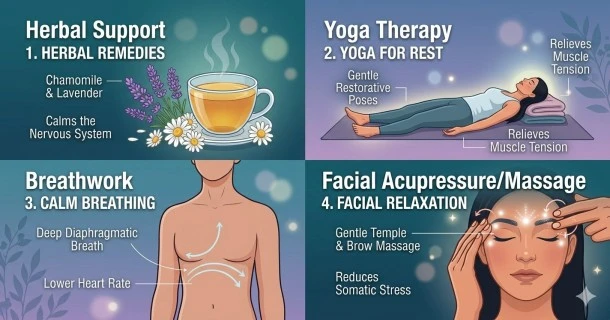
1. Herbal Remedies for Sleep Support
When psychological stress, anxiety, or everyday worries disrupt your ability to wind down, specific botanical therapies can help calm an overactive nervous system.
- Chamomile: Widely consumed as a tea, it contains apigenin, an antioxidant that binds to specific receptors in the brain to help decrease anxiety and initiate sleep.
- Valerian Root: Often utilized to shorten the time it takes to fall asleep, it works by interacting with gamma-aminobutyric acid (GABA), a chemical messenger that helps regulate nerve impulses in your nervous system.
- Ashwagandha: An adaptogenic herb shown to improve overall sleep quality and help the body adapt to physiological and psychological stressors.
2. Yoga and Mind-Body Therapy
Mindful movement helps switch the body from the sympathetic ("fight-or-flight") nervous system to the parasympathetic ("rest-and-digest") state.
- Restorative Yoga Poses: Practicing gentle, non-strenuous postures like Shavasana (Corpse Pose) before bed physically releases muscle tension built up throughout the day.
- Yoga Nidra: Also known as yogic sleep, this structured meditation guides you into a state of conscious deep relaxation, which can dramatically lower neurological arousal and calm racing thoughts.
3. Breathwork (Pranayama) for Autonomic Control
Controlled, rhythmic breathing exercises directly impact your cardiovascular and nervous systems, helping lower heart rate and reduce cortisol levels.
- Deep Diaphragmatic Breathing: Focusing on slow, deep breaths expands lung volume, maximizes oxygen exchange, and acts as a biological brake on mental anxiety.
- Alternate Nostril Breathing (Anuloma Viloma): A classical calming technique that helps bring an immediate sense of equilibrium to an overactive mind.
4. Complementary Periorbital & Somatic Relaxation
Traditional massage and pressure-point relaxation can serve as valuable supportive strategies to help minimize the somatic symptoms of stress.
- Facial and Acupressure Relaxation: Massaging the firm, bony ridges around the face and temples relieves local muscle tension, helping alleviate the structural triggers of tension headaches that prevent smooth sleep onset.
- Somatic Massage & Reflexology: While targeted localized skin stimulation cannot directly treat internal organic pathology, full-body or foot massages promote general relaxation and decrease system-wide stress levels.
Frequently Asked Questions (FAQ)
Are natural sleep aids entirely safe and free of side effects?
No. While natural sleep supplements are generally non-habit-forming compared to conventional pharmaceutical sleep medications, they can still cause side effects or interact dangerously with other drugs. For instance, valerian root can cause mild grogginess, and other herbs may interact with blood thinners or antidepressants. Always consult a pharmacist or doctor before use.
Can yoga or lifestyle remedies cure chronic insomnia?
If your insomnia is driven by environmental stressors, poor sleep hygiene, or muscle tension, mind-body techniques can be highly effective at restoring normal sleep patterns. However, if your insomnia stems from a primary medical issue like sleep apnea, restless legs syndrome, or clinical depression, alternative remedies should be used as secondary support alongside a physician-led treatment plan.
How does breathing exercises (Pranayama) help me fall asleep?
Slow, regular breathing directly down-regulates your autonomic nervous system. By consciously lengthening your exhalations, you stimulate the vagus nerve, which effectively lowers your heart rate and signals your brain that it is safe to transition into a deep sleep state.
What should I do if natural sleep aids fail to improve my sleep?
If you experience chronic sleep disruption lasting more than a few weeks, or if poor sleep is accompanied by loud snoring, gasping for air, or severe daytime exhaustion, you should schedule a consultation with a sleep specialist or medical doctor to identify any structural or physiological causes.