Learn the short-term and long-term complications of low blood pressure (hypotension), including fainting injuries, brain, heart, and kidney damage, and shock.
Complications of Low Blood Pressure (Hypotension): Short-Term & Long-Term Risks
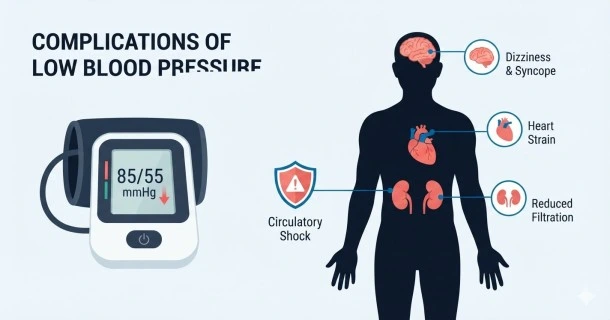
While naturally low blood pressure without symptoms is often harmless, chronic or severely low blood pressure (below 90/60 mm Hg) can deprive vital organs of oxygen-rich blood. Over time or during sudden drops, untreated hypotension can lead to dangerous fainting injuries, cognitive decline, heart strain, kidney dysfunction, and life-threatening shock.
Understanding the difference between benign low readings and clinically significant hypotension is essential. You can review standard diagnostic thresholds on our Low Blood Pressure Range Chart or check early warning signs on our Hypotension Symptoms Guide.
1. Fainting (Syncope) and Fall-Related Injuries
The most immediate complication of a sudden drop in blood pressure—especially orthostatic (postural) hypotension—is transient cerebral hypoperfusion, where the brain briefly receives too little blood flow when you stand up or change positions.
- Loss of Consciousness (Syncope): A rapid drop in systolic pressure by 20 mm Hg or more upon standing can trigger sudden dizziness, tunnel vision, and blackouts.
- Fractures and Head Trauma: Fainting from a standing height frequently causes broken hips, wrist fractures, spinal injuries, and concussions, particularly in adults over age 65.
- Driving and Workplace Hazards: Unpredictable lightheadedness or blurred vision increases the risk of motor vehicle accidents and machinery injuries.
2. Long-Term Complications on Vital Organs
When blood pressure remains chronically low or fluctuates sharply over months and years, reduced blood perfusion forces vital organs to work under continuous oxygen stress.
Brain and Cognitive Complications
- Increased Ischemic Stroke Risk: Sluggish blood flow across narrowed cerebral arteries can promote clot formation and raise the risk of ischemic stroke, particularly in older adults with orthostatic hypotension.
- Memory and Attention Deficits: Clinical research links chronic hypotension with reduced blood flow to cerebral watershed regions, contributing to brain fog, slower processing speed, and long-term cognitive decline.
Heart and Cardiovascular Strain
- Compensatory Tachycardia and Arrhythmias: When arterial pressure drops, the heart compensates by beating faster and harder to maintain circulation, which can trigger palpitations or irregular heart rhythms.
- Myocardial Ischemia and Heart Failure: Coronary arteries fill primarily during diastole (the bottom blood pressure number). Persistently low diastolic pressure (below 60 mm Hg) can starve heart muscle of oxygen, worsening angina or accelerating heart failure.
- Deep Vein Thrombosis (DVT): Poor venous return from the lower extremities increases blood pooling in the legs, raising clot risk.
Kidney Dysfunction (Renal Hypoperfusion)
- Acute Kidney Injury (AKI): The kidneys rely on steady arterial pressure to filter waste from the blood. Severe drops in pressure rapidly reduce glomerular filtration rate (GFR) and urine output.
- Chronic Kidney Disease Progression: Repeated episodes of low blood pressure cause cumulative microvascular damage in renal tissues, worsening pre-existing kidney impairment.
Optic Nerve Damage (Glaucoma Progression)
Nocturnal Hypotension and Vision Loss: Sharp drops in blood pressure during sleep can reduce blood supply to the optic nerve head, accelerating visual field loss in individuals with normal-tension or primary open-angle glaucoma.
3. Acute Hypotensive Shock: A Life-Threatening Emergency
If blood pressure plummets suddenly and severely, the body enters circulatory shock—a critical state where cells across multiple organs are starved of oxygen and nutrients. Without immediate emergency intervention, shock progresses to Multiple Organ Dysfunction Syndrome (MODS) and can be fatal.
- Hypovolemic Shock: Triggered by severe internal or external bleeding, major burns, or extreme dehydration.
- Cardiogenic Shock: Caused by severe heart attack, acute heart failure, or dangerous arrhythmias that stop the heart from pumping effectively.
- Distributive Shock (Septic, Anaphylactic & Neurogenic): Occurs when severe bloodstream infections (sepsis), life-threatening allergic reactions (anaphylaxis), or spinal cord injuries cause blood vessels to dilate uncontrollably.
- Obstructive Shock: Results from physical blockages to blood flow, such as a massive pulmonary embolism or cardiac tamponade.
Emergency Warning Signs of Shock (Seek Immediate Medical Care):
- Confusion, extreme drowsiness, or inability to stay awake
- Cold, clammy, pale, or bluish skin (cyanosis)
- Rapid, shallow breathing
- A very fast, weak, or thready pulse
- Little to no urine output
4. Low Blood Pressure Complications During Pregnancy
Mild blood pressure dips are common during the first 24 weeks of pregnancy as blood vessels expand. However, severe or prolonged maternal hypotension—especially supine hypotensive syndrome when lying flat on the back—can reduce placental blood flow, leading to maternal fainting, fetal oxygen deprivation, or low birth weight.
5. Short-Term vs. Long-Term Hypotension Complications
| Complication Category | Primary Mechanism | Key Warning Signs |
|---|---|---|
| Immediate / Acute (Syncope & Falls) | Sudden drop in brain blood flow upon standing or after meals | Dizziness, blackouts, blurred vision, falls, head injury |
| Critical Emergency (Circulatory Shock) | Systemic collapse of tissue perfusion and oxygen delivery | Cold clammy skin, rapid weak pulse, confusion, low urine |
| Long-Term Organ Stress (Brain, Heart, Kidneys) | Chronic low arterial perfusion over months or years | Persistent fatigue, memory decline, chest pain, reduced GFR |
6. How to Prevent Low Blood Pressure Complications
Preventing long-term complications starts with identifying the root trigger—such as dehydration, medication side effects, anemia, or endocrine disorders—on our Hypotension Causes and Diagnosis pages.
- Change Positions Gradually: Sit on the edge of your bed for 30 to 60 seconds before standing up to prevent orthostatic drops.
- Maintain Proper Hydration: Drink water consistently throughout the day, especially in hot weather or during illness, to preserve blood volume.
- Follow a Targeted Nutrition Plan: Eat smaller, low-carbohydrate meals to avoid post-meal drops, and review safe electrolyte and fluid strategies in our Hypotension Diet Guide.
- Use Compression Stockings: Waist-high or knee-high compression garments prevent blood from pooling in your legs.
- Review Medications With Your Doctor: Never stop blood pressure, heart, or diuretic medications on your own; ask a physician to adjust dosages if readings drop below 90/60 mm Hg with symptoms.
Frequently Asked Questions (FAQs)
Can chronic low blood pressure cause permanent organ damage?
Yes. While mild, symptom-free low blood pressure is usually harmless, persistent or severe hypotension reduces oxygen delivery to vital organs. Over time, inadequate blood flow can impair kidney filtration, strain the heart muscle, and increase the risk of cognitive decline or ischemic stroke.
Can low blood pressure cause a heart attack or stroke?
Severe or fluctuating low blood pressure can contribute to both. When diastolic pressure drops too low, coronary arteries receive less oxygenated blood, which can trigger chest pain or heart muscle injury in people with underlying heart disease. Similarly, sudden drops in blood pressure can slow cerebral blood flow enough to cause a watershed ischemic stroke.
What happens if low blood pressure goes untreated for years?
Untreated symptomatic hypotension leads to recurring dizziness, chronic fatigue, and a high risk of serious falls or fractures. In older adults or individuals with diabetes, heart disease, or kidney conditions, long-term untreated hypotension accelerates kidney function decline and vascular complications.
How low does blood pressure have to be to cause shock?
Shock typically occurs when systolic blood pressure falls below 90 mm Hg (or Mean Arterial Pressure drops below 65 mm Hg) alongside clear signs of organ oxygen deprivation—such as confusion, cold clammy skin, rapid shallow breathing, and minimal urination.
Does low blood pressure affect the kidneys?
Yes. Your kidneys depend on steady blood pressure to filter toxins from your bloodstream. A sudden drop in pressure can cause acute kidney injury, while repeated episodes of low blood pressure over time increase the risk of chronic kidney disease.
When should I go to the emergency room for low blood pressure?
Seek emergency medical care immediately if a low blood pressure reading is accompanied by fainting, chest pain, shortness of breath, confusion, cold and sweaty skin, a rapid weak pulse, or signs of severe bleeding or infection.