Are you struggling with sudden dizziness, fatigue, or lightheadedness?
Following a strategic low blood pressure diet is a safe, natural way to stabilize your numbers and revitalize your body. Managing hypotension requires choosing the right foods to raise blood pressure, increasing your daily fluid intake, and knowing exactly which meals to avoid. Whether you need an immediate "quick fix" for a sudden blood pressure drop or a sustainable long-term nutrition plan, this complete guide covers the best nutrient-dense low BP foods, traditional wellness remedies, and actionable lifestyle habits to keep your numbers perfectly balanced all day long.
How Diet Impacts Low Blood Pressure (Hypotension)?
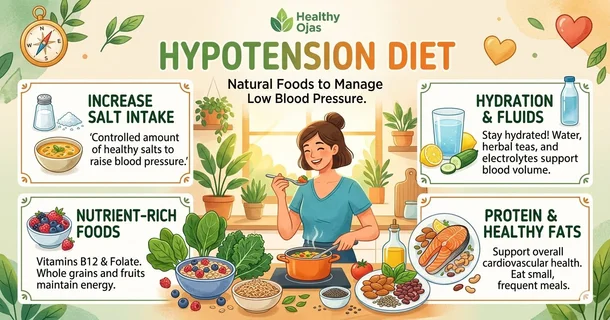
Low blood pressure (hypotension) means your blood flows with less force than normal. A strategic hypotension diet focuses on two main goals: increasing blood volume and preventing sudden drops in blood pressure.
What to Consume Instantly During a Sudden BP Drop (The "Quick Fix")?
If you feel sudden dizziness, lightheadedness, or fainting, try these immediate options:
- Salt Water: Mix 1/2 teaspoon of Himalayan rock salt or sea salt into a glass of warm water and drink it right away.
- Strong Caffeine: Drink one cup of strong black coffee or tea to constrict blood vessels.
- A Large Glass of Water: Dehydration lower your blood volume; drinking water expands it fast.
Comparison Table: foods to include and restrict for people with low BP:
| Food Category | ✅ Foods to Embrace (Include Moderately) | ❌ Foods to Restrict or Avoid |
| Proteins & Dairy | Organic eggs, salmon, liver, plain yogurt, lean chicken | Heavily processed hot dogs, frozen deli meats, deep-fried meats |
| Carbohydrates | Quinoa, brown rice, whole-wheat, oatmeal, sweet potatoes | Potatoes, white rice, pasta, white bread |
| Fruits & Veggies | Broccoli, carrots, spinach, kale, fresh papaya, blueberries | Canned fruits in heavy syrup, deep-fried vegetables |
| Snacks & Seasoning | Almonds, raisins, olives, sea salt, Himalayan rock salt | Greasy potato chips, sugary candies, heavily spiced snacks |
| Beverages | Water (2-3L daily), coconut water, buttermilk, moderate black coffee/tea | Alcohol (highly dehydrating), sugary sodas, iced drinks |
| Carbohydrates | Whole grains, brown rice, quinoa, oatmeal | Refined flour, white bread, excessive potatoes, heavy pasta |
| Proteins & Dairy | Eggs, cottage cheese (paneer), lean chicken, fresh fish | Heavily processed hot dogs, frozen meats, ultra-processed cheese |
| Snacks & Seasoning | Olives, pickles, lightly salted nuts, Himalayan rock salt | Sugary candy, pastries, unsalted commercial snacks |
10 Dietary Tips to Manage Hypotension
Incorporate these habits into your daily routine to revitalize your body and maintain stable blood pressure numbers:
- Drink Plenty of Clean, Warm Water: Water adds volume to your bloodstream, which directly lifts low pressure numbers. Aim for 2 to 3 litres of water daily, preferably warm or at room temperature.
- Increase Sodium Salt (In Moderation): Sodium binds to water in your body, keeping your blood volume healthy. Use high-quality sea salt or Himalayan rock salt rather than highly processed table salt. Keep it moderate.
- Eat Smaller, Moderate-Sized Meals: Large meals force your body to divert massive amounts of blood to your gut for digestion, causing a sudden blood pressure drop (postprandial hypotension). Eat 5 to 6 small meals throughout the day instead of 3 large ones.
- Choose Complex, Nutrient-Dense Carbohydrates: Complex carbs digest slowly, providing a steady stream of energy without crashing your blood pressure. Fill your plate with brown rice, quinoa, oatmeal, broccoli, and leafy greens.
- Heavily Limit High-Carbohydrate Foods: Simple, starchy carbohydrates break down rapidly, triggering rapid blood pooling in the digestive tract. Reduce your intake of white potatoes, white rice, pasta, and white bread.
- Use Caffeine Wisely and Strategically: Caffeine provides a temporary spike in blood pressure by stimulating your heart and narrowing blood vessels. Enjoy a moderate cup of tea or coffee with your meals. Avoid over-consuming it, as caffeine is a diuretic and can cause fluid loss.
- Prioritize Foods Rich in Vitamin B12, Folate, and Iron: A lack of B12 and folate impairs red blood cell production, causing anemia, which lowers blood pressure. Eat regular servings of organic eggs, beef liver, salmon, and leafy greens like spinach.
- Include Live Probiotic Foods: Probiotics establish gut homeostasis (internal harmony), supporting efficient nutrient absorption and systemic vascular health. Add unsweetened yogurt, kefir, sauerkraut, miso soup, or tempeh to your daily menu.
- Consume Foods Rich in Natural Digestive Enzymes: Easing the burden of digestion stops your body from pooling too much blood in your abdomen after eating. Snack on fresh papaya (contains papain), pineapple (contains bromelain), or a drizzle of raw honey.
- Avoid Dehydrating Alcohols Completely: Alcohol is a powerful diuretic that flushes fluids out of your body, rapidly dropping blood pressure even in tiny amounts. Eliminate alcohol from your diet if you experience chronic hypotension symptoms.
Quick Facts: Managing Low Blood Pressure with Diet
Primary Goal: Increase overall blood volume and prevent sudden post-meal drops.
- The Golden Trio: Prioritize steady hydration, moderate sodium, and vitamin B12/iron.
- Meal Structure: Switch to 5–6 small meals instead of 3 large, heavy meals.
- Carb Rule: Choose slow-digesting complex carbs; drastically limit simple starches like white bread and pasta.
- Instant Fixes: A glass of salt water, a cup of black coffee, or soaked raisins can quickly lift a sudden drop.
- Main Danger: Alcohol is highly dehydrating and should be completely avoided by hypotension sufferers.
1-Day Sample Menu Plan for Low Blood Pressure
This meal plan focuses on frequent, moderate-sized meals. It includes optimal hydration, natural sodium, complex carbohydrates, and nutrient-dense proteins to prevent sudden drops in blood pressure and keep your energy steady all day long.
Early Morning (7:00 AM) — Circulation Kickstart
- The Menu: A small handful (6–8 pieces) of raisins and almonds that were soaked in water overnight.
- The Drink: One large glass of warm water mixed with a tiny pinch of Himalayan rock salt.
- Why it works: Soaked nuts and dried fruits are gentle on an empty stomach. The salt water instantly gives your morning blood volume a safe boost after hours of sleeping.
Breakfast (8:30 AM) — Protein & Complex Carbs
- The Menu: 2 organic eggs (scrambled or boiled) cooked with spinach and tomatoes, served alongside a small bowl of savory oatmeal or quinoa.
- The Drink: One moderate cup of green tea or black coffee.
- Why it works: Eggs provide vitamin B12 to support healthy red blood cells. Quinoa delivers slow-digesting complex carbohydrates to prevent a blood pressure crash. A little caffeine temporarily tightens blood vessels to keep you steady.
Mid-Morning Snack (11:00 AM) — Hydration & Enzymes
- The Menu: A refreshing bowl of fresh, sliced papaya or pineapple cubes sprinkled with a tiny pinch of sea salt.
- The Drink: One glass of fresh coconut water.
- Why it works: Papaya and pineapple contain live digestive enzymes that make digestion effortless. This prevents your body from redirecting too much blood to your stomach. Coconut water provides natural electrolytes.
Lunch (1:30 PM) — Nutrient-Dense Fuel
- The Menu: Grilled salmon or lean chicken breast served with steamed broccoli, carrots, and a small side of brown rice.
- The Drink: A glass of refreshing buttermilk mixed with a pinch of roasted cumin and rock salt.
- Why it works: Salmon is packed with Omega-3 fatty acids, and carrots supply vital nutrients. Keeping the portion size moderate prevents post-meal dizziness (postprandial hypotension).
Evening Snack (4:30 PM) — Energy & Gut Support
- The Menu: A small bowl of plain, unsweetened yogurt topped with fresh blueberries.
- The Drink: A warm cup of licorice root tea.
- Why it works: Yogurt provides live probiotics to support overall body balance. Licorice root tea is a traditional remedy that naturally helps your body retain healthy fluids, keeping your blood pressure from bottoming out in the late afternoon.
Dinner (7:30 PM) — Light & Easily Digestible
- The Menu: A warm bowl of lentil soup (dal) packed with leafy greens, or a light chicken vegetable stew, seasoned with sea salt.
- Why it works: Your digestive system slows down at night. A light, warm, and comforting soup provides essential minerals and iron without overwhelming your stomach, ensuring your blood pressure stays perfectly stable while you sleep.
Traditional Wellness for Blood Pressure Diet Support
In traditional wellness philosophies, low blood pressure is often viewed as a depletion of Ojas—your body's core vitality, immunity, and life energy. When Ojas is low, you experience chronic fatigue, dizziness, and poor circulation.
To nourish your Ojas and naturally build up blood stability, consider these gentle traditional remedies:
- Almond Milk Tonic: Soak 5-10 almonds overnight, peel off the skins, blend them into warm milk with a pinch of cardamom, and drink daily.
- Licorice Root Tea: Licorice root naturally supports fluid retention in your body, keeping your blood pressure from bottoming out.
- Soaked Raisins: Eat a small handful of raisins that have been soaked overnight in water on an empty stomach to stimulate circulation
Frequently Asked Questions (FAQ) for Low blood pressure diet
1. Can low blood pressure be cured completely just by changing my diet?
Dietary changes are incredibly effective at managing and reversing lifestyle-related hypotension, like dehydration or nutrient deficiencies. However, if your low blood pressure is caused by an underlying medical condition or a prescription medication, you must work directly with your doctor.
2. Why do I feel incredibly dizzy or faint right after eating a meal?
This is known as Postprandial Hypotension (BP Drops After Eating). When you eat a heavy, high-carbohydrate meal, your body rushes massive amounts of blood to your digestive system. This results in less blood flowing to your brain, making you feel dizzy. Switching to 5–6 smaller meals helps prevent this.
3. How much water should a person with low blood pressure drink every day?
Most individuals managing hypotension see significant improvement by drinking 2 to 3 liters of fluids daily. This keeps blood volume up and prevents sudden drops due to dehydration.
4. Which fruits are best for raising low blood pressure fast?
While fresh fruits generally support overall cardiovascular health, citrus fruits (oranges and grapefruits), papayas, and pomegranates are highly beneficial for low blood pressure. Citrus fruits and papayas are packed with folate and vitamin C. Folate is an essential nutrient that prevents certain types of anemia, which is a leading cause of chronic fatigue and low blood pressure drops. Additionally, snacking on water-rich fruits like watermelon and cucumbers provides an instant burst of hydration to naturally expand your blood volume.
5. Can I drink coffee if I have low blood pressure, or will it make it worse?
You can absolutely drink coffee in moderation, but you must use it strategically. Caffeinated beverages like strong black coffee or tea stimulate your cardiovascular system and boost your heart rate, causing a temporary, rapid spike in your blood pressure numbers. However, caffeine is also a natural diuretic. If you overconsume it, it will flush precious fluids and fluids out of your body, causing mild dehydration that can paradoxically drop your blood pressure later in the day. Limiting intake to 1–2 moderate cups served alongside a balanced meal is recommended.
6. Why does my blood pressure drop right after I eat a meal?
Experiencing dizziness or extreme fatigue immediately after eating is a medically recognized condition known as postprandial hypotension. When you consume a heavy, large meal—especially one packed with simple, refined carbohydrates like white bread, pasta, or potatoes—your body is forced to pool a massive volume of blood into your digestive tract to aid the stomach. Because so much blood rushes to your gut, there is less blood circulating back up to your brain, which causes sudden lightheadedness. You can easily combat this by switching from three heavy meals to 5–6 smaller, low-carbohydrate meals spaced throughout the day.
7. Is banana good for low blood pressure patients?
Bananas are exceptionally healthy, but they should be eaten intentionally if you are managing hypotension. Bananas are highly famous for being packed with potassium, a mineral that naturally relaxes the walls of your blood vessels and encourages your kidneys to flush out sodium. While this process is amazing for lowering high blood pressure, consuming too many potassium-rich foods without balancing your salt intake might keep your blood pressure numbers lower than desired. If you enjoy bananas, ensure you are getting adequate sodium and complex carbohydrates elsewhere in your diet to keep your systemic numbers perfectly balanced.
8. What are the best vegetarian foods to raise blood pressure safely?
If you follow a plant-based or vegetarian lifestyle, you can easily stabilize your blood pressure by prioritizing non-animal sources of sodium, hydration, and key blood-building vitamins. Focus your grocery list on:
- Probiotic-Rich Foods: Unsweetened dairy yogurt, kefir, miso soup, and fermented sauerkraut help establish internal homeostasis.
- Folate and Iron Sources: Lentils, chickpeas, beans, spinach, and dark leafy greens like kale prevent nutrient-deficiency anemias.
- Naturally Salty Snacks: Olives, high-quality pickles, cottage cheese (paneer), and lightly salted or roasted nuts supply safe amounts of dietary sodium.
- Hydration Boosters: Drinking 2 to 3 litres of room-temperature water or pure coconut water daily ensures your blood volume stays elevated.
Medical Disclaimer: The information on this page is for educational purposes only. Dietary changes should support, not replace, medical treatment. Always consult your doctor before significantly increasing your salt or caffeine intake, especially if you have underlying heart or kidney conditions.