
Basal Metabolic Rate (BMR)
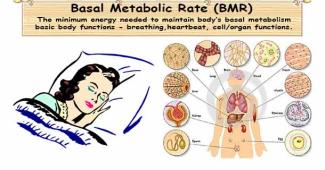
Basal metabolic rate (BMR) is the amount of energy consumed while at rest (when fasting and at a thermoneutral temperature).
What is basal metabolic rate?
The basal metabolic rate represents the minimum amount of energy needed to maintain the body's basal metabolism (basic bodily functions) such as breathing, heartbeat, and normal cell and organ functions. BMR may depend on age, sex, weight, height, and muscle mass. BMR is important because that helps you determine how many calories per day you need to maintain your weight. BMR represents approximately 60–75% of the total daily energy expenditure of an individual.
How do you calculate basal metabolic rate?
There are multiple formulas used to calculate BMR. Among them, the Mifflin-St Jeor equation is believed to give the most accurate result. The formula is:
Men: (10 × weight in kg) + (6.25 × height in cm) - (5 × age in years) + 5
Women: (10 × weight in kg) + (6.25 × height in cm) - (5 × age in years) - 161
What are the factors that affect BMR?
There are several factors that can affect your basal metabolic rate (BMR). Some of these factors include:
- Muscle mass: The more muscle you have, the higher your BMR.
- Age: As you age, your BMR decreases.
- Genetics: Some people are born with a faster metabolism than others.
- Gender: Men tend to have a higher BMR than women because they have more muscle mass.
- Body size and composition: People who are larger or have more muscle burn more calories, even at rest.
- Hormones: Thyroid hormones and other hormones can affect your BMR.
- Sleep: Lack of sleep can lower your BMR.
- Stress: Stress can increase your BMR.
How can I increase my metabolism or BMR?
There are several ways to increase your basal metabolic rate (BMR). Here are some of them:
- Build muscle mass: Muscle burns more calories than fat, so the more muscle you have, the higher your BMR.
- Exercise regularly: Exercise can help you build muscle and increase your BMR.
- Eat enough protein: Protein is important for building and repairing muscle tissue.
- Drink plenty of water: Dehydration can slow down your metabolism.
- Get enough sleep: Lack of sleep can lower your BMR.
- Eat spicy foods: Spicy foods can temporarily boost your metabolism.
- Drink green tea: green tea contains caffeine and catechins, which can help boost your metabolism.
- Stand up more: Sitting for long periods of time can slow down your metabolism.
- Get enough vitamin D: Vitamin D deficiency has been linked to a slower metabolism.
What is the difference between BMR and RMR?
Both Basal metabolic rate (BMR) and resting metabolic rate (RMR) is often used interchangeably. While BMR is the minimum number of calories required for basic functions at rest, RMR is the number of calories that your body actually burns while it’s at rest.
How to use the calculator?
Just enter your gender, age, weight, height, and press calculate BMR to know how many calories you burnt while resting.
Contact Us

We invite your valuable suggestions, questions, and criticisms. Also, we are waiting to help you out of any health conditions discussed in this website.
Healthy-ojas.com eagerly welcome your valuable feedback that leads to further improvement of this site. If you have any questions, advice or concerns, please contact us via email us. Also please feel free to indicate our mistakes if any, whether it is dead links, error in information, etc.
Our Address & Other Contact Details
Healthy-ojas.com
Plot no 37, T. V. K. Salai,
Seshashayee Nagar,
K. K. Nagar,
Trichy - 620021.
Tamilnadu.
INDIA.
Connect with us:
I invite you to below social network and welcome your contribution by like, share & commenting.
Gestational Diabetes Insulin
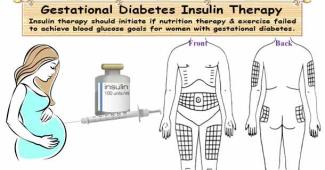
Initiate Insulin therapy if nutrition therapy and exercise failed to achieve blood glucose goals for women with gestational diabetes.
Before the advent of insulin in 1922, pregnancy was associated with a >90% infant mortality rate and a 30% maternal mortality rate.
For gestational diabetes, the timely initiation of insulin treatment to maintain proper blood glucose level. The pre-prandial glucose levels less than 90 mg/dl, and postprandial glucose levels less than 120 mg/dl has reduced the risks of fetal and maternal complications.
Insulin Therapy for Gestational Diabetes
Gestational diabetes needs insulin therapy if Medical Nutrition Therapy failed to achieve a 2-hour postprandial glucose level of less than 120 mg/dl.
Some with gestational diabetes need insulin to reach their blood glucose targets. Insulin is not harmful to your baby, but high blood sugar level is toxic. So If you are unable to achieve your target blood glucose level, then you should make it with insulin therapy.
Prefer insulin over oral medicine for gestational diabetes
Most doctors consider the oral medication for gestational diabetes treatment is not safe and thus they prefer insulin therapy.
Most of the diabetes oral medications can cross the placenta and may affect your baby. They can make the fetus to secrete excess insulin and leads to severe hypoglycemia (low blood glucose). Additionally, oral drugs are not sufficient enough to fulfill the rising insulin requirements of pregnancy. However, insulin does not cross the placenta but can be able to meet the excess insulin requirement during pregnancy.
However, recently, doctors have prescribing glyburide and metformin to gestational diabetes patients. The FDA has not approved both of these drugs to treat gestational diabetes. Glyburide is the only medication well studied in pregnant women.
Insulin therapy
Up to 50 % of women with gestational diabetes will need insulin injections during pregnancy to maintain normal blood glucose levels.
Insulin treatment for women with gestational diabetes is to lower blood glucose levels to reach a normal range and to avoid pregnancy complications.
Insulin can be administered using an insulin pen, a syringe, or a needle. Usually, insulin therapy starts with a small dose of insulin and gradually increase until the blood glucose reached the normal range. This process varies from person to person.
What type of insulin is suitable for gestational diabetes?
There are different types of insulin available in the market, which last for a different length of time.
Human insulin treatment has been reported to achieve improved pregnancy and infant outcome compared with using highly purified animal insulin. Ref: American Journal of Obstetrics & Gynecology 167:1325–1330, 1992.
Human and highly purified insulin is significantly less immunogenic than mixed beef-pork insulin. Diabetes 37:276–280, 1988 & Diabetes 45:1750–1754, 1996.
Insulin & Insulin Analogs | |||
Insulin | Onset of action (in minutes) | Time to peak (in minutes) | The maximum duration of action (in hours) |
Regular insulin | 30 to 60 | 90 to 120 | 5 to 12 |
Insulin lispro (Humalog) | 10 to 15 | 30 to 60 | 3 to 4 |
Insulin Aspart | 10 to 15 | 40 to 50 | 3 to 5 |
Insulin glulisine | 10 to 15 | 55 | 3 to 5 |
NPH insulin | 60 to 120 | 240 to 480 | 10 to 50 |
Insulin glargine | 60 to 120 | None | 24 |
Insulin Detemir | 60 to 120 | None | 20 |
The rapid-acting insulin analogs are effective in normalizing blood sugar during pregnancy than human regular insulin. Also, a safety profile with a lower incidence of neonatal complications. The initial dose of insulin could be as low as four units and adjusting the dose of insulin to follow up.
Calculation of Insulin Dose
Women's weight in pounds / 2.2 = Women's weight in kilogram.
Weight in kilograms x k = total insulin requirement
k = 0.7, 0.8, and 0.9 for first, second, and third trimesters respectively.
50% of the total insulin requirement = daily basal insulin dosage provided by long-acting insulin.
Administered before breakfast (8:00 A.M.), before lunch (noon), and before supper (4:00 P.M.)
Initial Insulin Dose | |
Postprandial plasma glucose | Premixed Insulin dose |
More than 200 mg/dL | 8 units |
In-between 160 to 200 mg/dL | 6 units |
In-between 120 to 160 mg/dL | 4 units |
Some gestational diabetes patients may require a combination of short and intermediate-acting insulin in the morning and evening. If a patient has elevated blood sugar before lunch, then regular insulin is necessary for the morning to control the post-breakfast hyperglycemia. This regimen of regular and intermediate-acting insulin in the morning controls hyperglycemia in most cases.
If the blood sugar is high after dinner, then you may require a small dose of regular insulin before dinner alone with the regular and intermediate-acting insulin given in the morning. If the fasting blood sugar is high, then you may require a combination of regular and intermediate-acting insulin before dinner.
In this insulin regimen, give 2/3 of the total daily insulin in the morning and 1/3 in the evening. For this, a combination of 1/3 dose of regular insulin and 2/3 dose of intermediate-acting insulin is preferable. If the patient continues to experience high fasting blood glucose, then give intermediate-acting insulin at bedtime instead of before dinner.
The site of Insulin Injection
- A front/Lateral aspect of the thigh or over the abdomen
- Give insulin injection subcutaneously only.
Hypoglycemia in Gestational Diabetes
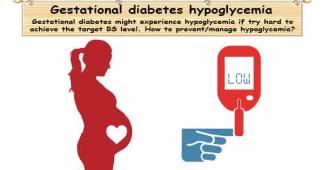
Gestational diabetes might experience hypoglycemia if they try hard to achieve the target blood glucose level. Learn how to prevent/manage hypoglycemia.
Gestational Diabetes Hypoglycemia Management
What is gestational diabetes hypoglycemia?
Hypoglycemia is a condition characterized by low blood sugar (or glucose) in gestational diabetes patients.
What causes hypoglycemia?
Treatment with Insulin or glyburide may increase the risk of hypoglycemia. Also, overtreatment might cause low blood glucose.
What are the symptoms of hypoglycemia?
Symptoms of hypoglycemia are:
- headaches (or dizziness),
- hand tremors,
- sweating,
- palpitations,
- nausea,
- hunger,
- fatigue,
- headache,
- mood swing,
- irritability,
- attention problem, and
- tingling sensation (mouth or lips) or abnormal discomfort.
Severe hypoglycemia symptoms are:
- confusion,
- abnormal behavior,
- visual disturbances,
- nervousness, and
- anxiety.
Other uncommon hypoglycemia symptoms are seizures and loss of consciousness.
It is important to recognize hypoglycemia symptoms and treat them immediately to avoid complications.
How is hypoglycemia diagnosed?
Confirm hypoglycemia in gestational diabetes when the blood glucose level of less than 70 mg/dl.
How is hypoglycemia treated?
Drink three teaspoons of glucose powder (i.e., 15 to 20 grams) dissolved in a glass of water. If glucose is not available, take sugar (6 teaspoons) or honey in a glass of water or fruit juice/honey/anything which is sweet/any food.
After drinking oral glucose, you must take rest & avoid physical activity.
Fifteen minutes after taking glucose, you must eat any food or a glass of milk.
If hypoglycemia continues, repeat the same amount of glucose and wait for the blood glucose to normalize. Take rest, eat regularly, and check blood glucose if possible.
If you develop more than one episode of hypoglycemia in a day, you should consult a doctor immediately.
Furthermore, at pre-exercise, the blood glucose level is ≤ 4.0 mmol/L is considered as low and exercise until taking some prolonged and short-acting glucose in food or drink.
How can I prevent hypoglycemia?
Food – A missed, delayed, or small meal. Eat all your meals and snacks on time in the right quantity & quality.
Exercise – Excess exercise can use up your blood glucose. If there is insufficient glucose in your body, you may become hypoglycemic. Eat extra food to match your increased activity.
Medication – Overdose of insulin. Take only the de that has been prescribed in time. Also, consult your doctor if there is any need to modify the treatment.
Alcohol – Alcohol intake, especially on an empty stomach. Caution: Alcohol s not recommended during pregnancy.
Newborn Hypoglycemia
What is newborn hypoglycemia?
Neonatal hypoglycemia is characterized by a plasma glucose level of less than 30 mg/dL (or 1.65 mmol/L) in the first 24 hours of birth and less than 45 mg/dL (or 2.5 mmol/L) hereafter.
What causes hypoglycemia in newborn?
Babies born to a gestational diabetes mother are at risk for developing hypoglycemia, whether they are on insulin therapy or not. So all gestational diabetes mother’s babies should be checked for hypoglycemia within one hour of birth.
What are the symptoms of newborn hypoglycemia?
The new-born baby may not have any symptom of hypoglycemia. Some common hypoglycemia symptoms of a newborn child are:
- Stupor (a state of near-unconsciousness),
- Tremors, limpness (lacking stiffness or firmness),
- lethargy,
- bluish skin due to poor circulation or inadequate oxygenation of the blood,
- convulsions; a sudden, violent, irregular movement of the body, caused by involuntary contraction of muscles,
- intermittent apneic (suspension of breathing),
- tachypnea (abnormally rapid breathing),
- weak high pitched cry,
- difficulty in feeding,
- eye-rolling, and
- sweating episodes
How is hypoglycemia diagnosed in a newborn?
Hypoglycemia in the newborn is a plasma glucose level of less than 30 mg/dL (or 1.65 mmol/L) in the first 24 hours of birth and less than 45 mg/dL (or 2.5 mmol/L) after that.
Glucose oxidase by calorimetric is a reliable hypoglycemia diagnosis procedure.
How is hypoglycemia treated in a newborn?
Immediate breastfeeding is the best treatment for neonatal hypoglycemia. If the infant is unable to suck, expressed breast milk from the mother should be given. If the mother is not able to breastfeed or no milk secretion, then the baby should be given any formula feed.
Recheck blood glucose after one hour of feeding. If the blood glucose is more than 45 mg/dl, continue 2 hourly breastfeedings.
How can I prevent hypoglycemia in newborn?
Since the fetus is receiving more blood glucose than required from the gestational diabetes mother. This excess blood glucose causes the baby's pancreas to make extra insulin to get rid of the blood glucose. Right after the baby is born, the blood glucose level may drop very low (hypoglycemia) because they have so much insulin in their bodies.
To prevent hypoglycemia in newborn, the gestational diabetes mother should maintain her blood sugar near the normal range.
Gestational Diabetes Exercise
Improve blood glucose level in women with gestational diabetes by increased physical exercise such as aerobic and resistance training.
Exercise for Gestational Diabetes
Due to the uncertainty of risks and benefits of exercise during gestational pregnancy, women tend to avoid exercise. However, proper training is both safe and beneficial in the treatment of gestational diabetes.
Is it ok to do exercise during Gestational Diabetes?
Appropriate exercise does not induce any harm on the fetus or mother
There is a general agreement that appropriate exercise does not induce any harm to the fetus. Ref: British Journal of Sports Medicine 2003 Feb; 37(1):6-12; discussion 12
Moderate physical activity is always emphasizing for any healthy pregnancy. In the case of gestational diabetes, it additionally helps their body for better utilization of the insulin thus helps control blood glucose level.
Studies have shown a variety of exercises ranging from low exerting forces such as Yoga to higher exerting forces such as aerobic classes and jogging can be safe for both mother and fetus.
Ref: Br J Sports Med. 2003 Feb; 37(1):6-12; discussion 12.
The American College of Obstetrics and Gynecology recommends a moderate exercise for 30 minutes per day at least for five days of a week, unless one has a medical or pregnancy complication.
Exercise has a powerful potential to assist with blood glucose control.
Therefore it is important to incorporate exercise into the care of women with gestational diabetes. Guidelines show gestational diabetes should do both aerobic and resistance training at a moderate intensity. Exercise has been proven to be beneficial in improving pregnancy outcomes in gestational diabetes.
A regular exercise program is an essential part of any healthy pregnancy. For GDM, however, it has added benefits in that it increases insulin sensitivity and glucose uptake by contracting skeletal muscles.
Caution: If you are having other medical conditions such as asthma, or heart disease may not be advisable to do exercise.
Additionally, if you are having pregnancy-related conditions such as:
low placenta,
bleeding,
recurrent miscarriage,
premature birth history, or
A weak cervix.
It may be harmful to do exercise. If you are having any of these conditions, then do not do exercise or consult your doctor.
Benefits of exercise during pregnancy
Maternal exercise provides significant benefits to both the health of the fetus and the child.
Benefits of exercise to the mother
Exercise during gestational diabetes produces various benefits to the mother; they are:
- Better glucose control - Help effective blood-glucose management. The exercise was now deemed to be safe and advantageous for glucose control for women with GDM. Ref: Diabetes. 1991 Dec; 40 Supplement 2():182-5.
- Reduce insulin requirement - a Recent study in which physical activity and diet interventions resulted in a lessened dependence on insulin for glucose control in women with GDM. Ref: American Journal of Obstetrics & Gynecology. 2004 Jan; 190(1):188-93.
- Sleep better - Start getting restful sleep.
- Total wellness - Make your body more flexible, thus relieving from body aches, stomach bloating, and swelling of feet. You start feeling better, look better, and energetic.
- Ease of labor - It prepares your body for s delivery. In the 1920s studies began to inform prenatal exercise programs with benefits recorded as increased ease of labor, improved muscle tone, increased fetal oxygenation, and facilitating post-partum weight loss. Ref: Williams & Wilkins: Baltimore; 1991. PP. 1–8.
- Improve cardiovascular function - Other physiological studies have reported an exercise in pregnant women to improve cardiovascular functions such as fitness, blood pressure, and peripheral edema. The JNP. 2007; 3:333–339.
- Helps to maintain required body weight. Especially useful for obese and overweight mothers.
The benefit of exercise to the fetus and child
Exercise during gestational diabetes produces various benefits to the child; they are:
- Lower birth weight - Studies found inverse relationships between birth weight and household physical activity. Ref: Med Hypotheses. 1980 Nov; 6(11):1157-70. The study found that women who exercised during pregnancy had babies with significantly lower birth weight. Ref: Diabetes. 1991 Dec; 40 Supplement 2():182-5.
- Increase in the gestational ages (lower risk of preterm birth).
- It improves neurodevelopment (lower body fat percentage).
- Infants have higher behavior regulatory ability and orientation.
What exercise types are suitable for gestational diabetes?
Aerobic exercise can reduce fasting and postprandial glucose levels and potentially reduce insulin requirement.
Aerobic training increases insulin stimulatory action and thus increases blood glucose uptake via a different pathway.
In regards to elevated fasting glucose, aerobic exercise can indeed reduce blood glucose levels in individuals with hyperglycemia, potentially reducing and delaying the need for insulin medication. Furthermore, following aerobic exercise, insulin levels also drop, reducing the chance of hypoglycemia. However, after an intense bout of exercise, a hyperglycemic response may be observed for up to 2 h post-exercise. Ref: Diabetes Care. 2010 Dec; 33(12):2692-6.
Aerobic exercise is any activity that uses large muscle groups in a rhythmic manner such as walking, jogging, aerobic dance, swimming, hydrotherapy aerobics, rope skipping, hiking, rowing, etc.
In addition to aerobic exercise, resistance strength training and flexibility exercise are also beneficial and safe for gestational women and fetus.
Resistance training increases muscle mass and can increase blood glucose uptake independent of an insulin response as insulin does not influence musculature glucose uptake.
Both ACSM (American College of Sports Medicine) and ESSA (Exercise and Sports Science Australia) recommend combined aerobic and resistance exercise. This combination is more effective for blood glucose management, body composition improvement, and fitness outcomes. Ref: Diabetes Care. 2010 Dec; 33(12):2692-6. & J Sci Med Sport. 2012 Jan; 15(1):25-31.
Choose both aerobic and resistance training for more benefits.
Activating, both of these metabolic pathways may be more physiologically beneficial than utilizing only one channel or exercising using only resistance training or aerobic training.
Learn how to start & end the exercise session for increased benefits.
Warm up’s of between 5-10 min at a low to moderate intensity using aerobic activities can increase body temperature and reduce post-exercise muscle soreness and stiffness.
Performing a post-exercise cool down is recommended if vigorous exercise is performed to reduce the risk of a vasovagal response, which may lead to syncope.
When can you do the exercise for maximum benefits?
After food, the blood glucose level rises, it may be advantageous to exercise for an hour after a meal.
Frequency and duration of exercise
For women who were previously sedentary, it may be more convenient for them to start an exercise program in the second trimester. After start exercising most of the initial discomforts of morning sickness, nausea and fatigue have settled down.
As previously discussed, an exercise in early pregnancy can reduce the risk of gestational diabetes, therefore sooner the woman can comfortably exercise the better.
Start with 15 min of continuous aerobic exercise 3 times a week.
Women with little physical activity history should begin with 15 min of continuous aerobic exercise three times a week with a graded increase to 30 min at least four times a week. Ref: Diabetes Care. 2010 Dec; 33(12):2692-6.
Avoid doing exercise more than 45 min continuously.
ACOG advises against exercising for more than 45 min continually because of a risk of increased fetal temperature. However, this temperature rise is seen to be negligible when the exercise is self-paced in an environment that has adequate temperature control. Ref: Br J Sports Med. 2003 Feb; 37(1):6-12; discussion 12.
In regards to resistance training, ACSM and ESSA recommend a minimum of twice a week on non-consecutive days and ideally three times a week.
Each training session should include 5-10 (ACSM) or 8-10 (ESSA) exercises involving the major muscle groups (upper body, lower body, and core). And 10-15 repetitions (ACSM) or 8-10 repetitions (ESSA) each set at a minimum of one (ACSM) or two (ESSA) sets for strength gains, but up to four sets for optimal glucose uptake and strength gains. Considering these recommendations, for optimal benefits during pregnancy, up to three sets at moderate intensity may be more appropriate.
Precautions to terminate the exercise
If you experience any of the following warning signs such as
- Vaginal bleeding,
- Dizziness,
- A headache,
- Chest pain,
- Muscle weakness,
- Preterm labor,
- Decreased fetal movement,
- Amniotic fluid leakage,
- Calf pain or swelling and
- Dyspnea without exertion.
Then you should terminate doing exercise. And it is essential to consult a doctor to regain stability of the mother’s and fetus’ condition as soon as possible.
Gestational Diabetes Diet

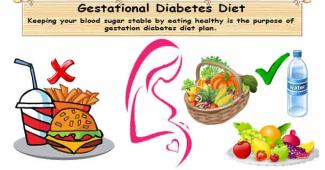
Keeping your blood sugar stable by eating healthy is the purpose of gestation diabetes diet plan.
Eating a healthy and well-balanced diet can help control your blood glucose. Also, help achieve optimal weight gain, and give you and your baby the necessary nutrients you need for a healthy pregnancy.
Fortunately, a gestational diabetes meal plan is not different from a standard healthy diet. The American Diabetes Association recommends 25 percent protein, 25 percent grains, and starchy foods, and 50 percent non-starchy vegetables.
Gestational Meal Planning
For pregnancy women's with gestational diabetes can control their blood glucose with a diet plan if their postprandial plasma glucose is less than 120 mg/dl.
Healthy eating for gestational diabetes primarily involves a carbohydrate-controlled balanced meal plan that includes;
- Optimal nutrition for mother and fetal health
- Fulfill energy needs for correct gestational weight gain,
- Achievement and maintenance of healthy blood glucose level.
- Include protein with your every meal.
- Eat fruits and vegetables in your meal.
- Energy from carbohydrates should be less than half of your total calories requirements.
- Limit or avoid processed foods.
Carbohydrates
What will happen to the carbohydrates that you eat?
Carbohydrate foods once digested broken down to glucose and released into the bloodstream. Thus the type of carbohydrate, its quantity, and frequency of intake have a direct influence on your blood glucose level.
What is a glycemic index?
The glycemic index provides which foods release sugar quickly and which ones don't.
- High glycemic foods = release sugar quickly
- Low to moderate glycemic index = release sugar more slowly
A low glycemic index (GI) diet consisting of foods that are slowly digested and thus reduce insulin requirements. Also, the study found that adherence to the diet successfully reduced the number of women requiring insulin. Ref: Diabetes Care, 32(6), 996—1000.
What type of carbohydrate should you choose? Simple vs. Complex carbs
Some carbohydrates release sugar into the bloodstream faster than others and raise your blood sugar called simple carbs. Others release sugar more slowly and increase your blood sugar modestly called complex carbs.
Simple carbohydrates are sweet foods such as sugar, honey, refined white flour, and starchy vegetables. Cakes, chocolate, and cooking sauce contain sugar. These foods release blood sugar quickly in your bloodstream and cause a spike.
Choose complex carbohydrates instead of simple carbohydrates. Complex carbohydrates are whole grain cereals, pulses (beans & lentils), vegetables and fruits with skins.
Which are the best sources of carbohydrates?
Carbohydrate foods sources are cereals & its products (refined flour, bread, pasta, noodles, etc.), pulses (green gram, Bengal gram, black gram, etc.), starchy vegetables (potato, sweet potato, corn tapioca, etc.), and fruits & its juices.
The prudent dietary guideline is a higher intake of legumes, nuts & seeds, fruits & dried fruits, fish & poultry, and whole grains.
Avoiding sugary foods
Blood sugar rises when you eat sugary foods, particularly refined and processed. It is advisable to gestational diabetes women to avoid or limit sugary foods, as much as possible. Sugary foods to avoid include cakes, biscuits, sweets, puddings, soda, and fruit juice with added sugar.
Avoiding very starchy foods
Starchy foods are high in carbohydrates and raise your blood sugar. So it is best to avoid or limit starchy foods; this includes white potatoes, white bread, white rice, and white pasta.
Avoiding hidden sugars and carbohydrates
Some foods contain unhealthy levels of hidden sugars and carbohydrate. Examples include highly processed foods, some condiments (dressings & ketchup), fast foods, and alcohol.
How many carbs can you eat?
Eating a large number of carbohydrate foods per meal will lead to high blood glucose level and should be avoided. Spreading carbohydrate foods to the entire day over three meals and 2–3 snacks each day.
Carb counting helps mother’s to eat the right amount of carbohydrate. As a thumb rule, you can intake 2 to 3 servings of carbohydrate for every significant meal and 1 to 2 servings of carbohydrate for every snack. One serve is approximately 15 grams of carbohydrate.
Protein
Protein requirement during pregnancy is increased by an additional 23 g/d to help proper fetal growth. Three serving of protein foods is required per day to meet the increased demand. Sources of protein are milk and milk products, egg, fish, chicken, pulses, nuts, etc.
Protein is an essential macronutrient of a healthy diet. Vegetarian sources of protein are beans and legumes, which contains carbohydrates. Gestational diabetes requires 2 to 3 servings of protein per day. One serving of protein is equal to 1 egg, 1/2 cup of beans, 1 ounce of nuts, two tablespoons of nut butter, 1/2 cup of yogurt, or 3 ounces of cooked meat.
Foods high in protein are fish, chicken, meats, soy products, and cheese. However, you should know how much fat they contain, and for the vegetarian proteins, whether they have carbohydrate.
Fat
Fats will not raise your blood sugar because of no carbohydrates; but, concentrated source of calories. Healthy fats are essential such as nuts, seeds, avocado, olive and canola oil, and flax seeds. Trans fats are harmful and primarily in processed foods.
Fiber
High fiber foods are especially soluble fiber delay gastric emptying, thus help control blood sugar. The fiber delays the glucose release into the bloodstream and lessening the postprandial blood glucose rise. Sources of soluble fibers are flaxseed, psyllium husk, oat bran, legumes, and pectin (in fruit, such as apples).
Water
Drink plenty of water
Drinking water helps stabilize your blood sugar levels by flushing out the excess sugar. Drink plenty of water between meals and sip a lot of water with every meal. Water also keeps you hydrated.
Gestational Diabetes SMBG

Self-Monitoring Blood Glucose in gestational diabetes help strictly adhere to their treatment, which improves the safety of both mother & fetal.
Data often suggest patients, who regularly perform SMBG measurements, strictly adhere to their prescribed treatment due to a better understanding of the treatment. And thus, the possibility of active participation in the prescribed therapeutic regimen [American Journal of Medicine 2001, 111(1):1–9.].
BS Monitoring for Gestational Diabetes
What is SMBG? Self-monitoring of blood glucose (SMBG) is the monitoring of blood glucose by you (self). It is an essential component of modern therapy for diabetes (including gestational diabetes) who are on insulin therapy.
Monitoring blood glucose helps to understand how exercise you do and food you eat affect your blood sugars.
During pregnancy, it is necessary to maintain fasting and postprandial blood glucose values as close as possible to those of non-diabetic women. For this, you need to monitor your blood glucose and take necessary steps to correct it.
When should you monitor your blood glucose level?
Many studies show postprandial hyperglycemia beyond the 16th week of pregnancy. It is the main predictor for fetal macrosomia. Ref: The New England Journal of Medicine1995 Nov 9; 333(19):1237-41. & Journal of Perinatal Medicine 2005; 33(2):125-31.
Fasting blood glucose - You need to measure your blood glucose levels every morning when you get up from the bed before you eat or drink anything except water. That is the blood glucose level in an empty stomach after at least 8 hours of fasting.
Pre & Postprandial blood glucose - You need to measure your blood glucose levels before and after every meal. Blood glucose measurement before the meal is pre-prandial. Blood glucose after one or two hours of the meal is post-prandial blood glucose.
Before bed for those on insulin - If you are on insulin therapy, then you may need to take monitor blood glucose before bedtime or even during the night, although this is unusual.
For women with gestational diabetes who are on insulin therapy, some experts even recommend performing SMBG measurements for 6 to 8 times a day. It includes measuring in the morning on fasting, before and 1 or 2 hours after meals, and in the evening before bedtime, sometimes at night [Clinical Chemistry 2011; 57(2): 221-230.].
During pregnancy, peak plasma glucose levels happen between 60 and 90 minutes (1 to 1.5 hours) after eating.
So, it is recommended to monitor one hour after food intake to evaluate potential adjustments in the diet and or the prandial insulin dose.
For women with slow gastric emptying or a high-fat meal might raise the blood glucose with a delay and so it is appropriate to monitor glucose level two hours after meals instead of one.
What are the things you need to monitor blood glucose?
Some of the things you may need to monitor your blood sugar levels are:
- Lancets – a sharp disposable needle-like sticker for prick your finger to obtain a blood drop.
- Lancet devises – a spring-loaded finger sticking device that holds the lancet.
- Test strip – is a chemically treated strip to sense blood sugar in a drop of blood that applied to it.
- Glucose meter – is a device that reads the test strip and gives you a digital number for the blood glucose value.
Blood glucose targets for gestational diabetes
Most gestational diabetes treatment plans involve keeping blood sugar levels as close to normal or target range as possible. This help eliminates the risk associated with gestational diabetes for both mother and the fetus.
Target Blood Glucose Level for Gestational Diabetes | |
Fasting | ≤95 mg/dL (5.3 mmol/L) |
1-hr postprandial | ≤140 mg/dL (7.8 mmol/L) |
2-hr postprandial | ≤120 mg/dL (6.7 mmol/L) |
A1C | 6.0 to 6.5% recommended <6.0% is optimal as the pregnancy progresses Achieve without hypoglycemia |
Ketones Test
Test for ketones in your morning urine. High levels of ketones are a sign that your body is using your body fat for energy instead of the food you eat. Using fat for energy is not recommended and harmful. Ketones may be unhealthy for your baby too.
Gestational Energy Requirement

Gestational Diabetes energy requirement can be calculated based on your age, body weight & height, and your level of physical activity.
Gestational Diabetes Energy Calculation
Caloric intake must take into account;
- the maternal height,
- pre-pregnancy weight,
- maternal age,
- gestational age,
- physical activity, and
- smoking.
The calorie level recommended for GDM varies widely.
Thumb rule guideline, 30 kcal/kg ideal body weight (pre-pregnant weight), 36 kcal/kg ideal body weight in the second trimester, and 38 kcal/kg ideal body weight in the third trimester may use as a starting point.
The individualized energy requirement for gestational diabetes
Everyone is different and what works for some women might not work for you.
Energy planning for gestational diabetes should be individualized by accurately appraise the pregnant woman’s nutritional status. This assessment involves her pre-pregnancy Body Mass Index (BMI) and optimal weight gain pattern during pregnancy.
First-trimester energy requirement does increase only in the case of underweight women and not for others. However, energy requirement rises during the second and third trimester for all pregnant women's. An average weight gain of 10 to 12 Kg is recommendable during the second and third trimester; this requires an additional 350 K.cal/day above the adult requirement.
Calorie restriction in obese gestational diabetes can result in ketonemia and ketonuria. However, moderate caloric restriction (by 30% of total energy needs) reduces weight gain in obese women with gestational diabetes improves glycemic control without ketonemia.
Equations to calculate energy requirement are as follows:
Energy requirement (K.cal/d) = Basal metabolic rate (BMR) × Physical activity level (PAL)
For age 18-30 years: Basal metabolic rate (BMR in K.cal/d) = 14 × Body weight (in Kg) + 471
For age 30-60 years: Basal metabolic rate (BMR in K.cal/d) = 8.3 × Body weight (in Kg) + 788
Physical activity level (PAL) values are as follows:
- Sedentary (low activity): PAL value 1.53
- Moderate activity: PAL value 1.80
- Heavy activity: PAL value 2.30
Total energy requirement during pregnancy = Total energy requirement of adult+350 Kcal/d
Example calculation
How to determine the calorie requirement of a 30 years sedentary lifestyle pregnant woman in the second trimester with a height of 155 cm, current weight is 60 Kg, and pre-pregnancy weight is 55 Kg.
1. First, calculate Body mass index (BMI)
BMI in kg/m2 = weight in Kg / height in meter square
= 55/1.55*1.55
= 22.9 Kg/m2 (BMI is in the normal range)
2. Calculate Basal metabolic rate (BMR)
BMR in K.cal/d = 14 × Bodyweight in Kg + 471
= 14 × 55 +471
= 1241 K.cal
3. Identify Physical activity level (PAL)
PAL value for sedentary lifestyle is 1.53
4. Adult’s total energy requirement = BMR × PAL
= 1241×1.53
= 1899 K.cal
5. Total energy requirement in pregnancy = Adult’s total energy requirement + 350 Kcal/d
= 1899 + 350 = 2249 kcal per day
Adequate weight gain during pregnancy determines whether total energy requirement if fulfilled to support proper fetal growth. Pre-pregnancy body mass index (BMI) is the basis for weight gain during pregnancy.
Pre-pregnancy weight | BMI in kg/m2 | Total weight gain range in kg |
Underweight | Less than 18.5 | 11.5 to 16 kg |
Normal weight | 18.5 to 24.9 | 12.5 to 18 kg |
Overweight | 25 to 29.9 | 7 to 11.5 kg |
Obese | More than 29.9 | 5 to 9 kg |
How Diabetes Need to Eat?

For maximum nutrients and least blood glucose spikes, there are certain things you need to do before, during, and after eating.
How you eat is more important than what you eat?
How does Diabetes need to Eat? – For Better BS Control
Even unhealthy foods can be digested reasonably well with proper eating. Similarly, healthy foods can be digested poorly with wrong eating. This wrongly eaten healthy foods can compromise the digestive system causing gas, indigestion, and toxin formation.
What to do before eating? Planning
Daily easy cleaning the intestine!
Drink a glass of room temperature or warm water immediately after wakeup (even before brushing). This water will wash the gastrointestinal tract and flush the kidneys. Also stimulates intestinal peristalsis movement.
Maintain eating circadian rhythm; eat at a regular time every day.
Don’t confuse your internal clock by eating at different schedules. Eat about the same time every day support the digestion system to work healthily.
Eat the right quantity of food; how much is right?
Ideally, you can eat by filling the stomach by 1/3 food, 1/3 liquid, and 1/3 keep empty; this helps easy proper digestion and healthy peristaltic motion.
Eat a larger meal during midday, why?
Your body can digest food well at midday; digestive power is fullest while the sun over your head. As studies have found, the digestive system secretes the highest concentration of digestive juices around noon. So take your big meal during midday.
Eat a smaller meal for dinner, why
After sunset, our body and digestion slows down and approach to sleep. The digestive fire is its lowest, so take the smallest meal for dinner or only better to skip. Otherwise, you will feel heaviness, bloating, and difficulty asleep.
Have dinner before 7 P.M.
You may experience taking late dinner with restless sleep and the following tired day. It is because of improper digestion of food.
Healthy fats for proper digestion.
Ayurveda considers organic grown cow’s ghee helps digestion if you take two teaspoons or less; however, should over eating derail the digestion.
Fasting help digestion and better blood sugar control.
Fasting rests your digestive system and helps better manage your blood sugar level.
Prepare food with Love!
If possible, eat food prepared by loved once in a loving way. Loving energy increases the vitality and nourishes your body. According to Ayurveda, the thoughts and emotions you have while preparing food to become part of your diet. You are making food while in an angry or tense mood can affect digestion, absorption, assimilation, and health.
What to do while eating? Execution
Practice Mindful Eating; put all your senses on eating.
During eating, put all your senses. Eat the meal by seeing, smelling, enjoying the taste, flavors, and textures of your food. It helps your stomach feels satisfied, and you feel more energetic.
Pleasant environment while eating; calm & clean place and peaceful mind.
During eating your mind should be calm (not emotional) to absorb the nutrients from your food. Enjoy the food instead of thinking about work, discussion, reading, or watching television that can affect proper digestion.
Eating food during worry, anger, or stress could cause more harm than any benefit. If you are in the negative mental state, then it is better to postpone your meal for about 15 minutes so that the mental state normalizes.
What to eat first?
Eat hard to digest foods first at the beginning, followed by easier to digest foods subsequently.
Spice-up your meal that helps lower blood sugar.
Use spicy herbs such as ginger, cinnamon, cardamom, and pepper in your recipes to improve digestion. Also, it helps with blood sugar control.
Comfortable posture while eating.
Sit comfortably with a straight spine while eating. So that the abdomen expended and proper blood circulation to the stomach helps adequate digestion. Don’t eat while standing, walking, and driving; it affects sufficient digestion.
Don't eat hurriedly, instead eat slowly for proper digestion.
Hurry eating will spoil your digestion. Take time to masticate every mouth of the food well before swallowing. Specifically, carbohydrate foods, because of carb digestion start when an enzyme in the saliva in contact with the carb.
Don’t drink water during meals; however, can sip water!
If you drink water at the mealtime, it dilutes the digestive juices and may hamper the digestion. Messed up digestion leads to a surge in blood sugar and insulin levels. However, research shows sipping a small quantity of water during meals help digestion. Also, drinking a glass or two of water may interfere with digestion. It is best to drink water 30 minutes before or two hours after eating for proper digestion and absorption of nutrients.
Chew well for maximum nutrient absorption.
Digestion begins in the mouth, not in the stomach. Chewing the food well improves the digestion. Ayurveda practitioner advised drinking the food instead of eating, what it means? Chewing a mouth full for many times help mix saliva with the food and it converts into a liquid for easy drinking.
What to do after eating? Which enhances the result!
Walk 100 steps after a meal help reduces postprandial blood sugar spike.
You are walking (gentle, not brisk) 100 steps after a meal help supports your digestion. However, doing traveling, exercise, or sexual intercourse after meal hinter the digestion.
Rest after eating
Keep away from much mental or physical strain immediately after food. Even it is preferable to take a few minutes of rest by sitting or calm walking after eating.
Reverse Prediabetes

How do you reverse prediabetes? Revering most cases of prediabetes can be by adopting a healthy lifestyle change. Come on, let us explore the possibilities!
Prediabetes statistics; an estimated 34% of adults have prediabetes.
What percent of prediabetics become diabetes? Around 5% to 10% of prediabetes become diabetes every year. If untreated, 50% may develop diabetes in 4 years.
How do you reverse prediabetes?
The lifestyle intervention reduced the incidence of prediabetes by 58%.
Reference: The lifestyle modification program with the goals of at least a 7% weight loss and at least 150 minutes of physical activity per week. Ref: The New England Journal of Medicine 2002 Feb 7; 346(6):393-403.
“Diabetes Prevention Program” study has given as an encouraging result. The risk of developing diabetes in the next three years can improve up to 60 %, with proper diet and exercise.
With healthy lifestyle changes such as eating healthy foods, being more physically active and maintaining a healthy weight may bring your blood sugar level back to normal.
You can reverse prediabetes by:
- Achieve a weight loss of 7 % with proper diet and regular exercise. If your weight has not reduced, then reduce your calorie intake.
- Do regular exercise at least 150 minutes a week of moderate-intensity activities such as walking or cycling. High-intensity strength training can make wonder.
- Additionally, a diabetes medication metformin (for prediabetes) can reduce your risk of getting diabetes by up to 31 %.
The lifestyle intervention was more effective than metformin.
Lifestyle changes and metformin treatment both reduced the incidence of diabetes in persons at high risk. A study confirms lifestyle intervention is the better option compared to metformin. Reference: The New England Journal of Medicine 2002; 346:393-403.
13 Simple steps to prevent prediabetes progression
How do you prevent the progression of prediabetes progression? Most cases of prediabetes can be reversed by healthy lifestyle changes.
Come on, let us explore the possibilities! Just take these simple 13 steps to help reverse prediabetes. You can reverse prediabetes by shifting towards a healthy lifestyle.
How to improve insulin resistance to reverse prediabetes?
#1. Improve insulin resistance – Prediabetes is triggered by insulin resistance. So regaining insulin sensitivity can reverse prediabetes. Insulin resistance is due to too much insulin in the blood, which is due to long-term excess carbohydrate consumption. Limit consumption of carbs such as sugars, grains, and refined carbs. However, you can enjoy healthy carbs (such as nutrient-rich fruits & vegetables), proteins, and fats.
Is it possible to restore beta cell dysfunction?
#2. Restore beta-cell function - High blood sugar leads to glucose and lipid toxicity. Which decreases insulin gene expression and impairment of insulin secretion. Lifestyle modification that includes nutritional therapy increase in physical activity and weight reduction can improve insulin sensitivity and thereby reduce beta cell workload.
All prediabetes in common experience abnormal carbohydrate metabolism.
#3. Cut back carbs – Cutting back on carbs slowly until where they are not a problem to your blood sugar. Recent and older studies have provided evidence that carbohydrate restriction improves blood glucose control, insulin resistance, and obesity. Ref: Annals of Internal Medicine 140:778–785, 2004.
What are fake foods? What are real foods?
#4. Eliminate fake foods - eliminate added sugar-containing foods such as candy bars, no fruit or fruit drinks, or sweetened drinks. Also eliminate bread, bagels, rice, and potatoes. Stop eating fake foods such as foods made out of refined carbs, sugar, and fructose corn syrup. Take real foods straight from nature that is not sweet tasting. Start eating real foods such as healthy green veggies, berries, nuts, seeds, fermented probiotic foods, and greens.
Is it safe to walk after meals? Walk after a meal aids digestion!
#5. Walk a lot – Just walking 30 minutes a day can have a huge impact on prediabetes reversal. Walk (gentle walk, not brisk) after every meal supports proper digestion and nutrient absorption. Never missed a day; walk daily, whenever you get a chance go by walk and use steps instead of lift or elevator.
Exercise plan & Strength training for prediabetes.
#6. Exercise – Do exercise over 12 hours a week. Do exercise 30 minutes in the evening, 30 minutes afternoon. Smaller amounts of high-intensity exercise have been shown to have an increased ability to use insulin, reduce insulin resistance and a better effect on insulin levels (and weight loss) than an hour of daily moderate cardio. Resistance training (1–2 sessions per week) is an effective strategy for reversing prediabetes.
Losing weight improves insulin sensitivity and preserves beta-cell function.
#7. Lose Excess Weight - Studies shows losing weight in the case of overweight can help reverse insulin resistance, which in-turn mitigates beta-cell dysfunction. Healthy reduced (cut back) carb diet, physically active, regular exercise, and a good night sleep supports weight loss.
Intermittent fasting help prediabetes even without weight loss.
#8. Eat dinner by 6 pm - Intermittent fasting by eating dinner by 6 pm and eat nothing for 15 to 16 hours except water and having your breakfast at 9 am or 10 am. It helps burning fat for energy and thus promote weight loss, which in turn improves insulin resistance. Reference: Clinical & Translational Report, Volume 27, Issue 6, P1212-1221.E3, June 05, 2018.
Pure water is the world’s first and foremost medicine!
#9. Drink more water – Drink at least 1 or 2 glass of water immediately after wakeup can help wash out your intestine and kidney. Drink a glass of water 1/2 hour before or 1 hour after a meal. Avoid drinking water at mealtime; instead, you can sip water with food that helps the smooth movement of food and digestion.
You know! 75% to 90% of all doctor's visits are due to stress.
#10. Stress management– Stress raises cortisol and can lead to hormone imbalance, insulin problems, and increases the risk to various types of disease. Learn to reduce and better management of your sources of stress. Getting a good quality night sleep every day can help reduce stress hormone levels.
A healthy gut is crucial for your health!
#11. Fix your Gut – Overuse of antibiotic use, painkiller medications, and proton pump inhibitor drugs may disturb gut microbiome. Also, excess consumption of sugar and refined carb may deplete beneficial microbiome and increase harmful bacteria that inflame the gut. Probiotic food or supplement can help heal your gut and help reverse prediabetes.
Why is meditation important? How it can improve your life?
#12. Meditation, yoga or tai chi - Yes, this is a secret, traditional way for healthy living or to restore wellbeing. Energy level increases by these practices; this energy can be utilized to heal the body, reestablish balance, and eliminate disorders.
Dietary supplements: Do they help prediabetes?
#13. Supplementation – Nutrition can help your body heal from prediabetes. Some useful supplements that help prediabetes are omega 3, alpha-lipoic acid, chromium, coenzyme q10, and magnesium. Also, herbal supplements such as cinnamon, fenugreek, ginseng, etc. can be helpful.
How long does it take to reverse prediabetes?
Difficult to answer this question; depending on your initial glucose levels and based on how effectively you adopted to the above said healthy lifestyle, your blood sugar return to normal in 3 to 6 months. For some, it may take 1 to 2 years to reach standard glucose tolerance.
What to do, my blood sugar normalized?
Even if the blood sugar returned to normal, you still need to follow a healthy lifestyle to stay on track. Also, maintain a healthy weight. Check your blood glucose at least every three years if you stop managing your prediabetes by discontinuing healthy lifestyle and gaining weight? Then your prediabetes or diabetes will likely to return.