
Neuropathy Symptoms
Common diabetic neuropathy symptoms are numbness, tingling, pain, burning sensation and needle sensation in a foot.
Diabetic neuropathy symptoms
Symptoms depend on the type of neuropathy, and the nerves affected. Some people with nerve damage have no symptoms at all. Some have symptoms can involve the sensory, motor, and autonomic or involuntary nervous systems.
Autonomic nerve damage symptoms
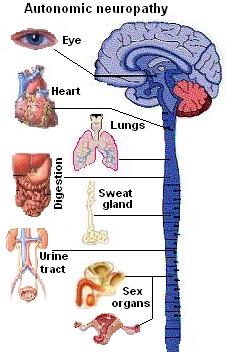
- Too much or little sweating,
- Lightheadedness or giddiness,
- Dry eyes and mouth,
- Delayed stomach emptying or constipation,
- Bladder problems, urinary, incontinence,
- Erectile dysfunction or other sexual problems
Motor nerve’s damage symptoms
- General overall weakness,
- Paralysis,
- Twitching sensation
Sensory nerve damage symptoms
- Pain, particularly in extreme parts,
- Over sensitivity to touch or heat,
- Numb feeling,
- Prickling or needle sensation,
- Burning sensation,
- Positional sense problems
In some instance, you may find symptoms of more than one nerve types. If you have, the above symptoms immediately go for neuropathy diagnosis test to confirm it and take neuropathy treatment if needed.
Neuropathy

People with diabetes may, develop nerve damage throughout the body over time called diabetic neuropathies, a set of nerve disorders caused by persistent high blood-glucose.
Diabetic Neuropathy
60 - 70 % of people with diabetes have some forms of neuropathy. Highest rates of neuropathy are among a person who has had diabetes for at least 25 years.
Diabetic neuropathies are more common in people, who has problems controlling their blood-glucose, as well as for those who have high blood pressure and cholesterol.
Causes of Neuropathy
The causes are various for different types of diabetic neuropathy. Nerve damage is likely due to a combination of factors:
- Metabolic factors such as diabetes, abnormal cholesterol levels, and high blood pressure.
- Neurovascular factors - leading to damage to the blood vessels that carry oxygen and nutrients to nerves
- Autoimmune factors due to prolong diabetes that causes inflammation in nerves
- Mechanical injury to nerves, such as carpal tunnel syndrome
- Inherited traits that increase susceptibility to nerve disease
- Lifestyle factors, such as smoking or alcohol use
You can protect your nerves by maintain your blood glucose in control, physical more activity (or exercise most of the days in a week), taking Methylcobalamin (a B12 vitamin) supplementation (some feels it helped them), and herbal supplements (there are various herbs that can help rejuvenate your nerves).
Diabetes Complications

Some of the common diabetes complications are heart attack, stroke, blindness, kidney disease, loss of a toe (or foot), and erectile dysfunction. However, you can be avoiding these complications by strict diabetes care.
How common are the diabetes complications?
The prevalence of the diabetes complications among diabetes patients are more common; diabetic neuropathy 60%, CHD 32.3%, Cataract 20%, Retinopathy 15.4%, Peripheral vascular disease 11.5%, and Cerebrovascular accidents 6.9%.
Diabetes complications
Diabetes complications begin because of blood vessel and nerve damages, causes due to high-level of glucose in blood (uncontrolled diabetes), prolonged diabetes, high-cholesterol level, and high-pressure. Nerve damages of the respective organs are the root cause of diabetes complications.
- Uncontrolled diabetes can harm the nerves in your body causing diabetic neuropathy.
- Heart disease, stroke, heart attacks are all caused by blockage of blood vessels causing lack of oxygen in extreme case breakage of blood vessels may happen.
- Diabetic retinopathy caused due to blood vessel damage in retina causing lack of blood circulation thus lack of oxygen to nourish retina and in extreme cause leakage of blood in the retina.
- Diabetic Gastroparesis is a disorder of the stomach that takes too long to empty its contents, mostly due to vagus nerve damage.
- Diabetes kidney diseases are causes due to a small blood vessel of kidney is damage due to long run of high blood-glucose.
- Erectile dysfunction or impotence is due to over-all nerve damage, and may be nerves in penis.
- Urinary incontinence, over active bladder, bladder problems are all cause by nerve damage due to prolonged high blood-glucose.
- Urinary tract infection is also due to nerve damage, but it is not directly relating with a nerve cause. Due to Diabetic Gastroparesis, there is a delay in the food emptying, which in-turn starts bacterial growth, and causes urinary tract infection. Furthermore, due to long term of diabetes, immune system losses it capacity thereby it is not able to fight the infection.
- Depression is more in people with diabetes compared to people without diabetes. Diabetes depression is associated with poorer diabetes care and blood-glucose level.
Then how to safe guard against diabetes complications, it is simple be strict in your diabetes care and maintain your blood-sugar level and A1C near normal.
Ketoacidosis Prevention
Ketoacidosis is caused by low or no insulin in the body, thus if you are strict in your blood-glucose management, you can prevent the diabetic ketoacidosis episode.
Ketoacidosis prevention tips
- Commitment to diabetes care - smart eating, physically active, works for healthy weight and diabetes medications or insulin as directed
- Monitor blood-glucose level - need to check glucose level several times a day, if ill or under stress. Careful monitoring is most to make sure that the blood-sugar level remains within target range.
- Insulin regimen - Adjust insulin dosage as needed, which is depending on the blood-glucose level, food you eat, an amount of physical activity, depending on ill, or stress. Talk to your doctor or diabetes educator for advice.
- Check the ketone level - When ill or under stress, test urine for excess ketones with ketone test kit. If your ketone level is moderate or high, then you should immediately contact doctor.
Diabetes complications are scary, but instead of fear, keeps good care of diabetes produces best results and keeps you out of these complications.
Ketoacidosis Treatment
Ketoacidosis causes dehydration and electrolyte depletion. Ketosis episode is due to low or no insulin. Therefore, ketosis treatment starts with insulin therapy and electrolyte replacement.
Ketoacidosis Treatment
- Insulin therapy - Insulin reverses the processes that cause diabetic ketoacidosis, along with fluids and electrolytes. Receive insulin therapy, usually through the vein. When the blood-glucose level falls below 250 mg/dL (14 mmol/L), and blood is no longer acidic. Then stop intravenous insulin therapy and resume normal insulin therapy.
- Fluid replacement – Re-hydrate by fluid either orally or through the vein (intravenously). These fluids will replace those lost through excessive urination and helps to dilute the glucose in blood.
- Electrolyte replacement - Electrolytes are minerals in blood such as sodium, potassium, and chloride. Absence of insulin can lower the level of several electrolytes in the blood. Replace electrolytes through veins to help keep heart, muscles, and nerve cells function normally.
Ketoacidosis Diagnosis
Ketosis increases the blood-glucose level, releases ketones and dehydration. Therefore, ketosis test involves glucose test, ketone test and electrolyte test.
Ketoacidosis diagnosis tests
- Blood-glucose level - If there is no longer enough insulin in the body to allow glucose to burn by the cells for energy, the glucose level will rise (hyperglycemia). Then body begins to break down fat for energy; so blood-sugar level will continue to rise. Test blood-glucose level using a home glucose monitor.
- Ketone level - When the body breaks down fat for energy, toxic acids called ketones are produce and circulates in the bloodstream. Kidney filters and sent out this, thus ketone test strips measure available ketones in urine.
- Electrolyte test: Potassium, sodium, blood urea, serums are the electrolyte tests for ketoacidosis.
- Urine pH test measures the acidity of urine.
Additional tests for diabetes ketoacidosis
- Urinalysis,
- Chest X-ray,
- Electrocardiogram
Doctors may need the above test to determine what triggered or what damage diabetic ketoacidosis caused.
Ketoacidosis Causes
Ketoacidosis is due to low or no insulin. Emotional feeling, physical illness, alcohol abuse, and improper insulin therapy may lower insulin.
Insulin & Ketoacidosis Causes
Glucose is the main source of energy for the cells that make up your muscles and other tissues. Normally, glucose enters the cells with the help of insulin. If do not have enough insulin in the body, body will not be able to use glucose for energy. This lead to the release of hormones that break down fat as an alternate fuel, this produces toxic acids known as ketones. Excess ketones accumulate in the blood and eventually come out through urine.
Diabetic ketoacidosis triggering cause:
- Illness - An infection or illness (commonly Pneumonia and urinary tract infections) can produce hormone’s adrenaline. Unfortunately, these hormones work against insulin and sometimes triggering diabetic ketoacidosis.
- Improper insulin therapy - Missed insulin treatments or inadequate insulin therapy can leave with too little or no insulin and triggers diabetic ketoacidosis.
Other triggering causes of diabetic ketoacidosis:
- Stress or tension
- Physical or emotional trauma
- Very high fever
- After surgery
- Heart attack or Stroke
- Drug or alcohol abuse
You forgot not; untreated diabetic ketoacidosis could be fatal.
Ketoacidosis Symptoms
Diabetic ketoacidosis is caused due to no or low insulin secretion; shortage of energy due to the absence of needed insulin ends up with the breakdown of fat for energy.
Breakdown of fat (for the energy requirement) releases ketones into the blood streams. This produces ketoacidosis symptoms, mostly within 24 hours.
Diabetic ketoacidosis symptoms
- Too much thirst
- Urinate frequently
- Nausea and vomiting
- Pain in the abdominal
- Appetite loss
- Weakness or fatigue
- Drowsiness
- Shortness of breath
- low pulse and blood pressure
- Fruity-scented breath
- Confusion
Immediate treatment is a must, if your symptoms are.
- vomiting and unable to uptake any food or liquid
- blood-glucose level is higher than normal and not responding to home treatment
- urine ketone level is moderate or high
Patient need emergency care if,
- blood-glucose level is consistently higher than 300 (mg/dL) or 16.5 (mmol/L) excess ketones in urine
- Have multiple symptoms of diabetic ketoacidosis - excessive thirst or urination, nausea and vomiting, pain in abdomen, appetite loss, shortness of breath, fruity-scented breath, and confusion.
You forgot not; untreated diabetic ketoacidosis could be fatal.
Ketoacidosis
Diabetic Ketoacidosis is a condition in which the body cells are unable to get glucose for energy due to low or no insulin. Thus, body starts to breakdown of the fat for energy produces toxic acid called ketones.
Diabetes ketoacidosis overview
Diabetic ketoacidosis develops when there is too little or no insulin in the body. Without enough insulin, the body cells cannot be able to burn glucose for energy. Therefore, the blood-sugar level rises, and body cell dangerously need energy, and the body begins to break down fat for energy called ketosis by producing ketones, a toxic acid. When left untreated, diabetic ketoacidosis may cause to lose consciousness, and it is fatal.
Ketoacidosis is marked by the body’s failure to regulate ketone production causing extremely uncontrolled ketosis. This leads to severe accumulation of keto acids in blood, thus pH of the blood is substantially decreased. In an extreme case, ketoacidosis can be fatal.
Diabetic Ketoacidosis (DKA) was first mentioned in the year 1886. Until the introduction of insulin treatment in the 1920s, DKA was universally considered as fatal. It is now carrying a mortality rate of less than 5% with proper and timely treatment.
Type 1 diabetes and Ketoacidosis
Most commonly, diabetes type 1 frequently comes across ketoacidosis, and mostly they are diagnosed after diabetes ketoacidosis episode. Rarely type 2 diabetes may have to develop diabetic ketoacidosis.
Type 2 Diabetes Medications

Diabetes drugs are medications prescribed to help manage diabetes mellitus, a chronic condition that affects how the body metabolizes blood sugar (glucose). These medications help people with diabetes lower their blood glucose levels.
Classification of diabetes drugs
Different classes of diabetes drugs and their modes of action
- Insulin sensitizers (Increase insulin sensitivity): Metformin, TZDs
- Insulin Secretion Stimulants (Increase insulin secretion): Sulfonylureas, Meglitinides
- Increase glucose excretion via the kidneys: SGLT-2 inhibitors
- Reduce glucose absorption from the gut: Alpha-glucosidase inhibitors
- Enhance incretin effect: DPP-4 inhibitors, GLP-1 agonists
- Other mechanisms: Bile acid sequestrants (Colesevelam) and dopamine-2 agonists act through less direct or less well-understood pathways to improve glucose control.
Insulin sensitizers - Increase insulin sensitivity
Insulin sensitizers are medications that help the body respond more effectively to insulin. They work by increasing cells' sensitivity to insulin, allowing them to take up glucose from the blood more efficiently.
Insulin sensitizers improve the ability of insulin to stimulate glucose uptake in cells, primarily in the liver, muscle, and adipose tissue. They help overcome insulin resistance that occurs in type 2 diabetes, where cells don't respond adequately to insulin's signal to absorb glucose. By improving insulin sensitivity, these medications help lower elevated blood sugar levels.
Various insulin sensitizers can work through various mechanisms, such as lowering glucose synthesis in the liver, boosting glucose uptake in peripheral tissues, or improving insulin signaling pathways.
A closer look at some of the primary insulin sensitizers is provided below:
Metformin (Class: Biguanide) - A most commonly used biguanide that primarily reduces glucose synthesis in the liver (hepatic gluconeogenesis) and increases insulin sensitivity in peripheral tissues by acting on cellular pathways that increase insulin receptor activity. It is the first line of treatment for type 2 diabetes. It’s often used alone or in combination with other medications. Side effects: Gastrointestinal issues (like nausea and diarrhea) are common but typically improve over time.
Thiazolidinediones (TZDs) - also known as glitazones- are a class of oral anti-diabetic drugs. They work by increasing the body's sensitivity to insulin. The most commonly used TZDs are pioglitazone and rosiglitazone. Its mechanism of action increases glucose uptake by muscle and fat cells and reduces glucose production by the liver. TZDs also help reduce fatty liver (steatosis) and promote fat storage in adipose tissue, which is associated with weight gain and fluid retention.
Examples: Pioglitazone (Actos), Rosiglitazone (Avandia).
Side effects: Weight gain, edema (fluid retention), increased risk of fractures, and in some cases, increased risk of heart failure (especially in patients with pre-existing heart conditions). Pioglitazone has also been linked to an increased risk of bladder cancer with long-term use.
Contraindications: TZDs are not recommended for individuals with active liver disease, heart failure, type 1 diabetes, or those already on insulin.
Monitoring: Patients taking TZDs require regular monitoring for potential side effects, including liver function tests and assessment for fluid retention.
Natural option: Certain herbs and supplements like cinnamon, fenugreek, and berberine have shown promise in enhancing insulin sensitivity.
Insulin Secretion Stimulants (Insulin Secretagogues)
Insulin secretion stimulants are compounds that enhance the release of insulin from the pancreas. Insulin is a hormone produced by the beta cells in the pancreas that helps regulate blood sugar (glucose) levels. When blood glucose level rises, such as after eating, insulin is released to facilitate the uptake of glucose into cells for energy or storage.
These drugs, known as insulin secretagogues, primarily work by targeting the ATP-sensitive potassium (K(ATP)) channels on pancreatic beta cells. By closing these channels, they stimulate insulin release.
Insulin secretagogues are primarily used in type 2 diabetes, where the body still produces some insulin. Their effectiveness depends on the presence of functional beta cells in the pancreas. Common side effects include hypoglycemia (low blood sugar) and weight gain.
Sulfonylureas - This is the oldest class of drugs used to stimulate insulin release. These drugs bind to sulfonylurea receptors on the pancreatic beta cells, which causes the cells to release more insulin. Sulfonylureas are considered insulin secretagogues. Examples: Glipizide, Glimepiride, Glyburide.
Meglitinides - They stimulate insulin secretion by binding to pancreatic beta cells. They work more rapidly and for a shorter duration than sulfonylureas. Examples: Repaglinide, Nateglinide.
Natural options: Some studies suggest that apple cider vinegar can improve insulin sensitivity and reduce postprandial blood sugar spikes. Herbs like Gymnema Sylvestre, fenugreek, and bitter melon are known for their potential to boost insulin production.
Glucose Excretion Promoters - Glucose reabsorption inhibitors
Glucose excretion promoters are substances that enhance the process of glucose excretion in the urine. Finally, they can be related to renal processes, where the kidneys filter glucose from the blood and excrete it in the urine. These agents are often used in the management of type 2 diabetes, especially in cases where other treatments aren't sufficient to control blood sugar.
Here is the main type of glucose excretion promoter:
SGLT2 Inhibitors (Sodium-Glucose Cotransporter-2 Inhibitors) - SGLT2 is a protein found in the kidneys that helps reabsorb glucose from the urine back into the blood. When SGLT2 inhibitors block this protein, preventing glucose from being reabsorbed into the bloodstream. As a result, excess glucose is excreted through the urine.
Examples: Canagliflozin (Invokana), Dapagliflozin (Farxiga), Empagliflozin (Jardiance), and Ertugliflozin (Steglatro).
Side effects: Increased risk of urinary tract infections (UTIs), Genital yeast infections, Dehydration (due to increased urine output), increased urination, rarely, diabetic ketoacidosis (DKA), especially in patients with type 1 diabetes.
Additional benefits: Weight loss (due to glucose loss in the urine) and Lower blood pressure (a mild diuretic effect).
Carbohydrate Absorption Reducers - Starch blockers
Carbohydrate absorption reducers, also known as carb blockers, are substances that limit the digestion and absorption of carbohydrates, particularly starches. They work by inhibiting enzymes that break down complex carbohydrates into sugars, or by delaying the digestion process. This can potentially lead to a decreased amount of glucose absorbed after eating, thus helping lower post-meal blood sugar spikes (known as postprandial hyperglycemia).
Here’s an overview of the main types of carbohydrate absorption reducers: Alpha-Glucosidase Inhibitors - These drugs inhibit alpha-glucosidase enzymes in the small intestine, which are responsible for breaking down complex carbohydrates (such as starches) into simple sugars (like glucose). By inhibiting these enzymes, alpha-glucosidase inhibitors delay the digestion and absorption of carbohydrates, meaning glucose enters the bloodstream more slowly and gradually.
Examples: Acarbose (Precose) and Miglitol (Glyset). Effect: Reduces postprandial blood glucose spikes by slowing down carbohydrate absorption. Side effects: Gastrointestinal issues are common, including bloating, flatulence (gas), diarrhea, and abdominal pain, since undigested carbohydrates ferment in the gut. Use: Often used as an adjunct treatment to other diabetes medications, particularly for managing after-meal blood glucose levels.
Natural drug-free options: White kidney bean extract and dietary fibers. White kidney bean extract is a popular natural option, often found in weight management supplements.
Dietary Fiber (Natural Carb Absorption Reducers) - While not a "drug," dietary fiber (particularly soluble fiber) can help reduce the absorption of carbohydrates. Fiber forms a gel-like substance in the gut, slowing the digestion and absorption of nutrients, including carbohydrates. This results in a slower rise in blood sugar after meals, which can be beneficial for people with diabetes.
Examples: Foods high in soluble fiber include oats, beans, lentils, flaxseeds, and certain fruits and vegetables (like apples and carrots). Effect: Reduces postprandial blood glucose spikes by slowing the absorption of carbohydrates. Side effects: Can cause bloating, gas, and abdominal discomfort, especially if fiber intake is suddenly increased.
Incretin-Based therapies
Incretins are natural hormones released in response to food intake that help manage blood glucose by enhancing insulin secretion, inhibiting glucagon (a hormone that raises blood sugar), and slowing gastric emptying.
Incretin-based therapies are a class of medications that work by enhancing the effects of natural incretin hormones, which stimulate insulin release and suppress glucagon secretion in response to food intake. These therapies are effective at lowering blood glucose levels and can also lead to weight loss. The Two Main Types of Incretin-Based Therapies: GLP-1 Receptor Agonists (Glucagon-like peptide-1) and DPP-4 Inhibitors (Dipeptidyl peptidase-4 inhibitors).
GLP-1 Receptor Agonists - GLP-1 receptor agonists are synthetic versions of the incretin hormone. They bind to GLP-1 receptors on pancreatic beta cells to stimulate insulin release and reduce glucose production by the liver.
Additionally, they also act on the brain to promote satiety (feeling of fullness), which can help with weight loss—a key benefit for many with type 2 diabetes. Examples: Exenatide (Byetta, Bydureon), Liraglutide (Victoza, Saxenda), Semaglutide (Ozempic, Wegovy), Dulaglutide (Trulicity), and Lixisenatide (Adlyxin). Side effects: Gastrointestinal issues like nausea, vomiting, diarrhea, and constipation (especially when starting treatment). Risk of pancreatitis (in rare cases); Risk of thyroid tumors (especially in rodents, but not conclusively proven in humans).
DPP-4 Inhibitors - DPP-4 inhibitors don't increase insulin secretion as much as GLP-1 agonists, but they still enhance the body's natural incretin response. The primary role of DPP-4 inhibitors is to help regulate glucose by promoting insulin secretion and suppressing glucagon secretion, especially after meals.
Examples: Sitagliptin (Januvia), Saxagliptin (Onglyza), Linagliptin (Tradjenta), and Alogliptin (Nesina). Side effects: Headache and upper respiratory infections, Risk of pancreatitis (although much lower compared to GLP-1 agonists), Risk of joint pain or muscle pain. In rare cases, skin reactions and allergic reactions can occur.
GLP-1 Agonists are generally more effective at lowering HbA1c (a long-term marker of blood sugar control) and often result in weight loss, making them a preferred choice for people with obesity and type 2 diabetes.
DPP-4 Inhibitors, while effective, tend to have milder effects on blood sugar and are generally used when weight loss is not a primary concern or when tolerability is a key factor (since they usually have fewer gastrointestinal side effects than GLP-1 receptor agonists).
Other diabetes drugs
Bile Acid Sequestrants - Bile acid sequestrants are a class of medications used to lower LDL (bad) cholesterol by binding to bile acids in the intestines, preventing their reabsorption and their elimination in the stool. The body needs to produce more bile acids from cholesterol in the liver to compensate for the losses, which reduces the amount of cholesterol in the blood circulation.
The mechanism that reduces cholesterol may also improve insulin sensitivity and lower blood sugar in some people with type 2 diabetes, though the effect is mild compared to other diabetes medications.
Here’s an overview of how bile acid sequestrants work, their effects, and their use in type 2 diabetes:
Examples of Bile Acid Sequestrants: Cholestyramine (Questran), Colestipol (Colestid), and Colesevelam (Welchol).
Colesevelam (Welchol) has been shown to help lower HbA1c by about 0.5–1% in people with type 2 diabetes. Improved insulin sensitivity, Reduced liver glucose production, and Changes in bile acid metabolism that might indirectly improve glucose homeostasis.
Side Effects: Constipation is the most common side effect, which can often be managed with adequate fluid intake and fiber. Bloating, indigestion, and gas are also reported. Malabsorption of fat-soluble vitamins (such as vitamins A, D, E, and K) can occur with long-term use because bile acids are important for the absorption of these vitamins.
Drug Interactions: Bile acid sequestrants can interfere with the absorption of certain medications, including statins, warfarin, digoxin, and others. It’s important to take these medications separately (usually 1–4 hours apart).
Dopamine D2 agonists - Dopamine D2 agonists are a class of medications that activate dopamine D2 receptors in the brain, mimicking the effects of dopamine and are used to treat various conditions, including Parkinson's disease, hyperprolactinemia, and type 2 diabetes. These agonists can be categorized into ergoline and non-ergoline types, with examples like bromocriptine and cabergoline being ergoline, and pramipexole and ropinirole being non-ergoline. Bromocriptine, a D2 agonist, has been approved for managing hyperglycemia in type 2 diabetes, though its exact mechanism is still under investigation.
Dopamine agonists can cause side effects, including nausea, dizziness, sleep disturbances, and compulsive behaviors. Careful monitoring and dose adjustments are necessary when using dopamine agonists, especially in individuals with pre-existing conditions.
Diet, exercise and weight reduction should be the cornerstone of diabetes management.
You can manage your diabetes by losing some weight, increasing physical activity (or regular exercise), and following a proper diet. Losing 10 or 15 pounds or 4.5 to 6.8 Kg can sometimes help you reach your target. Always check with your doctor before you stop taking your diabetes pills or start your treatment by lifestyle change alone (without medication).