
Diabetes Herb Bitter Melon
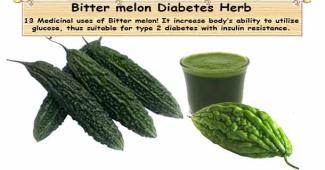
Bitter melon or gourd juice appear to increase the body’s ability to utilize glucose, so it may be suitable for type 2 diabetes with insulin resistance.
Bitter Melon (Momordica charantia)
Bitter melon plant: Bitter melon (Momordica charantia) is a tropical and subtropical vine, widely grown in Asia, Africa, and the Caribbean for its edible fruit, which is the most bitter of all fruits. The plant bears yellow flowers; fruits have a distinct warty exterior of oblong shape; a thin fleshy layer is surrounding a central seed cavity having large flat seeds and pith.
Bitter melon has been in use in traditional medicine systems for a long time for a variety of ailments, particularly stomach complaints.
Bitter melon nutritional value: Macronutrients content of bitter melon is Proteins 995mg, Water 94 g, Ash 1.1 g, Fats 170 mg, Carbohydrates 3.6 g, Dietary Fiber 2.8 g. Vitamins available in bitter melon are Vitamin A 470 IU, Vitamin C 84 mg, Thiamin 39 mcg, Riboflavin 39 mcg, Niacin 400 mcg, Vitamin B6 43 mcg, Folate 72 mcg, Pantothenic Acid 212 mcg. Minerals available in Calcium 19 mg, Iron 430 mcg, Magnesium 17 mg, Phosphorus 31 mg, Potassium 295 mg, Sodium 5 mg, Zinc 800 mcg, Copper 34 mcg, Manganese 89 mcg, Selenium 0.2 mcg.
100 grams of bitter melon contains 17 Calories.
{"preview_thumbnail":"/drupal8/sites/default/files/styles/video_embed_wysiwyg_preview/public/video_thumbnails/PMNumLcvInE.jpg?itok=atn9mCrR","video_url":"https://youtu.be/PMNumLcvInE","settings":{"responsive":1,"width":"854","height":"480","autoplay":0},"settings_summary":["Embedded Video (Responsive)."]}
Bitter melon may lower blood sugar level
Co-administration of conventional drug and herbal medicine may cause potential interactions that lead to adverse events. So get doctor’s consent before starting herbal treatment.
Vicine, charantin, and polypeptide-P are present in bitter melon are responsible for its anti-diabetic properties. Together they increase insulin secretion, increase glucose uptake, glycogen synthesis in the liver, muscle & adipose tissue, improve glucose tolerance and decrease hepatic gluconeogenesis.
Bitter melon scientific evidence in diabetes control
- Drinking of the aqueous homogenized suspension of the vegetable pulp led to significant reduction of both fasting and post-prandial serum glucose levels. Effect of Momordica charantia (Karolla) extracts on fasting and postprandial serum glucose levels in NIDDM patients. Bangladesh Medical Research Council Bulletin 1999 Apr;25(1):11-3.
- The fruit juice of M. charantia was found to significantly improve the glucose tolerance of 73% of the patients investigated while the other 27% failed to respond. Effect of Momordica charantia on the glucose tolerance in maturity onset diabetes. Journal of Ethnopharmacology, Volume 17, Issue 3, September 1986, Pages 277-282.
- A clinical study titled “Antidiabetic and adaptogenic properties of Momordica charantia extract” published in Phytotherapy Research 7:285–289, 1993.
- Another clinical study titled “Improvement in glucose tolerance due to Momordica charantia (karela)” published in British Medical Journal 282:1823–1824, 1981.
- A clinical study titled “Antidiabetic and adaptogenic properties of Momordica charantia extract” by Srivastava Y, Venkatakrishna-Bhatt H, Verma Y, Venkaiah K, published in Phytotherapy Research 7:285–289, 1993.
- Another clinical study titled “Improvement in glucose tolerance due to Momordica charantia (karela)” by Leatherdale BA, Panesar RK, Singh G, Atkins TW, Bailey CJ, Bignell AH published in British Medical Journal 282:1823–1824, 1981.
Unlike conventional drugs, herbal medicines are complex mixtures of bioactive compounds. Season, growing condition, processing method can vary the constitutions of the bioactive compound.
15 Medicinal Uses of Bitter melon
Effective for improve immunity, obesity, lipids, blood sugar and psoriasis. It protects the heart, brain, liver, kidney and other vital organs of your body.
- Blood sugar - Studies have shown bitter melon lowers blood sugar through increased metabolism of glucose. It is used as a folk medicine for diabetes treatment. It contains a hypoglycemic or insulin-like principle, consider as 'plant-insulin,' which is highly beneficial in lowering the blood sugar levels.
- Cholesterol - Bitter melon help lowers cholesterol levels.
- Rich in nutrients - Being rich in essential vitamins and minerals, such as vitamin A, B1, B2, C, and Iron, it prevents many complications such as hypertension, eye complications, and neuritis.
- Liver protective - Bitter melon can alleviate liver problems and nourish the liver.
- Antimicrobial – this activity help heals wounds and eliminate yeast infections.
- Energy booster - it improves energy and stamina.
- Boost digestion - Bitter melon relieves acid reflux and indigestion. It relieves acid reflux and indigestion.
- Blood purifier – Bitter gourd possesses antimicrobial and antioxidant properties that clear toxins from the blood and purify it, and improves blood circulation.
- Liver Tonic – it improves gallbladder function and lowers fluid retention. Cirrhosis of the liver and hepatitis may be relieved.
- Boost Immunity – Prevent and cure food allergies.
- Respiratory health - Excellent remedy for respiratory illness such as asthma, cold, cough, etc.
- Skin Benefits - helpful in treating acne, psoriasis, and eczema. Taken regularly said to have a “glowing” effect on the skin.
- Great for your eyes - helps in preventing vision-related problems such as cataract since it has compounds like beta-carotene and vitamin A which are healthy for your eyes and strengthens eyesight.
- Kidney Stones - Bitter melon reduces high acid that produces kidney stones. It can get rid of kidney stones through naturally breaking them down.
- Pancreatic Cancer - Bitter melon showed to potentially inhibiting the growth of pancreatic cancer cells.
Bitter melon help lower heart diseases and strokes risk
Many experimental findings conclude that bitter gourd exhibits promising anti-diabetic activity. Its antihyperlipidemic effect could represent a protective mechanism against the development of atherosclerosis, especially in diabetic condition. Therefore, it is very much useful in the management of diabetes mellitus and other associated complications.
Bitter melon dosage
The typical dosage of bitter melon is one small, unripe, raw melon or about 50 to 100 ml of fresh juice, divided into two or three doses over the course of the day. The only problem is that it tastes extremely bitter. Noted naturopath Michael Murray suggests that you should simply plug your nose and take a 2-ounce shot.
Bitter melon availability
Bitter melon is commercially available as fresh fruits, dehydrated fruits, leaf powder or exacts. Also, it is available as capsules for you to take easily.
Bioactive constituents of Bitter melon
Bitter melon has charantin on hydrolysis gives glucose and a sterol; the fruit pulp has Galacturonic. Fruits contain glycosides, saponins, alkaloids, reducing sugars, resins, phenolic constituents, fixed oil, and free acids. The leaves of the Bitter gourd have hypoglycemic activity comparable to tolbutamide. The protein termed as P-insulin extracted from the fruits in a crystalline form.
Bitter melon has twice the calcium of spinach and Potassium of bananas. The plant is rich in Iron and Zinc. The other minerals are Phosphorus, Sodium, and Magnesium. Vitamin C makes up 55% of total vitamins. The other vitamins are B9, B1, B2, B6, B3, B12, A, E, and K. There are Carbohydrates, Sugars, Dietary fiber and protein as well.
Bitter melon side effects
It is widely eaten food in Asia that proves its safety. Another very rare risk may include impaired fertility, liver inflammation, and spontaneous abortion.
Diabetes Herb Aloe vera

Aloe Vera gel has packed with magic ingredients of numerous medicinal properties; it appears to help reduce blood-glucose & glycosylated hemoglobin levels.
Aloe Vera
Aloe Vera plant: Aloe Vera is a stemless or very short-stemmed succulent (having thick, fleshy, water stored leaves) plant growing to 60 to 100 cm (i.e. 24 to 39 inches) tall. The leaves are thick and fleshy, green, or grey-green; margin of the leaf is serrated (saw-toothed) and has small white teeth.
Aloe Vera nativity is unclear and may be from Africa; the modern gardeners have widely grown Aloe Vera as an ornamental plant.
What is Aloe Vera Juice?
Aloe Vera juice is from the leaves of the aloe plant by just removing the marginal saw-toothed spikes and the green layer of the leaf. Inside this, you can find a watery gel with yellow sap wash it out. Because consuming this sap may cause dysentery, but it can help treat constipation.
Crash this clean Aloe Vera’s jelly to become watery liquid called Aloe Vera juice. It is always best to take it as a fresh juice, but even commercially available Aloe Vera juices are effective. Consuming this Aloe Vera juice can help various health conditions, for details looks at the Aloe Vera benefits.
{"preview_thumbnail":"/drupal8/sites/default/files/styles/video_embed_wysiwyg_preview/public/video_thumbnails/WPxJc7BjcUs.jpg?itok=dYw9I45L","video_url":"https://youtu.be/WPxJc7BjcUs","settings":{"responsive":1,"width":"854","height":"480","autoplay":0},"settings_summary":["Embedded Video (Responsive)."]}
Aloe Vera help lower blood sugar level
Co-administration of conventional drug and herbal medicine may cause potential interactions that lead to adverse events. So get doctor’s consent before starting herbal treatment.
The mechanism of action of Aloe Vera to reduce blood-glucose levels is by enhancing glucose metabolism.
Additionally, the glucose-lowering effect could be by an antioxidant mechanism; it attenuates oxidative damage in the brains of streptozotocin (a naturally-occurring chemical that is particularly toxic to the insulin-producing beta cells of the pancreas) induced mice and reduced peroxidation levels in the kidneys of streptozotocin-induced diabetic rats.
Aloe Vera scientific evidence in blood sugar management
- Blood sugar and triglyceride levels in the treated group fell. The results suggest the potential of aloe vera juice for use as an antidiabetic agent. Ref: Phytomedicine. 1996 Nov;3(3):241-3.
- The current evidence suggests some potential benefit of Aloe vera in improving glycaemic control in prediabetes and type 2 diabetes. Ref: Journal of Clinical Pharmacy and Therapeutics, Volume41, Issue2, April 2016, Pages 180-188.
- We conclude that aloes contain a hypoglycaemic agent which lowers the blood glucose by as yet unknown mechanisms. Ref: Horm Res. 1986;24(4):288-94.
- Improvement of Glucose and Lipid Profile Status with Aloe Vera in Pre-Diabetic Subjects: A Randomized Controlled-Trial. Ref: Journal of Diabetes and Metabolic Disorders 14 (2015): 22.
- Reduction of Fasting Blood Glucose and Hemoglobin A1C Using Oral Aloe Vera: A Meta-Analysis. These results support the use of oral aloe vera for significantly reducing FBG (46.6 mg/dL) and HbA1c (1.05%). Ref: The Journal of Alternative and Complementary Medicine 22(6) June 17, 2016, Pages:450–457.
- Efficacy of Aloe Vera Supplementation on Prediabetes and Early Non- Treated Diabetic Patients: A Systematic Review and Meta-Analysis of Randomized Controlled Trials. Nutrients 2016, 8(7), 388.
Unlike conventional drugs, herbal medicines are complex mixtures of bioactive compounds. Season, growing condition, processing method can vary the constitutions of the bioactive compound.
14 Medicinal Uses of Aloe Vera
Aloe Vera possesses anti-diabetic, anti-dyslipidemia, anti-inflammatory, and anti-oxidant property, which may help prevent heart disease and strokes. Numerous studies show Aloe has a beneficial effect in the prevention of atherosclerosis and coronary heart disease.
Aloe vera can nourish the body with minerals, vitamins, enzymes, and glycol-nutrients. Thus, Aloe vera beneficial from the head to toe.
- Control blood sugar - taking two tablespoons of aloe vera juice per day can lower blood sugar levels in people with type 2 diabetes. Many types of research show the aloe gel contains active constitutions that reduce blood glucose and glycated hemoglobin levels (A1C).
- Lowers cholesterol level, oxygenate the blood, protect the body from stress, and reduce high blood pressure.
- Improves digestion – It is useful for indigestion, liver problems, stomach ulcers, intestinal worms, and many other conditions. Gastroesophageal reflux disease is a digestive disorder result in heartburn. Consuming 1 to 3 ounces of aloe gel at mealtime could reduce the heartburn severity.
- Useful for constipation – Aloe vera is a natural laxative; 0.04 to 0.17 grams of dried juice is sufficient to relieve constipation.
- Skincare - Aloe vera gel is widely known to relieve sunburn and help heal wounds. It helps many skin conditions; use internally or externally such as for wounds, burns, rashes, sores, herpes, fungus, vaginal infections, acne, sunburn, psoriasis, warts, etc. It protects the skin from the aging effects of sunlight.
- Immune booster – Internally taking it increases immunity, thus helps cancer patients by stimulating the development of non-cancerous cells and white blood cells. Fight breast cancer - it has the potential in slowing the growth of breast cancer.
- Reduce Inflammation - It can help to slow down or inhibit inflammation.
- Fight infection – useful for urinary tract infections and kidney infections.
- Healthy joints - This may help painful joints due to stiffness and improve joint flexibility.
- Reduces dental plaque - Aloe vera in tooth gels is effective in fighting cavities.
- Treat mouth ulcers - Aloe vera can accelerate the healing of mouth ulcers.
- Improves mood - Aloe Vera reduced depression and improve memory.
- Adaptogen - is something that boosts the body’s natural ability to adapt to external changes and resist illness. Aloe Vera is an Adaptogen.
- Detoxification - This supports the proper elimination of waste from your body and thus detoxifies your body.
Aloe Vera dosage
Normally suggested aloe dosage for the treatment of diabetes is 30 ml, dilute with water and take in the early morning. Otherwise, take 600 mg tablets 1 to 3 daily.
Aloe Vera availability
Aloe Vera is available as gel, juice, spray-dried powder and as a capsule.
How do you take Aloe Vera?
Aloe Vera gel or juice can dilute with water, taste it as per your choice or drink the juice as it is. Spray dried powder capsules can swallow as a supplement.
If you have aloe plant around your location, you can try to consume it as fresh juice every alternate day.
Bioactive constituents of Aloe Vera
The aloe plant gel contains about 99 to 99.5 % water, with an average pH of 4.5. It contains over 75 different ingredients, including vitamins, minerals, enzymes, sugars, anthraquinones or phenolic compounds, lignin, saponins, sterols, amino acids, and salicylic acid.
Vitamins and Minerals are C, A, E, B vitamins, B-carotene, Zinc, Calcium, Copper, Magnesium, Manganese, and Phosphorous.
It contains at least five different enzymes and likely more. It contains twenty-two amino acids. Plant sterol is a plant-based compound, potent anti-inflammatory agents.
Gibberellin is a growth factor, which assists in healing. Polysaccharides, including B1-3 and B1-4 Glucomannan known for their immune stimulating effects, Based on its constituent make up; aloe has a wide array of applications.
Possible side effects of Aloe Vera
Other than occasional allergic reactions, there is no serious problem in the use of aloe gel, both internally and externally.
If aloe is useful in your diabetes treatment, you should closely monitor your glucose levels.
If possible, you can lower your medication in steps. Otherwise, hypoglycemia may occur.
The laxative effect (yellow sap from aloe vera) of aloe may cause abdominal cramps, pain, and severe diarrhea, with subsequent fluid and electrolyte disturbances.
This form may deplete potassium, predisposing people who use it to cardiac abnormalities. However, after removing the aloe vera skin there is yellow sap appears, if you properly remove these sap in running water, then these laxative effect disappears and provide abdominal benefit by calming down the digestive system.
Additive hypokalemia may also occur when it is coadministered with other drugs that deplete potassium, such as diuretics or corticosteroids.
T2D Medicine Sulfonylurea (Glipizide)
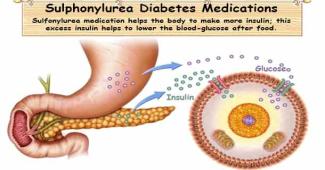
Sulfonylurea diabetes medication helps the body to make more insulin; this excess insulin helps to lower the blood-glucose level when needed, especially after food time.
Sulphonylureas are also calling as Insulin Secretagogues; it stimulates insulin secretion. It can lower your blood glucose levels by increasing insulin secretion from the pancreatic beta cells. The liver metabolized Sulfonylurea and cleared by the kidney; use it cautiously in patients with hepatic or renal impairment.
Sulfonylureas mechanism of action
Sulfonylureas bind with an ATP-dependent K+ channel on the cell membrane of pancreatic beta cells. It inhibits hyperpolarizing outflux of potassium, causing electric potential over the membrane to become more positive. This depolarization opens voltage-gated Ca2+ channels. The rise in intracellular calcium leads to increased fusion of insulin granulae with the cell membrane, and therefore, increased secretion of (pro) insulin.
Sulfonylureas also sensitize beta cells to glucose; they limit glucose production in the liver, decrease breakdown and release of fatty acids by adipose tissue (lipolysis) and decrease clearance of insulin by the liver.
Sulphonylurea diabetes medications
- Generic name: Chlorpropamide - Brand name: Diabinese – It is the only first-generation sulphonylureas in the market. It has more side effects than other sulfonylureas. And its use is no longer recommendable.
- Generic name: Glipizide - Brand name: Glucotrol, Glucotrol XL, Minidiab,
- Generic name: Glyburide or glibenclamide - Brand name: Diabeta, Glynase, and Micronase in the United States - Daonil, Semi-Daonil, and Euglucon in the United Kingdom - Delmide in India - DiaBeta, Euglucon in Canada.
- Generic name: Glimepiride (Brand name: Amaryl, GLIMPID, GLIMY)
- Generic name: Gliclazide (Brand name: Glizid, Glyloc, and Reclide in India; Diamicron, Diamicron MR in Canada and Australia; Diamicron MR in the Philippines. Many generic equivalents are also available, e.g., Glubitor-OD, Clizid.
- Available only in a generic form: Tolazamide, Tolbutamide
Sulphonylurea dosage
- Chlorpropamide – start with a minimum dose of 125 mg every morning, maximum dose 500 mg every morning, duration very long. It is no longer recommendable because of its extremely long half-life.
- Glibenclamide or glyburide – start with a minimum dose of 2.5 mg every morning and a maximum dose of 10 mg twice daily.
- Gliclazide – treat with a minimum dose of 40 mg every morning, maximum dose 160 mg twice daily, duration medium. The extended-release form has a minimum dose of 30 mg every morning, a maximum dose of 120 mg every morning, duration long.
- Glipizide (Minidiab) – start with a minimum dose of 2.5 mg every morning, maximum dose 10 mg twice daily, duration medium.
- Glimepiride (Amaryl) – begin with a minimum dose of 1 mg every morning, maximum dose 6 mg every morning, duration long.
There is a lower risk of hypoglycemia with glimepiride and gliclazide MR.
What can you expect for Sulphonylureas?
Sulfonylurea as a mono-therapy can reduce HbA1c levels by 1 to 2%, fasting plasma glucose (FPG) by 60 to 70 mg/dl (or 3.333 mmol/l to 3.889 mmol/l) or up to 25%. You can use sulfonylureas alone or in combination with most other oral diabetes drugs, and insulin. However, do not use it in conjunction with glinides or two SUs.
Who can benefit from Sulphonylureas?
Patients who respond well to sulfonylureas include those;
- who diagnosed before 40 years of age,
- duration of disease less than five years
- before initiation of drug therapy and
- a fasting blood glucose level of below 300 mg/dL (16.7 mmol/l).
Possible side effects of Sulfonylurea
Some of the common side effects of Sulfonylurea are low blood glucose (or hypoglycemia), upset stomach, skin rash, and Weight gain.
Who should avoid using Sulphonylurea?
Avoid Sulfonylurea, if you are allergic to sulfa drugs, pregnant (or planning to get), or breast-feeding.
- It increases insulin secretion and therefore, increases hypoglycemia risk. The risk is higher in renal impairment, liver cirrhosis, and in the elderly.
- It increases appetite and thus promotes weight gain.
- They are contraindicating in patients known to be allergic to sulpha drugs.
Diabetes Herb Salacia Oblonga
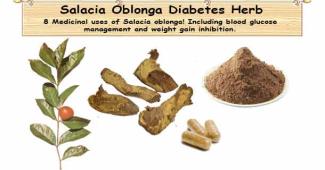
Salacia oblonga may help manae blood-glucose, and it has an additional benefit of weight gain inhibition.
What is Salacia Oblonga?
Salacia oblonga plant: Salacia oblonga is a woody plant native to Sri Lanka and India. The roots and stems of Salacia oblonga are in use extensively in Ayurveda and Traditional Indian Medicine for different medical conditions, including diabetes.
{"preview_thumbnail":"/drupal8/sites/default/files/styles/video_embed_wysiwyg_preview/public/video_thumbnails/QkoXQIt6Y2I.jpg?itok=MpcyyNVa","video_url":"https://youtu.be/QkoXQIt6Y2I","settings":{"responsive":1,"width":"854","height":"480","autoplay":0},"settings_summary":["Embedded Video (Responsive)."]}
Salacia herb help lower blood sugar level
Co-administration of conventional drug and herbal medicine may cause potential interactions that lead to adverse events. So get doctor’s consent before starting herbal treatment.
Salacia oblonga binds to intestinal enzyme alpha-glucosidases that break down carbohydrates into glucose in the body. Thus, less glucose gets into the bloodstream, resulting in lower blood glucose.
Scientific evidence for the diabetes herb Salacia oblonga
- The study result show, the extract of Salacia oblonga lowers acute glycemia and insulinemia in persons with type 2 diabetes after a high-carbohydrate meal. Extract of Salacia oblonga lowers acute glycemia in patients with type 2 diabetes. American Journal of Clinical Nutrition 2007 Jul;86(1):124-130.
- Salacia Extract Improves Postprandial Glucose and Insulin Response in Healthy Volunteers. Journal of Diabetes Research, Volume 2016, Article ID 7971831, 9 pages.
- Salacia root, a unique Ayurvedic medicine, meets multiple targets in diabetes and obesity. Life Sciences, Volume 82, Issues 21–22, 23 May 2008, Pages 1045-1049.
Unlike conventional drugs, herbal medicines are complex mixtures of bioactive compounds. Season, growing condition, processing method can vary the constitutions of the bioactive compound.
8 Medicinal uses of Salacia oblonga
Salacia Oblonga is consider to possess anti-diabetic agent. Traditionally, it is in use for blood-glucose management, effective for type 2 diabetes management and also beneficial for type 1 diabetes.
For a test meal, the blood glucose level drop by about 23 % in non-diabetic human subjects given 1 gram of Salacia oblonga extracts with the test meal, according to a study in the January 2005 issue of the “Journal of the American Dietetic Association.”
- Improves blood sugar - Salacia oblonga inhibits carbohydrate absorption, increase the efficiency of insulin action, decrease postprandial insulin, increases tissue glucose sensitivity, decrease in blood glucose, and decrease HbA1c.
- Cholesterol control - S oblonga has lipid-lowering and anti-inflammatory effects. It is capable of improving lipid profiles and systemic inflammation in diabetics. It lowers serum cholesterol, triglycerides, and increasing HDL cholesterol levels.
- Kidney tonic - Oblonga stabilizes kidney function both in diabetics and nondiabetics, suggesting it benefits for CKD patients thus consider as a kidney tonic.
- Lower blood pressure - A rat study has noted the Salacia lowered blood pressure.
- Protects heart – Oblonga has cardioprotection property.
- Liver protective - it is hepatoprotective, useful for liver related conditions.
- Inhibits weight gain - thus controls the weight gain. It is much useful for those who are obese and having both diabetes and cholesterol.
- Traditionally, it has been in use to treat arthritis, diarrhea, fever, gonorrhea, obesity, menstrual problems, and skin diseases.
Salacia oblonga lower heart diseases & strokes risks
Diabetes has a greater incidence of cardiovascular disease than others do. It is due to slow development of fibrosis, results in increased myocardial stiffness causing ventricular dysfunction and ultimately heart failure. Salacia oblonga improves interstitial and perivascular fibrosis in the hearts and lower your heart disease and stroke risks.
Salacia oblonga dosage
General recommended dosage for Salacia oblonga is 2.5 to 5.0 grams daily of the whole herb or a comparable amount of extract. The root and bark are the part of the plant used.
Salacia oblonga availability
It is available in different easy to take forms; they are a Salacia oblonga root, root powder capsules, and extract capsule.
Bioactive constituents of Salacia oblonga
It contains two potent a-Glucosidase inhibitors: Salicinol and Kotalanol together with several known phenolic compounds, new sesquiterpenes (salasols A and B) and triterpenes (kotalagenin 16-acetate, salasones A-E, salaquinones A and B). Furthermore, S. reticulata and its phenolic constituents can exhibit pancreatic lipase inhibitory and anti-obese effects.
Salacia oblonga side effects
Salacia oblonga is relatively safe. In human, the side effects are similar to the side effects of alpha-glucosidase inhibitors (diabetes medication), gas and cramping.
Salacia oblonga may interact with your diabetes medication and causes hypoglycemia.
So be vigilant in your blood-glucose monitoring and change your medication dosage if warrants.
Diabetes Herbs
The National Health Interview Survey found 22 % of people with diabetes used herbal remedies!
As per ancient literature, more than 800 plants have anti-diabetic properties, which indicates that diabetes has existed since the prehistoric age.
Various hypoglycemic effects of diabetes herbs
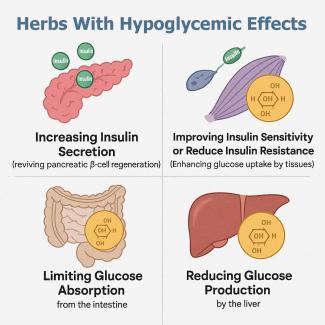
Diabetes herbs possess hypoglycemic effects through several modes of action, which can be classified into four groups:
- Increasing insulin secretion (reviving pancreatic β-cell regeneration),
- Improving Insulin Sensitivity or reducing insulin Resistance (Enhancing glucose uptake by tissues),
- Limiting glucose absorption from the intestine, and
- Reducing glucose production by the liver.
1. Reviving Pancreatic β-cell regeneration (Enhancing Insulin Secretion)
Beta cells in the pancreas are responsible for producing insulin, and their rejuvenation is crucial for those dealing with type 1 or type 2 diabetes. While there is no magic herb that can fully regenerate beta cells, several herbs and natural compounds have been suggested to help support pancreatic health and aid in the overall functioning of beta cells.
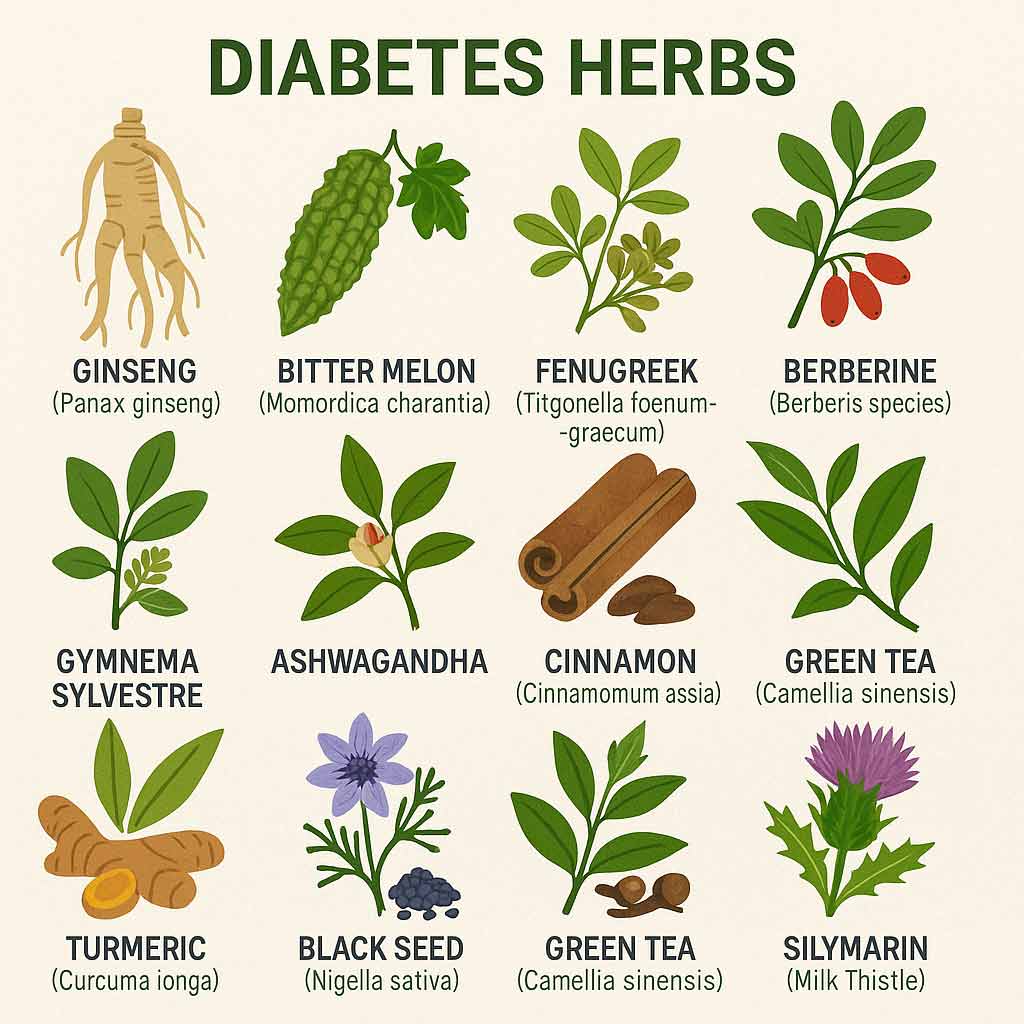
Here are some herbs and natural remedies that might support beta cell rejuvenation or overall pancreatic function: Ginseng (Panax ginseng), Bitter Melon (Momordica charantia), Fenugreek (Trigonella foenum-graecum), Berberine (Berberis species), Gymnema Sylvestre, and Ashwagandha (Withania somnifera).
2. Improving Insulin Sensitivity or Reducing Insulin Resistance (Enhancing Glucose Uptake by Tissues)
Insulin sensitivity is important because it helps the body use insulin effectively, which is crucial for managing blood sugar levels. If someone has low insulin sensitivity, they might be at risk for developing type 2 diabetes or having trouble managing it if they already have it.
Improving insulin sensitivity is crucial for managing blood sugar levels, especially for individuals with insulin resistance or type 2 diabetes. Certain herbs may reduce insulin resistance by promoting glucose uptake in tissues, making insulin more effective. The process relies on ensuring that cells (especially muscle and fat cells) can effectively absorb glucose in response to insulin. While they can’t replace medication or lifestyle changes, they can complement a healthy routine.
Here are some of the most effective herbs known to help improve insulin sensitivity: Cinnamon (Cinnamomum cassia), Gymnema Sylvestre, Berberine (Berberis species), Turmeric (Curcuma longa), Fenugreek (Trigonella foenum-graecum), Bitter Melon (Momordica charantia), Ginseng (Panax ginseng), Black Seed (Nigella sativa), Clove (Syzygium aromaticum), and Green Tea (Camellia sinensis).
3. Inhibiting Glucose Absorption from the Intestine
Some herbal preparations contain compounds that inhibit enzymes responsible for breaking down carbohydrates in the digestive tract. For example, α-glucosidase inhibitors derived from certain plants can slow down carbohydrate digestion and absorption in the intestines, leading to a more gradual increase in blood sugar levels after meals, making it a target for managing postprandial hyperglycemia.
Here are some herbs that may help inhibit glucose absorption from the intestine: Fenugreek (Trigonella foenum-graecum), Ginseng (Panax ginseng), Bitter Melon (Momordica charantia), Berberine (Berberis species), Ginseng (Panax ginseng), Bitter Melon (Momordica charantia), Berberine (Berberis species), Cinnamon (Cinnamomum cassia), Turmeric (Curcuma longa), and Clove (Syzygium aromaticum).
4. Inhibiting Glucose Production by the Liver
Inhibiting glucose production by the liver is a key strategy in managing blood sugar levels. The liver produces glucose through a process called gluconeogenesis, which can be excessive in individuals with impaired insulin function, leading to elevated blood sugar levels.
Here are some herbs that have shown potential in inhibiting liver glucose production: Berberine (Berberis species), Cinnamon (Cinnamomum cassia), Turmeric (Curcuma longa), Gymnema Sylvestre, Silymarin (Milk Thistle), Fenugreek (Trigonella foenum-graecum), Black Seed (Nigella sativa), and Ginseng (Panax ginseng).
Caution when you decide to use diabetes herbs
When considering herbal treatments for diabetes, it's crucial to:
- Consult with a healthcare provider because herbs can interact with diabetes medications or have side effects.
- Use them as part of a comprehensive management plan that includes diet, exercise, and possibly conventional medication.
- Remember that the effectiveness can vary widely among individuals, and scientific evidence supporting the use of herbs for diabetes management is still growing and sometimes mixed.
- Herbal remedies should not replace conventional medical treatment without professional advice due to the complexity of managing diabetes.
Herb useful for diabetes
Ginseng (Panax ginseng)
Ginseng improves insulin sensitivity and helps protect pancreatic beta cells from oxidative stress and inflammation. It could promote beta-cell regeneration. Ginseng inhibits the absorption of glucose by slowing down the activity of digestive enzymes alpha-glucosidase. It is also shown to inhibit glucose production in the liver by improving insulin sensitivity and modulating glucose metabolism.
Usage: Ginseng can be taken in capsule, powder, or tea form. A typical dose is around 200–400 mg per day.
Bitter Melon (Momordica charantia)
Bitter melon is known to improve insulin secretion and may aid in the regeneration of beta cells. It contains compounds that mimic insulin, which can help lower blood glucose levels and promote beta cell regeneration. Bitter melon may reduce glucose absorption in the intestines and help lower blood sugar levels.
Usage: Bitter melon can be consumed as a vegetable, juice, or in supplement form. A typical dose of bitter melon extract is 500–1,000 mg per day.
Fenugreek (Trigonella foenum-graecum)
Fenugreek seeds contain compounds like 4-hydroxyisoleucine, which may help in improving insulin secretion and sensitivity, and reduce hepatic glucose production by modulating the activity of enzymes involved in gluconeogenesis. It contains high amounts of soluble fiber, which can help slow down the absorption of sugar and improve insulin sensitivity. Some studies suggest that it could promote beta-cell regeneration in animal models.
Usage: Fenugreek seeds can be taken in powder form (1–2 teaspoons per day) or as a supplement.
Berberine (Berberis species)
Berberine is a bioactive compound found in several plants, including Goldenseal and Oregon Grape. Berberine has also shown some potential in protecting and regenerating beta cells in animal studies. It inhibits enzymes like alpha-glucosidase, which slows the digestion and absorption of carbohydrates. By activating AMPK, berberine helps reduce hepatic gluconeogenesis.
Usage: A typical dose of berberine is 500 mg, taken 2–3 times per day. However, it's important to consult with a healthcare provider as berberine can interact with other medications.
Gymnema Sylvestre
Gymnema Sylvestre may help in reducing sugar absorption in the intestines and improving insulin secretion. Some studies indicate that it can support the regeneration of beta cells. It also inhibits glucose production in the liver by modulating the activity of key enzymes involved in gluconeogenesis.
Usage: Gymnema is typically taken in the form of capsules (200–400 mg) or as a tea.
Ashwagandha
Ashwagandha is an adaptogen that may reduce stress, which can indirectly support insulin production and beta cell health. It also has anti-inflammatory effects and could improve overall pancreatic function.
Usage: Ashwagandha is typically consumed in capsule form, with doses ranging from 300–500 mg per day.
Cinnamon (Cinnamomum cassia)
Cinnamon contains compounds like cinnamaldehyde and polyphenols that can improve insulin sensitivity and reduce glucose production in the liver by reducing the activity of digestive enzymes such as amylase and glucosidase. Studies suggest that cinnamon can lower blood sugar levels and enhance insulin function.
Usage: You can add ground cinnamon to your smoothies, oatmeal, or tea. The typical dose for supplementation is around 1–2 teaspoons per day.
Turmeric (Curcuma longa)
Curcumin, the active compound in turmeric, has potent anti-inflammatory and antioxidant properties, thus helping improve insulin sensitivity. It can help inhibit enzymes involved in carbohydrate breakdown, reducing the rate at which glucose is absorbed. It is shown to reduce hepatic glucose production by inhibiting the expression of key enzymes involved in gluconeogenesis.
Usage: Add turmeric to your cooking or take it as a supplement. A common dose of curcumin is 500–1,000 mg per day.
Black Seed (Nigella sativa)
Black seed contains thymoquinone, a compound that has anti-inflammatory and antioxidant properties, thus improving insulin sensitivity and reducing blood sugar levels. Thymoquinone has been shown to help regulate glucose production in the liver by inhibiting the activity of enzymes involved in gluconeogenesis.
Usage: Black seed oil or ground black seed can be taken in doses of 1–2 teaspoons per day.
Green Tea (Camellia sinensis)
Green tea contains catechins, particularly epigallocatechin gallate (EGCG), which have been shown to improve insulin sensitivity by enhancing glucose metabolism and reducing fat accumulation in the liver.
Usage: Drink 2–3 cups of green tea per day or take green tea extract in supplement form (250–500 mg daily).
Clove (Syzygium aromaticum)
Clove has compounds like eugenol that may help reduce glucose absorption by inhibiting digestive enzymes involved in carbohydrate breakdown. It can also improve insulin sensitivity. Clove is a powerful antioxidant and anti-inflammatory herb, which may help reduce insulin resistance.
Usage: You can add ground clove to your food, tea, or use clove oil in moderation.
Silymarin (Milk Thistle)
Silymarin, the active compound in milk thistle, has been shown to reduce hepatic glucose production by improving liver function. It helps decrease oxidative stress in the liver, which is a key contributor to excessive glucose production. Silymarin may also support insulin sensitivity. It is a potent liver protectant and antioxidant that can help reduce inflammation and promote liver regeneration.
Usage: The typical dose of silymarin is 200–400 mg per day, taken in supplement form.
Natural Treatments

Clinical Diabetes journal says in the United States an estimated 34% of diabetes adults are using some type of alternative therapy.
Alternative medicine practitioners believe that natural treatment may support conventional diabetes treatment by stimulating intestinal organs responsible for the illness.
3 Types of CAM Treatment
What is CAM? Complementary and alternative medicine (CAM) refers to therapies other than conventional medicine. Complementary refers to therapies used in conjunction with conventional medicine that complements the treatment.
What is Alternative medicine? Alternative medicine refers to therapies used in place of conventional medicine.
The National Center for Complementary and Alternative Medicine, a federal scientific agency categorizes CAM into three broad groups that include:
- Natural products – This include dietary supplements such as vitamins, minerals, herbs, probiotics, special diets, and functional foods.
- Manipulative practices - massage, chiropractic, osteopathy, and reflexology.
- Mind-body medicine - include yoga, meditation, hypnosis, Tai Qi, and qigong.
Reference: NCCAM Special Report.
In the United States, CAM is frequently used by adults, with 40% reporting its use in the past 12 months.
Reference: Complementary and Alternative Medicine Therapies for Diabetes: A Clinical Review.
A United States national survey reported 57% of those with diabetes using CAM in the previous year.
Reference: American Journal of Public Health 2002; 92: 1648–1652.
According to a report from the Fraser Institute, 50% to 79% of Canadians had used at least 1 CAM sometime in their lives, based on surveys from 1997, 2006 and 2016.
Reference: Complementary and Alternative Medicine: Use and Public Attitudes 1997, 2006, and 2016.
An Australian study reported 25% of people with diabetes stated they had used CAM within the previous 5 years.
Reference: Journal of Complementary and Integrative Medicine 2015; 12: 95–99.
Most commonly used CAM in 2016 were massage (44%), chiropractic (42%), yoga (27%), relaxation techniques (25%), and acupuncture (22%).
4 Effective Diabetes Complementary Treatments
There is no CURE for diabetes; any such claim is a misleading one. However, it is possible to achieve a non-diabetic blood sugar range.
Here we have provided you a few diabetes natural treatments considered to be useful in diabetes treatment. The proper combination of these medicinal systems called complementary or integrative therapy may be more helpful.
Co-administration of conventional drug and herbal medicine may cause potential interactions that lead to adverse events. So get doctor’s consent before starting herbal treatment.
Diabetes Herbal - also called botanical medicine that utilizes plants parts such as seeds, berries, roots, leaves, bark, or flowers to lower blood sugar.
Herbal medicine has its origins in ancient cultures including those of the Egyptians, American Indians, and Chinese.
Herbal medicine contains phytochemical nutrients evoke responses in our body to balance, heal and restore health. Additionally, it nourishes pancreas, liver, kidney, eye, and hearts; organs responsible for the illness or under risk towards diabetes complications.
For more information visit diabetes herbal treatment, also visit Gymnema Sylvestre, Salacia Oblonga, Bitter Melon, Cinnamon, Fenugreek, Ginseng, and Aloe vera.
Yoga should be learned under the guidance of a qualified yoga professional. And you should not push yourselves beyond your physical capacity.
Diabetes Yoga - Yoga refers to be the traditional physical and mental disciplines with healing power originated in India some 5000 years ago.
Yoga poses can balance body, mind, and spirit. Yoga helps to regulate the nervous system, increase vagal tone, and the body’s ability to successfully respond to stress. The vagal tone starts at the base of the skull and travels throughout the body, touching the respiratory, digestive, and nervous systems.
Yoga supports diabetes treatment by activating glandular systems responsible for the illness. For more detailed information on yoga, visit diabetes yoga and easy diabetes yoga.
Acupressure is proved to be safe. But if you are interested in acupuncture then contact a qualified acupuncture expert, because improper acupuncture treatment might hurt you.
Diabetes Acupressure - According to Traditional Chinese Medicine, a block in the flow of chi (vital energy) results in disease. To release this blockage or to restore normal energy flow, specific acupressure points should be stimulated.
By putting firm pressure on the right acupressure points, you can better manage various diseases including diabetes. To learn more about acupoints for diabetes treatment, visit acupressure diabetes healing.
Reflexology is generally considered safe. Diabetes with neuropathy needs to massage with correct gentle pressure, otherwise weak blood vessels might get damaged.
Reflexology Diabetes - The body organs have reflex points on the foot and hands. By manipulating these points with gentle firm massage, you can stimulate the reflex organ to work to its full efficiency.
By massaging organs associated with diabetes to help manage blood sugar, additionally bring back wellness and prevent/heal diabetes complications. To learn more about reflex points for diabetes treatment, visit reflexology diabetes massage.
How can you implement diabetes natural treatment?
Always don’t give-up your conventional treatment while trying natural alternative medicine.
Stopping convention treatment (medicine or insulin) to try alternative medicine is a dangerous idea and it might lead to very high blood sugar or ketoacidosis. Also, you must consult your health care professional before trying any of these alternative medicines.
An alternative therapy effective for your friend or relative may be ineffective for you. Be careful, improper diabetes control can lead to life-threatening complications.
While you are on the conventional treatment, you can try alternative medicine to better manage your blood glucose level. But be cautious, you need to do more blood sugar tests to avoid hypoglycemia.
During the initial stages of natural diabetes treatment, you should be vigilant on your blood-glucose level, because it may drop to hypoglycemia.
If the glucose level drops consistently, then proportionally you can modify the dose of your oral medication or insulin.
Once you are satisfied with the combination of conventional and alternative medicine treatment. And if you want further improvement in your blood sugar, then you can add another alternative therapy.
For example, you can first add yoga along with your conventional treatment. Once you are satisfied with the result and after blood sugar stabilizes, you can add more natural treatment such as acupressure and reflexology until your blood sugar reaches your target range.
In the case of type 2 diabetes, you can add more natural treatments (herb, yoga, acupressure & then reflexology) until you reach the target BS number, then you can reduce medication dosage.
In the case of type 1 diabetes, you can add natural treatments until your blood sugar returns to normal non-diabetic blood sugar level and you can reduce the insulin dose, but should not risk yourself by totally stop taking insulin (it is impossible and dangerous). Type 1 diabetes should continue taking insulin to the rest of their life.
Natural medicine & Diabetes complications
BMC Complementary & Alternative Medicine survey shows 64 % of diabetes alternative medicine users using it to manage their diabetes complications.
Alternative treatments not only help to manage diabetes; furthermore, it is useful for diabetes complications such as nerve damage, eye, kidney, heart diseases, and stroke. Also, it can lower cholesterol level, blood pressure, improve digestion, and detoxify your system. That is it improves your overall wellness – you feel healthy, energetic, and young.
Insulin Pump

Insulin pump overview
Pumps are usually clipped to the waistband, and insulin is stored in the pump and travels to the body through a thin plastic tube called a catheter. On one end, the tube is hooked to the pump. With the help of a very small needle, the other end is pushed through the skin into fatty tissue and is taped in place.
Insulin pump mimics pancreas
An insulin pump is a small computerized insulin delivery device that mimics a working pancreas. It delivers a carefully measured continuous steady flow of rapid-acting insulin throughout the day. You can program it to give more or less insulin as per your requirement (based on carbohydrate intake, and exercise performed). It delivers insulin under your skin through a cannula (for subcutaneous insertion under the skin) with a small flexible tube. Insert the needle under the skin of your abdomen and tape it in place. You should wear this insulin pump all through the day on your belt or put it in your pocket.
It is important to check the blood glucose level (by glucose monitor) several times a day to make sure the insulin pump and the catheter are working okay. Of course, a need to make adjustments for hypoglycemia (low blood sugar) or hyperglycemia (high blood sugar) happens accidentally.
If you are interested in an insulin pump, discuss it with your healthcare team and see if they think it would work for you. Some people get the benefit of an insulin pump without an insulin pump. They do this by using both short-acting and long-lasting insulin. You may want to ask your doctor about doing this if you decide against a pump.
Insulin pumps can cost from $6,000 to $8,000. Annual costs associated with insulin pumps are insulin from $700 to $1200, other supplies from $ 1,500 to 2,200, and the total cost from $2,200 to 4,300. Leading insulin pump manufacturers are Animas, Smiths Medical Deltec, Disetronic, Medtronic MiniMed, Nipro Diabetes Systems, SOOIL, Accu-check, Dana, and Disetronic.
Why do you need to use an insulin pump?
Clinical study shows an insulin pump helps better management of type 1 diabetes by minimizing blood-glucose fluctuations. Insulin pump helps to achieve A1C of less than 7%, thus avoiding or lowering your risk for long-term diabetes complications such as nerve damage, eye damage, heart attack, kidney failure, coma, or limp amputation.
Insulin pump not only supports better blood-glucose levels and A1C. Additionally, it makes you or your loved one's diabetic life easier. Your whole family feels a difference: no more planning around insulin injection, no more pain of skin piercing, and convenient diabetes management.
Who can use an insulin pump?
You can consider using an insulin pump if you have; regular problems with hypo and hyperglycemia, difficulty maintaining blood-glucose control despite your best efforts, are pregnant (or planning to get pregnant), are a sports person, interested to maintain tight control, or frequent travelers.
Suitable age for the insulin pump: People of all ages can use an insulin pump. The youngest who received an insulin pump was a baby boy 12 days old. You and your diabetes team should decide the right age for an insulin pump. However, for your kids, their parents manage diabetes. It is not their age, which is important; you should be ready to learn because there are plenty of pumpers who have proven it works. If you are a teenager, you should be ready to take responsibility for testing your blood glucose at least four times a day.
Is an insulin pump right for my child? Your healthcare team will be able to provide you with advice and information about insulin pump therapy.
For school going diabetes child with Insulin pump
When your child goes to school on a pump, it is important on your part to inform their teachers and the school nurse. You will additionally need to provide some pump supplier at their school, such as; extra supply of insulin, infusion set, numbing cream, alcohol wipes, insulin syringe or pen, batteries for the pump, and phone numbers of your diabetes team.
Insulin pump training
Training for the pump usually involves a one-hour training session with a diabetes educator, and a return visit several days later to set up the pump, set basal rates and administer a bolus, and learn when and how to change the infusion set.
One who going to use the pump should achieve technical competence with the following tasks of the insulin pump therapy:
- inserting the diabetes pump cannula
- delivering a dose of insulin through the pump (bolus)
- checking the diabetes pump memory (time of the last bolus dose)
- troubleshooting (determine a problem with the diabetes pump)
- Replacing batteries
Insulin pump calculator
If you are new to an insulin pump and you need help to start insulin therapy, then there is an insulin pump calculator for your help.
This insulin pump calculator calculates everything for you when initiating your insulin pump therapy. You can modify these values to your body's needs afterward.
Advantages of the insulin pump
All with type 1 diabetes require insulin from an outside source. To live with diabetes, they must control their blood glucose by balancing food, insulin, and exercise. You can take Insulin by traditional injection, insulin pen, or pump. The pump acts somewhat like (mimics) the pancreas by delivering insulin continuously. The insulin pump has several advantages over other forms of insulin delivery:
- Precise infusion — Diabetes Pump delivers insulin as little as one-tenth of a unit – that can be closely matched to the needs.
- Easy predictable — absorption of short-acting insulin, which is used in diabetes pumps, is more predictable than that of long-acting insulin.
- Continuous infusion —diabetes pump delivers basal insulin 24 hours a day and allows the user to change the amount infused on an hourly basis, if necessary.
- Painless —diabetes pump holds a supply of insulin for several days, and it eliminates the need for scheduled injections since it delivers insulin continuously.
- Individualized —you can program the diabetes pump to meet your personal needs, and it is easy to adjust and keep blood glucose levels within the target range during illness or physical activity.
- Smart Intelligence — most diabetes pump calculates insulin doses needed based on carbohydrate intake, user’s personal insulin-to-carbohydrate ratio and insulin sensitivity factor, and insulin still active in the body from the previous dose.
- Convenient control —diabetes pumps can be lifesaving for children who have a history of widely fluctuating blood glucose levels. People who use the pump are better able to keep their glucose level in the target range.
- Freedom —diabetes pump gives children more freedom to vary when, what, and how much they eat, through the continuous infusion of short-acting insulin and the ability to “cover” with additional doses as needed.
Disadvantages of Insulin pump
- Uncomfortable - insulin pump warns most of the time, so diabetes pump users need to be careful to avoid any damage to the diabetes pump. Some users may find that wearing a diabetes pump all the time (together with the infusion set tubing) is uneasy.
- Unexpected incidents - an episode of diabetic ketoacidosis (Near complete deficiency of insulin and elevated levels of certain stress hormones combine to cause DKA.) may occur if a diabetes pump user does not receive sufficient fast-acting insulin for many hours. This can happen if the insulin pump battery is discharged, if the insulin reservoir runs empty, if the tubing becomes loose or insulin leaks rather than being injected, or if the cannula becomes bent or kinked in the body, preventing delivery. Therefore, pump users typically monitor their blood sugars more frequently to evaluate the effectiveness of insulin delivery.
- Infection - there is also a risk that the insertion site might become irritated or infected. Insulin pump users will have to change the insertion site every two or three days in order to avoid infection.
- Costly - since insulin pumps can cost more, compared to other insulin delivery systems.
Diabetes Lifestyle Change

Carefully manage your diabetes with proper food, physically active, monitor glucose level, have medicines, control pressure-cholesterol, quit smoking, and regular doctor visit.
Is it possible to manage diabetes without medication?
Yes, many with type 2 diabetes can manage their diabetes without medication.
How is it possible to manage your diabetes without medication? You can manage your diabetes (only type 2, not type 1) without prescription and with specific lifestyle changes.
- The food you eat can affect your blood glucose level. Therefore, you need to intake a healthy diet with a low to moderate amount of carbohydrate. Break up your 2 to 3 big meals into 4 to 5 smaller meals; it can reduce blood-glucose spikes.
- Physical activity or regular exercise can help burn excess glucose in your bloodstream, as well as reduce your insulin resistance (if you have).
- Losing weight helps increase your insulin sensitivity, which has a direct relationship with your blood-glucose control.
- Enough sleep can repair your body and nourishes the entire system, additionally supports the management of your blood-sugar level.
- Stress is detrimental to your physical as well as mental health; proper stress management helps you to attain your target blood glucose level.
Diabetes Lifestyle Management
- Food - What you eat directly influences your blood glucose levels. Follow the food pyramid for effective diabetes control or management. Take food at the same time, also the same volume and never skip your meal or even snack.
- Physically active – try to make you busy in your daily life routine or spent some time on physical exercises such as walking, swimming, exercising, and playing. It produces positive results in blood-glucose control as well as a drop in medicine (pills or insulin) requirements.
- Lose weight – if you are obese or overweight, try to reduce weight by following the food pyramid and increasing physical activity or exercising. Losing weight has a direct positive impact on your blood glucose control.
- Monitor glucose level – closely monitor your blood-glucose, check your blood-glucose using home glucose monitor, and make a record. If you maintain your blood glucose near normal, then you can avoid many diabetic complications.
- A1C test – Have an A1C test at least two times a year. If you are very much concerned about your health, it is better to have an A1C analysis every three months. If you can maintain your blood glucose near normal most of the time, then your A1C level will be at the best range.
- Medicine – Have your medication or insulin at the same time every day without skipping or delaying. Learn to adjust your medicines concerning your daily activity change of any rare diet change.
- Scheduled exams – Go for a regular yearly review for eye, kidney, heart, nerves, and teeth. If you have, any symptoms of diabetes complication immediately consult your doctor.
- Vaccination – high blood-glucose can weaken your immune system, which makes routine immunization is essential for people with diabetes. Ask your doctor for details.
- Foot care – Give particular importance to your foot. Wash your foot in lukewarm water, dry it gently, and moisturize it. Regularly check foot for any blisters, cuts, sores, redness or swelling, if found any consult your doctor immediately for treatment.
- Blood pressure & Cholesterol – if you have hypertension and or high cholesterol, keep it in control with medication. It helps avoid or postponed diabetes complications such as heart disease, stroke, and kidney disease.
- Aspirin - Aspirin interferes with your blood's ability to clot. Taking a daily aspirin can reduce your risk of heart attack and stroke a significant concern when you have diabetes.
- Do not smoke – if you are a smoker plan to quit. Smoking increases your risk of various diabetes complications, including heart attack, stroke, nerve damage, and kidney disease.
- Alcohol – if you are a drinker, do so only in moderation and always with a meal.
- Stress – stress causes hormonal imbalance and prevents insulin from usually working, ending up with high blood-glucose control. So take the stress seriously and try to calm yourself or practice meditation.
Jet Injector

Jet injectors are useful to deliver a dose of insulin, but they do it without using a needle to make a tiny hole. Jet of insulin is a force through the skin with pressure.
Jet injector overview
Jet injectors that deliver insulin without needles have been around for years. Jet injectors, which release a tiny stream of insulin forced through the skin under high pressure, since the insulin is dispersed throughout the tissue, it absorbs more quickly.
Users of jet injectors often need to adjust their insulin dosage by a small amount to account for this effect. Manufacturers say that they have become easier to use, simpler, smaller, less painful, and more reliable.
Jet injector and needle-free insulin delivery
Jet injectors often claim that they are less painful than needles. Some even say they are pain free. The fact is that it depends upon the individual. People with little body fat or thin skin, such as kids, are likely to find jet injectors and needles equally painful (or pain free). People with some body fat, who inject into that area, will find that the jet injector is nearly painless.
The Gentle Jet is one jet injector specifically designed with kids in mind. In addition, each user must determine the proper injection pressure by trying out various settings. Bruises result from too-much pressure, while leakage results from too-little. Getting it just right is part of the training provided by the jet injector manufacturer and will be a bit uncomfortable. Various parts of the body may require different pressure settings.
However, they can sometimes cause bruising (an injury to biological tissue in which a damage to the capillaries, allowing blood to seep into the surrounding tissue). You will need to work with your health care team to ensure good blood-glucose control while you adjust to one of these devices. You will want to ask manufacturers about training on the use of a jet injector, as well as how to clean it and how to troubleshoot. If you are interested in the jet injectors, discuss their use with your health care team. Before buying, check to be sure that your insurance covers jet injectors.
Advantages of the jet injector
- Jet injectors probably provide a precise amount of insulin than delivered via syringe.
- It is easy to draw up a precise amount of insulin into a jet injector. Even some kids can learn to do it compared to traditional syringes.
- There is no needle needed with jet injectors.
- No needles, so there is no need to be afraid.
Disadvantage of the jet injector
- Jet injectors are larger, thus harder to carry around.
- Jet injectors are initially expensive, though there is no additional expense over time.
- Sterilize the Jet injectors, usually weekly.
Auto Injector
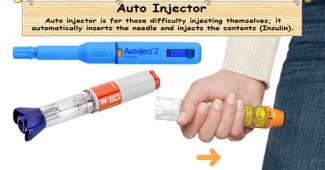
Auto injector is a special design for those who have difficulty injecting themselves; it automatically inserts the needle and injects the contents.
Auto injector overview
The Auto injector hides the needle prior to injection and has a passive safety mechanism to prevent accidental firing. Injection depth can be variable or fixed, and a function for needle shield removal may be incorporated. At the press of a button, the syringe needle is automatically inserts and delivers the drug. Upon completion of injection some auto injectors have, visual indication to confirm that the full dose has been delivered.
Drug delivery from an auto injector is more controlled and therefore, likely to be more consistent than manual injection.
Auto injector is for anxious peoples
Some people have trouble (anxious) pushing the syringe through their skin. If you are the one, try an automatic injector. It shoots the needle into your muscles at the touch of a button. Some will even release the insulin automatically.
Auto injector usage procedure
Each model of auto injector functions differently and each has their own activation method. So please go through the user manual and also consult your health-care professional, possibly do your first attempt before meeting them.
- First clean the area to be injected with cotton wetted with alcohol.
- Remove the safety cap; do not touch the end of the injector. Since the injector will function into the fingers if any pressure is applier to this end of the injector.
- Hold injector as you would hold a pen and place the tip on your thigh and press hard until injector functions. The needle automatically inserted into the muscles and simultaneously forces fluid through it into the muscle tissues.
- Hold firmly in place for some seconds then removes gently and massage the area for better distribution of medicine.
- The empty container should be disposed properly.
Advantages of an auto injector
- Precise delivery time
- Consistent precise injection depth
- Fully automatic injection thus easy to use and no anxiety
- Needle stays covered and sterile until injected
- Safe, so there is no accidental injury by the needle.