
Insulin Pen

Insulin pen is like having an old-fashioned cartridge pen in your pocket, instead of a writing point, a needle, and for ink cartridge, an insulin cartridge. You just turn a dial to measure out your dose.
What is an Insulin pen?
An insulin pen looks similar to a fountain pen; however, it is used to inject insulin in the diabetes treatment. The insulin pen has insulin cartridge (to hold insulin, which can bought separately) and a dial ( to measure the dose) to inject the accurate amount of insulin.
Insulin pen types
While there are a number of different brands and models available, most insulin pens fall into one of two groups:
- Reusable insulin pen - Insulin pen with disposable cartridge, needs to be replacing with newer cartridge when empty.
- Disposable insulin pens - just throw away the whole thing the pen itself when it is empty.
Reusable Insulin pen
For reusable insulin pen, you must load it with a cartridge of insulin (sold separately in boxes of five cartridges). Cartridges used today hold 150 or 300 units of insulin. Depending on the size of your doses, a cartridge may give you enough insulin to last for several days of injections. When the cartridge is empty, you throw it away and load a new cartridge. With good care, a reusable pen can often be useful for several years.
Disposable insulin pen
Disposable insulin pen comes pre filled with insulin and are thrown away when they are empty. Most disposable pens used today hold 300 units of insulin and are available in boxes of five. Disposable pens are generally more convenient than reusable pens because you do not need to load any cartridges, but they usually cost more than reusable pens.
Choosing an Insulin Pen as per ones needs
- Number of units of insulin, the pen holds.
- The largest dose size can be injecting with the pen.
- How finely the dose can adjust by the pen. For example, one pen may adjust dose in two-unit increments (2, 4, 6, etc.), another in one-unit increments (1, 2, 3, etc.) and yet another in half-unit increments (1/2, 1, 1 1/2).
- The way the pen indicates whether there is enough insulin left in it for your entire dose.
- The size of the numbers on the pen dose dials, whether you need a magnifier to see it.
- How do you correct a mistake if you dial the wrong dose into the pen?
Insulin pen usage procedure
One significant advantage of diabetes pens is their ease of use.
- Screw on a new needle
- If necessary, prime the pen to remove any air from the needle
- Turn the knob on the end of the pen (or "dial") to the number of units needed
- Insert the needle into the skin
- Press the button on the end of the pen to deliver the dose
- Count to five & remove
Insulin pen with pre filled medication
Insulin pens contain regular, NPH, insulin lispro, insulin aspart, insulin glulisine, or 70/30 or 75/25 premixed insulin. It is important to double-check your prescriptions after receiving pre-filled cartridges to make sure you got what you asked for. If you are using a pen with NPH, 70/30, or 75/25, you will need to follow package instructions to ensure the insulin is well mixed.
Ketone Testing Strips
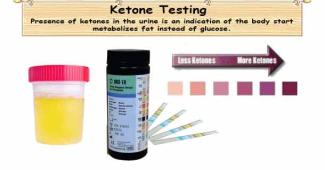
Presence of ketones in the urine is an indication of the body start metabolizes fat. Both diabetics and persons on low-carbohydrate diets may test their urine for ketones daily.
Ketone test overview
Normally, no ketones are available in the urine. In low carbohydrate metabolism situations, ketones appear in the urine in large amounts before serum ketones are elevated. The reagent detects as little as 5-10 mg/dl acetoacetic (ketones) in urine.
Ketone testing procedure
Ketone urine-testing strips have a small absorptive pad; it contains a chemical reagent that changes color (usually within 15-20 seconds) in the presence of ketones in the urine. The ketone-strips change to varying shades of pink and purple. The ketone-strips' container has a scale on the label, with illustrative blocks of color to help you identify the shade of your ketone-testing strip.
Ketone test strips handling the procedure
The chemical reagent on the ketone test strip is very sensitive to moisture, including moisture in the air, so be sure to keep the lid of the container tightly closed at all times. In addition, keep your hands dry when using the strip. Once you open the container seal, ketone strips have a shelf life of only six months for a reliable result.
Ketone test strips usage procedure:
- It is best to collect a first-morning urine sample in a clean, dry container.
- Confirm that your hand is dry.
- Take out one reagent strip from the bottle and immediately close container tightly, to minimize exposure to moisture.
- Immerse the tip of the reagent strip in the urine sample and then take out immediately to avoid dissolving of reagent in the strip.
- Run the edges of the strip against the rim to avoid urine spills.
- Wait for some seconds (15 – 20 seconds) for the reaction to carry over and color change to take place.
- Compare the color change of the reagent strip to that of the color chart provided in the container.
Continuous Glucose Monitor

A new generation of the blood-glucose monitoring system, known as continuous glucose monitors, promises to change the way patients and their care providers manage diabetes.
What is a Continous glucose monitor?
Unlike traditional monitors that provide one-time snapshots of the blood-glucose level, continuous glucose monitors deliver readings every few minutes around the clock. This enables the patients and their doctors to measure the trends, chart ups & downs, and identify problems and adjust insulin, meal, or exercise regimens.
Continuous glucose monitors have a tiny flexible catheter, similar to the catheters used with an insulin pump, is inserted into “subcutaneously” (under the skin). The catheter houses the glucose sensor, which measures changes in glucose levels in the interstitial fluid (the tiny layer of fluid under the skin), and sends the information either to a beeper-sized box or to a compatible insulin pump, which stores the results. Three or four days’ worth of blood-glucose readings can be stored at a time.
Because it sometimes takes a while for the glucose level in the interstitial fluid to match the glucose level in your blood, you should double-check your results with a finger stick reading before treating for a high or a low glucose level that shows up on your continuous glucose monitor. Talk with your doctor about the availability of these products, whether it makes sense for you.
Diabetes Organs

What are diabetes organs? Pancreas and Liver are considering as diabetes organs, which are responsible for glucose metabolism.
Diabetes pancreas, liver & muscle cells
Glucose metabolism involves small intestine, pancreas, liver, and muscle cell. If there are, any problem with any of this diabetes organ leads to a defect in glucose metabolism and can develop diabetes.
Diabetes pancreas
The pancreas produces various enzymes that aid in the digestive process, additionally to convert glucose into energy. The pancreas secretes different enzyme and hormones, which include insulin requires for the digestion and absorption of food. The glucose utilization in the body is controlling by the insulin. Your body tissues need insulin for proper glucose absorption, and an exception is your brain. If your pancreas fails to produce or secretes sufficient amount of insulin, leads to elevated blood glucose level called diabetes mellitus.
Functions of Insulin hormone
Insulin is a hormone, which controls and comments (signals) the whole glucose metabolism process. Digestion of food releases glucose (first nutrient released from food, which energies the entire body) into the bloodstream. On seeing the high level of glucose in the blood, the pancreas releases a certain quantity of insulin concerning the level of glucose in the blood to normalize the blood-glucose level.
Insulin as a commenting signal
- to muscle cells that inform there is enough glucose available for consumption
- it is the commenting signal to the liver to stop converting glycogen to glucose and releasing of glucose in the bloodstream.
- If there is a high level of glucose in the blood than the typical requirement, then pancreas release’s a high level of insulin concerning the level of glucose. This high level of insulin is the blood is the commenting signal to the liver to convert available excess glucose in the blood to glycogen and store it for future requirements.
Diabetes and liver
Once after the body cells consume the required glucose, still if the blood-sugar level remains high. Then the liver converts this excess sugar in the bloodstream into glycogen and stores it.
For any reason, if the blood-glucose level drops below a healthy level, mostly when we are in fasting. Our liver immediately responds to this situation by converting glycogen to glucose and released into the bloodstream for our energy needs.
If the liver releases glucose inappropriately, even when there is enough glucose in the blood (and insulin in the blood) may cause diabetes.
Diabetes Muscle cells
If the muscle cells do not consume glucose, even when there are enough glucose and insulin in the blood, called insulin resistance may cause diabetes.
Many studies confirm that a large quantity of fat storage in and around the abdominal organs affect the muscle cell’s sensitivity to the insulin hormone. Therefore, there is a low utilization of insulin, and thus, the blood glucose level in the bloodstream remains high.
Understanding diabetes organ’s defect & Type 2 diabetes
- if the pancreas is not able to release, enough insulin (or needed excess quantity of insulin) may cause Type 2 diabetes.
- If the liver is not sensitive to insulin or/and mistakenly dump glucose into the bloodstream even when enough glucose is already, exist may cause diabetes type 2.
- If the muscles’ cells are not sensitive to insulin, then it is called insulin resistance. Insulin resistance prevents proper burning of the available glucose that raises blood glucose level, causing diabetes.
Diabetes pancreas damage and Type 1 diabetes
- Most of the cases of Type 1 diabetes is due to an autoimmune disorder. Our immune system mistakenly attacks the pancreas by considering it as an enemy and causing damage to “islet cells,” which releases insulin. So there is no or low insulin secretion.
- Certain viruses may attack pancreas causing damage to “islet cells” that leads to no or low insulin secretion, causing Type 1 diabetes.
- Pancreatic disease – affect’s pancreas, leads to diabetes type 1.
Diabetes Meter
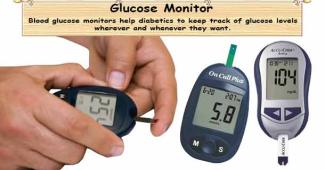
Blood-glucose monitors help diabetics to keep track of their glucose levels wherever and whenever they want. The results allow them to make appropriate medical and lifestyle choices, also it is helpful to avoid hyperglycemia and hypoglycemia episodes.
Glucose monitor overview
Glucose monitor is useful to measure the blood glucose level, which in-turn helps better diabetes management. Monitoring of the blood-sugar level allow them to make appropriate medical and lifestyle choices, also it is helpful to avoid hyperglycemia and hypoglycemia episodes.
Other names for glucose monitor are blood-glucose monitor, glucometer, glucose meters, glucose monitors, diabetes monitor, diabetic meter, blood-glucose monitoring system, home glucose monitor.
The most common way to check glucose levels involves pricking a fingertip with an automatic lancet (lancing device - Lancet is a small instrument for pricking the skin with a quick-action fine needle.) to obtain a blood sample and placed on a disposable test strip then using a glucose meter to measure the blood sample’s glucose level.
How do you choose a Glucose monitor?
Important features to consider when selecting a glucose meter: choose a meter,
- Which is conveniently smaller, lightweight, and easy to carry with you?
- That requires a smaller blood sample means less pain.
- Testing speed - gives the result within seconds,
- Option to store test results such as date and time of the test. This helps to keep the record for doctor’s review.
- Other important features you can look for are no coding, high and low blood-glucose level warning, etc.
- Meter & Test strips cost
Glucose Monitor usage procedure
The following is the general instructions for usage of a glucose meter:
- First, set out your glucometer, a test strip, a lancet and alcohol prep pad.
- Wash your hands to prevent infection. Decide where you are going to obtain the blood from, usually a finger. Some of the newer monitors let you use your forearm or another less sensitive place.
- Turn on the glucose meter and place a test strip in the machine when the machine is ready. If coding is required, then enter it. Watch the indicator for placing the blood to the strip.
- Make sure your hand is dry and wipe the area you have selected with an alcohol pad and wait until the alcohol evaporates.
- Pierce your fingertip on the soft, fleshy pad and obtain a drop of blood. Place the drop of blood on or at the side of the strip.
- The glucose monitor will take a few moments to calculate the blood-sugar reading.
- You may use the alcohol pad to blot the site where you drew the blood if it is still bleeding.
Glucose meters and the strips, both have instructions for use, read carefully these instructions for proper use and accurate reading.
Glucose monitor - Cleaning & maintenance
Every monitor needs to be taken care of in order to function properly. Some need more cleaning and maintenance than others do and this may be another factor to consider in choosing a monitor. Be sure to follow the manufacturer’s instructions regarding proper care of your monitor. This is important because a monitor may provide inaccurate readings if it is dirty, old, or stored at extreme temperatures.
Non-coded & Plasma glucose monitors
Confirm the glucose monitor is non-coded (now a day’s all the monitors available are non-coded still confirm) and confirm the readings are in plasma glucose (some glucose monitor gives blood-glucose value instead of plasma glucose).
Glucose levels in plasma (one of the components of blood) are generally 10%–15% higher than glucose measurements in whole blood (and even more after eating).
Diabetes Products

The battle against diabetes continues amidst persistent research. To date, there is no known cure for diabetes, however; products are so vast that a diabetic and their family can practically have normalcy back in their lives.
Diabetes help systems for better diabetes care
Diabetes help should be primarily come from within the family next comes from diabetes help products such as:
- Diabetes meter or glucose meter,
- Continuous glucose monitor,
- Diabetes pen / Insulin pen,
- Diabetes pump / Insulin pump,
- Jet injector,
- Auto injector
- Ketone testing strips
Diabetes products enable diabetics and their loved ones, to feel that they are not alone in fighting this disease. Help comes at a time most needed, particularly when the world struggles to find a cure for diabetes. Diabetes help product brings benefits to the community involved in the life of the diabetics.
So how is this help best realize then?
Diabetics should learn about these new products and its usage and help themselves to fight against diabetes in a convenient or with less discomfort.
For diabetics, the first thing is to manage the glucose level in target range. For this we have to check it regularly, thus we are in need of a convenient blood glucose monitor.
For maintaining the blood-glucose level in target value, we need insulin shots. For this, we need a convenient insulin injecting systems such as insulin pen, insulin pump, jet injector or auto injector.
At some times, if the blood-glucose is too high, then there may be a chance for ketoacidosis episode. It is a dangerous one, need to diagnose early, and corrected it in time. For proper diagnosis, we need to test ketones in urine; it made simple with ketone testing strips.
Diabetes can fight, handle, and manage effectively with diabetes help products. You can achieve a healthier lifestyle with these convenient diabetes help systems.
Health Vs Diseases
In today's world, life appears simpler and more convenient. However, we suffer from a disconnect with nature and face high levels of chemicals and electromagnetic radiation. Since our basic needs are just a phone call away, we often neglect the physical activity essential for maintaining good health.
Modern Lifestyle; Isolated from NATURE

Ayurveda suggests that living in harmony with nature promotes good health. Conversely, straying from this natural lifestyle may lead to various health complications.
Global health challenges highlight our detachment from the natural environment.
Our contemporary lifestyle distances us from nature, a key factor contributing to numerous health issues prevalent in modern life. Frequently, we find ourselves confined within enclosed spaces, often air-conditioned, far removed from trees, sunlight, the earth, fresh air, and natural water sources.
Our modern lifestyle is out of synch with nature and which in-turn out of synch with our DNA.
Undeniably, advancements in modern medicine and technology have enhanced our average life span and reduced child mortality rates.
However, today's lifestyle—characterized by smoking, alcohol consumption, poor diet, and sedentary routines—contributes to significant health challenges. Furthermore, exposure to countless chemicals exacerbates these issues.
While we have effectively battled typhoid, malaria, leprosy, tuberculosis, and smallpox with antibiotics, we now face difficulties managing chronic conditions such as heart disease, asthma, diabetes, high blood pressure, and insomnia. These arise more from unhealthy lifestyles than from bacteria or viruses.
Infertility affects one in four couples, often linked to conception difficulties or miscarriages. Fertility, according to Ayurveda, represents the seventh dhatu, or tissue. It acts as a key indicator of the health of an organism. This suggests that one in eight individuals may lack the vitality necessary for reproduction, a concerning insight.
Research increasingly implicates obesity in the onset of metabolic syndrome and various health disorders.
To enhance overall health, it is crucial to avoid ten harmful practices.
Many believe longevity and quality of life stem from inherited traits or genetic flaws. In reality, it's the choices we make regarding what we consume—both physically and mentally—that shape our health outcomes and lifespan.
As per Ayurveda, many things contribute to your health complaints; they are:
- Eating unreal foods: The consumption of artificial foods, including dairy products from hormone-treated cows, genetically modified organisms (GMOs), and chemical-laden junk foods, poses significant health risks.
- Eating habits matter greatly. The manner in which you eat often outweighs the nutritional quality of the food itself. Consuming inferior foods in a healthy way can be more beneficial than proper foods consumed poorly.
- A sedentary lifestyle, is characterized by minimal physical activity due to modern conveniences, leads to health issues. Prolonged sitting, particularly in front of screens such as computers, televisions, and mobile devices, contributes to disease prevalence. An active lifestyle can reduce these health risks by as much as 85%, according to numerous studies.
- Chronic stress and psychological issues, including anxiety, anger, and depression, create substantial challenges in modern life. Research indicates that stress may contribute to up to 80% of significant health disorders. Findings reveal that individuals who live to 100 possess a unique ability to manage stress effectively.
- Insufficient sunlight exposure results in vitamin D deficiency. For the last four decades, medical advice has leaned towards avoiding direct sunlight due to concerns about skin damage and cancer. However, sunlight enhances mood and supports health. It helps the skin produce nitric oxide, which lowers blood pressure, and beta-endorphins that elevate mood while facilitating vitamin D synthesis.
- Chemical exposure from harmful substances, such as phthalates found in scented products and bisphenol-A (BPA) in food packaging, poses threats to well-being. Pesticides designed to eliminate pests can inadvertently harm humans and their health. Chemical fertilizers and household insecticides not only eliminate pests but can adversely impact health. Additionally, the air we breathe is contaminated with carbon monoxide, dust, and various chemicals, and drinking water often contains chlorine, fluorides, and other harmful substances.
- Improper breathing patterns (sallow breathing) may arise from excessive stress, disrupting natural respiratory functions. Unlike infants, who naturally expand their bellies while breathing, many adults exhibit a reversed breathing pattern. This signifies the negative impact of stress on breathing.
- Inadequate sleep disrupts health. The adage "early to bed and early to rise" holds true, yet many now adopt late sleeping habits, hindering the body's natural overnight healing processes and increasing disease risk.
- Abuse of antibiotics and antiseptics can compromise gut health and the immune system, leading to antibiotic resistance and the emergence of superbugs. Additionally, antibacterial cleaning products may foster antibiotic-resistant bacterial strains.
- Electromagnetic pollution from devices such as cordless phones, wireless routers, and cell towers emits radiation that can alter DNA and threaten the health of future generations. Studies show significant exposure to cell phone radiation may lead to decreased sperm counts.
Most natural health practitioners contend that the human body is inherently structured to maintain health. The body consistently strives for wellness rather than succumbing to illness. When you experience difficulties in recovery, it signifies that your body lacks essential nutrients for optimal functioning.
Reduce the intake of refined sugars, processed fructose, grains, and flours. These substances contribute to insulin and leptin resistance, which plays a pivotal role in nearly all diseases. It is essential to prioritize home cooking. Relying on industrially processed products for meal preparation risks premature mortality.
Health conditions statistics
Millions of individuals experience chronic diseases that can be mitigated or enhanced through adjustments in lifestyle.
- Ninety to ninety-five percent of the 17 million individuals with diabetes have type 2 diabetes, associated with an unhealthy lifestyle.
- Sixteen million individuals exhibit signs of pre-diabetes.
- Fifty million individuals suffer from hypertension.
- Approximately 12.6 million individuals have coronary heart disease. Additionally, annually, 1.1 million people experience a heart attack.
A 1993 study found that 14% of all deaths in the United States related to lifestyle choices and dietary habits. Additionally, another study indicated that sedentary behavior contributed to 23% of deaths from major chronic diseases.
Research indicates that engaging in physical activity lowers the risk of heart disease, diabetes, colon cancer, and hypertension.
Due to industrial agricultural methods, foods lack the nutrient density they once had.
Due to contemporary industrial and agricultural methods, food has lost its nutrient density. To obtain the same iron content as one apple provided in 1950, you now need to consume 26 apples by 1998. This shift is why we need supplements to meet our nutritional requirements.
To achieve optimal health, reduce your intake of refined sugars, processed fructose, grains, and flours. These substances contribute to insulin and leptin resistance, which is a fundamental factor in nearly all diseases. It is essential to prioritize cooking from fresh, whole ingredients. Relying on industrially processed components for meal preparation can significantly shorten your lifespan.
Why do I name this site healthy-ojas?
Many friends and visitors often inquire about the significance of this term. "Ojas," derived from Sanskrit, translates to "vigor." It represents the essential life force formed in the body. Once ojas diminish, human existence cannot sustain itself.
Ojas possesses the hue of ghee, the flavor of honey, and the aroma of toasted rice.
Ojas denotes the fundamental energy that underpins vitality, immunity, strength, the preservation of youth, radiance, and emotional resilience.
Healthy vital energy, known as ojas, is essential for sustaining health or restoring lost vitality. Therefore, I have designated this website as healthy-ojas.
Ojas depletion might result from improper digestion, excessive stress, and other detrimental habits. Therefore, enhancing digestion and adopting a healthier lifestyle can boost your ojas (vital energy).
Diabetes Breastfeeding

Diabetes Breastfeeding
There is no reason for a healthy woman with diabetes should not breastfeeding her baby.
- Baby in intensive care - can breastfeed after he/she is discharge from intensive care.
- Snack before nursing - helps to avoid a sudden drop in glucose level caused because of breastfeeding. Have a glass of milk before nursing the baby helps to maintain the blood-sugar.
- Increase fluid and caloric intake - to balance the excess calorie’s requirements for the milk productions.
- Minor infections - a pain or redness around the nipples or on the breasts must be promptly and quickly treat with antibiotics. Usually, you need not to stop nursing because of it.
Importance of diabetes breast feeding
- Breastfeeding will provide young infants with the nutrients they need for healthy growth and development.
- Colostrum - yellowish sticky breast milk, produced at the end of pregnancy, is highly recommended as the perfect food for the newborn, and feeding should initiate within the first hour of birth.
- Breastfeeding is strongly advisable up to six months of age, with continued breastfeeding along with necessary additional foods up to two years or beyond.
- Breast-feed babies have limited chances to have hypertension, high cholesterol and diabetes later in the life.
- Evidence that who were breastfed performs better in intelligence tests.
- Infant’s formula does not contain the antibodies normally found in breast milk and is linked to water-borne diseases.
Breastfeeding also benefits mothers - Limits the risks of breast and ovarian cancer later in the life, helps women back to their normal weight faster, and lowers the chances of obesity.
You have to learn breastfeeding properly, and many women come across difficulties at the beginning. Such as nipple, pain and fear that there is not enough milk to sustain the baby are common.
Diabetes Causes

Causes of diabetes can be due to any defect in insulin production, insulin action, or both; diabetes is a disease marked by high levels of blood glucose.
What are the causes of diabetes?
The exact diabetes causes of both types are still unknown, still managed to identify some general diabetes causes.
Type 2 diabetes causes
In a healthy individual, the pancreas releases insulin to help the body to store and use the glucose from the food; we eat. Type 2 diabetes causes may be one or more of the following:
- The pancreas is not able to produce enough insulin and causes diabetes.
- The body does not correctly respond to insulin (that is not sensitive to insulin), a condition called "insulin resistance," which causes diabetes.
- Alternatively, both insulin shortage and insulin resistance causes diabetes.\
Type 1 diabetes causes
Some genes may be behind the type 1 diabetes causes, but mostly the following trigger it:
- Autoimmune disorder - our body immune system mistakenly attacks and destroys the insulin-producing cells of the pancreas and losing its ability to produce insulin that leads to diabetes.
- Pancreas beta cells damaged by cystic fibrosis or pancreatic surgery can cause high blood glucose called diabetes.
Gestational diabetes causes
Gestational diabetes is a metabolic disorder that happens during the later stages of pregnancy. It is difficult to pinpoint the gestational diabetes causes, but have some clues of its origins.
The fetus provides with necessary nutrition via the placenta during pregnancy. Placenta not only supplying the feeding to the fetus but also releases some hormones like cortisol and estrogen. These hormones are essential for the health and growth of the fetus. Unfortunately, these hormones block the insulin receptors of the cells, which cause a high level of blood glucose. It usually begins about 20 to 24th weeks of pregnancy.
Does overeating sugar develop diabetes?
Diabetes type 1 can develop by unknown factors that trigger the onset. Type 2 develops based on how many risk factor you have and how severe it is. Taking too much sugar is considering as one of the risk factors for type 2 diabetes; however, that alone will not develop type 2 diabetes.
Eating sugar, sweets, or desserts do not cause diabetes. Unhealthy eating habit is one of the risk factors for diabetes. However, that alone does not cause diabetes, still when in combination with other diabetes risk factors that can cause diabetes. If you eat right and exercise regularly, then you can reduce your risk of developing diabetes type 2.
Hypertension Diets

What is hypertension diet food? These are foods that lower blood pressure in hypertension individuals. Know healthy hypertension diet foods.
What are the high blood pressure diet/foods?
A wise choice of diet can help lower high blood pressure. On the other hand, eating the wrong foods can make things worse by increasing the blood pressure.
High blood pressure diet is a list of ideal foods that help to lower blood pressure as well as good to your overall well-being. It can also help those with diabetes, cholesterol, etc.
The hypertension diet plan includes healthy foods; fruits & vegetables, greens, nuts, grass-fed dairy products, whole grain, and fish. The meals should be nutrient-rich with potassium, magnesium, calcium, and fibers.
Stop or avoid Trans-fat, tobacco, and sugar (alternatively, you can use unrefined sugar in moderation). You can consume saturated fat and alcohol in moderation.
Hypertension eating plan
Studies show blood pressures lowering effect with a smart eating plan. This diet emphasizes fruits, vegetables, and organic grass-fed milk & milk products. This eating plan also includes whole-grain products, fish, poultry, and nuts.
The diet plan suggests limiting lean red meat, sweets, added sugars, and sugar-containing (or HFCS) beverages. It should be rich in potassium, magnesium, and calcium, as well as fiber.
- Grains (28% daily) – Whole-grain bread, dry cereal, cooked rice, pasta, and cereals.
- Vegetables (18% daily) – Cooked leafy vegetables or vegetable smoothies.
- Fruits (18% daily) – You can have raw, dried, frozen, or canned fruits as well as fruit juices.
- Milk & milk products (10% daily) – Milk, yogurt, and cheese; only organic grass-fed, otherwise do not stop taking it.
- Lean meats, poultry & fish (10% daily) – You can have organic meats, eggs & poultries, and wild-caught fishes.
- Nuts, seeds & legumes (3% daily) – Cooked nuts, seeds & legumes and dry beans & peas.
- Fats & oils (10% daily) – Saturated fats such as coconut in moderation and no to Trans fats.
- Sugar (>3% daily) – Sweets & added sugars in the beverages.
The hypertension eating plan is focusing on the heart's health by eating saturated fat and cholesterol in moderation. The focus of the diet is to increase intake of foods rich in nutrients, which helps in lowering blood pressure, particularly minerals (such as potassium, calcium, and magnesium), proteins and fibers.
Hypertension nutrient recommendation
Nutrients useful to lower blood pressure are potassium, magnesium, and vitamin D. Nutrients useful for vascular health are vitamin E, C & B3.
- Potassium-rich foods include coconut water, beans, dark leafy greens, potatoes, squash, yogurt, fish, avocados, acorn squash, mushrooms, wild-caught salmon, bananas, and pomegranate seeds.
- Magnesium-rich foods are Spinach, Chard, Pumpkin Seeds, Yogurt or Kefir, Almonds, Black Beans, Avocado, Figs, Dark Chocolate, fish (salmon, mackerel & halibut) and Banana.
- Vitamin D rich foods include Salmon, Mushrooms, Beef Liver, Eggs, Milk, Yogurt, Butter, and Orange Juice.
- Vitamin E rich foods include Sunflower Seeds, Spinach, Peanuts, Broccoli, Asparagus, Almonds, Sweet Potato, Avocado, Wheatgerm, Palm Oil, Butternut squash, Trout, and Olive oil.
- Vitamin C rich foods include oranges, Red Peppers, Kale, Brussels Sprouts, Broccoli, Strawberries, Grapefruit, Guava, Kiwi, Green Peppers, Peas, and Papaya.
- Niacin (vitamin B3) rich foods include Turkey, Chicken breast, Peanuts, Mushrooms, Liver, Tuna, Green peas, Grass-fed Beef, Sunflower seeds, Kidney Beans, Bell Peppers, and Avocado.
This hypertension diet has greatest effects on your blood pressure; furthermore, your blood pressure may drops by up to 10 to 20 percent within 15 days of following this diet plan.
You can make it more effective by following hypertension salt plan (cutting down sodium salt intake and increasing potassium-containing foods), losing weight, blood pressure exercise, and limiting alcohol consumption.
Potassium-rich vegetable sources are:
- Potato, one medium size contains 926 mg of potassium.
- Sweet potato, one medium size contains 540 mg of potassium.
- Spinach cooked, 1/2 cup contains 290 mg of potassium.
- Zucchini cooked, 1/2 cup contains 280 mg of potassium.
- Tomato fresh, 1/2 cup contains 210 mg of potassium.
- Kale cooked, 1/2 cup contains 150 mg of potassium.
- Romaine lettuce, 1 cup contain 140 mg of potassium.
- Mushroom, 1/2 cup contains 110 mg of potassium.
- Cucumber, 1/2 cup contains 80 mg of potassium.
Potassium-rich fruit sources are:
- Banana, one medium size contains 420 mg of potassium.
- Apricots, 1/4 cup contain 380 mg of potassium.
- Orange, one medium containing 237 mg of potassium.
- Cantaloupe chunks, 1/2 cup contain 214 mg of potassium.
- Apple, one medium size contains 150 mg of potassium.
Potassium-rich nuts, seeds, and legumes are:
- Cooked soybeans, 1/2 cup contain 440 mg of potassium.
- Cooked lentils, 1/2 cup contain 370 mg of potassium.
- Cooked kidney beans, 1/2 cup contain 360 mg of potassium.
- Cooked split peas, 1/2 cup contain 360 mg of potassium.
- Almonds roasted, 1/3 cup contains 310 mg of potassium.
- Walnuts roasted, 1/3 cup contains 190 mg of potassium.
- Sunflower seeds roasted, two tablespoons contain 124 mg of potassium.
- Peanuts roasted, 1/3 cup contains 120 mg of potassium.
The potassium content of milk and milk products are:
- Milk, 1 cup contains 380 mg of potassium.
- Yogurt, 1 cup contains 370 mg of potassium.
The potassium content of lean meats, fish, and poultry are:
- Fish (cod, halibut, rockfish, trout & tuna), 3 ounces contain 370 mg of potassium.
- Pork tenderloin, 3 ounces contain 370 mg of potassium.
- Beef tenderloin, chicken & turkey 3 ounces contain 210 mg of potassium.