
Insulin Analogs
Insulin analog commonly available is in the table below. Mostly, you need to use more than one kind to suit your individual requirement.
What is an insulin analog?
Insulin analog is a chemically modified type of insulin to make it act faster or slower than the naturally produced insulin by our body. Development of the insulin that acts faster can be useful in the mealtime and the insulin that acts slower can help to take fewer injections.
Clinical insulin’s (manmade insulin) are prepared mixtures of insulin and other substances, including preservatives. Absorption of the insulin is delayed by adjusting the pH of the solution to reduce the reaction rate. This insulin’s are slight variations of the human insulin molecules, so called as insulin analogues.
They are name so because they are not technically similar to human insulin, but they are analogues and retain its glucose control functionality. These insulin analogues are rapid acting mimic human insulin or slow acting to retain insulin glucose lowering action for a longer time.
The commonly used insulin analogues are Fast-acting, Short-acting, Intermediate-acting, Ultra-long acting, and Combination insulin.
Available Insulin analogs
Below tables provides details about the insulin analog and its different working times, discussed with your health care provider and choose the one or combination that best suits your individual need.
| Insulin type | Brand name | Generic name | Onset | Peak | Duration (Hours) |
| Rapid acting | NovoLog Apidra Humalog | Insulin aspart Insulin glulisine Insulin lispro | 15 min. | 30 - 90 mins | 3 - 5 |
| Short acting | Humulin R Novolin R | Regular (R) | 30 - 60 mins | 2 - 4 hrs | 5 - 8 |
| Intermediate acting | Humulin N Novolin N | NPH (N) | 1 - 3 hrs | 8 hrs | 12 - 16 |
| Long acting | Levemir Lantus | Insulin detemir Insulin glargine | 1 hr | No Peak | 20 - 26 |
| Premixed NPH (intermediate-acting) and regular (short-acting) | Humulin 70/30 Novolin 70/30 Humulin 50/50 | 70% NPH and 30% regular 50% NPH and 50% regular | 30 - 60 mins | Varies | 10 - 16 |
| Premixed insulin lispro protamine suspension (intermediate-acting) and insulin lispro (rapid-acting) | Humalog Mix 75/25 Humalog Mix 50/50 | 75% insulin lispro protamine & 25% insulin lispro 50% insulin lispro protamine & 50% insulin lispro | 10 - 15 mins | Varies | 10 - 16 |
| Premixed insulin aspart protamine suspension (intermediate-acting) and insulin aspart (rapid-acting) | NovoLog Mix 70/30 | 70% insulin aspart protamine & 30% insulin aspart | 5 - 15 mins | Varies | 10 - 16 |
Insulin Types

Each Insulin type works at a different pace, and most people have to use more than one kind to mimic their actual bodies system.
Insulin time factors
Before getting into the details on insulin types, it is better to know about-three time factors about insulin they are
- Onset time – insulin requires a particular time to start lowering blood glucose.
- Peak time - the time, at which insulin works to its best (peak or maximum power) to lower the blood glucose.
- Duration time - length of time the insulin works to keep lowering blood glucose.
Each type of insulin works at a different onset, peak, and duration time as per specific requirement.
Different insulin types
There are numerous insulin types’ available, which help best suits your need. Based on the above-said insulin time factors, insulins are of three main types; they are:
- Rapid-acting Insulin: onset of action in about five to fifteen minutes, reaches its peak in about thirty to sixty minutes.
- Regular or Short-acting insulin: onset of action in about thirty minutes, reaches its peak in two to five hours.
- Intermediate-acting: onset of action in one to two and a half hours, reaches its peak in eight to twelve hours.
- Long-acting insulin: onset of action in four to six hours, reaches its peak in ten to eighteen hours.
- Very long-acting insulin
- Combinational insulin 70/30, 50/50, 75/25: onset of action in thirteen minutes, reaches its peak in seven to twelve hours.
Rapid-acting insulin type
A rapid-acting insulin is the fastest insulin of all. Once injected, it starts to work within 15 minutes (onset time). It works to its maximum (peaks time) at about an hour after injection and usually used up in four or five hours (duration time). This type of insulin is for injecting right before meals. By the time, the meals are digested and release glucose into the bloodstream, rapid-acting insulin is working to its peak and makes cells to consume glucose. A rapid-acting insulin is looking clear in appearance.
Short-acting insulin type
Otherwise called as "regular" insulin, which can be useful around mealtime. It takes longer to work (onset time) than rapid-acting insulin. So take short-acting insulin about 30 to 45 minutes before having meals, and it works to its maximum (peak time) at about two or three hours. It can keep working for as long as six hours (duration time). Short-acting insulin is looking clear in appearance.
Intermediate-acting insulin type
This insulin designed in such a way to make the body absorb the insulin more slowly. It takes longer to start to work, and it stays in the body for a lengthy time. This type has an approximate onset time of 2 to 4 hours, the peak time of 4 to 12 hours, and a duration time of 12 to 18 hours. Intermediate-acting insulin works all day if taken in the morning. This insulin type looks cloudy and is needed to mix by shaking before injected.
Long-acting insulin type
It starts to work in six to 10 hours (onset time) and can stay in the body for 20 hours or more (duration time). It does not have any peak time at all. It is useful to take in the morning or before bed, like intermediate-acting insulin. Long-acting insulin is looking clear in appearance.
Very long-acting insulin type
There is also glargine insulin, which is very long-acting insulin. It starts to lower blood glucose levels about 1 hour after injection and keeps working for 24 hours.
Insulin
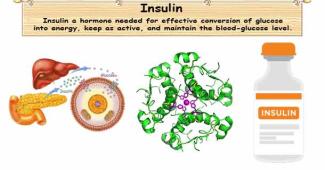
Insulin a hormone needed for effective conversion of glucose into energy, keep as active and maintain the blood-glucose level.
What is insulin?
Insulin is a hormone (a protein molecule), which regulates the level of blood glucose by signaling our body cells to absorb glucose from the blood. Additionally, if the blood glucose level remains high after consumption, then it will prompt our liver to store it as glycogen in the liver or muscle for future requirement.
The pancreas; a digestive organ located in the upper abdominal region secretes the hormone Insulin.
What are the functions of Insulin?
Insulin is a hormone (a protein) secreted by groups of cells within the pancreas called islet cells. Food digested, and glucose is absorbed from the intestines into the bloodstream after a meal. Concerning the glucose level in the blood, the pancreas secretes Insulin. Body cells have insulin receptors, which bind the insulin, which is in the blood circulation. The cell with insulin attached can absorb sugar glucose from the bloodstream and burnt it for energy.
In people who do not have diabetes, the body makes the right amount of insulin on its own. However, diabetes requires a certain quantity of insulin throughout day and night.
It regulates glucose in your bloodstream: the vital role of insulin is to keep your blood glucose level within a healthy range. After your meals, carbohydrates are break down into glucose (the primary source of energy) and dumped into your bloodstream. Usually, your pancreas responds to this by releasing a proportional amount of insulin, which allows glucose to enter your tissues.
Storage of excess glucose: After consumption by the tissues, the excess glucose in the blood stored as glycogen in the liver & muscle for future requirement.
Release of glucose into the bloodstream: Between meals or when fasting, insulin levels are low. The liver is responding to this by converting glycogen to glucose and released into the bloodstream to maintain the healthy blood glucose level.
Insulin and type 1 diabetes
If no insulin, you can eat food and still in a state of starvation since the cells cannot be able to absorb glucose without insulin. It is the reason that Type 1 diabetic (no or insufficient insulin secretion) can become very weak without insulin shots. The type 1 diabetics have a deficiency or no insulin secretion, so they must have it replaced via artificial insulin.
Insulin and type 2 diabetes
High blood glucose in type 2 diabetes is because of insulin resistance and not insulin deficiency. Mostly, in the case of type 2 diabetes, the level of insulin in the blood is slightly higher than, a non-diabetic. Insulin resistance means the body cells not to respond appropriately or sluggish to the insulin and thus cannot consume enough glucose. It leads to high blood glucose level than usual. Treat type 2 diabetes, mostly with oral medicine, and rarely do they need insulin shots.
Type 1 Diabetes Insulin Treatment
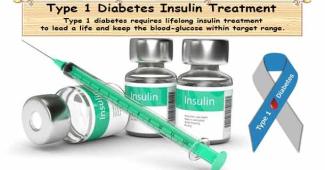
Type 1 diabetes requires lifelong insulin treatment to lead a life and keep the blood-glucose within a target range.
Diabetes type 1 insulin treatment
Type 1 diabetes requires lifelong treatment to keep the blood glucose within the target range:
- Taking several insulin shots per day or use an insulin pump
- Regular exercising helps effective utilization of insulin as well as helps lower your risk for heart and blood vessel disease.
- Maintain a healthy body weight helps your diabetes treatment and easy to achieve target blood glucose levels.
- Healthy eating habits by distributes carbohydrate throughout the day, to prevent blood-glucose spikes.
- Monitoring blood glucose level several times a day and strive to achieve your target.
- Stop smoking can help to avoid diabetes complications and overall health.
- Stop drinking alcohol, if you are at more risk towards hypoglycemia.
Following the diabetes type-1 treatment plan helps you stay healthy, but treating diabetes is not curing it. Presently, there is no cure for diabetes, so type 1 diabetes will need treatment for the rest of life. However, with proper care, you can look and feel healthy and go on to live long, just like ordinary people.
If left untreated, type 1 diabetes is generally leading to coma, often due to ketoacidosis. Ketoacidosis causes cerebral edema (liquid accumulation in the brain), which is very life-threatening. It makes ketoacidosis the most common cause of death in pediatric diabetes.
Information’s on Insulin treatment
- What is insulin - hormone a protein maintains our blood-glucose level.
- Insulin types - There are many types of insulin available, talk with your health care provider, and choose the best one suitable for your body condition.
- Insulin analog commonly available is in the table below. Mostly, you need to use more than one kind to suit your requirement.
- Insulin shot regimen - number of insulin shots per day at a particular time; your doctor will guide you in this regard.
- Insulin storage and handling - you should know, how to store and handle insulin safely for effective treatment.
- Ways to take insulin - We have to inject insulin into the muscle layer of the skin; this needs a syringe or other convenient injecting devices of your choice. Talk with a diabetes educator for your best option.
- Insulin therapy - Now start your treatment individually designed as per your needs.
- Tips to help yourself for effective insulin therapy – based on experience the diabetic educators designed simple tips for proper treatment, follow these tips for your wellbeing.
Type 1 diabetes treatment goals
The goal of diabetes type 1 treatment is to maintain your blood glucose level as close to normal as possible to postpone or prevent diabetes complications. Although there are exceptions, generally blood-glucose target is
- Fasting blood glucose level of 80 to 120 mg/dL (4.4 to 6.7 mmol/L)
- Bedtime blood-glucose level of 100 to 140 mg/dL (5.6 to 7.8 mmol/L)
- Blood-glucose level of less than 70 mg/dl (3.9 mmol/L) is considering as hypoglycemia (low blood glucose).
Oramed requests FDA for Oral Insulin drug
Israel-based Oramed announced that it had sent an application to the Food and Drug Administration for permission to enter Phase 2 trials of its oral insulin product. The company has been working on developing a means of delivering insulin orally, which would allow people with diabetes to avoid having to inject themselves with the hormone.
If the FDA gives the go-ahead, Oramed will conduct a 12-month trial at ten different locations across the United States. The test will involve 147 diabetes type 2 patients who will divide into three groups. One receiving placebo and the other two will take the Oramed drug at distinctive dosage levels.
Low blood pressure
Are you hypotension? Many healthcare experts consider people with low blood pressure are lucky and gifted by nature. So be happy for your condition.

What Is Healthy & Low Blood Pressure?
Blood pressure is the force of blood pushing against the walls of the arteries as the heart pumps, if it is lower than healthy range known as low blood pressure.
The left lower chamber (ventricle) of the heart receives oxygenated blood from the lungs and the heart pumps blood throughout the body. The blood flow exerted pressure on the arteries during the heartbeat is called the systolic blood pressure. It is the first or top number in a blood pressure reading. The pulse you feel is the contraction of the heart's left ventricle.
The heart fills with blood between heartbeats; the pressure drops on the arteries; this is called diastolic blood pressure.
A blood pressure reading of 120/80 mm Hg (millimeters of mercury) is considered normal. If the reading is 90/60 or lower, then it is considered as low blood pressure.
The medical term for low BP is hypotension. Low pressure would seem to be something to strive for! Because high blood pressure (or hypertension) is a well-known risk factor for heart disease and other problems.
What are the factors that determine your blood pressure?
The pressure in your arteries depends on a couple of key factors; they are baroreceptors (pressure sensors in arteries & veins), blood volume, heart’s ability to pump, cardiac output, heart rate, and blood vessel elasticity.
- Baroreceptors are pressure sensors in your body. Healthy blood pressure maintenance depends on the ability of baroreceptors to measure the pressure.
- Blood volume: When the heart pumps more blood with every heartbeat, the blood pressure will be higher. On the other hand, if the heart pumps less blood with every heartbeat, then the blood pressure will be lower.
- Heart’s ability to pump: Proper heart valve functioning is essential for the heart's ability to pump blood through the body. Some heart valve problems are regurgitation (valve leakage), stenosis (valve narrowing), and atresia (valve not appropriately developed in a child).
- Cardiac output refers to the amount of blood the heart pumps in one minute. It is calculated by multiplying the heart rate by the stroke volume. If the heart beats 70 times per minute and pumps 70 ml of blood with each beat, then the cardiac output amounts to 4900 ml per minute.
- Heart rate refers to the number of times the heart beats in one minute (bpm). It can fluctuate based on the body's need for oxygen and carbon dioxide removal.
- Blood vessel elasticity: Thickened or narrowed artery walls create resistance to blood flow, leading to high blood pressure. Conversely, dilated artery walls reduce resistance, resulting in low blood pressure.
In addition, the effective operation of your kidneys, liver, and blood vessels is essential. Without understanding the underlying cause of low blood pressure, effective treatment for hypotension cannot be administered.
How does your body maintain healthy Blood Pressure?
Baroreceptors are sensors in the blood vessels that sense the blood pressure and send it to the brain, so that the brain maintains a healthy blood pressure by communicating with the kidneys, arteries, veins, and heart to increase, decrease, or maintain blood pressure, as needed.
The heart’s function is to ensure all the organs and tissues receive sufficient blood supply. If your blood pressure is too low, baroreceptors send signals to the brain. The brain instructs
- the heart to beat faster, pump more blood per beat,
- constructs the arteries (carry oxygen-enriched blood from the heart),
- relaxes the veins (brings oxygen-depleted blood to the heart)
Which results in raised blood pressure until it attains a healthy blood pressure.
If the previously discussed control loop fails to maintain healthy blood pressure, the kidneys become the next primary control system activated to help manage this process. If the blood pressure is low, the kidney keeps more water in the blood by excreting less urine than usual, thus increasing your blood pressure.
This control loop is slow-acting; it takes hours compared to baroreceptor control, which is very quick.
Is low blood pressure bad for your health?
People with low blood pressures have reduced risk for stroke, kidney disease, and heart disease. Healthy athletes who exercise regularly have lower blood pressures.
While low blood pressure can indicate good health and fitness, this is not universally true. Some low blood pressure causes may signal underlying health problems that require immediate attention to mitigate potential risks.
Understanding the risk factors for low blood pressure is crucial. This helps individuals to take proactive steps to prevent hypotension and its associated symptoms.
Many patients with low blood pressure report troubling symptoms like dizziness and fainting. These symptoms can signal severe underlying issues, including heart, endocrine, or neurological disorders. Awareness and early intervention are key to managing these risks effectively.
Severely low blood pressure can deprive the brain and other vital organs of oxygen and nutrients, leading to a life-threatening condition called shock.
Thus, you need to diagnose low blood pressure in time and take proper treatment by following
- Healthy low-blood pressure lifestyle, such as doing exercise regularly and eating nutritious foods,
- Following simple low blood pressure home remedies,
- Taking medication for low blood pressure and
- Can try natural low-blood pressure treatments such as herbs, yoga, acupressure & reflexology.
Other names for hypotension
Hypotension, commonly referred to as low blood pressure, encompasses various forms. These include neurally mediated hypotension, neurogenic orthostatic hypotension, and orthostatic hypotension. Additionally, postprandial hypotension and postural hypotension also fall under this category. Each type presents unique characteristics and implications for patient care.
Type 1 Diabetes Exercise

Diabetes exercise - increase exercise in your daily activity lower your blood glucose level, and you feel pleasant physical and mental well being.
Diabetes exercise - Physical Activity
Exercise plays an essential part in treating and preventing diabetes. When you care for your diabetes with physical activity, diet management, and proper medication, you will feel a difference. Also, it reduces your risk for problems with your kidneys, eyes, nerves, feet & legs, and teeth. You will also lower your risk for a heart attack or a stroke.
Is it possible to treat diabetes with exercise therapy alone?
Exercise alone can be a form of therapy for diabetes when your blood glucose level is below 200 mg/dl. And there are no diabetes complications — also, any other additional health conditions, such as high blood pressure or high cholesterol.
Tips before starting a regular exercise
- Trim your nails, cut your toenails properly to avoid nail growth damaging the skin in the toe edges.
- During exercise, wear properly fitted footwear (shoes) with cotton or woolen socks (help absorbs sweat for preventing infection).
- If your planned exercise involves your hands, then wear proper protective gloves.
- Monitor your blood glucose level before and after exercising and take necessary correction.
- Examine your feet before and after exercise to find any sours in the skin.
- During exercise, if you feel any discomforts, stop doing and continue doing the next day.
Benefits of Diabetes exercise - physical activity
- Helps lower your blood glucose level, measuring your blood glucose level before and after training will be an excellent motivation for you.
- Help lower your blood pressure, bad cholesterol, and raise good cholesterol.
- Reduces your body fat and improve your body’s ability to use insulin.
- It improves your blood circulation; thus, there is no more numbness, burning sensation in the feet.
- It lowers your risk for heart disease and stroke.
- Keeps your heart and bones healthy.
- Keeps your joints flexible.
- Helps you lose weight.
- Better utilization of glucose by the body, it improves your energy level so no more fatigue (gives more energy).
- Reduce your stress levels
Additionally, you feel more brisk and energetic.
- It reduces your stress, anxiety, and you feel mentally healthier.
- Help you to lose weight, which in turn better diabetes control.
- Strengthen your muscles and bones.
- Surely, you feel betterment in your entire body.
Before starting your exercise regimen, consult with your doctor for any medication change or dosage.
Be active in your daily life routine
- Walk around while you talk on the phone.
- Play with the kids; take your dog for a walk.
- Clean the house, do gardening, watering plants or rake leaves, washing vehicle.
- Take the stairs instead of the elevator or lift.
- Walk the most instead of using vehicles.
- At work, walk over to see your co-worker instead of calling or emailing.
Aerobic exercise for diabetes
Aerobic exercise makes your heart beat faster, and you will also breathe harder. Thus you burn high calories, and your lung expands and energizes the whole body. Doing the exercise for 30 minutes a day at least five days a week provides many benefits. You can even split up those 30 minutes into several parts, for example, you can take three brisk 10-minute each.
Start with some warm-up stretch, before you start exercising, and make to cool down after you finished your exercise. If you are new to exercise, then start slowly with 5 to 10 minutes a day. Add a little more time each week, aiming for at least 2 to 3 hours per week.
Some aerobic exercises to try:
- Brisk walk
- climbing stairs
- swimming or taking a water aerobics class
- dancing
- riding a bicycle (outdoors or indoors)
- taking an aerobics class
- playing (basketball, volleyball, tennis or other sports)
- in-line skating, ice skating, or skateboarding
- cross-country skiing
Can a person with diabetes do strength exercise
Doing diabetic exercises with weights, elastic bands, or weight machines three times a week builds your muscles and bones. It makes you overall healthy, flexible, and balanced. When you have more muscle and less fat, you will burn more calories because muscle burns more calories, even between exercise sessions.
Exercise regimen and stay motivated
Plan an exercise regimen is not that difficult; however, the biggest challenge stays motivated to your exercise plan. Plan strategies to overcome the hurdles that may derail and unmotivated you.
Tips to overcome these hurdles and to keep you stay motivated.
- Choose funny physical activities that make you happy.
- Choose a partner (family member, friend, or your pet) who can make you exercise, swimming or walking joyfully.
- Set simple and easily achievable goals for both the short and long term. Once you achieve your short-term goal, make you motivated to achieve the long-term goal.
- Take advice from a professional physical trainer, join yoga, swimming, skating, or dance class may help.
- Go to your bed early and have plenty of rest on days you exercise. Muscles grow and repair themselves during your restful deep sleep.
- Do not have enough time for physical exercise? Take a walk to talk to your colleague instead of through phone. Do crunches and jumping jacks while watching TV. Use steps instead of an elevator. You can take your pet for walking. Play with your child, do gardening, and wash your car. Take every opportunity to do exercise.
- Make a note of all the benefits you enjoy from exercising such as feeling energetic, increased alertness, physically stronger, mentally more relaxed, and so forth. It helps you feel pride, and it motivates you further.
Important when doing diabetes exercises
Physical activity for some may cause low blood glucose or hypoglycemia, so please have glucose tablet or gel with you, if you type 2 diabetes. Also, if you type 1 diabetes, keep a glucagon’s kit at your easy reach. Give glucagons as an injection with a syringe and quickly raise blood glucose.
If you have type 1 diabetes, avoid strenuous exercise when you have ketones in your blood or urine. Ketones are chemicals your body might make when your blood glucose level is high, and your insulin level is low. A large number of ketones can make you sick. If you exercise when you have ketones in your blood or urine, your blood glucose level may go even higher.
If you have high blood pressure or eye, problems then avoid heavy weight lifting or laborious exercise. It may worsen your problems consult your doctor.
If nerve damage from diabetes has made your feet numb, your doctor may suggest that you try swimming instead of walking for aerobic exercise.
During exercising, no sweat does mean no-benefit.
Your body sweats to bring back your body temperature, which is heating up during exercising, physical activity, or warm environment temperature (& humidity). Not everyone sweats at the same rate; each body behaves distinctly. Thus, you should not validate your exercise based upon the intensity of the sweat.
The downside of heavy sweating is that you lost fluid body content, so the risk of dehydration. Dehydration is not good; mainly, for people with diabetes, this makes your blood-glucose control difficult. Thus, you need to hydrate yourself with plenty of water.
Exercising tiredness and exercise benefits
When you begin, exercising your body may demand more oxygen than before this may make you feel some tiredness at the beginning. As you, continue doing the exercise, your lung's capacity increases to processes more oxygen.
It guaranteed to increase your:
- energy levels,
- improves your blood circulation,
- heart's health,
- decreases mental stress,
- enhances memory,
- increases the production of neurochemicals that repair brain cell,
- boost decision-making skills,
- growth of new nerve cells & blood vessels and
- Help you sleep better (restful sleep).
Can old age diabetes go for walking?
Aged diabetes individuals avoid doing minimum recommended physical activity due to their health restrictions, fear of fall down and injured. However, it is considering as their perceptions and not a fact.
The American Academy of Family Physicians reports, exercising is safer for most of the adults aged 65 and over. Even individuals with additional health conditions such as heart disease, high blood pressure, and arthritis can safely do physical activity or exercise after consulting with their doctor and physiotherapist. Regular exercise such as walking can help improve many of these conditions, additionally help lower the risk of falling.
What is Blood Pressure?
Blood pressure, often referred to as arterial blood pressure, is the force that circulating blood exerts against the walls of blood vessels.
Research indicates that one in three adults suffers from high blood pressure, with approximately a third of these individuals being unaware that they have hypertension.

Define blood pressure.
The cells in our body need nutrients and oxygen. They use these to generate energy through combustion. Blood circulation plays a crucial role in delivering these essentials. The heart pumps blood, rich in nutrients and oxygen, to every part of the body.
The heart circulates blood with a certain amount of pressure, allowing it to reach distant parts of the body. Blood pressure measures the force of blood pushing against artery walls. It fluctuates with each heartbeat. High blood pressure can lead to serious health issues. Monitoring it regularly is crucial for maintaining cardiovascular health.
The discovery of blood pressure can be traced back to Stephen Hales, a British veterinarian. In 1733, he made a significant contribution by inserting a brass pipe into a horse's artery and connecting it to a glass tube.
He observed that blood flowed through the glass tube and deduced that pressure was driving the blood. However, Hales lacked a method to measure the pressure and validate his theory.
What are the factors that determine your blood pressure?
The pressure within your arteries depends on various critical factors. The key factors include baroreceptors (which are pressure sensors located in arteries and veins), blood volume, the heart's pumping capability, cardiac output, heart rate, and the elasticity of blood vessels.
- Baroreceptors serve as pressure sensors within the body. The effective regulation of blood pressure relies on these receptors' capacity to detect pressure levels accurately.
- Blood volume plays a crucial role in determining blood pressure. When the heart pumps a greater volume of blood with each heartbeat, blood pressure tends to increase. Conversely, if the heart pumps a smaller volume of blood with each contraction, blood pressure decreases.
- The heart's ability to pump blood relies heavily on the proper functioning of its valves. When valves leak, a condition known as regurgitation occurs. Stenosis, or narrowing of the valves, can also impede blood flow. Additionally, atresia refers to a valve that fails to develop correctly in a child. These conditions can severely compromise the heart's efficiency in circulating blood throughout the body.
- The cardiac output represents the volume of blood the heart ejects in one minute. To determine this, multiply the heart rate by the stroke volume. For instance, if the heart beats 70 times per minute and pumps 70 ml of blood with each contraction, the cardiac output equals 4900 ml per minute.
- Heart rate refers to the frequency of heartbeats within a minute, measured in beats per minute (bpm). It fluctuates based on the body's demand for oxygen and its efficiency in eliminating carbon dioxide.
- Blood vessel elasticity plays a crucial role in cardiovascular health. Thick or narrow artery walls increase resistance to blood flow, leading to high blood pressure. Conversely, dilated artery walls reduce this resistance, resulting in lower blood pressure. Maintaining optimal elasticity is essential for proper blood circulation and overall well-being.
The management of hypertension relies heavily on the proper functioning of the kidneys, liver, and blood vessels. Understanding the underlying causes of elevated blood pressure is crucial. Without this knowledge, effective treatment becomes challenging.
How does your body maintain healthy Blood Pressure?
Baroreceptors act as vital sensors located within blood vessels. They detect blood pressure changes and relay this information to the brain. The brain then coordinates with the kidneys, arteries, veins, and heart. This communication helps regulate blood pressure, ensuring it remains within a healthy range.
Ultimately, baroreceptors play a crucial role in maintaining adequate blood supply to all organs and tissues.
When blood pressure rises, baroreceptors activate and relay signals to the brain. The brain responds by directing
- The heart reduces its rate, decreasing the volume of blood pumped with each contraction.
- It also prompts the relaxation of arteries that transport oxygen-rich blood from the heart.
- Simultaneously, it causes the constriction of veins that return oxygen-poor blood to the heart.
The process leads to a reduction in blood pressure, allowing individuals to reach a healthier level.
When blood pressure drops, baroreceptors activate. They send signals to the brain. The brain responds
- By increasing heart rate. It also enhances the volume of blood pumped with each beat.
- Additionally, it constricts arteries that transport oxygen-rich blood from the heart.
- Simultaneously, it relaxes veins that return oxygen-poor blood to the heart.
The process leads to an increase in blood pressure until it reaches a healthy level.
The failure of the initial control loop to regulate blood pressure prompts the activation of the kidney's master control system. This system plays a crucial role in maintaining homeostasis. It adjusts fluid balance and electrolyte levels, ensuring optimal blood pressure regulation.
- When blood pressure rises, the kidneys respond by excreting more urine. This process reduces blood volume and, consequently, lowers blood pressure.
- Conversely, if blood pressure drops, the kidneys retain water, leading to decreased urine output. This action increases blood volume and raises blood pressure.
However, this kidney-based control loop operates slowly, taking hours to effect change, unlike the rapid response of baroreceptors.
What Is Healthy vs. High Blood Pressure?
Healthy blood pressure is crucial for overall well-being. High blood pressure, or hypertension, occurs when the force of blood against artery walls is too high.
The heart's left ventricle pumps oxygenated blood, creating systolic blood pressure during each heartbeat. This pressure is the top number in a blood pressure reading. The pulse you feel is the contraction of the heart's left ventricle.
The heart fills with blood during the diastolic phase. This phase occurs between heartbeats. Blood pressure in the arteries decreases, known as diastolic blood pressure.
If blood pressure remains elevated, specifically between 140/90 and 159/99 mmHg, it is classified as high blood pressure. The medical term for this condition is high blood pressure or hypertension.
Research indicates that one in three adults suffers from high blood pressure. Alarmingly, a third of these individuals remain unaware of their condition. The symptoms of hypertension often elude detection, leading to a lack of diagnosis.
Uncontrolled hypertension can result in severe hypertension complications. These include coronary heart disease, heart failure, stroke, and kidney failure. This condition earns the title of "Silent Killer." Diagnosing hypertension requires checking blood pressure. If you possess multiple hypertension risk factors or show symptoms of high blood pressure, seek a blood pressure diagnosis promptly.
High blood pressure readings in a clinical setting can often be misleading.
This phenomenon, known as "white coat syndrome," affects approximately 20% of patients.
In stressful environments, such as a doctor's office, blood pressure can spike. However, these individuals may have normal readings when measured in the comfort of their homes.
Understanding white-coat syndrome is crucial. It prevents misdiagnosis of hypertension. Patients should take multiple blood pressure readings. Ideally, these should occur outside the clinical setting. This approach ensures a more accurate diagnosis of hypertension.
Confirming a blood pressure diagnosis requires consistent readings. You must observe high levels on multiple days. If diagnosed with hypertension, identify the underlying cause of high blood pressure before initiating treatment.
Gestational hypertension in pregnancy induces high blood pressure. Therefore, pregnant individuals should monitor their blood pressure by the 20th week. If you have hypertension during pregnancy, it is crucial to manage blood pressure effectively to ensure the health of both mother and baby.
How can you lower your blood pressure?
- To lower your blood pressure effectively, focus on lifestyle changes. A balanced diet and regular exercise can significantly improve your health. These adjustments help restore your blood pressure to a normal range.
- For those seeking immediate relief, blood pressure medications are available. It is essential to understand the various types of medications, their mechanisms, appropriate dosages, and potential side effects.
- If you prefer natural methods, consider exploring five effective treatments. These include herbs, yoga, acupressure, and reflexology. Each offers unique benefits for managing blood pressure.
Home blood pressure monitoring is crucial. It allows individuals to track their blood pressure levels regularly. This practice helps in identifying any potential issues early. By doing so, one can prevent complications associated with hypertension. Regular monitoring empowers patients to take control of their health.
Type 1 Diabetes Carbohydrate Counting
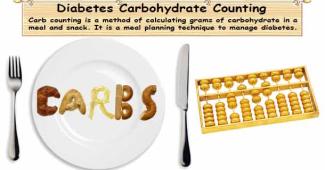
Carbohydrates have the most significant influence on your blood glucose. After eating carbs, it appears as blood glucose in your bloodstream within hours. So, you need to count the carbs you eat.
You know! Your body can make glucose even from the protein and fat. Additionally, it cannot cause blood-glucose spikes.
Complete Guide to Carb Counting
What Are Carbohydrates?
Carbohydrates also are known as carbs are one among the three essential macronutrients. The other two macronutrients are protein and fat. Your body needs all these three macronutrients to maintain health.
Many foods are a combination of carbs, protein, and fat. Blood sugar is mostly from carbs you eat and is utilized by the cells for energy.
Why do carbs matter?
Carbs get its maximum attention when it comes to diabetes because it directly raises blood sugar when digested by your body.
For non-diabetes, blood glucose rises after eating, but the insulin from pancreas keep the blood glucose level from rising too high. However, if you have type 1 diabetes, your pancreas no longer makes insulin, thus failed to stop blood glucose rise. So you need to take basal (background) insulin as well as offset the carbohydrate in your food (bolus insulin) with mealtime.
What Foods Contain Carbs?
Carbohydrates include sucrose (table sugar), fructose (fruit sugar), and lactose (milk sugar), as well as starches.
Almost all food contains carbohydrates. Foods that contain carbohydrate are:
- Grains such as rice, oatmeal, and barley contain starch. Also, grain-based foods such as bread, pasta, and crackers.
- Starchy vegetables are potatoes, peas, and corn.
- Fruit and its juice contain fructose (fruit sugar).
- Milk and yogurt contain lactose (milk sugars).
- Sweets and snack: sodas, juice drinks, cake, cookies, candy, and chips may contain sucrose (table sugar).
Non-starchy vegetables like lettuce, cucumbers, broccoli, and cauliflower have minimal carbohydrate and minimal impact on your blood glucose.
Who can use carbohydrate counting?
Carb counting is useful for type 1 diabetes who are intensively adjusting insulin to control diabetes. Insulin needs to be adjusted based on what one wants to eat. Carbohydrate counting can be useful for all diabetes, not just people taking insulin.
What are the benefits of carb counting?
Once you gain expertise in carb counting, you can comfortably accommodate a wide variety of foods into your meal plan without affecting the blood glucose level.
- Carb counting (CC) provides more choices and flexibility in meal planning to manage your type 1 diabetes.
- Being precise with your carb intake and insulin will help you better manage your blood glucose.
- It has positive effects on postprandial blood glucose level and glycosylated hemoglobin concentration (HbA1C).
- It might reduce the hypoglycemia episodes.
- It can bring tighter diabetes (blood glucose) control.
How many carbs should a person with diabetes have in a day?
There is no magical ideal number of carbs per meal. How much carbohydrate you need is determined by your body size and level of physical activity. Additionally, your body's insulin response is going to be most important.
A great way to begin may be to find how many carbohydrates you eat at your meals and snacks now. To know how different foods are impacting your blood glucose. You need to track your food intake (especially carb) and your blood glucose before and about 2 hours after a meal for a few days.
There are three low carb diet based on how low-carb the meal contain?
- Ketogenic low carb diet has under 20 grams of carb per day.
- Moderate low carb diet has 20 to 50 grams of carbohydrates per day.
- Liberal low carb diet has 50 to 100 grams of carbohydrates per day.
It is always better to go for a low carb diet for proper blood glucose control in type 1 diabetes. Try low carb diet by first aiming liberal low carb that is 50 to 100 grams of carbohydrate per day. Once you are convenient with this diet, then you can try a moderately low carb diet for better blood sugar control.
What is carb counting?
Carbohydrate or carb counting is one of many meal planning options for managing blood glucose.
Non-diabetes may see their foods in their plate as it is that is salmon, salad, or bowl of soup. But those with diabetes are always seeing it as numbers (grams of carbohydrate in each food item).
Unfortunately, counting carbohydrate in your food is not as easy as to count 1, 2, 3…
However, you face difficulty at the beginning for the first few days or weeks; after that, you develop expertise.
The carbs you will need to count are starches (break down slowly into sugar) and simple sugars (break down into blood glucose almost immediately).
Accurate carbohydrate counting is necessary because missing just 5 grams of carbohydrate can affect blood glucose by about 30 to 40 mg/dl.
How do you count carbs?
You can estimate how much carbohydrate in your food. Keeping a general serving size in mind will help you determine how many carbs you are eating. A serving of carbohydrate is 15 grams. Once you know the 15-gram carbohydrate portion of food, you can apply it to any other portion size less than or more than that.
Why carb counting accuracy matters?
A non-obese type 1 diabetes with 150 pounds (68 kg.) and the pancreas makes no insulin. Then just 1 gram of carbohydrate can raise the blood sugar by about 5 mg/dl (0.3 mmol/L).
So carb counting accuracy matters a lot for proper blood sugar control.
Is there anything that is out of your control?
You may have noted that you eat the same carb content at two different times, and your blood sugar might be different each time. It is because the insulin sensitivity raises from early morning to night until 11 pm, after that the sensitivity drops from night to early morning.
You can manage this by consuming less carb for breakfast compared to lunch and dinner. Also, increase the insulin to carb ratio in the morning to prevent blood sugar spikes.
Use food labels
Carbohydrate counting becomes easier if you use a food label.
Reading food or nutritional labels is an easy way to know how much carbohydrate is in your diet. You first need to find out the serving size.
2 most important data in the food label are the serving size (& amount of servings per container) and the total carbohydrate (not just sugar or starch grams).
Because the cereal may contain 1 gram of sugar but comprise 21 grams of carbohydrate, total carbohydrate includes sugar, starch, and fiber.
From the food label of a pack or can, find the total carbs (not just grams of sugar or starch). For example, if the product packaging is 100 g weight and the total carb is 27, then to find carbohydrate per gram of product divide total carb by weight of the pack.
Grams of carb per product gram = total carb/pack weight.
= 27 / 100 = 0.27 grams of carb per gram of the product.
How much portion size you decided to ear? - Portion size, for example, if you chose to eat 50 grams of the product.
Grams of carb in the portion = Grams of carb per gram of the product X Portion size
= 0.27 X 50
= 13.5 grams of carb in the product you decided to eat.
Another example: if the pack contains countable pieces such as biscuit, then to calculate carb per piece divides total carb by the number of pieces in the box.
If the total carb is 27 and the number of pieces is 9.
Grams of carb per piece of the product = total carb / no. of pieces
= 27 / 9
= 3 grams of carb per piece.
Food producers are allowed a total carb error of +/- 20% in their nutritional label.
Consider if you are taking 50 g of carb for a meal, then
The carb count error = (50 g X 20)/100 = 10 g.
There may be 10 g in excess or shortage of carbohydrate.
Blood sugar error for 10 g of carb = 10 g (carb error) X 5 mg/dl (BS raise per 1 g carb)
= 10 X 5 = 50 mg/dl (2.8 mmol/L)
An allowed food label error may end up with a 50 mg/dl (2.8 mmol/L) of blood sugar rise or drop. So, it is wise to choose a low carb diet and be more accurate in carb calculation.
Carb counting; focus on FIBER
Some kinds of fiber aren't broken down in the body and therefore, don't affect blood glucose levels. The general rule is if "insoluble fiber" is listed in the Nutrition label, subtract all grams of insoluble fiber from the total carbohydrate amount.
Like any other new skill, counting carbohydrates will take some weeks to master the art. At the start, it will be difficult to weigh and measure foods. As time passes, the eye & mind trained to measure precisely both serving sizes and weights, whether eating at home or out.
There is no nutrition label, how do you count carb?
For foods that do not have a label, you can use online tools to estimate how much carbohydrate is in it. Supertracker is one such tool, where you can look up the nutrition facts for foods that do not contain a label such as fruits and vegetables.
Five best carb counting app for diabetics
- Senza - You've heard about the ketogenic way of eating, and you want to do it right. Let Senza show you how. You can download your app at iTunes & Google Play.
- Carb Manager - Keto & Low Carb Diet Tracker: Carb Manager is the world's most comfortable and comprehensive low carb tracker. And macros counter for anyone on a low carb diet or keto diet. Use the barcode scanner to count carbs quickly. But even more than a carb calculator, Carb Manager is your one-stop destination for living a healthy low carb high-fat diet (LCHF) lifestyle. We've bundled low carb diet articles, forums, recipes, a meal planner, an e-book, and much more. You can download your app at iTunes & Google Play.
- Atkins® Carb & Meal Tracker: Atkins® Carb Counter & Meal Tracker is an essential tool for achieving your weight loss goals. The new & redesigned Atkins app allows you to maintain a healthy lifestyle. They give you the diet tools to set daily goals, log meals, & track net carbs. You can download your app at iTunes.
- MyKeto: Ketogenic Diet Tracker: A free keto macro calculator helps determine how many calories of fats, carbs (net carbs), and protein you are consuming. Based on your body height, weight, activity level, and gender. You can download your app at iTunes & Google Play.
- Macros - Calorie Counter: Macros can be used as a calorie counter and as a meal planner. Calculate your calories and register your food diary quickly. Eat what you want! Always respect your carbohydrate, protein, and fat targets. You can download your app at iTunes & Google Play.
How many units of insulin should I take per carb?
The insulin to carb ratio gives you an idea to know how much insulin you need for a bolus dose to metabolize the quantity of carbohydrate you consume in a meal or a snack.
Measure the carbs in your meals correctly. Then you can calculate the insulin requirements to cover this carbohydrate using a formula. For details, visit Insulin Calculation.
Generally, diabetes and even healthy individual spikes more with carbs at breakfast, less with lunch and much less with dinner.
Different insulin to carb ratios at different times of the day is not unusual. You need more insulin for breakfast, less for lunch, and much less for dinner just as it is widespread to have different basal requirements at different times of the day.
You do not need to eat the same food every day. But it is advisable to eat the same quantity of carbs each day at any specific time for better blood sugar control.
Beware of sugar with different names
Sugar goes by different names; they are:
- table sugar,
- brown sugar,
- molasses,
- honey,
- beet sugar,
- cane sugar,
- confectioner's sugar,
- powdered sugar,
- raw sugar,
- turbinado,
- maple syrup,
- high-fructose corn syrup,
- agave nectar,
- sugar cane syrup,
- fructose,
- lactose,
- sorbitol,
- xylitol,
- glycol,
- glycerol,
- mannitol,
- isomalt, and
- other sugar alcohols.
Type 1 Diabetes Diets/Foods

Diabetic foods are an umbrella term for foods used by the diabetics’ that help normalize/stabilize the blood glucose level, prevent hyper/hypoglycemia, and prevent diabetes complications.
Diabetes trying to eat healthfully? First, keep in mind, what works for someone else may not necessarily work for you—and vice versa.
Macronutrients are nutrients needed in large quantities; they are carbohydrates, fats, and proteins.
Carbohydrate digested into glucose, protein digested into amino acids, and fat digested into fatty acids and absorbed for further utilization. Carbohydrates, proteins, and fats provide four, four, and nine calories of energy per gram, respectively.
Glucose from carbohydrate is the primary fuel for most of your cells. Amino acids from protein used to build, maintain, and repair body tissues, as well as to synthesize necessary enzymes and hormones. Fats are energy-dense macronutrient, provides essential fatty acids (EFA), and carry fat-soluble nutrients.
Why diabetes should avoid refined carbs?
When you eat white flour bread (pure starch), it quickly breaks down into glucose, dumped into the bloodstream, and raises your blood sugar level.
Do you know how much blood glucose your blood contains? For a healthy individual, about five grams (equal to a teaspoon of glucose) mixed with five liters of blood.
Do you know, after carb ingestion, how much spikes in blood glucose level? After eating a bowl of pasta, rice, slices of bread, or potatoes, then hundreds of grams of glucose flood your bloodstream. That is, your blood spiked from 5 grams to about hundreds of grams. Proportionally your insulin level skyrockets to normalize your blood sugar. More starch, you eat higher the insulin level. High level of insulin in the blood is unhealthy and an invitation towards inflammation.
A Brief History of Diabetes Food!
Dietary treatment of diabetes was used in Egypt since 3,500 BC and was used in India more than 2000 years ago. In the 18th century, John Rollo’s calorie restriction diet could reduce glycosuria in diabetes.
Before insulin discovery, Frederick Madison Allen recommended a low-calorie diet to prevent ketoacidosis from killing diabetes patients; this help lives longer. However, they become undernourished and die of starvation.
In 1922, Frederick Banting discovered insulin that provides flexibility to diabetes patients in choosing the food they eat.
How is your body designed to handle ingested foods?
After digestion, carbohydrate are breakdown into glucose and release into the bloodstream. Blood contains about 5g of glucose (provides 80 kcal of energy) for immediate energy needs.
Excess remaining glucose will get stored as glycogen in the liver (about 100g that can provide 400 kcal of energy). And the muscles (about 400 to 500g can provide 1,500 kcal of energy) for future short-term energy needs. Liver storage is useful between meals and muscle storage used for muscle movements.
Once glycogen storage is over, absorbed glucose and fat are converted into fatty acids and stored as body fat for long-term energy needs.
Free fatty acids & triglycerides in the blood provide 80 kcal of energy. Muscle triglycerides storage can provide 2.500 kcal of energy. Adipose tissue (body fat) offers more than 80,000 kcal of energy.
The Carb Controversy!!!
The ADA recommends 45 to 65 percent of total energy should be from carbohydrates.
The most agreed-upon recommendation for a diabetes patient is food that is low in sugar and refined carbohydrates.
Following DAFNE will put you on; Hyperglycemia soon after eating versus Hypoglycemia after a few hours.
Dose Adjustment for Normal Eating (DAFNE), are encouraged by health professionals. However, this approach relies heavily on carbohydrate counting and insulin dose adjustments. The review participants chose to severely restrict carbohydrate as they found large amounts of carbohydrate coupled with large insulin doses led to unpredictable blood glucose results. Ref: Diabetes Research and Clinical Practice 2011 Jan; 91(1):87-93.
Dr. Richard K. Bernstein recommends low carbohydrate diet; 6 grams of carb for breakfast and 12 grams each for lunch and dinner.
Dr. Richard K. Bernstein, a famous endocrinologist, is promoting a low carbohydrate diet. He recommends eating about 6 grams of carbohydrates for breakfast and 12 grams each for lunch and dinner. Those carbs will provide only 120 calories of a general diet of 2,000 calories or more.
Confusing, is not it? Which advice to follow!
You may choose the middle between ADA & Dr. Bernstein; eat about 50 grams of carbs each day, sometimes a few more. You can lower the postprandial blood glucose by short distance gentle (not brisk) walk.
How low is low carb diet?
What are very low carb, low carb, moderate carb, and high carb diet? A diet with a carb that provides about total calories of:
- Up to 10% (or 20 to 50 grams of carbs) is very low carb or ketogenic diet;
- Over 10% to 26% (or 130 grams of carbs) is low carb diet;
- Over 26% to 45% (or 145 grams of carbs) is moderate carb diet;
- Over 45% (or 145 grams of carbs) is high carb diet.
Reference: Nutrition & Metabolism 2008; 5: 9.
Big complaints about the low carb high-fat diet.
The medical professionals, explicitly dietitian express low carb high fat (LCHF) diet is challenging to get nutrients, problems with blood lipids, and not sustainable.
However, you can get nutrients for green & some veggies. LCHF diet improves blood lipids. Many people have happily improved their health on an LCHF diet, so sustainable with wellness.
Inflammation & low carb diet: The Swedish study found a low-carb diet can help reduce inflammation. It has associated with all diseases such as allergy, heart disease, and cancer. Reference: Annals of Medicine, 2014 May; 46(3):182-7.
Allowed food label carb error insists for low carb diet
A non-obese type 1 diabetes with 150 pounds (68 kg.) body weight whose pancreas makes no insulin. Ingesting just 1 gram of carbohydrate can raise his/her blood sugar by about 5 mg/dl (0.3 mmol/L). You need to calculate precisely the amount of insulin you require to inject to maintain the blood sugar level as before meals.
Food producers are allowed a total carb error of +/- 20% in their nutritional label. Consider if you are taking 100 g of carb for a meal, then
The carb count error = (100 g X 20)/100 = 20 g.
You take insulin for only 100 g carb, however actually there maybe 20 g in excess or shortage.
Blood sugar error for 20 g of carb = 20 g (carb error) X 5 mg/dl (blood sugar raise per 1 g carb)
= 20 X 5 = 100 mg/dl (5.6 mmol/L)
If the blood sugar level before the meal was 90 mg/dl and you have taken insulin for 100 g carb, however, the actual carb maybe 120 g or 80 g. This 20 g excess or shortage of carb may raise your blood sugar by 100 mg/dl or 5.6 mmol/L.
Now your blood sugar level may be = 90 – 100 mg/dl (to) 90 + 100 mg/dl
= 0 mg/dl (to) 190 mg/dl
That is your blood sugar may be from 0 mg/dl to 190 mg/dl.
Want to keep your BS swing between 10 to 20 mg/dl. How to achieve it? Carbs are the main problematic macronutrient, you are well aware of!
So it is simple, reduce the problematic nutrient (carb) to lower the error (blood sugar). Sounds so clear, simple and encouraging, is not it? Instead of eating pasta, bread, or rice as a carbohydrate portion, you can choose a salad. What is the difference?
If you are taking 2 cups of pasta means 54 g of carb. 20% error causes about 11 grams of carb uncertainty. 11g multiplied by 5 mg/dl (blood sugar raise per 1 gram carb), which is equal to 55 mg/dl (3.1 mmol/L) rise or fall in blood sugar.
If you are taking 2 cups of salad instead, this means 12 g of carb. 20% error causes 2.4 grams of carb uncertainty. 2.4g multiplied by 5 mg/dl (blood sugar raise per 1 gram carb), which is equal to 12 mg/dl (0.7 mmol/L) rise or fall in blood sugar.
Uncertainty in insulin absorption insist for low carb diet
Additionally, all the insulin you inject cannot reach your bloodstream. Research shows there is uncertainty in the absorption of insulin even if the body is sensitive to the insulin. The more insulin you require to inject, then there will be a higher level of uncertainty.
The University of Minnesota researchers demonstrated that there is variation in insulin absorption based on the injected site. If you inject 20 units of insulin in your arms, you'll get on average 39% variation in the amount that reaches the bloodstream from one day to the other day. They also found abdominal injections had a 29 % variation. This insulin uncertainty is too high to manage if the insulin requirement is high.
For example, you require 20 units of insulin. 29% variability in insulin absorption will cause six units of uncertainty. A typical adult needs 1 unit of insulin to lower 40 mg/dl of blood sugar. Six units of insulin multiply by 40 mg/dl causes uncertainty of 240 mg/dl of blood sugar.
Just due to varying amounts of insulin absorption causes huge blood sugar swing and is entirely unpredictable.
What is the solution to this unpredictability in the insulin absorption? Reduce the insulin requirement, so its emphasize your need to reduce the carb intake.
Amazing is not it! Just cutting down the carb helps in two entirely different ways to stabilize your blood sugar.
Diabetes is a disorder related to carbohydrate metabolism. Thus REDUCING carbohydrate is the obvious first line of treatment.
Reference: Nutrition. 2015; 31(1):1-13.
The best approach to improve diabetes management is a low-carbohydrate diet. With fewer carbohydrates, blood sugar rises and falls more gently after eating, making for an easier target to hit accurately with insulin. Also, people on a low-carbohydrate diet require less total insulin, potentially providing metabolic benefits for weight control and heart disease prevention.
Is it possible for type1 diabetes to achieve normal blood sugar?
Type 1 diabetes can achieve a non-diabetes number (normal blood sugar)! Eat a low carb diet consists of meat (protein), veggies (vitamin & minerals), and healthy fats (essential fatty acids).
Note: if you are on a low-carb diet and occasionally eating a high-carb meal will run you into trouble of high blood glucose level that is difficult to control.
Benefits of low carb food?
Many patients with T1D on a very low carb diet maintains NORMAL HbA1c even values in the range of 4%. They reportedly have low rates of complications like diabetic ketoacidosis and low blood sugar. It has improved in insulin ratio, cardiovascular risk, and triglyceride to HDL-cholesterol ratio. Also, no evidence of effects on growth among children due to nutritional deficiency.
Low carb diet help achieve a healthy weight.
Studies show that people on low-carb diets lose more weight, faster. Reference: The New England Journal of Medicine 2003; 348:2074-2081.
Low carb diet help lower A1C
A large observational study of 1020 European outpatients with type 1 diabetes reported that a lower intake of total carbohydrate was associated with lower levels of HbA1c. Ref: Diabetic Medicine 2000 May; 17(5):351-9.
Low carb diet attenuates blood glucose fluctuations
By reducing dietary carbohydrate, the error rate in determining the required exogenous insulin amount reduced, and blood glucose fluctuations attenuate. Reference: Nutrition. 2015 Jan; 31(1):1-13.
Low carb diet lessens or eliminates hyperglycemia and hypoglycemia.
Consequently, less frequent and severe hyperglycemic episodes. As well as a reduction in overall insulin requirements should result. Demonstration of these benefits with carbohydrate restriction in type 1 diabetes patients has recently reported. Reference: Diabetology & Metabolic Syndrome 2012 May 31; 4(1):23. & Asia Pacific Journal of Clinical Nutrition 2016; 25(1):78-84.
Low carb diet can significantly reduce total daily insulin requirement.
Five studies reported total daily insulin showed clinically significant reductions with a low-carbohydrate diet. References: Diabetology & Metabolic Syndrome 2012 May 31; 4(1):23, Asia Pacific Journal of Clinical Nutrition 2016; 25(1):78-84, Diabetes Care. 1992; 15(11):1499–504, Metabolic Syndrome and Related Disorders 2003 Dec; 1(4):291-8 & Diabetes Care. 1980 Jan-Feb; 3(1):140-3.
Hyperinsulinemia is associated with; excessive weight gain [JAMA. 1998 Jul 8; 280(2):140-6], development of the metabolic syndrome, inflammation, and atherosclerosis [J Diabetes Complications. 2013 Jan-Feb; 27(1):70-4], Alzheimer’s Disease [Neurology. 2004 Oct 12; 63(7):1187-92] and cancer [Gastroenterology. 2004 Oct; 127(4):1044-50].
It suggests that low-carbohydrate intakes may assist in reducing or preventing hyperinsulinemia in type 1 diabetes by decreasing the absolute amount of insulin required for tight glycemic control.
Blood triglycerides level goes down on a low carb diet.
When people cut carb intake, there is a dramatic reduction in blood triglycerides. Reference: The Journal of Nutrition, Volume 136, Issue 2, 1 February 2006, Pages 384–389.
Low carb diet has increased the levels of blood HDL cholesterol.
One of the best ways to increase HDL levels is to eat high fat low-carb diets. Reference: Arteriosclerosis, Thrombosis, and Vascular Biology 1992 Aug; 12(8):911-9 and The American Journal of Clinical Nutrition 2003 May; 77(5):1146-55.
Low carb diet lowered the blood pressure in hypertension patients.
Low-carb diets are an effective way to reduce blood pressure. Reference: Archives of Internal Medicine 2010 Jan 25;170(2):136-45 and JAMA. 2007 Mar 7; 297(9):969-77.
A low-carb diet is effective against metabolic syndrome.
The metabolic syndrome is a cluster of biochemical and physiological abnormalities associated with the development of cardiovascular disease and type 2 diabetes such as abdominal obesity, elevated blood pressure, elevated fasting blood sugar levels, high triglycerides, and low HDL level. All these five abnormalities are improved dramatically on a low-carb diet. Reference: Nutrition & Metabolism 2005; 2: 31 and Metabolic Syndrome and Related Disorders 2003 Sep; 1(3):189-97.
A low-carb diet is beneficial for brain disorders.
Studies show low carb diet help reduce seizures, epilepsy, Alzheimer’s disease, Parkinson’s disease, and other brain disorders. Reference: The Lancet Neurology Volume 7. Issue 6, June 2008, pages 500-506, Nutrition in Clinical Practice, Volume23, Issue 6, December 2008, Pages 589-596 and Behavioral Pharmacology 2006 Sep; 17(5-6): 431–439.
Carbohydrates
Dietary carbohydrates raise both blood glucose and insulin higher than other macronutrients (fat raises blood glucose and insulin the very least).
Carbohydrates have the most significant influence on your blood glucose. After eating carbs, it appears as blood glucose in your bloodstream within hours. So, you need to count the carbs you eat.
What are the different forms of carbohydrates?
There are three forms of carbohydrate; they are sugars, starches, and fiber.
Starches - Starches are complex carbohydrate with many glucose units bonded together. During digestion, just like sugar, starch is broken down into glucose for energy.
Fiber - Fiber is also a complex carbohydrate found in non-starchy vegetables, fruits, nuts and seeds, beans, and whole grains. Fiber is indigestible; it passes through your intestines and comes out as it is. Dietary fiber help grows healthy bacteria in your gut that aid digestion system. There are two kinds of fibers soluble and insoluble.
Different types of carbohydrates
What are the different types of carbohydrates? There are two types of carbohydrates; they are simple and complex carbohydrates.
Simple carbohydrates (monosaccharide and disaccharides) are easily broken down and dumped glucose into the bloodstream causes blood-glucose spikes.
Simple carbohydrates contain one or two sugar molecules. Fructose (the sugar found in fruit) and glucose are Monosaccharide’s; it includes one sugar. Lactose (the sugar in milk) and sucrose (table sugar) are Disaccharides; it contains two sugars. Simple carbs are absorbed almost immediately into the bloodstream and thus raises your blood sugar level.
Complex carbohydrates (oligosaccharides and polysaccharides) require time to break down and slowly release glucose into the bloodstream.
Complex carbohydrates consist of three or more sugar molecules. They absorbed slowly into your bloodstream than simple carbohydrates. Complex carbs are starchy vegetables (such as potatoes, corn, parsnips, and sweet potatoes), legumes (such as lentils, black beans, and kidney beans), and whole grains (wheat, oats, rice, corn (maize), barley, sorghum, rye, and millet).
Fat – The gigantic fat lie
How fallacy it is to say eating fat will make you fat? Just like saying eating beetroot will turn you red color!
The medical school says, “Fat made you FAT.” All leading, so-called reputed organizations and government recommend eating no more than 35 percent of calories as fat. This low fat mania leads to increased intake of sugar and refined carbs. Sugar, refined carb, and a lot of starches can make you fat, not dietary fat.
More people become obese/overweight and sick, requiring medication for high blood pressure, diabetes, cholesterol, and the list continues. Because we choose to overeat refined carbs by avoiding fats and become lazy; that is overeating and moving too little.
Fat is the least insulin spiking macronutrient. So numerous people adding butter or coconut oil to their coffee (Bulletproof) in the morning.
Our ancestors did not suffer from today’s health problems. They consumed foods provided by nature; hunted animals, fish, eggs, nuts, roots, fruits, vegetables, and greens. The foods loaded with nutrients such as vitamins and minerals.
Actually, sugar is dangerous, not fat!
The human body is primarily built from saturated fat. Your brain is predominantly saturated fats. Every cell in the body needs saturated fat to construct the protective cell membrane. Additionally, saturated fat can even found in mother's breast milk. Then, how can it be poisonous? Strange is not it?
Saturated fat depicted as dangerous. So what is it? Fats are of two categories; they are unsaturated and saturated fat. Unsaturated fat is liquid at room temperatures, such as olive oil or sunflower oil. Saturated fat is solid at room temperatures, such as animal fat (butter, lard) or tropical plants (coconut fat, palm oil).
Why saturated fats are solid at room temperature, and others are not? Fats consist of chains of carbon atoms with attached hydrogen atoms. Saturated fatty acid contains abundant of hydrogen atoms, so straight and in solid form at room temperature. If one or more hydrogen atoms removed, it crooked. Depending on the number of the missing hydrogen atom, they are unsaturated or polyunsaturated fatty acid.
Protein
50 to 60% of excess protein ingested are converted into glucose.
The protein will slow the absorption of carbohydrate. In theory, the excess intake of protein through gluconeogenesis converted into glucose. It would mean 100 g of protein could produce 50 g of glucose; protein will have one-half the effect of carbohydrate on blood glucose levels. However, overeating protein can damage the kidneys.
"Proteins" are foods like meat, cheese, and peanut butter. Between 50 to 60% of protein becomes glucose and enters the bloodstream about 3 to 4 hours after eating.
Benefits of high protein are low appetite, slow digest, lower blood lipid level, improved insulin level, control blood glucose, and weight loss.
To understand why overeating protein is a bad idea because excess protein also converted into glucose. Your body requires to remove more nitrogen waste products (kidney strained), and calcium gets eliminated (thus need extra calcium).
How much protein can you eat? To maintain the muscle mass, you need to consume at least 1 to 1.2 grams of protein per kilogram of ideal body weight. It would be 69 to 84 grams of protein daily, whose ideal body weight is 70 to 85 (155 to 187 pounds).
You should maintain the protein content at a particular meal constant all days.
Protein-rich foods with zero carbohydrates are Beef, lamb, veal, chicken, turkey, duck, eggs, pork, fish, and shellfish (fresh or canned). Protein-rich foods with a small amount of carbohydrate (1gram carbohydrate per ounce of protein) are Cheeses & Soy products (up to 6 grams carbohydrate per ounce of protein).
Too much protein intake require calcium to handle it.
Protein digestion produces Phosphate as a by-product. Elimination of phosphate from the body requires calcium; every 10 ounces of protein foods require about 1gram of calcium. If you don't eat calcium-rich protein foods, then it would be advisable to take a calcium supplement. It will help prevent slow calcium loss from your bones. It is better to take a calcium supplement that contains magnesium and vitamin D.
Best wishes for your easy low carb diet adaptation and better blood sugar control :
Type 1 Diabetes Care at School

One in 300 children has diabetes, so chances are high for most schools with at least one student with diabetes.
Children spend about 35 to 40 hours per week in school, which might be close to half of their wake hours. So, it is crucial to ensure diabetes student’s safety and well-managed diabetes.
Diabetes is a non-static condition, means blood sugar changes from minute to minute. Thus, school personnel requires being educated to support diabetes students.
My child is school going, what do I need to know?
School going type 1 diabetes has a host of challenges. These challenges are blood-glucose monitoring, carb counting, high sugar, low sugar, ketoacidosis, etc.
Your child is in school for one-third of their wake-up time. Thus, how they handle their blood-glucose level in school can make all the difference. Inform teachers and other school staffs that your child has diabetes and educates them regarding the condition (diabetes).
How to Manage Diabetes in School?
Granted them extra time, access to food, water, and bathroom, ability to test and treat.
- Educate your child and school nurse; how to give insulin to your child, how much, and how to store. Your child may get an insulin shot, insulin pen, or an insulin pump.
- Educate your child and school staffs about the symptoms of hypoglycemia (low blood glucose level) and the treatment options. Also, provide your child with glucose-rich food. Symptoms may vary, so provide information about symptoms particular about your child.
- Make sure your child's teacher and the school staff know that your child has diabetes and have permission to eat a snack anytime he or she needs it.
- Educate your child as well as the school nurse, how to handle emergencies such as hypo, hyper, and ketoacidosis.
- In the case of pump users, educate about the pump usage. And its common problems such as Infusion interruption (cannula can accidentally fall or pulled out), and pump can run out of insulin.
- Educate your child and school staffs about the symptoms of hyperglycemia (very high blood glucose) and the treatment options. Symptoms may vary, so provide information about symptoms particular about your child.
- Instruct your child when to eat, what to eat, how much to eat, and what should not eat.
- Educate your child as well as the school nurse; when, and how often do they test your child's glucose level. Also, if symptoms of low or high blood-glucose appear, immediate have a blood test.
- Provide information on when and how do they test your child's urine for ketones. The school nurse and staff members are required to know, how to test urine for ketones and know what to do if the results are above normal.
- Your child should always wear medical I.D so that during emergency outside school, people around them can know he/she has diabetes.
- Provide contact information for parent(s), caregivers, doctor, and the health care providers.
Students with diabetes need supervision during exercise and meals. Also snakes supervision, especially before a workout. Blood glucose monitor must be in a place easily accessible to the student, and it must not be in the locked cupboard.
Diabetes school supply list
- Documentation: Management plan, action plan, emergency plan, and contact details.
- Insulin kid: If you are on insulin injection have Insulin, insulin pen/syringes, sharps container, and pen needles. If you are on an insulin pump, have spare insulin pump consumables, insulin, alcohol wipes, sharps container, extra batteries, insulin syringes.
- Blood glucose monitoring consists of glucometer, lancing device, test strips, extra batteries, spare lancets, and hand sanitizer or wipes.
- Hypo emergency kit consists of fast-acting glucose such as snacks, glucose drink, and tablets, and Glucagon kit.
- Hyper emergency kit: Ketone testing strips, blood glucose monitor, and insulin
Blood glucose monitor, hypo kit, and emergency health plan should always be to the student wherever the student goes. Blood glucose monitor must be in a place easily accessible to the student, and it must not be in the locked cupboard.
Hypoglycemia requires immediate intervention to prevent severity, which involves loss of consciousness or seizure. Learn to prevent and treat hypoglycemia.
In case of mild to moderate hypoglycemia, your kid needs rapid-acting carbohydrates such as glucose drinks, tablets, or snacks. Severe hypoglycemia requires external help with dextrose or glucagon. Glucagon is a counter-regulatory hormone to insulin, it can be administered by subcutaneous (SC) or intramuscular (IM) injection by trained parents or caregivers. Dextrose in the water at a 25% concentration must be administered intravenously by a qualified health care professional.
What do individual permissions diabetes students require?
Children with type 1 diabetes depend on school authorities to ensure their condition is managed properly at the school.
To support students with diabetes, teachers may require providing some individual permissions, such as:
- Allow adequate time to consume regular scheduled meals and snacks.
- Around physical activity, learn/teach your kids to adjust either food intake or insulin dose. Your kid requires extra blood glucose test and extra snack before activity.
- Require clean area for blood glucose test with the facility to clean hands and container to discard glucose test strips and lancets.
- Easy access to an emergency kit containing glucose meter, lancet, test strips, fast-acting sugar source, snacks, etc.
- Absent from school is not significantly higher in diabetes compared with non-diabetes kids. However, they require absenting from school for regular medical appointments. Do not pressurize the student regarding absence, because this put them to forego medical appointments, and it affects their well-being.
- People with diabetes need extra consideration during exams and tests.
- Also require extra planning for sport, excursions, camps and other activities.
- Permission to drink water at any time, because they have increased thirst.
- Permission to eat in class/sport, because they need to treat low sugar.
- Permission to go to the toilet at any time because they have frequent urination.
- Privacy while testing blood glucose and injecting insulin.
Can diabetes child participate in school sports?
Regular physical exercise is beneficial for everyone, including children with type 1 diabetes. However, the unplanned activity can lead to a complication, because of an episode of hypoglycemia (low blood glucose).
Your child can overcome these complications by taking proper advice from your healthcare providers. If he/she is receiving enough carb concerning their planned intensity of activity, then they can easily avoid hypoglycemia. Your child can enjoy participating in school or college sports or other physical activities safely and enjoyably.
No two diabetic student manage their diabetes in the precisely same way. Some get their insulin using a syringe, other insulin pens, and still other insulin pumps. Some students are in their "honeymoon" period, while others are not. Some students easily detect lows, while others do not seem able to identify lows.
Encourage diabetic children to be physically active; however, around physical activity, the student must monitor their glucose level and food intake. Parents need to know school activity schedule to help their kids to adjust insulin dose and food to avoid blood glucose extremes. Encourage them to eat snacks before physical activity may help to lower or prevent the risk of hypoglycemia.
Students with diabetes need supervision during exercise and meals. Also snakes supervision, especially before a workout. Blood glucose monitor, hypo kit, and emergency health plan should always be to the student wherever the student goes.
Hyper or Hypoglycemia during Exam
A student with diabetes with stable blood glucose can perform the exams/tests to the best of their ability. However, unstable blood glucose level may cause difficulties to concentrate, and their ability to perform in the examination might be lower. Additionally, an unstable diabetic student requires more frequent toilet visits.
Blood glucose high/low negatively affects the learning ability. Hypoglycemia has a short negative effect on concentration, thought processing, and behavior. Thus, there are increased chances for mistakes on math and verbal tasks.
Similarly, hyperglycemia too can cause cognitive problems. Once the blood sugar is normalized, it takes about 45 minutes for the intellectual functions to resolve. Thus, if hypo or hyper occurs during the exam, the student needs special attention to complete the exam correctly.
Responsibilities of a diabetic student’s parent
To make the school a safer environment for your child, you have to meet the school principal, class teacher, sports teacher, etc. well before the school opening. It will help them understand your child health condition and able to support your child.
- During student enrollment, inform the principal and school coordinator that your child has diabetes. Additionally, tell them that your child needs to test the blood glucose level and take insulin shots. Also request them to supervise, if your child requires.
- Discuss with your school authority and health care profession to develop an individual health plan and emergency health plan for your diabetes child. Also prepare a plan for outdoor school activities such as camps, interschool competition, and excursions.
- Meet all the relevant school staff and if required, provide a written request to assist your child in the administration of insulin and testing of blood glucose. And provide relevant information such as the dosage, method of administration.
- Provide your child with the necessary equipment (such as blood glucose meter, insulin pen, etc.) and medications (such as insulin, hypo kid, etc.).
- Daily check all the equipment and medications. Replace the drug, if it is expired or used up. If the machine is in repair, then repair it or replace it with a newer one.
The school staffs, including school health personnel, teachers, and bus drivers should necessarily understand the needs of type 1 diabetes and make the school a safe and healthy place.
It is uncommon for diabetes to be the cause of excessive absenteeism. Even school attendance is not significantly affected by a routine doctor, dietician, or other diabetes healthcare professional visit. However, unwell diabetic student (e.g., viral infection) may require increased blood glucose monitoring and insulin adjustment; this may force them to absent from school.
For providing individualized support to a student with diabetes, the school should essentially have both an individual and emergency health care plans.
Individual health care plan provides a daily guideline with instruction about routine food and insulin and medications regime. The emergency health plan provides emergency guidelines with step by step instruction on how to safely handle the predictable emergency (such as hypo, hyper, and ketoacidosis) along with emergency medication. Appropriately qualified health professionals must provide these health plans. Also, should review these plans annually or when there is any change in treatment.
If the diabetic child requires school staff supervision for the administration of insulin, then parents need to discuss with the staff's concern.
Responsibilities of the Principal
- Create a suitable school environment for students with diabetes. Provide necessary support to diabetic students who are capable of self-administering insulin.
- Eliminate discrimination against a diabetic student who requires insulin treatment.
- Provide support for the development of individual and emergency health plans. Prepare it in collaboration with the student, parents, school staff, and diabetes doctor. Periodically confirm that the plans are current.
- Allow diabetes student to participate in all school activities such as excursion, camps, sports, etc. At the same time, address the needs of diabetic students with the necessary guideline.
- Should ensure proper disposal of sharps.
- Make sure the staff are aware that the student’s personal information is confidential.
Responsibilities of the classroom teacher & support staff
- Go through, becomes familiar, and adhere to the diabetes guidelines of the schools and the student’s individual & emergency health plans.
- Take management of diabetic student training.
- Recognizes and acts promptly to the signs and symptoms of hypoglycemia.
- Provide special privileges to the diabetic students such as toilet facility, drinking water, foods & snakes if appropriate (hypoglycemia), and to test blood glucose level.
- Supervise the student’s self-administration of insulin and blood glucose testing, if they require.
- Encourage the participation of the diabetic student in all school activities. Consult with parents and get necessary guidelines about out of school activities.
Laws protecting type 1 diabetes student
Parent of type 1 diabetes child should be aware of the federal law that protects your child at school:
- Section 504 of the Rehabilitation Act of 1973 is a civil rights law that prohibits discrimination by disability. This law applies to public elementary and secondary schools, among other entities.
- Americans with Disabilities Act of 1990 (ADA) is the nation's first comprehensive civil rights law addressing the needs of people with disabilities. This law prohibits discrimination in employment, public services, public accommodations, and telecommunications.
- Individuals with Disabilities Education Act (IDEA) is a four-part (A-D) piece of American legislation that ensures students with a disability. This act provides right for free Appropriate Public Education (FAPE) that tailored to their individual needs.
- Family Education Rights and Privacy Act (FERPA) is a Federal law that protects the privacy of student education records. The rule applies to all schools that receive funds under an applicable program of the U.S. Department of Education.