
After Pregnancy Diabetes Care & Baby
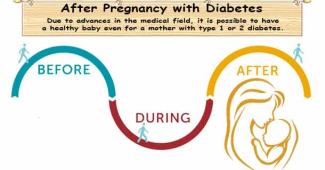
How does a diabetes mother's baby is affected?
Macrosomia - means giant baby, babies of diabetic women are apt to be bigger than others are. The reason behind this is due to the interchange of the mother's blood with the fetus. Too much of glucose in the mother's blood makes the baby's pancreas to produce more insulin to use the glucose. And converts this extra glucose to the fat that leads to the giant baby.
Sometimes the baby gets too big to deliver vaginally, and a cesarean delivery becomes necessary.
Newborn baby with hypoglycemia - Sometimes the infant baby of a diabetic mother will have been very low blood-glucose immediately after delivery. If the baby is in the womb, the baby’s body experiencing increased insulin secretion due to the high glucose level in the mother's blood. Even after delivery, the baby continuously secretes high levels of insulin, so its glucose level drops quickly.
Check low levels of glucose/calcium/magnesium in the blood -Immediately after birth, they check the baby's blood glucose. Also, they may need to inject glucose intravenously to avoid low sugar. Babies also may have decreased serum calcium or magnesium levels. Therefore, the baby may need special tests and treatments right after birth.
Why is hypoglycemia in the newborn a concern?
Brain's primary source of energy comes from blood-glucose; low level of glucose can impair the brain's ability to function. Severe or prolonged glucose shortage may even cause seizures and severe brain injury.
Hypoglycemia symptoms in the newborn baby
Each baby may experience different symptoms; most common symptoms may include jitteriness, lethargy, seizures, blue coloring, stopping breathing (apnea), decreased body temperature, dull body tone, and low feeding.
During Pregnancy Diabetes Care

If you are diabetes (type 1 or type 2) and pregnant, then strict blood-glucose range is necessary by lifestyle changes and insulin treatment. Which helps to avoid pregnancy complications and have a healthy baby?
Diabetes pregnancy treatment
Diabetic women who are pregnancy should maintain the blood-glucose level at target, particularly during first trimester during which the baby is rapidly growing. During this phase of pregnancy with high glucose levels, can increase the chances of birth defects or miscarriage.
Even type 2 diabetes, who is in anti-diabetic medication often advised by the doctor to use insulin injection instead of oral drugs, since its safety during pregnancy is not clearly known.
In addition, your doctors will advise you to monitor your glucose levels more frequently than normal. It is usual to have self-monitoring of blood-glucose even up to six to eight times a day.
Target Glucose level for diabetes during pregnancy
- Target blood-glucose level before meals; 70-100 mg/dl (3.9-5.6 mmol/l) for whole blood and 80-110 mg/dl (4.4-6.1 mmol/l) for plasma.
- Two hours after meals target blood-glucose level should be under 140 mg/dl (<7.8 mmol/l) for whole blood and under 155 mg/dl (<8.6 mmol/l) for plasma.
- HbA1c value less than or equal to 7.0%
Tips to achieve healthy diabetes pregnancy
- Follow a healthy diabetic meal.
- Self-monitoring of blood-glucose (SMBG) as advised by the doctor, mostly up to 6 to 8 times a day.
- Have insulin shots and learn to adjust the insulin level as per SMBG reading.
- Prevent, control, or treat hypoglycemia and hyperglycemia.
- Increase physical activity helps to achieve the target blood-glucose level easily also it supports healthy pregnancy and delivery.
- Maintain healthy weight; consult doctor to know your weight during pregnancy.
Insulin treatment precautions during diabetes pregnancy
- Know the risks of hypoglycemia or low blood-glucose, and always carry some high-sugar snack for immediate treatment.
- Eat small snacks between means is advisable.
- Have some snack after the exercise to prevent low blood-sugar or glucose.
- Exercise for two hours or more, and then it is advisable to eat some snack before start doing exercise.
- Learn to adjust the insulin dosage with respect to amount of food and exercise taken.
Is there any problem to my eyes during pregnancy?
Generally, there is slight eye deterioration during pregnancy, specifically at the start and likely, there will be changes throughout the pregnancy. You should visit an ophthalmologist many times during pregnancy. There will be a continuous risk for the first year of post-delivery, thus until that time, you need to visit the ophthalmologist regularly.
Does diabetes affect my kidney during my pregnancy?
During pregnancy, a diabetic mother’s kidney function drops a little and back to normal after the birth of baby. However, if you are having kidney disease from the start of pregnancy, your kidney may determinate a lot and will not heal.
I have increased nerve pain, does means any nerve damage?
Generally, during pregnancy, even normal women experience some pain, as a diabetes mother you may experience a little more. Some women may experience tingling in the limbs or carpal tunnel syndrome that goes after give birth.
Saving Cord blood
Cord blood is the blood that presents in the placenta and in the attached umbilical cord after childbirth. Many people start collecting cord blood and keep it safely in the cord blood banks, because it contains stem cells used in treating of genetic disorders. Cord blood is the rich source of stem cells used to treat over 75 diseases.
It is already in use as transplant medicine for treating over 20,000 patients for a wide range of diseases, including types of leukemia and immune system illnesses. It is still in experiment, and scientists continue to research its uses in treating other diseases like cerebral palsy, stroke, and diabetes. There is a potential for using cord blood stem cells for treating a numerous diseases and conditions may continue to increase. Cord blood also is in use as a regenerative medicine research, where researchers evaluate stem cells for their ability to induce healing and regenerate cells to repair tissues.
There are usually costs involved, and if you have the money and like to cover all possibilities then you should look into what is available locally.
Before Pregnancy Care with Diabetes

If diabetes (whether type 1 or type 2) and planning for pregnancy, then consult the doctor and start caring before pregnancy. Which helps to have a healthy pregnancy and baby?
Diabetes before Pregnancy Management
Diabetic women who are planning for pregnancy are strongly advised to be strict in their blood-glucose control before conception. Otherwise, it can increase the risk of a miscarriage or any congenital disabilities in the baby.
You can manage your diabetes by simple meal’s plan, physically active and insulin treatment:
- Diabetes women who desire to get pregnancy must consult their doctor and need to take some pre-pregnancy diabetes care.
- During a consultation with the doctor, the doctor will teach how vital the blood-glucose level in blood is before pregnancy, during pregnancy, and after pregnancy.
- All diabetes women who are planning a pregnancy must have to go for a thorough evaluation. Evaluate for retinopathy, nephropathy, high blood pressure, kidney disease, or cardiovascular disease.
- Doctor suggests you stop oral medication (for non-insulin-dependent diabetes) and advise to control the blood glucose level by lifestyle changes and insulin treatment.
- You should maintain the blood-glucose values at 60 to 90mg. The fasting blood glucose level of 100 to 200mg. Two-hour postprandial test and all times blood-glucose levels should be within 60 to 120mg.
- Should maintain HbA1c less than or equal to 7.0%
- If there is any difficulty to control within this target range, then it is advisable to postpone pregnancy until these target values achieved.
To achieve the target blood-glucose range, follow specific guidelines helps to achieve this target. Some guiding tips are:
- Meals - limit sweets, eat three small meals and 1 to 3 snacks per day, maintain your meal’s time, and include fiber in your meals in the form of fruits, vegetables, and whole-grains.
- Physical activity - walking and swimming can help you reach your blood glucose targets.
- Some need extra insulin than usual to reach their blood glucose targets. Insulin is not harmful to your baby, but controlled blood-glucose is beneficial to your baby.
- Monitor blood glucose level, you may be asked to check it more often than usual.
- Your blood glucose level should be not above 95 (on awakening), not above 140 (one hour after a meal), not above 120 (two hours after a meal).
- Each time you check your blood glucose, record the results correctly and take it with you when you visit your health care team. If your results are often out of range, they will suggest ways to reach the targets.
Type 2 Diabetes Symptoms

Before going into the symptoms of diabetes, you should first know about glucose homeostasis!
What is glucose homeostasis?
Homeostasis means a stable condition throughout the body. The body is carrying out various complex interactions to maintain health. Maintaining blood glucose levels within the normal range is glucose homeostasis. If there is any disturbance to this glucose homeostasis, then it will lead to various bodily symptoms called diabetes symptoms.
Diabetes Symptoms
In people with diabetes, the body cells cannot consume blood glucose due to insulin resistance or deficiency, which leads to elevated blood sugar levels.
When the blood glucose level rises above the normal range, your body tries to normalize it by instructing the kidney to expel the excess sugar from the body along with the urine. It leads to the development of symptoms of diabetes; they are,
- Increase Urination (Polyurea) - people with diabetes urinate frequently and in large quantities. Urine has a noticeable sweet smell, indicating excess glucose. Most probably pee more often after a sugary food or drink. Polyurea (frequent urination) is characterized as urination more than normal healthy individuals that is 6 to 8 times or 2.5 to 3 L over 24 hours, especially excess during the night because the body does detoxification during sleep.
- Severe Thirst (Polydipsia) – frequent and increased thirst, specifically after an hour of a meal or drink rich in carbs. Polydipsia is drinking more than 6 liters of fluid in 24 hours. Polyuria (frequent urination), usually accompanies polydipsia. A healthy person often feels thirsty after eating salty food, exercising, or spending time in the sun and they quench their thirst by drinking more fluids. Don’t confuse this with polydipsia.
- Excess appetite (Polyphagia) – frequent and increased appetite; mostly after high-carb foods. Irresistible cravings particularly for sweet or rich foods, and a sensation of emptiness in the stomach. Eating cannot get rid of hunger in people with diabetes, and it just adds glucose to the already high glucose levels. The best way to lower the signs of polyphagia is to do exercise. Because this can reduce blood sugar levels, and thus get rid of hunger feeling.
- Tiredness – can also be seen as lethargy, low energy levels, lack of strength, general weakness, and a feeling of heaviness in the body.
- Vision change - Blurred vision, dry eyes, a sensation of eye heaviness, irritation of the eyes, or difficulty focusing.
- Frequent Infections – Increased susceptibility to infections, such as gum, skin, or bladder infections.
- Skin problems - Dry, rough, and itchy skin or rashes, particularly in the extremities, may become more severe during certain weather changes.
- Weight gain or loss - Unexplained weight changes that do not align with diet or exercise. Weight loss despite eating more or slow, steady weight gain.
- Healing takes longer - wounds, cuts, and bruises heal more slowly than they should.
- Feet problem - may include numbness, tingling, loss of sensitivity, a burning sensation, or sharp pain.
- Decreased cognitive function - Difficulty focusing, poor memory, mental exhaustion or fatigue, and decreased cognitive function.
In the case of type 1 diabetes, the above symptoms develop quickly in a shorter period. In type 2 diabetes, the symptoms occur gradually for months to years. In some individuals, there are no symptoms at all, and so it often goes undiagnosed.
Many type 2 diabetes patients unknowingly have this condition and consult a doctor with diabetes complications. That is why diabetes screening is essential for people at diabetes risk.
If you have any of the symptoms listed above, you should have a diabetes blood test to diagnose or rule out diabetes.
Even if you are diagnosed with prediabetes or diabetes, then proper treatment can help manage blood sugar levels and also it is possible to reverse diabetes with consistent effort.
When do diabetes symptoms generally occur?
The notable diabetes symptoms occur mostly after having food or drinks rich in sugar or carbs.
People with high fasting blood sugar have severe Polyuria (frequent urination), Polydipsia (severe thirst), and Polyphagia (excess hunger); while waking up. People with high postprandial blood sugar have these symptoms the whole day, immediately after ingesting high-sugar or carb food or drinks.
Pre-diabetes symptoms
Symptoms of pre-diabetes are the same as those of type 2 diabetes, however most notably lesser intensity, and some do not have any symptoms. Therefore, it is advisable to have diabetes testing regularly if you have diabetes risk factors.
Research suggests that 1 out of 3 adults has prediabetes. Of this, 9 out of 10 don't know they have it. More than one in every ten adults who are 20 years or older has diabetes. For seniors (65 years and older) that figure rises to more than one in four.
How do diabetes symptoms develop?
- Why pee often and in large quantities? If your blood sugar level gets elevated and your body cells are unable to consume it. This elevated sugar level will persist until the kidneys remove the excess sugar from the blood through urine, Therefore, people with diabetes urinate frequently and or in large quantities; urine often contains large amounts of sugar; thus, it smells sweet.
- Why have severe, frequent Thirst? The human body needs water to keep enough blood and other fluids. However, frequent urination leads to a depletion of liquid called dehydration which leads to a shortage in saliva, causing dry mouth and throat. Dehydration increases the osmotic blood pressure and lowers blood volume. The kidney releases renin-angiotensin that stimulates the hypothalamus to signal thirst. Thus, people with diabetes have frequent thirst and need to drink often.
- Why Lack of Energy, Feeling Tired & Fatigue? Inadequate insulin secretion or resistance prevents the body from consuming the available blood glucose. The kidney removes this excess sugar from the body with minerals like potassium, sodium, bicarbonate, and chloride. These minerals are required for energy that gone unutilized. This lack of glucose absorption, removal of vital minerals, and dehydration leads to a lack of energy; thus, diabetics feel tired.
- Why develop too much hunger? – Experiencing hunger within a few minutes after eating. In almost 40% of people, the thirst mechanism is so weak that – it mistakenly signals hunger. Additionally, the body is not utilizing the blood glucose as usual; thus, low energy is signaled as hunger.
- Why experience blurred vision? Some may unknowingly have diabetes and feel happy to note they can see distant objects without glasses. Others may find their vision turns blurred. An increase or decrease in blood sugar level makes the eye lens and (or) corneal tissue swell (cause eye heaviness) or shrink, resulting in varying vision. Dehydration due to frequent urination leads to dry or gritty eyes.
- Why have dry and itchy skin? Dehydration and an inadequate supply of nutrients to the skin make it lose its lust and shine. Which makes the skin itchy?
- Why do their feet start to tingle or lose sense? When sitting for extended periods, healthy people may experience numbness or a tingling sensation due to poor blood circulation to their extremities. Similarly, individuals with diabetes experience a deficiency of nutrients in their feet due to elevated blood sugar levels, which results in tingling or numbness.
- Why do sores take longer to heal? Healing takes longer due to low nutrient supply. Also, the immune system is compromised due to high blood glucose levels. Thus, diabetics' soreness takes longer to heal.
- Why do diabetics lose or gain weight? Some may lose weight, because of the low utilization of blood glucose due to insulin resistance. Some with diabetes gain weight, because of frequent hunger, continuous dumping of food items, and unnecessary fat storage. Thus, people with diabetes have sudden weight loss or slow gradual weight gain.
- Why experience frequent infection? Elevated glucose level in the blood, tissue, urine, etc. is the breeding ground for harmful microorganisms that lead to frequent infection.
- Why do mental fatigue and difficulty concentrating result from elevated blood sugar? Variations in blood glucose levels, whether high or low, can harm blood vessels and throw off the balance of neurotransmitters and serotonin in your brain, which can cause cognitive issues.
If you experience the above-said diabetes symptoms, then you should undergo a Fasting blood glucose test, Oral glucose tolerance test, and a1c test to confirm or rule out diabetes.
Can diabetes develop without symptoms?
Type 2 diabetes symptoms mostly gone undiagnosed because many of the symptoms seem harmless.
There are about 20 to 30% of people with type 2 diabetes diagnosed without symptoms (asymptomatic. They are generally diagnosed during routine health checkups or any other illness.
These individuals do not have frequent urination, thirst, or hunger. Maybe their body is unable to flush out the excess sugar, so no frequent urination, thirst, or hunger.
Generally, this asymptomatic diabetes may continue for more than 5 to 10 years by that time diabetes complications may start affecting various organs. Thus, if you are at an increased risk of diabetes (i.e., have several diabetes risk factors), then you should undergo a routine blood glucose test to diagnose diabetes early and to stop diabetes complications.
Type 2 diabetes accounts for about 90% to 95% of all diagnosed cases of diabetes.
Almost half of all deaths are attributable to high blood glucose that occur before the age of 70 years. WHO estimates that diabetes was the seventh leading cause of death in 2016.
Diabetes Symptoms Women
Diabetes symptoms in women and men are the same; however, certain diabetes symptoms are specific to women.

If you are looking for diabetes symptoms during pregnancy, then please visit gestational diabetes symptoms.
8 Diabetes Symptoms Unique to Women
Polycystic ovary syndrome, skin darkening, urinary tract infection, yeast infection, vaginal itching, white discharge, painful intercourse, and low sexual drive.
How do diabetes symptoms develop in women?
- Polycystic ovary syndrome (PCOS) - about half of women with PCOS develop diabetes. Its symptoms are irregular periods, acne, thinning of hair, and excess hair growth on the face and body.
- Darkening of skin - Acanthosis nigricans (AN) is a condition characterized by a darkening of the skin in the nape of the neck, under the armpits, and or groin area. It is an early sign of insulin resistance, which may progress into diabetes.
- Urinary tract infection (UTI) - UTI is a bacterial infection of the urinary tract and the urethra, ureter, kidney, and bladder. The sugar in the urine is a favorable environment for bacterial overgrowth. UTI is characterized by painful urination, burning sensation, and bloody or cloudy urine.
- Oral & Vaginal yeast infection - An overgrowth of yeast caused by the Candida fungus can cause oral and vaginal yeast infections. Elevated glucose level is the thriving ground for yeast. Yeast infection is characterized by redness, swelling, and or itching on or around the affected area, whether it is oral or vagina; also, a white curd-like appearance around the spot.
- Vaginal itching - Itching and burning sensation may indicate yeast infection or dryness. High blood glucose levels can provide an ideal environment for the yeast and diminishes the body's ability to fight infection. Also, improper glucose utilization and removal of minerals lead to dryness that causes itching.
- Vaginal discharge – White discharge at the beginning or end of the menstrual cycle is regular. However, an abnormal discharge may be thick (cottage cheese-like) consistency yellow or green colored, or foul-smelling. Yeast or bacterial infection usually causes abnormal discharge.
- Painful sexual intercourse - Nerve damage, insufficient glucose utilization, and removal of minerals along with the urine can result in a lack of secretion of lubricate in the vagina, causing dryness and a burning sensation that leads to painful sex.
- Low sex drive (libido) – Improper blood flow to the genital area can decrease sexual response, drive, and orgasm.
If you experience some of the above-said symptoms, then you should undergo a diabetes blood test.
Diabetes Symptoms Men

Men generally tend to ignore the symptoms and postpone doctor's visits much longer compared to women.
Men are more likely to develop diabetes; however, less likely to be diagnosed.
9 Diabetes Symptoms Unique to Men
- Low testosterone (low T) - Testosterone is a sex hormone, low levels of it can cause depression, low energy, low sex drive, and reduced muscle mass. Diabetes, metabolic syndrome, and obesity all have a connection to testosterone deficiency. Low testosterone levels are 2.1 times higher for men with diabetes.
- Bladder Issues - These may include an overactive bladder or a challenge controlling urination. Nerve damage due to high blood sugar can damage the genital or urinary tract which causes bladder issues.
- Low Strength - due to muscle mass loss. If your blood glucose level remains elevated for a long time. Your body will break down fat and muscles for their energy requirement leading to loss of muscle mass and strength. It is more noticeable in type 1 diabetes; it also affects longer undiagnosed and untreated type 2 diabetes.
- Genital Thrush - It is characterized by redness, swelling, and or itching on or around your penis, an unpleasant odor with a white curd-like appearance between your penis and skin, and soreness during sex. Sugar is passed out via the urine in diabetes; this could be a favorable environment for the yeast to thrive. So, men with diabetes develop repeated thrush.
- Penis itching – Dealing with an itchy penis is an uncomfortable thing. It may be due to microbial infection (bacteria or virus), dehydration, or reduced blood flow to the genital due to high sugar.
- Retrograde ejaculation – It is a condition characterized by some of the semen released into the bladder, so noticeably less sperm released during ejaculation. Retrograde ejaculation is a result of nerve damage due to high blood sugar.
- Peyronie’s disease – It is the curvature of the penile, and bending of the genital. High blood sugar can damage the blood vessels, which can affect blood flow to the penis. Reduced blood flow to the genital may cause the curving of the penile.
- Erection problems – Erectile dysfunction is characterized by either being unable to achieve or maintain a sufficient erection. Reduced blood flow to the penis might lead to difficulty achieving or maintaining an erection.
- Decreased sex drive - Low libido means reduced desire for sexual activity. High blood sugar levels might lower testosterone levels and cause erectile dysfunction, which could reduce the desire for sexual activity.
Early diagnosis helps to start proper treatment in time to prevent diabetes complications.
Type 2 diabetes

Type 2 diabetes is a condition when the pancreas does not produce enough insulin, or the body cells are not able to use insulin properly. If you have type-2 diabetes, glucose builds up in your blood instead of applying for energy.
What is type 2 diabetes?
It is the most common form of diabetes; people can develop type-2 diabetes at any age, even during childhood. This form of diabetes usually begins with insulin resistance, a condition in which fat, muscle, and liver cells do not respond to the insulin appropriately. At first, the pancreas keeps up with the added demand by producing more insulin. In time, however, it loses the ability to secrete enough insulin in response to the glucose level in blood.
An overweight and inactive lifestyle increase the chances of developing type 2 diabetes. Type 2 diabetes formerly called adult-onset diabetes, because previously most of the cases were adults. Now, type 2 diabetes is increasingly diagnosing among children and adolescents. Type 2 diabetes is non-insulin-dependent diabetes or NIDDM; they do not need insulin for treatment. Type 2 diabetes is due to insulin resistance, that is body resistance to insulin).
People who are obese or overweight are most likely to develop insulin resistance because many studies confirm that fat interferes with the body's ability to use insulin. Type 2 diabetes usually occurs gradually; it may take many years.
The research found type 2 diabetes is a cellular metabolism problem.
A study confirms that changes in cellular metabolism play a significant role in the development of type 2 diabetes.
Diabetes type 2 is a chronic condition with a high level of glucose in the bloodstream. Beta cells in the pancreas continually monitor glucose level in the bloodstream. When it senses any rise in blood glucose, generally after a meal, beta cells release insulin to keep glucose levels from getting too high. However, in the case of type 2 diabetes, beta cells fail in this vital function. As a result, blood glucose levels rise, causing diabetes.
Previously, obesity is considering as a risk factor for type 2 diabetes, due to a lot of fat in the system. When beta cells are exposing to high levels of fat can lead to a breakdown of their glucose transport mechanism.
In a healthy individual, beta cells take enough glucose; however, in people with type 2 diabetes, the amount of glucose transported has dropped below a certain point. Therefore, the cells do not correctly sense the glucose level, and thus, low insulin secretion leads to high blood glucose level.
Approximately 10 percent of type 2 diabetes has Autoantibodies!
If you are, the one diagnosed as type 2 diabetes, and later told to have, type 1 diabetes or LADA. You are not alone, a European study, published in Medscape Medical News; nearly 10 percent of patients with adult-onset diabetes were found to have associated with autoantibodies.
Many of those with autoimmune diabetes did not require insulin during diagnosis, although they are young and lean structure. About 90 percent of the patients with positive antibodies had GADA, and they need insulin very shortly. Everyone to undergo GAD antibodies test for people with type 2 diabetes who is not responding to the treatment or for thinner people who have diagnosed as having diabetes type 2.
Type 2 diabetes statistics
- Among youth ages younger than ten years, the rate of new cases was 0.4 per 100,000 for type 2 diabetes.
- Among youth ages ten years or older, the rate of new cases was 8.5 per 100,000 for type 2 diabetes.
- Type 2 diabetes is the most common form, affecting 90 to 95 percent of all adults who has diabetes.
Type 2 Diabetes Symptoms
Learn, what are the three primary type 2 diabetes symptoms? What are the standard type 2 diabetes symptoms? How and why type 1 diabetes symptoms are developing.
Type 2 diabetes causes and risk factors
Type 2 diabetes causes can be a defect in insulin production, insulin action, or both. Diabetes is a disease marked by high levels of blood glucose. Type 2 diabetes risk factors – some factors can increase the chances for diabetes known as diabetes risk factors. Why certain factors are diabetes risk? How do you overcome it?
Type 2 diabetes diagnosis
A blood test is useful to diagnose the high blood glucose level in case of type 2 diabetes diagnoses. The commonly used diagnosing test for blood glucose level is the random plasma glucose test, fasting plasma glucose (FPG) test, and Oral glucose tolerance test (OGTT).
Type 2 Diabetes Treatment
Diabetes type-2 treatment is necessary to maintain the blood glucose level, using a type 2 diabetes medications or insulin treatment to improve the efficiency of type 2 diabetes treatment. Diabetes medicines and insulin alone cannot do wonders. So you need to follow a suitable type 2 diabetes management with correct diet, physical activity, and blood glucose monitoring. Type 2 diabetes alternative treatment can improve blood sugar level. Some useful alternative therapies are herb, yoga, acupressure & reflexology.
Type 2 diabetes alternative treatment
Natural diabetes type-2 alternative medicine is not a cure for diabetes, but it can help manage type-2 diabetes better. Some of them are diabetes herbs, yoga, acupressure, and reflexology.
Type 2 diabetes complications
Type 2 diabetes complications may develop because of a poorly managed blood-glucose level. Some of the type 2 diabetes complications are a heart attack, stroke, blindness, kidney disease, loss of a toe (or foot), and erectile dysfunction. Following a proper type 2 diabetes management can help to prevent diabetes type 2 complications.
A1C Chart

Before going into the details of the A1C conversion chart, let's review some basics about A1C.
What is an A1C? The A1C, also known as HbA1c or glycated hemoglobin, is a blood test that helps you assess how well your diabetes management plan is working.
What do the A1C numbers mean? The A1C test tells you your average blood sugar level over the past 2 to 3 months. The newest blood sugar has more influence on the a1c number than the oldest blood sugar numbers.
How is hemoglobin A1c Measured? A1c is measured by separating Hba1c based on its charge and size from the other hemoglobin. Hba1c is a component in blood separated by high-pressure (or performance) liquid chromatography (HPLC).
What is an excellent a1c level? The average A1c value for those not diagnosed with diabetes (healthy non-diabetics) is 4.2 to 4.6% for more visit Healthy A1C goal.
How often should I take an A1C test? Your doctor usually insists on 2 to 4 times a year.
How accurate is the A1C test? The A1C is now standardized, and the acceptable variance can be within 0.5%. So, if your result is 6.5%, the actual reading could be anywhere from 6 to 7% (i.e., 6.5 - 0.5 to 6.5 + 0.5). Some health conditions could affect the accuracy of the A1c. Visit 9 undesirable factors affecting the Hba1c test for more details.
What is eAG? eAG is estimated average glucose, a newer term you may see reported by your doctor. The a1c chart in this article provides corresponding eAG (blood glucose in mg/dl or mmol/L) value that you can easily relate with your daily blood sugar measuring unit.
How do eAG and the average reading on the glucose monitor differ? Because people with diabetes monitor their blood glucose frequently during hypoglycemic episodes, their average meter readings are usually lower than their estimated average glucose (eAG). As a result, the average meter reading is probably lower than eAG.
A glucose monitor measures your blood glucose at that instant, whereas eAG or A1C represents an average of your glucose levels 24/7 for the last three months. It might include times when people with diabetes are less likely to check their blood glucose.
Can the A1C test diagnose both prediabetes and diabetes? Nowadays, doctors use the A1C test for diabetes screening due to its non-fasting requirement. A1c should be complemented by other tests for an accurate diabetes diagnosis.
What are the benefits of the A1C test? Research has demonstrated the crucial role of the A1C test in preventing complications associated with diabetes. Major research studies, including DCCT, UKPDS, EDIC, and EPIC-Norfolk, established the connection between A1C levels and diabetic complications. Visit Benefits of A1C in Diabetes Control for more information.
What are the limitations of the hemoglobin A1c test? Certain medical conditions may falsely increase or decrease the Hba1c number. For more detail visit A1C test errors.
How can I lower my a1c number? Achieving your set target is not easy, but achievable. It requires patience, the wish to learn, the ability to analyze, the willpower to accept failures, and stick with lifestyle changes. Visit How to lower A1C? to learn more.
Does aging affect A1C level? In the FOS and NHANES cohorts, A1C levels are positively associated with age in nondiabetics. Linear regression revealed 0.010 to 0.014 unit increases in A1C per year in the nondiabetics. A1C was 6.0% to 5.6% for nondiabetic individuals aged below 40 years and 6.6% to 6.2% for individuals aged 70 years.
Why do you need an A1C level chart?
A1C test in % is confusing, because we used to measure glucose levels in mg/dl or mmol/l. The A1C chart helps convert this A1C in % to its equivalent established average blood glucose (eAG), which is easier to interpret.
3 formulas from clinical studies to convert A1C to eAG
- Diabetes Control and Complications Trial (DCCT) study.
- A1c-Derived Average Glucose (ADAG) Study.
- Translating HbA1c measurements into estimated average glucose values in pregnant women with diabetes. Diabetologia Volume 60, pages 618–624, (2017).
A1C Calculator based on DCCT Formula
Instead of reading the chart enter a1c level to know the equivalent blood glucose level using the a1c calculator below. This calculator is based on the DCCT study and the formula they provided.
DCCT based A1C Chart
Diabetes Control and Complications Trial (DCCT) study of 1400 patients with Type 1 diabetes performed 24-hour, 7-point capillary blood glucose profiles (three pre-meal tests, three post-meal (after 90 minutes) tests, and one at bedtime) in the home. And correlate it with quarterly A1C.
The established Average Glucose eAG in mg/dL = (35.6 x HbA1c) - 77.3. or
The established Average Glucose eAG in mmol/l = (1.98 x HbA1c) – 4.29.
Reference: Diabetes Care 25:275-278, 2002. Diabetes Control and Complications Trial (DCCT), New England Journal of Medicine 1993; 329:977-986.
DCCT A1C conversion formula seems to work best for people with type 1 diabetes, because this formula is derived from type 1 diabetes.
Dr. Richard K. Bernstein, is the author of the popular book "Diabetes Solution" and he recommends DCCT's A1C formula to establish average glucose eAG. Additionally, it might be suitable for people with type 1 diabetes, because the study included only type 1 diabetes patients.
Printable A1C chart pdf
A handy DCCT A1C chart is always useful for ready reference. So have your copy of this printable a1c chart and a1c chart in pdf format.

ADAG-based A1C Calculator
Instead of reading the chart you can just enter your a1c level to know the equivalent blood glucose level using this Hba1c calculator below. This calculator is based on the ADAG study and the formula derived.
ADAG-based HbA1c Chart
The HbA1C chart/table provides hba1c in % to eAG in mg/dl or mmol/l using the ADAG formula.

The A1c-derived Average Glucose (ADAG) Study is constituted to define the mathematical relationship between HbA1c and eAG. This study included 507 subjects 268 T1D, 159 T2D, and 80 non-diabetics from 10 international centers. Patients were between 18-70 years, and diabetics had stable control. eAG calculation is based on the results from at least two days of continuous glucose monitoring performed four times, with 7-point daily self-monitoring of capillary glucose carried out at least three days per week. Reference: Translating the A1C Assay Into Estimated Average Glucose Values, Diabetes Care 31:1473-1478, 2008.
The establishes Average Glucose eAG in mg/dl = (28.7* hba1c)-46.7 or
The establishes Average Glucose eAG in mmol/l = (1.59 x HbA1c)-2.59
Printable hba1c chart pdf & png
A handy chart is always useful for ready reference. Print your copy with this printable hba1c chart and hba1c chart in pdf format.

A1C Calculator for Pregnant women with diabetes
HbA1c is considered unreliable for assessing glucose control during pregnancy owing to physiological changes that may be attributed to increased red cell production, shortened red cell life span, reduced red cell affinity for glucose, iron deficiency, and iron supplementation.
A clinical study came up with a formula for pregnant women with diabetes. Reference: Translating HbA1c into eAG values in pregnant women with diabetes, Diabetologia Volume 60, pages 618–624, (2017). This formula is for those during pregnancy. Pregnancy-specific estimated average glucose:
PeAG in mmol/l = 6.78 + [0.43 x (A1c - 6.3)] + [0.04 x (Gestation week - 21)] - [0.001 x (Gestation week^2 - 528)].
Caution: Many pregnant women suffer from iron deficiency in the third trimester. Studies have shown that iron deficiency increases HbA1c levels. According to these results, the Japanese Society of Diabetes and Pregnancy recommends checking glycated albumin (GA) to help prevent perinatal complications in mothers, fetuses, and neonates.
Is your A1C high? Don’t panic!
If your A1C number is higher, say over 7 or 8%, do not worry! You can lower your A1C with healthy lifestyle changes. First, you should decide your A1C target number and should know the health benefits of A1C. Then automatically you will become interested in achieving your target and finally learn how to lower A1C.
Many people ask, what does it mean if I have a high hba1c and normal blood sugars? Many others may also ask, what does it mean if I have good hba1c and elevated fasting glucose? If you are one among them, visit the hbA1C glucose level relationship.
High Cholesterol Causes: Symptoms, Prevention, and LDL Myths
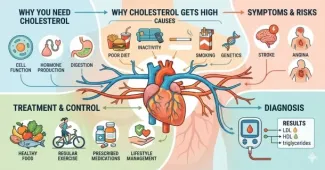
For decades, we’ve been told a simple story: cholesterol is the enemy, eggs are dangerous, and lowering your numbers is the ultimate goal.
But what if the real story behind your heart health is much more complex?
Cholesterol isn't just a random bystander waiting to clog your arteries; it is a vital molecule that builds your cells, fuels your brain, and keeps your hormones balanced.
In fact, standard cholesterol tests often miss the bigger picture entirely. Whether you are dealing with a recent high diagnosis, looking for ways to lower your numbers naturally, or simply trying to separate outdated myths from modern science, this guide breaks down exactly how cholesterol works, what actually causes dangerous plaque buildup, and the precise lifestyle shifts that can protect your heart for good.
What Is Cholesterol and Why Does Your Body Need It?
Cholesterol is a waxy, yellowish-white lipid (fat-like substance) found in every cell of the human body. It is not inherently harmful; in fact, it is a vital molecule necessary for life.
The body uses cholesterol for several essential functions, including:
- Cell Membrane Integrity: It builds and maintains the structural framework of every cell.
- Hormone Production: It serves as the foundational building block for steroid hormones, including cortisol, aldosterone, estrogen, progesterone, and testosterone.
- Digestion: The liver uses it to produce bile acids, which break down and emulsify fats in the intestines.
- Vitamin Synthesis: It facilitates the production of Vitamin D and aids in processing fat-soluble vitamins (A, E, and K).
Why Does the Brain Need Cholesterol?
While the brain makes up only 2% of total body weight, it contains roughly 20% to 25% of the body's total cholesterol.
Within the central nervous system, cholesterol acts as an insulating layer (myelin) for neurons and ensures the proper functioning of neurotransmitters responsible for cellular communication, memory, and mood regulation.
Dietary vs. Blood Cholesterol: Will Eating High-Cholesterol Foods Raise Your Levels?
For the majority of people, consuming dietary cholesterol (found in foods like eggs and dairy) has minimal impact on blood cholesterol levels.
- The Body's Balancing Act: Your body naturally regulates cholesterol. Roughly 67% (two-thirds) of the cholesterol in your blood is manufactured by your liver and cells, while only 33% (one-third) comes from food.
- The Compensation Mechanism: When you consume less cholesterol, your liver increases production; when you eat more, your liver slows production down.
- Hyper-Responders: Approximately 30% of the population possesses genetic traits that make them "hyper-responders," meaning dietary cholesterol can cause a noticeable rise in their blood lipid levels.
How are cholesterols transported?
Cholesterol is transported in the bloodstream through a combination with proteins, as blood is primarily composed of water and cholesterol is a lipid that does not mix well with it. This complex of lipids and proteins is referred to as lipoproteins
Cholesterol in Low-density lipoprotein (LDL) particles are wrongly considered as bad cholesterol. LDL particles transport cholesterol and triglycerides from the liver to peripheral tissues.
Cholesterol contained within high-density lipoprotein (HDL) particles is typically regarded as beneficial, often referred to as "good" cholesterol. HDL particles support reverse cholesterol transport, which is crucial for lowering the risk of heart disease.
Triglycerides are found in the bloodstream and are stored within adipose tissue. They serve as the primary energy source and are among the most prevalent fat types present throughout the body.
Total cholesterol indicates the complete quantity of cholesterol present in all lipoprotein particles throughout the body.
Good vs. Bad Cholesterol: Understanding HDL and LDL
Cholesterol cannot dissolve in water or blood. To travel through the circulatory system, it binds with proteins to form carriers called lipoproteins.
High-Density Lipoprotein (HDL)
Often labeled "good cholesterol," HDL particles collect excess cholesterol from the bloodstream and transport it back to the liver, where it is broken down and excreted. Higher HDL levels are generally linked to better cardiovascular health.
Low-Density Lipoprotein (LDL)
Commonly called "bad cholesterol," LDL particles transport cholesterol from the liver out to the peripheral tissues and cells that require it. However, medical research indicates that LDL is not uniform; it primarily exists in two forms:
- Large, Buoyant LDL: Large, fluffy particles that are typically considered benign and harmless to vascular walls.
- Small, Dense LDL: Smaller, easily oxidized particles. Research suggests that small, dense, oxidized LDL is the variant capable of penetrating arterial walls, contributing to inflammation and plaque buildup (atherosclerosis).
What Causes High Cholesterol (Hypercholesterolemia)?
Elevated blood cholesterol is often a physiological response to underlying system imbalances rather than a standalone disease. Potential high cholesterol causes and contributing factors include:
- High Sugar and Refined Carbohydrate Intake: Diets rich in simple sugars and processed flours cause frequent insulin spikes. High insulin levels activate the enzyme HMG-CoA reductase, triggering the liver to overproduce cholesterol and converting benign LDL into harmful, small, dense oxidized LDL.
- Chronic Inflammation and Infection: The body often increases cholesterol transport to arterial walls as an adaptive mechanism to repair cellular damage caused by inflammation.
- Underlying Medical Conditions: Inadequate thyroid function (hypothyroidism), fatty liver disease, kidney issues, and digestive disorders can impair normal lipid metabolism.
Symptoms, Screening, and Diagnostics of High Cholesterol
High cholesterol is widely known as a silent condition because it typically presents no obvious physical high cholesterol symptoms.
- Who Should Get Tested: Medical guidelines recommend that adults aged 20 and older undergo a baseline lipid panel at least once every five years.
- Standard Lipid Profile: Measures total cholesterol, HDL, LDL, and triglycerides (the most prevalent fat type used for energy storage in the body).
- Advanced Lipid Testing: For a more precise assessment of cardiovascular risk, physicians may request advanced lipid tests that measure the specific particle size and total number of LDL particles, alongside inflammatory markers like C-Reactive Protein (CRP), fibrinogen, and homocysteine.
Managing Cholesterol: Lifestyle Modifications
Modifying daily habits remains a primary and highly effective strategy for optimizing lipid profiles and supporting long-term cardiovascular wellness.
- Nutritional Adjustments: Replace refined carbohydrates and sugars with whole foods to decrease insulin-driven cholesterol synthesis. Incorporate soluble and insoluble fibers to help bind cholesterol in the digestive tract.
- Healthy Fats: Emphasize sources of Omega-3 fatty acids (such as wild-caught fish, flaxseed oil, or cod liver oil) while moderating processed trans fats.
- Physical Activity: Engaging in regular exercise and managing body weight helps elevate cardioprotective HDL levels and lower circulating triglycerides.
- Complementary Approaches: Some individuals incorporate natural supportive strategies, including herbal remedies, stress management techniques like yoga, or acupuncture, alongside standard lifestyle changes.
Is there any alternative treatment for high cholesterol?
The National Center for Complementary and Alternative Medicine has reported that 38% of adults in the U.S. and 12% of children utilize alternative medicine.
Natural remedies for high cholesterol offer an alternative method for managing hyperlipidemia without adverse side effects, targeting the underlying causes. The alternative therapies we explore for elevated cholesterol include herbs, yoga, acupressure, and reflexology.
Are there any complications of high cholesterol?
High cholesterol can lead to several complications, including atherosclerosis, angina, coronary heart disease, heart attacks, heart failure, and strokes. These conditions are primarily a result of chronic inflammation rather than high cholesterol levels.
Individuals with preexisting heart conditions or familial hypercholesterolemia are at a higher risk for these complications.
By properly treating the underlying issues, such as inflammation, infection, liver or kidney problems, or a deficiency in vitamin K2, you can prevent these complications.
Healthy A1C Goal
What is the optimal A1C goal? Healthy non-diabetics HbA1C range is within 4.2-4.6%. Many-experienced diabetics have been achieving this target above range.
Don't think as unattainable by staring up the steps; you must step up the stairs to achieve.

Best A1C target/goal
Fit non-diabetic person’s A1C percentage is always within 4.2 to 4.6%. These numbers are only from individuals who are healthy, non-obese, active, and have a healthy diet.
The A1C result depends upon how well you are maintaining your blood-glucose level. If you are managing your blood sugar at an optimal range of 70-85mg/dl (3.9-4.7mmol/l) at most of the time, then your A1C be in the normal range of 4.2-4.6%.
A1C goal advised by American Diabetes Association (ADA)
- An A1C goal of 6.5% or less is a more stringent goal. This A1C target is for people who do not experience many hypoglycemia episodes. It may be for individuals who have recently been diagnosed with diabetes.
- The A1C goal of 7% is reasonable. This A1C target is for many adults with diabetes who are not pregnant.
- The A1C goal of 7.5% is for children with diabetes (0 to 18 years old). Children, younger than six years may be unable to recognize hypoglycemia symptoms.
- An A1C goal of 8% or less is considered a less stringent goal. This A1C target may be for people with severe hypoglycemia experience. It may be for individuals who have many years of diabetes and who have a low life expectancy.
A1C goal advised by Canadian Diabetes Association (CDA)
- An A1C target of 6.5% or less is for type 2 diabetes to lower nephropathy and retinopathy risk. They must balance against hypoglycemia risk.
- The A1C goal of 7.1-8.5% is for those who have longstanding diabetes with a history of recurrent severe hypoglycemia. And for those who have a limited life expectancy. This target is for those who are hard to achieve an A1C ≤7%. That too, after effective doses of multiple anti-hyperglycemic agents, including intensified basal-bolus insulin therapy.
A1C goal advised by the Australian Diabetes Society (ADS)
- A1C goal of 6% or less is for people with short-duration diabetes, without cardiovascular disease, and managing with lifestyle change.
- A1C goal of 6.5% or less is for people with short-duration diabetes managing with anti-diabetic agents. And for individuals who control diabetes with insulin.
- An A1C goal of 7% or less is for people with long-duration diabetes or cardiovascular disease.
- An A1C goal of 8% or less is for people with recurrent severe hypoglycemia or hypoglycemia unawareness.
A1C goal suggested by Dr. Richard K. Bernstein
One of the secrets of life is to make stepping-stones out of stumbling blocks. ~Jack Penn
Dr. Richard K. Bernstein is a physician and type 1 diabetes advocating a low-carb diet to help achieve normal blood sugars. He is the author of the book "Diabetes Solution." On page 54 of the 3rd edition of this book, he declared his A1C is consistently 4.5%. Additionally, his patient’s normal A1C range is from 4.2 to 4.6%.
Then, why even after the most considerable effort most of us have A1C of 5.2 to 5.6%. You may be lean, healthy eating, exercising, and caring teeth & gums (source of infection), then why not able to achieve the A1C goal? What could go wrong? Other infections, sleep deprivation, or stresses might prevent you from reaching your A1C goal.
A1C less than 4.2% is unusual and only when people have anemia or other RBC abnormality.
People with diabetes on insulin or sulfonylureas may experience hypo if they prefer a healthy A1C goal. So, the American Diabetes Association set a goal of 7.0% for these individuals.
Those who do not take insulin or sulfonylureas can achieve A1C below 5%.
An A1C of 7% is equivalent to an average blood sugar level of 180 mg/dl. It is more than double of the normal range. Long-term A1C of 7% may lead to various diabetes complications.
A1C target suggested by Clinical Studies
A study showed A1C less than 5% had the lowest rates of cardiovascular disease (CVD). Moreover, any number over 5% increased CVD risk. Reference: Association of hemoglobin A1C with cardiovascular disease and mortality in adults: the prospective European investigation into cancer in Norfolk. Annals of Internal Medicine 2004 Sep 21; 141(6):413-20.
Another study showed a stronger correlation between A1C and CVD. There is a linear increase in CVD as A1C raise above 4.6%, corresponding equivalent BS of 86 mg/dl. It also showed heart disease risk among non-diabetics doubled for a 1% rise over 4.6%. Reference: Glycemic control and coronary heart disease risk in persons with and without diabetes: the atherosclerosis risk in communities study. Archives of Internal Medicine 2005 Sep 12; 165(16):1910-6.
From the above studies, you can understand any number above 4.6 or 5% is not healthy, whether you have diabetes or not. If you want to be healthy and expect a reasonable life expectancy, then you should try to achieve an A1C of below 5%.
What should be my HbA1c level?
The clinical studies, as well as Dr. Richard K. Bernstein's experience, confirm an A1C target of 4 to 4.6% is the best. This goal helps to avoid diabetes complications and provides the longest life expectancy.
Non-diabetic A1C is usually between 4.0 to 5.0%. For diabetics, both type 1 & 2, A1C target should be <5.0%. A1C levels above 5.0% increase your risk towards diabetes complications.
People with diabetes should lower their HbA1c levels. However, the hypoglycemia risk is high, if you try achieving A1C below 4.6%.
How damaging or dangerous is a hemoglobin A1C of over 8?
An A1C of over 8% is surely not okay. At the same time, it does not mean you are going into ketoacidosis, coma, or die! However, you should take it seriously as a danger alarm.
A1C of 8% does not mean your kidneys are going to fail, your heart stop working, or you are going to be blind tomorrow. However, it might happen if it stays there for years.
Many have an A1C close to or even more than 8% when first diagnosed as diabetic. It is possible to bring under 7% in just three months and then below 5% if you put in consistent effort. You should strive to take it below 7% at your earliest. High levels for months are dangerous; still, you have time to turn around.
How frequently, do I have to test my A1C?
Once diagnosed with diabetes, it is nice to have at least four A1C tests per annum. If you are health conscious, then it is up to you to test A1C even monthly until it reached your target by modifying the treatment regimen. Do not forget; your A1C decides your risk for diabetes complications.
If you reached your stabilized target A1C, then take the A1C test two to four times yearly.
If your A1C is on the higher side, do not panic, you can lower it with consistent effort. You can learn more by visiting a lower A1C level.
A1C Benefits
What are the A1C diabetes benefits? A1C test help better assesses diabetes; its management and prevent diabetes complications.

6 Benefits of A1C in Diabetes Control
Blood glucose and A1C tests have many advantages that help people with diabetes achieve their target.
- Useful to cross-check self-testing results - A1C tests help, how correctly you are doing self-monitoring. Many errors in your home glucose test became known and helped you to correct them. Thus value for your money, time, and efforts.
- Assess diabetes treatment - Help confirm whether the treatment regimen suits you or needs modification. If your A1C result is not within the target, then you need to change for effective diabetes treatment.
- Help to fix healthy choices - A1C helps assess your diabetes medication. Additionally, contribute to evaluating other lifestyle changes you have just adopted.
- Improves diabetes treatment - Once you have achieved your A1C target. Try achieving the next stringent goal by enhancing the treatment.
- Help to avoid diabetes complications - Achieving a good A1C range stops various diabetes complications. Common among them are nerve damage, eye & oral problems, heart attack, sexual dysfunction, and depression.
- Diagnose pre-diabetes & diabetes – A1C is a useful tool for early diagnosis of pre-diabetes and diabetes. Additionally, it helps to change your lifestyle to stop its progression towards diabetes.
The wise man forgets insults as the ungrateful forget benefits. ~ Chinese Proverb
A1C Use in Diabetes Diagnosis
International Organization recommends A1C as one of the tests for diabetes and pre-diabetes diagnosis.
You know type 2 diabetes progress for months before full-blown diabetes. During this time, your blood glucose level may fluctuate, and you may miss out on the high level. A1C shows the 3-month average, thus helping early diagnosis of diabetes.
Impaired glucose tolerance and fasting glucose tests are still necessary tests for a diabetes diagnosis. It is because A1C has drawbacks due to anemia or other conditions that result in false low or high.
An A1C test percentage result is useful in diabetes diagnosis. The resulting range and its meaning are:
- Optimal: 4.1-4.6%,
- Sub-optimal: 4.7-5.1%,
- Normal: 5.2-5.6%,
- Pre-diabetes: 5.7-6.4%,
- Diabetes: 6.5% & over.
How practical is the A1C test for diabetes diagnosis?
Diabetes and pre-diabetes screening with A1C test differ from oral glucose tolerance tests (OGTT). The proposed A1C diagnostic criteria are insensitive and race-wise disagreeable for detection. It might miss most Americans with undiagnosed diabetes and pre-diabetes. Reference: "Screening for Diabetes and Pre-Diabetes with Proposed A1C-Based Diagnostic Criteria." Diabetes Care 2010 Oct; 33(10): 2184-2189.
Advisable to use A1C, Fasting blood glucose and OGTT combination for early diabetes diagnosis.
A1C test sensitivity limits its applicability for a diabetes diagnosis. It might miss or delay the diagnosis of type 2 diabetes. OGTT is also failing to identify a vast number of individuals with A1C of more than 6.5%.
Studies confirm A1C's importance to avoid diabetes complications.
Popular studies DCCT, UKPDS, EDIC & EPIC-Norfolk, confirms the link between A1C and diabetes complications.
Popular studies establish the connection between A1C and diabetes complications; they are:
- The Diabetes Control and Complications Trial (DCCT) Study Findings; Intensive BS control reduces the risk of eye disease by 76%, kidney disease by 50%, and nerve disease by 60%. In participants who had eye damage at the beginning of the study, stringent control slowed its progression by 54%.
- The United Kingdom Prospective Diabetes Study (UKPDS) showed a continuous relationship between the risks of microvascular complications and glycemia. For every percentage decrease in Hba1c (e.g., 9 to 8%), there was a 35% reduction in the risk of complications.
- The epidemiology of Diabetes Interventions and Complications (EDIC) Study shows intensive BS control reduces diabetes complications. It is shown to reduce the risk of cardiovascular disease by 42%, and nonfatal heart attack, stroke, or death from cardiovascular causes by 57%.
- Norfolk cohort of European Prospective Investigation of Cancer and Nutrition (EPIC-Norfolk) Study shows people with 6% compared to those with a 5%, had a 28% increase in cardiovascular death.
A1C of 8% for the last 5 years may have a lesser risk than A1C of 7% for the last 20 years. The risk is a product of these two factors A1C and length of time.
HbA1C is the only parameter used in all studies. It is a gold standard shown to correlate well with the risk of complications. Another critical factor is duration.
Is there any proof that lowering A1C can reduce the chances of complications?
Studies of DCCT & UKPDS showed A1C lowering slows or prevents the development of nerve, eye, and kidney disease. The studies also showed that people with diabetes lower their A1C by any amount would improve their health.
A 1% reduction in A1C has been shown to lower the risk of many complications by 37% in people with diabetes.
Carbohydrate Metabolism
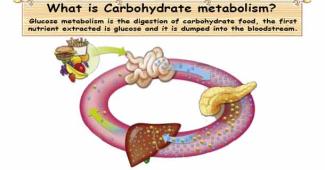
Glucose metabolism is the digestion of carbohydrate food, the first nutrient that extracts out is glucose (or sugar) and released put into the bloodstream.
What are carbohydrates?
Carbohydrates are sugars and starches, provides energy to the body needed for its various activities. Energy can also be from the fats we eat. Some familiar carbohydrate sources are bread, potatoes, rice, pasta, cereals, and sugars.
What is Glucose (Carbohydrate) metabolism?
Carbohydrate metabolism is the process your body uses to make energy from the carbohydrate food you eat.
Digestion of carbohydrates is by mechanical (chewing in the mouth) and chemical (enzyme’s secretion by the body) process of digestion.
Carbohydrates are broken down into glucose by the saliva and gut.
Once the food reaches the mouth, saliva secretion contains an enzyme (amylase or ptyalin secretion by parotid glands) that begins the breakdown of carbohydrate. This breakdown process continues, and glucose separates in the stomach. Once the food reaches the small intestine, glucose absorption takes place and released into the bloodstream for energy needs.
Also, proteins in the meal broken down into glucose to some degree, but this process is prolonged than from carbohydrates.
Pancreas role in Carbohydrate Metabolism
The blood sugar level in the blood is controlled by three hormones namely insulin, glucagon, and epinephrine.
After digestion, the small intestine absorbs the available glucose in the food and releases into the bloodstream. So the blood-glucose level in the blood rises. The pancreas responds to this by releasing stored insulin. Insulin allows glucose from the blood to be used for energy by the body’s cells. Also, muscles and the liver store excess glucose as glycogen.
Insulin in blood instructs (message or comment)
- The liver to stop releasing glucose into the bloodstream,
- The body cell to begin consuming glucose in the bloodstream for energy.
Liver in Glucose Metabolism
The process of conversion of glucose into glycogen is called glycogenesis.
Once the necessary glucose consumption is over. And if there, is any excess glucose still available in the bloodstream then the liver starts converting it into glycogen and stored in it and skeletal muscle for the future needs.
Glycogen to glucose conversion
The process of conversion of glycogen to glucose is called glycogenolysis.
If you are not taking food for a prolonged time, then the blood glucose level drops. Your body cells need glucose for energy, so the liver starts to convert the stored glycogen into glucose and releases it into the bloodstream.
Glucose metabolism and diabetes
In type 2 diabetes, the effectiveness of insulin reduced called insulin resistance, and in type 1 diabetes, insulin levels in the body are deficient or no insulin.
If there is any problem or deficiency in glucose metabolism - whether it is glucose absorption, insulin secretion, glucose use, glucose storage, or releasing stored glucose. This minor deficiency in glucose metabolism will progressively develop diabetes.