
Hypoglycemia Treatment
Hypoglycemia treatment is to increase the blood-glucose level back to normal by consuming glucose rich food.
Hypoglycemia management
If have any of the hypoglycemia signs and symptoms, check the blood-sugar/glucose level. If the level is 70 or below, hypoglycemia is confirmed and needs to manage hypoglycemia right away with consuming one of the following:
- three or four glucose tablets
- 1 serving of glucose gel (equal to 15 grams of carbohydrate)
- 1/2 cup (four ounces) of any fruit juice
- 1 cup (eight ounces) of milk with sugar
- 1/2 cup (four ounces) of a regular (not diet) soft drink
- five or six pieces of hard candy
- one tablespoon of sugar or honey
Recommended amounts may be less for small children, consult your doctor for advice about the right amount.
Follow up action in Hypoglycemia treatment
After 15 minutes, check your blood-glucose again to make sure your level is 70 or above. Repeat these steps as needed. Once your blood-glucose is stable, if it is at least an hour before your next meal, have a snack.
If you take insulin, keep a glucagons kit at home and at a few other places where you go often. Give glucagon as an injection with a syringe to quickly-raise the blood-glucose. Show your family, friends, and co-workers how to give you a glucagon injection if you pass out because of hypoglycemia.
People with diabetes should get to know their signs and symptoms and describe them to their friends, family members, co-workers, co-staffs, so they can help if needed. School staff & nurses should be told how to recognize a child’s signs and symptoms of hypoglycemia and how to treat it.
Prevent hypoglycemia episodes
If you are experiencing hypoglycemia frequently, then consult, your doctor for.
- change in medicine dosage
- change of type of diabetes medication
- Diet change
Hypoglycemia treatment for Acarbose or Miglitol users
Only pure glucose (also called dextrose) in tablet or gel form—will raise their blood-glucose level during a hypoglycemia episode. Other quick-fix foods and drinks will not raise the level quickly enough because these medications slow down the digestion of other forms of carbohydrate.
Why is my Hypoglycemia treatment crazy?
Some individuals with diabetes type 1, especially children respond very strongly to both for insulin as well as carbs. Therefore, if you are trying to correct their hypo (low sugar) with 15 grams of carbs (as suggested by most institutions) can take them from hypo to hyperglycemia. Thus, once again you need to cut down the amount of carbs to normalize their blood-sugar level.
For example, if you are trying to treat your child’s hypo sugar level of 65 mg/dl (or 3.58 mmol/l) with 15 grams of a carb may shoot up sugar level to as high as 290 mg/dl (or 15.59 mmol/l) if your child produces a 15-point rise for each carb gram.
That is 15 (point rise of BS per carb gram) x15 (grams of carbs) +65 (hypo number) =290 mg/dl.
Every individual behaves differently for both insulin and the carb they ingest. However, there is a relation exists between the body weight and insulin sensitivity; this is the thump rule for the first hypo treatment. Based on your body’s reaction you can then modify it to suit your individual requirement.
The thump rule for calculating the carb requirement for your hypo is:
700 / your body weight in pounds
Additionally, your blood sugar rise per gram of carbohydrate is varying with your body weight, insulin sensitivity and age. Therefore, you need to modify your carb intake for hypo treatment based on your own experiences.
Hypoglycemia Test
If experience hypoglycemic symptoms, then confirm it by measuring the sugar/glucose level in blood. If it is lower than 70 mg/dl, it is an indication for hypoglycemia.
Glucometer Hypoglycemia test
Home glucose monitors, which are used by people who have diabetes, may be useful to evaluate possible hypoglycemia. However, a low blood-sugar reading needs to be confirmed by these formal laboratory tests, if needed.
Blood sampling site for hypoglycemic test
Test Site: Blood sample taken from the fingertips reflect your “real time” glucose levels, whereas the glucose levels in alternate sites take 20 to 30 minutes to catch up. Therefore, if you feel that your blood-glucose level may be low, you should test your levels by drawing a sample from your fingertip so you do not get a false reading. The same rule applies when you have treated hypoglycemia with a snack: A fingertip reading will more accurately tell you whether you are successfully treating.
Hypoglycemia stages & Blood-sugar levels
- Blood-sugar/glucose levels between 70 and 99 mg/dL.
- Blood-sugar/glucose level just below 70 mg/dl - mild hypoglycemia
- Blood-sugar/glucose level below 55mg/dl - moderate hypoglycemia
- Blood-sugar/glucose level drops below 35 to 40 mg/dl - severe hypoglycemia, which is fatal if emergency treatment not provided.
Urine test for hypoglycemia diagnosis
A urine test may require looking for substances called ketones that the body produces when it breaks down fat for energy. Insulin prevents the production of ketones. If you have been low blood-sugar from too much insulin, your body will not produce ketones. In people who have a normal insulin release, prolonged fasting causes a drop in insulin and an increase in ketone production.
T2D Combination Medicine
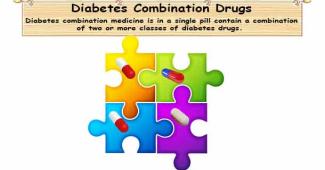
Diabetes combination medication is in a single pill contain a combination of two classes of diabetes drugs.
There are numerous combinations available in the market that best suitable for your specific need. Additionally, it can lower your overall cost as well as strain to taking the multiple tablets.
Metformin is the standard drug in all these pills because it safely lowers glucose production in the liver without any hypoglycemia risk. Additionally, it improves lipid profiles without causing weight gain.
Combination Therapy with Oral Antidiabetic Agents
- Combination: Metformin and glipizide (Brand name: Metaglip)
- Combination: Rosiglitazone and glimepiride (Brand name: Avandaryl)
- Combination: Pioglitazone and metformin (Brand name: ACTOplus Met, ActoPlus Met XR)
- Combination: Metformin and glyburide (Brand name: Glucovance)
- Combination: Rosiglitazone and metformin (Brand name: Avandamet)
- Combination: Pioglitazone and glimepiride (Brand name: duetact)
- Combination: Sitagliptin and metformin (Brand name: Janumet, Janumet XR)
- Combination: linagliptin and metformin (Brand name: Jentadueto)
- Combination: metformin and saxagliptin (Brand name: Kombiglyze XR)
- Combination: metformin and repaglinide (Brand name: PrandiMet)
What can you expect from combination diabetes medication?
Combinations of two different classes of a drug can provide some improved blood-glucose control and improved patient’s compliance.
- Metaglip – a combination of metformin and glipizide can decrease FBG by up to by 56.5 mg/dL or 3.139 mmol/l and A1C by up to 2.15 % on average. People taking glipizide or metformin alone did not decrease this much.
- Avandaryl – is a combination of rosiglitazone and glimepiride. It can decrease FBG by up to by 80 mg/dL or 4.445 mmol/l and A1C by up to 2.5 % on average. People taking rosiglitazone or glimepiride alone as monotherapy did not have this much reduction in BS.
- ACTOplus Met, ActoPlus Met XR – a combination of pioglitazone and metformin can decrease FBG by up to by 42.8 mg/dL or 2.378 mmol/l and A1C by up to 0.64 % on average. People taking Pioglitazone or metformin alone did not decrease this much.
- Glucovance – a combination of metformin and glyburide can decrease FPG by up to 60 mg/dl or 3.333 mmol/l and hemoglobin A1C by 1.7 to 1.9%. People taking glyburide or metformin alone did not decrease this much.
- Avandamet – a combination of rosiglitazone and metformin can decrease FBG by up to by 74 mg/dL or 4.111 mmol/l and A1C by up to 2.3 % on average. People taking rosiglitazone or metformin alone did not decrease this much.
- Duetact – is a combination of pioglitazone and glimepiride. It can decrease FBG by up to by 56.1 mg/dL or 3.117 mmol/l. And A1C by up to 1.67 % on average. However, pioglitazone or glimepiride alone as monotherapy did not have this much effect.
- Janumet, Janumet XR – a combination of sitagliptin and metformin can decrease FBG by up to by 64 mg/dL or 3.556 mmol/l and A1C by up to 2.3 % on average. People taking sitagliptin or metformin alone did not decrease this much.
- Jentadueto – a combination of linagliptin and metformin can decrease FBG by up to by 72 mg/dL or 4 mmol/l and A1C by up to 2.0 % on average. People taking linagliptin or metformin alone did not decrease this much.
- Kombiglyze XR – a combination of metformin and saxagliptin can decrease FBG by up to by 60 mg/dL or 3.333 mmol/l and A1C by up to 2.5 % on average. People taking metformin or saxagliptin alone did not decrease this much.
- PrandiMet – a combination of metformin and repaglinide can decrease FBG by up to by 56.1 mg/dL or 3.117 mmol/l and A1C by up to 1.67 % on average. People taking metformin or repaglinide alone did not decrease this much.
Hypoglycemia Causes
Hypoglycemia occurs due to a number of reasons, the most common being a side effect of drugs used for the treatment of diabetes.
What causes Hypoglycemia?
There are numerous causes for hypoglycemia, chief among them are.
- on fasting, or meals/snacks; skipped, delayed or taken in a small quantity,
- taking too much diabetes medicine,
- more exercising or physical activity than usual,
- too many alcoholic beverages or have at an empty stomach
- Sometimes, medicines you take for other health problems.
Hypoglycemia can make you feel weak, confused, irritable, hungry, or tired. You may sweat a lot or get a headache.
Hectic physical activity or exercise may cause hypoglycemia.
Physical activity has many benefits for people with diabetes, including lowering blood-glucose levels. However, it may even cause hypoglycemia up to 24 hours afterwards of hectic exercise, so.
- checking blood-glucose before sports, exercise, or another physical activity and having a snack if the level is below 100 milligrams per deciliter (mg/dL)
- adjusting medication before physical activity
- checking blood-glucose at regular intervals during extended periods of physical activity and having snacks as needed
- Checking blood-glucose periodically after physical activity (hypoglycemia can even happen after a day of intensive physical activity).
Some Oral pills may cause hypoglycemia.
- Sulfonylurea (chlorpropamide (Diabinese), glimepiride (Amaryl), glipizide (Glucotrol, Glucotrol XL), glyburide (DiaBeta, Glynase, Micronase), tolazamide, tolbutamide)
- D-Phenylalanine Derivative (nateglinide (Starlix))
- Meglitinide (repaglinide (Prandin))
- DPP-4 Inhibitor (sitagliptin (Januvia))
Certain combination pills can also cause hypoglycemia that contains any of the above said products, such as glipizide, glyburide, glimepiride, glimepiride, or sitagliptin.
Some injectable medications may cause low sugar.
- Pramlintide (Symlin), which is used along with insulin
- Exenatide (Byetta) can cause hypoglycemia when used in combination with chlorpropamide, glimepiride, glipizide, glyburide, tolazamide, and tolbutamide.
Any pills or injectable medicine that increases insulin production may cause the risk of hypoglycemia.
Hypoglycemia Symptoms
Symptoms of hypoglycemia may vary because low blood sugar can be mild, moderate, or severe.
In healthy people, fasting blood-glucose levels are usually between 70 and 99 mg/dL.
Mild Hypoglycemia Symptoms
Symptoms of mild hypoglycemia usually develop, when the blood-sugar level falls below 70 mg/dL. These symptoms may include:
- heavy hunger,
- nausea
- sweating, cold, clammy even without any physical activity
- rapid heartbeat
- trembling
- numbness sensation
Moderate Hypoglycemia Symptoms
If the blood-glucose level falls below 55 mg/dl, the nervous symptoms will start appearing:
- Irritability, anxiety, restlessness, or anger
- Confusion, thinking difficulty, or concentration difficulty
- Blurred vision, dizziness, lightheadedness or headache
- Lack of energy, feels weak, Fatigue, lethargy, or drowsiness
- Poor coordination and difficulty walking
- Talking difficulty - staggering or slurred speech
Severe Hypoglycemia Symptoms
If the blood-glucose level falls below 35-40 mg/dl, it is fatal and the symptoms are.
- Drop in body temperature.
- Seizures or convulsions
- Unconsciousness, coma
If emergency treatment not provided for severe hypoglycemia can cause irreversible brain damage, heart problems and can be fatal.
Hypoglycemia Symptoms during Sleep
- crying out or having nightmares,
- too much perspiration,
- feeling tired, irritable, or confused after waking up
Diabetes Test
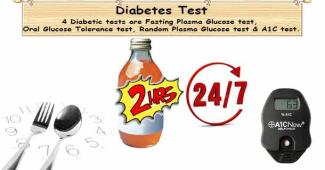
All forms of diabetes, including prediabetes, type 1, type 2, and gestational diabetes, can be diagnosed and tracked with the help of a diabetes blood test.
Blood glucose units: Basically, there are two measurement units in use for blood glucose measurement; they are:
- Milligrams per deciliter (mg/dl) unit measures milligrams (mg) of glucose per deciliter (dL) of blood. The blood glucose level in mg/dl is the unit used in the United States.
- Millimoles per liter (mmol/L) is a unit measuring the millimoles (mmol) concentration of glucose per liter (L) of blood. Most of the world (except the United States) uses this unit.
What is a diabetes test?
A diabetes test is a simple blood test used to diagnose or monitor diabetes. It measures the glucose or sugar level in the plasma or blood.
- Fasting plasma glucose (FPG) test: The FPG test measures glucose level after fasting for at least 8 hours. This test is useful to detect all types of diabetes. For the FPG test, you must have been fasting for at least 12 to 14 hours (must not eat or drink anything except water for 12 to 14 hours). Thus, this test is convenient to carry out in the morning.
- Oral glucose tolerance test (OGTT): The OGTT measures blood glucose after 8 hours of fasting and 2 hours after the person drinks a glucose-containing beverage.
- Random plasma glucose test - It is also called a casual plasma glucose test; it does not require fasting or worrying about what we have eaten. This test with symptom assessment is used to diagnose diabetes but not pre-diabetes. However, once a random plasma glucose test is confirmed, diabetes needs to be reconfirmed by FPG or OGTT.
- Glycated hemoglobin A1C test: This HbA1C test does not require fasting or the need to drink anything and can be taken at any time at your convenience. This test provides the mean blood glucose level for the last 2 to 3 months. Thus, helps assess, how well or worse your diabetes treatment is responding.
What is the fasting blood sugar test?
Fasting triggers a glucagon hormone when there is no longer enough glucose in the blood for energy. The pancreas produces glucagon hormone that instructs the liver to convert stored glycogen to glucose and release it into the bloodstream for energy requirements.
Once the liver releases glucose into the bloodstream, the healthy body responds quickly by releasing insulin to prevent hyperglycemia (high blood glucose). However, for diabetics, there is insufficient insulin secretion or improper use of available insulin, thus glucose levels stay elevated.

What is Oral glucose tolerance?
The oral glucose tolerance test assesses the body's ability to tolerate the consumption of a certain amount of glucose. Specifically, it measures the body's ability to use blood glucose. OGTT provides details about how quickly glucose is absorbed from the bloodstream. The test is carried out after one hour and two hours of having a glucose beverage say 75mg.

What is a Random blood glucose test?
The Random blood glucose test assesses the blood sugar level at any time of the day. No fasting is required and no worry about what you have eaten.
A level of 200 mg/dl or higher is an indication of diabetes. Additional tests such as fasting blood glucose, oral glucose tolerance test, and or a1c test are required to confirm diabetes diagnosis.
Even if the results are within the normal range, your doctor may order additional tests if you have diabetes risk factors or symptoms.
Also, if the test result confirms diabetes at the borderline level, then the doctor may order another test on another day to reconfirm diabetes.
T2D Medicine DPP-4 Inhibitor (Januvia)

Januvia (DPP-4 inhibitor) lowers blood-glucose by helping body to make more insulin when needed. In addition, it stops the liver from putting glucose into the blood.
DPP-4 inhibitor or gliptin works by increasing the amount of insulin released by your body and decreasing the amount of sugar made by your body. Dipeptidyl-peptidase 4 inhibitors preferentially target postprandial glucose excursions; however, it also shows to reduce fasting plasma glucose levels.
Dipeptidyl-Peptidase 4 Inhibitors mechanism of action
DPP-4 inhibitors work by increasing incretin levels (GLP-1 and GIP) this inhibits glucagon release, which increases insulin secretion, delay gastric emptying, and decreases blood-glucose levels.
Dipeptidyl-Peptidase 4 Inhibitors diabetes medications
- Generic Name: Linagliptin (Brand Name: Tradjenta)
- Generic Name: Saxagliptin (Brand Name: Onglyza)
- Generic Name: Sitagliptin (Brand Name: Januvia)
- Generic Name: Alogliptin (Brand Name: Nesina)
DPP-4 inhibitor’s dosage
The recommended dose is 5 mg once daily, can be taken with or without food.
Side effects of DPP-4 inhibitors
Long-term side effects of DPP-4 inhibitors on mortality and morbidity are so far inconclusive.
Although adverse effects include:
nasopharyngitis (the common cold),
headache, nausea,
hypersensitivity, and
skin reactions have observed in clinical studies.
What can you expect for DPP-4 inhibitors?
DPP-4 inhibitors can lower your A1C by 0.5 to 1.0%, fasting plasma glucose level by 11 to 22 mg/dL or 0.611 to 1.222 mmol/l, postprandial glucose level by 24 to 35 mg/dL or 1.333 to 1.944 mmol/l. There is no change in lipid, no hypoglycemia, no weight gain. A greater reduction in blood glucose levels is in the case of higher baseline A1C level (i.e., A1C ≥ 9.0%). However, the history of previous, glucose-lowering treatment generally results in a smaller reduction in blood glucose levels.
Who can benefit from DPP-4 inhibitors?
While they do not lower glucose as much compared to existing therapies, they offer many potential advantages. It can achieve sustainable reductions in HbA1c with a low risk of hypoglycemia and no weight gain. It can administer as a once-daily oral dose.
Who should avoid using DPP-4 inhibitors?
Avoid Januvia, if you are pregnant or breast-feeding, having kidney disease, or type 1 with diabetic ketoacidosis.
When compared to sulfonylurea, DPP4 inhibitor is safer with lesser hypoglycemic episodes. However, in combination with other drugs, it has a somewhat higher rate of hypoglycemia. DPP-4 has an association with the immune system; it thought to inhibit it and might impair the immune system. Thus, increase the risk of upper respiratory infection (6.3%) and nasopharyngitis (inflammation of the nose and pharynx in 5.2%).
Primarily, the kidneys break it down and in a small extent by the liver; so the potential for it to interact with other drugs is relatively low. Thus, DPP-4 inhibitors (only in reduced doses) are safe for treating patients with moderate and severe renal failure.
The most worrying side effects are:
allergic reaction causing anaphylaxis,
low blood pressure, and
angioedema, swelling of the tongue, face, and throat.
T2D Medicine Alpha Glucosidase Inhibitors

Alpha-glucosidase inhibitors are diabetes medication, which slows down carbohydrate digestion and limits blood-glucose rise after food, a common problem in diabetics.
Take this medication with your main meals; it decreases postprandial glucose without causing hypoglycemia. Alpha-glucosidase inhibitors are suitable as mono-therapy or in combination with sulfonylureas for management of type 2 diabetes. It can have synergistic effects when in use with other diabetic drugs and may combine well with insulin.
In patients with abnormal renal function, acarbose can safely use. If diabetes is still not well controlled, insulin is required.
Alpha-glucosidase inhibitor’s mechanism of action
Alpha-Glucosidase inhibitors work by inhibiting alpha-glucosidase, an enzyme located in the proximal gut (small-intestinal) epithelium. This enzyme breaks down disaccharides and carbohydrates that are more complex. Through this enzyme inhibition, this drug delays intestinal carbohydrate absorption, thus attenuating postprandial glucose excursions.
Alpha-glucosidase inhibitor’s diabetes medications
- Generic name: Acarbose (Brand name: Glucobay, Prandase in Canada, Philippines, United Kingdom, India, Australia and other countries; Acarbose Emcure, Acarbose Strides Arcolab, Acarbose Watson, Acarbose, Precose in United States; Acarex, Asucrose, Diabose, Glucar, Glucobay, Gludase, K-Carb, Rebose in India)
- Generic name: Miglitol (Brand name: Glyset; Diamig, Elitox, Euglitol, Miglit, Mignar, Migtor, Misobit in India; Glycet in the United States)
Alpha-glucosidase inhibitor’s dosage
The initial dose is 50 mg/day and titrates accordingly, usual dose 50 to 100 mg during main meals and a maximum dose 100 mg three times a day.
Side effects of alpha-glucosidase
Side effects of alpha-glucosidase inhibitors include flatulence (77%), diarrhea (33%), and abdominal discomfort (21%). Slow titration may attenuate these gastrointestinal adverse effects over time.
What can you expect for Alpha-glucosidase inhibitors?
As a mono-therapy, alpha-glucosidase inhibitors can decrease your fasting plasma glucose (FPG) by 20 to 30 mg/dl or 1.11 to 1.67 mmol/l and hemoglobin A1C by 0.7 to 1%. Additionally, it decreases your post-prandial glucose by 30 to 70 mg/dl or 1.67 to 3.89 mmol/l. It has a minimal effect on cholesterol and body weight.
Who can benefit from Alpha-glucosidase inhibitors?
Alpha-glucosidase inhibitors are particularly useful in postprandial hyperglycemia. It effectively reduces your blood glucose spikes immediately after meals.
Who should avoid using Alpha-glucosidase inhibitors?
Alpha-glucosidase inhibitors are contraindicating in patients with:
- inflammatory bowel disease,
- partial intestinal obstruction,
- a predisposition to intestinal obstruction,
- colonic ulceration, and
- other gastrointestinal disorders.
Acarbose may elevate liver function; therefore, monitor hepatic enzymes every three months for one year, after that periodically. However, miglitol excretes primarily by the kidneys, thus use with caution in moderate to severe renal failure.
This drug has a link with dose-dependent hepatotoxicity, so monitor liver function tests in patients who receive high dosages of this medication (more than 50 mg three times daily). Transaminase elevations are reversible with discontinuation of this drug. Serum transaminase levels should check every three months for the first-year patients taking the medication and periodically after that. It might bind with other agents such as cholesterol medications “cholestyramine” should take two to four hours apart to avoid its interactions. Intestinal absorbents and digestive enzyme preparations should not take with this medication.
Hypoglycemia
Hypoglycemia, also called low blood-glucose occurs when glucose level drops below required levels. Glucose, an important source of energy for the body, comes from food (carbohydrates).
What is Hypoglycemia?
After a meal, carbohydrate is broken down to glucose, absorbed into the bloodstream, and carried to the body’s cells. On seeing, the glucose level in blood, pancreas secret’s insulin (a hormone) with respect to the level of glucose in blood and help the cell to consume glucose for its energy.
Excess of glucose from food is converts into glycogen or fat and stored in liver or fat cells. The body can use glycogen for energy between meals. Fat can also be used for energy. When blood-glucose begins to fall, glucagons (another hormone) made by the pancreas, signals the liver to break down glycogen and release glucose into the bloodstream. Glucose level in blood will then rise toward a normal level. In some people with diabetes, these glucagons are impaired and other hormones such as epinephrine (or adrenaline) may raise the blood-glucose level. However, if the diabetes is treated with insulin or pills, then this helps to increase the insulin production, thus the glucose levels maintain in the normal range without any rise.
Hypoglycemia complications
Hypoglycemia can happen suddenly. It is usually mild and can be treating quickly and easily by eating or drinking a small amount of glucose-rich food. If left untreated, hypoglycemia can get worse and cause confusion, clumsiness, or fainting. Severe hypoglycemia can lead to seizures, coma, and even death.
Hypoglycemia can also result, from other medications or diseases, hormone or enzyme deficiencies, or tumors.
T2D Medicine Thiazolidinedione

Actos, Avandia (Thiazolidinedione) diabetes medicines help the body to utilize the insulin properly; thus blood-glucose level stay on target and body cells get the energy they needed.
Thiazolidinedione increases insulin-stimulated glucose uptake in skeletal muscle cells. In addition to lowering glycemia, these agents modestly
- reduce blood pressure,
- increases high-density lipoprotein cholesterol (HDL),
- decreases triglyceride,
- enhance fibrinolysis, and
- improve endothelial function.
Thiazolidinediones are suitable as a monotherapy and in combination with metformin, sulfonylureas, and insulin. Combining two sensitizers of different drug classes (pioglitazone and metformin or rosiglitazone and metformin) produces additional benefits. They can combine with another class of drugs (sulphonylureas or metformin) to improve glucose control.
Thiazolidinedione’s mechanism of action
Thiazolidinediones acts primarily by improving insulin sensitivity in muscle and adipose tissue and inhibit hepatic gluconeogenesis.
They act on the peroxisome proliferator-activated receptor-gamma (PPAR-γ) which regulates the transcription of insulin-responsive genes and fatty acid metabolism. Improvement in glycemic control may be apparent after six weeks of treatment and maximal effect up to six months.
Thiazolidinedione’s diabetes medications
- Generic name: Pioglitazone (Brand names: Actos in Australia, United Kingdom, Philippines, United States, Canada; Diabetone, Glitaz, Glitter, Glucozone, Insulact, Piotaz, Piouno, Piozar, Piozone, PPAR, Prialta, Pyoglit, Zolid, Zypi in Philippines; Diavista, Glito, Glizone, G-Tase, K-Pio, Lita, Path, Pepar, P-Glitz, Pioglar, Pioglaz, Pioglit, Pionorm, Pio-Q, Piostar, Piosys, Piotrol, Pioz, Piozed, Piozone, Pizorad, Pozitiv, Radizone, Zipio in India; Apo-Pioglitazone, CO Pioglitazone, Gen-Pioglitazone, Pioglitazone Hydrochloride Accord, PMS-Pioglitazone, ratio-Pioglitazone, Sandoz Pioglitazone in Canada; Pioglitazone Consilient in United Kingdom)
- Generic name: Rosiglitazone (Brand names: Avandia in Australia, Canada, United States, United Kingdom, and other countries)
Thiazolidinedione dosage
Rosiglitazone minimum dose is 4 mg once daily and maximum dose is 4 mg twice daily. Pioglitazone minimum dose is 15 mg once daily and maximum dose is 45 mg once daily.
Rosiglitazone and Metformin fixed combination minimum dose 2 mg Rosiglitazone and 500 mg Metformin, maximum dose 4 mg Rosiglitazone and 500 mg Metformin.
Side effects of TZDs
The most common side effect of all thiazolidinediones is water retention, leading to edema, a problem in less than 5% of individuals. Significant water retention may lead to potentially, unrecognized heart failure.
Studies have shown that there is an increased risk of coronary heart disease and heart attacks with rosiglitazone. However, pioglitazone has demonstrated significant protection from both micro and macro-vascular cardiovascular events and plaque formation.
What can you expect from Thiazolidinediones?
Thiazolidinediones decrease fasting plasma glucose (FPG) by 35 to 40 mg/dl or 1.94 to 2.22 mmol/l. And lower hemoglobin A1C by 0.5 to 1.5%, the same degree as metformin and sulfonylureas, and a higher degree than alpha-glucosidase inhibitors.
Both rosiglitazone and pioglitazone have no association with hypoglycemia. Additionally, it raises HDL; however, it may also slightly raise LDL cholesterol with minimal effect on triglyceride concentrations. It may cause increases in plasma volume that result in edema and small decreases in hemoglobin and hematocrit. The clearance of this drug is decreasing in patients with moderate to severe liver disease; thus, carryout liver function tests every two months for the first year, after that periodically.
Who can benefit from Thiazolidinediones?
Pioglitazone demonstrated modest improvement in the composite outcome of all-cause mortality, nonfatal myocardial infarction, and stroke in patients with type d diabetes. Diabetes Reduction Assessment with Ramipril and Rosiglitazone Medications (DREAM) trial demonstrate a significant (62%) reduction in the progression to diabetes in high-risk patients treated with rosiglitazone.
Who should avoid using Thiazolidinediones
Adverse effects of thiazolidinediones include weight gain, edema, anemia, and peripheral fractures in women. Weight gain and edema are more common among patients treated with thiazolidinediones and insulin. The FDA still recommends periodic measurement of hepatic function in patients treated with TDZs. Patients with congestive heart failure or hepatic impairment should avoid taking this drug.