
Uttanasana

Uttanasana (Standing forward bend pose) increases your spine, hips, and backs of the legs flexibility. It calms your mind while stretching and rejuvenating your whole body.
Uttanasana – Standing Forward Bend
In Sanskrit, “ut” means intense, “tan” means to stretch or extend and “asana” means pose. In English, we call this pose as Standing Forward Bend.
In Uttanasana, your head is below your heart. It allows an unusual occasion for blood to rush to your head (rather than your feet), giving your cells a rejuvenating boost of oxygen.
Tips for Beginner's - Beginner can bend knees slightly as you fold over at the hips; very slowly, you can try and straighten your knees. Additionally, you can put a block under your footballs; it helps increase the stretch to your hamstrings. Suck in the stomach to reduce pressure on the back muscles; this help achieves the perfect pose.
How to do the Uttanasana?
- Rest your foot 1 feet apart and parallel to one another.
- Breathe in deeply.
- Slowly by exhaling bend forward and try until your head reaches the knees. Hold the leg in your arms.
- Stay in this posture, be relaxed and try enjoying the pose with gentle breathing. Stay until you feel comfortable, increase the time if comfortable.
- If you experience any strain, then bend your legs a little to reduce this strain.
- Come out of this posture, when you feel any discomfort.
- To come out of the posture, slowly bend your knees and sit with your buttocks on the heels.
12 Benefits of Standing Forward Bend Pose
- It strengthens your hips, hamstrings, calves, thighs and knees.
- Make your spine strong and flexible.
- Calms your mind; relieves stress, anxiety, and depression.
- Soothes your nerves, and removes fatigue.
- It relieves spine, neck, and back tension.
- It massages your abdominal, thus improves digestion by stimulating the kidney, liver, and spleen.
- Eases Menopause symptoms,
- Reduce asthma, headaches, and insomnia attacks.
- It improves your blood circulation.
- It lower high blood pressure.
- Help achieve perfect posture and alignment.
- Useful for asthma, infertility, osteoporosis, and sinusitis.
Adho Mukha Svanasana

Adho Mukha Svanasana (Downward-Facing Dog) imitates the posture of the dog stretching after a nap, thus got this name.
Adho Mukha Svanasana - Downward Facing Dog Pose
Adho Mukha Svanasana Asana is a Sanskrit word Adho means Forward; Mukha means Face; Svana means Dog; and Asana means Posture. In English, it means Downward Facing Dog Pose.
When you observe dogs, you will see they do this stretching several time a day. It is a mild inversion that calms the nervous system and helps relieve stress.
How to do the Adho Mukha Svanasana?
- Come onto the floor on the hands and knees. Place the knee hip wide apart and place the hand shoulders wide apart. Spread the palms and the fingers.
- Exhale and lift the knees away from the floor and back backward. At first keep, the knees slightly bent and the heels slightly lifted from the floor.
- Bring the spine forward towards over the shoulder blades when lifting the sit-bones.
- Now descend the heels towards the floor and continue elevate the sit-bones and try to achieve an inverted ‘V.'
- When you place the back and the chest correctly; it is notable a quiet breathe in and out through the belly.
- During this pose, do not let the chest hang downwards or back extremely sunken.
- Starting the pose and do within the comfort zone, slowly the poses become perfect, feel convenient and relaxed, once the body is flexible and the back lengthened.
10 Benefits of Downward Facing Dog Pose
- Reverses gravity and make the blood and lymph flow in the opposite direction.
- This pose energizes and rejuvenates your body.
- Straightens the spine; relieve upper, middle and lower back pains.
- Spine lengthens, chest muscles become stronger and increases lung’s capacity.
- Strengthen your arms, shoulders, legs and feet.
- It increases blood circulation to your brain. It improves self-confidence, brain function, and cognition.
- Calm the mind and reduce anxiety & depression.
- Relieves headache, insomnia & fatigue.
- Help maintain internal chemical homeostasis.
- Regularize excretory system, useful for constipation and urine obstruction. Also aids proper waste elimination from mouth, throat, nose, eyes, ears, etc.
Contraindications of the Downward Facing Dog Pose (Adho Mukha Svanasana)
Avoid doing this asana if you are suffering from high blood pressure, Carpel tunnel syndrome, detached retina, weak eye capillaries, shoulder injury or diarrhea.
If you do this yoga to normalize your blood pressure, then you first lower your blood pressure into a normal range with medications. Then you can do this yoga to manage the blood pressure in the normal range. Slowly you can reduce your hypertension medicine.
Hypertension Herb Ginger
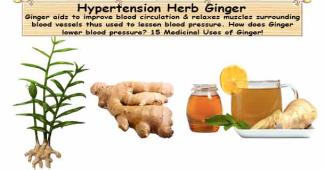
Ginger aids to improve blood circulation and relaxes muscles surrounding blood vessels thus used to lessen blood pressure. Ginger is also a powerful digestive herb that helps relieve uneasiness and nausea.
Hypertension Herb Ginger
Ginger has been used for thousands of years for the treatment of numerous ailments, such as colds, nausea, arthritis, migraines, and hypertension.
Ginger Plant: Ginger is a flowering plant whose rhizome (ginger root) is simply called as ginger used as a spice or a folk medicine. It is an herbaceous perennial grows about a meter tall having narrow green leaves and yellow flowers.
Other names of Ginger: Botanical name for ginger is Zingiber officinale.
Ginger nutritional value: Ginger contain anti-inflammatory and antioxidant compounds such as gingerols, beta-carotene, capsaicin, caffeic acid, curcumin and salicylate. It also contains vitamins & minerals such as Sodium, Vitamin B6, Calcium, Iron, Vitamin C, Potassium, Magnesium, Phosphorus, Zinc, Folate, Riboflavin, Niacin, and Iron.
Different available forms of the Ginger: Fresh ginger, dried ginger, dried ginger powder, ginger root extract, and ginger tincture.
Recommended daily dosage for Ginger: Take 2 to 5 grams of dried ginger rhizome powder divided into 2 or 3 doses per day. Ginger root herbal tincture is 1 to 3 ml. Ginger extract is 1 gram.
How do you take Ginger? Peel a piece of ginger root, cut into thin slices, pour a cup of water, boil the water, simmer the flame for at least 10 minutes, strain the liquid, sweeten with little honey, squeeze 1/2 lemon to taste and drink before, during, or after meals.
How does Ginger lower blood pressure?
Ginger shows considerable anti-inflammatory, antioxidant, antiplatelet, hypotensive and hypolipidemic effects.
- Garlic reduces low-density lipoproteins levels that cause plaque in blood vessels. It reduces blood pressure by preventing plaque build-up and maintaining the blood vessels elasticity.
- Ginger contain gingerol, shogaol, and zingerone, which has a strong antioxidant property.
- It stimulates circulation and increases the flow of blood. It prevents blood clots and inflammation thereby blood flow smoothly, thus preventing hypertension.
- It relaxes muscles surrounding blood vessels.
- Clinical studies indicate that the blood pressure-lowering effect of ginger is mediated through blockade of voltage-dependent calcium channels.
Ginger’s scientific evidence
Studies performed on animals have revealed its ability to reduce blood pressure through calcium channel blocking.
Ginger has a potential preventive property against some chronic diseases, especially hypertension and CHD, as well as its ability to reduce the probability of illness. [Nutrition. 2017 Apr; 36:79-84.]
15 Medicinal Uses of Ginger
- Hypertension - Garlic reduces LDL cholesterol, prevent plaque, antioxidant, prevent blood clots, anti-inflammatory, improves blood circulation, and relaxes blood vessels thus lower blood pressure.
- Respiratory health - Ginger's antihistamine property make it effective in treating allergies. It inhibits airway contraction. For centuries, it has been used as a natural remedy for colds, cough, sore throat, and flu. A mixture of fresh ginger juice and fenugreek is helpful in curing asthma.
- Digestion - Ginger stimulates the gallbladder to release bile, stimulating digestion. It supports the assimilation of nutrients from the food you eat. Ginger is useful in relieving stomach cramps, diarrhea and bloating.
- Cancer - Many studies have shown ginger has an ability to fight various cancer cells, including lung, ovarian, prostate, breast and colon cancer.
- Nausea - Ginger is traditionally used for nausea associated with motion sickness, sea sickness, etc. Ginger root is helpful in reducing nausea even induced by the chemotherapy.
- Morning Sickness - Research has shown ginger is effective in treating morning sickness comparable to that of vitamin B6. It is often suggested to pregnant women for preventing morning sickness.
- Menstrual Cramp - Taking ginger at the beginning of the menstruation can reduce menstrual pain.
- Migraines - Ginger inhibit the prostaglandins from causing pain and inflammation in the blood vessels, thus provide relief from a migraine.
- Anti-Flatulence - Ginger has the carminative (expel gas) property that can provide relief from bloating and gas thus reduce flatulence.
- Heartburn - Ginger has been traditionally used as a natural remedy for the heartburn treatment.
- Alzheimer’s disease - Ginger protects and improves the health of brain cells, thus useful for Alzheimer’s disease.
- Weight Loss - Ginger is the biggest fat burners, thus promotes weight loss.
- Free Radicals - Ginger has an amazing antioxidant that offers substantial protection against free radicals.
- High cholesterol - Study found ginger can lower blood cholesterol levels.
- High blood sugar - Ginger can regulate blood sugar levels by improving digestion and metabolism.
Ginger side effects or warnings
Ginger can regularly be consumed without any notable side-effects, as is the case with many peoples for centuries. However, rarely some may experience diarrhea and burning sensation in the stomach.
Ginger may increase the risk of bleeding and interact with blood thinner medications.
You can take Ginger along with your hypertension medication (don't stop it).
Hypertension Herb Hawthorn
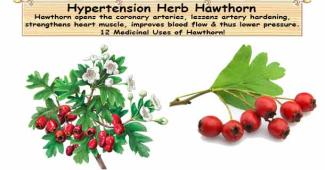
Hawthorn opens the coronary arteries, improves blood flow, lessens artery hardening and strengthens heart muscle making it more effective in delivering blood to the body.
Hypertension Herb Hawthorn
Hawthorn Plant: Crataegus (hawthorn) is a large genus of shrubs and trees of the family Rosaceae native to temperate regions of the Northern Hemisphere in Europe, Asia, and North America. It usually grows to 5 to 15 meters (16 to 49 feet) tall, with small pome fruit and thorny branches.
Hawthorn has been traditionally used to treat heart disease ranging from an irregular heartbeat, hypertension, chest pain, hardening of the arteries, and heart failure. American doctors were using it to treat circulatory disorders and respiratory illnesses.
During ancient times, every part of the bush (flowers, berries, leaves, stems and bark) were used to make medicines. Most modern preparations use the leaves and flowers, which are believed to contain more flavonoids than the berries.
Other names of Hawthorn: Crataegus can commonly called by different names such as hawthorn, thornapple, May-tree, Whitethorn, or hawberry.
Hawthorn nutritional value: Hawthorne berries are rich in vitamin C along with triterpenoids, fruit acids, sugar alcohols, phenolic compounds, procyanidins, flavonols, and some other components beneficial to human health.
Different available forms of the Hawthorn: Hawthorn berry supplements come in various forms; capsules, tablets, tinctures, and dried berries & other plant parts to brew a hot tea.
Recommended daily dosage for Hawthorn: The recommended dose ranges from 160 milligrams to 1200 milligrams of extract daily.
How do you take Hawthorn? Boil a cup of water, pour the water over one tsp. of dried hawthorn, steep for 10 min, strain sweeten if required, and drink every morning and evening.
How does Hawthorn lower blood pressure?
Hawthorn appears to dilate blood vessels, increase coronary arterial blood flow, strengthen cardiac muscle contractions, and protects blood vessels might help lower blood pressure.
Hawthorn’s scientific evidence
Studies on hypertension found modest reductions in diastolic measures in the active treatment group. [British Journal of General Practice 2006 Jun; 56(527):437-443.]
Ninety-two men and women with mild hypertension achieved a significant decrease in both systolic and diastolic blood pressure after three months with C. curvisepala. [Drugs under Experimental and Clinical Research 2004; 30(5-6):221-225.]
12 Medicinal Uses of Hawthorn
- Hypertension - Hawthorn may help dilate blood vessels, improve blood flow, strengthen heart muscles, and protect blood vessels from damage. It might help lower blood pressure level.
- Heart failure - Hawthorn significantly improves heart function and particularly useful in treating stage I and II heart failure. It can also improve symptoms of fatigue and shortness of breath.
- Angina - Hawthorn dilates coronary blood vessels and improves blood flow, thus help combat angina. Also, it strengthens heart muscles and helps to rid of excess salt & water.
- Atherosclerosis - Research has shown hawthorn's antioxidant property useful in protecting against the plaques development.
- Digestion - hawthorn interact with gut flora to improve digestion. Additionally, hawthorn improves the digestive process; relieve constipation, bloating and cramping. It may eliminate intestinal infections like tapeworms.
- Anxiety - Hawthorn berries are useful for psychological conditions such as stress, anxiety and even depression.
- High cholesterol - Research shows Hawthorn lower LDL cholesterol, increase HDL cholesterol and triglycerides in the blood.
- Energy - Hawthorn expands the coronary blood vessels that enhance blood circulation throughout the body, thus a high level of energy and alertness.
- Insomnia - it improves your sleeping patterns and ensures you don’t get up too often at night.
- Vision - it contains Vitamin A that supports a healthy vision and prevents cataract growth.
- Weight Loss - Hawthorn berries help in burning body fats. They boost weight loss and help lose unwanted pounds in a short period.
- Pre-Menopausal Symptom - Hawthorn feeds the ovaries and uterus by improving the blood circulation within the tissues of these organs. It might help women who encounter menopause-related hot flushes.
Hawthorn side effects or warnings
Most people experience no side effects, although some develop stomach pain, upset stomach, dizziness, and headaches. In some instances, people have reported developing a rapid heart rate.
You can take Hawthorn along with your hypertension medication (don't stop it).
Hypertension Herbs Ginkgo

Gingko Biloba improves blood circulation and dilates arteries, reducing blood pressure. Gingko also aids in improving memory and mental alertness because of increased blood flow to the brain.
Hypertension Herb Ginkgo Biloba
Ginkgo Biloba Plant: Ginkgo is a large tree, generally reach a height of 20–35 m (66–115 ft) even some specimens reach over 50 m (160 ft). The leaves are fan-shaped with veins radiating out into the leaf blade. The most extensively used part is its leaves for the treatment of many ailments and diseases.
Ginkgo has a long history of being used in traditional medicine to treat blood disorders. Laboratory studies have shown it improves blood circulation by opening up blood vessels and making blood less sticky.
Ginkgo possesses anti-inflammatory, antioxidant, platelet-forming and circulation-boosting properties. Ginkgo improves cognitive function, positive mood, increased energy, and improved memory. It is also useful for asthma, ADHD, and dementia treatment.
Other names of Ginkgo Biloba: Ginkgo biloba was also known as ginkgo or ginkgo, ginkgo tree or the maidenhair tree.
Ginkgo Biloba nutritional value: Ginkgo biloba contains Vitamin B3, Copper, Carbohydrate, Vitamin B6, Vitamin B1, Phosphorus and Vitamin C (Ascorbic acid). Moreover, it contains many Amino acids such as Tryptophan, Threonine, Isoleucine, Leucine, Lysine and Methionine.
Different available forms of the Ginkgo Biloba: You can find ginkgo in capsule, tablet, tincture, liquid extract or dried leaf form in most health food stores.
Recommended daily dosage for Ginkgo Biloba: Ginkgo biloba doses can range from 40 to 300 milligrams daily. To reduce pain and nervousness, you can use 40 milligrams daily. Memory problems and Alzheimer’s disease: 120 to 240 milligrams daily in divided doses.
How do you take Ginkgo Biloba? If you are a tea lover, then boil 2 cups water in a medium saucepan, remove from heat, and add Ginkgo Biloba leaves. Let it steep for 10 minutes, strain, and drink. You can optionally squeeze ½ lemon and sweeten with raw sugar or stevia. Also, ginkgo is available as capsule, tablets, and tinctures use accordingly.
How does Ginkgo Biloba lower blood pressure?
Ginkgo’s antioxidant mechanisms, ACE inhibiting activity, and improvement of endothelial dysfunction might help lower blood pressure. Additionally, ginkgo vasodilation and blood circulation improvement property might help improve blood pressure.
Ginkgo Biloba’s scientific evidence
There were statistically significant differences in bradycardia and hypotensive effects of the garlic and ginkgo extracts. [Clinical and Experimental Hypertension. 2011; 33(2):95-9.]
There is no clinical study that firmly confirms the blood pressure lowering effect of Ginkgo. Still, the author hopes Ginkgo strongly support hypertension treatment.
15 Medicinal Uses of Ginkgo Biloba
- Hypertension - Ginkgo has antioxidant property, ACE inhibiting activity, and improvement of endothelial dysfunction might help lower blood pressure.
- Blood circulation & energy - Ginkgo biloba increases blood vessel dilation and improves blood flow to extremities in the body, proper oxygenation of the whole body, and boosting energy & strength. It enhances oxygen absorption and cleanses the blood.
- Headaches & Migraines - Ginkgo reduces the frequency and severity of the migraines, by dilating the blood vessels and increasing the blood flow in the brain.
- Attention Deficit Disorder - Ginkgo biloba can significantly improve hyperactivity, inattention, and immaturity factors. Research shows ginkgo can help combat poor concentration and reverse cognitive decline. Many studies have shown ginkgo might reduce behavioral and physical symptoms in people with autism.
- Alzheimer’s & Dementia - Ginkgo biloba have a beneficial effect on people suffering from cognitive disorders such as Alzheimer’s and dementia.
- Eye vision - Antioxidants in ginkgo Biloba help to keep the ocular system clear of oxidative stress, thus preventing macular degeneration and cataracts. It can improve visual field damage in patients with glaucoma.
- Stroke - It can protect against stroke-related neurologic deficits.
- Anxiety & Depression - Ginkgo biloba has been shown effective for those suffering from depression or chronic mood swings by balancing your hormonal levels. This herb is known to benefit the body’s ability to handle the stress and uncontrolled production of stress hormones, such as adrenaline and cortisol.
- Vision & Eye Health - Ginkgo is beneficial for eye health by improving blood flow to the eyes and fights free radical damage harming the cornea, macula, and retina.
- Respiratory Disorders - It effectively lowers the inflammation in the respiratory system by increasing the antioxidant activities in the trachea and lungs. Thus it is found to be useful in the treatment of all these respiratory diseases.
- PMS - Ginkgo can effectively fight symptoms of Pre-menstrual Syndrome such as mood swings, headaches, anxiety, fatigue, and muscle pain.
- Heart conditions - Heart problems like high blood pressure, blockages, blood clotting, etc. can treat with this herb.
- Energy - It provides you with instant energy by various means, most importantly by improved circulation to nuke and corner of your body.
- Infertility - Ginkgo improves libido in both men and women. It is useful for erectile dysfunction, lack of sexual desire and impotence.
- Fibromyalgia - Ginkgo in combination with CoQ10 is shown to be effective in the fibromyalgia treatment.
- Cholesterol plaque – Its anti-oxidant and anti-inflammatory property help control the conversion of cholesterol to the plaque. You know plaque contributes to the hardening of arteries.
Ginkgo Biloba side effects or warnings
Excess ginkgo dose may occasionally cause side effects such as a headache, nausea, gastrointestinal upset, diarrhea, dizziness or allergic skin reactions. Gastrointestinal side effects are most common and are less likely to occur if you are taking it after food and not on an empty stomach.
You can take Ginkgo along with your hypertension medication (don't stop it).
Hypertension Herb Ashwagandha
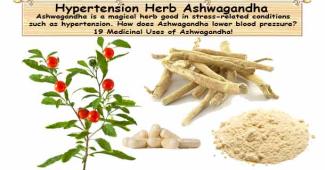
Ashwagandha is a magical herbal remedy used as a sedative, a diuretic, a rejuvenating tonic, an anti-inflammatory agent, aphrodisiac and an immune booster.
It is especially good in stress-related disorders such as arthritis, hypertension, hypotension, diabetes, general debility. It is an adaptogen stimulates the immune system and improves the memory.
Hypertension Herb Ashwagandha
Ashwagandha Plant: Ashwagandha is a plump shrub with oval leaves and yellow flowers. It bears a red fruit about the size of a raisin.
In Sanskrit Ashwagandha means “the smell of a horse,” indicating the herb vigor and strength promoting character, and has been traditionally used to strengthen their immune system after an illness. It has been used for over 3,000 years to relieve stress, increase energy and improve concentration.
Ashwagandha is one of the most powerful herbs in Ayurveda. Medical researchers have been studying it for years and have more than 200 studies on the healing properties of this herb.
Ashwagandha is an adaptogen herb; Adaptogen helps deal effectively with internal (anxiety & insomnia) and external stresses (toxins & harmful microbes in the environment).
Other names of Ashwagandha: Withania somnifera, known commonly as Ashwagandha, Indian ginseng (because of its rejuvenating properties, even though they are botanically unrelated), poison gooseberry, or winter cherry.
Ashwagandha nutritional value: Ashwagandha is rich in iron, antioxidants, tannins, potassium, nitrate, fatty acids and glucose. It also contains withanolides (steroidal lactones), alkaloids, choline, and amino acids.
Different available forms of the Ashwagandha: Ashwagandha root is available in the market either in powdered form, dried form, or fresh root form.
Recommended daily dosage for Ashwagandha: 600 to 1,000 mg of Ashwagandha powder twice daily. For insomnia and anxiety, have a cup of warm milk with a teaspoon of powdered Ashwagandha before bedtime.
How do you take Ashwagandha? You can make an Ashwagandha tea by boiling the root or powder (not more than a spoon) in a cup of water for 10 minutes. You can improve taste by squeezing ½ lemon, and sweeten with raw sugar or stevia.
How does Ashwagandha lower blood pressure?
Ashwagandha is an adaptogenic herb; it works in lots of non-specific ways. Ashwagandha help reduces the impact of stress and anxiety. Studies found people who took ashwagandha have decreased in both blood pressure and pulse rate.
Ashwagandha’s scientific evidence
Ashwagandha possesses many qualities, including anti-inflammatory, antitumor, and immunomodulatory properties, as well as exerting an influence on the endocrine, nervous, and cardiopulmonary systems. By the analysis, it was concluded that supplementation of Ashwagandha with milk is more effective in the treatment of hypertension. [Ethno Med, 6(2): 111-115 (2012)]
Studies have shown that Ashwagandha significantly reduces experimental and biochemical indicators of stress without adverse effects. [The Journal of the American Nutraceutical Association. Vol. 11, No. 1, 2008]
19 Medicinal Uses of Ashwagandha
Numerous studies confirmed Ashwagandha healing properties for stress, heart disease, Alzheimer’s disease, diabetes, Parkinson’s, various cancers, tuberculosis, and many others. Below are the mini list of its benefits
- Hypertension - Ashwagandha help reduces the impact of stress and anxiety, thus decreases both blood pressure and pulse rate.
- Reduce Blood Sugar - Many human studies confirmed Ashwagandha ability to reduce blood sugar. It has an average reduction in fasting blood sugar levels of 13.5 mg/dL.
- Anti-Cancer - Ashwagandha impedes the growth of new cancer cells by generating reactive oxygen species (ROS), which are toxic to cancer cells but not normal cells. It is beneficial for several cancer types such as breast, lung, colon, brain and ovarian cancer.
- Cortisol - Cortisol is a stress hormone released by your adrenal glands in response to stress. Studies have shown Ashwagandha may help reduce cortisol levels in chronically stressed individuals.
- Stress & Anxiety - It has been used for over 3,000 years to relieve stress. Many controlled clinical studies have shown Ashwagandha effectively reduced symptoms in people with stress and anxiety disorders.
- Depression - Studies suggest Ashwagandha may help alleviate depression.
- Testosterone & Increase Men Fertility - Ashwagandha has strong beneficial effects on male hormone and reproductive health. It improves sperm count and motility.
- Muscle Mass & Strength - Healthy men who took 750 to 1250 mg per day of Ashwagandha had gained muscle mass and lost fat after 30 days.
- Reduce Inflammation - Studies in humans found Ashwagandha increases the natural killer cells activity; they are immune cells fight infection.
- Cholesterol & Triglycerides - Ashwagandha help improves heart health by reducing cholesterol as much as 53% and triglyceride as much as 45%.
- Improve Brain Function - Ashwagandha has been traditionally used to boost memory, reaction times, and task performing ability.
- Thyroid Gland - For hypothyroidism, Ashwagandha can stimulate the thyroid gland and will increase the secretion of thyroid hormones.
- Immunity - Ashwagandha increased the red blood cell, white blood cell, and platelets count. Ashwagandha significant modulation of immune system reactivity.
- Prevents Seizures - Ashwagandha has been a widely used remedy for seizures and convulsions in Ayurveda medicine.
- Menopausal Support - Ashwagandha acts on the endocrine system and establish hormonal balance, thus help with menopausal symptoms.
- Energy - Ashwagandha improves energy level and revitalizes.
- Mood Booster - Ashwagandha is a known as a mood-boosting herb.
- Nervous System - It is a promising treatment for degenerative mental diseases such as Alzheimer’s and Parkinson’s disease. It promotes the growth of both normal and damaged nerve cells.
- Protect against harmful microbes - The antimicrobial and antibacterial properties of Ashwagandha protect against dangerous bacteria called salmonella.
Ashwagandha side effects or warnings
There are no debilitating side effects of Ashwagandha, but may cause some problems if consumed in high quantities.
You can take Ashwagandha along with your hypertension medication (don't stop it).
Hypertension Herb Coriander

Coriander is a best natural diuretic; it makes your kidneys perform their roles of excretion better and thus lowers blood pressure.
Hypertension Herb Coriander
Coriander Plant: Coriander is an annual herb in the family Apiaceae. Whole plant is edible, specifically the fresh leaves and the dried seeds are most traditionally used in cooking.
Coriander is one of the oldest herbs and spices on record. Coriander is also a reference to be as cilantro (leaves and seeds).
Other names of Coriander: include Cilantro, dhania, coriander leaves, Chinese parsley and Mexican parsley.
Coriander nutritional value: Coriander is naturally low in sodium and saturated fat and is a good source of vitamin A, vitamin C, vitamin K, calcium, selenium, iron, magnesium and manganese.
Different available forms of the Coriander: Coriander is available as a fresh leaf, volatile oil, tincture, and coriander seeds. Coriander oil is much more concentrated compared to other forms.
Recommended daily dosage for Coriander: The appropriate coriander dosage depends on several factors, including age, sex, health, and other health conditions.
Coriander seeds are safe; still, rare allergic reactions may occur. There is no data available regarding maximum daily dose recommendation of coriander seeds.
A typical daily dose of 3 grams of coriander is considering as a safe dosage for most of the people.
How do you take Coriander? Coriander tea recipe - use one teaspoonful of whole coriander seeds for each cup of boiling water. Let the coriander seeds steep for five minutes in a covered mug and strain the seeds. If you require you can sweeten it with raw sugar.
How does Coriandrum sativum lower blood pressure?
Coriander has been reported to exhibit antioxidant, diuretic, and vasodilation properties. The active component of coriander act synergistically with the vasoactive constituent to complement the treatment and management of hypertension.
Coriandrum sativum’s scientific evidence
Coriander fruit exhibits gut stimulatory, inhibitory and hypotensive effects mediating possibly through cholinergic, Ca2+ antagonist and the combination of these mechanisms respectively. Diuretic activity adds value to its use in hypertension. [Journal of Ethnopharmacology 122 (2009) 123–130]
13 Medicinal Uses of Coriandrum sativum
- Hypertension - Coriander has been reported to exhibit antioxidant, diuretic, and vasodilation properties thus help in the management of hypertension.
- High cholesterol - Coriander seeds have a significant hypolipidemic effect, resulting in lowering of levels of total cholesterol and triglycerides and increasing levels of high-density lipoprotein. This effect may be due to increase synthesis of bile by the liver and increasing breakdown of cholesterol into other compounds.
- Edema - Coriander seeds are useful in traditional Indian medicine as a diuretic by boiling equal amounts of coriander seeds and cumin seeds, then cooling and consuming the resulting liquid.
- Bladder problems - Coriander Tea is a traditional home remedy for soothing a burning bladder.
- Kidney disease - Coriander seed is useful for patients suffering from kidney problems.
- Digestion - In holistic and traditional medicine, it is in use as a carminative and as a digestive aid. Traditionally coriander has used to treat various digestive and gastric conditions, including upset stomach, loss of appetite, flatulence, hernia, nausea, diarrhea, bowel spasms, and intestinal gas. Coriander has a reputation as an appetizer and useful to increase appetite. Borneol and Linalool in coriander aid in digestion, proper functioning of the liver, and help reduce diarrhea.
- Anxiety - Coriander has been in use as a folk medicine for the relief of anxiety.
- Sleep problems - It has been in use for insomnia in Iran.
- Diabetes - Coriander has documented as a traditional treatment for diabetes.
- Anti-allergic - Various studies shown coriander have anti-histamine properties, this help reduce allergies and hay fever (rhinitis).
- Food borne illnesses - Coriander has a natural compound that is actually twice as powerful of an antibiotic for the treatment of salmonella illness. Salmonella is the most dangerous causes of food borne illnesses.
- Menstrual disorders - it regulates proper menstrual cycles and reduces associated pain during a menstruation by regulating proper secretion from the endocrine glands.
- Eye care - Coriander contains antioxidants, vitamin A, vitamin C and minerals like phosphorous, which prevents vision disorders, macular degeneration and reduces eye strain.
Coriandrum sativum side effects or warnings
Coriander is considering as safe and adopted by most people when taken by mouth in appropriate amounts.
You can take Coriander along with your hypertension medication (don't stop it).
Hypertension Herb Punarnava
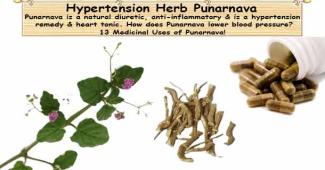
Punarnava is an excellent natural diuretic, anti-inflammatory, mild laxative and is a heart tonic. It is useful in treating obesity, improve appetite, jaundice, and fever.
According to Chinese’s medicine, blood pressure has relation with kidney malfunction, according to modern medicine high blood pressure can damage kidney in the long term.
Hypertension Herb Punarnava
Punarnava Plant: Punarnava is a weed, Ayurveda considers it as a Rasayana (lengthening lifespan) plant. Punarnava is a Sanskrit word, Punar means once again, regaining, or restoring and Nava means renew; literally, it means become young (youth) again. The name signifies its rejuvenating property.
As per Ayurveda, Punarnava acts on six out of seven dhatus (tissues) such as plasma, blood, muscles, fat, nerves and reproductive organs. The anti-inflammatory and analgesic properties of Punarnava is comparable to drug ibuprofen.
Other names of Punarnava: Boerhavia diffusa or punarnava or known in English as Spreading Hogweed.
Punarnava nutritional value: Its main chemicals are Punarnavoside (antifibrinolytic glycoside), boeravinones A-E, lignans, flavones, sterols, boeravine, and hypoxanthine-9-L-arabinofuranosie.
Different available forms of the Punarnava: Punarnava whole plant, whole plant powder, and extracts.
Recommended daily dosage for Punarnava: 1 to 10grams per day dried or 3 to 15ml of a tincture. 10 to 20 ml of fresh plant juice per day.
How do you take Punarnava? A decoction made out of 10 to 30 grams of herb boiled in a glass of water reduced to half cup. It is filtered and taken.
How does Boerhavia diffusa lower blood pressure?
Boerhavia diffusa possesses significant antihypertensive activity through a decrease in sympathetic activity by inhibition of adrenoreceptors or release of nitric oxide.
Boerhavia diffusa is a diuretic by increasing renal blood flow, which contributes to its antihypertensive actions.
Boerhavia diffusa’s scientific evidence
Boerhavia diffusa showed antihypertensive potential might be due to decrease sympathetic activity mediated through α and β- receptors or by the release of vasodilatory substances such as endothelium-dependent relaxing factor (EDRF) which is NO. Thus, this study indicates the beneficial role of Boerhavia diffusa in the treatment and prevention of hypertension. International Journal of Experimental Pharmacology, Vol 5|Issue 1| 2015 | 24-30.
13 Medicinal Uses of Boerhavia diffusa
- Hypertension - It has significant antihypertensive activity through a decrease in sympathetic activity, release of nitric oxide, and it diuretic property.
- Arthritis – Its anti-inflammatory property help to reduce inflammation and pain in joints.
- Indigestion - It acts as a carminative, boost appetite, lower abdominal pain, intestinal colic, and relieves constipation. It has laxative property, helps the body get rid of waste products.
- Cough - It reduces cough and asthma.
- Impotence – As per Ayurveda, it works on six out of seven dhatus including rejuvenation of male reproductive system and increases the quantity and quality of semen.
- Skin diseases – It is helpful in skin conditions like scabies and is an excellent remedy for guinea worms.
- Anemia – In improves digestion and works on plasma & blood, thus helpful in the treatment of anemia. It cures anemia and nourishes every tissue and cell of your body.
- Renal diseases – It possesses diuretic property, which is useful in the treatment of kidney stones, cystitis, and nephritis. It cleanses the kidneys and gets rid of kidney stones. It protects nephrons of a kidney from damage.
- Liver disorders – It is one of the best liver remedy effective in jaundice, hepatitis, cirrhosis, anemia, flukes, detoxification, chemical injury, biliousness, chronic alcoholism, etc.
- Menorrhagia – It regularize menstrual flow in women. And it gives relief in menstrual disorders (pain, cramps, excessive bleeding, uterine spasms, and water retention).
- Immune function - It improvise immune system.
- Blood glucose control - It significantly decreases blood glucose and increase plasma insulin levels; this helps better blood sugar control.
- Nerve Tonic - It is a good nerve rejuvenator helps in sciatica, nervous weakness, and paralysis.
Boerhavia diffusa side effects or warnings
Punarnava acts as a diuretic, so needs to be used with caution in patients with high BP and kidney disorders. It is safe to use during lactation period and in children, but with medical supervision.
You can take Punarnava along with your hypertension medication (don't stop it).
Hypertension Herb Sarpagandha

Sarpagandha is a Sanskrit word means (smells like) serpent. It has sedative and antihypertensive property, thus used for centuries to treat hypertension by traditional Indians.
Hypertension Herb Sarpagandha
Sarpagandha Plant: Rauwolfia serpentina is an evergreen shrub from the Apocynaceae family. It is native to tropical and subtropical regions of Asia, including India, Burma, Bangladesh, Sri Lanka, and Malaysia.
The genus Rauwolfia was named in honor of the 16th-century German physician Dr. Leonhard Rauwolf, who studied this plant while traveling in India. Indian leader Mahatma Gandhi reportedly drank a Sarpagandha tea help him relax and sleep after a long, busy day.
Rustom Jal Vakil is the British-trained medical physician first used Rauwolfia for the hypertension treatment when there was no effective pharmacological hypertension treatment available anywhere in the world.
Rauwolfia serpentina has been used in Indian folk medicine for thousands of years to treat snake & insect bites, febrile conditions, malaria, abdominal pain, and dysentery. It was also used as a uterine stimulant, febrifuge, and cure insanity.
Other names of Sarpagandha: Scientific name for Sarpagandha is Rauwolfia serpentine, Sarpagandha is also known as Chandrika.
Sarpagandha nutritional value: Rauwolfia contains many different phytochemicals, including alcohols, sugars and glycosides, fatty acids, flavonoids, phytosterols, oleoresins, steroids, tannins, and alkaloids. All parts of the plant, including the stem and leaves, contain them but found in highest concentration in the bark of the root.
Different available forms of the Sarpagandha: Sarpagandha root, root powder, root extract (different alkaloid), and tinctures.
Recommended daily dosage for Sarpagandha: You can take 250 mg to 4 grams of Sarpagandha Powder per day. Alternatively, 100 to 500 mg of extracts per day.
For insomnia 250 mg to 1 gram of root powder per day. For hypertension 250 mg to 2 gram of root powder in divided dose per day. For schizophrenia 500 mg to 4 grams of root powder per day. For hysteria 1 g of root powder with cow milk.
How does Rauwolfia serpentina lower blood pressure?
Rauwolfia lowers blood pressure, also has a potent anti-arrhythmic effect used to treat hypertension. Rauwolfia work by controlling nerve impulses and act on the heart & blood vessels to lower blood pressure.
Rauwolfia serpentina’s scientific evidence
In a clinical trial of Rauwolfia serpentina in essential hypertension, 50 patients with initial blood pressures greater than 160/95 millimeters. After four weeks of taking medicine, systolic blood pressure dropped between 2 and 54 millimeters in the group of patients. [Br Heart J. January 1949; 11(4):350–355.] & [Circulation. 1955; 12:220–229.]
In 1952, a purified, standardized isolated alkaloid extract of Rauwolfia serpentina was introduced to the US. A consistent decrease in blood pressure readings of greater than 20 millimeters was observed in patients treated with the alseroxylon extract. [AMA Arch Intern Med. 1955; 96(4):530–543.]
9 Medicinal Uses of Rauwolfia serpentina
- Hypertension - Sarpagandha has a potent anti-arrhythmic effect, control nerve impulses, reduce the heart rate, and dilates blood vessels thus lower blood pressure.
- Insomnia - Sarpagandha has a calming effect on the mind and brain, thus induces sleep. It is suitable for disturbed sleep in patients with hypertension. It benefits in relieving hysteria. One gram powder of root can be taken three times with milk every day.
- Tranquilizer - It is often used as a sedative and to reduce tension or anxiety in different countries.
- Anti-poison/toxin - It is useful in the treatment of snake (cobra), scorpion or reptile bite and stings of any poisonous insects. Alexander the Great used this plant to cure his general of a poisoned arrow.
- Schizophrenia (insanity) - It has been used as a remedy for chronic abnormal anxiety, mental disorders, and insanity. It also relieves excited state of mind.
- Fever – it is useful in recurrent and chronic fever.
- Uterus contraction - It contracts uterus and induces menstruation.
- Epilepsy - It is used in epilepsy, panic attacks, psychosis, and anxiety treatment; although not indicated in the depression treatment.
- Premature ejaculation - It suppresses early excitement and thus useful in the treatment of premature ejaculation.
Rauwolfia serpentina side effects or warnings
It is contraindicated in bronchial asthma, duodenal ulcer, hyperacidity, and renal disorders. This herb stimulates the uterus, thus should not be used during pregnancy.
The most common side effect of reserpine (alkaloid of Sarpagandha) is nasal congestion occurred in 5% to 15% of patients taking Rauwolfia products.
Other side effects include lethargy, sedation, hypotension, nausea, vomiting, abdominal cramping, gastric ulceration, nightmares, bradycardia, angina-like symptoms, bronchospasm, skin rash, itching, breast enlargement, and sexual dysfunction.
You can take Sarpagandha along with your hypertension medication (don't stop it).
Hypertension Herb Arjuna
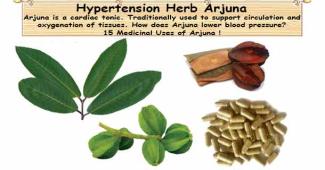
It acts similar to the beta-blocker. Also, it is a powerful antioxidant, protects the liver. Often, it is effective when combining with ashwagandha (Withania somnifera), Brahmi (Bacopa monnieri) and guggul (Commiphora Mukul) in heart formulas.
Hypertension Herb Arjuna
Arjuna Plant: Arjuna tree is about 60-80 feet in height, and seen along rivers, streams, and dry water bodies. It belongs to the family of Combretaceae. The Scientific name of Arjuna is Terminalia Arjuna.
Arjuna is a famous cardiac tonic. Traditionally used to support circulation and oxygenation of tissues.
Arjuna nutritional value: Arjuna bark is rich in co-enzyme Q-10, saponins, tannins, natural antioxidants (flavonoids) as well as minerals such as magnesium, zinc, copper and calcium.
Different available forms of the Arjuna: Arjuna bark, Arjuna bark powder, Arjuna bark extract capsules, and Arjuna tincture.
Recommended daily dosage for Arjuna: You can take 3 to 6 grams of Arjuna powder dissolved in water once daily. Alternatively, 250 to 500 mg extract capsules twice daily. Maximum allowable dosage is 24 grams per day (in divided doses).
How do you take Arjuna? Arjuna bark decoction is being used in the Indian subcontinent for angina pain, hypertension, congestive heart failure, and dyslipidemia, based on the observations of ancient physicians for centuries.
How does Arjuna lower blood pressure?
Arjuna bark lower blood pressure, it do so by below listed mechanism of action.
- It increased the force of contraction of cardiac muscle may be due to coQ10 content.
- Its bark has mild diuretic properties.
- It prevents narrowing of blood vessels by reducing atherosclerotic lesions and plaque deposits in blood vessels.
Arjuna’s scientific evidence
Arjuna has shown useful in improving cardiovascular endurance and in lowering Systolic BP in normal healthy subjects. [International Journal of Ayurveda Research 2010; 1:144–9.]
Ten patients with chronic heart failure (CHF) received 4 g of Arjuna bark powder twice daily for one month. There is fall in both systolic and diastolic blood pressure. [Journal of Research and Education in Indian Medicine 1988; 7:31–6]
15 Medicinal Uses of Arjuna
- Hypertensive - Arjuna bark is a mild diuretic, reduce clot formation, lower blood lipid levels, and improves a cardiac function that help lower blood pressure. Arjuna can relieve symptomatic complaints of hypertension such as giddiness, lassitude, headache, hot flashes, insomnia, and inability to concentrate.
- Peptic ulcers - Arjuna bark are safe, natural herb for ulcer and their ulcer protection action is comparable with Ranitidine, but without any harmful side effects.
- Improves heart function - Regular use of Arjuna strengthen cardiac muscle and improves the pumping activity of the heart. Thus, it is useful for heart weakness and congestive heart failure.
- Useful for heart conditions - Arjuna bark is useful for ischemic heart disease, especially in disturbed cardiac rhythm, angina or myocardial infarction. Arjuna bark is rich in Co-enzyme Q-10, which prevents heart attacks.
- Tachycardia & Palpitation - 3 months treatment with Arjuna bark powder significantly reduces palpitation and abnormally high heartbeat.
- Angina/myocardial infarction – Arjuna significantly decreases the mean angina frequency, decrease systolic blood pressure, improves ECG, and reduce plasma cortisol & serum cholesterol. [Alternative Medicine Review 1989; 3:115–22.]
- Chronic heart failure – 4 grams of Arjuna bark powder twice daily for a month improves heart function, fall in blood pressure, and overall wellbeing. [The Journal of Research and Education in Indian Medicine. 1988; 7:31–6.]
- Rheumatic heart disease – Patients taking 200 mg of Arjuna extract thrice daily significantly reduce heart size. [Journal of the Association of Physicians of India 1991; 39:801.]
- Ischemic mitral regurgitation - Patients with ischemic mitral regurgitation (IMR) taking Arjuna was found to decrease IMR and angina frequency significantly. Also, there was also a significant improvement in diastolic dysfunction. [International Journal of Cardiology. 2005; 100:507–8.]
- Dyslipidemia - Patients with coronary heart disease taken 1 g of bark powder twice daily with milk for four months showed improvement in lipid profile. [Journal of Research in Ayurveda and Siddha 2000; 21:37–40.]
- Lipoprotein (a) - Arjuna significantly reduced Lp (a) by about 24.7% in a patient of β-thalassemia. [Journal of Alternative and Complementary Medicine 2007; 13:287–9.]
- Endothelial dysfunction – Hydro-alcoholic extract of Arjuna bark given for two weeks significantly regression of the endothelial abnormality amongst smokers. [Indian Heart Journal 2004; 56:123–8.]
- DNA protection - Arjuna has compounds that protect against DNA damage from toxins. Toxins are extremely poisonous substances include medications in huge amounts and toxins released by the germs such as bacteria. Cholera develops due to a bacterial toxin.
- Liver cirrhosis – Arjuna significantly improve the markers of liver functions and is good natural herb for all liver disorders.
- Anti-inflammatory - Indian tribes chew the fresh Arjuna bark and swallow the juice as an antacid. Boil the bark powder with water, and inhale it to cure a headache. They also use fruit paste topically on wounds.
Arjuna side effects or warnings
There are no known side effects reported with Arjuna. Rarely, Arjuna may cause slight constipation and flatulence. Very high dosage may harm your liver. Excessive ingestion may reduce thyroid function.
You can take Arjuna along with your hypertension medication (don't stop it).
If your blood pressure drops after few days of Arjuna use, then you can reduce the dosage and monitor your blood pressure closely for any raise. If it raises, then change back to your original medicine dosage. In the other hand, if BP reduces further after some days of practice then again you can reduce the drug dose!