
Hypertension Herb Garlic

Garlic is one of the most valuable hypertension herb beneficial to your heart. The buildup of toxins leads to abnormal blood pressure and heart problem; garlic helps to break up these toxins. Garlic stimulates blood circulation and improves digestion.
Hypertension Herb Garlic
The entire head is called a garlic bulb, and each segment is called a clove. There are 10 to 20 cloves in a single bulb.
Garlic Plant: Garlic (Allium sativum) is a species in the onion genus, Allium. “Allium sativum” is derived from the Celtic word “all,” means burning or stinging, and the Latin word “sativum” means planted or cultivated.
It has a history of use as a spice in various countries. Garlic has traditionally been used to treat earaches, severe diarrhea, leprosy, deafness, constipation, fever, fight infections and relieve stomach.
Garlic has been on the top ten lists of herbal sales for several years.
The Scientific name of Garlic is Allium Sativum. It is also called by different names such as Allium, Clove Garlic, and Garlic Clove.
Garlic nutritional value: Garlic contains Manganese, Vitamin B6, Vitamin C, Selenium, and Decent amounts of calcium, copper, potassium, phosphorus, iron and vitamin B1.
Garlic is a rich source of highly bioavailable selenium; this may be the garlic’s antioxidant property important for health.
The most biologically active compounds in garlic are allicin (diallyl disulfide), it does not exist until it is crushed/cut. Crushing the bulb activates the enzyme alliinase metabolizes alliin into allicin.
Different available forms of the Garlic: You can consume Garlic as raw, boiled, and mild roasted. Garlic dried powder, garlic oil, and garlic extracts are also available.
Recommended daily dosage for garlic: For adult’s general health, the WHO recommends a daily dose of 2 to 5 grams or one clove of fresh garlic, 0.4 to 1.2 grams of dried garlic powder, 2 to 5 milligrams of garlic oil, or 300 to 1,000 milligrams of garlic extract.
How do you take garlic? Whether you are using garlic raw or cooked, for maximum benefits chop or crush it and let allow it for 10 minutes before eating or heating it for a recipe.
The chopping activates alliinase enzymes in the garlic, and leaving it for some time allows these enzymes to convert allin into allicin. Allicin rapidly breaks down to form organosulfur compounds.
How does garlic lower blood pressure?
Many studies show organ sulfur compounds in garlic improves cardiovascular health, including lowering blood pressure, reduce cholesterol, and act as an anti-inflammatory.
There is no clear-cut established mode of action of garlic in lowering blood pressure. Still, there is numerous mechanism of antihypertensive action is suggested, this include:
- Garlic reduces prostaglandin E2 and thromboxane B2 level and thereby can reduce hypertension.
- They inhibit the angiotensin-converting enzyme and can lower blood pressure.
- Garlic’s hydrogen sulfide production and allicin content have angiotensin II inhibiting and vasodilation effects that lower blood pressure.
- Garlic stimulates intracellular nitric oxide production, which in turn promotes vasodilation and thus reduce blood pressure.
Garlic’s scientific evidence
Aged garlic extract reduces blood pressure in hypertensive: a dose–response trial, European Journal of Clinical Nutrition. 2013 Jan; 67(1): 64–70. Mean systolic blood pressure was significantly reduced by 11.8±5.4 mm Hg in the garlic-2-capsule group over 12 weeks compared with placebo.
Effect of garlic on blood pressure: A systematic review and meta-analysis, BMC Cardiovascular Disorders 2008 8:13 DOI: 10.1186/1471-2261-8-13. Our meta-analysis suggests that garlic preparations are superior to placebo in reducing blood pressure in individuals with hypertension.
15 Medicinal Uses of Garlic
Garlic makes your food delicious; it also has a numerous health benefits; they are:
- Reduces blood pressure – Active components in the garlic can lower your blood pressure by various modes of action.
- Nutritious - It contains Manganese, vitamin B6, vitamin C, Selenium, and decent amounts of calcium, copper, potassium, phosphorus, iron and vitamin B1.
- Combat sickness - Raw garlic is used to treat colds and coughs; at the onset, you should eat at least two crushed cloves, which will help lessen the severity of your cold.
- Improves cholesterol profile – Garlic lowered total cholesterol and triglyceride levels by up to 20 mg/dL in humans.
- Prevent Alzheimer’s Disease & Dementia - The beneficial effects of garlic and its constituents on neuronal physiology and brain functions are beginning to emerge. Dietary garlic as an alternative herbal pharmacotherapy for Alzheimer's disease.
- Detoxify – It help get rid of heavy metals from your body.
- Improve Bone Health - A group of scientists at the University of California has found that aged garlic can help improve the bone density of patients with atherosclerosis.
- Eye Care - Garlic is rich in Selenium, Quercetin, and Vitamin C; they help treat eye infections and swelling.
- Intestinal Problems - Garlic is useful for most intestinal problems like dysentery, diarrhea, and colitis. It destroys harmful bacteria and dispels worms in the intestine. At the same time, it does not affect useful organisms in the intestine that aid digestion.
- Aids Digestion - Daily intake of garlic aids in eliminating digestive problems. It assists in the normal intestinal function. Swollen or irritated gastric canal may be healed.
- Asthma – Before bedtime, eating three garlic cloves boiled in a glass of milk bring subsequent relief for patients with asthma. Crushed garlic cloves with malt vinegar can control the asthma attacks.
- Sexual Problems - Garlic has aphrodisiac properties, thus useful as a sex rejuvenator. It enhances the libido of both men and women.
- Blood Purifier – Purify your blood by taking two cloves of raw garlic with warm water, early in the morning, every day. Support proper purification by consuming a lot of water in the entire day. It makes your skin glow without any acne.
- Weight loss - If you are looking to shed some pounds, then squeeze half a lemon in a glass of warm water and drink it with two crushed cloves of garlic in the mornings. Garlic will help to cleanse your system and flush out toxins.
- Cancer – Regular consumption of garlic can lower the risk of colon, stomach and esophageal cancer. It aids in reducing the carcinogenic compounds production.
Garlic side effects or warnings
Garlic is listed as “Generally Recognized as Safe (GRAS)” by the United State Food and Drug Administration.
Raw garlic taken by mouth can cause burning sensation in the mouth or stomach, bad breath, heartburn, gas, bloating, nausea, vomiting, body odor, and diarrhea. These side effects increase proportionally to the amount consumed.
Raw garlic can cause severe, burn-like skin irritation if applied to the skin directly.
You can take Garlic along with your hypertension medication (don't stop it).
If your blood pressure drops after few days of garlic use, then you can reduce the dosage and monitor your blood pressure closely for any raise. If it raises, then change back to your original medicine dosage. In the other hand, if BP reduces further after some days of practice then again you can reduce the drug dose!
Alpha Blockers
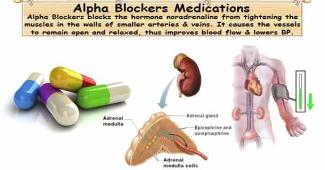
Alpha Blockers blocks the hormone noradrenaline from tightening the muscles in the walls of smaller arteries and veins. It causes the vessels to remain open and relaxed, thus improves blood flow, and lowers blood pressure.
Alpha-Adrenergic Blocker Medications
Alpha blockers are also called alpha-adrenergic blocking agents, alpha-adrenergic antagonists, adrenergic blocking agents and alpha-blocking agents.
Alpha blockers reduce the arterial resistance, relaxes the muscle tone of the vascular walls, thus reduce blood pressure.
Commonly prescribed alpha blockers medications on the market, include:
- Doxazosin mesylate (brand name: Cardura)
- Prazosin hydrochloride (brand name: Minipress)
- Terazosin hydrochloride (brand name: Hytrin)
- Phenoxybenzamine (brand name: Dibenzyline)
There are six alpha-blockers available to prescribe in the UK. They are alfuzosin, doxazosin, indoramin, prazosin, tamsulosin, and terazosin.
Alpha blockers, α-blockers, or alpha-adrenoceptor antagonists medicines are mainly used to treat hypertension and enlarged prostate gland in men with problem passing urine.
Alpha receptors are present in the muscles of the blood vessels. When activated, they tighten up the muscle. Alpha blockers block these alpha receptors. Thus the muscle of the blood vessels remain relaxed, blood flows more easily, and thereby lowering your blood pressure.
How do alpha-blockers work?
Nerve endings release a neurotransmitter called noradrenaline when stimulated. This neurotransmitter stimulates the alpha-adrenergic receptors present on the cells of the heart, smooth muscle and blood vessels to contract. The alpha-blocker medicines block the alpha-adrenergic receptors from being stimulated; thus blood vessels stay relaxed. It allows oxygen-rich blood to circulate freely through your body, lower your blood pressure, and reduce heart strain.
For prostate gland enlargement, alpha-blockers work by relaxing bladder and prostate muscles so you can able to pass urine more freely.
When do alpha-blockers usually prescribed?
For hypertension, alpha-blockers are usually prescribed when most other medicines have failed to produce a result.
If other medicines such as angiotensin-converting enzyme (ACE) inhibitors, water/diuretics pills, and beta-blockers are failed to work, then you can try alpha-blockers. They may use alpha-blockers as well as these other medicines.
Who should avoid Alpha blockers?
Avoid peripheral Alpha-adrenergic blockers, if elderly and people who have liver problems should discuss with the doctor about the risks of using these medications.
What are the side effects of alpha blockers?
Dizziness, tiredness, drop in blood pressure when you stand up, lightheaded, vision problems, swelling (of the hands, feet, ankles, or legs), decreased sexual ability, fast heart rate.
What are the warning signs of alpha blockers?
Consult a doctor immediately if having; chest pain, irregular heartbeat, and painful erection in men.
Hypertension Lifestyle Changes

Lowering blood pressure by following simple lifestyle changes such as:
maintaining a healthy weight,
eating the right diet,
increase physical activity (blood pressure exercise),
reducing salt intake (replace with potassium salt),
quit smoking and
limit alcohol.
Only about half (54%) of people with high blood pressure have their condition under control.
How do you lower blood pressure without medication?
Most of the people with high blood pressure can control their blood pressure by following a few healthy lifestyle changes. If your blood pressure is not controllable with a lifestyle change, then you may need hypertension medication. Take medication for some time until the pressure reaches normal healthy blood pressure range. After that slowly reduce your medication dosage, once the BP stabilizes, then you can quit hypertension medication and continue following this lifestyle.
12 Lifestyle Changes to Lower your Blood Pressure
Everyone who diagnosed as hypertension should healthily modify their lifestyle. The hypertensive patient should adhere to a healthy lifestyle; it supports the medication to work effectively as well as help lower your risk towards hypertension complications.
- Eat real food - Processed and packed foods are full of refined carbohydrates, sugar, fructose, Tran’s fat, and other chemical ingredients. These unhealthy ingredients affect your health; one among them is hypertension. Organic, unrefined, and whole foods are real food. Eat more fruits, vegetables, nuts, butter or ghee, grass-fed organic milk, and organic egg. Increase NO3-rich veggies (which raise your NO level) are beets, kale, celery, spinach, and carrots. Visit a hypertension diet for more details.
- Limit Carbohydrates - Scientific research published in the journal, Diabetes reported that two-thirds of the insulin-resistant individuals also had high blood pressure. That is as your insulin level increases, so do your blood pressure. Additionally, insulin resistance hinders the magnesium storage and passes out through urination, shortage of magnesium to relax the muscles, and so raises your blood pressure. Insulin resistance is directly attributable to high sugar, high grain diet, especially if accompanied by inadequate exercise. Thus it is better to replace refined sugar with raw sugar and refined flour with whole-grain flour.
- Stop fructose - Fructose typically elevates uric acid within minutes of ingestion, it inhibits nitric oxide that helps your blood vessels to maintain their elasticity. So NO suppression leads to increases in blood pressure. Stop every food item that contains fructose corn syrup.
- Maintain sodium to potassium ratio - Imbalance in the potassium to sodium ratio can lead to hypertension. It increases the levels of potassium blunt the adverse effects of sodium. Thus adding potassium can help lower your blood pressure. Potassium-rich foods are beans, dark leafy greens, potatoes, squash, yogurt, fish, avocados, mushrooms, and bananas. Visit hypertension salt for more details.
- Optimize your gut microbe - The best way to optimize your gut flora is by adding fermented foods to your diets such as sauerkraut, yogurt, kefir, cheese, and natto. Fermented foods also an essential source of vitamin K2 plays a vital role in protecting your heart and brain.
- Optimize vitamin D - Vitamin D deficiency is a highly prevalent condition worldwide. Vitamin D deficiency causes inappropriate activation of the renin-angiotensin system that leads to hypertension. Optimizing vitamin D can lower your blood pressure. You can get it free by exposing your skin to the sun, preferably the rising sun in the morning. If you prefer to get it as a supplement, then consider taking a vitamin D3.
- Exercises – Do 30 to 60 minutes of moderate-intensity exercise for four to seven days per week? Visit hypertension exercise for more details.
- Weight loss - Try to achieve or maintain healthy body weight (BMI 18.5-24.9 kg/m2). Maintain healthy waist circumference (Men below 102 cm and Women below 88 cm). Visit hypertension weight loss for more details.
- Stress management – It is well known and accepted the fact that stress elevates your blood pressure. In the case of many hypertension patients, stress is an essential contributing factor for elevation in blood pressure. So managing your stress is necessary to lower your blood pressure as well as improve your overall health, specifically heart health. Yoga, meditation, Tai chi, and enjoying music are some easy stress-busting relaxation techniques help better management of hypertension. Visit hypertension stress management for more details.
- Omega 3 - Clinical evidence suggests the two omega-3 fatty acids EPA & DHA found in fish oil reduce high cholesterol and high blood pressure. Good options include eating wild-caught Alaskan salmon, sardines, and anchovies. Alternatively, take supplements such as high-quality krill oil, fish oil, or algae oil (a vegetarian source of Omega-3).
- No Tobacco - Stop tobacco usage in any form as well as maintain the tobacco-free environment. Visit hypertension smoking for more details.
- Limit Alcohol - Your alcohol consumption should not be more than two standard drinks per day or 14 drinks per week for men (or nine drinks per week for women or lean person). Limit alcohol consumption, too much of alcohol can raise your blood pressure. On the other hand, stop or limiting alcohol can help lower your blood pressure. Visit hypertension alcohol for more details.
Gestational Hypertension

Gestational hypertension or pregnancy-induced hypertension (PIH) is a condition characterized by high blood pressure during pregnancy.
Pregnancy Induced High Blood Pressure
Gestational hypertension is characterized as having a blood pressure higher than 140/90 mmHg on two separate occasions at least 6 hours apart without protein in the urine diagnosed after 20 weeks of gestation.
Gestational hypertension may lead to a serious condition called preeclampsia. Hypertension during pregnancy affects 6 to 8% of pregnant women.
Gestational hypertension risk factors
Certain women may have increased risk towards gestational hypertension, they are:
- First time mother
- Mother and sister had pregnancy induced hypertension (PIH).
- Mother carrying multiples
- Younger than age 20 or older than 40.
- Being overweight or obese
- Leading sedentary life; failing to stay active.
- Smoking and drinking alcohol.
- If there is a history of diabetes, hypertension and renal disease
- Have donated a kidney.
- The family history of preeclampsia.
- Assistive technology such as IVF
How do I know, whether I have gestational hypertension?
If you have increased risk towards gestational hypertension, then you should be more vigilant about your blood pressure. At every prenatal checkup, your doctor’s should check your blood pressure and protein level in the urine. Additionally, your doctor may check your kidney, blood tests, ultrasound scan to check baby’s growth, and Doppler scan to check blood flow to the placenta.
How to treat gestational hypertension?
For mild hypertension with the fully developed baby, follow the below said suggestions.
- Increase prenatal checkups.
- Reduce your sodium salt consumption.
- Try drinking eight glasses of water.
- Always prefer to lie on the left side to keep baby weight off from your major blood vessels.
- Take more fruits and vegetables rich in potassium such as banana, papaya, prune, raisins, mango, kiwi, orange, cantaloupe, honeydew melon, and pear.
- Exposing to morning sunlight gives you enough vitamin D, which helps to lower your BP.
- Do regular walking helps to lower your blood pressure.
If your hypertension is severe, then you need to treat it with medication to maintain blood pressure until you safely deliver the baby.
Symptoms of gestational hypertension
Below is the list of pregnancy-induced hypertension, consult your doctor immediately if you have these symptoms.
- Severe headaches
- Blood vomiting
- Too much swelling of feet and hands
- Reduced amounts of urine or no urine.
- Blood in the urine
- Faster heartbeat
- Dizziness or drowsiness
- Excessive nausea or vomiting
- Double or blurred vision
- Tummy pain
- Ringing in the ear
Does gestational hypertension affect my baby?
Yes, if your blood pressure is not in control then it affects your baby.
High blood pressure prevents the placenta from getting enough blood. Thus your baby receives less food and oxygen results in low birth weight. However, a mother who properly controlled their hypertension gives birth a healthy baby.
Severe hypertension leads to preeclampsia; a serious condition affects both mom and baby.
What is the hypertension medication consider safe during pregnancy?
Medications methyldopa and labetalol are consider to be safe for use to control blood pressure during pregnancy.
Medications ACE inhibitors, renin inhibitors, and angiotensin receptor blockers should avoid during pregnancy. These drugs can pass through the bloodstream to the developing baby, and it negatively affects the baby’s health.
Resistant Hypertension

The Antihypertensive and Lipid-Lowering Treatment to Prevent Heart Attack Trial (ALLHAT) study shows approximately 15% had resistant hypertension.
Approximately one in ten people with high blood pressure (nearly 100 million people worldwide) are resistant-hypertension.
What is Resistant Hypertension?
What is Resistant Hypertension? Resistant hypertension refers to a blood pressure that stays stubbornly above the target in spite of the treatment with three drugs one among them is a diuretic. High blood pressure cannot be classified as “Resistant” until treatment failure with three-drug combination one among them should be a diuretic.
The true resistant hypertension is difficult to quantify because many patients suffer from ‘pseudo-resistant’ hypertension.
What is Pseudo-Resistant Hypertension? Pseudo-resistant hypertension refers to poorly controlled hypertension that appears to be resistant, but not. Most common reasons for pseudo-resistant hypertension are medication non-compliance, non-adhere to lifestyle advice, BP measurement error, white-coat hypertension, and other medication use that interfere with blood pressure.
Research suggests 28 % of treated hypertensive individuals are considered resistant to treatment.
Resistant hypertension diagnosis
How do I know whether I am resistant or pseudo-resistant hypertension?
Pseudo-resistance must be ruled out with a thorough hypertension adhesion review, followed by BP measurement with proper technique.
- Assessing adherence to drug therapy - It is difficult to assert whether a patient truly adheres to an optimal dose of the 3-drug regimen. Hypertension adhesion review or patient noncompliance include whether taking the right medicines, correct dosage, and in time. Additionally, whether following healthy lifestyle choices that help lower blood pressure.
- Rule out measurement error - Confirm BP measurement using an appropriately sized cuff, patient correctly positioned, and test after at least a 5-minute rest. Over 50% of apparent resistant hypertension are due to improper or inaccurate blood pressure measurement. The most common error is using the smaller cuff.
- Rule out white-coat effect – Some individuals’ experience BP raise only in doctor’s office called white-coat effect. Confirm BP is not affected by white coat effect and wrongly consider as resistant hypertension. To burst this error, your doctor might order ambulatory blood pressure monitoring. For ambulatory BP monitoring, you need to wear a pager-sized automatic blood pressure recorder for 24 hours. Alternatively, you can use home blood pressure monitor to check your BP several times a day.
- Other drugs that interfere BP control - heavy alcohol consumption, non-steroidal anti-inflammatory drugs (NSAIDs such as aspirin, ibuprofen, naproxen, and celecoxib), oral contraceptives or estrogen, antidepressants (such as bupropion, venlafaxine), and herbal supplements (such as Ginseng, licorice) will make BP difficult to control.
Patients with resistant hypertension are 50% more likely to experience an adverse cardiovascular event compared with patients with BP controlled by at least three antihypertensive agents.
If you ruled out all the above possible errors, then you are diagnosed with resistant hypertension. Otherwise pseudo-resistant hypertension and needs to correct the errors to achieve your target.
Resistant hypertension causes
High blood pressure causes arterial stiffness. Thus uncontrolled hypertension over time leads to resistant hypertension.
Patients with resistant hypertension have the common clinical characteristic that includes obesity, diabetes, chronic kidney disease, older age, arterial stiffness, and left ventricular hypertrophy.
- Renal artery stenosis – Formation of artery plaque in blood vessels that nourish the kidneys. It is a hidden contributor to resistant hypertension.
- Obstructive sleep apnea – Sleep conditions characterized by breath-pause while sleeping. Sympathetic nervous system activation plays a crucial role in the pathogenesis of hypertension in patients with OSA. Sympathetic overactivity may result in blood pressure elevation via vasoconstriction and increased systemic vascular resistance, increased cardiac output, and enhanced fluid retention. Increased aldosterone levels have been observed in OSA patients with resistant hypertension.
- Arteriosclerosis – The hardening and stiffening of the arteries. High blood pressure stems from hardening of arteries.
- Other BP interference - Obesity or heavy intake of alcohol or other substances that can interfere with blood pressure, which results in resistant hypertension.
- Overactive adrenal glands (Cushing's syndrome) - Excess production of aldosterone by adrenal glands subsequently decrease renin levels. This excess leads to hypertension, metabolic alkalosis, hypernatremia, and potassium loss resulting in hypokalemia. This vicious cycle leads to resistant hypertension. Aldosterone stimulates sodium retention, increase arterial stiffness, endothelial dysfunction, and impaired baroreflex function.
- Chronic Kidney Disease - renal disease represents one of the forms of target organ damage induced by hypertension. It seems that the relationship between hypertension and CKD is bidirectional; a vicious cycle leads to resistant hypertension. Treatment resistance in patients with CKD is due to sodium and fluid retention.
Laboratory evaluation includes renal function by assessing potassium, urea & creatinine levels and a urine dipstick to assess albumin and hemoglobin levels. An ultrasound test to assess renal size. It will help to identify small kidneys typical of the non-diabetic renal disease, or asymmetrical kidneys were seen in the renovascular disease.
Resistant hypertension treatment
Non-adherence to therapy may be a much more common cause of resistant (actually pseudo-resistant) hypertension than appreciated.
In the case of pseudo-resistant hypertension, the treatment should focus on to determine the cause of the noncompliance and to alleviate it.
7 Lifestyle change for resistant hypertension
You already know, resistant hypertension is difficult to manage. Thus you need to help the medication to work efficiently with some healthy changes in your lifestyle.
- Strictly comply with the medicine - take right medicines, correct dosage, and in time.
- Limit the sodium salt - stay away from foods high in sodium. You know processed foods are loads of sodium.
- Healthy diet - Eat more vegetables and fruits, avoid sugar, and change to whole grain instead of refined carbs.
- Watch your weight - Reducing calorie intake and increasing exercise help to lost weight.
- Stop tobacco use - Tobacco will harden your arteries and thus raises the blood pressure. You BP are already resistant to treatment. Thus you must stop tobacco use.
- Limit alcohol - Excess alcohol elevates your blood pressure; limit alcohol no more than one drink a day for women and two for men.
- Reduce stress - Mental, emotional, physical stressors can raise your blood pressure. Meditation, yoga, tai chi, and breathing can lower it.
Treatment for secondary caused resistant hypertension
Studies show just 5 to 10% of resistant hypertension patients have an underlying secondary cause for their elevated blood pressure.
Resistant hypertension may be due to some underlying problem. Thus the treatment should focus on this underlying problem.
- Abnormal body fluid balance is usually due to kidney disease, in such a case dialysis might help. Providing treatment to the kidney disease help to normalize body fluid and then blood pressure.
- A hormone imbalance induced resistant hypertension can be corrected by normalizing the hormonal profile.
- Renal artery stenosis induced resistant hypertension can be corrected by opening the blocked arteries with balloon angioplasty often improves blood pressure.
- Obstructive sleep apnea induced resistant hypertension can be managed by using continuous positive airway pressure (CPAP), the best treatment choice for patients with OSA.
- Obesity or heavy intake of alcohol or other substances induced resistant hypertension can be reversed by cutting down alcohol or other problematic substances and work to lose weight.
Resistant hypertension patients have a 3-fold increase in the risk of a cardiovascular event compared with controlled hypertension.
Medicinal treatment for resistant hypertension
No clinical trials have studied the effectiveness of specific drug regimens for the resistant hypertension treatment.
The available evidence emphasizes the use of low dose spironolactone as the preferred fourth drug if the potassium level in the blood is ≤4.5 mmol/L. With higher blood potassium levels, intensification of the thiazide-like diuretic drug should be considered.
Combinational medicine for resistant hypertension therapy
- An initial combination of thiazide diuretics, angiotensin-converting enzyme inhibitors or angiotensin receptor blockers, and calcium channel blocker is often helping better control.
- For aged men who may have prostate disease, long-acting alpha-blockers such as doxazosin are very useful.
- For low potassium levels, aldosterone antagonist such as spironolactone or eplerenone may be very effective.
- Other most commonly used antihypertensive agents are hydralazine in multiple daily divided doses, along with beta-blocker for controlling the heart rate, methyldopa, and clonidine.
Kapalbhati Pranayama

Kapalbhati is a Sanskrit word; Kapal means skull (include all the organs under the skull), and Bhati means to shine, lighting, or illumination.
You know, statin has side effect of memory loss in many. Thus, Kapalbhati pranayama is not only useful in lowering cholesterol level; additionally, it is useful to help recover from statins side effect.
How to do Kapalbhati Pranayama? Step by Step Procedure
This pranayama breathing technique has active exhalation and passive inhalation. During breath in, the stomach drops and raise while breath-out.
This pranayama should always practice in an empty stomach (at least 3 hours after food), preferably done early morning before putting anything in the mouth.
- Sit on the Padmasana, Vajrasana, support your back on the wall or sit in a chair. Close your eyes, sit comfortably with an erect spine. Place your hands on your knees, palms open to the sky.
- Breathe in normally deeply through both nostrils until your lungs are full.
- Forcefully breathe out through both nostrils with a hissing sound and pull in your stomach back towards the spine. At the same time, imagine your disorders removed through the nose.
- Relax the abdomen; the breath fills the lungs automatically.
- Do 20 such cycles to complete one round of Kapal Bhati pranayama.
- Relax by closing your eyes and feel your body sensations.
Do two rounds of these 20 cycles of Kapal Bhati pranayama. It is advisable to practice this pranayama before long meditation; this help provides improved concentration and oneness within.
After this pranayama, you should practice subtle pranayama such as Alternative Nostril Breathing (Anuloma Viloma).
9 Medicinal Uses of Kapalbhati Pranayama
The stomach movement during breathing is beneficial to organs beneath the stomach by increased blood circulation.
- This pranayama generates heat and dissolves toxins & waste products.
- It improves digestion and functions of kidneys & liver. It can cure almost all intestinal problems such as acidity, intestinal gas.
- Useful for obesity, specifically central obesity by burning belly fats.
- This forceful breathing technic strengthens lungs and increases its capacity.
- It removes stress and helps regain calmness.
- It activates your brain and improves memory & concentration. It improves your focus and eliminates forgetfulness.
- Some yoga masters hope this pranayama help remove a blockage in the heart and lungs.
- It improves the blood circulation.
- It removes toxins, digestion improves, and thus add luster to your body.
6 Caution
- People with acidity or heat related gastric problems such as ulcer and heartburn should practice cautiously.
- People with uncontrolled hypertension, migraine, or risk towards heart attack/stroke should not practice this pranayama until your condition is in control. Also, should practice under yoga master’s guidelines.
- After this pranayama, you should practice subtle pranayama such as Alternative Nostril Breathing (Anuloma Viloma).
- People on pacemaker or stents should avoid doing this pranayama.
- People recently underwent an abdominal surgery or suffering from a hernia should not practice this pranayama.
- Women should not practice this pranayama during menstruation, pregnancy and shortly afterward.
Shalabhasana

Shalabhasana is a Sanskrit word, Shalabh means Locust or grasshopper. It is also called as the Locust pose because the final pose resembles a Locust.
How to do Half Ardha-Shalabhasana (Half Locust Pose)? Step by Step procedure
- Lie down on your Stomach and rest both hands underneath the thighs. Palms and forehead touching the ground.
- Pull the abdominal muscles inward, contract the buttocks, and press your hips and pubis firmly into the floor.
- Breathe in and lift your right leg backward up without bending your knee.
- Rest your chin on the ground.
- Be in this position for about ten to twenty seconds.
- Exhale, bring down your leg to the initial position (rest on the floor).
- Repeat the above steps with left leg.
- It is one cycle, repeat these five to seven times.
How to do Shalabhasana (Full-Locust Pose)? Step by Step procedure
The full locust pose is the same as Half Locust Pose, except you should lift both the legs together instead of lifting one leg in Ardha Shalabhasana.
After completing five to seven cycles of this asana, you should take rest by putting the arms under the head like a pillow by turning the head to one side. Breathe normally and deeply in this resting position.
9 Medicinal Uses of Shalabhasana (Locust Pose)
This asana strengthens spine, improves posture, and stimulates Swadhisthana and Manipura chakras.
- Shalabhasana strengthens the muscles of spine, buttocks, and backs of arms and legs. It improves the flexibility of the lower back.
- It stretches the shoulders, neck, chest, belly, and thighs. It help improves posture.
- This pose relieves sciatica and back pain. It is the special Asana for the spine. This asana can cure cervical spondylitis and spinal cord ailments.
- It tones the nerves and muscles of the neck and shoulders.
- This asana massages your internal abdominal organs. It stimulates Swadhisthana chakra and solar plexus chakra. Thus, digestive-fire increases and improves digestion. It enhances liver functionality; it keeps cholesterol under control, relieves constipation, dyspepsia, and alleviates gastric ailments.
- This yoga help loses weight. It reduces excess fats around the hips, waist, thighs, and abdominal area, by burning and eliminating fat deposits.
- This pose massages the heart, activating adrenal and prostate glands.
- It improves blood circulation, broadening of the chest and expanding the lungs.
- This asana help relieve stress, calm your mind, and beneficial for depression.
Caution
Beginners should first practice Ardha Shalabhasana after you feel comfortable then you can practice Shalabhasana posture. Don’t do this asana in case if you have undergone surgery, specifically abdominal surgery.
Vajrasana

Vajrasana is a Sanskrit word; Vajra means thunderbolt, diamond-like, or firmness, and asana means posture.
What is Vajrasana?
Vajrasana pose is also known as Diamond Pose, Pelvic Pose, Thunderbolt Pose, Kneeling Pose or Adamantine Pose.
This yoga pose makes the body exceptionally strong, energetic and healthy. This asana corrects the disorders of the stomach, intestine, liver, kidney, etc. by activating and energizing them.
How to do Vajrasana? Step by Step Procedure
- Spread a thick blanket on the ground and kneel down (get down on your knees, your knees, ankles and big toes should be touching the ground), by placing your palms in front of you on the ground.
- Slowly getting back and sit on the ground, your calf muscle touching the thigh. Your body weight is on the ground, and your lower leg is closely in contact with sides of the thighs.
- Sit erect by keeping your spine perpendicular to the ground level, take your palms from the ground and place it over your knees.
- Take few deep breaths, try to hold in this position for five minutes, slowly extend the duration based on your comfort.
Specialty about Vajrasana
Vajrasana is the same seated position Buddha seated while performing meditation. Vajrasana resembles the Namaz posture Muslims sit during prayer. Also, Buddhists in Japan sit in this pose during meditation.
Do Vajrasana as much as you can. While most yoga poses are supposed to perform on an empty stomach, Vajrasana can practice immediately after meals. However, you should be in this posture during eating.
Doing for at least 5 minutes after meals help to enhance the digestive function.
13 Benefits of Vajrasana
1. This pose increases the efficiency of the entire digestive system. Useful for almost all digestive ailments such as peptic ulcer, hyperacidity, indigestion, heartburn, constipation, gas trouble, etc. Do Vajrasana for 5 to 15 minutes after food two times a day, increases your digestion power and cures all digestion disorders.
2. It strengthens back muscles, thus useful for people spend a lot of time sitting in a chair.
3. Relaxing yoga; will bring tranquility to mind (calm feeling), the mind becomes stable and calm when you practice this pose with eye closed.
4. This pose help reduces weight & abdominal obesity. Are you interested in zero hip size? Do Vajrasana. You can do it for 15 minutes before food to reduces obesity.
5. This Yoga improves blood circulation.
6. Helps in healing urinary problems.
7. It makes your lower body more flexible.
8. It strengthens the sexual organs.
9. It tones body muscles of hips, thighs and the calf muscles.
10. Useful for varicose veins.
11. It is a magical painkiller for people with joint pains such as arthritis.
12. Vajrasana strengthens Vajra Nadi connected with genital organs. Thus Vajrasana makes genital organs and sexual stronger. Also, Vajrasana affects the Nadi known as Kanda, which is related to 72000 other Nadis.
13. The spinal cord or Meru Danda becomes strong and firm. Also, this pose provides longevity.
It improves your posture, thus recommended for people in sedentary jobs.
Caution
Avoid practicing this asana if you are suffering from severe joint pain or knee. You should slowly increase the time of asana as much as you can depend on your capability.
Simplified Acupressure for High Cholesterol
The concept of acupressure originated in China more than 2000 years, still in use today. This is a testimony to its effectiveness in the treatment.
Acupressure principle - As per Chinese belief, Qi (vital energy) circulates through natural pathways in the body called meridians. Blockage of this flow causes illness and pain. The Chinese discovered a gentle healing art by pressing certain specific points in the body with the help of the thumb or blunt object to turn on its self-healing mechanisms.
Cholesterol Acupressure
Acupressure for cholesterol is a drugless way to normalize cholesterol level.
Based on various studies on acupuncture treatment for cholesterol, we have shortlisted six most essential and effective acupoints that undoubtedly produce a result.
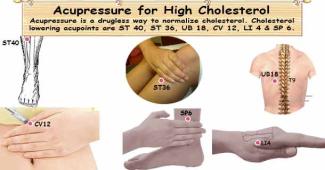
Cholesterol-lowering acupoints are ST 40, ST 36, UB 18, CV 12, LI 4 and SP 6.
1. ST 40
Stimulating this point can improve cellular signaling, vascular tone, and blood pressure. It enhances insulin secretion, airway tone, and peristalsis. It protects against oxidative stress and prevents atherosclerotic plaque formation. Stimulating ST40 point increases the cholesterol efflux (the process of eliminating cholesterol from cells) from macrophages. The study reveals this point reduces inflammation and muscle pain. It down-regulates pro-inflammatory cells and up-regulates anti-inflammatory cells.
What are the uses of ST40? Traditionally, stomach 40 is for tiredness, phlegm, and chest pain (a consequence of atherosclerosis). Indicate this point for:
- cough,
- phlegm,
- asthma,
- headache,
- dizziness,
- epilepsy,
- swelled face,
- body heaviness,
- breathlessness,
- noisy breathing,
- mental restlessness,
- urge to flee, and
- a weakness of the lower extremities.
How to locate & stimulate ST 40? On the anterior aspect of the lower leg, eight cun (one cun equal to patients one thumb width) superior to the external malleolus, lateral to ST 38, two finger-breadth (middle finger) from the anterior crest of the tibia. For acupressure, use firm pressure with any blunt object. Try to relax by closing your eyes, and breathe deeply. If you prefer acupuncture, then perpendicular insertion of the needle to 1.0 to 1.5 cun.
2. ST 36
ST 36 is the most commonly used acupressure point used to boost overall immunity and vitality. ST 36 tone Qi and Blood and promote wellness. It is especially useful for children or adults with poor digestion that is often the cause of chronic illnesses.
This point is also called "Leg Three Miles." Because, when you try stimulating this point when you are so tired and no longer walk, afterward you will be able to walk another three miles.
In neuroimaging studies, stimulation of ST36 has shown to affect the limbic and para-limbic systems in the brain responsible for stress response.
What are the uses of ST36? Traditionally this point is used to improve digestion and the metabolism of fats. This point is health-promoting and longevity.
This point is useful for:
- Vomiting,
- abdominal pain,
- diarrhea,
- indigestion,
- constipation,
- emaciation,
- Palpitation,
- shortness of breath,
- poor appetite,
- lassitude,
- dizziness,
- insomnia,
- cough, and
- asthma
Some experimental research suggests a reasonably good increase of T-lymphocytes after acupuncture stimulation at ST 36 and Large Intestine 4 acupoints. It also increases of lymphoblast transformation, which persists for 24 hours after stimulation.
What is the function of ST36? Qi and Blood harmonize and strengthens the Spleen & Stomach, and enhances the body.
How to locate & stimulate ST 36? ST36 is located three cun (4 finger-widths down) from the bottom of your kneecap, along with the outer boundary of your shin bone. If you are in the right place, a muscle should pop out as you move your foot up and down. Apply downward pressure on the tissue. For acupuncture, insert needle perpendicularly to about 1.0 - 2.0 cun.
3. UB 18
Most used points for all liver-related conditions both physical (such as hepatitis, jaundice, cirrhosis, blood/qi stagnation, and eye problems) and psycho-emotional (such as anger, depression, irritability, frustration, and stress).
What are the uses of UB 18? Indicate this point for:
- pain in the hypochondria,
- jaundice,
- eye diseases,
- bitter taste in the mouth,
- headache,
- vomiting,
- epistaxis,
- manic psychosis,
- lack of energy,
- Yang or Yin disease, and
- back pain.
What is the function of UB 18? Moves stagnant Liver Qi, regulates and nourishes Liver Blood, resolves Damp-Heat, benefits the eyes and sinus, dispels Wind.
How to locate & stimulate UB 18? 1.5 cun lateral to GV 8, level with T9 (spinal). For acupuncture treatment, oblique insertion towards the spine, 0.5 to 1 cun or transverse, oblique insertion 1 to 1.5 cun. Caution: perpendicular needling or oblique needling away from the spine carries a substantial risk of pneumothorax. Do not needle deeply to avoid puncturing the Lung.
4. CV 12
What are the uses of CV 12? This point is useful for stress linked digestive disorders (such as heartburn and diarrhea) and worry and overthinking linked insomnia and anxiety. Tiredness, soft feces, poor appetite, abdominal fullness, sticky taste, heaviness, nausea, stomach pain, digestive difficulty, reflux, vomiting, anxiety, thoughtful state.
What is the function of CV 12? Moves stagnant liver Qi, nourishes liver blood, resolves damp-heat, benefits the eyes, and dispels wind.
How to locate & stimulate CV 12? 4 cun above CV 8 (umbilicus). Needling vertically up to 1.5 cun but it can take the time to find the Qi.
5. LI 4
This point is useful for gastric pain, abdominal pain, constipation, diarrhea, dysentery. Use in conjunction with LIV 3 to properly move the qi and blood in the body, to remove stagnation and alleviate pain.
What are the uses of LI 4? This point is useful for diseases of the head and face; a pathogenic headache and body ache, dizziness, congestion, swelling and pain of the eye, sinusitis, nosebleed, toothache, lockjaw, etc. Additionally, it is for gastric pain, abdominal pain, constipation, diarrhea, and dysentery.
What is the function of LI 4? This point helps expels the wind and releases the exterior, tonifies qi and strengthens immunity, stops the pain, regulates the face and head area, induces labor.
How to locate & stimulate LI 4? In the middle of the 2nd metacarpal bone on the radial side.
6. SP 6
This point strengthens spleen, stomach, kidney, and harmonizes liver. It dispels dampness (remove edema), invigorates blood, and enhances Yin.
What are the uses of SP 6? This point is useful for:
- Spleen and Stomach deficiency,
- abdominal distention,
- diarrhea,
- mass & gathering in the abdomen,
- irregular menstruation,
- prolapse of the uterus,
- infertility, and
- impotence,
- hernia,
- edema,
- dysuria,
- insomnia,
- headache, and
- dizziness.
What is the function of SP 6? Strengthens the spleen and stomach, fix dampness, strengthens liver & kidneys, nourishes blood and yin, and regulates menstruation.
How to locate & stimulate SP 6? On the medial aspect of the lower leg, three cun above the medial malleolus, on the posterior border of the medial aspect of the tibia. For acupuncture, needle perpendicular insertion for about 1.0 - 1.5 cun. Do not needle during pregnancy.
How does acupressure work to lower high cholesterol?
Acupressure increases liver functions and improves circulation in the body. It corrects the metabolic disorder of lipid and protein and lowers the LDL/HDL ratio. Also, prevents as well as decreases the risk of atherosclerosis and coronary heart disease.
Is Acupressure Safe?
Acupressure is safe, there are no publications about any severe complications, despite millions of treatments every year.
Self-administered acupressure is also safer after proper training. Vigorous acupressure may cause bruising in sensitive individuals.
Bad Unhealthy Fats

Humanmade fats are mostly bad and unhealthy including trans-fats and solvent extracted oils. You can lower your LDL and raise HDL by avoiding these bad.
In 1990, a Dutch study reported that Trans fatty acids hurt serum cholesterol. Harvard School of Public Health researchers said that heart disease, breast and prostate cancers linked to increased intakes of Trans fatty acids.
A study "Intake of trans-fat and all-cause mortality in the Reasons for Geographical and Racial Differences in the Stroke (REGARDS) cohort" is published in the American Journal Clinical Nutrition May 2013 049064. The study shows a high intake of trans-fat associated with an increased risk of mortality.
In November 2013, the U.S. Food and Drug Administration made the belated determination; the partially hydrogenated oils (Trans-fats) could no longer be “generally regarded as safe.” At the press, they declared it as preliminary but expected to become permanent. If it happens, it virtually eliminates industrially-produced trans-fats in the U.S.; this can save thousands of lives every year.
First Trans fat
In 1911, Procter and Gamble started marketing Crisco derived from Crystallized Cottonseed Oil. Crisco is the first trans-fat in the market.
Ingesting trans fats increases LDL cholesterol in the bloodstream and reduces the HDL cholesterol. Additionally, trans fats cause inflammation. Inflammation leads to heart disease, stroke, diabetes, and other chronic conditions.
Trains-fats prolong the shelf life of the manufactured foods such as baked & frozen foods, chips, and fast foods. They are so cheap and behave the same as saturated fats in foods.
For years, medical experts, government agencies Food and Drug Administration, American Heart Association (AHA) urged to abandon traditional saturated fats for partially hydrogenated oils to reduce the risk of heart disease. These organizations popularize trans-fats as healthier for the heart than butter.
Trans fat is not digestion-friendly and unhealthy. On the contrary, natural saturated fat is considering healthy when in moderation.
Even small amounts of trans fats can harm health. For every 2% of calories from trans-fat consumption daily, increases the heart risk by 23%. Reference: "Trans Fatty Acids and Cardiovascular Disease." Published in the New England Journal of Medicine 2006; 354:1601-1613April 13, 2006.
The Dangers of Trans Fats (Margarine) – Bad fats
Once Margarine (hydrogenated vegetable oil) is considering as a heart-healthy alternative to butter. Most people believe butter contains much cholesterol and saturated fat; whereas margarine produced from unsaturated vegetable oils, so margarine is considering as healthy.
However, latest research showed margarine worsens the heart than butter. Humanmade margarine is hard to digest and absorb properly by the human body; because it is different from nature. Margarine increases LDL-C and decreases HDL-C levels. Additionally, it increases the risk of insulin resistance, heart attack, and stroke risk; this is due to inflammation and induces the immune system to overact. Even a small quantity of Trans-fat consumption is detrimental to your health.
MARY ENIG was a graduate student of biochemistry at the University of Maryland. She draws attention to the dangers of Trans-fats. She submitted her findings to the Journal of the Federation of American Societies for Experimental Biology (FASEB) and published in the Federation Proceedings in July 1978. Her finding suggested Trans-fats might play a role in increasing cancer risks, and it required further investigation.
How trans-fat affects us severely?
The synthetic trans-fat is non-bio-active; it means your body cannot use it. The small intestine absorbs and released into the bloodstream as chylomicrons; just like their bioactive natural counterparts. However, when the cells tried to use them for metabolic purposes; it binds with enzymes, inhibits its working, and causing undesirable effects (stiffening of the membrane).
How do you recognize the existence of Trans-fats?
Trans-fats are the worst offender. However, manufacturers can claim their product has no Trans-fats; when there is less than half a gram per serving. Hydrogenated or partially hydrogenated oil in an ingredient label shows the presence of trans-fat in the product.