
Prediabetes Treatment

Beta-cell dysfunction and insulin resistance contribute to the development of prediabetes. Thus, improving insulin sensitivity and beta-cell function can be the best prediabetes treatment.
Lifestyle intervention as Prediabetes Treatment
Insulin resistance of the liver, muscle, and adipose tissue and impairment of beta cell function are the common defect that causes prediabetes.
Thus, efforts to preserve or increase beta cell functions and decrease insulin resistance could be a potent way to treat prediabetes and stop progression to type 2 diabetes.
Insulin resistance is the body cells (liver, muscle, and adipose tissue) do not respond well to the insulin, so not able to properly take up glucose from the blood. As a result, the pancreas makes more insulin to help glucose enter the cells. It puts extra strain on the pancreas that leads to impairment of pancreatic beta-cell function.
Impairment of beta-cell function - The first-phase insulin secretion deteriorates gradually when the fasting plasma glucose exceeds 90 mg/dL. And is almost completely lost when it reaches over 110 mg/dL. Ref: Diabetes. 1988 Jun; 37(6):667-87., Diabetes. 2009 Apr; 58(4):773-95., Am J Physiol Endocrinol Metab. 2008 Aug; 295(2): E401-6., and Diabetologia. 2004 Jul; 47(7):1157-1166.
Individuals in the high level of impaired glucose tolerance are maximally insulin resistant, and decline in beta-cell function is about 70% to 80%.
Prediabetes Treatment – a Lifestyle change
Losing weight improves insulin sensitivity and preserves beta-cell function and inhibits progression to type 2 diabetes.
Clinical studies have shown that losing weight using diet and exercise improves insulin sensitivity and betterment of beta-cell function. Thus this is an excellent way to stop or slow down the progression of prediabetes to type 2 diabetes.
References:
- The New England Journal of Medicine 2001; 344:1343–1350.
- Diabetes. 2005; 54:2404–2414.
- Lancet. 2008; 371:1783–1789.
A weight loss of 5 to 7 % and 150 minutes of moderate exercise per week can reduce the progression of prediabetes to type 2 diabetes by 58 %.
Losing weight through lifestyle interventions, pharmacologic therapies or bariatric surgery augments insulin sensitivity, decreases beta-cell work overload, and betterment of glucose tolerance. Reference: Diabetologia. 2011 Oct; 54(10):2506-14 and the American Journal of Clinical Nutrition 2004 Jan; 79(1):22-30.
When individuals lose 5% of their body weight, total body insulin sensitivity improves by 30%. Reference: Diabetes. 2005 Aug; 54(8):2404-14. And a decrease in their progression from prediabetes to type 2 diabetes nearly by 58%. Reference: The New England Journal of Medicine 2002 Feb 7; 346(6):393-403.
Prediabetes Treatment – Pharmacotherapy
Pharmacotherapy is the next option to improve insulin sensitivity and beta-cell function if the lifestyle intervention failed to produce a result.
Clinical studies show Pharmacotherapy improve insulin sensitivity. Also, It found to diminish the progression of prediabetes to type 2 diabetes.
Metformin may be useful in the treatment of prediabetes.
Fasting plasma glucose concentration and hemoglobin A1C can be decreased by metformin in type 2 diabetes through inhibition of liver glucose production or through preserving beta-cell function.
References:
- The New England Journal of Medicine 1995 Aug 31; 333(9):541-9.
- The Journal of Clinical Endocrinology and Metabolism 1991; 73:1294–1301.
- The Journal of Clinical Endocrinology and Metabolism 1996; 81:4059–4067.
- The Journal of the American Medical Association. 1999; 281:2005–2012.
Thus, it is not unusual to claim that metformin would significantly lower the conversion rate from prediabetes to type 2 diabetes.
American Diabetes Association advice metformin usage in high-risk individuals (younger than 60-year, BMI over 30 kg/m2 and HbA1c over 6.0%) with prediabetes (either IGT or IFG).
Metformin is a drug that safely improves the body’s insulin sensitivity. It enables people to lose weight, help improve the underlying metabolic problem, and progression to diabetes type 2.
Pioglitazone is also useful for the treatment of prediabetes with some additional benefits. Pioglitazone decreases triglyceride concentrations and increases HDL levels while losing weight lowers blood pressure and heals lipid profile. The New England Journal of Medicine 2002 Feb 7; 346(6):393-403. However, Pioglitazone has few side effects that need to take into account before using it.
Another option is to initiate metformin plus low-dose pioglitazone. In high-risk IGT, individuals’ long-acting GLP-1 analog use along with diet and exercise, maybe the best option.
Lifestyle intervention or Metformin, which one is best?
The lifestyle intervention was more effective than metformin.
Lifestyle changes and metformin treatment both reduced the incidence of diabetes in persons at high risk. A study confirms lifestyle intervention is the better option compared to metformin. The New England Journal of Medicine 2002; 346:393-403.
It is recommended to follow a strict lifestyle modification for patients with prediabetes (IGT ± IFG).
Blood sugar normalized – what to do?
Even if the blood sugar returned to normal, you still need to follow a healthy lifestyle to stay on track. Also, you should maintain a healthy weight and have your blood glucose checked at least every three years. If you discontinue a healthy lifestyle and gaining weight, then your prediabetes or diabetes will likely to return.
Lower Fasting Blood Sugar

What should be my fasting blood sugar level? My blood sugar spikes after full night sleep! How can I achieve my fasting blood glucose target?
Why is my fasting blood glucose high?
People point fingers towards the nighttime snack or dinner for their high fasting blood glucose. It appears to be logical! Even it may be indirectly correct in few occasions; however, the real culprit is the hormones that involved in the blood glucose control.
Before going into the details about high fasting blood glucose, you should know about four hormones that influence your blood glucose level; Insulin, Amylin, Incretins, and Glucagon.
- Insulin is a hormone secreted by the pancreatic beta cells, which enable the body to move glucose into the body cells for energy. People diagnosed with type 2 diabetes have typically lost at least 50 % of their beta cell and function, and their insulin reserves are slowly dwindling further. People diagnosed with type 1 diabetes usually have only 15 to 40 percent of the beta-cell are still alive.
- Amylin is a hormone secreted by the pancreatic beta cells, which slow down the release of glucose into the bloodstream after eating by slowing stomach emptying. Additionally, it increases the feeling of fullness. People with type 1 & type 2 diabetes have amylin-deficient.
- Incretins is a hormone secreted from the intestines, which include glucagon-like peptide 1 (GLP-1); it usually enhances the body's release of insulin after eating. Which, in turn, slows stomach-emptying, promotes fullness, delays the release of glucose into the bloodstream, and prevents the pancreas from releasing glucagon, putting less glucose into the blood.
- Glucagon is a hormone secreted by the pancreatic alpha cells. It breaks down glucose stored in the liver and muscles, then releases it to provide energy when glucose from food is not available.
Next, learn how the system works in people with and without diabetes:
What happens while fasting? As blood glucose falls, the pancreas puts out less insulin hormone. At the same time, two other hormones amylin and glucagon-like peptide 1 (GLP-1) wane; these hormones help store and use glucose. A fourth hormone, glucagon, kicks into gear to offer a constant flow of glucose. Glucagon sends messages to the liver and muscles to make glucose from storage. For people without diabetes, the liver raises glucose as needed. In people with diabetes, the liver dumps the excess of glucose than required, especially at night causes high fasting blood sugar.
What happens after eating? Food raises blood glucose and sends a message to the intestines to release GLP-1, which increases the release of the insulin and amylin. These hormones help cells to use glucose from food as fuel. The release of glucagon turns off because there's little need for glucose from the liver or muscles when food is available. For people without diabetes, the increase in blood glucose normalized by increased insulin production. For people with diabetes, this can be a problem.
What are the causes of high fasting blood sugar? There are three leading causes of high fasting blood sugar; they are Somogyi effect, Dawn phenomenon, and waning insulin.
- What is the Somogyi Effect? The body overreacts to extreme low sugar with counter-regulatory hormones glucagon and epinephrine. This hormone secretion results in elevated blood sugar by spurring the liver to convert stored glycogen into glucose. Researcher Michael Somogyi was the first noted and described this rebound effect. Thus it got his name as a Somogyi effect. The Somogyi effect is due to untreated nighttime hypoglycemia, resulting in elevated blood sugar in the morning. People who wake up with high blood sugar may need to check their blood glucose at around 3 AM. To stop the Somogyi effect, you need to avoid hypoglycemia.
- What is the dawn phenomenon? The dawn phenomenon is a normal physiological process during which certain hormones in your bodywork to raise your blood glucose level to prepare you to wake up. The hormones involved in the dawn phenomenon are cortisol, glucagon, epinephrine, and growth hormone. These hormones are called counter-regulatory hormone, which works against the action of insulin. It causes the liver to release glucose to a healthy individual, and the liver dump glucose in people with diabetes. Results in an increase in blood glucose levels, which normalizes in nondiabetic and it not in the case of diabetic called a dawn phenomenon. The circadian rhythm is behind the development of DP.
- Diminished Insulin! High fasting blood sugar among patient taking insulin (type 1 or some type 2 diabetes), indicates their insulin may wear off sooner than required. If this is your case, then you should adjust your dosage or timing of insulin to normalize fasting blood sugar.
How do you correctly distinguish the cause behind your high fasting blood sugar?
If you want to correct your fasting blood sugar, then you should understand what causes your morning hyperglycemia. For this, you need to check and record your blood sugar before bed, at about 3 a.m., and immediately after wake up. Do this for a few nights in a row.
- If your blood sugar is reasonably healthy before bed and at 3 a.m, then your high fasting sugar may be due to the dawn phenomenon.
- If your blood sugar is reasonably healthy before bed and is low at 3 a.m, then your high fasting sugar may be due to the Somogyi effect.
- If your blood sugar is reasonably healthy before bed and elevated at 3 a.m., then your high fasting sugar may be due to diminished insulin.
Six natural ways to lower your fasting blood sugar
- Reduce or eliminate coffee consumption - Study shows high coffee consumption increased fasting insulin concentrations compared with coffee abstinence. Ref: Diabetes Care 2004 Dec; 27(12): 2990-2992.
- Biotin or Vitamin B7 supplementation - Daily administration of 16 mg biotin for one week decreased fasting blood sugar (FBS) by up to 50% of type 1 diabetic patients. Ref: Annals of the New York Academy of Sciences June 1985; 447:389-393.
- Cinnamon - At least three clinical studies have been performed to test the blood sugar-lowering and insulin-sensitizing effects of Cinnamon (Cinnamomum cassia).
- Fenugreek - Clinical research in people with diabetes for both a fenugreek extract and on soaked fenugreek seeds showing improvements in fasting blood sugar and insulin sensitivity.
- Ginger - Ginger has demonstrated promising results in basic science and animal research testing for its ability to improve insulin sensitivity. In this study, it shows that oral administration of ginger powder for 12 weeks at a dose of 2 g per day caused a significant reduction in the levels of fasting blood sugar and HbA1c. Ref: Iranian Journal of Pharmaceutical Research 2015 Winter; 14(1): 131–140.
- Garlic - Garlic significantly reduced fasting blood glucose concentrations. Ref: Asia Pacific Journal of Clinical Nutrition 2015; 24(4):575-582.
Lower Post-Meal Blood Sugars

Diabetes experts advised testing your blood sugars two hours after meals. However, most diabetics experience blood sugar spikes one hour and twenty minutes after food. So it is best to test one hour after the meal.
One study found that only 10 % of after-meal blood sugar was below 180 mg (10 mmol). It does not mean; it is not possible for you to reach healthy blood sugar.
However, be slow and in steps; first set a higher target that is easily achievable. Once achieved the set target, then lower your goal until you reach healthy blood sugar range. Be confident; you can make it with the below said tips, my advance congratulations.
Hormones & blood glucose homeostasis
- Insulin produced by the pancreatic beta cells enables glucose from the food to move into the body cells for energy.
- Amylin produced by the pancreatic beta cells helps slow down the release of glucose into the bloodstream from food by delaying stomach-emptying and increases satiety. Both type 1 and type 2 diabetes may have amylin deficiency.
- Incretin is gut hormone (such as GLP-1 glucagon-like peptide 1) secreted by the intestines. It enhances the body’s ability to release insulin after eating, slow down stomach-emptying, promotes satiety, delays blood glucose release, and prevents pancreatic glucagon release.
- Glucagon produced by pancreatic alpha cells breaks down glycogen stored in the liver and muscles into glucose and released into the bloodstream. It provides energy when there is no glucose supply from the food.
After food blood glucose rises, which instructs the intestine to release GLP-1, this in-turn increases insulin and amylin secretion. These hormones facilitate the body cells to use glucose from the food as fuel. At the same time, glucagon turn off even the reverse process that is the storage of excess glucose as glycogen takes place if the insulin level rises further.
While fasting blood glucose falls, proportionally pancreas reduces the insulin release, which in-turn switch of amylin and GLP-1 secretion, these hormones comment to store and use glucose. At the same time, a drop in insulin level turn on the release of glucagon, this breakdown stored glycogen and provide a constant flow of glucose.
Why Post-Meal BS Spikes?
After-meal, postprandial blood glucose spikes are temporary that occur after eating. Even in people who do not have diabetes, the blood glucose level rises a small amount after eating. Insulin starts doing its job to move glucose out of the bloodstream and into the cells. And Amylin keeps the food from reaching the small intestine quickly. However, in people with diabetes, this blood glucose spikes will be more significant, and it is slightly challenging to bring it back to a healthy range.
How long after food blood glucose stays high? After food, naturally, your blood glucose level goes up until insulin help the body cells to consume the glucose for energy. The blood glucose rise is a normal process of digestion; the concern is how high it goes. Blood glucose starts to rise at about 20 minutes after eating; it peaks between 1 to 2 hours and stabilizes at 2 to 4 hours after eating.
The exact timing of blood glucose spikes can vary from person to person and from meal to meal. However, on average, after-meal peaks tend to occur about one hour and 15 minutes after the start of a meal. Check before and after breakfast, lunch, and dinner. Do this several times to determine how much of a spike is taking place after each of these meals.
What should be your blood sugar levels after eating?
Here are some recommendations from the significant diabetes associations:
- The American Diabetes Association recommends keeping blood glucose below 180 mg/dl (10 mmol) one to two hours after the start of a meal.
- The European Diabetes Policy Group recommends keeping it below 165 mg/dl (9.2 mmol) at the peak.
- The American Association of Clinical Endocrinologists and the International Diabetes Federation suggest keeping it below 140 mg/dl (7.7 mmol) after eating.
In the beginning, follow after-meal goals as said below. These numbers are achievable, lead to a decent HbA1c level, and do not interfere with the daily quality of life:
- Adults who take mealtime insulin: below 180 mg/dl
- Adolescents (12–18 years): below 200 mg/dl
- School-age children (6–11 years): below 225 mg/dl
- Preschool-age and toddlers (5 or younger): below 250 mg/dl
- People with Type 2 diabetes who do not take mealtime insulin: below 140 mg/dl
Once you have achieved this target, then slowly try improving it until you reach a non-diabetic normal range of blood sugar.
A common approach to lowering after-meal blood glucose spikes is to take more insulin.
But unless blood glucose levels remain high for three to six hours after eating, taking more insulin is not going to solve the problem. Increasing mealtime insulin will most likely result in low blood glucose before the next meal.
Is Sugar Bad for You? Yes, no doubt but the total amounts of carb is more critical. So you don’t necessarily give up sugar forever, and you can enjoy it occasionally in small serving sizes.
People with diabetes when eating large amounts of simple carbs or sweets, their blood sugar spikes. And temporarily feel good (energetic) to normalize your blood sugar, your pancreas dumps insulin into the bloodstream. Your blood sugar might crash, and you feel bad (fatigue), at the same time, you gain weight like crazy. You are urged to choose simple carbs or sweets for a quick energy boost. Once again, your blood glucose spikes high and low; this vicious cycle is never-ending! This way, you may put on blood glucose roller coaster.
Know, why refined grains raises your blood glucose? Whole grain contains endosperm, bran, germ, and brush. The refining process strip off the bran, germ, and brush leave only the white-colored endosperm, which during digestion turn into glucose means sharp BS spike followed by BS crash.
When you eat whole grains, then digestion and absorption of glucose are slow and steady. Thus, more gradual blood glucose rise, followed by a nominal drop and better blood glucose homeostasis. Additionally, you can get extra nutrients for your good health.
17 Lifestyle choices to reduce BS spikes
- Reduce carb intake - Watch, what you eat? Since food is the most important things, you can do to control your blood glucose. The wrong choice of meals with too many carbs, such as white rice and pasta can cause your blood sugar to soar. To reduce your carb intake, you should avoid sugary foods/drinks, starchy foods (such as bread, pasta, rice, beans, and potatoes), and other foods made from refined carbs. Alternatively, you can eat real foods made of whole grains, vegetables, and fruits.
- Prefer low glycemic index foods - Glycemic Index (GI) is a measure of how much blood glucose spikes the carbohydrate in the foods produced. High GI foods produce more blood glucose spikes than medium or low GI foods. Thus as a person with diabetes, you should prefer low GI foods over high to achieve your after-meal target.
- Take a walk after a meal - A brief (as short as 15 minutes) walk at a slow pace shortly after eating is a quick way to burn some calories, aid digestion, and reduce after-meal BS spikes. References: Journal of the American Medical Directors Association 2009 Jul; 10(6):394-7 and Diabetes Care 2013 Jun; DC_130084. Walking immediately after food can reduce post-meal blood glucose spikes in various ways. Walk after eating enhances blood flow and facilitate better absorption of insulin, faster blood glucose control. Additionally, walking divert blood flow away from the intestine, thus slow down glucose absorption.
- Don’t Skip Breakfast - Breakfast is the most important meal of the day, especially for people with diabetes. The study showed that on the daily breakfast was skipped, all-day spikes in blood sugar levels resulted. The researchers believed skipping breakfast can negatively affect the function of pancreatic beta cells that produce insulin.
- Prefer smaller dinner – The digestion is better during the day than night after sunset. The study shows those who consumed a big breakfast in the morning (700 calories) and a small dinner in the evening (200 calories) had better control of their blood sugar. Those who ate a small breakfast (200 calories) and consumed a big dinner (700 calories had control of their blood sugar.
- Eating acidic foods - Studies found acidic food slows down digestion and lowers your blood sugar spike by up to 55%. Some of the acidic foods are vinegar, tomatoes, and most other sour-tasting fruits. Drinking 1 to 2 teaspoons of apple cider vinegar immediately before meals help lower your after-food blood glucose spikes. To learn more, you can visit apple cider vinegar for diabetes.
- Avoid Chinese Food: They are high in carb, fat, and MSG; thus, it raises blood sugar. Check your blood sugar 2 hours after eating to know who your body react to Chinese food.
- Dried Fruits raises BS: Fruit is a healthy choice, but dried fruits such as raisins, cranberries, cherries, or dates contain more carbs.
- Eat only 2 to 3 meals per day –
- Sugar-Free Foods raises BS: They will raise your blood sugar levels. Why? Because of carbs from starches, it contains. Check the total carbohydrates content on the Nutrition Facts label. Also, look for the presence of sugar alcohols such as sorbitol and xylitol sweetener. It has fewer carbs than sugar (sucrose); still, they can raise your blood sugar levels.
- Caffeine raises BS: Your blood sugar can rise after a cup of coffee, even black coffee without sugar in it. Black tea, green tea, and energy drinks containing caffeine can also raise your BS. Everyone with diabetes reacts differently for food or beverages, so keep track of your response. Ironically, other compounds in coffee may help prevent type 2 diabetes in healthy people. The study shows, type 2 diabetes who took 500 milligrams of caffeine (equivalent to four 8-ounce cups of coffee) experienced a 7.5 % increase in their average blood sugar levels. Caffeinated beverages include diet cola, coffee, and tea.
- Artificial Sweeteners - A study published in the journal Nature. It reported about the consumption of zero-calorie artificial sweeteners. It found in diet sodas and sweeteners often added to coffee and tea. This artificial sweeteners lead to glucose intolerance, increased blood sugar levels, and potentially increase the type 2 diabetes risk.
- Increase physical activity - Exercise enhances insulin absorption for many hours after exercise. Your body will use insulin more efficiently. In one study, just 30 minutes of slow walking reduced the average spike by 30 mg (1.7 mmol). The peaks were 45% higher when participants did not walk.
- Manage/Lower Stress - Stress increases the release of cortisol hormone by the adrenal glands, which increases your appetite. Additionally, stress disrupts hunger hormones such as ghrelin that regulate your appetite. Anxiety-induced hunger makes you choose junk food rather than a regular healthy diet. Thus, if you are under stress, don’t eat and postpone until you are free from stress. You can lower stress by taking ten deep abdominal breathing.
- Get enough sleep – In a study, healthy adults were asked to sleep only four hours a night for six nights. After this sleep restriction, the glucose tolerance (ability to break down glucose) on average was 40 percent lower.
- Prevent infection - To avoid infection, wash your hands before preparing food, before eating, and after using the toilet. Always drink safe drinking water. Don't share your items such as toothbrushes, towels, handkerchiefs, razors, and nail clippers. Keep yourself clean; bath daily, brush your teeth twice daily and wash your hand whenever required.
- Yogurt - Probiotic foods such as yogurt are load with healthy bacteria. This beneficial micro organism improves digestion and supports better blood glucose control. Always prefer homemade yogurt, because some store-bought yogurt pasteurized that kills this beneficial microbe, and also they add sugar for taste.
4 Smart ways to use insulin smartly to reduce BS spikes
- Use Analog insulin in place of Regular insulin – Using analog insulin (Humalog, Novolog or Apidra) instead of regular insulin (Humulin R, Novolin R). Regular insulin has its peak at 2 to 3 hours, and its duration of action is up to 4 to 6 hours. The newer analog insulin has a much faster peak of at around 1 hour, and its duration of action is up to 3 to 4 hours. Analog insulin matches well with the mealtime spikes.
- Warm up the injection site – Have you ever noticed, sitting in a hot tub for too long, bring down your blood sugar. When the skin heats up, blood vessels expand, boost circulation, and magnifies the absorption of insulin. In a study, insulin action increased on average by 30% in 51 patients in the first hour. You can warm the injection site by applying a hot pack or just rubbing the area. For people using insulin pump; Insupatch & InsuPad add a heating element with the infusion set.
- Bolus insulin timing – Rapid-acting insulin takes 15 minutes to start working. A study shows those who take bolus insulin 15 to 30 minutes before a meal had a 4% lower A1C than those who take their bolus just before a meal. So it is better to take your insulin 15 to 30 minutes before your meal.
- Super Bolus for insulin pump users - For people with diabetes on insulin pumps can go for “Super Bolus,” the term and technic provided by John Walsh, co-author of the book “Pumping Insulin: Everything You Need for Success with an Insulin Pump.” Super bolus is a technic to substantially reduce the basal rate for about 2 to 3 hours before eating and adding this reduced basal insulin to the normal pre-meal bolus. For example, if your basal insulin rate in the morning is one unit per hour, reduce the basal rate by 10% or 0.1 units per hour (i.e., 90 % reduction) for say 2 hours before breakfast. Then, this reduced basal insulin of 0.9 units per hour multiply by 2 hours gives 1.8 units of insulin give along with your pre-meal bolus insulin.
Does earlier bolus make a difference? Absolutely! Always best to give bolus insulin before food, but how much before? Maybe it depends on what you are going to eat and what is your pre-meal blood glucose level? Higher your pre-meal blood glucose, the earlier the bolus should be. Based on the glycemic index of the food and the pre-meal blood glucose level, bolus timing should be.
- If BS is much higher than your target, then you should give the bolus 15 to 45 minutes before a meal based on the glycemic index of the food.
- If BS is close to the target, then give the bolus at the start to 20 minutes before a meal.
- If BS is below target, then take the bolus right away to 15 minutes before eating.
Research has shown giving mealtime boluses before eating instead of after eating reduced the after-meal blood glucose spike by about 50 mg/dl or 2.8 mmol/l.
The higher the glycemic index of the food you are going to eat, then earlier should be your bolus. The glycemic index of the food is the ranking of how quickly a food causes blood glucose rise.
Low Blood Pressure Home Remedies
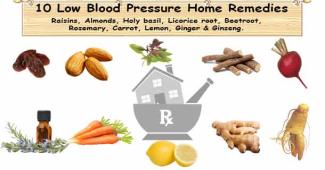
Raise your blood pressure without medication, using these effective home remedies to improve your low blood pressure.
10 Effective Home Remedies for Low Blood Pressure
- Raisins are a traditional remedy excellent for treatingac hypotension. Soak 30 to 40 raisins in a cup of water overnight. Eat them first in the morning on an empty stomach. You can discard the water in which the raisins soaked, because raisin skin may have pesticide residues. You can additionally soak two to three dates for improved efficiency.
- Almonds milk is another traditional home remedy for low blood pressure. Soak five to seven almonds in water overnight. In the next morning, peel off the skin, grind it with water and drink a cup of this nut milk every morning to prevent your blood pressure from falling. It is rich in Omega-3 fatty acids.
- Holy Basil or Tulsi is beneficial for low blood pressure by help balancing the mind and reduces stress. Additionally, Tulsi leaves are rich in potassium, magnesium, and vitamin C, which help to regulate your blood pressure. Chew four to five Tulsi leaves every morning.
- Licorice root is a popular home remedy to normalize your low blood pressure caused by low cortisol level. It helps increase cortisol by blocking the enzyme that breaks down cortisol. Additionally, it supports healthy adrenalin function. Licorice tea recipe: Steep one teaspoon of licorice powder in a cup of boiling water for about five minutes. Alternatively, you have 400 to 500 mg of licorice root capsules per day.
- Beetroot Juice helps both low and high blood pressure. Drink a cup of raw beetroot juice twice daily improves your blood pressure (low as well as high). Other natural fruit juices are also helpful to improve your blood pressure.
- Rosemary is useful in normalizing your low blood pressure by stimulating the central nervous system and improve circulation. Take up to 10 ml of rosemary tincture per day. Alternatively, for aromatherapy benefit, you can add three to four drops of rosemary essential oil in your diffuser.
- Carrot Juice is an easy way to improve low blood pressure. Wash the 3 to 4 fresh carrots, peel & chop it, use a blender to blend it into a smooth juice along with two teaspoons of honey or raw sugar and drink it twice daily in the morning & evening.
- Lemon Juice is useful for low blood pressure, especially if the cause is dehydration or poor digestion. It energizes your body by stimulating the liver and digestion. Squeeze ½ lemon in a glass of water, add a pinch of salt, add 1 or 2 teaspoons of raw honey, and drink for the first time in the morning.
- Ginger is useful for both low and high blood pressures. Ginger has anti-oxidant, anti–clotting, anti–spasmodic, and anti–inflammatory property that stimulates your blood circulation and improves blood pressure. Wash an inch of ginger, peel the skin, grated it, boil with a cup of water, taste it with a spoon of honey or raw sugar and ½ lemon, and drink it twice in the morning and evening.
- Siberian Ginseng is an adaptogen, which helps strengthen your body and increase your resistance to stress. Siberian ginseng is useful for heart problems, high blood pressure, and low blood-pressure problems. Take 1 to 2 teaspoons of sliced Siberian ginseng root, boil it with a cup of water, steep for about 15 minutes, strain the liquid, sweeten with raw sugar, and drink twice daily.
It’s important to keep your blood pressure at a healthy range. Unfortunately, there is no quick fix for hypotension. Support these natural home remedies by changing to low blood pressure lifestyle choices that help improve low blood pressure.
TCM Acupressure for Hypertension

As per Acupressure holistic high blood pressure, hypertension is not an identified pathology cause, but it can effectively treat.
Patients with hypertension will likely have a diagnosis involving liver wind with liver and or kidney involvement. As the liver control, the blood in TCM, circulation issues arises from a disharmony of the liver.
Symptoms of Liver Yang Excess
- You may have dizziness and or vertigo, distended headache, irritability, bitter taste in the mouth, red eyes, insomnia, and constipation.
- Tongue: Red with thin yellow coat
- Pulse is wiry, rapid, or possibly slippery.
Treatment Points Liver yang excess
- LV 2 - LV fire, could use LV 3 if fewer heat signs
- GB 20 - descend Qi, clear head
- GV 20 - descend Qi
- GB 34 - LV/GB fire
- SP 6 - tonify Yin
Symptoms of Phlegm-damp excess
- Dizziness and vertigo, head heaviness, appetite loss, nausea, chest oppression, heavy limbs, and obesity.
- Tongue: Swollen with greasy white coat
- Pulse: Slippery, wiry
Treatment Points phlegm-damp excess
- GB 20 - descend Qi, clear head
- ST 40 - resolve phlegm
- SP 9 - resolve phlegm
- CV 12 - ST Mu
- PC 6 – nausea
Symptoms of Liver excess with Kidney deficiency
- Dizziness and or vertigo, headache, tinnitus, sore back and knees, heat in the five palms, palpitations, insomnia, dry stools.
- Tongue: Red with thin white coat
- Pulse: Fine, wiry
Treatment Points liver excess with kidney deficiency
- KD 3 - tonify Yin
- LV 3 - harmonize LV
- SP 6 - tonify Yin
- HT 7 - calm the mind
- ST 36 - tonify qi
- UB 18 - LV Shu
- UB 23 - KD Shu
Symptoms of Yin & Yang deficiency
- Dizziness and vertigo, blurred vision, head heaviness, weak legs, shortening of breath, palm’s heat, sore back and knees, palpitations, and tinnitus. If Yang predominance - aversion to cold, profuse nighttime urination, impotence and nocturnal emissions.
- Tongue: Light red (more yang def) or Red striped (more yin def)
- Pulse: Fine, deep (more yang def) or Fine, wiry (more yin def)
Treatment point’s yin yang deficiency
- ST 36 - tonify Qi
- CV 4 - tonify Qi & Yin
- GV 20 - clear head
- UB 20 - SP Shu
- UB 23 - KD Shu
Yin Deficiency Predominates
- KD 3 - tonify Yin
- SP 6 - tonify Yin
- HT 7 - tonify Yin, calm spirit
Yang Deficiency Predominates - GV 4 - tonify Yang
Is high blood pressure Acupressure safe?
Acupressure is reporting as safe when performed by an experienced practitioner. No serious complications have published, despite millions of treatments every year. Self-administer acupressure is considering safe with proper training.
Udgeeth Pranayam
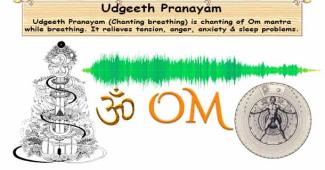
Udgeeth pranayama (Chanting breathing) is chanting of Om mantra while breathing. It is an excellent breathing technic relieves tension, anger, and anxiety. It cures sleep problems and bad dreams.
Udgeeth pranayama (Chanting breathing)
Udgeeth Pranayama is a Sanskrit word; Udgeeth means chanting, and pranayama means breathing. In English, it means chanting breathing.
Udgeeth Pranayama involves fundamental sound of chanting of AUM (OM) while exhaling that lasts for about twenty seconds. This OM chanting resonates and awakens the mind to its inherent potential. Mind, woke up and work to its full potential. This Pranayama cures depression, insomnia, and concentration problem.
Scientist discovered earth is vibrating with a sound OM inaudible to human ears; however detected by seismometers. Furthermore, Sun also believed to sing the tune that resonates with earth’s tune.
Mark Morford noted earth’s vibration tune resonates with the divine sound of ‘AUM.' The chanting vibration of Udgeeth pranayama is OM that resonates with the universal (earth) vibration. Thus helps us (Microcosm) to coexist with the universe (Macrocosm).
For maximum health benefits practice Udgeeth pranayama first time in the morning for a minute. One repetition takes about 5 to 20 seconds, at least do 6 to 8 repetitions.
How to do Udgeeth pranayama?
- Sit in comfortable, preferably Padmasana, close your eyes & mouth, and spine should be straight.
- Prepare yourself, the inhalation and exhalation duration should be long.
- Take deep breathe using your nose until the diaphragm is full.
- Exhale by chanting OM; ensure you pronounce O sound longer with short M (OOOOOOm). It is known as Omkara Japa.
Omkara chanting is by sounding "O" three times more than "M." Chant Omkara as long as possible to your capacity.
It is one cycle, repeat at least for 6 to 8 times.
9 Benefits of Chanting Breathing
Provides freedom from all kinds of physical problems & diseases, connecting your consciousness with the universe. Help you recognize "supernatural power" in yourself.
- The mind is very quiet, clean, and a bad idea will shy away.
- Calms the mind; relieves tension, anger, guilt, and anxiety.
- Excellent breathing technique for meditation.
- Useful to control hypertension.
- Cures insomnia, bad dreams and nightmares thus have to sound peaceful sleep.
- Cure nervous system problems.
- Improves memory, concentration, self-confidence, positive thinking, etc.
- It relieves intestinal gas, acidity, and other stomach ailments.
- It improves efficient blood circulation to the entire body.
Bhramari pranayama and OM chanting are effective in improving pulmonary function in healthy individuals. [International Journal of Yoga. 2014 Jul-Dec; 7(2): 104–110.]
Bhramri Pranayam

Bhramri Pranayam (Humming Bee breathing) produces a sound similar to the humming of a bee. It has a soothing effect on the brain and calms the mind.
Bhramari Pranayam (Humming Bee Breathing)
Bhramari Pranayam is a Sanskrit word; Bhramari means a black Indian bee and Pranayam means controlled breathing. In English, it means Humming bee breathing technique.
How to do the Bhramri Pranayam?
Close ears with thumbs, index finger on the forehead, and rest other three fingers on base of nose touching eyes. Breathe in and breathe out through the nose while humming like a bee.
- Sit in any easy posture on a mat or a chair. You can also do it lying on your back. Keep your spine straight, close your eyes and focus on breathing. Keep a gentle smile on your face. Keep your mouth closed.
- Breathe normally and relax your whole body.
- Gently place your thumbs over your earlids, index fingers on your forehead, and remaining fingers on the eyelids. You can also do this pranayama with your fingers in the Shanmukhi Mudra.
- Take a slow deep breath filling the lungs fully.
- Exhale slowly with continuous humming sound from the throat, while mouth closed. The sound should reverberate in the head. Which is deep, steady and smooth similar to the humming sound of the bee.
- Do for 3 to 4 repetitions.
This pranayama is usually practiced after the warm up at the start of the yoga session. Still, you can practice it at the end of a yoga session.
Keep your eyes closed for few minutes, observe body sensations and the quietness within you. Practice 11 to 21 rounds daily, do not overload and take a break when required. You can practice it 3 to 4 times a day. This pranayama should do on an empty stomach.
11 Benefits of Humming Bee Breathing
Bhramari pranayama is useful for mental tension, depression, epilepsy, hypertension, heart conditions, paralysis, migraine pain, low confidence, and lack of concentration.
- Best pranayama acknowledged as a stress buster.
- Five minutes practice of this pranayama can reduce blood sugar level.
- Improves memory, concentration, and build confidence.
- It helps in paralysis.
- The humming sound have a natural calming effect; calms down the agitated mind.
- Provide instantly relieves tension, anger, and anxiety.
- It is effective for insomnia patient.
- It is a very effective breathing technique for people with hypertension and helps reduce blood pressure.
- Practicing it regularly during pregnancy facilitates trouble-free healthy childbirth.
- Removes throat ailments and gives a good sonorous voice.
- Provides relief from a slight headache and reduce migraines.
It is one of the best breathing technique free your mind of agitation, frustration, anger or anxiety. It instantly de-stress you.
Precautions and Contraindications
Safe for all people of any age (child to older adult). Few individuals may feel cold or tingling sensation in their throat due to humming sound, but it is normal.
If you are feeling dizziness when practicing, then break the practice with continuous normal breathing.
People with any serious health issues can practice this pranayama under the supervision of a yoga master.
Clinical studies on Bhramari pranayama
Bhramari pranayama and OM chanting are effective in improving pulmonary function in healthy individuals. [International Journal of Yoga. 2014 Jul-Dec; 7(2): 104–110.]
Bhramari pranayama improves the resting cardiovascular parameters in healthy adolescents. [Journal of Clinical & Diagnostic Research. 2016 May; 10(5): CC17–CC19.]
Bhramari Pranayama intervention was found a significant effect on mental health and increased level of mental health was found in post study in comparison to pre-study. Bhramari Pranayama provides a means to individual peace, happiness, develops optimism attitude, self-esteem and proper coordination between mind and body. [The International Journal of Indian Psychology Volume 4, Issue 2, No. 87]
Bhramari pranayama helps to improve the attention process throughout by we can improve their academic performance. [SENSE, 2012, Vol. 2 (2), 124-128]
EEG data recorded before and after Bhramari pranayama shows similar and positive changes in different brainwave patterns, related to the relaxed state. [SCIS&ISIS2006 @ Tokyo, Japan September 20-24, 2006]
Bhastrika Pranayam

Bhastrika Pranayam (Bellow’s Breath) helps to increase Prana or vital energy and keeps the body healthy and mind happy.
Bhastrika Pranayam (Bellow’s Breath)
Bhastrika increases blood flow causes a slight rise in body temperature, accompanied with mild sweating. Bhastrika increases the oxygen content in the blood.
Bhastrika Pranayama is a Sanskrit word; Bhastrika means bellows and pranayama mean breathing, literally means bellow breathing. Just as the blacksmith blows the bellows to create heat to purifies iron and shape; Bhastrika increases body heat and purifies the mind & clear pranic blockage.
It is better to practice Bhastrika when the temperature is not hot; during summer practice only in the morning. However, in the winter you can practice it both in the morning and evening. It should be practice on an empty stomach.
How to do the Bhastrika pranayama?
- Sit in Padmasana, Siddhasana, Vajrasana, or sit erect, shoulder relaxed, and mouth closed.
- Take few deep inhalation with a belly fully expand and followed by exhalation.
- Start bellow breathing by rapid, forceful exhaling through your nose, followed by inhalation with a hissing sound at a rate of one cycle per second.
- Make sure your breath is from your diaphragm, at the same time keep your head, neck, shoulders, and chest without movement while your belly moves in and out rhythmically.
- Begin with ten inhalations and exhalation for one round. Slowly you can increase over time; some even do it until perspire.
Listen to your body during practice, if you feel light-headed pause for a few minutes while breathing naturally. Do another round of bellows breathing, slower with less intensity.
11 Benefits of Bellow’s Breath
- Increases the oxygen level in the blood, thus replenishes the entire body.
- Removes nose and chest blockage, useful for asthma patients and relieves throat inflammation.
- Good for digestion; increases gastric fire, appetite, and metabolism.
- Activate all internal organs, thus improves overall wellbeing.
- Purifies Nadis (energy channels) in your body and ensures free pranic flow to all organs in your body.
- Remove imbalances of Vata (wind), Pitta (bile), and Kapha (phlegm) and balances all these three doshas. So provide relief from almost all health conditions and improves your health.
- Improves memory and make your mind sharper.
- Refreshes you entirely; a healthy body and happy mind.
- Useful for weight loss, it accelerates the rate of fat burning by the body and trims stomach.
- Get rid of negative thoughts and keep your depression away.
- Finally, it improves your entire body from head to toe.
Precautions and Contraindications
People suffering from heart diseases should not practice this pranayama. Avoid it when you have severe nose block, asthma, fever, or any recent surgery.
Do not practice if you are pregnant, uncontrolled hypertension, epilepsy, seizures, or panic disorder. Never to this pranayama on a full stomach, wait at least three hours after eating.
Clinical studies on Bhastrika pranayama
Slow pace bhastrika pranayama (respiratory rate 6/min) exercise thus shows a strong tendency to improving the autonomic nervous system through enhanced activation of the parasympathetic system. Baroreceptor sensitivity can be enhanced significantly by slow breathing (supported by a small reduction in the heart rate observed during slow breathing and by a reduction in both systolic and diastolic pressure). [J Altern Complement Med. 2009 Mar; 15(3):293-5.]
Pranayama exercises are beneficial for the better maintenance of pulmonary functions, even in normal healthy people after 12 weeks of practice. [International Research Journal of Pharmacy 16/03/12]
Supta Baddha Konasana

Supta Baddha konasana is a Sanskrit word Supta means Reclining, Baddha means Bound, Kona means Angle, Asana means Pose. This asana is also called the Bound Angle Pose, Cobbler Pose, Reclined Cobbler’s Pose or Reclined Goddess Pose.
Supta Baddhakonasana - Goddess Pose
Supta Baddha Konasana (Reclined Bound Angle Pose) is a deeply relaxing, potent restorative yoga pose and a hip opener. It also goes by the name of Goddess Pose. This pose opens the chest, abdomen, and pelvis. Psychologically, it provides a feeling of calm and wellbeing. It is much useful for those who are high blood pressure and pregnancy, also supportive of easy child delivery.
How to do the Supta Baddha Konasana?
In the beginning, you might experience a strain in your groin and inner thighs as you practice this pose. To reduce this, slightly raise your feet off the floor.
- Lie down on the back.
- Bend the knees and bring the soles of the feet together.
- Drag the soles along the floor and bring them as close as possible to the body. Stay in this position as long as comfortably can.
- Use an eye bag, if you have one, to gently massage the muscles around the eyes to relax and let go.
- Take a couple of long, slow inhales and exhales. Wish to remain here as long as 30 minutes in a deep, restorative practice.
9 Benefits of Reclining Bound Angle Pose
Supta baddhakonasana relieves menstrual cramps, menopause. It opens up and relaxes the entire womb and pelvis, increasing blood flow, and regulating the release of hormones.
The Supta Baddha Konasana benefits are as follows:
- Promotes deep relaxation in few minutes, you feel refreshed and rejuvenated.
- It activates the ovaries, prostate gland, kidneys, and bladder.
- Stimulates the heart, thus improves blood circulation.
- It stretches your groins, inner thighs, and knees.
- Calms the mind; relieves stress, tension, and mild depression.
- It relieves muscle tension, fatigue, headaches, and insomnia.
- It decreases stress in the nervous system.
- Energizes your body and relieve fatigue.
- Improves blood circulation in the lower belly; soothes the digestive and reproductive systems. Thus useful for irritable bowel syndrome, infertility, menstrual disorders, digestive issues, menopause, etc.
Precautions and Contraindications
Avoid practicing this asana if you have injuries in the Knee, Groin, shoulder, hip, and lower back pain.
Pregnant women must do this asana under the supervision of an instructor. You should always keep your chest and head raised while in this pose.
Viparita Karani
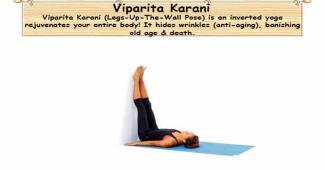
Viparita Karani (Legs-Up-The-Wall Pose) is an inverted yoga pose rejuvenates your entire body! It hides wrinkles (anti-aging) in addition to banishing old age and death.
6 Hypertension Yoga to Normalize Your Blood Pressure
Viparita Karani is a Sanskrit word, viparita means turned around, reversed, or inverted and karani means doing, making, or action. In English, it is Legs-Up-The-Wall Pose.
Viparita Karani "destroys" old age and death. It has anti-aging effects on your body.
Viparita Karani reduces wrinkles also keeps old age and death at bay. This asana is a restorative pose; promotes blood circulation to every body part and relieves just about any ailment.
How to do the Viparita Karani?
- Lie on one side (right or left as per convenience) with one hip over the blanket and the other hip facing the ceiling. Having the legs one over the other and is parallel to the walls, the upper parts of the body perpendicular to the wall, and the buttocks is in contact with the wall.
- Now, bend the knees and bring it close to the chest. Gently roll from the side (hip on the ground) to the back, keep the upper body supported with the elbows on the floor.
- Lowering the upper hip down towards the ground and extend the legs up to the wall.
- Stay here several minutes for your comfort.
- To come out of the pose, bring the knees close to the chest and roll to the sides (right or left as per convenience).
9 Benefits of Legs-Up-The-Wall Pose
Viparita Karani is useful for anxiety, arthritis, digestive problems, headache, high & low blood pressure, insomnia, migraine, mild depression, respiratory ailments, urinary disorders, varicose veins, menstrual cramps, premenstrual syndrome, and menopause.
- It relieves arthritis, headaches, high/low blood pressure, and insomnia.
- Eases premenstrual syndrome and menopause symptoms.
- Relieves tired, cramped feet and legs.
- Stretches the hamstrings, legs and lower back. It relieves lower back pain.
- Calms the mind; relieves anxiety and stress.
- Improves digestive system and relieves indigestion.
- Stimulate the thyroid gland.
- Boosts metabolism; help reduces body weight.
- Provide revitalizing energy and strengthen your nervous system.
Precautions and Contraindications
A mild inverted pose, therefore, avoids during menstruation, glaucoma, and serious back & neck problems (do under the yoga master’s guidance). If you experience tingling in your feet during asana practice, bend your knees and touch the soles, bringing your heels close to the pelvis.