
Lipid Profile Test

In this article, we are going to see; What is a cholesterol test? How to use the lipid profile test to assess cardiovascular health? What, how & Why you need it?
What are lipids?
Lipids are fats and fat-like substances, and they are essential constituents of cells and energy sources.
Two essential lipids are cholesterol and triglycerides, which are carried in the blood by lipoprotein particles. Every lipoprotein particle contains a combination of cholesterol, triglyceride, protein, and phospholipid molecules.
What is a cholesterol test?
Other names for cholesterol tests are lipid profile test, lipid panel test, lipoprotein profile test, and lipoprotein panel test.
A lipid profile test is a useful screening test to diagnose abnormal high cholesterol. But you should combine it with advanced lipid testing for an accurate picture of total health.
A lipid panel measures lipoprotein particles that are classified based on their density; they are high-density lipoproteins (HDL), low-density lipoproteins (LDL), and very-low-density lipoproteins (VLDL).
A lipid profile test measures total cholesterol, LDL-C, HDL-C, and triglycerides. The test results are in mg/dL or mmol/L.
This test estimates total cholesterol, triglycerides, and HDL using ultra-centrifugation or chemical precipitation.
Why you need a cholesterol test?
Cholesterol produced by the liver is carried in the blood to deliver it to all the body cells.
High levels of cholesterol in the blood indicate the following:
- Inflammation in the body,
- Low thyroid function,
- Eating high carb diet (raised triglyceride levels),
- Weak digestion, leaky gut, allergy, ulcer, infection, etc.
- Liver problems,
- Kidney disease.
If your cholesterol levels are high, then you need to analyze your lifestyle for:
- high or improperly managed stress,
- inadequate or excess restless sleep,
- unhealthy diet, etc.
These are the things that promote inflammation that leads to high cholesterol. If these are not the cause of high cholesterol, then you need to undergo a set of test for the functions of thyroid, liver, and kidney.
To know how much cholesterol in the blood? You need to undergo a cholesterol test.
Details about the lipid profile test?

This cholesterol test provides information about
- Total cholesterol - It is the measure of the sum of all cholesterol by breaking down lipoprotein particles.
- Low-density lipoprotein cholesterol (LDL-C) - It is the calculated or measured cholesterol level in LDL particles. Mostly, the LDL-C is calculating from the results of total cholesterol, HDL-C, and triglycerides.
- High-density lipoprotein (HDL) - It is the measure of the cholesterol in HDL particles. HDL-C carries excess cholesterol and delivers it to the liver for removal.
- Triglycerides (the most common form of fat in the blood) - It measures the triglycerides in all the lipoprotein particles. Most of the triglycerides are in the very low-density lipoproteins (VLDL).
Other information reported in the lipid panel is parameters calculated from the results of the tests listed above.
{"preview_thumbnail":"/sites/default/files/styles/video_embed_wysiwyg_preview/public/video_thumbnails/kkjsS2E9fmE.jpg?itok=bhAGxb6w","video_url":"https://youtu.be/kkjsS2E9fmE ","settings":{"responsive":1,"width":"854","height":"480","autoplay":0},"settings_summary":["Embedded Video (Responsive)."]}
Total Cholesterol
Total cholesterol is the sum of cholesterol in all the lipoprotein particles (VLDL, LDL, and HDL).
TC = LDL-C + HDL-C + VLDL-C
High-density lipoprotein cholesterol (HDL-C)
Labs measures HDL cholesterol by separating HDL lipoproteins from other lipoprotein fractions and measure the cholesterol in the HDL particles.
Low-density lipoprotein cholesterol (LDL-C)
Most labs use Friedewald formula to calculate LDL cholesterol.
Most labs estimate the concentration of low-density lipoprotein cholesterol using Friedewald formula as below:
LDL-C = TC – HDL-C - TG/5
This formula is based on the typical composition of VLDL. This formula is useful only if the triglyceride is within 100 to 400 mg/dl or 1.129 to 4.516 mmol/l. Otherwise, it will give the wrong LDL-C number.
A clinical study published in the Journal of the American College of Cardiology found this method for calculating LDL-C levels may often produce inaccurate results.
This indirect LDL-cholesterol estimation is unreliable when the triglyceride levels are low. Ref: The Impact of Low Serum Triglyceride on LDL-Cholesterol Estimation, published in Arch Iranian Med 2008; 11 (3): 318 – 321.
If your triglyceride is below 100 mg/dl or 1.129 mmol/l, then you can use this formula:
LDL-C (mg/dL) = TC/1.19 + TG/1.9 – HDL/1.1 – 38
or
LDL-C (mmol/L) = TC/1.19 + TG/0.81 – HDL/1.1 – 0.98.
Very low-density lipoprotein cholesterol (VLDL-C)
Calculation of VLDL-C is from triglycerides divided by 5; this formula is based on the typical composition of VLDL particles.
VLDL-C – TG/5
Non-High-density lipoprotein (non-HDL-C)
Some labs provide non-HDL cholesterol calculated from total cholesterol minus HDL-C.
Non HDL-C = TC – HDL-C
A flaw in the cholesterol test!
There is a problem with the cholesterol test; it measures just cholesterol in the lipoprotein. This test does not provide the size or number of particles.
Various studies confirm that small LDLs and large HDLs have a cardiovascular risk. Additionally, high LDL particle and low HDL particle numbers are risks towards heart disease.
But lipoprotein particle number and size measurement tests are costlier compared with the traditional test. Additionally, it is not available everywhere. So, alternatively, we can utilize the lipid profile test to assess the particle number and size.
How to use the lipid profile test to assess cardiovascular health?
LDL-C has a link with heart disease risk; however, there are 2 LDL variants; they are large buoyant and small dense.
LDL has closely associated with heart disease. But there are two LDL variants; one is large, buoyant not associate with heart disease, and another small, dense associated with heart disease.
If there is no access to LDL-P measurement, the next best markers are triglycerides and HDL.
High levels of triglyceride indicate the presence of small LDL-P, insulin resistance, and metabolic syndrome.
Certain HDL and triglyceride level indicate the presence of dangerous LDL-B particles; they are:
- High triglyceride levels, i.e. over 120 mg/dL or 1.35 mmol/l;
- HDL levels of below normal, i.e. 40 mg/dL or 1.03 mmol/l in men and 50 mg/dL or 1.29 mmol/l in women;
A low level of triglycerides indicates the presence of harmless LDL-A particles.
Usually, the elevated triglyceride is the result of high VLDL. Lowering triglyceride levels can proportionally convert from small, dense LDL into large, fluffy molecules.
Triglyceride to HDL-C (TG/HDL) ratio
The study shows triglyceride/HDL cholesterol ratio of over 3.8 increases the chance for phenotype B.
The triglyceride/HDL-C ratio is a better prediction of the LDL phenotype B. Ref: American Journal of Cardiology Volume 94, Issue 2, pages 219-222, 15 July 2004.
The triglyceride/HDL-C ratio is useless for African-Americans. They do not have high triglycerides, even with severe insulin resistance. Because they own a different lipase type enzyme to metabolize triglyceride expression, their insulin resistance should assess by glucose abnormalities, obesity, and hypertension. It is not by high triglycerides and or low HDL cholesterol.
LDL-P assessment from lipid profile test
Patient with triglyceride over 130 mg/dl or 1.47 mmol/l indicates high ApoB particles (LDL) count.
TG/HDL-C ratio is just predicting the LDL size (not particle concentration LDL-P). But, most patients with small LDLs have increased numbers of LDLs. Ref: Diabetes Care 2005; 28; 1798-1800.
Non-HDL-C
Non-HDL-C is a better marker of cardiovascular risk than LDL-C. Non-HDL-C is a better way to correlate with the LDL particle number. Also, it is immediately available from the lipid profile test.
Total cholesterol minus HDL-C gives non-HDL-C; i.e., Non-HDL-C = TC - HDL-C.
Non–HDL-C and ApoB are the best predictors of CHD than the cholesterol it carries. Reference: Circulation 2005; 112: 3375-3383.
How to prepare for the Cholesterol Test?
To undergo a complete lipid profile, you need to avoid eating or drinking anything except water and medications for a minimum of nine hours, ideally twelve hours, and a maximum of fifteen hours before a cholesterol test.
However, if you are taking only HDL and total cholesterol levels, then you may not require fasting.
How is the cholesterol test performed?
Your doctor requires to get a blood sample from you in the morning after fasting. It is an outpatient procedure performed at a diagnostic lab; it takes a few minutes with relatively no pain.
What does the test result mean to you?
If your cholesterol numbers are in an abnormal range, then you may be at a higher risk of heart disease, stroke, and atherosclerosis. If your cholesterol test results are higher than usual, then your doctor may order a thyroid function test to know whether your thyroid is underactive.
Can cholesterol tests give the wrong result?
Clinical factors that may cause lipid test error result include but are not limited to the following:
- Illness such as severe infection or myocardial infarction (uhn·faark·shn),
- Improper fasting,
- Interference from the medication such as oral contraceptives or corticosteroids,
- Human (test) error,
- Pregnancy or phase of the menstrual cycle.
Also, other factors such as alcohol, smoking, posture, exercise, and prolonged tourniquet (tur·nuh·kuht) use may produce an error in the result of false positive or negative.
Hyperglycemic Hyperosmolar Syndrome
Hyperglycemic hyperosmolar syndrome (HHS) is a type2 diabetes complication involving extremely high blood sugar levels without ketones.
What is hyperglycemic hyperosmolar syndrome?
Diabetic HHS is a condition of severely high blood sugar, extreme lack of water (dehydration), and decreased consciousness. Generally, there may be ketone’s build-up in the body often mild. HHS is usually developed among type2 diabetes and occasionally among undiagnosed patients.
Alternative names are hyperglycemic-hyperosmolar coma, nonketotic-hyperglycemic hyperosmolar coma (NKHHC), or hyperosmolar-nonketotic coma (HONK).
HHS causes
Most often, this condition has brought on by
- Poorly managed diabetes,
- Infection,
- Severe illness (such as infection, heart attack or stroke, and resent surgery),
- Poor kidney function,
- Older age,
- Medication increased fluid loss (such as diuretic).
The kidney try removing this high blood glucose through urine, if you do not drink enough liquid or taking sugar-rich fluid makes it difficult for the kidney to remove excess glucose.
HHS symptoms
HHS symptoms are coma, confusion, convulsions, fever, increased thirst, increased urination, lethargy, nausea, and fatigue. The condition worsens over time with severe symptoms such as dysfunctional movement, loss of feeling/function of muscles, and impaired speech.
HHS diagnosis and tests
HHS diagnosis is by examining the symptoms such as extreme dehydration, high fever, increased heart rate, and drop in systolic BP.
Tests for diagnosis of HHS are blood osmolarity (concentration), BUN & creatinine levels, blood sodium level, ketone test, and blood-glucose test. Other evaluation tests include blood cultures, chest x-ray, electrocardiogram (ECG), and urinalysis.
HHS treatment
HHS treatment goal is to correct dehydration, normalize BP, improve urine output and boost circulation. Increase potassium rich fluid intake, if it is impossible orally, then give through intravenously. Normalize the blood-glucose level with insulin treatment.
If untreated can lead to various complications such as acute circulatory collapse (shock), blood clot, brain swelling or cerebral edema, and lactic acidosis (blood becomes acidic).
HHS prevention
Prevention HHS by proper type2 diabetes management and learn to recognize the early symptoms of dehydration & infection.
Hyperglycemia
Hyperglycemia is a serious health concern for diabetes as well as undiagnosed diabetes. Learn what is happening during high blood sugar, and what you have to do.
What is hyperglycemia?
Hyperglycemia is a Greek word “Hyper” means excessive, “Glyc” means sweet, and “Emia” means the blood. Hyperglycemia is a condition characterized by an excess amount of blood glucose, generally anything over 7.0 mmol/L (or 126 mg/dl) when fasting and over 11.0 mmol/L (or 200 mg/dl) 2-hours after meals.
What are the symptoms of high blood glucose?
Hyperglycemia rarely has noticeable symptoms until it significantly elevated around 200 mg/dL or higher. In many instances, the symptoms can develop slowly over several days or weeks; the common signs and symptoms of hyperglycemia are frequent urination, increased thirst, hunger, blurry vision, difficulty concentrating, headaches, and fatigue.
The longer the condition has been left untreated, the harsher the problem may become. The severe hyperglycemia signs and symptoms include:
- Ketone’s build-up in the blood and urine,
- Tummy pain,
- Impaired vision,
- Fruity breath,
- Nausea and vomit,
- Nerve damage,
- Slow healing sores,
- Urinary infection,
- Coma
What causes hyperglycemia?
Several factors can contribute to High blood glucose (sugar) or hyperglycemia; they may include poor food choice, physically inactive, illness or infection, missing diabetes medication/insulin, and taking wrong medicine.
- Poor food choices such as eating the excess carbs without adjusting treatment,
- Eating more than regular diet,
- Physically inactive or exercised less than normal,
- Stress out (due to family conflict, relationship problems, or financial concerns) – it triggers stress hormones causing the blood-glucose to rise,
- Severe illness or infection (such as cold or flu) - can also raise the blood-glucose level to counteract it,
- Skipping or forgotten the medication/insulin,
- Experiencing a dawn phenomenon – is the hormonal surge in the body around 4 to 5 a.m.
- Taking certain medicines may cause hyperglycemia - such as adrenaline, asthma medicines, antidepressant, etc.
How do you treat high blood sugar?
In most cases, you can be able to treat hyperglycemia without seeking emergency care. Often you can treat hyperglycemia by exercising, cutting down the amount of food (specifically carbohydrates), increase the medication/insulin dosage. However, if your BS is above 240 mg/dl, check the urine for ketones. If ketones are present, do not exercise otherwise your blood-glucose level rises even more, and it is dangerous.
What will happen if hyperglycemia is untreated?
Leaving untreated can lead to serious problems such as ketoacidosis, hyperosmolar syndrome, and even diabetic coma. Chronic hyperglycemia can damage nerves, kidneys, eyes, gums, heart and brain.
Ketoacidosis develops when there is severe insulin shortage, without insulin the body cannot use glucose for energy and thus start breakdown fats for energy. Breaking down of fat will produce ketones as a waste product. Your body tries eliminating ketones through urine; unfortunately, it is impossible and leads to diabetic ketoacidosis.
How can you prevent hyperglycemia?
The best thing in preventing hyperglycemia is proper diabetes management. Additionally, learn to detect hyperglycemia at the early stage and treat it before it gets worse.
Type 2 Diabetes Exercise
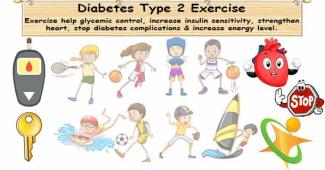
Type 2 diabetes doing exercise of any form and amount will get amazing improvement in their blood-glucose level, physical and mental well being.
Additionally, lower your blood pressure and cholesterol levels.
Type 2 diabetes exercise
Physical activity is defining as any bodily movements produced by skeletal muscles resulting in energy expenditure. It comprises four dimensions:
- Mode or type of physical exercises such as aerobic versus anaerobic activity, resistance or strength training, balance and stability training,
- Frequency of practice that is the number of sessions per day or week,
- Duration of exercise in minutes or hours per day or week,
- The intensity of exercise is indicating in the rate of energy expenditure measured as oxygen consumption, heart rate, and respiratory exchange ratio.
Also, there are four domains of physical activities; they are occupational, domestic, transportation, and leisure time.
Aerobic exercise is an endurance activity or cardio activity in which the larger muscles move rhythmically for a sustained period. It causes your heart to beat faster than usual, increases cardiorespiratory fitness. Some moderate-intensity aerobics’ are walking briskly (3 miles/hour or faster, but not race-walking), water-aerobics, bicycling slower than 10 miles per hour, tennis (doubles), ballroom dancing, and general gardening. Some vigorous-intensity cardio activities are race-walking, jogging, or running, swimming laps, tennis (singles), aerobic dancing, bicycling 10 miles/ hour or faster, jumping rope, gardening (continuous digging or hoeing, with heart rate increases), and hiking uphill or with a backpack.
Muscle-strengthening exercise causes the muscles to work/hold against a force or weight. It is essential to put all the major body muscle groups to work, such as the legs, hips, back, abdomen, chest, shoulders, and arms. Muscle Strengthening activities include exercise bands, weight machines, weight lifting, and calisthenic exercises (such as climbing a tree or doing push-ups) — also, gardening (digging & lifting), yoga, and tai chi exercises.
Bone-strengthening exercises put force on the bones promoting bone strength such as weight-bearing or weight-loading activity. This force is generally producing by influencing the ground, such as jumping jacks, running, brisk walking, and weight-lifting exercises. These activities can also be aerobic and muscle strengthening.
What will happen when you are doing exercise?
When you are exercising, your body uses two sources of fuel, glucose, and free fatty acids (from fat) to generate energy. Moderate exercise requires up to 20 times more energy than usual.
- During the first 15 minutes of exercise, most of the glucose for energy comes from either the bloodstream or the muscle glycogen.
- After 15 minutes of exercise, the fuel starts to come from the liver’s glycogen storage.
- After 30 minutes of exercise, the body begins to get more of its energy from the free fatty acids.
As a result, exercise can deplete sugar levels and glycogen stores. The body will replace these glycogen stores; it takes 4-24 hours with more intense activity. During the rebuilding of glycogen stores, your blood-glucose level is maintaining low in some; it may cause hypoglycemia.
Two distinct pathways stimulate glucose uptake by muscle; they are:
- At rest and postprandial, its absorption by the flesh is insulin-dependent and serves primarily to replenish muscle glycogen stores.
- During exercise, muscle-contractions increase BG uptake even when insulin-mediated absorption impaired in type2 diabetes.
Muscles BG uptake remains elevated post-exercise by both contraction-mediated pathway and insulin-mediated uptake. Exercise-induced muscular-contraction stimulates BG uptake even if you have insulin resistance, which helps lower glucose level. A combination of aerobic and resistance training may be more useful for BG management than either type of exercise alone. The BG lowering effect persists for at least 24-48 hours after exercising.
What can you do to be physically active?
Physical activity is something simple everyone can do. It does not mean to run a marathon or spend the whole day at a gym. Look for simple ways to include physical exercise into your daily activity.
Ten simple tips to help you to be active:
- Start your physical activity slowly and gradually increase your endurance. Make your exercise plan a lifetime commitment and continue doing.
- Choose an activity you love, such as swimming or cycling. It increases your chances to continue doing.
- Convert your exercise therapy into social time, look for a community group, or get your family or friends to join the exercise activity. It will be more joyful and healthy.
- Try walking, whenever and wherever possible.
- Take the stairs instead of the elevator.
- Play with your kids will be relaxing and healthy for both.
- Plan a jolly trip by walk or cycle.
- Doing regular gardening work increases your activity.
- Take your pet for waling.
- Wash your car, clean your house; this can save money, and help maintain cleanliness.
"Doing something is better than nothing," Thus start with thirty minutes of physical activity on most days throughout the week.
Exercise tips
- Wear comfortable shoes and practice proper foot care.
- Drink enough water before, during, and after exercise to prevent dehydration.
- Avoid exercising when your diabetes medication is at its peak action.
- Avoid consuming alcohol before or immediately after exercise.
- Avoid hot tubs, saunas, and steam rooms immediately after exercise.
Benefits of Physical Activity in diabetes management
Regular exercise and increased physical activity are the most important things you can do to improve health. Some of the benefits are:
- Glycemic control - improves the glucose level by 10%, fasting BS by 7%, and A1C by 1.0–1.5%. Patient doing exercise can reduce their dose of diabetes medication up to 72%.
- Insulin sensitivity - physical training mobilizes visceral-adipose tissue, which increases insulin sensitivity by about 46%, improves your body's ability to use insulin. A change in visceral abdominal fat was associated with the improvement in insulin sensitivity.
- Hypertension - normalizes blood pressure in case of hyperinsulinemia also in others. Additionally, it improves blood circulation.
- Prevent cardiovascular diseases - You can prevent it by reducing hyperglycemia, hyperinsulinemia, and hypertension.
- Weight management - It promotes excess fat burning and helps control weight. It can decrease in body-fat results in improved insulin sensitivity.
- Avoid diabetes complications - It can protect against the CHD, stroke, hypertension, obesity, non-insulin-dependent diabetes mellitus, osteoporosis, colon cancer, and depression.
- Increase’s energy level, thus, balance fatigue caused by diabetes.
Physical exercise helps:
blood-glucose management,
reverse insulin resistance (improve insulin sensitivity),
stop diabetes progression (slows down pancreas beta-cell death), and prevent diabetes complications.
Thus, regular exercising (both aerobic and muscle-strengthening) is a necessary therapy for diabetes control.
Other benefits of physical activities
- It reduces stress, promotes relaxation, and relieves tension and anxiety.
- It improves quality of life,
- Improved cardiorespiratory and muscular ¬fitness
- Vital in determining energy expenditure; help energy balance and weight control.
- Reduce blood-clotting tendency where arteries have narrowed.
- It increases arterial elasticity.
- Help improves mental health, mood, and cognitive function by changing brain chemistry.
- Strengthen your bones and muscles; improve bone and functional health.
- In older adults, helps maintain full functioning and independence among the elderly.
- In disabled, it improves the ability to do daily activities and prevent falls.
- Increase your chances of living longer.
- It can improve sleep quality and quantity.
Be careful, when exercising
Physical exercise surely provides you with numerous health benefits; still, as a person with diabetes, you should be extra cautious for certain instances; they are:
- Hypoglycemia: Low blood glucose is a blood-glucose level anything below 70 mg/dl. Low blood glucose due to exercise is rare if you are not on insulin or insulin secretagogues. Those who use insulin or insulin secretagogues require carbohydrate after exercise to prevent low blood sugar.
- Hyperglycemia: Do not exercise if your blood sugar is over 250 mg/dl, and you have ketones. If your blood sugar is over 400 even without ketones, type-2 should not do exercise. In the case of type1 diabetes with blood sugars of 300 or more, test within 5 to 10 minutes after start exercising. If your blood sugar is dropping, you may continue exercise, otherwise, stop doing exercise.
- Medication dosage adjustments - To prevent exercise-induced hypoglycemia, you may require to adjust certain medications. Some of such mediations are insulin, insulin secretagogues, beta-blocker (hypertension medication), diuretics, and or statins (cholesterol medication).
Physical activity for people with chronic medical conditions
For most chronic diseases, physical exercise provides therapeutic benefi¬ts and is considering as a treatment.
- Peripheral neuropathy without acute ulceration individuals can do moderate weight-bearing exercise. Moderate walking does not increase foot ulcers or re-ulceration. Physical activity can help stop the progression of peripheral neuropathy; in some cases, it even reversed it.
- Retinopathy - Workout may increase intraocular pressure. Thus, those with uncontrolled proliferated-retinopathy should avoid exercise.
- Nephropathy and microalbuminuria - Person with these conditions can do exercise to improve physical function. Quality of life improves in the case of individuals with kidney disease undergoing dialysis sessions.
- Vascular disease such as cardiovascular disease (CVD) is not an absolute contraindication to exercise. Those with angina classified as moderate or high risk should likely begin the exercise in a supervised cardiac rehabilitation program. Physical activity is advisable for anyone with peripheral artery disease (PAD).
- Osteoarthritis is common among older adults; strong scienti¬fic evidence shows both aerobic and muscle-strengthening exercise provides therapeutic bene¬fits. Study shows, safe exercising reduces pain, make physically functional, the better quality of life, and improve mental health in patients with osteoarthritis.
Type 2 Diabetes Diet
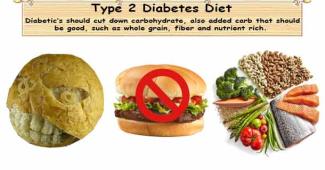
Most newly diagnosed diabetes will have a common question, what, how much, when to eat to normalize their blood glucose (sugar).
At the same time, there is ever continuing debate (& studies) over the low carb versus a low-fat diet for diabetes type 2.
Why does diabetes require a specific diet?
Everyone with diabetes wants to prevent blood-glucose spikes & drops. Also, they want,
- to get enough calories with nutrient-rich foods,
- managing weight (with or without weight loss),
- prevent hypoglycemia,
- achieve A1C,
- avoid diabetes complications and
- stop shortening their lifespan.
For this, diabetic should individualize their diet to fulfill their taste buds, eating habit, and budget without spiking the blood-glucose level. You can achieve this by lowering your total carbohydrate intake.
What are the diets to choose for diabetes?
Most probably, your doctor has been telling to cut down the intake of fat, protein, salt, and add a lot of complex carbohydrates. The publications circulated among diabetic patients are also insisting the same. Leading diabetes organizations even though, acknowledging the carbs could be bad for diabetes!
“Why their message is so diluted as well as confusing?”
If the goal of T2D treatment is to lower BS then, why you have to eat foods that raise it? Start reducing carbs that raise your BS. Several low-carb diet advocates have been arguing it is closer to the ancestral diet before the advent of agriculture. Thus, humans genetically are already used to this diet.
Some of the standard diabetes diet plans are:
- Mediterranean diet - includes an abundance of locally grown plant-derived foods (such as fruits, vegetables, whole grains, beans, nuts, seeds, and healthy fats), minimally processed, eggs, red meat, and dairy products. It is a modern nutritional recommendation inspired by the traditional dietary patterns.
- Vegetarian and vegan - The vegan diets are devoid of all flesh foods and animal-derived products such as dairy products. The vegetarian diets are without any flesh foods but including egg and or dairy products. Features of a vegetarian diet may reduce the risk of chronic disease by higher intakes of fruits, vegetables, whole grains, nuts, and phytochemicals.
- Low-fat diet – means high carb, the daily calorie from fat is 30% or lower, carb 50%, and protein 20%. This diet has been followed/prescribed guidelines for weight control and diabetes control by various leading diabetes organizations. Instead of supporting, it only worsens your diabetes treatment by spiking BS after eating.
- A low-carbohydrate diet is considering as a diet for people with diabetes; the daily calories from carbohydrate are anything less than 45%. You can achieve low carb by eating foods higher in protein (such as meat, poultry, fish, eggs, cheese, nuts, and seeds), fats (such as oils, butter, olives, avocado), and low-carb vegetables (such as salad greens, cucumbers, broccoli, summer squash). Avoid pasta, rice, potato, and bread.
How do you choose a suitable diabetes diet?
Here are some points to help you with better decision making:
- Know your bodyweight category – such as obese, overweight, optimal weight, or underweight. Use the BMI calculator to know your weight category. If you are more than healthy weight, losing weight help achieving BS target. Use a weight loss calculator to know how much calories to cut for making a weight loss of 0.5 kg (1 pound) per week. Normal-weight individuals should know their calorie's requirement; use the daily calorie's calculator.
- You are vegetarian or non-vegetarian – vegetarian can choose a vegetarian or vegan diet. Still, you need to cut down your carb a little to bring back your blood glucose to normal. For non-vegetarians, there are numerous options to chose.
- What diet you were on before you diagnosed? - Diabetes diet you are going to choose should match your eating habit. It should be convenient to follow by fulfilling your taste buds, readily available, within your budget, and your body has already used to it.
- Other conditions, such as high cholesterol, hypertension, kidney problems, digestion disorders, food allergies, etc., may sometime influence your diabetes treatment. If you have high cholesterol, studies show low-carbohydrate diets causes the triglyceride levels to fall, raise HDL cholesterol levels and nothing to LDL. Therefore, this is a good thing for you to choose a low-carb diet. If you are hypertension (high blood pressure), limit your sodium salt intake, and try replacing it with potassium. If you are having kidney problems, you should be conscious about your protein intake; consult your healthcare team for optimal level of protein. If you are having a digestive disorder or any food allergies, try identifying the problematic food and avoid it. Additionally, consult Gastroenterologists - and get prompt treatment.
There is no fit for all suggestions for a diabetes diet. However, merely saying you should cut down your carb intake to counteract carbohydrate intolerance. You do so (cut-down carb) whenever you experience carbohydrate intolerance to normalize blood sugar.
Additionally, you need to try, test, and modify to betterment your diabetes diet.
We all are different; what works for me may not work for you and vice-versa. Some people naturally lean towards veggie style eating, another set of people lean towards more protein diets, and some others lean towards fat diet. Whatever it is, you should cut down carbohydrate, and added carb should be good one such as whole grain, fiber, and nutrient-rich.
Why do you need to cut down carbohydrate intake?
Every one of us will react differently to carbohydrate; however, as we age, often develop carbohydrate intolerance and higher blood-sugar response to carbohydrate. Carbohydrate intolerance persists for years, even if the BS levels stay in the normal range.
Pancreatic beta cells produce insulin, and it stimulates body cells to uptake glucose from the blood. Over time, the body develops resistance to insulin and needs extra insulin to stimulate body cells to uptake glucose, and this further increases insulin resistance. An increased level in insulin in the blood is the risk factor for triglycerides rise & low HDL cholesterol level in the blood. Also, raised uric acid in gout, high plasminogen-activator-inhibitor-activity (risk towards clotting), and increased risk towards heart attack and stroke.
If a person cannot correctly metabolize carb, then it is quite apparent to cut down the intake of carbohydrates.
Benefits of a low-carb diet in diabetes type2 management
The very low-carb diet (carb< 20 grams/day) can lower:
- Hemoglobin A1C by -1.5% (17% reduction),
- Fasting glucose by 11.2%,
- Fasting insulin by 29%,
- Cravings for sweets are slowly vanished or lowered.
- Diabetes medications were lower or eliminate in almost 95% of type2 diabetes.
What are the other benefits of a low-carb diet?
Some of the most common low carb benefits are as below:
- Can be able to lose weight (by 10%), even without restricting daily calorie's requirement.
- You may feel more energetic than usual.
- Help improves the triglyceride's level in the blood (lower by 32%).
- It reduces total cholesterol (by 2.3%), total cholesterol to HDL ratio (by 8.9%) and triglyceride to HDL ratio (by 34.6%).
- Increase in HDL (good) cholesterol level.
- There is a notable improvement in insulin sensitivity.
- Help decreases your blood pressure (systolic BP by 11.5% & diastolic BP by 9.6%).
- There is a notable improvement in the emotional, mental, and psychological states.
- There is a considerable reduction of insulin level in the blood (by 29%).
- Some with digestion problems also find improvement indigestion and other gastrointestinal symptoms such as heartburn, fullness, etc.
Type 2 Diabetes Treatment

Before going over the details of type 2 diabetes treatment, let us first see how most doctors prescribe their type2 diabetes patient, and why it is not effective as expected.
How does newly diagnose type 2 diabetes treated?
If you are newly diagnosed type 2 diabetes, generally depressed and scared to death and consult your doctor with total trust.
Most doctors put you on low fat (means high carb) reduced-calorie diet, and prescribes some diabetes medication to lower blood glucose level. They suggest an appointment after one month for rechecking.
After a month, you have to retest your A1C; in most of the cases, it will be at the same value as one month before. It may be due to depression, anxiety, and a high carb diet. On seeing the result, the doctor modifies the prescription by increasing the medication dose.
You will start taking this massive dose of diabetes medicines; your blood-glucose will start falling suddenly. It is new for your body because it has practiced high blood sugar for a prolonged time. This falling BS makes you feel fatigued and signaling hunger. You try compensating by eating more food (high carb diet). The blood sugar comes back to a high level; you feel better, and this cycle repeats.
On your next doctor’s visit, your A1C is the same or higher than earlier. Your doctor sees the result as a treatment failure, and your doctor raises the dose and or adds another diabetes medication.
You left the doctor’s office with an added overdose of medication. Then the above-said cycle repeats; lowering BS, feeling tired, eating more carbs, raising blood sugar, and feeling better.
For the next visit, the A1C result is the same or higher, and your doctor increases your medication further or puts you on insulin injection. You will start developing diabetes complications and feel waste. In this way, most type2 diabetes is treated and forced to an early death.
What is the right way of type 2 diabetes treatment?
Few doctors ask you some question, including diet habits and put you on a low carb reduced calorie diet without prescribing any diabetes medication (stick with him; he/she is a best doctor).
Additionally, your doctor instructs; it is common to feel tired if your blood glucose level drops from high do not overeat to compensate. They suggest an appointment after one month for rechecking.
In the next appointment, you visit your doctor with an excellent A1C result. Your doctor congratulates you on your number. Additionally, he may suggest you do some regular exercise and increased physical activity. Your doctor recommends an appointment after two to three months for rechecking.
At the next doctor’s visit, mostly, your A1C result will be in the non-diabetic range. Not only, your BS in a healthy range; you do feel more energetic, getting restful sleep, mentally more alert, and always brisk. Your doctor appreciates you for your effort and asks you to keep it up.
Unfortunately, if your A1C number is not good enough, then your doctor may prescribe a minimum dose of diabetes medication. It will be mostly insulin sensitizer such as metformin. Your doctor asks you to take medicines along with your low-carb diet and regular exercise.
If your numbers are in the non-diabetes range, this does not mean your type2 diabetes is gone. You have well balanced between your carb intolerance with diet, exercise, and or medication. Thus, it is crucial to stick with your treatment; it should be your lifetime commitment. If you go back to your old style of eating (high carb), your high blood sugar will return.
Stages of type 2 diabetes treatment
Levels of type 2 diabetes treatments are:
- Weightloss - About 80 % type 2 diabetics are overweight; thus, weight loss is an effective treatment. Most of the patient’s BS normalizes with diet alone that help lose weight.
- Exercise helps lower insulin resistance as well as induce excess glucose consumption without the requirement of insulin. Some patient requires exercise along with diet control to normalize their BS number.
- Diet plus exercise plus an oral insulin-sensitizing or insulin-mimetic agent – very few patients require a low dosage of medication to normalize their BS.
- Many diabetes patients require oral medication along with diet and exercise to achieve their target BS number. Sadly, after years of oral-drug use, few patients may require insulin treatment.
Only few doctors follow this style of treatment, because most of the patients are not co-operative enough and not stick with their low-carb diet and/or exercise.
Thus on the safer side doctors straight away prescribe medication to control your blood glucose level. Whatever the reason, it is not advisable to go for drug treatment instead of trying with diet and exercise.
T2D SMBG

The type-2 diabetes control is in your hands and literally, at your fingertips. Test, analyze, modify, and test again until reaching your target BS.
Self-Monitoring Blood Glucose in Type 2 Diabetes
You should check your fasting that is before eating anything to check the liver. Moreover, two hours after start eating your meal to check how well your body is responding to food.
Keep a written log for what you eat, and your BS tests result. Your meter can keep the reading in its memory. These readings are no meaning unless you relate to what food influencing how much BS. Write down what food, how much and match it to the BS respond it makes. It helps you to find enemy foods (produces higher BS spikes) and replacing it with friendly foods (makes lowest BS spikes).
Next, find out when your BS peak spike happens after eating. Start testing at 1, 1.5, 2, and 3-hours after eating (do these for all three meals). Learn at which time your highest spike occurs; this is the time you will do postprandial testing in the future. There is a peck at 30 minutes after eating that is no importance because studies confirm that will not increase diabetes complications.
My A1C is below 6.5%, why should I SMBG?
Most type-2 diabetes (even their healthcare providers) on seeing their A1C of less than 6.5% might be a good blood sugar number. Thus, they may think about why they should spend money, time, and effort of BS testing. However, the truth is the A1C is the average glucose of 24 hours a day, for about three months past. An average may contain both highs and lows; it is common to have an A1C of less than 6.5% with blood sugar highs at 200s and lows at the 50s. You may shock to hear still this may be the truth.
Why, when, how, and what is blood sugar testing?
Blood sugar testing is essential to manage your diabetes and stop its complications. For type-2 diabetes, there is no emphasize for BS testing; thus, they are more likely to get early diabetes complications than type-1 diabetes. A study shows people with type1 diabetes develop diabetes complications after 15 years, whereas people with type2 diabetes may develop diabetes complications after ten years.
Why do you need to test BS?
Blood sugar testing or self-monitoring of blood glucose can help you how well your diabetes treatment is going on. Help learn how your diet and exercise influence your blood sugar levels. Discover how an illness & stress can disturb your BS. Know how your medication maintains your BS and identifies and prevents hyper & hypoglycemia.
Why should I take both fasting and postprandial blood sugar?
When type2 diabetes patient has a raised fasting blood sugar, does not mean anything about the diet for the day or night before, why? Because the carbohydrate is the nutrient in your food that takes around five hours (maximum) to raise your blood sugar level. After that, the sugar level in blood starts dropping, your brain signaling the pancreas to release the glucagon hormone. This hormone will signal the liver to convert stored glycogen to glucose and releases into the bloodstream. Thus, the blood-sugar level after five hours since you last had food is the indication of your liver’s glucose mechanism. The fasting blood sugar number indicates your liver’s glucose mechanism only. And it does not show anything about your body’s response to the food you ate.
To know how your body handles the food (mainly carbohydrate); you should test your blood sugar after one or two hours after start taking your meal. After ingesting food, your blood sugar rises for about two hours and then returns to normal within the next two hours.
Thus, you should check your fasting that is before eating anything and two hours after start eating your meal.
When do you do BS testing?
Test your BS at different times, such as fasting, one hour after each meal, two hours after each meal, and at bedtime. It makes eight tests per day; fasting, three meals, two tests each (1 & 2-hours after food) equals six tests, and at bedtime. These tests help you to learn:
- How long after a meal, blood glucose is rising to its peak.
- How fast it is returning to normal.
- You will see how carb foods such as bread, potato, pasta, etc. raise your BS reading.
- How certain low carb foods produce the least rise in your BS?
How often BS tests you need to do?
Leading diabetes institutions does not recommend SMBG for type2 diabetes if you are on lifestyle diabetes control or medications. Only those on insulin treatment can test twice daily.
However; diabetes type 2 requires to test their blood sugar two or more times, when newly diagnosed, changing medication, ingesting new-food, unstable BS, high blood sugar levels (fasting >130mg/dl, postprandial >180mg/dl), acute illness, pregnancy, on insulin therapy, severe illness, hypoglycemia risk, and if job warrants (such as pilots, critical jobs, etc.).
If your A1C is within your target range (A1C of less than 7%), you do A1C test twice a year. If it is not in your target range, you do A1C test four times a year.
Testing four times a day roughly requires $120 a month for test strips. If you are not affording to check BS frequently, then you can do block testing. It means-testing four or more times a day, only one day per week. Record what you eat, how active you are, what & when you have medication, quality of sleep, stress level. Etc.
If your type2 diabetes is in control, you do not need to test more frequently and could test once a week. If your diabetes control is not as expected and try improving it, then you should check more often as needed.
Reasons for elevated fasting blood sugar: inadequate sleep, any form of pain, illness or infection, skipping your regular exercise, missed your previous medication night, too much of stress and or right before a menstrual period.
Reasons for elevated postprandial blood sugar:
- overeating,
- ingesting wrong food (more carbs or sugar),
- forget to take medication (or need medication change),
- any form of pain, illness or infection,
- before a menstrual period,
- taking steroids (prednisone or cortisone),
- skipping exercise earlier in the day, and or
- stressed out.
Low blood sugar BS testing
The blood sugar level of under 70mg/dL is hypoglycemia. It needs treatment by ingesting a quick source of a carb like three to four glucose tabs, half cup juice, half regular soda (six ounces), eight ounces nonfat milk, etc. Waited for ten minutes, retest and makes sure it is over 80. If BS remains below 80, then repeat the treatment and retest in 15 minutes until BS rises above 80.
Type 2 diabetes who experience frequent hypoglycemia should not tighten their control. Also, those who have occasional non-symptomatic hypoglycemia should not follow tight blood sugar control.
Normal Blood Glucose Level
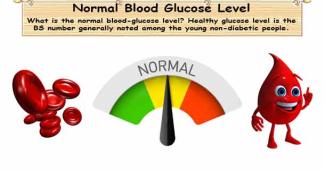
What is the normal blood glucose level? Healthy glucose level is the BS number generally noted among the young non-diabetic people.
What is the normal blood glucose level?
The BS numbers recommended by the famous institutions or organizations for healthy, prediabetes and diabetes are generally slightly in a high side. These institutions do so basely on an earlier study, which predicted those who have diagnosed as pre-diabetes has progressed to diabetes early due to mental strain. Thus, they push the numbers slightly to a higher range to stop diabetes progression.
However, many health professionals think their patients are intelligent, smarter, and brave enough. Therefore, the patients are keen to take the challenge and considering it as an alarm in preventing diabetes.
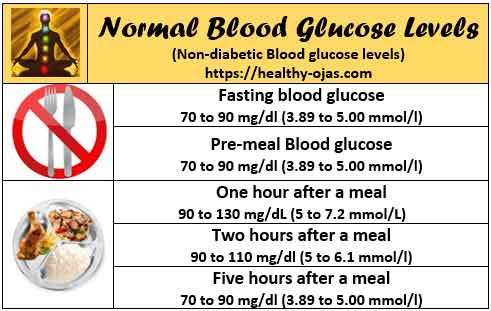
Perfect normal blood-glucose levels noted among most young, healthy persons (non-diabetic adults) are:
If your blood glucose levels are more than the above-said range, then you are at increased risk towards diabetes. Thus, they require taking necessary steps to prevent diabetes; otherwise, diabetes may develop within the next few years or decades.
You are not only risked towards diabetes; additionally, even undiagnosed as diabetes for years, your body develops diabetes complications, read on to know why.
Nerve damage begins even during impaired glucose tolerance:
The spectrum of neuropathy is in diabetes and impaired glucose tolerance Neurology January 14, 2003 vol. 60 no: 1 108-111. The neuropathy associated with IGT is milder than the neuropathy associated with diabetes. Small nerve fibers are prominently affected, and maybe the earliest detectable sign of neuropathy in glucose dysmetabolism. OGTT is appropriate in patients with idiopathic neuropathy.
Increased prevalence of Impaired Glucose Tolerance is in patients with painful sensory Neuropathy Diabetes Care, August 2001 vol. 24 no: 8 1448-1453. The results suggest IGT may cause or contribute to small-fiber neuropathy, which is similar in phenotype to the painful-sensory neuropathy commonly encountered in diabetes. Two-hour OGTT is more sensitive than other measures of glucose handling in screening these patients?
Cardiovascular disease risk increase even before diagnosed as prediabetes:
Inflammation markers and metabolic characteristics of subjects with one-hour plasma glucose levels, Diabetes Care November 16, 2009, DOI: 10.2337/dc09-134. 1-hour OGTT result over 155 mg/dl (or 8.6 mmol/L) links with markers for cardiovascular disease. "Normal" glucose tolerance as defined by doctors and researchers means a 2-hour blood sugar reading of under 140 mg/dl on an oral glucose tolerance test. Thus, it is essential to keep one-hour blood sugar reading after meals under 140 mg/dl. Doctors relying on the two-hour glucose tolerance test leads to high blood sugar, high enough to promote diabetes complication for years, even before the prediabetes diagnosis.
Prediabetes Diagnosis

A prediabetes diagnosis is by using blood sugar tests. If your number is higher than most non-obese healthy individuals, then you are diagnosed as prediabetes.
Prediabetes Screening Guidelines
Prediabetes also called borderline diabetes, impaired glucose tolerance (IGT), or impaired fasting glucose (IFG) depending on which test was used to diagnose it.
Who may have prediabetes?
A standard for prediabetes screening based on certain diabetes risk factors. Those who are over 40 years and overweight, specifically large waist size should be screened for abnormal blood glucose every three years.
Reference: Final Recommendation Statement: Abnormal Blood Glucose and Type 2 Diabetes Mellitus: Screening. U.S. Preventive Services Task Force. November 2016.
How is prediabetes diagnosed?
Blood tests are used to diagnose pre-diabetes. They are fasting blood glucose test, oral glucose tolerance test, and glycated hemoglobin A1C test.
Prediabetes test - How can I get tested for prediabetes?
Clinical guidelines have defined prediabetes range as below:
- Impaired fasting glucose (IFG) - fasting plasma glucose [FPG] of 100 to 125 mg/dL (or 5.5 to 6.9 mmol/L). Fasting Plasma Glucose (FPG) is a blood-glucose test taken after not having anything to eat or drink (except water - even do not drink a lot of water before the test) for a minimum of eight hours before the test. This test is conveniently carried out in the morning, before breakfast.
- Impaired glucose tolerance (IGT) - 2-hour oral glucose tolerance test [OGTT] of 140 to 199 mg/dl (or 7.8 to 11 mmol/L). Oral glucose tolerance test (OGTT) or glucose challenge test is a blood-glucose two hours after you eat a carbohydrate-rich food or drink a special sweet drink.
- Prediabetes A1C - The ADA updated its recommendation. They added A1C for prediabetes diagnosis; the diagnosis range is from 5.7 to 6.4%. A1C is a test done at any time, there is no fast or drink anything, and it measures the average BS for the past two to three months.
Reference: American Diabetes Association. Standards of medical care in diabetes—2010. Diabetes Care 2010; 33: S11– S61
What is the normal healthy blood glucose range?
Normal blood-glucose levels noted among most young, healthy persons (non-diabetic adults) are as below:
- Fasting blood glucose level: 70–90 mg/dl (3.89–5.00 mmol/l)
- One hour after a meal: 90–125 mg/dl (5.00–6.94 mmol/l)
- Two hours after a meal: 90–110 mg/dl (5.00–6.11 mmol/l)
- Five hours after a meal: 70–90 mg/dl (3.89–5.00 mmol/l)
Prediabetes level - If your blood glucose levels are more than the above-said range, then you are at increased risk towards prediabetes.
What is Impaired Fasting Glucose (IFG) & Impaired Glucose Tolerance (IGT)?
Both IFG & IGT are insulin-resistance. People with IFG along have hepatic insulin resistance and optimal muscle insulin sensitivity. People with IGT alone have been reasonable to slightly reduced hepatic insulin sensitivity and moderate to severe muscle insulin resistance.
People with both IFG & IGT possess both muscle and hepatic insulin resistance; they have about double the chances to develop diabetes than people with just one of them.
What test is preferable in early prediabetes diagnosis?
A study shows the higher sensitivity of IGT over IFG for predicting progression to type2 diabetes.
A study "Impaired fasting glucose or impaired glucose tolerance, what best predicts future diabetes in Mauritius," was published in Diabetes Care March 1999 vol. 22 no. 3 399-402. Screening by the criteria for IFG alone would identify fewer people who subsequently, progress to type2 diabetes than would be the oral glucose tolerance test.
Numerous studies show both IFG & IGT has an association with a modestly increased risk towards CVD, with IGT being a slightly stronger risk predictor. Intensive lifestyle changes can help delay or prevent diabetes and risk factors for CVD.
Thus, it is always preferable to take both IFG & IGT (is particularly essential) on the same day or alternate day to predict prediabetes in the early stage.
Unhealthy BS numbers
Change your lifestyle when your numbers are in an unhealthy range. The actual healthy blood-glucose numbers are as below:
- Fasting blood glucose level over 90 mg/dl (or 5.00 mmol/l)
- One hour after meal level over 125 mg/dl (or 6.94 mmol/l)
- Two hours after meal level over 110 mg/dl (or 6.11 mmol/l)
- Five hours after meal level over 90 mg/dl (or 5.00 mmol/l)
If your blood-glucose number is in the unhealthy range, then this is an alarm towards prediabetes. Take the necessary steps to prevent its progression as well as stop diabetes complications.
The early intervention help delays the onset of diabetes and reverses prediabetes. Additionally, preserving beta-cell function and improving insulin sensitivity can prevent the likelihood of microvascular and cardiovascular complications.
Apple Cider Vinegar & Diabetes

Apple cider vinegar can lower fasting, postprandial glucose, and A1C. It can lower blood pressure & cholesterol levels and improves nutrient absorption.
What is Apple Cider Vinegar?
Yeast ferment sugar in the fruit juices into alcohol. Acetic acid bacteria ferment it further into vinegar. Vinegar is a French word, means "sour wine." Vinegar means sour wine. It has been in use for over 10,000 years as a condiment, preservative, flavoring, deodorant, tonic, and as a healing agent.
There are different varieties of vinegar based on the source they made from:
- Apples - Apple cider vinegar,
- Grapes - Wine vinegar & balsamic vinegar,
- Cereals such as barley - Malt vinegar.
- Diluted distilled alcohol - Distilled vinegar or white vinegar.
The major component of apple cider vinegar is acetic acid. Raw, unpasteurized apple cider vinegar is rich in enzymes & potassium.
“Hippocrates” the father of medicine endorsed apple cider vinegar as a healing elixir and cleansing agent. Hippocrates used apple cider vinegar both as an antibiotic and as antiseptic to treat his patients.
Warriors used apple cider vinegar for their strength and power. During the war, they used vinegar to disinfect and heal wounds.
Recently, Apple cider vinegar has found to improve insulin sensitivity in type 2 diabetics. Vinegar has found effective in controlling postprandial and fasting blood glucose.
Apple cider vinegar for diabetes treatment
Apple cider vinegar lowers fasting sugar level, post-meal glucose spikes, and A1C. Vinegar helps earlier post-meal satiety (feeling fullness) and improved insulin sensitivity.
In type 2 diabetes vinegar reduces postprandial hyperglycemia, hyperinsulinemia, and hypertriglyceridemia without affecting lipolysis. Ref: Vinegar Consumption Increases Insulin-Stimulated Glucose Uptake by the Forearm Muscle in Humans with T2D. Journal of Diabetes Research 2015; 2015:175204.
Apple cider vinegar detoxifies your body, drop fat storage, promote digestion. Thus your insulin resistance vanishes or insulin sensitivity improves.
Vinegar can improve postprandial insulin sensitivity. Acetic acid was shown to suppress disaccharidase activity and raise glucose-6-phosphate concentrations in skeletal muscle. Thus, vinegar may own property same as diabetes drug acarbose or metformin. Reference: Diabetes Care January 2004 vol. 27 no. 1 281-282.
Apple cider vinegar lowers your fasting sugar level, even for people with dawn phenomena. Apple cider vinegar at bedtime lower fasting glucose by 4 to 6% in individuals with type 2 diabetes.
In 2007 study with 11 type 2 diabetes shows ingesting 2 tsp. of apple cider vinegar before bedtime lower fasting blood sugar by 4 to 6%. Vinegar may change the glycolysis/gluconeogenic cycle in liver. Thus helps diabetics with metabolic disturbance and dawn phenomenon. Reference: Diabetes Care November 2007 vol. 30 no. 11 2814-2815.
Apple cider vinegar improves the postprandial sugar spikes in type 1 and type 2 diabetes. It might be by slowing down sugar absorption. Ingesting vinegar 5 minutes before a meal decreases postprandial glucose in type 1 diabetes by about 20%.
Reference: Vinegar Decreases Postprandial Hyperglycemia in Patients With Type 1 Diabetes. Diabetes Care 2010 Feb; 33(2): e27-e27.
Apple cider vinegar improves both postprandial and fasting sugar level. Thus you can able to achieve your target A1C level whether you are type 1 or type 2 diabetes.
Vinegar has acetic acid and microbes (digestive friendly bacteria and enzymes). It could provide benefits of the three different classes of diabetes drugs. It is beneficial for type 2 and type 1 diabetes. It lower fasting glucose, postprandial glucose, and A1C level. However, use of vinegar should not replace healthy eating, exercise, or any glucose-lowering medications.
How apple cider vinegar can lower blood sugar levels? Many argue vinegar lower their postprandial sugar by inhibiting carbohydrate digestive enzymes. Thus carbohydrate diet has a lesser impact on your blood sugar. This argument is not buyable, because when it stops carbohydrate absorption. Later, it should cause a gas problem due to fermentation. Users claim apple cider vinegar lowered their gas trouble. This show, it is not stopping carb digestion instead, help proper carbohydrate digestion.
How Apple cider vinegar help regulate insulin? By delaying your gastric emptying, stimulating the liver, and making the muscles consume more glucose. In simple terms, vinegar makes the body use the carbohydrates efficiently. Vinegar reduces postprandial insulin & glucose spikes by increases muscle glucose uptake.
Diabetics with gastroparesis should avoid apple cider vinegar because of it further slow down gastric emptying. Thus worsen diabetes control.
Reference: Effect of apple cider vinegar on delayed gastric emptying in patients with type 1 diabetes mellitus: a pilot study. BMC Gastroenterology 2007 Dec 20; 7:46.
Use Apple cider vinegar & Cinnamon for better BS control
Cinnamon and vinegar combined might lower blood sugar even better. Ingest 4 g cinnamon and 2 g acetic acid combined before meals can produce better blood glucose lowering effect. Alternatively, you can soak cinnamon sticks in the vinegar for 2 to 3 days and drink this vinegar. Don’t throw away this vinegar dipped cinnamon sticks and can use it as usual.
22 Amazing Medicinal Benefits of Vinegar
Here is a partial list of the health benefits of apple cider vinegar:
- Regulate blood pressure – It help patients with low and high blood pressure to achieve normal pressure.
- Lower cholesterol levels – Vinegar can lower cholesterol level, in particular triglycerides.
- Promote heart health – It normalizes pressure, lower sugar and reduces bad cholesterol. Thus support your heart health.
- Regulate weight gain – For obese or overweight individuals, vinegar can lower weight, abdominal fat, and waist circumference. However, in the case of lean underweight people, their digestion improves and aid weight gain.
- Balance inner body –Vinegar helps the body to maintain a healthy pH level of alkaline. Acidic pH leads to low energy and a high chance of infection.
- Detoxify – Vinegar can stimulate cardiovascular circulation and detoxify the liver.
- Strengthen lymphatic system – It breaks down mucous throughout the body and cleanses the lymph nodes. It relieves allergy by reducing mucus/sinus congestion and relieve infections, sore throats & headaches.
- Destroys harmful microbes – Vinegar’s natural enzymes help expel dangerous microbes from the intestine. Thus, you feel more energetic, alert, and free from infection.
- Help digestion and reduce heartburn - Vinegar corrects low stomach acid, thus reduce heartburn and hiccups. Many people experience immediate heartburn relief after taken a tsp. of vinegar diluted with a glass of water. Also, it helps indigestion, but not advisable if you have an ulcer.
- Relieve stomach problems – Vinegar diluted in water remove the bacterial infection, the cause of diarrhea. Additionally, it help soothes intestinal spasms and calms your stomach.
- Beats exhaustion or chronic fatigue – Exercise and stress cause lactic acid build-up in the body, leads to fatigue. Interestingly apple cider vinegar modifies body pH. Additionally, potassium and enzymes it contains help relieve this tired feeling.
- Relieve bedtime leg cramps – Apple cider vinegar eases leg cramps and supports sound restful sleep.
- Shiny Hair – Rinsing your hair (after shampooing) with vinegar (1/2 a tbsp. diluted with a cup of water) will boost your hair's body and shine. Spray or pour the diluted vinegar through your hair after shampooing several times a week for dramatic results.
- Regulate skin pH – Dilute vinegar with two parts of water, soak a cotton ball wipes over the face after night face wash. It helps re-establish the skin pH and fade off age spots or acne scars.
- Remove warts – Soak a cotton ball in apple cider vinegar and put over the wart with Band-Aid overnight. The skin may swell when contact with vinegar and will fall-off in few days. Still, you need to continue for some more days to make sure the wart will not return. Vinegar can also combat calluses, corns, and warts.
- Remove teeth strains – Add 1 tsp. vinegar into 200ml of water and rinse your mouth with this diluted vinegar help remove teeth stains. Be careful some it may corrode your enamel.
- Soothe sunburnt skin – Add a cup of vinegar to bath and soak for 10 minutes to heal sunburn.
- Natural aftershave – Dilute VINEGAR with equal parts of water and apply as aftershave. It helps to disinfect and heal skin scars.
- Relieves arthritis pain
- Help osteoporosis – However overuse may fasten osteoporosis, don’t overdo.
- Prevents food poisoning
- Fight infection by destroying bacteria, germs, mold and viruses
All the above said health benefits of apple cider vinegar based on animal studies. There are no human studies to confirm. However, people those who using it, find beneficial for their wellness.
How apple cider vinegar provide such an extensive list of benefits? Drinking vinegar diluted with water before meals might improve your body’s ability to absorb nutrients in the foods.
Apple cider vinegar users experience
Below is the list of apple cider vinegar experiences collected from forums and comments shared by real people.
- Drinking 2 tsp. of vinegar and 1 tsp. of honey in a cup of water before meals lower BS (by about 20%), and help reach A1C close to normal range.
- Vinegar improves blood sugar and decreases the need for medication. In type 1 diabetes it can help lower insulin dose.
- Taking vinegar before bedtime by diabetics with dawn syndrome found their syndrome disappeared completely.
- Continuous vinegar ingestion help loses weight.
- Another significant side effect of vinegar is it help clear up a yeast infection.
- Apple cider vinegar is helpful for gas pains, farting, and burping. People claim drinking vinegar cleared their gas pain immediately!
- One who started taking vinegar experience reawakening of sex drive? It might be due to efficient nutrient absorption and stronger immune system.
Other apple cider vinegar uses: relief from arthritis pain, normalize pressure, high energy, restful sleep, no food craving, healthy cholesterol, and improved complexion.
Not only positive effects, some individual experience few adverse effect.
Low blood pressure person who ingests vinegar experienced bubbly sounds from the stomach, followed by bloating.
Apple Cider Vinegar Dosage
Traditionally, people have been taking 1 tsp. Vinegar diluted with 200ml water and sweetened it with original honey early in the morning in an empty stomach.
For external use, dilute vinegar with an equal part of water and use for skin care, and aftershave. For a wart, use undiluted vinegar for a better result.
Optimum vinegar dose has not established. People prefer to take 1–2 tablespoons before each meal containing carbohydrate. Ingesting vinegar with the first bite of the food prevents nausea and heartburn.
The safest thing is to start small with 1/2 tsp. Vinegar in 200ml water once a day for a few days, then increase to twice daily. The next week, try 1 tsp. Vinegar in water twice daily. Increase vinegar dosage in steps until you reach 2 tsp. Vinegar in water thrice daily. Track how well you feel and how your blood sugar is responding.
If you do not like the taste of vinegar, then you can take vinegar as capsules.
Vinegar is safe, natural, inexpensive, better than medicines, and easily incorporate into your diet.
Best Vinegar to use
Which is best clear or murphy brown apple cider vinegar?
Choose organic, unfiltered, unprocessed apple cider vinegar, which is murky and brown.
The sparkling clean varieties on grocery stores is distilled vinegar that removed beneficial microorganism.
Balsamic vinegar in the market often made of fruit juice with added vinegar to create a sweet, sour taste. So be careful in selecting a proper brand, always choose raw, unpasteurized vinegar.
Many users find apple cider vinegar and white vinegar are useful, but balsamic does not.
Ways to take raw apple cider vinegar
The best way is to mix vinegar with other flavors and use it as a salad dressing or on cooked vegetables.
Here are some recipes:
- Half a glass of water with a tablespoon of cider vinegar.
- Two tablespoons of vinegar with one tablespoon of honey.
- One tablespoon of apple cider vinegar in 1 cup of water, with a few drops of stevia.
- A delicious way to ingest vinegar is by combining it with olive oil as a salad dressing.
- Vinegar is a natural meat and fish tenderizer, so you can use it to marinate meat and chicken.
- Useful in the preparation of the spicy Korean vegetable, kimchi.
- Mix 4 tablespoons of raw honey, 1 ounce of vinegar, and 5 teaspoons of ground cinnamon to 1 gallon of water. Drink 8 ounces before food help lowers sugar better than vinegar alone.
Bioactive constituents of Vinegar
Apple cider vinegar contains 5% acetic acid. Additionally has potassium and small quantities of calcium, iron, magnesium, phosphorus, sodium and zinc.
Prefer apple cider vinegar made from organic apples and unpasteurized. Unpasteurized vinegar contains the "mother," cloudy deposits in the bottom. This vinegar contains digestive friendly bacteria and enzymes.
Possible side effects of Vinegar
Ingesting apple cider vinegar is safe for most adults when used for medical purposes. However, consuming an excess of apple cider vinegar might not be safe for some individuals. Ingesting 8 ounces (237 mL – 1 cup) of vinegar /day for prolong time might lead to low potassium and weak bones (osteoporosis). For people taking vinegar pills, when this vinegar tablet stuck in the throat may develop pain and ulcer in the esophagus.
Acetic acid present in the vinegar metabolized by the liver into bicarbonate. Then, your kidney uses potassium to excrete bicarbonate from the body. So chronic excess use could lead to hypokalemia (potassium deficiency). Vinegar suggested dose is just 5 teaspoon (just 25ml) once daily; the above-said risk is for 237 ml (10 times more than recommended). You may aware, even drinking an excess of water can kill.
People should avoid concentrated vinegar (greater than 20%) tablets. When it struck in the esophagus, then it can damage the esophagus. Excess vinegar use might cause nausea and esophagus & stomach irritation. Thus don’t over involve.
Diabetics trying vinegar should check blood glucose more frequent and adjust medication regimen accordingly. Vinegar delay gastric emptying, so pre-meal short-acting insulin needs adjustment. Gastroparesis patients must check blood glucose more often to prevent hypoglycemia.
How can you consume apple cider vinegar safely? Careful when ingesting vinegar, it might cause heartburn and esophagus damage. Taking undiluted vinegar or taking it without food may cause burping and acid reflux. The solution is taking diluted vinegar and have with food.
Drinking undiluted vinegar has reported causing erosion of dental enamel. So, better to drink vinegar using straw (but not necessary) to avoid enamel corrosion.