
Low Blood Pressure & Alcohol

Undesirable low blood pressure symptoms are dizziness and fainting; we all know drinking alcohol will aggravate these symptoms. Thus, it is always advisable to stop drinking alcohol.
Does alcohol interfere with blood pressure?
A study in the journal “Circulation” found that alcohol could derail the body’s ability to maintain healthy blood pressure. After drinking alcohol, people have wider blood vessels, so lower blood pressure. These changes impair the body’s ability to pump fresh blood to the brain, causing dizziness.
Alcohol interferes with the liver’s ability to metabolize hormones renin and angiotensin, which are important for blood pressure control. Additionally, alcohol interferes with steroid production responsible for maintaining blood pressure.
Reduce or eliminate alcohol correlates with elevated blood pressure. Alcohol puts stress on the liver and reduces its ability to detoxify the blood, causing more oxidized and damaging substances in the circulation harming blood vessels. Additionally, if the liver is busy processing alcohol, it is unable to handle fats causing elevated cholesterol levels.
Why people tumble after an alcoholic drink?
Researchers at the University of Iowa College Of Medicine and the Mayo Clinic in Minnesota say the effect of alcohol on blood vessels is to blame for tumble and pass out after heavy alcohol drinking.
They found, in a study on healthy young adults; the blood vessels stay relaxed (not constrict) effectively after drinking leads to low blood pressure responsible for fainting. Drinking alcohol might increase the risk of fainting and injury from falling.
Harmful effects of alcohol
Once alcohol is in your system, body will stop metabolizing anything else until alcohol metabolized. Your liver is the primary site for alcohol metabolism; this is why you can have liver problems from consuming too much alcohol.
Alcohol detoxified and removed from the blood through a process called oxidation. Oxidation prevents alcohol from accumulating and destroying cells and organs. In the human body, ethyl alcohol is broken down into acetaldehyde. It is a poison comparable to formaldehyde.
- Alcohol is metabolizing by the liver, and thus alcohol causing varies liver problems such as fatty liver, alcoholic hepatitis, fibrosis, and cirrhosis.
- Heavy, long-term drinking damages your heart, causing a condition known as cardiomyopathy (stretching and drooping of heart muscle) and Arrhythmias (Irregular heartbeat).
- Alcohol causes the pancreas to produce toxic substances eventually lead to pancreatitis, a dangerous inflammation and swelling of the pancreas blood vessels preventing proper digestion.
- Drinking too much alcohol can increase the risk of developing certain cancers such as mouth, esophagus, throat, liver, and breast.
- Drinking too much can weaken your immune system, making your body a much easier target for disease.
- Nutritional deficiencies (foliate, vitamin A & B12 and calcium) are common among alcoholics. Folate produces and maintains new cells. Vitamin B12 makes DNA and keep healthy nerves and RBC. Vitamin A requires for vision, regulation of the immune system, for bone growth, for reproduction, and cell division. Calcium needed for blood vessel and muscle contraction and expansion, for the secretion of hormones and enzymes, and transmission of messages through the nervous system.
Low Blood Pressure & Salt
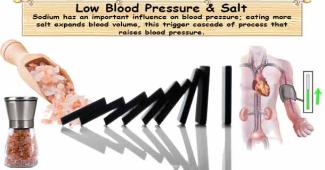
People with low blood pressure can play with sodium intake within allowable maximum sodium intake to manage their low blood pressure and its associated symptoms.
What is Sodium Salt?
Like all other mineral nutrients, sodium is an essential mineral and electrolyte. It is necessary for various bodily functions; it maintain water balance within cells, which involved in proper functioning of nerve impulse and muscles in the body. We require sodium in a small quantity, and the kidneys excrete extra sodium along with urine.
Table salt contains sodium and chloride.
Sodium and chloride both are essential for numerous bodily processes that include the regulation of osmotic pressure, acid-base balance, digestion & absorption of various nutrients (glucose and most amino acids from the small intestine).
We require chloride for the production of hydrochloric acid in the stomach required for the digestion and absorption of many nutrients. However, you can get it naturally from foods we eat.
Sodium and blood pressure
The first person to suspect eating salt might contribute to blood pressure raise was Emperor Huangdi of China; about 5,000 years ago. He wrote, if excess salt is used in food, the pulse hardens. Dr. Lewis Dahl in 1972 presented evidence that a diet high in sodium contributes to high blood pressure.
Sodium has an important influence on blood pressure; still we are not sure exactly how it happens. Eating more salt expands blood volume, this trigger cascade of process that raises blood pressure.
The blood pressure control system involves dozens of complex vascular, neurological, and hormonal process. Some experts suspect these hormones (due to high plasma sodium) may have adverse effects on vascular health even if blood pressure remains stable.
How much sodium we require?
The healthy adult's body contains 250 grams (slightly less than 9 ounces) of sodium, distributed throughout the body. Sodium salt is plentiful in body fluids: blood, sweat, tear, semen and urine.
Without enough sodium, all these fluids would lose their water, causing dehydration, low blood pressure, and death.
The adequate Intake for sodium is 1,500 milligrams daily (less than 1 teaspoon of table salt) for males and females aged 9 to 50 years. The maximum recommended sodium intake is 2,300 milligrams daily.
Why we are so concern about sodium intake?
Sodium is an essential nutrient no doubt; however, in some sensitive individuals, sodium may increase blood pressure because of its excess fluid holding capacity in the body.
Additionally, most of us about 85% men and women’s sodium consumption are far higher than the maximum recommended level. Thus, people with hypertension should be more concern about sodium salt intake and try limiting it help lower their blood pressure.
In the case of people with low blood pressure who tolerate sodium can increase sodium intake, which may help improve their blood pressure and the associated symptoms. However, do not cross the recommended maximum sodium intake of 2300 mgs/day.
Hyponatremia - Sodium Deficiency
Deficiency is extremely rare, as we mostly over-consume it. Deficiency usually occurs only among individuals with prolonged fluid loss due to diarrhea, vomiting, perspiration or those with kidney problems. Symptoms of sodium deficiency include nausea, dizziness, and muscle cramps.
Fortunately, we only require tiny amount of sodium to prevent deficiency; in fact, some people manage perfectly well on just 200 mg a day. When we are in short supply, the body conserve sodium by dramatically reduce sodium excreted in urine and sweat.
Can hypotensive eat as much as sodium they like?
It is always tempting to think (even advised) for people not to worry about excess intake of sodium salt, because they have low blood pressure.
However, excess sodium intake increases greater water retention in the body leads to swelling of the ankles and weight gain. Additionally, it can contribute towards bone thinning (osteoporosis), asthma and kidney disease. Thus, it is advisable never cross the maximum allowable sodium salt intake.
Low blood pressure & Caffeine

Caffeine is a natural stimulant that dramatically increase your blood pressure, alertness, attention and prevent low blood pressure symptoms.
Could Caffeine raise blood pressure?
Caffeine is a natural stimulant found in the nuts, berries, and leaves of certain plants. Stimulants increase the central nervous system activity and make you feel more awake, focused, and alert. Additionally, it causes blood vessel constriction, which may increase blood pressure and alter the supply of blood to the heart.
Caffeine can cause a temporary dramatic increase in blood pressure, it may be due to caffeine ability to block a hormone that widened arteries and additionally it causes the adrenal glands to release more adrenaline,
In normal blood pressure individuals, caffeine may cause a temporary raise in blood pressure, because of its vasoconstrictor (blood vessel narrowing) property. Caffeine does not have any long–term effect on the blood pressure.
Coffee of cardio health
A study published in The American Journal of Clinical Nutrition, 2011 Oct; 94(4):1113-26 titled “The effect of coffee on blood pressure and cardiovascular disease in hypertensive individuals: a systematic review and meta-analysis”. This study observed increase in BP in the first hour after caffeine intake and lasted for ≥3 h.
Many cohort studies found no evidence of an association between habitual coffee consumption and a higher risk of CVD.
Two important studies published in 2007 supported the evidence demonstrates: caffeine-induced blood pressure raise were small and short-lived. Caffeine does not contribute to blood vessel disorders associated with high blood pressure and cardiovascular disease.
Health Benefits of Coffee/Tea
Coffee and tea may have many health benefits. Green tea is most popular as a healthy source of vitamins and antioxidants. Newer research has shown darker beverages like black tea and coffee is a rich source of compounds called polyphenols. This compound may protect against both heart disease and several types of cancer. Recent studies have consistently demonstrated a decreased risk of liver cancer in men who drink coffee.
Polyphenols in coffee and tea have shown to lower the level of activated blood platelets. It may help prevent blood clots; a leading cause for stroke. Polyphenols also lower the body's concentration of C-reactive protein (CRP), an important factor in inflammation. Decreases in CRP have shown to lower the risk of cardiovascular disease, heart attack, and certain types of kidney disease.
Low blood pressure & Water
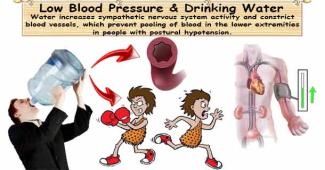
Maintaining an adequate plasma volume is crucial. Everyone should drink 42 to 85 ounce (1.25 to 2.5 liters) of water or other fluid per day. Many elderly people do not drink this much.
Dehydration is a factor responsible for low blood pressure and thus experts suggest drinking more water to improve blood pressure.
Drinking water prevents dehydration; additionally, it also increases the blood volume, which subsequently increases the blood pressure.
Does drinking water raise blood pressure?
Researchers at Vanderbilt University Medical Center have observed that
Ordinary water (without any additives) does more than just quench thirst. It increases the activity of the sympathetic fight or flight response in the nervous system, which raises alertness, blood pressure and energy expenditure.
Some years ago a team of doctors first observed water's curious ability to increase blood pressure, in patients who had lost their baroreflexes (the system controls blood pressure within a normal range).
The investigators found water increases sympathetic nervous system activity and constrict blood vessels, which prevent pooling of blood in the lower extremities in people with postural hypotension.
However, water does not significantly raise blood pressure in healthy young subjects with intact baroreflexes.
Does water reduce dizziness & fainting?
The American Red Cross conducted a study of water drinking as a method for reducing fainting.
The study found that drinking 16 ounces of water before blood donation reduced the fainting response by 20 %. This is not only applicable for blood donation also people with low blood pressure, because blood volume problem is common among them.
Thus, drinking water reduces dizziness and other low bp symptoms.
Can I drink water with a pinch of salt to raise BP?
Water raises blood pressure; however, a similar volume of saline (salt-containing solution) does not raise blood pressure. It suggests that plain water (without salt) might be important.
The water dilutes the plasma that reduces salt concentration (hypo-osmolality), which is responsible for blood pressure raising effect of water. Still the normal role for this physiological system is not clear.
How much BP rise can expect from drinking water?
Drinking 16-oz (500-mL) of water helps to expand plasma volume. Subsequently, within a few minutes, it increases the standing systolic blood pressure by more than 20 mm Hg.
This blood pressure raise extend for about 2 hours and improves the low-pressure symptoms. Additionally, water does promote weight loss because it raises sympathetic nervous system activity and consequently energy expenditure.
Alternative Nostril Breathing

Simply, without spending a penny and with zero side effects, practicing alternate nostril breathing for a few minutes every day can restore normal health. You may not trust this, start doing it to experiencing the amazing benefits and you would share it to your loved once.
What is Anuloma viloma pranayama?
In Sanskrit, Anuloma means successive (continuous), Viloma means produced in reverse order, and pranayama means extension of the breath or life. When you combine, it means alternative nostril breathing.
Other names of anulama viloma pranayama are nadi suddhi pranayama, nadi shodhana pranayama and alternative nostril breathing.
Regular practitioners of anulom-vilom pranayama are leading a healthy, happy, optimistic life.
Who can practice Anulom-Vilom pranayama?
Everybody can practice this pranayam including small children, old age people and patients. Pregnant women can practice it regularly will give birth a healthy baby.
How do you prepare for Nadi suddhi pranayama?
Practitioner should do pranayama in a peaceful, clean, and well-ventilated place. If possibly, prefer doing in a natural place with fresh air circulation.
The best time for pranayama is early morning and on an empty stomach. Patients with chronic disease are advisable to do pranayama twice a day, in the morning and evening.
The left-nostril represents Ida nadi (moon - calming), which symbolizes peace and has cooling effect. The right nostril represents Pingala nadi (sun – energy), which symbolizes power and has heating effect. To purify all nadis of the body, practitioners should begin and finish in the left nostril.
How do you do Nadi shodhana pranayama?
Mudras in yoga mean hand-gesture; in this breathing technique, we are going to use two mudras. They are gyan mudra in left hand and pran mudra in right hand.
- Gyan Mudra – in Sanskrit gyan means knowledge, this mudra improves our knowledge, memory, concentration, intelligence and creativity. It eliminated negative thoughts and mental tension. This mudra is beneficial for headache, migraine, depression, anxiety and insomnia. Holding gyan mudra in your left hand can maximize the benefit of this pranayama. How do you do gyan mudra? Join the tip of thumb and index finger, keeping all other fingers straight, and palm facing upward. In this pranayama, hold gyan mudra in your left hand, and rest it over your left knee.
- Pran Mudra - in Sanskrit pran means breath (energy, vigor), this mudra is energizing; increases the energy, vitality and Eyesight. It is beneficial for fatigue, exhaustion, low immunity, poor circulation, and eye diseases. How do you do this pran mudra? Join the tip of thumb with ring & pinky finger and keeping the index and middle fingers straight. In this pranayama, we have to place the right hand thumb on the right nostril, ring & pinky fingers on the left nostril and index & middle fingers on the center of eyebrows (third eye).
Now, let us see how you do alternate nostril breathing:
- Pranayams can practice in any comfortable yoga postures such as Padmasana, Siddhasana, Vajrasana or Sukhasana by sitting over a mat. Practitioners unable to sit on the floor due to any health condition can sit on the chair with straight spine. Pranayama should never practice on the bare floor or in standing position.
- The spine should be straight, and shoulders relaxed. Head centered between the shoulders, chin-tipped slightly downward, eyes gently closed. Put up a gentle smile on your face (this will increase your charisma).
- Relax the body muscles and become aware of your breath and not to control or force it.
- You have to use your right hand thumb over right-nostril, and ring & pinky fingers over left-nostril for closing and opening of nostrils. Rest the middle and index fingers gently on the eyebrow center (Ajna chakra).
- Always start and finish in the left-nostril. Use your thumb to close the right-nostril, inhale through left-nostril. Initially, you can inhale to the count of five. If you experience dizziness or other discomfort, reduce the count.
- During inhalation, once the lungs reaches its full capacity, close the left nostril with your ring & pinky fingers. Simultaneously, remove your thumb from the right-nostril, and begin a slow, rhythmic, effortless exhalation through the right-nostril for five counts.
- Continue by inhaling through the right nostril for five counts. Close the right-nostril with your right-thumb, open the ring & pinky fingers on the left-nostril and exhale through it to the count of five.
- Ideally, you can practice alternative nostril breathing for about 18 to 30 rounds for maximize benefits. The process of inhale by left-nostril and exhale by right is one cycle. Then inhale by right-nostril and exhale by left is the second cycle and so on.
In the beginning do it for 3 minutes twice daily. If you are, feeling tired or any discomforts stop at that cycle. Regular practice will enable you to do it for 15 to 20 minutes once or twice per day (maximum) after few days.
Anulom Vilom pranayama for Kundalini awakening, you should perform 250 to 300 cycles or maximum 30 minutes twice daily.
If you are interested, you can do breathing exercise along with mentally chanting "OM." It is a healing and mesmerizing word establishes a connection with the nature and maximizes the overall benefits. Mentally chant, “OM” during exhalation in a longest way possible (to your capacity “Ooooooooommmm”); until, exhale all air out of the lungs. Alternatively, you can play OM chanting in an Mp3 or other players setting its length to 3 to 20 minutes and do breathing until the chant stops. This frees you from counting or seeing the clock often, thus you can do without any disturbance.
Anuloma Viloma Benefits
Alternate nostril breathing practitioners are experiencing the positive effects right from the day one. Immediately, after start practicing this breathing technique, the body gets relaxed and energized; the mind turns calm and thoughtless.
- Rejuvenate and restore the physical and mental health. This relaxes the mind & body and makes it stronger, healthier and resistance to diseases. It restores from tiredness and revitalizes with the needed extra dose of energy.
- Revamp brain function by calming down the mind, sharpen the memory, bring clarity of thought, keep the mind study, strengthen willpower, improved endurance to meet challenges, and increases the concentration power. Five minutes of breathing practice, before an exam or interview greatly improves the performance and increases the chance of success.
- Purify & enhance lung capacity and thus improve overall well-being and energy level. It is useful for people with frequent or chronic cold, sinus and asthma. You know your lungs is removing 70% of our body’s waste products.
- It calms an agitated mind and makes it cool.
- Optimize both brain hemispheres; left nostril breathing will access to the right-brain hemisphere in-charge of feeling and right nostril breathing will access to the left-brain hemisphere responsible for thinking. Thus, alternate nostril breathing optimizes both brain hemisphere functions.
- It provides well-balanced emotional state and relieves anxiety, depression, anger, panic, and stops mood swings.
- Give restful sleep by calming down nervous system, useful for people with insomnia.
- It helps prepare yourself for the meditation, just by practicing breathing calming down your mind and prepare it for deep meditation. It is a simple easy trick helps to achieve perfection in meditation.
- It calms down the nervous system and makes it efficient and alert. Very useful for people with diabetes and high blood pressure; they are most commonly experiencing nerve problems.
- Maintain body temperature from head to toe; keeping it warm in winter & cool in summers.
- Revive and revitalize your nadis (energy channels) by purifying the blood and cleansing all the nadis in the body, thus restores natural health.
- It balances dosha by harmonizes the vata, pitta and kapha doshas (as per Ayurveda). If it is in harmony, then there is no disease; regular practice cures almost all health conditions.
- Circadian rhythm is a biological rhythm (body clock), which is endogenous (built-in, self-sustained). Disturbance to this rhythm leads to change in balance between glucose and lipid utilization, susceptible to development of metabolic syndrome. Thus, breathing practice helps prevent and even heal metabolic syndrome.
- It heals vata dosha diseases such as rheumatism, gout, digestive problems, urinary diseases and reproductive organ conditions.
- It improves cardiac health by reducing heart strain by boosting lung's capacity, lower heart rate, reducing blood pressure (both systolic and diastolic), and by improved blood circulation.
- It normalizes the blood lipid level - by boosting metabolic rate, and helps optimize the blood cholesterol level.
- It normalizes the blood-glucose level by improving both fasting and postprandial blood-sugar levels.
- It is highly recommended for angina, and it even heals with some extra exercise or yoga poses.
Regular practice can completely heal most of the chronic diseases. Practicing regularly for 15 to 20 minutes twice-daily boosts inner body strength and enhances the mind power.
Caution
Do not force doing pranayama that too in an improper body posture; it may lead to nervous breakdowns. This breathing technique should practice on an empty stomach, preferably in the early morning to energies the entire day.
Amazing thing about alternate nostril breathing
We do not breathe equally on both nostrils, i.e. in any particular time; one nostril is much easier to breathe through than other one. Some thousands of years ago, Yogis discovered this. Each nostril alternates naturally for a period of 150 minutes for an optimum health individual.
Additionally, left nostril can influence the right side brain responsible for creative activity. The right nostril can influence the left-side brain accountable for logical verbal activity. When left nostril is blocked, the right brain predominates and found to do well on creative activities. Similarly, when the right nostril is blocked, the left-brain predominates and found to do better on verbal skills.
The ancients Yogis observed many diseases were developed due to the nasal cycle disturbances or if one breathe too long through one nostril. To remove blockage and bring-back natural breath cycle; they developed the Alternate Nostril Breathing Technique. Yogis believed that breathing for years dominated by one-sided breathing leads to health conditions; for example, left-side leads to asthma and right side lead to diabetes. Practicing the opposite breathing believed to cure it; that is, breathing by right cure's asthma and left cures diabetes. Then they should practice alternate nostril breathing to prevent its recurrence.
Even, there is a belief that during sexual intercourse, when you close your & your partner’s right nose (sun, male or Pingala nadi), with cotton, you will most probably give birth a girl child and closing left nose (moon, female or Ida nadi), more chances for a boy child. I am not sure, just heard so; try experiencing it and share your thought.
Mandukaasana

"Manduka" is a Sanskrit word means frog asana means posture. The shape of the final posture resembles a frog, so this asana got this name.
Mandukasana can massage all the organs in the abdomen and chest. The yoga pose is good for digestion, lungs, hearts and female sex organs. This asana can control body weight, normalizes blood pressure and eliminates gastric problems.
How do you do Mandukasana?
- Start this posture by sitting in Vajrasana.
- Vajrasana - kneel down over a blanket, by placing your palms in front of you on the ground. Slowly getting back and sit on the ground, your calm muscle touching the thigh. Your lower leg is closely in contact with sides of the thighs. Sit erect by keeping your spine perpendicular to the ground level.
- Make fists with thumbs inside in both hands.
- Place your fist on the belly next to the belly button on both sides.
- Exhale and bend forward, do not drop your head see straight.
- Hold your breath and stay in this position for few second.
- Inhale and come back to the vajrasana position.
- You have to repeat this bending down for four to five times.
Benefits of Mandukasana
- It burns belly fat, thus good for weight reduction.
- It improves the lung capacity, and circulation in the chest walls & abdomen.
- It tones abdominal and shoulder muscles.
- It is good for the hernia patients. However, they preferably should use the palm (one over the other on the belly button) instead of fist to press the abdominal muscle.
- It exercises pancreas and all other organs in the abdominal providing relief from constipation, diabetes and digestive disorders.
- This asana provides good exercise for heart.
- This asana increases sexual ability and removes the defects of the reproductive system of women.
Caution:
People suffering from severe back pain and cardiac problem, and patients who have undergone abdominal surgery should avoid this exercise.
Cholesterol Ratios

What is the cholesterol ratio? Calculate cholesterol ratios by dividing one by another cholesterol number. They are an important assessment tool for cardiovascular and other health risks.
Various studies show lipid ratios are better health risk predictor. Most used lipid ratios are TC/HDL ratio, and TG/HDL ratio.
Cholesterol Ratios to Predict Heart Disease
TC/HDL-C and LDL-C/HDL-C ratios are useful for the assessment of heart disease risk. The Framingham Heart study confirms these two ratios help assess heart-disease risk.
TC/HDL cholesterol ratio
You can calculate TC/HDL ratio by dividing the total cholesterol by high-density lipoprotein cholesterol.
E.g. if TC is 200 mg/dL and HDL-C is 40 mg/dL; the ratio is 200/40 = 5.
High TC/HDL-C ratio is undesirable and increased your risk towards the heart attack. whereas, a low ratio indicates lower risk.
Women have higher HDL-C levels than men. Thus, the women’s ratio is lower compared to men.
- Ideal: Less than 3.5 (in Men) < 3.0 (in Women)
- Moderate: 3.5 to 5.0 (in Men) 3.0 to 4.4 (in Women)
- High: More than 5.0 (in Men) > 4.4 (in Women)
TC/HDL-C ratio helps to predict the atherosclerosis risk. Cholesterol scientists divided on the use of cholesterol ratio for the heart risk prediction.
The Framingham Heart Study suggest a TC/HDL-C ratio of 9.6 (men) & 7 (women) doubled the average risk.
LDL/HDL cholesterol ratio
The LDL/HDL ratio calculated by dividing the LDL cholesterol by HDL cholesterol. E.g. if LDL-C is 125 mg/dL and HDL-C is 50 mg/dl; then the ratio is 125/50 = 2.5.
High LDL/HDL cholesterol ratio is undesirable and increased risk towards heart attacks. Whereas, a low ratio indicates lower risk.
- Ideal: Less than 2.5
- Moderate: 2.5 to 3.3
- High: More than 3.3
Some use HDL/LDL ratio calculated by dividing the HDL cholesterol by LDL cholesterol. e.g. if HDL of 50 and LDL of 125, then HDL/LDL ratio is 0.4. Low HDL and high LDL lower the HDL/LDL ratio. The low ratio is undesirable and increased risk towards heart-attack.
- Ideal: More than 0.4
- Moderate: 0.4 to 0.3
- High: Less than 0.3
Lipid scientists divided on the effectiveness of LDL/HDL or HDL/LDL ratio for heart risk prediction.
Most lipid profile test providers calculate the LDL (should measure). Thus, the ratio becomes less effective.
TG/HDL ratio
TG/HDL ratio calculated by dividing triglyceride by HDL cholesterol.
This ratio helps to predict whether the LDL is small dense or large fluffy. The small dense LDL is pattern B (more chance for small LDLs), considered as harmful. The large fluffy LDL is pattern A (more chance for large LDLs), considered as harmless.
A higher TG/HDL ratio indicates smaller LDL particles (pattern B - harmful). Whereas lower TG/HDL ratio indicates larger LDL particle (pattern A - harmless).
- Ideal: Less than 3.5 (in Men) < 3.0 (in Women)
- Moderate: 3.5 to 5.0 (in Men) 3.0 to 4.4 (in Women)
- High: More than 5.0 (in Men) > 4.4 (in Women)
Fasting triglycerides, HDL, and risk of myocardial infarction published in Circulation, 1997; 96: 520-2525. The study shows the ratio of TG/HDL was a strong predictor of myocardial infarction.
High triglycerides and low HDL-C has an atherogenic link. High triglyceride in the VLDL generates small LDL during lipid exchange and lipolysis. These LDL particles accumulate in the blood circulation forming small HDL particles. This particles undergo accelerated catabolism completing the atherogenic circle.
High Ratio of Triglycerides to HDL-Cholesterol Predicts Extensive Coronary Disease published in Clinics. Aug 2008; 63(4): 427–432. Already we know, TG/HDL-C is an indicator of coronary heart disease risk. This study indicates it is also related to the severity of vessel compromise.
The accuracy of the triglyceride/HDL-C ratio for prediction of the LDL phenotype B. This article published in American Journal of Cardiology, 2004 July 15;94(2):219-22.
The healthy fasting triglyceride should be below 150 mg/dl. The optimal HDL cholesterol should be over 40 mg/dl. Your TG/HDL-C ratio should be below 3.8. If the ratio is over 3.8, a greater chance for phenotype B (harmful small dense LDL). Otherwise, a greater chance for phenotype A (harmless large fluffy LDL).
Oils Fats

Fats are solid at room temperature and usually from an animal source. Oils are liquid at room temperature and generally from vegetables and seeds. Fats are mostly more saturate than oils.
Lipids, Fats, Oils & Fatty acids
Fats and oils contain two kinds of molecules, one glycerol, and three fatty acids. There are three fatty acids attached, so got the name triglycerides.
We used to call oils, fats, and lipids interchangeably. While fats tend to be solids and oils tend to be liquid at room temperature.
Fatty acid in the lipids are of two types; they are:
- Saturated fatty acids contain all the bonds between carbon-atoms are the single bond. Saturated fatty acids are lauric acid, myristic acid, palmitic acid, stearic acid, etc.
- Unsaturated fatty acids contain some of the bonds between carbon atoms are double bonds. Unsaturated fatty acids are palmitoleic acid, oleic acid, linoleic acid, linolenic acid, arachidonic acid, etc.
What is a saturated fatty acid?
Saturated fatty acid has no double bonds and has only one single (-C-C-) bond in the carbon chain.
Some common saturated fatty acids are
- stearic (animal fat and chocolate),
- lauric (coconut oil),
- palmitic (palm oil, animal products, and dairy), and
- myristic (coconut oil and dairy).
In saturated fats, the hydrogen atom occupies all the carbon bonds. Thus makes it more stable and straight in shape. That is why; it is solid or semisolid at room temperature. This unique composition makes it less likely to turn rancid on heated (frying). So no dangerous free radical’s formation, primary causation of heart disease and cancer.
The saturated fatty acids are in breast milk and essential for infants and toddlers. This fatty acid provides taste, consistency, and stability to the foods.
What is an unsaturated fatty acid?
Unsaturated fatty acid contains at least one double (-C=C-) bond in the carbon chain.
Unsaturated fatty acids are usually from vegetables and seeds. They are less stable and high in omega 6. When heating, its breakdown, and forms free radicals.
Unsaturated fats are of two types; they are:
- Monounsaturated fatty acids contain only one double bond (-C=C-) in the carbon chain. Examples are in olives, sesame, almonds, pecans, cashews, peanut, canola and avocados.
- Polyunsaturated fatty acids contain more than one double bond (-C=C-C-C=C-) in the carbon chain. Examples are in safflower, sesame, corn, cottonseed, and soybean oils.
Monounsaturated Fatty acid
Monounsaturated fatty acid has 1 double bond between 2 carbon atoms, so help to bend and liquid at room temperature. But turn into solid form when refrigerated.
Your body can make monounsaturated fatty acid from saturated fatty acid if needed. Like saturated fats, monounsaturated oils are relatively stable. It does not go rancid quickly; hence can use for cooking.
Use monounsaturated extra-virgin olive oil for salad dressing and should not use for cooking. Because olive oil is susceptible to oxidative damage when heated.
Polyunsaturated Fatty Acids
Polyunsaturated Fatty acids have more than one double bond. Thus, it remains liquid during refrigeration.
The two most common polyunsaturated fatty acids are linoleic acid and linolenic acid. The body cannot make this fatty acid; thus called essential fatty acids.
Polyunsaturated fatty acids have two subtypes
- Omega 3 and
- Omega 6.
Train's fats
Hydrogenation process involves heating vegetable oil along with hydrogen and heavy metal catalyst. In this way, hydrogen atoms shot (add) into the carbon chain.
The food industry uses a process called hydrogenation to manufacture Trans-fats. The hydrogenation process is by shooting hydrogen atoms into polyunsaturated vegetable oils. This hydrogenation makes it stable and straight in shape. Thus, it turns solid or semisolid at room temperature and less likely to go rancid on heated (frying).
Trans fats made from unsaturated fats are also considering as saturated fatty acid. It is human-made or modified fat, which is dangerous for your health.
Heart Condition Tests
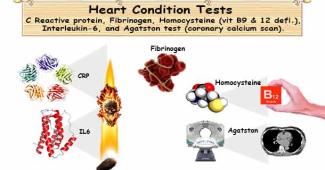
Blood lipid level tests are an indirect predictor of cardiovascular risk. There are certain tests to predict the heart conditions. In this article, you are going to learn about these tests in detail.
Do you know; Lipid Profile Test is just an indirect predictor of cardiovascular risk.
Testing Heart Condition
Studies shows, people with high LDL (so-called “bad" cholesterol) live longest. Thus scientific studies suggest certain tests to predict heart health.
The purpose of cholesterol management is to prevent plaque formation and cardiovascular diseases. Testing cholesterol level is a weak predictor of a heart condition. Instead, there are many direct tests to assess heart risk. Some of the preferred tests are as below.
- C-Reactive protein (CRP) – is a protein considered as a marker of inflammation and heart risk. CRP is a reliable predictor of heart health that cholesterol level. High CRP is due to infection, inflammation, high sugar, excess weight, and hypercoagulability. The recommended optimal CRP level is lower than 0.8 mg/dL.
- Fibrinogen - is a blood protein, it determines the platelets stickiness, contributor to plaque formation. During injury, adequate fibrinogen level is required to stop bleeding by forming a blood clot. Fibrinogen may elevate during inflammation, especially during periodontal disease. The normal fibrinogen range is 200 to 400 mg/dL.
- Homocysteine - determines folate (vitamin B9) or vitamin B12 deficiency. This deficiency increases the risk of heart attack or stroke. High homocysteine is common among alcoholics, digestion-absorption problem, or chronic kidney disease. Clinical testing laboratories recommended a healthy homocysteine level is between 5 to 8 µmol/L.
- Interleukin-6 (IL-6) - is a better inflammation predictor than CRP. And stronger risk predictor of heart disease and asthma. IL-6 stimulates the liver to produce a C-reactive protein (CRP). Il-6 is undetectable in the blood or is present in low quantities. Any serum level of ≥ 4.30 pg/mL defined as elevated.
- Agatston test - is coronary calcium scan provides a calcium score. This score based on the level of calcium deposits in your coronary (heart) arteries. Normal healthy Agatston score is 0. Higher Agatston score indicates a higher likelihood of atherosclerosis and coronary heart disease (CHD). A negative score indicates there is no calcification found in the arteries. Additionally, this means there is a low chance for heart attack in the next five years.
Advanced Lipid Testing
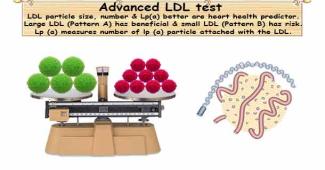
Advanced lipoprotein tests are LDL particle numbers and particle size (pattern A & B). These advanced cholesterol tests provide a better prediction of cardiovascular disease.
Advanced lipoprotein tests
LDL particle size, number and Lp(a) better predictor of cardiovascular disease than LDL-C.
The advanced tests are:
- LDL particle size – is grouping LDL particles based on size.
- LDL particle number (LDL-P or Apo-B) – is measuring number of LDL particles,
- Lipoprotein (a) – measures the number of lipoproteins (a) particle attached with LDL.
LDL particle size test
Total cholesterol of 120 mg/dL with few Large LDL (Pattern A) has a low cardiovascular risk. And an excess of small LDL (Pattern B) has high cardiovascular risk.
Test for LDL particle size can measure particle size and classify into sub-fraction. There are different methods for Lipid particle size assessment; four of them are:
- LDL Segmented Gradient Gel Electrophoresis available from Berkeley Heart Lab Inc. – it separates LDL particles into seven sub-fraction by size and shape.
- Ultracentrifugation Vertical Auto Profile (VAP) available from Atherotech Inc. – it uses the high-speed centrifuge to separate lipoprotein particles. It measures the respective distribution of cholesterol within various lipoprotein sub-fractions. It quantifies cholesterol content of VLDL, IDL, LDL, lipoprotein (a), and HDL subclasses. This test separates LDL particles based on the size into six sub-fractions. These sub-fractions are LDL-1 (most buoyant) through LDL-6 (least buoyant i.e. small dense). But does not provide concentrations of the lipoprotein particles.
- Nuclear Magnetic Resonance (NMR) - Lipoprofile is available from LipoScience Inc. – it is the most used test for the analysis of LDL particle size; based on their magnetic properties. This test separates LDL-P into pattern A (large, fluffy) or pattern B (small, dense). They are providing ApoB at no extra cost, although calculated not measured.
- Quantimetrix Lipoprint – this test uses an electrical field called tube gel electrophoresis to distinguish lipoprotein based on its size. It analyzes lipoprotein sizes and provides “LDL subfraction score”. A score less than 5.5 indicates normal risk. A score between 5.5 to 8.5 indicates intermediate risk. A score over 8.5 indicates risk for atherogenic.
A study "Disparate LDL Phenotypic Classification among 4 Different Methods Assessing LDL Particle Characteristics." Published in Clinical Chemistry, September 2006 vol. 52 no. 9 1722-1727. The measurement of LDL subclasses are becoming more important, but standardization of methods required. Complete agreement among these methods on LDL subclass occurred in only 8% of the studies. The currently available methods have vast variation. Thus unreliable as well as limits their clinical usefulness.
As per NMR test,
- People possessing most large, fluffy LDL particles called "Phenotype A" or "Pattern A." These people are not associate with a risk for atherosclerosis.
- People possessing most small, dense LDL particles are 'Phenotype B" or "Pattern B". These peoples are 300% greater risk towards cardiovascular diseases.
Most diabetics and people with confirmed coronary artery disease (CAD) contains "Pattern B." Most Pattern B individuals have low HDL, high triglyceride, and high blood glucose susceptibility. Pattern B is a marker for deranged metabolism.
Small LDL particles (Pattern B) easy pierce the endothelium and reaches the artery walls. Pattern B LDL can oxidize and play a role in the formation of cholesterol plaques. Only oxidized LDL enter the macrophages in the arterial lining and form cholesterol-rich plaques.
Ref: “Small LDL particles associated with the incidence of coronary artery disease in men & women.” Published in JAMA 1996; 276:875-881.
How important is LDL particle size?
Familial hypercholesterolemia is the most lethal lipid disorder, and they have large LDL particles. If not treated to lower the LDL particle number, they may die early than usual. If the larger LDL is not lethal, then why should they die prematurely?
Conversely, people with diabetes and advanced metabolic syndrome have small LDL particles. Still, they managing to live well for 50 to 70 age, before succumbing to heart disease.
From this, you can understand:
High LDL-P number is the important predictor of cardiovascular risk than its size.
LDL particle number testing
LDL Particle number measures LDL particles number in nmol/L. LDL-P is a stronger predictor of heart risk than LDL-C. About 30 to 40% people with low LDL may have elevated LDL-P. That is why; many people suffer from a heart attack even though they do not have elevated LDL-C levels.
ApoB is two main variants; apoB 48 and apoB 100. ApoB 48 is in chylomicrons and synthesized by the small intestine. One molecule of ApoB 100 is in VLDL, IDL, LDL and LP(a) particles and synthesized by the liver. ApoB 100 most probably pierce arterial walls. Thus, it is important to assess cardiovascular risk. Elevated apoB number would be the initiation factor of atherosclerosis.
Framingham study shows people with lowest LDL-C has 37% more heart disease than lowest LDL-P.
Thus,
ApoB and LDL-P are better heart risk predictors than LDL-C. Apo-B and LDL-P are two different methods to measure LDL particle number.
Merits of Apo-B vs. LDL-P are not clear. So you can choose based on its availability, cost and clinician preference.
Reference range for LDL-P
- Optimal: less than 1000 nmol/L
- Low/No risk: 1000 to 1299 nmol/L
- High risk: more than equal to 1300 nmol/L
There is an increased chance towards cardiovascular risk if LDL-P is above the normal range.
Reference range for apoB
- Optimal: less than 60 mg/dL (<0.6 g/l)
- Moderate risk: 60 to 80 mg/dL (0.6 to 0.8 g/l)
- High risk: more than 80 mg/dL (>0.8 g/l)
There is increased chance towards cardiovascular risk. If the ApoB number is above normal healthy range.
Lipoprotein (a)
Lipoprotein (a) is an LDL particle attached to a special protein called apo(a).
The Lp(a) level in the blood is genetically inherited. Elevated levels of Lp(a) associated with inflammation in the arterial wall. Those without or with very low Lp(a), seems healthy.
Thus, plasma Lp(a) is not necessary; at least under normal conditions. Lp (a) circulates and does restorative work on damaged blood vessels. The Lp(a) concentrate is around the damaged blood vessel. It binds with the amino acids and promotes oxidized LDL deposits in the wall. This deposits leads to more inflammation and can develop plaque.
"Elevated Plasma L (a) & Coronary Heart Disease in Men Aged 55 Years & Younger." Published in JAMA 1996; 276(7):544-548. The study shows high Lp(a) is an independent risk factor for the development of premature CHD in men.
Who should take Lp(a) test?
Patients who have the below-noted risk may need to take Lp(a) test.
- Your family member had heart disease, heart attacks, or heart problems before age 55.
- High cholesterol or LDL-C levels not responding to the treatment.
How to perform Lp(a) test? Lp(a) blood test should take after 12 hours of fasting. That is not eating or drinking anything except water.
Reference range for Lp(a)
- Optimal: less than 20 mg/dL (<50 nmol/l)
- Moderate risk: 20 to 30 mg/dL (50 to 75 nmol/l)
- High risk: more than 30 mg/dL (>75 nmol/l)
If Lp(a) is above normal range, then increased risk towards atherosclerosis and heart attack.
Many people do not have detectable levels of Lp (a) in their bloodstream.
What are the health conditions that increase Lp(a)?
Certain health conditions may increase Lp(a), these conditions are:
- Low-estrogen,
- Hypercholesterolemia,
- Severe hypothyroidism,
- Uncontrolled diabetes,
- Renal failure, and
- Nephrotic syndrome (kidney disorder with protein loss).
The commercial Lp(a) testing may not have the same accuracy. Measuring and treating elevated Lp(a) cholesterol levels are not widely followed.