
T2D Screening

The diabetes diagnosis is by blood sugar tests. Diabetes diagnosing tests are Fasting Plasma Glucose FPG test, Oral Glucose Tolerance OGT test (most emphasized), Random plasma glucose test (not reliable) and A1C.
Diabetes screening criteria
Below are the set of rules for suggesting diabetes screening.
Criteria for diabetes diagnosis are:
- More than two diabetes risk factors,
- Central obesity,
- Have had gestational diabetes,
- Already diagnosed as pre-diabetes,
- Presence of diabetes symptoms,
- Have hypertension or high blood pressure,
- Have hyperlipidemia or high blood cholesterol.
If you met most of the above-said criteria, then you need to undergo diabetes screening.
How is diabetes diagnosis?
Blood tests are used to diagnosis diabetes; there are several ways to diagnose diabetes. They are fasting blood glucose test, oral glucose tolerance test, and glycated hemoglobin A1C test.
If the test result indicates that a person has diabetes, then should be re-confirming with a second test on a different day. What is pre-diabetes? The blood glucose is higher than normal but not high enough to diagnose diabetes. Pre-diabetes puts you at risk for developing type 2 diabetes.
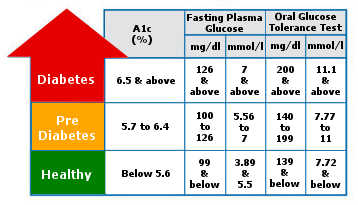
- Fasting Plasma Glucose (FPG) – is a blood-glucose test after not having anything to eat or drink (except water - even do not drink a lot of water before the test) a minimum of eight hours before the test. This test is conveniently carried out in the morning, before breakfast. Confirm diabetes diagnosis if BS is greater than or equal to 126 mg/dl (7 mmol/L). Diagnose as pre-diabetes if BS is 100 mg/dl to 126 mg/dl (5.56 to 7 mmol/L). Confirm hypoglycemia if BS level is lower than 70 mg/dl (3.89 mmol/L).
- Oral glucose tolerance test (OGTT) – is a glucose challenge test by testing blood glucose level before food and two hours after a carbohydrate-rich food or a special sweet drink. Confirm diabetes if BS is greater than or equal to 200 mg/dl (11.1 mmol/L). Diagnose as pre-diabetes if BS is 140 mg/dl to 199 mg/dl (7.77 to 11 mmol/L).
- Random plasma glucose test – is a blood glucose test at any time of the day no restrictions. Confirm diabetes diagnosis if the BS is greater than or equal to 200 mg/dl (11.1 mmol/L).
- Glycated hemoglobin test (A1C) – is a test to measure the average BS for the past two to three months. You can undergo this test at any time; there is no fast required; you can eat or drink anything. Confirm diabetes diagnosis if the A1C percentage is greater than or equal to 6.5%. Diagnose as pre-diabetes if the A1C is 5.7% to 6.4%.
What test is preferable in early diabetes diagnosis?
Why do most patients diagnose as diabetes, along with complications? You can find an answer to this question from this study. "Impaired fasting glucose or impaired glucose tolerance, what best predicts future diabetes in Mauritius," was published in Diabetes Care March 1999 vol. 22 no. Three 399-402. It shows the higher sensitivity of IGT over IFG for predicting progression to type2 diabetes. Screening by the criteria for IFG alone would identify fewer people who subsequently, progress to type2 diabetes than would be the oral glucose tolerance test.
Thus, it is preferable to take both IFG & IGT tests for early diagnosis of diabetes. However, most doctors chose only IFG for diagnosis. Therefore high percentages of people with IGT have missed out from diagnosis.
BS number once confirms diabetes, and next proved wrong, why?
People getting different results between tests may indicate diabetes is trying to get through the system. Where blood-glucose levels have not risen high enough or not yet stabilizes to be higher level to show up on every test result.
For many, making few lifestyle changes such as losing some weight, increase in physical activity, and eat healthily can help reverse diabetes or at least delay its onset.
BS testing devices

Blood glucose or sugar level is the important parameter to measure for proper diabetes management, regardless of the type of diabetes you belong.
What is blood-glucose test means?
Glucose is a sugar, an important energy source for our body. A healthy individual's body can regulate the amount of glucose in blood and maintain an equilibrium called glucose homeostasis. However, in the case of diabetes, the glucose homeostasis gets disturbed. Thus, they need special diets and medications to control lood glucose from rising or falling. Diabetics are required monitoring their blood-glucose level called BG or BS test.
As a diabetic, you should take the blood test to monitor your blood glucose (sugar) levels. This is a quantitative test to measure the amount of glucose present in your blood. The test results are useful to understand:
- How different diets and exercise can affect your blood glucose levels,
- Help treated the blood-sugar level highs & lows in time,
- Know how effective diabetes treatment is.
- Moreover, learn to adjust the treatment (drug dosage, timing, etc.).
How often should you take BS test?
If you are newly diagnosed diabetes, you may need to take BG test more often to learn how your body is responding to your diet, exercise, and medication. Once you are familiar with them, then you can limit the testing to suit you the most. Generally, people with diabetes type 1 have to test their BS three or more times a day. On the other hand, type-2 diabetes is less frequently testing their BS levels, maybe one or more times a day.
Blood-glucose monitoring devices
You can choose a suitable blood-glucose monitor as per your requirement or test your BS at the lab. Self-blood glucose monitoring is the preferred method by many diabetics.
Devices that are in use for BS monitoring are:
- Blood-glucose meter - support diabetics to keep track of their glucose levels, wherever and whenever they want. The results are required making appropriate medical and lifestyle choices; it helps avoid hyperglycemia and hypoglycemia episodes.
- Continuous Glucose Monitor – is a new generation of the blood-glucose monitoring system? It promises to change the way patients, and their care providers manage diabetes. It delivers blood-glucose readings every few minutes for 24/7. Many patients with type-1 diabetes, who is at risk towards non-symptomatic hypoglycemia, can use it to treat hypoglycemia in time before it turns dangerous.
- Ketone Testing Strips - Presence of ketones in the urine is an indication that the body start metabolizes fat. Both diabetics and persons on low-carbohydrate diets may test their urine for ketones daily.
Weight loss Calculator
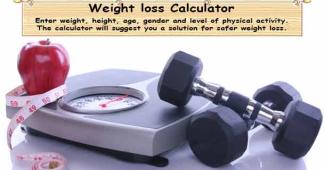
Being overweight or obese is associated with an increased risk for the development of various health conditions such as high blood pressure, type 2 diabetes, heart disease, stroke, infertility, osteoarthritis, back pain, depression, sleep disorders, and some types of cancer.
Health Benefits of losing weight
Research has shown that losing just 10% of your body weight or less can have huge benefits to your health. Lowering body weight can reverse or prevent diabetes; lower blood pressure, reduce cholesterol, and triglyceride levels; and improve sleep apnea and other sleep problems. Even a study shows 90% of diabetes, 80% of heart disease; and 60% of cancers are preventable with healthier lifestyles and normal body weights.
How do you lose weight?
The best way to lose weight is to make small, realistic changes to your diet and the amount of exercise you do. The World Health Organization recommended that people combine a reduction of processed foods high in saturated fats, sugar, and salt and caloric content of the diet with an increase in physical activity.
Cutting down your total calorie requirement a little can help you lose weight gradually and safely. You can use the calculator on this page to know how much energy you require daily. What amount do you need to cut down and what will be the expected weight drop in a week?
Weight loss calculator
You just need to enter your weight, height, age, gender, and level of physical activity. The calculator will suggest you a solution for safer weight loss with your body mass index (BMI), basal metabolic rate (BMR), daily calorie requirement, ideal body weight range, and calorie distribution between three meals & snacks (breakfast, lunch, dinner, and snacks).
As per Ayurveda (Indian traditional medicinal system) start a day with more calories that are eaten like a King for breakfast, eat like a Queen for lunch, and a pauper for dinner. Why, it is because sunlight and digestion are closely related; digestion is strong during the daytime up to 12 p.m. thereafter it starts dropping. It is preferable to take your breakfast around 8 a.m., lunch around 1 p.m. and dinner around 7 p.m. Old age people in India are healthy by following this Ayurveda style of eating. Why don't you? Additionally, it has been confirmed by clinical studies that people eating big breakfasts (50% calories) experienced higher weight loss compared with people eating big dinners (50% calories).
Insulin Pump Calculator
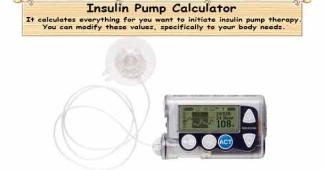
This insulin pump calculator calculates everything for you when initiating your insulin pump therapy. You can modify these values to your body's needs afterward.
Insulin pump calculator
The insulin pump calculator calculates your total daily dose of insulin for insulin pump use, basal and bolus insulin requirement, insulin to carb ratio, insulin sensitivity factor, insulin to correct blood sugar, insulin to cover the carbohydrate in the meal, and the mealtime bolus insulin.
Usually, if you decide to use an insulin pump, you only require 75% of your actual TDD (total daily insulin dose). 50% of the insulin is for basal rate, whilst the remaining 50% is divided into three pre-meal boluses.
How do you use this insulin calculator for insulin pumps?
You need to enter your weight, and unit of weight, and then if you know you can enter your Total daily dose of insulin (TDD) with insulin shots (injection); if you do not know TDD then enter the number zero in the box provided we will calculate TDD for you. Also, you need to select whether you are prone to hypoglycemia, hyperglycemia, or not having highs/lows. Enter your meal time carb content in grams, present blood sugar level, expected or target blood sugar, your bs unit, and enter insulin on board provided by your insulin pump; if you do not know enter zero.
Now click calculate to calculate everything you need for insulin requirements for insulin pump treatment. The results contain the rate of basal insulin, carbohydrate to insulin ratio, and (blood sugar) correction factor; additionally, you will be provided with the insulin requirements to correct your blood glucose, insulin to cover the carbohydrate in your meal, and total mealtime bolus insulin.
Enjoy insulin pump therapy!
T2D Medicine SGLT2 inhibitors

SGLT2 inhibitors are a class of diabetes medication prevents the body to reabsorb glucose, increasing glucose excretions in urine to lower blood-glucose level.
SGLT2 inhibitors
SGLT2 inhibitors are sodium-glucose co-transporter 2 (SGLT2) inhibitors; it blocks the reabsorption of glucose into the body by the kidney and increasing glucose excretions in the urine. It is not recommendable for type 1 diabetes or diabetic ketoacidosis.
SGLT2 inhibitors mechanism of action
SGLT2 is a protein in humans that facilitates glucose reabsorption in the kidney. SGLT2 is responsible for almost 90% of the glucose reabsorption in the kidney. Inhibiting this transporter leads to a decrease in blood glucose due to the increase in renal glucose excretion.
The mechanism of action of this new class of drugs is by increasing insulin sensitivity, and uptake of glucose in the muscle cells decreased gluconeogenesis and improved first phase insulin release from the beta cells.
Drugs in the SGLT2 inhibitors class
- Generic name: Canagliflozin (Brand name: Invokana),
- Generic name: Dapagliflozin (Brand name: Farxiga (in the US), Forxiga (in EU)),
- Generic name: Ipragliflozin (Brand name: Suglat)
SGLT2 inhibitors dosage
- Canagliflozin – start with a minimum dose of 100 mg once daily for eGFR 45 to < 60 mL/min/1.73 m2, maximum dose of up to 300 mg once daily is allowable for patients with eGFR ≥60 mL/min/1.73 m2.
- Dapagliflozin - start with a minimum dose of 5 mg orally once a day; take in the morning with or without food. You may increase to 10 mg once a day in patients is tolerating 5 mg/day who have an eGFR ≥60 mL/min/1.73 m² and require additional glycemic control.
- Ipragliflozin - The recommended dose is 50 mg once daily, in the morning. If the effects are insufficient, the dosage may increase to up to 100 mg once a day, while carefully monitoring disease progress.
SGLT2 can increase the risk of hypoglycemia combined with insulin or an insulin secretagogue.
What can you expect from SGLT2 inhibitors?
SGLT2 inhibitors as monotherapy can reduce HbA1c levels. You can use SGLT2 inhibitors as a monotherapy or in combination with most other oral diabetes drugs and insulin.
Possible side effects of SGLT2 inhibitors
SGLT2 inhibitors can
increase LDL cholesterol,
urinary tract infections,
genital mycotic infections,
associated with increased urination and
episodes of hypotension and hypoglycemia).
The same report did show that the drug decreased weight by a 1.9 to 3% as well as reduced systolic and diastolic blood pressures and raised HDL cholesterol. Some common side effects are rapid weight loss, tiredness, and dehydration.
Who should avoid using SGLT2 inhibitors?
Avoid SGLT2 inhibitors, if you are
- Type 1 diabetes
- People with low kidney function
- People taking strong diuretic medication
Diabetes Herb Ivy gourd

Ivy’s gourd herb is useful in managing blood glucose level by nourishing pancreas, liver, kidney, heart, & eye.
What is Ivy gourd?
Ivy Gourd Plant: Ivy gourd (Coccinia Cordifolia) is a tropical vine ( a woody climbing plant that bears grapes like fruits), nativity extends from Africa to Asia. Green vegetable Ivy’s gourd can use for cooking as a vegetable, well-ripped fruits are sweet to eat and can be taken raw.
Ivy gourd other names: Coccinia Cordifolia is also called as baby watermelon, little gourd, Calabacita, Calabaza Hiedra, Coccinia grandis, Coccinia indica, Coccinia Índica, Kovai, Little Gourd, Tela Kucha, Tindola.
Ivy Gourd Nutritional Value: 100 grams of ivy gourd contain Protein 1.2 g, Total Fat (lipid) 0.1 g, Carbohydrate 3.1 g, Total dietary Fiber 1.6 g, Iron 1.4 mg, Calcium 40 mg, Potassium 30 mg, Vitamin B2 (Riboflavin) 0.08 mg, Vitamin B1 (Thiamin) 0.07 mg, Vitamin C (Ascorbic acid) 1.4 mg, and Vitamin B3 (Niacin) 0.07 mg.
Ivy gourd calories: 100 grams of ivy gourd can provide 18 Kcal or 75 kJ of energy.
Ivy Gourd Recipe for diabetes: Take 5 to 10 ivy gourd leaves wash it, add ¾ cup of water, blend well using a blender, filter the juice, add stevia to sweeten (optional), and drink the juice first time in the morning.
Ivy gourd lower blood-sugar level
{"preview_thumbnail":"/drupal8/sites/default/files/styles/video_embed_wysiwyg_preview/public/video_thumbnails/E6ac7XdCsX0.jpg?itok=b3dJL7UN","video_url":"https://youtu.be/E6ac7XdCsX0","settings":{"responsive":1,"width":"854","height":"480","autoplay":0},"settings_summary":["Embedded Video (Responsive)."]}
Co-administration of conventional drug and herbal medicine may cause potential interactions that lead to adverse events. So get doctor’s consent before starting herbal treatment.
The mechanism of action of the herbal Ivy gourd has appeared to mimic insulin in diabetic patients. It acts like insulin by correcting the elevated enzymes Glucose -6-phosphatase and lactate dehydrogenase. Thus, it controls hyperglycemia in diabetes.
Ivy gourd’s scientific evidence
- The fasting and postprandial blood glucose levels of the experimental group at day 90 significantly decreased, by 16 and 18%, respectively as well as A1C. Effect of Supplementation of Coccinia cordifolia Extracts on Newly Detected Diabetic Patients. Diabetes Care 2008 Feb; 31(2): 216-220.
- Our findings indicated that raw Ken (Coccinia grandis) leaves lowered the postprandial blood sugar levels proving the herb improving the glucose tolerance. Blood Sugar Lowering Effect of Coccinia grandis (L.) J. Voigt: Path for a New Drug for Diabetes Mellitus. Experimental Diabetes Research Volume 2011, Article ID 978762.
- Treatment of diabetes mellitus with Coccinia indica. British Medical Journal 1980;280:1044.
- The extract of C. indica, act like insulin, and control of hyperglycemia in diabetes. Influence of Coccinia indica on certain enzymes in the glycolytic and lipolytic pathway in human diabetes. Indian J Med Sci. 1998 Apr;52(4):143-6.
- Patients showed marked improvement in their glucose tolerance. Coccinia indica in the treatment of patients with diabetes mellitus. Bangladesh Med Res Counc Bull. 1979 Dec;5(2):60-6.
Unlike conventional drugs, herbal medicines are complex mixtures of bioactive compounds. Season, growing condition, processing method can vary the constitutions of the bioactive compound.
15 Medicinal Uses of Ivy gourd
Ivy’s gourd has some important pharmacological activities. They are anti-inflammatory, antioxidant, anti-mutagenic, and anti-diabetic. Also, it has anti-bacterial, anti-ulcer, hepato-protective, expectorant, and analgesics properties.
- Blood sugar - Ivy gourd decreases fasting and postprandial blood sugar by about 16 to 16 %, respectively. Additionally, it shows to lower HbA1C.
- Blood pressure - Many naturopaths suggest drinking ivy gourd juice is beneficial to high blood pressure and heart patients.
- Proper heart functioning - It is rich in potassium that helps heart functioning and prevents heart attack and ischemic heart.
- Protect the nervous system - It can protect the nervous system because it is rich in B vitamins essential for the brain and the nervous function. Thus, help in treating anxiety, epilepsy, and Alzheimer’s.
- Prevent Kidney Stones - Including it in your diet to considerably reduce the kidney stone risk.
- Strong bones - Its calcium content can strengthen the bones.
- Boost immune function - It boosts the immune function, the key to maintaining a healthy life.
- Improves digestive health - It improves digestive health becomes of its vitamin B complex and dietary fiber content. In Ayurveda used it for anorexia and coughing.
- Alleviated depression - It alleviates the mood and treat depression naturally.
- Eliminate allergy - It has anti-histamine property, useful as a topical treatment to cure skin irritations and allergies.
- Energetic - Ivy gourd consists of 1.4 mg of Iron, 17.50% of the daily recommended value. Iron deficiency causes fatigue. So, the Ivy gourd keeps you fit, healthy, and energetic.
- Treat Cataract - Traditionally, Ivy gourd can also in use for various conditions; stem juice as eye drops to treat cataract.
- Skin health - Leaves are useful for treating skin eruptions, gonorrhea, biliary disorders, anorexia, cough, and diabetic wounds.
- Protects Liver – it is useful for hepatic disorders.
- Ivy gourd is known for its antioxidant, anti-bacterial, and anti-triglyceride property.
Ivy gourd lower heart diseases & strokes risks
Blood vessel blockage develops due to inflammation and oxidation that leads to heart disease and stroke. The herbal Ivy gourd possesses anti-inflammatory, anti-oxidant properties, which protects against plague formation and thus to some extent, prevent heart diseases and strokes.
Ivy gourd dosage
The appropriate daily dose depends on various factors such as your age, health, and other health conditions. Consult your alternative medicine practitioner or follow product labels before using it.
Ivy gourd availability
Ivy gourds are available as a fresh vegetable, fruit, and leaf; extract capsules, leaf powder tablet or capsules.
Ivy gourd Side Effects or Warnings
It appears to be safe for most of the people when taken by mouth for short and long terms. Pregnancy and breast-feeding women are advised to avoid their use.
Ivy gourd decrease blood sugar levels, so it can interact with diabetes medication and leads to hypoglycemia.
Thus, you need to monitor your blood sugar level closely to avoid hypoglycemia, also need to change your diabetes medication dose.
Sirsasana

"Shirsha" means head and "Asana" means posture. Sirsasana common name in English is headstand. Sirsasana is the king of asana; it supplies nutrient-rich pure blood to the brain, which connects to our whole body and acts as a regulator. Thus, Sirsasana kindle and regulates entire body function by increasing blood supply to scalp and brain.
Headstand stimulates the nervous system, boost mental alertness and clarity. It is a centering, calming and soothing posture. People suffering from sleep problems, memory loss and low vitality can recover by the regular practice of this asana.
Sirsasana stimulates pineal and pituitary glands, and help normalizes its function; thus entire nervous system starts recovering.
How do you do Sirsasana?
- Fold a blanket (for cushioning effect), spread it on the floor and kneels down near it.
- Rest the forearms on the center of the blanket. The distance between the elbows placed on the floor should not be more than the shoulder width.
- Interlock the finger firmly so as the palms form a cup, and rest the sides of the palms on the blanket.
- Rest the crown (neither forehead nor the back) of the head on the blanket so as the back of the head touches the cupped palms and elbows. After securing the head in-position, raise the knees from the floor.
- Exhales gently, kick toes against the floor; lift inch by inch (this avoids flushing of blood) the legs from the ground with bended knees. Lift both feet simultaneously, once you attain balance straighten your knees and keep the whole body perpendicular to the floor.
- The whole body weight should be on the head alone not on the forearms or hands. They are only to support and prevent any loss of balance.
- The back of the head, trunk, thigh back and heels should be in line perpendicular to the floor (not inclined to one side). The throat, chin and breastbone should be in one line; otherwise, the head will tilt to one side or move forward.
- Stay in this final position with natural breathing without staining yourself for one to five minutes in the beginning and can expend up to 10 to 15 minutes. Exhale, flex the knees and slide down to the floor in the reverse order, until the toes touch the ground. Slowly raise your head from the blanket.
Sirsasana for beginners
A beginner must do this pose with the assistance of a friend or do the asana against a wall.
While practicing against a wall, the distance between it and the head should not be more than 2 or 3 inches. Otherwise, the spine will curve and stomach protrude thus strains your entire body. Remaining step are the same as the actual Sirsasana at the center of the floor. This wall-supported Sirsasana helps support the hips against the sides of the wall. Additionally, you can touch the heels to either side of the walls. The movements of coming down and going up should do with an exhalation.
Gradually leave the support of the wall and learn to master the balance.
Caution
The beginners should not practice without guidelines of a yoga master. At least, you should have your friend or family member with you helping at each stage of this yoga. This helps you from fall down and hurting yourself (even leads to spinal fracture), thus be extra careful.
Additionally, for ease, you can do this yoga in the corner of the wall (joint of the two sides of the wall) to prevent a fall down as well as help you from straining. One should master for a correct Sirsasana posture; a faulty posture will lead to pain in the head, neck and back. While holding the headstand the eyes should never become bloodshot. If it happens, this indicates the pose is faulty.
If you are high or low blood pressure, then it is not advisable to start with, Sirsasana or Sarvangasana instead start with Halasana.
Sirsasana should always follow by Sarvangasana. It has observed that those who do Sirsasana alone without doing Sarvangasana are apt to lose their temper and become irritated easily. The practice of Sarvangasana after Sirsasana helps check these effects.
Sirsasana is the father, and Sarvangasana is the mother of all asana'. Both parents are important for cardinal peace and harmony in a home, so it is advisable to practice both these asana to keep the body health and mind peaceful.
Benefits of head stand
- Rejuvenates nervous system and brain, thus helps diabetics to stop nerve damage.
- Improve lung’s capacity by loading blood with enough oxygen as well as heal cough, cold, sinusitis, and asthma.
- Aids proper blood circulation and removes fluid buildup in the foot, thus limits foot conditions.
- Kindle digestion and normalize metabolism, thus helps maintain the blood-glucose level. Psychological problems such as stress, depression and anxiety are more common among diabetes, which has relieved by handstand.
- It normalizes the functions of kidney, liver, intestine, stomach and reproductive organ.
- Finally, it provides a glow to your face and makes you more attractive.
Regular and precise practice of Sirsasana develops the body, disciplines the mind, and widens their spirit. Make you balanced and self-reliant in pain & pleasure, loss & gain, shame & fame, and defeat & victory.
Sarvangasana
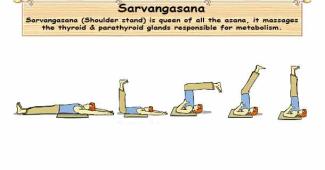
"Sarva" means whole, "Anga" means body parts, and "Asana" means posture that is a complete body posture. Sarvangasana is nicknamed as queen of all the asana, commonly known in English as Shoulder stand.
Sarvangasana gently massages the thyroid and parathyroid glands (found in the neck region) by its firm chin-lock. This gentler massage increases the fresh blood circulation to these glands, thus this gland gets stimulated and starts working to its full efficacy. Thyroid and parathyroid glands are responsible for protein, fat, carbohydrate metabolism and vitamin metabolism. This in-turn is affecting, how the human cells can use energetic compounds. The thyroid also regulates other glands that produce other important hormones. This is a mysterious yoga, which gives wonderful benefits.
How do you do Sarvangasana?
- Spread a thick blanket on the floor; lie flat on the back keeping the legs stretched out, tightened at the knees. Place the hands close to the body palms downwards. Take a few deep breaths.
- Exhale, bend the knees and lift the legs towards the stomach until the thighs press it. Take two breaths.
- Lift the hips from the floor with an exhalation, place the hands on the hip or back, and support it by bending the arms at the elbows. Take two breaths.
- Exhale; lift up the trunk perpendicularly by the support of the hands until the chest touches the chin.
- Only back of the head, neck, shoulders and arms up to the elbows should rest on the floor. Place the hands in the middle of the spine. Take two breaths.
- Exhale, stretch, and straighten the legs with the toes pointing up.
- You can stay in this position for five minutes with normal breathing.
- Exhale, gradually release the hands and slide down, lie flat and relax.
- If you cannot do this asana without a support, then use a stool and do the pose.
- You are really standing on your shoulders with the elbow support. Concentrate on your Thyroid gland, which lies on the front lower part of the neck.
Caution
Women should not do any inverted poses during menstruation as it reverses the blood flow. People suffering from blood pressure, glaucoma, hernias, cardiovascular disease, cervical spondylitis, thrombosis, arteriosclerosis, and kidney problems should not practice headstand. Those suffering from neck injuries should perform this exercise after consulting and under supervision of a yoga teacher.
If you are having high or low blood pressure, then it is not advisable to start with, Sirsasana or Sarvangasana, instead start with Halasana. People with hypertension should not attempt Sarvangasana unless they do Halasana first and can stay in it for not less than 3 minutes.
Benefits of Sarvangasana
This yoga works from head to toe and benefits all parts of the body. It energizes, stretches ligaments, muscles in the cervical region, stimulates circulation, rejuvenates your back, stimulates the abdominal organs, relieves constipation and refreshes the mind.
- Thinking power increases and thoughts become clearer. It is best for those whose brain tired quickly.
- It provides required blood supply to the pituitary and pineal glands in the brain. Proper functioning of these two glands is necessary for growth, health and vitality.
- Makes you calm, nourishes the nervous system and alleviates insomnia. It helps people suffering from loss of sleep, memory and vitality.
- The lungs gain the power to withstand any climate and standup to any work. It relieves colds, coughs, tonsillitis, halitosis (foul breath) and palpitations.
- Beneficial to the sex glands of both sexes, women with misplacement of the uterus, men with prostate problems, and slow down age degeneration.
- In the inverted position, the internal organs are experiencing the reversal of the gravity. This pose relaxes and nourishes the organs by the improving blood circulation.
- Shoulder stand relieves gastro-intestinal disorders, dyspepsia, constipation, displaced uterus, hernia and varicose veins.
- It improves blood circulation to the face (softening wrinkles), scalp (nourish root hairs, prevent hair loss & graying), spine, brain (improved mental vigor, eases tension, and relieve stress), and pelvic area (useful for menstrual cramps, hemorrhoids and urinary disorders).
- Effective for asthmatic patients; this pose puts pressure on the sternum against the chin, which inhibits breathing from the top of the lungs (helps attain proper breathing).
- This asana provides fresh blood supply and massage the thyroid and parathyroid glands by gentle compression. Thyroid glands are responsible for metabolism, so Sarvangasana regulates body weight by normalizing both over weight and underweight conditions.
- This asana strengthens bones, because of the parathyroid gland gets fresh circulation, which is responsible for calcium and phosphorus metabolism. It strengthens your spine, neck and shoulders.
- This reduces the incidence of hot flashes and night sweats.
- It tones the thymus gland responsible for immunity and thus there is a boost in your immunity.
- Sarvangasana is considering as the queen (or mother) of asana; mother always try harmonizing and bring happiness to the home. Similarly, this asana harmonizes and provides happiness to the human system.
- It allows healthy blood circulation to the neck and chest areas. Thus, persons suffering from breathlessness, palpitation, asthma, bronchitis and throat ailments get relief.
- The chin-lock regulates the blood supply to the head; the nerves are soothed and headaches (even chronic ones disappear).
- Due to the soothing effect on the nerves, sufferers of hypertension, irritation, shortness of temper, nervous breakdown and insomnia are relieved.
- The change in bodily gravity helps the abdominal organs; the bowels moves freely and constipation vanishes. Thus, the system is free from toxins and feels full of energy.
- This asana helps relieve urinary disorders, uterine displacement, menstrual trouble, piles and hernia.
- It also helps to relieve epilepsy, low vitality and anemia.
- Regular practice of this asana brings you new vigor and strength, happy and confident, peace and joy.
- After a long illness, practicing this asana regularly twice a day brings back lost vitality.
- This asana activates the abdominal organs and relieves people suffering from the stomach, intestinal ulcers, severe pains in the abdomen and colitis.
Ardha Matsyendrasana

Ardha Matsyendrasana is a Sanskrit word; “ardha” means half, “matsya” means fish, “indra” means ruler (king), and “asana” means pose.
This is a most difficult asana requiring a flexible body similar to rubber. Twisting yoga poses can cleanse and rejuvenate the body. The abdominal organs receive a deep internal message, helping to squeeze out toxins, stimulate digestion, and supply organs with fresh circulation on release. This asana can regulate adrenaline and bile secretion. This yoga is useful for the yogic management of diabetes, hypertension, sinusitis, hay fever, bronchitis, constipation, menstrual disorders, and urinary tract disorders.
Ardha Matsyendrasana can massage the pancreas, kidneys, stomach, small intestines, liver, and gallbladder. The region matches to Manipura Chakra, therefore, stimulating and unblocking this region can improve the vitality and health of the whole body.
How do you do Ardha Matsyendrasana?
- Sit on the floor, with the legs stretched straight in front.
- Bend the right knee, slightly raise the seat place the right foot under the right-side buttocks and sit on the right foot. The foot should be horizontal to the floor and use it as the seat, the outer side of the ankle and the little toe rest over the ground. Otherwise, it is impossible to sit on it. Balance securely in this position.
- Bend the left knee, lift the left leg from the floor, and place it by the outer side of the right thigh (outer side of the left ankle [joint connecting the foot with the leg] should touch the outer side of the right thigh on the floor). Keep the left shin (leg below the knee) perpendicular with the floor and balance yourself in this position.
- Turn the torso to the left until the right armpit touches the outer side of the left thigh. Place the armpit over the left knee.
- Exhale, stretch the right arm from the shoulder and bend it around the left knee. The right arm should hold the left knee firmly without any space between the right armpit and the left knee. To do this, exhale and push the trunk forward. Stay in this position and take two breaths.
- With deep exhale swing back the left arm from the shoulder, twist the left elbow, bring the left hand behind the waist and either clasp it with the right hand or vice versa. At the beginning, you will be able to catch a finger or two. With regular practice, it becomes possible to catch the palms and then the wrists behind the back.
- Turn the neck to the right and gaze the right shoulder or towards left and gaze to the center of the eyebrows. A greater spinal twist is possible, if the neck is turning to the right instead of left.
- The diaphragm is squeezing by the spinal twist; breathing becomes shorter and faster. No panic, on regular practice it becomes possible to hold for half a minute to a minute with normal breathing.
- Release the hands, take the left foot from the floor, and straighten the left and then the right leg.
- Repeat the pose on the other side and hold it for the same length of time. Here, fold the left leg and sit over the left foot. Move the right leg over the left and rest the right foot on the floor so that the right ankle outside touches the left thigh outside on the floor. Twist the trunk towards the right, put the left armpit over the right knee and turn the left arm around the right knee. Bend the left elbow and bring the left hand behind the waist. Stay in this pose and take two breaths. Exhale and swing the right arm back from the shoulder turn the right elbow and hold the hands behind the wrist back. Then release and relax.
In the beginning, it may be difficult to twist either arm around the opposite knee. In that situation, try holding the opposite foot, keeping the arm straight at the elbow. It also needs regular practice to hold the hands behind the back. Gradually arms backward stretch will improve and able to hold the fingers, next palms, then wrist, once mastered even the forearms above the wrists.
Benefits of Half-Spinal Twist Pose
- Cleanses the internal organs, improves digestion and elimination of wastes.
- Releases excess heat and toxins from organs and tissues.
- This asana exercises the vertebrae and keeps them flexible. This asana provides relief from splitting backaches, lumbago and pains in the hips. Sprains in the shoulder and frees the shoulder movements. It strengthens the spinal nerves.
- It helps the liver, spleen, bladder, pancreas, intestines and other abdominal organs. This asana is helpful in treating of obesity, dyspepsia, asthma and diabetes.
- This asana has a great effect over the pancreas and other glands, such as adrenal, thyroid and sex glands. It fully activates the muscle and organs in the abdominal region. This energizes and strengthens the pancreas; therefore, pancreas functioning improves, best suitable for diabetes.
- This asana heals disorder of kidneys, spleen, liver, stomach, intestine, bladder and pelvic region.
- The prostate and bladder will not enlarge, if one practices it regularly.
Paschimottanasana
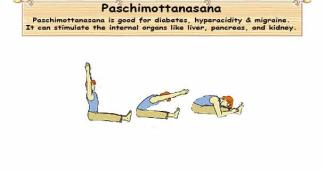
Paschimottanasana is a Sanskrit words "paschima" means west (or back of the body), "uttana" means intense stretch, and "asana" means posture. This yoga pose is good for those suffering from diabetes, hyperacidity, and migraine. This yoga can stimulate the internal organs like liver, pancreas, and kidney.
How do you do Paschimottanasana?
- Sit on the floor; stretch the legs straight in front. Place the palms by the side of the hips on the floor. Take a few deep breaths.
- Exhale, stretch the hands and hold the toes with the fingers. Hold the big toe by the right thumb and the index by the respective hands. Try keeping the knees on the floor by preventing it rising from the ground. In the initial stages, the knees will lift off from the floor. Practice this stage for few days, once attain perfection try the next step.
- Learn to bend the back right from the pelvic region and extend the arms from the shoulders. Take a few deep breaths.
- Exhale, bend and widen the elbows. Pull the trunk forward and place the forehead on the knees. Gradually try resting the elbows on the floor, gently stretch the neck and trunk until the nose then lips touch the knees.
- When this becomes easy, take further effort to hold the sole and rest the chin on the knees.
- Try stay in this position for one to five minutes breathing evenly.
- Inhale, raise the head from the knees and relax.
Caution
People with slipped disc problems and sciatic problems should not practice Paschimottanasana.
Benefits of Paschimottanasana
- Paschimottanasana is highly beneficial in cases of hypertension, diabetes, sinusitis and asthma.
- Paschimottanasana stretches the entire back muscles of the body from the neck to feet. While stretching the back muscles, the internal organs in the abdominal region are massaged well. Eliminates general lethargy and weakness, and makes the body strong, flexible and sturdy.
- It improves digestion, cure’s constipation, increase appetite, and relieve gastrointestinal diseases. This pose relieves headaches owing to digestive problems.
- Paschimottanasana removes fatty deposits on the back and around the hips, cures sciatic neuralgia, turns fat people into slim, and hemorrhoids.
- Due to the intense stretching in the pelvic area, more oxygen enriched blood supply results in more nutrition to these regions. This pose stimulates the kidneys, liver and uterus. This yoga is good for menstrual disorders, provides relief from pain & all the men’s diseases.
- It increases vitality, cure impotence, ability to control the sexual activity and eliminates the nocturnal emissions in men. Thus, Paschimottanasana is nick named as Brahmacharyasana. In Sanskrit, Brahmacharya (celibacy) means the ability to control own sexual desires and urges.
- This pose activates nervous system by stimulating Solar Plexus, known as Manipura Chakra.
- Paschimottanasana relaxes the body and the mind. It improves mind focus, calm mind, relieves stress and tension.
- It stimulates kundalini power and achieves energy balance.