
A1C Glucose Relationship
Why my A1C & glucose are unrelated? If you are one among them, then read on for clarification.
A1C and glucose level is closely related; however, often, it appears to be unrelated.

The Relation between A1C and Blood Sugar
The A1C test is a blood test that reflects the average blood glucose level over the last two to three months. The glucose test is a measure of BS level in that instance.
Now, imagine your vehicle speedometer, it shows speed in kph (kilometers covered per hour). Imagine odometer shows total kilometers covered from day one to the present date.
Your glucose test shows blood glucose at that instant during the day. In many other instances, you may have a lot of blood glucose highs or lows. That is why you end up with an unrelated hba1c as compared with a glucose reading.
Why are my A1C and blood glucose unrelated?
A1C and blood glucose are two different but related things. For unknown reasons, some peoples' A1C may not reflect their average blood glucose.
The A1C test has some limitations. Let us look at an example:
Imagine two people (A & B) have an A1C of 7% and an estimated average blood sugar of 154 mg/dl or 8.6 mmol.
Say A’s blood sugar has been on a roller coaster. It soars up to 300 mg/dl or 17 mmol before crashing back down (low blood sugars) to 40 mg/dl or 2 mmol. On average, these severe highs & lows average out to about 150 mg/dl. Say B has 90 days of blood sugars around 150 mg/dl or 8.6 mmol.
Which one has a higher risk of complications, A or B? The problem with the A1C test is that frequent low blood sugars can lead to a lower A1C. If you want to reduce complications, it is crucial to maintain good BS most of the time. Even a slightly high A1C is better if there are fewer or no low blood sugars.
What is the relation between Fasting Glucose and HbA1c?
A1C has a less consistent relationship with fasting glucose levels.
Wong TY, Liew G, Tapp RJ, Schmidt MI, Wang JJ, Mitchell P, Klein R, Klein BEK, Zimmet P, Shaw J . Relation between fasting glucose and retinopathy for diagnosis of diabetes: three population-based cross-sectional studies. Lancet 2008; 371: 736– 743.
What does it mean if you have high A1C and healthy blood sugar?
Normal BS reading indicates good BS at that instant and appears to be in tight control. However, high A1C indicates your BS in other instances is unhealthy and not in strict control.
Alternatively, it means your diabetes control was not well past 1 or 2 months which appeared in your A1C result. However, presently, you are in reasonable control which is indicated by your glucose meter.
What does it mean if you have normal A1C and high blood sugar?
A high BS reading indicates unhealthy BS at that instant and appears to be not in proper control. However, normal A1C indicates your BS in other instances is healthy, and you are inadequate to control.
Alternatively, an excellent A1C means, you are in proper diabetes management for the past 1 or 2 months. However, high blood sugar indicates you are presently not inadequate for diabetes control.
Alternatively, you may have many low BS that give good A1C and High BS.
What to do if blood sugar and HbA1c result in consistent disagreement?
Consult your doctor to confirm whether you are doing the self-monitoring blood sugar correctly or whether your health conditions affect the A1C result (A1C error).
When do you consider the HbA1c test as inaccurate?
Your HbA1c is conflicting with home glucose monitoring. For example, the blood glucose levels have been between 300 to 400s, and an HbA1c of 6% the two do not reconcile. There may be a medical condition affecting the test results. Consult your doctor; he may order a CBC test (complete blood count) to know the cause of the false A1C result.
Why sometimes the A1C number appear to be wrong?
Two and a half months back, a patient's fasting blood sugar was 90+, postprandial BS 120+, and HbA1c 6.4%. At present, his numbers are fasting BS 96, postprandial BS 121, and HbA1c - 5.5%. How did his A1C value reduce from 6.4 to 5.5 in just 2.5 months? He has been on the same diet and lifestyle for the past 2.5 months. Do the last readings seem to be wrong?
This 5.5% is equal to 111, so it agrees with the FBS/PPBS range 96/121. Two months back, an A1C of 6.4 is equal to 137, so it does not agree with the FBS/PPBS range of 90/120.
Recent 1 month has contributed 50% influence in the A1C and recent 50 days contribute to over 90% of A1C result.
The impact of new RBC over the last 30 days on A1C is around 50%. So, if you switched to a low carb high-fat diet in the start, the significant impact should have come by the latest 50th day, 90%+. In practice, A1C is a reliable indicator of average blood sugars over the last 90 days, especially the last 60 days.
What can influence A1C test accuracy? Can an A1C test give false results?
A1C result depends on the health of hemoglobin. A less common form of hemoglobin (variant) or unhealthy cells can give a false result.
- Unhealthy hemoglobin conditions affect A1C accuracy - sickle cell anemia, thalassemia, iron deficiency, blood transfusion, kidney failure, or a similar disease.
- Some hemoglobin variant causes A1C errors. Most people with a hemoglobin variant do not have any symptoms and unknowingly carry it.
- Higher than actual a1c may be due to Uremia and acetylated hemoglobin (massive dose ingestion of salicylates).
- Kidney disease, liver disease, hemoglobinopathy, and recovery from blood loss decrease A1C number.
- Vitamins C and E supplementation reported lower A1C by inhibiting glycosylation.
- Low A1C has an association with iron deficiency anemia. The Baseline HbA1c level in anemic patients was lower than that in the control group. Additionally, a significant increase in the patients' HbA1c levels after two months of anemia treatment. Reference: "Effect of Iron Deficiency Anemia on Hemoglobin A1c Levels." Ann Lab Med. 2012 Jan; 32(1):17-22.
- Low A1C is found in diabetic and non-diabetic pregnant women due to the short erythrocyte lifespan.
- A1C accuracy can also be reported as being influenced by vitamin C and E intake. To avoid errors, avoid taking these supplements for about 24 hours before the A1C test.
- Abnormal hemoglobin lifespan causes A1C error. If you have abnormal hemoglobin, then your HbA1C may be low in hemolytic anemia. The life span of RBC is short in hemolytic anemia so HbA1C may be on a lower side. In polycythemia and post-splenectomy patients where the red cell life is longer than usual. Thus HbA1C may be on the higher side. So be cautious when interpreting A1C results in these conditions.
Hypertension & Alcohol

Are you an alcohol drinker? Drinking raises your blood pressure, even leads to hypertension. Try quitting or at least limit alcohol consumption to protect yourself against blood pressure.
Alcohol and blood pressure
How is alcohol metabolized? The liver performs almost 90% of the alcohol metabolism by breaking down of alcohol to water and carbon dioxide. The remaining is excrete by the lungs, kidneys, and sweat glands.
All ethyl alcohol is broken down into acetaldehyde a poison. It is similar to formaldehyde, which is then broken down to acetic acid (or acetyl) radicals.
Some people experience their blood pressure rises with alcohol consumption. Studies show excessive alcohol consumption can raise blood pressure; there are various theories explaining why it does so. Research shows that too much alcohol consumption may damage your brain, liver, and cardiovascular system. However, other studies show drinking alcohol in moderation does not cause any blood pressure rise.
Does alcohol raise blood pressure?
A recent study in Japan shown an even modest amount of alcohol drinking can cause a blood pressure rise.
Dr. Noriyuki Nakanishi, at Osaka University Graduate School of Medicine in Japan. The lead author of the study said alcohol use is an important modifiable risk factor for high blood pressure.
The mechanism through which alcohol raises blood pressure remains elusive. Several possible mechanisms have proposed, they are:
- Central nervous system - There is increasing evidence that alcohol initiates central as well as peripheral reactions. Synergistically it might have a hypertensive action.
- Sympathetic nervous system - Alcohol consumption increases sympathetic nervous system activation, which constricts blood vessels and raises blood pressure.
- Baroreceptors - Alcohol diminishes the baro (presso) reflex by interacting with receptors in the brain stem.
- Renin-angiotensin-aldosterone system - The serum levels of vasoactive substances such as renin-aldosterone have been reported to be affected by alcohol ingestion.
- Cortisol - Studies have reported a significant rise in plasma cortisol levels following alcohol consumption — excesses of Cortisol associated with increases in blood pressure.
- Intracellular calcium and vascular reactivity - Alcohol consumption shows the constriction of blood vessels. It is due to shifts in the calcium ion binding of arterial causes increased sensitivity to endogenous vasoconstrictors.
- Endothelium and oxidative stress
a. Alcohol stimulates and increases the release of endothelin 1, 2, and angiotensin II levels. Endothelin 1 and 2, as well as angiotensin II, are known to be potent vasoconstrictors of the blood vessels. Thus raises blood pressure.
b. Endothelium Angiotensin II stimulates superoxide production has demonstrated in rats made hypertensive with angiotensin II infusion.
c. Alcohol increases the blood pressure by decreasing the vasodilators NO in the vascular endothelium. It is either due to inhibition of endothelial nitric oxide synthase.
How much alcohol is safe for a hypertension patient?
Heavy drinkers who cut back their drinking can lower their systolic BP by 3 to 5 mm Hg and their diastolic BP by 1 to 2 mm Hg.
If you have hypertension, avoid alcohol or drink it in moderation. Two drinks per day for men (younger than age 65) or one drink per day for men (age 65 and older).
One alcohol drink is equal to:
- 12 ounces (or 355 ml) of beer
- 5 ounces (148 ml) of wine
- 1.5 ounces (44 ml) of distilled spirits (80 proof)
Alcohol can interact with hypertension medications and may lower its effectiveness and increase its side effects.
What do you feel when you stop drinking alcohol?
When you stop drinking, you may have some short-term effects:
alcohol craving,
irritability,
uneasiness,
anger, headaches, and
difficulty concentrating.
These alcohol withdrawal effects are because your body starts practiced to it. Alcohol is an addicting agent if you start experience alcohol withdrawal symptoms, be patient, and stay in control.
Alcohol withdrawal effects indicate your body has started healing and getting used to being without alcohol. An alcohol withdrawal symptom is only temporary; stronger at the beginning and vanishes slowly.
6 Benefits of stop drinking
The first benefit of stop drinking is you feel better altogether. The other common benefits are:
- You feel healthier, happier, more motivated.
- You can be able to lose weight.
- You can sleep better, restful sleep and brisk daytime.
- You can have the appetite again.
- You can be able to think better, both figuratively and literally.
- Your blood pressure drops significantly.
Hypertension & Coffee

Does caffeine raise blood pressure? Blood pressure rise due to caffeine use is only marginally, so effect between hypertension and caffeine does not suggest quitting tea or coffee.
Does caffeine raise blood pressure?
Caffeine may increase heart rate, body temperature, blood flow to the skin & extremities, blood pressure, blood sugar, stomach acid secretion, and urine production (diuretic).
Caffeine is a mild stimulant; thus, it has a blood pressure raising effect that is marginal and temporary, only lost for a minimum period.
Caffeine is a natural stimulant present in the nuts, berries, and leaves of individual plants. Caffeine is commonly consuming, as coffee or tea, additionally have estimated that it may be the most widely consumed beverages in the world.
What are stimulants? Stimulants increase the central nervous system activity; additionally, it makes you feel more awake, focused, and alert. Furthermore, it can also cause blood vessel constriction, which increases your blood pressure.
Most dangerous effects of drug stimulants like cocaine and methamphetamine are due to the result of their activity on blood vessels and the heart.
Caffeine is also a stimulant, so it is natural for everyone to suspect relation between coffee and high blood pressure.
However, caffeine is a very mild stimulant and has a brief life span in your body. Caffeine is also a self-limiting stimulant, means acts on the kidneys to increase own excretion rate.
Caffeine, Blood Pressure, and your Heart
Studies have consistently shown caffeine consumption does not increase the chances of hypertension, heart disease or heart attack.
One well-known study with over 85,000 women participant for the ten years shows there was no increased risk of these diseases. Even among women who consume more than six coffee cups per day. The Joint National Committee on Hypertension has confirmed there is no longer enough evidence interlinking coffee or tea with high blood pressure.
Still, there are controversial studies have shown a weak link between caffeine and rise in blood pressure, but this result only considered short-term effects.
In 2007, two studies further supported and again demonstrated that caffeine raised blood pressure is small and short-lived. Caffeine does not contribute to any blood vessel disorders associated with hypertension and cardiovascular disease.
Health Benefits of Caffeine
The caffeine-containing beverages are a rich source of polyphenols, which protects against heart disease, several cancers, and lower C-reactive protein (CRP).
Studies have consistently shown decreased liver cancer risk in those who drink coffee.
Coffee and tea containing polyphenols have shown to lower the concentration of C-reactive protein (CRP), an essential factor in inflammation. It decreases in CRP has shown to reduce the risk of cardiovascular disease, heart attack, and specific kidney disease.
If you are not a coffee drinker, then it does not mean you should start because of the potential health benefits. A healthy diet rich in fruits and vegetables is an alternate source of polyphenols and polyphenol-related compounds.
Coffee & blood vessel elasticity
As you age, your blood vessels getting stiffer by losing its elasticity, which increases the risk of hypertension. A study suggests moderate coffee drinking may counter this aging process of blood vessels and maintain its elasticity.
A Greek researcher report, aged people with hypertension, drinking one to two cups of coffee a day, have more elastic blood vessels than who drink less or more. This finding has presented at the European Society of Cardiology Congress.
The compounds in coffee include flavonoids, magnesium, potassium, niacin, and vitamin E. It can combat blood vessel aging by blocking oxidative damage and reduce harmful inflammation. Hypertension patients who drink coffee in moderation, one to two cups a day, seem to improve arterial aging. A significant limitation of the study is the participants mostly drank their coffee with their friends or family in a more relaxed environment. Therefore, these psychological relaxation benefits may help heart health.
Caffeine raises blood pressure controversy.
There are some studies controversial to above-said views; caffeine increase’s blood pressure and chances to have hypertension.
A study shows consumption of 1 cup of coffee a day raises systolic BP by 0.19 mmHg and diastolic BP by 0.27 mmHg. Coffee drinking is associated with a small blood pressure rise but appears to play a small role in hypertension development.
What can you do, as a coffee drinker with hypertension?
Caffeine can cause only a short dramatic increase in your blood pressure, even if you are not hypertensive. Caffeine may block a hormone that helps keep your arteries widened. Additionally; caffeine stimulates adrenal glands to release more adrenaline, which causes blood pressure to rise.
Most of the people who drink caffeinated beverages regularly develop a tolerance to it. As a result, caffeine does not produce any long-term blood pressure effects on them.
If you are having high blood pressure and drinking over 3 cups of coffee/tea per day, try limiting the amount at 3 cups/day. If you are drinking 3 cups of coffee/day, continue to enjoy your drinks.
If you are not a coffee drinker, you do not require starting drinking based on their coffee benefits. Because there are various healthy foods such as fruits and vegetables, have polyphenols and another nutrient similar to coffee.
Hypertension & Stress

It is acceptable to everyone; today’s lifestyle is more stressful compared to the lifestyle some ten years back.
Additionally, this stress may be the cause of high blood pressure.
Does Stress Affect your Blood Pressure?
Center for Disease Control (CDC) reports that 85 % of all disease has an emotional element. Stress and anxiety are the reasons behind health problems such as ulcers, sleeping problems, depression, and other chronic ailments.
How does stress raise your blood pressure? Occasional stresses do not cause hypertension; however, episodes of stress can cause dramatic, short-term spikes in your blood pressure. If those stress episodes frequently occur, such as every day, they can damage your blood vessels causing chronic hypertension.
Stress is your bodies respond to any demand, most urgent. If your mind and body are always on excessive stress in your life, you may be prone to serious health problems. Your body’s fight or flight mechanism is the natural alarm system for effectively facing a threatful situation. For example,
When a dog barks at you, your hypothalamus (small region at the base of your brain) will signal (alarm) your body. In turn, it is signaling your adrenal glands (present at the top of your kidney) to release adrenaline and cortisol.
The hormone adrenaline increases your heart rate, raises your blood pressure, and increase energy supplies. Cortisol (stress hormone) on the other hand, increases the glucose level in the bloodstream, to supply excess requirement of energy for your brain and body cells to meet out the stressful situation.
Additionally, cortisol halts a specific function that is not important during the fight-or-flight situation. It affects immune system function, digestion, reproductive function, and growth process. Thus, excessive and consistent stress can raise blood pressure as well as impacts your overall health.
Stress level rises, so do your disease-promoting white blood cells level that may lead to progression of atherosclerosis, plaque rupture, and myocardial infarction.
During high stress, your body releases hormones norepinephrine, which can cause the dispersal of bacterial biofilms from the arterial walls. This biofilm dispersal can suddenly break the plaque deposits triggering a heart attack.
During stress, your body releases stress hormone cortisol that prepares you to fight or flees. When stress becomes chronic, your immune system becomes desensitized to cortisol that leads to inflammatory response and inflammation get out of control.
The two types of arterial dysfunction cause an increased risk of cardiovascular disease is the stiffening of some large arteries and damage to the inner lining of the arteries. Both changes are by oxidative stress and chronic, low-grade vascular inflammation. We believe the altered chemicals produced by gut bacteria move from inside the intestines through a ‘leaky gut’ wall and enter the bloodstream. Then they circulate and interact with the walls of the arteries to cause oxidative stress, inflammation, and arterial dysfunction.
It may seem nothing you can do to reduce, prevent, or cope with stress. Because
- The bills will not stop coming,
- You will never have extra hours in the day,
- Your career and family responsibilities will always be expanding daily.
Still, you can gain more control than you might think.
Four ways of better stress management
Effective stress management is about taking charge of your thoughts, emotions, schedule, and the way you deal with problems.
- Identify the sources of stress in your life - healthy stress management begins with identifying the causes of stress. What are the entire situation’s troubles you a lot or make you worry? These are your sources of stress.
- Avoid unnecessary stress - know your capability and say no to newer responsibilities. Avoid peoples who always stress you. Keep away from anxious situations. Do not argue with peoples. Always keep yourself from a stressful environment.
- Plan in time to avoiding stress - if you feel the tension on a traffic jam, try choosing alternative routes even though it takes extra miles to travel. Take a moment, prioritize your job, and stop unnecessary stress.
- Accept your inability - certain stress events cannot change, try accepting it. Share your feelings with your loved once. Learn to forgive people instead of getting angry.
12 stress-relieving techniques
- Make sure you get adequate sleep - As sleep deprivation dramatically impairs your body's ability to handle stress. Sleeping helps to repair your body and relax your mind. Restless and tiredness will increase your stress and get irritated quickly. On the other hand, if you are stressed, you cannot get sound sleep.
- Regular physical activity - Physical activity/exercise produces hormone endorphins in the brain; it acts as natural painkillers, improves the ability to sleep, and reduces stress.
- Meditation - Taking even 10 minutes to sit quietly, such as during work breaks, can help decrease your feelings of stress and anxiety.
- Yoga - Health benefits from regular yoga practice have been shown to decrease stress, improve sleep, immune function, reduce food cravings, and among other things.
- Practicing Pranayama - Breathing techniques helps relax, train your heart, and help to relieve stress. Sit in a comfortable posture, close your eyes, place the palm on the abdomen, and slowly breathe in through the nose (the abdomen should expand). Rhythmically breathes in, breathes out, and listen to the airflow in and out. Repeat it for 5 to 10 cycles; you can feel the difference in your relaxed mental state.
- Yoga Nidra - means "Yogic sleep" or "sleep of the yogis"; it works very effectively on mental-resolve, will power, resolutions and provides physical and mental calmness thus useful for insomniacs. Yoga Nidra helps in restoring harmony by way of relaxation.
- Eye Palming is the practice by Indians and Chinese for thousands of years; it can relax eyestrain, eye fatigue, and mental stress. Indian Yogis & Chinese Taoists practiced eye palming for thousands of years. It is very much beneficial for eye relaxation.
- Social connectedness - Social support seems to affect our balance of hormones. Social connection and support are increasing levels of oxytocin hormone. It reduces anxiety levels and stimulates the parasympathetic nervous calming down response.
- Spend time in nature - Exposing to natural sunlight provides enough vitamin D and normalizes sleep schedule. Bacteria in the soil boosts serotonin (happy hormone) levels. Fresh air improves blood pressure. Spending time in nature can fight stress better than other leisure activities.
- Music - Listening to mild, soothing music can have a tremendously relaxing effect on your minds and bodies. So it can be a handy stress management tool.
- Have more fun - Watch a funny film clip or a stand-up comedy show. Laughing reduces stress, both momentarily and long-term, by reducing your stress hormones. Some fun activities are playing with kids, spend time with pets, cooking/baking, and gardening.
- Emotional Freedom Technique - Tapping or EFT tapping is a universal healing tool that can provide impressive results for stress relieving.
Hypertension Weight Loss

Obese high blood pressure individuals should lose weight to lower your blood pressure for effective hypertension management.
Weight loss & Hypertension
Various studies confirm that obesity and overweight are considering as a risk factor for hypertension. Even some studies consider it as a secondary cause of high blood pressure.
Blood pressure rises as body weight increases; losing just 10 pounds can help lower your blood pressure. Losing weight has the most significant benefit on those who are already having hypertension. Additionally, it has many health benefits that produce overall wellbeing.
If you are obese or overweight and having high blood pressure; losing a modest weight can bring down your blood pressure. Even there is a chance for a reasonable range without any hypertension medication.
A study shows overweight people with stage-1 hypertension, after losing 5% of their body weight in six months, 52 % participant’s blood pressure drops to normal without any hypertension medication.
An Italian study has identified overweight as a direct cause of high blood pressure. Also, it showed that up to half of the unhealthy weight individuals could bring down blood pressure to healthy levels by losing weight. The study suggests, in many cases, hypertension is not essential; instead of secondary to overweight. So advice your loved one to reduce their weight can avoid treating for hypertension.
In studies of obese people, Washington University researchers analyzed patients in a weight-loss program. And they noted that those who lost weight has an improvement in the heart’s ability to pump & relax the heart muscle thickness, and the carotid arterial walls thickness.
A study suggests, eating healthy and losing weight may reverse the accumulation of fatty deposits, a condition known as atherosclerosis.
Reductions in arterial stiffness with weight loss in overweight and obese young adults. Reference: Atherosclerosis. 2012 Aug; 223(2): 485–490.
How is obesity/overweight causes hypertension?
The exact mechanism of how obesity causes hypertension is unknown. The neuroendocrine mechanism and adipose tissue factors may be the link.
Obese individuals heart require pumping higher amounts of blood. Thus their chamber size & heart cavity become enlarged, and heart muscle thicker. Over time the heart may lose its ability to relax or pump blood to the rest of the body; both can lead to heart failure.
Obesity can affect numerous hormonal levels in your body; worst affected among them is the renin-angiotensin-aldosterone system. This system is in charge of blood volume control along with the sympathetic nervous system; it controls sodium level and water retention in your body. Obesity interfering with these mechanisms, which are responsible for proper blood pressure regulation leads to elevated blood pressure. The adipose tissue deposition can cause irregular kidney function, leads to blood pressure variation.
Who is considering as overweight and obese?
A BMI of 25 to 29.9 is considering as overweight and over or equal to 30 is considering as obesity.
Body mass index (BMI) is a simple index of weight to height, used to classify overweight and obesity in adults. A person's weight in kilograms divided by the square of his or her height in meters (kg/m2) is BMI.
How do you lose weight?
The key to weight loss is to burn excess of calories through physical activity than the calories you got from eating food and drinks.
Losing weight means burning more calories than you do eat. Therefore, you should plan how to cut down calorie’s intake and how to burn more calories. The key to losing weight is never rushing for the result; instead, prepare for a systematic weight loss in the long run.
Below you can find some simple steps to lose weight:
- Chew well and eat less – when you chew thoroughly, it naturally prevents you from overeating. Because, it takes time, mixes foods thoroughly with saliva (so foods swell), and wholly masticated; thus, you feel fullness. Additionally, it helps your stomach to digest correctly as well as helps to absorb the nutrients efficiently.
- Never skip your breakfast - avoid missing your breakfast, because already your body has gone without food for the entire night for more than 10 to 12 hours. Thus, you may overeat or urge to choose unhealthy foods in your lunch or forced to take before lunch. Additionally, it slows down your metabolism.
- Enjoy your food – your mother and grandma repeatedly insist you not to talk, read or watch TV while eating and ask you to enjoy tasting the food. It helps your tongue taste buds to enjoy the taste to its fullest. It helps your stomach to signal the brain once your limit is reached, thus prevent overeating.
- Do not overcook foods – it destroys the nutrients present in the diet. It may cause a nutrient shortage, and thus you may feel unsatisfied and start craving for junk food. To counteract this, try eating more raw foods like salads.
- Take fruits for snacks – instead of junk foods as snacks, take fruits and vegetables, which are high in nutrients but comparatively low in calories.
- Drink enough water – it is necessary to drink 8 to 10 glasses of water. However, try avoiding drinking water during a meal, because water can dilute the stomach acid and slow down digestion. Thus, it is advisable to drink water at least 15 minutes before or after a meal. Still, if you need to drink while eating, limit to small sips only.
- Have a healthy diet for hypertension – plan a menu with a moderate amount of saturated fat, cholesterol & total fat and emphasize fruits, vegetables, whole-grain products, fish, and grass-free milk and milk products. Limit or avoid lean red meat, sweets, added sugars, and sugar-containing beverages.
- Do hypertension exercise – Be consistent in doing exercise for 30 minutes on most of the days of a week or a minimum of five days. Practice exercises based on your health, age, and other health conditions you have.
- Physically active – make your lifestyle more productive. Taking your dog for walking, play with kids, walk while speaking on the phone, use a staircase instead of a lift, gardening, cleaning your house, washing your car, etc.
Hypertension & Salts
Can sodium-salt raise blood pressure? As a hypertension high sodium salt intake, increase blood pressure and potassium help lower blood pressure.
Sodium salt and blood pressure
Does salt cause or raise blood pressure? The more sodium in your blood retains more water. It increases the blood volume and increases in blood pressure as well as make the heart work harder.
A study shows that in people with hypertension, limiting salt intake about 1500 mg/day can do lower blood pressure significantly as compared to a single drug hypertension treatment. The blood pressure-lowering effect is up to 9 mmHg systolic and 4.5 mmHg diastolic.
According to another study, there is about an 11% decline in heart disease and stroke by this simple lifestyle modification of lowering the salt intake to 1500mg/day.
Salt sensitive individual’s blood pressure
Some people are more vulnerable to salt; these people with too much salt can raise their blood pressure. For others who are non-sensitive to sodium, there will not have as massive a change. However, about 50 % of peoples are salt sensitive.
Your recommended hypertensive salt intake.
Your salt requirement is only 500 mg/day for your body to function normally. Most people consume about ten times more of this actual requirement.
The current recommendation of sodium intake for non-hypertensive is less than 2400 mg/day (or 2.4 grams/day). It equals to six grams (about one teaspoon) of table salt a day; this includes all salts and sodium you consume, including cooking and at the table use. For people with hypertension, it is advisable to eat less salt and sodium. Numerous studies have shown people who consume 1,500 mg of sodium had better blood pressure-lowering benefits than those with high salt intake.
The recommended quantity of salt for people with hypertension is 1500 mg/day.
How do you lowering your salt intake?
Almost 80% of the person's daily salt intake is from processed foods. If you eat only natural foods and limit the table salt, then you can eliminate excess salt in your diets.
- Use fresh, no salt added vegetables.
- Always use fresh poultry, fish, and lean meat, instead of the processed ones.
- Cook rice, pasta, and hot cereals with low/no salt instead of instant rice, pasta, and cereal mixes, which usually have more salt.
- You can select convenience foods that are low sodium. Limit frozen dinners, pizza, packaged mixes, canned soups or broths, and salad dressings, which usually have a lot of sodium.
- You have to rinse thoroughly the canned foods, such as tuna, which helps to remove a lot of sodium in it.
- If available, use low salt, no salt, sodium-free, very-low sodium, low sodium, reduced sodium, light sodium, or unsalted foods.
Sea salt vs. table salt
Sea salt has some health benefits compared with table salt. Health-conscious individuals prefer sea salt because it contains minerals like magnesium, potassium, etc. However, the sodium percentage is the same in both sea salt and table salt; it contains about 40 percent sodium.
We get sea salt directly through the evaporation of seawater and thus retain to trace level of minerals such as magnesium, potassium, calcium, and other nutrients. On the other hand, table salts are mining and processing of salt deposits, which remove naturally available trace minerals. Additionally, they add additives to prevent clumping or caking of salt.
Importance of sodium-potassium balance in High blood pressure
All body cells have a sodium-potassium pump; potassium ions are pumping into the cell, and sodium ions are pumping out, this is an active transport process. The slowing down of the sodium-potassium pump results in a buildup of sodium inside the cell.
It is impossible to lower sodium inside the cell without replacing it with potassium. Therefore, these two substances are needs to be in perfect balance. A low-sodium diet alone cannot produce a blood pressure-lowering effect unless there is enough potassium to replace the sodium inside the body cell.
A study in the CDC division of heart disease and stroke prevention shows those who eat high sodium, and low potassium diet has 50 % more death risk from any cause. And about twice more risk of death from heart disease.
Power of potassium in blood pressure
From various studies, we learned that the more potassium we consume, the more sodium we excrete through urine. Additionally, potassium helps to relax blood vessels and lower blood pressure. However, do not think that consuming additional potassium is an excuse for consuming a high sodium salt diet. It put more strain to your kidney to flush out this excess sodium and potassium salts.
Some foods rich in potassium are sweet potatoes, potatoes, greens, spinach, mushrooms, lima beans, peas, bananas, tomatoes, oranges, grapefruit, prunes, apricot, dates, milk, yogurt, halibut, tuna, and molasses.
A diet high in potassium is heart-healthy and good for your overall health.
Research show substituting potassium salt instead of sodium table salt, benefit both blood pressure and heart. However, the potassium salt is not for all; excess potassium can be harmful to people with kidney disease or taking drugs that increase blood potassium levels. Thus, consult your doctor before trying a potassium-based salt as a substitute for table salt.
Healthy Cholesterol Level

In this article let us see: what is a normal cholesterol range, healthy cholesterol chart by numbers, high triglycerides to hdl ratio, understanding my lipid panel results, non-hdl cholesterol targets.
Healthy Cholesterol Levels: How to Read Your Complete Lipid Panel Chart
When you receive a cholesterol blood test, seeing a single total number is not enough to evaluate your true cardiovascular condition. Your body naturally produces cholesterol to repair cell membranes, synthesize vital hormones, and heal underlying systemic inflammation. To understand if your numbers are healthy, you must look at the balance of all individual components traveling in your blood.
The Master Cholesterol Levels Chart: Normal vs. High Ranges
A standard diagnostic lipid profile splits your blood fats into four distinct categories. While clinical labs traditionally use milligrams per deciliter (mg/dL), international standards often utilize millimoles per liter (mmol/L).
1. Total Cholesterol (TC) Range
Total cholesterol measures the absolute sum of all fat carried across all circulating lipoproteins in your body.
- Normal Range: Less than 200 mg/dL (< 5.2 mmol/L) — Indicates optimal systemic baseline balance.
- Borderline Range: 200 to 239 mg/dL (5.3 to 6.2 mmol/L) — A warning zone suggesting a need for lifestyle evaluation.
- High Range: 240 mg/dL and above (> 6.2 mmol/L) — Correlates with elevated vascular plaque development risks.
2. LDL Cholesterol (LDL-C) Range
Low-Density Lipoprotein is widely called "bad" cholesterol because it drops off fats into body tissue, though its primary function is basic cellular nutrient delivery.
- Normal Range: Less than 130 mg/dL (< 3.36 mmol/L) — Safe for individuals without underlying pre-existing conditions.
- Borderline Range: 130 to 159 mg/dL (3.36 to 4.11 mmol/L) — Suggests early plaque accumulation risk.
- High Range: 160 mg/dL and above (> 4.11 mmol/L) — Strongly tied to increased arterial thickening.
3. HDL Cholesterol (HDL-C) Range
High-Density Lipoprotein acts as your body's clean-up crew. It gathers excess vascular fat and pulls it safely back to the liver for waste breakdown.
- Optimal Protective Level: More than 60 mg/dL (> 1.55 mmol/L) — Actively shields your cardiovascular system.
- Acceptable Borderline Level: 40 to 60 mg/dL (1.03 to 1.55 mmol/L) — Moderate clearing capacity.
- High-Risk Low Level: Less than 40 mg/dL (< 1.03 mmol/L) — Insufficient clearance, increasing heart disease risk.
4. Triglycerides (TG) Range
Triglycerides are direct chemical energy stores derived from food calories.
- Normal Range: Less than 150 mg/dL (< 1.69 mmol/L) — Indicates efficient carbohydrate and fat metabolism.
- Borderline Range: 150 to 199 mg/dL (1.69 to 2.25 mmol/L) — Often signals early insulin resistance or high carbohydrate intake.
- High Range: 200 mg/dL and above (> 2.25 mmol/L) — Heightens the probability of metabolic syndrome.
Beyond the Basics: 2 Critical Ratios to Calculate From Your Results
Isolated numbers can sometimes be misleading. For instance, you could have a slightly elevated total cholesterol score driven entirely by an exceptionally high, protective HDL level. To see your true risk profile, calculate these two advanced markers directly from your lab printout:
The TG to HDL-C Ratio
Your Triglyceride-to-HDL ratio is one of the most reliable predictors of insulin resistance and heart health. A high ratio tells your doctor that your body likely contains small, dense, dangerous LDL particles.
- Healthy Target: Maintain a ratio below 3.0 (for women) or below 3.5 (for men).
- Moderate Risk: 3.0 to 4.4 (women) or 3.5 to 5.0 (men).
- High Risk: Anything over 4.4 (women) or 5.0 (men).
Non-HDL Cholesterol
Calculating your Non-HDL score is straightforward: subtract your HDL ("good") value from your Total Cholesterol number. Clinical trials prove this calculation predicts future cardiac incidents far better than standard LDL alone because it tracks every single plaque-forming particle in your blood.
- Normal Target: Less than 130 mg/dL (< 3.3 mmol/L).
- Borderline Warning: 130 to 159 mg/dL (3.3 to 4.1 mmol/L).
- High Cardiovascular Risk: 160 mg/dL and above (> 4.1 mmol/L).
Root Causes of Shifts in Blood Cholesterol Numbers
If your blood screening flags high markers, look beyond dietary fat intake. Raised lipid values are frequently a biological symptom rather than a primary disease. The liver naturally increases cholesterol production to combat underlying issues like systemic inflammation, chronic bacterial or viral infections, and high toxic loads.
Furthermore, poor lifestyle habits like chronic sleep deprivation, prolonged psychological stress, and physical inactivity alter thyroid performance and directly skew metabolic markers.
Actionable Management and Treatment Strategies
If your medical practitioner recommends lowering your cardiovascular risks, multiple avenues can improve your blood lipid profile:
- Dietary and Lifestyle Refinements: Transition away from refined carbohydrates and simple sugars, as reducing carb intake is the single fastest way to bring down high triglycerides. Incorporate healthy fats rich in omega-3 fatty acids, such as wild fish, flaxseed oil, and walnuts. Regular exercise also directly increases your protective HDL levels.
- Alternative and Complementary Approaches: Many people successfully incorporate natural modalities alongside regular healthcare routines. These options include herbal therapies, standard homeopathic protocols, dedicated yoga practices, targeted acupressure, and reflexology to lower systemic stress.
- Clinical Interventions: When lifestyle adjustments do not fully normalize high-risk profiles, prescription medications may be recommended by your doctor to lower systemic production.
Frequently Asked Questions (FAQ)
Why is my total cholesterol high if my diet is low in fat?
Your liver produces roughly 75% to 80% of the cholesterol circulating in your bloodstream. When your body experiences systemic inflammation, hidden infections, or high emotional stress, your liver steps up its internal production to help heal tissue and fight toxins. Additionally, eating too many refined carbohydrates causes your liver to manufacture excess triglycerides, inflating your total numbers regardless of dietary fat intake.
What does a high TG/HDL-C ratio mean on a blood test?
Your Triglyceride-to-HDL ratio measures metabolic efficiency. A high ratio (above 3.0 for women or 3.5 for men) strongly implies that your body is dealing with insulin resistance or metabolic syndrome. Clinically, this high ratio indicates that your LDL particles are likely small, dense, and highly inflammatory, which allows them to easily breach your arterial linings and form plaque.
Why is Non-HDL a better health marker than standard LDL?
Non-HDL cholesterol is calculated by subtracting your protective HDL from your total cholesterol number. Standard LDL tests can miss dangerous elements. Non-HDL captures every single plaque-promoting particle moving through your circulatory system, including LDL, VLDL, and intermediate fragments. This gives your doctor a complete, reliable picture of your real cardiac risk.
Can natural treatments or lifestyle changes really lower high triglycerides?
Yes, lifestyle habits heavily influence triglyceride markers. Because triglycerides are stored sugar energy, cutting down on simple carbohydrates, alcohol, and processed grains causes these numbers to drop rapidly. Adding omega-3 fatty acids from fish or flaxseed oil and engaging in consistent cardiovascular exercise directly accelerates this clearance while simultaneously raising your protective HDL numbers.
Isolated Systolic Hypertension
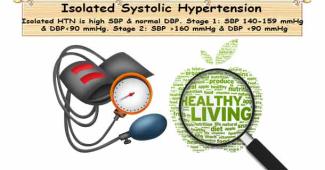
Isolated systolic hypertension is defining as raised systolic blood pressure over 140 mmHg. However, diastolic stays below 90 mmHg.
What is isolated systolic hypertension (ISH)?
ISH is the most common form of hypertension in those older than 65 years. Obesity and smoking appear to be important determinants of ISH among young adults.
For years, doctors show importance only on diastolic blood pressure. It is because they thought; our body could tolerate an occasional increase in systolic BP than consistently elevated diastolic and may lead to health problems. However, now doctors know that raised systolic BP is as important as high diastolic and even great significance in the case of older people over 50 years.
Causes of isolated systolic hypertension
ISH reflects progressive structural and functional decline of the arterial wall causing endothelial dysfunction, atherosclerosis, aortic stiffness and increased wall stress and pulse pressure.
Certain medical conditions can contribute to the development of isolated systolic hypertension. These medical conditions include anemia, overactive thyroid or adrenal gland, a malfunctioning aortic valve, kidney disease, and even obstructive sleep apnea. Usually, it is the result of age-related stiffening of the large arteries.
Aging makes the artery walls stiffen and make the diastolic blood pressure to drop, while systolic pressure to rise. Diastolic pressure usually tends to drop after 50 years of age. However, systolic continues to increase throughout the life.
Effects of Isolated Systolic Hypertension
The combination of higher systolic and lower diastolic blood pressures (widening of pulse pressure) is a major cardiovascular risk in the elderly.
It should come as no surprise because the widening pulse pressure reflects atherosclerotic stiffening of the aorta and large capacitance vessels. The dangers of high systolic pressure are well known, and unequivocal evidence shows that the treatment of ISH provides significant protection against cardiovascular mortality and morbidity.
7 Lifestyle changes for isolated systolic hypertension.
Everyone with hypertension can benefit with lifestyle changes; there is no exception in the case of isolated systolic hypertension. Mild levels of elevated systolic BP can manage effectively with lifestyle modification as the only treatment.
- Weight loss - Losing 1.0 kg (2 pounds) body weight decreases blood pressure by 1.6/1.3 mmHg. It improves insulin sensitivity, sleep apnea, and decreased sodium sensitivity.
- Dietary sodium restriction - Moderate degrees of sodium restriction to 2.4 grams/day can reduce SBP by 2 to 8 mm Hg.
- Healthy diet changes - The diet rich in fruits, vegetables, low total fat, and high fiber can reduce SBP by 8 to 14 mm Hg.
- Moderation of alcohol – Limiting the consumption to 2 drinks per day for men and one drink per day for women may lower SBP by 2 to 3 mmHg.
- Stop tobacco use - It is a significant contributor to ISH and other detrimental effects on other body systems.
- Physical exercise - brisk walking for 30 minutes on most days of the week results in SBP reduction by 4 to 9 mm Hg.
- Stress management - Relaxation techniques such as meditation, yoga, reflexology, tai chi, and massage can reduce blood pressure.
When to start drug treatment for systolic hypertension?
A wide pulse pressure characterizes isolated systolic hypertension is an important entity requires consistent treatment. In addition to lifestyle changes, drug treatment is emphasizing in the majority cases of ISH.
Before rushing to drug treatment, you should rule out white coat hypertension effects. A study shows the average systolic value of the participants taken in the office is 173 mmHg. However, almost 25 % of participates ambulatory or home systolic BP was less than 140 mmHg, and another 45 % has less than 160 mmHg. So it has confirmed that most of the participant has white coat syndrome. Additionally, increasingly strong evidence shows that those with white coat hypertension do not experience an increase in cardiovascular events for at least ten years.
A systolic blood pressure less than 160 mmHg in the absence of obvious target organ damage or overt cardiovascular disease should not require medication treatment instead require lifestyle changes.
However, if there is any target organ damage or overt cardiovascular disease that would mandate drug therapy, even if a significant white-coat effect is available.
Danger of low diastolic in ISH
Lowering of diastolic during treatment of systolic hypertension consider harmful. Thus you need to be caution in the treatment.
The dangers of high systolic are well known, and evidence shows that the ISH treatment provides significant protection against cardiovascular mortality and morbidity.
A study shows there is an increase in mortality with progressively lowering of diastolic pressures. When diastolic pressures are lower too much with hypertension medication treatment, similar increases in death have noted. Therefore, the high systolic pressure must lower, but caution is requiring not lowering the already low diastolic pressure much further.
Isolated systolic hypertension medicinal treatments.
The goal of isolated systolic hypertension (ISH) treatment should be gentle to bring your systolic-BP to near 140 mmHg while ensuring not to lower your diastolic pressure much below 70 mmHg.
In the Framingham study the participants being treated for hypertension, 90 % had achieved a diastolic BP target of below 90 mm Hg, while only 49 % were at a systolic BP target of below 140 mm Hg.
Isolated systolic hypertension without other compelling indications needs to follow hypertension lifestyle changes along with mono-therapy. Various studies indicate that low‐dose thiazide diuretics and slow/long‐acting calcium antagonists are the drugs of first-line medication choice for ISH.
A slow lowering of systolic pressure is mandatory in case of elderly patients. A target SBP level of around 140 mmHg seems desirable. Newer drugs such as ACE‐inhibitors, AT1‐blockers, and omapatrilat are considering effective in lowering systolic in ISH patients.
Spironolactone can control the arterial stiffness which is the basis of ISH. Nitrates as NO generator may be considered as a potential new agent to treat ISH. Isosorbide dinitrate took eight weeks of treatment to show this effect on SBP. Transdermal nitroglycerine and molsidomine demonstrated a similar effect.
Severe Hypertension

If a patients is diagnosed as stage-3 HTN, What to do? Immediately consult your physician, severe hypertension requires immediate emergency treatment.
What is a stage-3 severe hypertension?
The third stage of hypertension is called stage 3 hypertension. Stage 3 hypertension is a severely elevated systolic pressure range over 180 mm Hg and the diastolic pressure range 110 mm Hg.
Stage-3 hypertension is considering as severe and needs urgent stringent medical treatment with more frequent monitoring to avoid any complication.
These patients may present in the following manner:
- Asymptomatic patient (Neither causing nor exhibiting symptoms of disease).
- Some patients have non-specific symptoms such as a headache, dizziness, lethargy.
- Some have symptoms of acute target organ damage include heart failure, coronary syndromes, renal failure, dissecting aneurysm, hypertensive encephalopathy and stroke.
Causes of severe hypertension
- Renal parenchymal disease is disorders that involve abnormal permeability to protein and other macromolecules, such as chronic pyelonephritis (bacterial infection of the kidneys), Primary glomerulonephritis or Tubulointerstitial nephritis (characterized by abnormal tubular function results in abnormal urine composition and concentration).
- The systemic disorder affects some organs and tissues or affects the body as a whole with renal involvement. These include lupus erythematosus (a person's immune system attacks and injures own organs and tissues), systemic sclerosis (a rare disorder causing thickening and scarring of multiple organ systems) or vasculitides (inflammation of a blood vessel or blood vessels).
- Renovascular is a condition affecting the blood vessels of the kidney, such as atherosclerotic (buildup of a plaque in the blood vessels) disease, fibromuscular dysplasia (narrowing of arteries of kidneys, brain, or abdomen) or polyarteritis nodosa (nodules may block the artery).
- Endocrine are glands that secrete hormones or other products directly into the blood; gland disorders such as Pheochromocytoma (a small vascular tumor of the adrenal medulla), Conn syndrome (primary hyperaldosteronism) or Cushing syndrome (endocrine hormone disorder).
- Drug abuses such as Cocaine, Amphetamines, Cyclosporin, Clonidine withdrawal or Phencyclidine.
The most common cause of severe hypertension is still longstanding poorly controlled essential hypertension.
Patients are then categorizing as having asymptomatic severe hypertension, hypertension-urgency, and hypertensive emergency.
Severe hypertension treatment
The goal of treatment is to reduce blood pressure in control, a predictable and safe way to avoid acute coronary, cerebral or renal ischemia (already present then avoid its aggravation).
If you have newly diagnosed as asymptomatic severe hypertension, then you need to admit to the hospital for treatment. If you are already in treatment, require reviewing the treatment for improvement.
If you are, diagnose as hypertensive urgency without overt organ failure. You need to admit to the hospital, repeat BP measurement after 30 minutes of bed rest. The aim of initial treatment should be to lower your blood pressure by 25 % in 24 hours, but not lower than 160/90 mmHg.
If you are diagnosed as a hypertensive emergency with complications such as heart failure, coronary syndromes, hypertensive-encephalopathy, dissecting aneurysm, subarachnoid hemorrhage, and acute renal failure. It may occur with BP over 180/110 mmHg, specifically if the blood pressure has risen suddenly. You need to admit to the hospital and reduce 25 percent BP over 3 to 12 hours, but not lower than 160/90 mmHg. Parenteral drugs most effectively achieve it.
Drugs used for the treatment of hypertensive emergencies are sodium nitroprusside, Labetalol, Nitrates, Hydralazine, Nicardipine, and Esmolol.
Rapid reduction of BP in the case of asymptomatic severe hypertension or hypertensive-urgencies should avoid as it may cause an event of an ischemic attack.
Stage-2 Hypertension

Are you newly diagnosed stage-2 HTN, what to do next? Be strong; you need lifestyle modification and medicinal treatment mostly drug combination.
What is stage-2 hypertension?
The second stage of hypertension is called stage 2 hypertension. Stage 2 hypertension is a moderately elevated systolic pressure ranging from 160 to 179 mm Hg and the diastolic pressure ranging from 100 to 109 mm Hg.
Stage 2 hypertension puts you at higher risk for life-threatening problems such as heart attack and stroke. This form of high blood pressure needs immediate medical treatment with monitoring blood pressure frequently to avoid complications.
Newly diagnosed with stage-2 hypertension! What to do next?
Once you came to know that you are having stage-2 hypertension, instead of becoming panic and make the condition worst try to manage it smartly to bring it to the target number, here are some tips.
- You should know; your BP has raised over 160/100 mmHg.
- You should know the significance of the BP reading and confirm the treatment.
- If you are a smoker, quit smoking to help treatment and avoid complications.
- Check your BP often until your BP reaches your target value after that once every three months.
- Start following hypertension therapeutic lifestyle modification to support hypertension medication treatment.
- You should immediately start hypertension medication treatment. Combination therapy is the best choice for stage-2 hypertension.
- Discuss with your doctor to choose a best first line combinational antihypertensive drugs.
- Based on doctor's assessment, know your target blood pressure and strive to achieve it.
Lifestyle modification for stage-2 hypertension
Once you have diagnosed as stage-2 hypertension, you need to follow lifestyle modifications. It helps your hypertension medication treatment to achieve your BP target. Additionally, it lowers your risk towards hypertension complications. Some of the effective lifestyle modifications reduce sodium intake, take healthy foods, regular exercise, limit alcohol consumption, maintain healthy body weight, maintain healthy waist size, stay away from tobacco, and manage your stress smartly. Visit hypertension lifestyle changes to learn how to lower your blood pressure.
Stage-2 hypertension medicinal treatment
The treatment for stage-2 hypertension is influenced by your BP number, associated health condition, and some risk factors.
- If you are at low risk along with stage-2 hypertension, it is enough to follow lifestyle modification and suitable combination medication therapy.
- If you have any target organ damage (e.g. left ventricular hypertrophy), follow lifestyle modification and choose your hypertension medication combination accordingly.
- If you have chronic kidney disease, require following lifestyle change as well as suitable combinational medication that helps both conditions.
- If you have diabetes, then you should consider both lifestyles and choose a combination of hypertension medication by enough emphasis on diabetes.
What is your target BP?
The target blood pressure numbers various based on your associated health conditions, they are:
- If you have hypertension – Target BP should be less than 140/90 mmHg.
- If you have hypertension & diabetes – Target BP should be less than 130/80 mmHg.
- If you have hypertension & chronic kidney disease – Target should be less than 140/90.
However, if possible then it is always better to manage your blood pressure around 110/70 mmHg without or with limited number or dosage of medication.
Effective hypertension medicinal combinations
Below are the five different hypertension drug combination effective for stage 2 hypertension:
- Beta-blockers + Diuretics – Beneficial to elderly and cost-effective; however, it may increase your risk of new onset diabetes.
- Beta-blockers + Calcium Channel Blockers – Relatively cheap and is suitable in concurrent with CHD.
- Calcium Channel Blockers + ACE inhibitors or Angiotensin II receptor – It is suitable in concurrent with high cholesterol and diabetes.
- ACE inhibitors + Diuretics – It is suitable in concurrent with heart failure, diabetes, and stroke.
- Angiotensin II receptor + Diuretics – It is suitable in concurrent with heart failure and diabetes.
Put your maximum efforts with a lifestyle change to reach your target BP. Once the BP is in control, most patients require life-long treatment.
Is it possible to cut-down hypertension medication? You can consider decreasing the dosage and some hypertension medication, once your blood pressure controlled effectively for at least one year. This step-down should be carried out in a willful, slow and systematic manner. It is more often successful in those who are making lifestyle modifications. You should schedule follow-up doctor's visits, because your blood pressure may usually rise again sometime after months or years after step-down, especially due to the absence of lifestyle changes.