
Stage 1 Hypertension

Newly diagnosed stage-1 HTN? Don’t worry; mild hypertension requires a healthy lifestyle change and medicinal treatment.
What stage-1 hypertension is?
The first stage of hypertension is called stage 1 hypertension. Stage 1 hypertension is a mildly elevated systolic pressure ranging from 140 to 159 mm Hg and the diastolic pressure ranging from 90 to 99 mm Hg.
It is an early form of high blood pressure consider mild and need medical treatment with blood pressure monitoring on every doctor’s visit to avoid complications.
The main challenge dealing with hypertension diagnosis is its lack of symptoms. Largely there are no noticeable symptoms that conclusively point to the presence of hypertension.
Newly diagnosed stage-1 hypertension! What to do next?
Once you came to know that you have stage-1 hypertension, do not panic (it will not help you); instead, try to manage it smartly, here are some tips.
- You should know your BP has raised (i.e. 150/90 mmHg)
- You should know the importance of the reading and confirm the diagnosis.
- If you are a smoker, plan to quit smoking.
- Check your BP once in every month.
- You should start following hypertension therapeutic lifestyle modification.
- You should commence hypertension medication treatment.
- Discuss with your doctor to choose a best first line antihypertensive drug.
- Based on doctor's assessment, know your target blood pressure and plan to achieve it.
Lifestyle modification for stage-1 hypertension
Everyone, who is diagnosing as hypertension should follow lifestyle modifications. Stage-1 hypertension needs to adhere to hypertension therapeutic lifestyle, which helps the medication to work effectively as well as helps to lower your risk towards hypertension complications. Hypertension lifestyle changes help lower your blood pressure better.
Stage-1 hypertension medicinal treatment
The treatment for stage-1 hypertension is influencing by the associated health condition or by the number of risk factors.
- If you are at low risk of stage-1 hypertension, it is enough to follow just lifestyle modification as a sole therapy.
- If you have any target organ damage (e.g. left ventricular hypertrophy), follow lifestyle modification as well as take hypertension medication treatment.
- If you have chronic kidney disease, you require following lifestyle change as well as medication treatment.
- If you have diabetes, then you should consider both lifestyle and medicinal treatment.
Try to achieve your target; many usually require two or more drugs along with lifestyle changes.
If you are newly diagnosed uncomplicated stage-1 hypertension with no compelling indications, choice of first-line monotherapy includes ACEIs, ARBs, CCBs, and Diuretics. Beta-blockers are no longer considering as first-line monotherapy because the recent study shows it is effect-less in lowering BP and preventing stroke as compared to other medications. There is a higher incidence of new-onset diabetes compared to other medications. Still, you can consider beta-blockers, if you are young, particularly:
- intolerant or contraindication to ACEIs and ARBs,
- childbearing women or planning to,
- Any evidence of an increased sympathetic drive (sympathetic nervous system activates often termed as the fight or flight response).
While numerous studies show that a diuretic and a beta-blocker can reduce cardiovascular morbidity and mortality, another recent study has reported similar benefits with ACEIs and CCBs.
Stage-1 hypertension should start your treatment with a single drug (monotherapy) at a low dose. This mono-therapy can lower your BP below 140/90 mmHg in almost 40 to 60 percent of hypertensive. If even after six weeks of treatment still, your BP is unreachable to your target, three options are available:
- Increase your initial drug dosage,
- Substitute the initial drug by another class of drug,
- Add a second drug.
Increasing the initial hypertension medication dosage or add the second medication if you are responding to the first one but target BP not achieved. The former, however, may produce adverse effects due to increase in dosage. It can overcome by proper drug combination selection so that it mitigates each other adverse effects. If there is no response or not tolerance, then the initial drug is substituting by another drug.
What is your target BP?
The target blood pressure numbers various based on your associated health conditions, below table gives your target blood pressure value.
- If you have isolated systolic hypertension – Target SBP should be less than 140 mmHg.
- If you have hypertension – Target BP should be less than 140/90 mmHg.
- If you have hypertension & diabetes – Target BP should be less than 130/80 mmHg.
- If you have hypertension & chronic kidney disease – Target should be less than 140/90.
However, if possible then it is always better to manage your blood pressure around 110/70 mmHg without or with limited number or dosage of medication.
Prehypertension
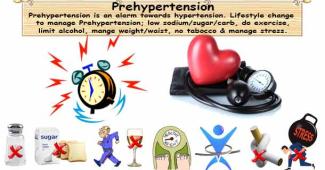
Blood pressure staying in-between 120/80 mmHg and 139/89 mmHg is considering as pre-hypertension, based on 2 or more properly measured seated BP readings on each of 2 or more office visits. It is not a high blood pressure, but likely to develop in the future. Still, it is possible to prevent high blood pressure by adopting a healthy lifestyle.
About 1 in 3 American adults has prehypertension (Blood pressure between 130/85 to 139/89 mmHg), not high enough to diagnose as hypertension.
What is pre-hypertension?
The study shows 2/3 of prehypertension have progressed to stage-1 hypertension within four years. Prehypertension tends to cluster with other cardiovascular risk factors such as diabetes, cholesterol, etc. Obesity and weight gain is the major contributing factor for the progression towards hypertension or its complications.
Prehypertension is considering as an alarm that you may develop hypertension at any time soon. Prehypertension individuals are likely to develop high blood pressure unless you introduce necessary healthy habits.
Prehypertension risk/effects
Does prehypertension cause any damage if not develop into hypertension? High-normal blood pressure is associated with an increased risk of cardiovascular disease. Reference: Impact of High-Normal Blood Pressure on the Risk of Cardiovascular Disease, published in The New England Journal of Medicine 2001; 345:1291-1297
Why should pre-hypertension take seriously? The clinical studies data show the risk towards cardiovascular events; mortality is doubling with 20 mm Hg increases in systolic, and 10 mm Hg increases in the diastolic beginning with a BP of 115/75 mm Hg. The risk is higher for individuals with diabetes mellitus or chronic kidney disease.
According to 2005 the Framingham heart study, men with prehypertension have 3.5 times more chances to have a heart attack than those with normal blood pressure. Surprisingly, prehypertension does not appear to increase the stroke risk.
Newly diagnosed as prehypertension! What to do next?
Once you have diagnosed as prehypertension, be vigilant so that you can avoid hypertension and cardiovascular risk.
- You should know that your BP is slightly high (optimal is less than 120/80 mmHg).
- You got the warning of hypertension; you will have more chances to develop into hypertension than those with normal BP.
- You have to take necessary steps to avoid hypertension with lifestyle modification.
- You have to assess your other cardiovascular risks by testing fasting lipid profile, fasting blood-glucose level, renal profile and ECG.
- Arrange a follow-up visit once in three to six months.
Does prehypertension need medicinal treatment?
What are the ways to reverse prehypertension without medication? Prehypertension guidelines do not recommend drug therapy unless otherwise there is a requirement by an additional condition such as diabetes or chronic kidney disease.
You should start your prehypertension treatment with therapeutic lifestyle intervention or healthy lifestyle modification/changes as follows.
8 Lifestyle Changes Prehypertension
Can I prevent/reverse prehypertension? Yes, you can, you should adhere to hypertension therapeutic lifestyle, which helps to avoid hypertension or even to reverse prehypertension.
- Reduce sodium intake to less than 1500 mg/day. It helps to improve hypertension treatment, 13 percent reduction in cardiovascular disease; a fewer visit to doctor’s office and blood pressure drops by an amount of 5.1/2.7 mmHg.
- Healthy food - Avoid sugar and refined carbohydrates. Take a diet rich in fruits, vegetables, and healthy saturated fats. Switching to a healthy diet from an unhealthy diet can lower you BP by about 11.6/5.5 mmHg.
- Regular exercises – 30 to 60 minutes of moderate intensity exercise is requiring for 4 to 7 days per week. Doing 120 to 150 minutes of exercise per week can lower BP by 4.9/3.7 mmHg.
- Your alcohol consumption should not be more than two standard drinks per day or 14 drinks per week for men (or 9 drinks per week for women or lean person). Reducing alcohol consumption can help lower BP by 2 to 4 mmHg.
- Try to achieve or maintain healthy body weight (BMI 18.5-24.9 kg/m2). Weight loss of 1 kg can produce 1.1/0.9 mmHg.
- Maintain healthy waist circumference - Men below 102 cm and Women below 88 cm.
- Stop tobacco usage in any form as well as maintain the tobacco-free environment.
- Stress management – in the case of many hypertension patients, stress is an important contributing factor for elevation in blood pressure. Cognitive-behavioral therapy and relaxation techniques can help a lot in better hypertension management.
Can I drink Coffee if I have prehypertension? Caffeine in the coffee is a mild stimulant that can raise your blood pressure for a short duration; for few minutes to an hour then it returns to normal pressure. Coffee additionally has a diuretic effect, means it remove water from your body, which will lower your blood pressure. So you can drink one or two glasses of coffee per day without any problems. If you drink more, it might elevate your blood pressure permanently.
Heart Rate

Heart rate is the measure of the beating of the heart per minute. The normal healthy resting heart rate of an adult is 60 to 90 BPM.
What is a heart rate?
Heart rate is the measure of the heartbeat, number of contractions of the heart per minute (bpm).
Heart rate is the number indicating a number of time’s heart beats (contract to pump blood) per minute. Heart rate is measured by counting the number of pulse per minute. The unit of measurement for the heartbeat is "Beats per minute" (BPM). The healthy resting heart rate in adults is 60 to 90 beats per minute. The heartbeats below 60 are referring to bradycardia and rates above 100 are referring as tachycardia.
What factors determine your heart rate?
The obvious purpose of the heartbeat is to push blood throughout the body. The rate of the heartbeat is a factor influence cardiac output, the volume of blood, and speed of delivery of blood to every body cell. There are certain situations when the blood requires reaching cells more or less quickly.
Physical activity (or exercise), just standing up from resting can increase the cellular requirement for both oxygen and blood nutrients (particular glucose). Sensors located in the brain stem and hypothalamus is responsible for the feedback regulation of the heart rate to meet the demands of your body cells. Relaxation and sleeping states require minimal cellular requirements.
There are individual differences in the resting heart rate, which can influence by genetics, sex (females have faster heart rates than males), and state of health. These differences are related to personality, psychology and physical fitness.
Maximum heart rate
The maximum heart rate is the maximum number of beats (heart contracts) during one-minute. It is a useful tool to measure or predict the exercise level. It is a good practice to monitor your heart rate while doing exercises to confirm you are staying within a safe range or use it to monitor how well your exercise raises your heart rate to acceptable ranges.
Based on your age and physical condition, a formula is in use to calculate your maximum heart rate. This method uses an age-predicted maximum heart rate formula:
- For Women: 226 - Age
- For Men: 220 - Age
Example: If you are a 40-years woman, your age related maximum heart rate will be 226- 40 years = 186 BPM (beats per minute), for a man with same age 220 - 40 = 180 BPM.
Physical activity and your Target Heart Rate
Based on your age, pulse rate during exercise should be within 60 to 85 percent of your maximum heart rate.
- At age 20, the target heart rate is 120 to 170.
- At age 25, the target heart rate is 117 to 166.
- At age 30, the target heart rate is 114 to 162.
- At age 35, the target heart rate is 111 to 157.
- At age 40, the target heart rate is 108 to 153.
- At age 45, the target heart rate is 105 to 149.
- At age 50, the target heart rate is 102 to 145.
- At age 55, the target heart rate is 99 to 140.
- At age 60, the target heart rate is 96 to 136.
- At age 65, the target heart rate is 93 to 132.
- At age 70, the target heart rate is 93 to 123.
Alfalfa

Alfalfa is a medicinal herb appears to decrease cholesterol levels by binding with cholesterol and prevent its normal absorption. It helps in clearing arteries congested with cholesterol.
What is Alfalfa? How does it lower cholesterol?
What is Alfalfa (Medicago sativa L.)? Alfalfa is a medicinal herb, a perennial flowering plant. People use Alfalfa’s leaves, sprouts, and seeds to make medicine. It is an important forage crop in the US, Canada, Argentina, France, Australia, the Middle East, South Africa, and many other countries.
How does Alfalfa lower your cholesterol level? A steroidal saponin fraction of several factors (e.g., soyasapogenols, hederagenin, medicagenic acid) contain in alfalfa is believed to play a role in the hypocholesterolemic and hemolytic activity of the leaves and sprouts.
The saponins in alfalfa are appearing to decrease cholesterol (and not triglycerides) levels by binding with cholesterol and prevent its normal absorption.
How does alfalfa lower your heart diseases & strokes risk?
Alfalfa contains an isoflavonoid constituent Biochanin-A, it decreases nitric oxide syntheses, preventing proliferation, and inflammation. Thus, preventing the formation of plaque, in turn, prevents atherosclerosis and heart diseases.
9 Medicinal Uses of Alfalfa
- Lower Cholesterol - Alfalfa has been showing cholesterol-lowering activity in people with high cholesterol. Taking alfalfa seeds seems to lower total cholesterol and LDL cholesterol. And it improves lipid profile.
- Normalize blood pressure - It helps to soften hardened arteries and thus acts as a natural treatment for high blood pressure.
- Improves blood glucose - Alfalfa can also help diabetes treatment by improving the blood-glucose level.
- Heart problems – It is useful in treating heart diseases and other arterial problems.
- Respiratory health - It is effective in treating respiratory discomfort and disorders associated with the lungs or sinuses.
- Good for urinary system – Alfalfa acts as a diuretic and thus useful for kidney problems, bladder, and prostate conditions; it increases urine flow.
- Asthma - Alfalfa supports the treatment of asthma.
- Arthritis - Alfalfa is in use for osteoarthritis and rheumatoid arthritis.
- Strengthen digestion - Alfalfa can calm down the upset stomach, and a bleeding disorder called thrombocytopenic purpura. It helps in regulating the bowel movements and improving the digestion process.
Recommended alfalfa daily dosage
For high-cholesterol treatment, a recommended dosage is 5 to 10 grams of alfalfa, or alfalfa tea, three times a day. Alfalfa extracts of 5 to 10 mL three times a day can be useful.
Alfalfa available in different forms
Alfalfa is available as dried leaves, tablets or powder for use as nutritional supplements. Some herbal companies and health-food suppliers also offer dried alfalfa leaf in a tea bag form.
How do you take alfalfa?
Alfalfa tea recipe, you need 1 ounce dried alfalfa herb (some even offer alfalfa in tea bag form), a cup of water and sugar/honey to sweeten. Boil the water, put the dried alfalfa (or alfalfa tea bag) steeping it for 10 minutes, strain the content and enjoy good health.
You can also add a few drops of alfalfa extract into your favorite tea and easily get all the health benefits.
Bioactive constituents of Alfalfa
Alfalfa contains phytoestrogens known as coumestans. Alfalfa contains potentially health-promoting flavonoids, such as quercetin, apigenin, and luteolin. Alfalfa is a rich source of vitamins (A, C, E, and K4), and minerals (calcium, potassium, phosphorous, and iron).
Scientific evidence for Alfalfa as natural cholesterol herb
A study titled "Interactions of alfalfa plant and sprout saponins with cholesterol in vitro and cholesterol-fed rats" published in Am J Clin Nutr. 1984 Jun;39(6):917-29. The result shows the saponin-cholesterol interaction is an important part of the hypocholesterolemic action of alfalfa, but the interaction of bile acids with other components of alfalfa may be of equal importance.
Possible side effects & medicine interaction of alfalfa
Alfalfa leaves are considering being safe for most adults. However, taking alfalfa seeds for a long period may likely unsafe and may cause the autoimmune disease called lupus erythematosus. Alfalfa is not recommendable for pregnant and breastfeeding women.
Alfalfa helps the body to clot easily. Warfarin is a drug in use to slow blood clotting; this drug may interact with alfalfa, and it may cause a decrease in the drug’s efficiency. Estrogen-containing birth control pills may interact with alfalfa, and the effectiveness of the birth control pills decreases. Immunosuppressant medication’s efficacy may decrease by interacting with alfalfa.
Hawthorn
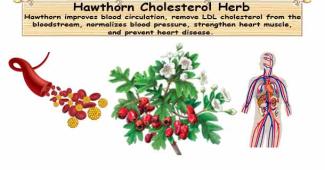
Hawthorn is in use for the treatment of heart disease as far back as the 1st century. It dilates blood vessels, relaxes, antioxidant and reduces angina symptoms.
What is Hawthorn? How does it reduce cholesterol?
What is Hawthorn (Crataegus species)? Hawthorn is a tree, bearing berry-like fruit, which has documents as food in China as early as the seventh millennium before Christ. Hawthorn is in use for the treatment of heart disease as far back as the 1st century. It was even since the 1800s, in use by American physicians for treating circulatory disorders and respiratory illnesses. Traditionally, it is in use to treat heart problems such as irregular heartbeat, high blood pressure, chest pain, hardening of the arteries, and heart failure.
How does Hawthorn reduce your cholesterol level? Oligomeric procyanidins found in hawthorn can stimulate the release of endothelial nitric oxide synthase, an enzyme responsible for increasing nitric oxide levels, which is a vasorelaxant that acts to decrease platelet aggregation and adhesion, as well as inhibits LDL oxidation.
Hawthorn’s powder extract can inhibit acylCoA cholesterol acyltransferase activity in Caco-2 cells. This inhibitory activity has a positive association with triterpenic acid (i.e., oleanolic acid and ursolic acid) contents in the extracts.
How does Hawthorn reduce your heart diseases & strokes risk?
Hawthorn’s berries improve the heart circulation, acting upon the heart by either stimulating or depressing its activity depending upon the need. It results in dilation of the coronary blood supply and the tendency to slow down or stabilize the contractility of the heart muscle hence; it is safe to use as a long-term treatment for a weak heart and has a beneficial effect on cardiac arrhythmias.
9 Medicinal Uses of Hawthorn
Hawthorn improves blood circulation, remove LDL cholesterol from the bloodstream, normalize your blood pressure, strengthen the heart muscle, and prevent heart disease.
- Control cholesterol - Hawthorn berry tincture may remove LDL cholesterol from the bloodstream. It also reduces the production of cholesterol in the liver.
- Hawthorn improves blood circulation in the arms and legs by reducing arterial resistance. It may be due to inhibition of angiotensin-converting enzyme (ACE).
- Normalize blood pressure - It dilates the coronary arteries and can normalize your blood pressure.
- Better heart function – It strengthen the heart muscle. Increase the effectiveness of the heart pumping action and slow the heartbeat. It helps to heal from heart surgery.
- Prevent heart disease – It can reduce the risk towards a heart attack and stroke.
- Support immune function - it improves the immune system.
- Antioxidant - Hawthorn contains active compounds with antioxidant properties. Antioxidants are substances that scavenge free radicals.
- Anxiety can treat with Hawthorn, in combination with magnesium and California poppy. It may be useful in treating mild to moderate anxiety disorders.
- Restful sleep - Hawthorn calms your nerves and induce sleep.
Recommended Hawthorn daily dosage
The dosage of 160 mg to 1800 mg divided and taken in two to three doses daily of hawthorn extract that contains 2.2 percent flavonoids may help to reduce your cholesterol levels. You have to take hawthorn for several weeks to achieve your target cholesterol level.
Hawthorn available in different forms
Hawthorn’s supplements are available in different forms; they are capsules, dried herb (for herbal tea), powder, tablet, and tincture.
How do you take Hawthorn?
Hawthorn’s tea needs one to two tsp. of hawthorn berries, sugar/honey to taste, and a cup of water. In a tea pan, bring water to boil, add hawthorn, reduce the heat and allow it to brew for three to four minutes, add sugar/honey to taste, strain it into a cup, and enjoy it.
Bioactive constituents of Hawthorn
Hawthorn contains the highest percentage of medicinal ingredients, such as flavonoids (quercetin, vitexin, and rutin), as well as oligomeric procyanidins.
Scientific evidence for Hawthorn as natural cholesterol herb
A study titled "Triterpenic Acids Present in Hawthorn Reduces Plasma Cholesterol by Inhibiting Intestinal ACAT Activity in Hamsters" published in Evid Based Complement Alternat Med, v.2011; 2011 >PMC3139965. This study investigated the effect of hawthorn on cholesterol metabolism in hamsters and human Caco-2 cells. The dichloromethane hawthorn extracts reduced plasma non-HDL-C by 8% without changing HDL-C. This finding is in further support by the fact that the hawthorn extracts also reduced hepatic-total-cholesterol and CE contents. Hepatic cholesterol esters are the storage form of cholesterol in the liver.
Possible side effects & medicine interaction of Hawthorn
Hawthorn is considering safe and well tolerating by most if taken as directed. Rare side effects may be mild symptoms of nausea, stomach upset, fatigue, sweating, headache, dizziness, palpitations, nosebleeds, insomnia, agitation, and other problems. Hawthorn is not appropriate for pregnant or breastfeeding women.
Medication used for heart rate irregularities may interact with hawthorn; avoid using hawthorn along with these medications. This interaction may increase the risk for heart rate problems. Hawthorn can increase the activity of blood-pressure medication, and may severely reduce your blood pressure, causing dizziness and even loss of consciousness.
Hawthorn increases blood flow. Taking hawthorn with medications that also increase blood flow to the heart might increase the chance of dizziness and lightheadedness.
Red Yeast Rice

Fermenting red rice with a yeast called Monascus purpureus, it promotes blood circulation and stimulates digestion. It inhibits cholesterol production, by inhibiting an enzyme in the liver.
What is Red Yeast Rice? How does it reduce cholesterol?
What is Red Yeast Rice? Red yeast rice is in use for centuries in China, both as food and as a medicinal product. It is producing from red-rice by fermenting it with a yeast called Monascus purpureus. In Traditional Chinese medicine, red yeast rice is in use to reduce cholesterol, improve blood circulation, and aid digestive problems.
How does it reduce your cholesterol level? Fermentation products of red rice yeast contain 0.4% 3-hydroxy-3-methylglutaryl coenzyme A (HMG-CoA) reductase inhibitors. HMG-CoA reductase is the rate-limiting enzyme in the endogenous cholesterol biosynthesis. Components such as citrinin, monacolines and monankarin, and monascopyridines have been isolated from red yeast rice, which is considering as responsible for cholesterol reducing effects.
It also contains isoflavonoids, monounsaturated fats, and sterols; these components may contribute to the cholesterol-reducing activity.
How does Red Yeast Rice reduce heart diseases & strokes risk?
Monacolin K present in red yeast rice is similar to the drug lovastatin that helps to improve lipid profile. Managing the levels of lipids, it helps to reduce the risk to atherosclerosis and coronary heart diseases.
Red yeast rice also contains isoflavonoids and sterols, which may be responsible for its activity to reduce the risk for coronary heart diseases.
6 Medicinal Uses of Red Yeast Rice
Red yeast rice contains Monacolin K; this has the same structure as the drugs lovastatin and mevinolin. Studies suggest it may lower LDL cholesterol by about 10-33%
- Cholesterol control - Red yeast rice can effectively reduce triglycerides, LDL and total cholesterol, similar to lovastatin drug, but without or with low side effects.
- Protects Cardiovascular system - Preliminary evidence shows that taking red yeast rice may result in cardiovascular benefits and improve blood flow.
- Blood sugar control - Red yeast rice shows some potential benefits in diabetics and blood-glucose levels.
- Good for digestive health - Red yeast rice is traditionally in use for various digestive problems that include indigestion, diarrhea, etc.
- Improves blood circulation - Red yeast rice is in use to improve blood circulation.
- For spleen & stomach problems - Red yeast rice is even helpful to clear spleen and stomach problems.
Recommended Red Yeast Rice daily dosage
No dosage standards have recommended for red yeast rice. Still, the suggested adult dosages range from 1.2 to 2.4 grams/day to 0.8 grams per kilogram of body weight per day. In Asian countries, the average daily intake of red yeast rice is 14-55 grams.
Red Yeast Rice available in different forms
A 2011 analysis showed some red yeast rice products on the market contain low levels of monacolin K. These products may have little or no effect on blood cholesterol levels.
Red yeast rice is available in a capsule formulation. Other forms are tablets, teas, tinctures, extracts, and topical forms. There are three major preparations of red yeast rice; they are Zhitai, Cholestin or Hypocol, and Xuezhikang.
Zhitai is producing by the fermentation by different strains of Monascus purpureus on whole-grain rice. It contains mainly rice and yeast but is mostly rice by weight.
Cholestin or HypoCol is producing by the fermentation by selected strains of Monascus purpureus, using a proprietary process that produces a maximum concentration of monacolin K (is lovastatin), which is the major cholesterol-reducing component in red yeast rice.
Xuezhikang is producing by mixing the rice and red yeast with alcohol and then processing it to extract most of the rice gluten. It contains 40 percentages more cholesterol-reducing ingredients than Cholestin or Hypocol.
How do you take Red Yeast Rice?
Nowadays, red yeast rice is available as a supplement, so it is easy and convenient to take it for reducing your cholesterol levels. However, it is very difficult to choose the best supplier. Because red yeast rice is an herbal supplement and there are no manufacturing regulation standards in place. Therefore, you have to do research to find a proper supplier for effective cholesterol reducing without any risk of contamination.
Bioactive constituents of Red Yeast Rice
Monacolin K, the major monacolin found in red yeast rice, it is structurally identical to that of lovastatin (cholesterol reducing drug). However, monacolin K possesses other pleiotropic effects, which include its ability to induce cell apoptosis and decrease cellular triglyceride, cholesterol, and free fatty acid production by down-regulation of fatty acid synthesis.
Red yeast rice also has anti-oxidant and anti-inflammatory properties that may convey additional bioactive effects.
Scientific evidence for Red Yeast Rice as natural cholesterol herb
Earlier research performed by The American Journal of Clinical Nutrition, February 1999 had found that red yeast rice supplements could reduce LDL (bad) cholesterol. In another study, the combination of fish oil and healthy lifestyle changes, the supplements worked as well as a statin drug (Mayo Clinic Proceedings, July 2008). This study carried out on 74 people who are having high cholesterol assigned either to take statins or red yeast rice and fish oil supplements (as well as proper diet, exercise, and relaxation).
After three months, LDL dropped by about 40 percent in both groups (statins and red yeast rice), according to lead researcher David Becker, M.D., a cardiologist at the University of Pennsylvania Health System.
Possible side effects & medicine interaction of Red Yeast Rice
Red yeast rice products may not be safe; some may have the same side effects as certain cholesterol-lowering drugs, and some may contain a potentially harmful contaminant.
Get immediate medical help if you are having any signs of an allergic reaction: hives; difficulty breathing; swelling of your face, lips, tongue, or throat.
Symptoms of overuse of red yeast rice may include stomach pain or upset. Stop taking it and call your doctor immediately, if you are having any serious side effects such as muscle pain, tenderness, or weakness with fever, unusual tiredness, and dark-colored urine (or urinating less than usual or not at all).
Avoid drinking alcohol when you are using red yeast rice; it may increase your risk of liver damage. Grapefruit may interact with it and can cause potentially dangerous effects.
Red yeast rice may interact with other drugs such as an antibiotic, cholesterol reducing drugs, niacin, danazol, itraconazole, nefazodone, etc.
Licorice
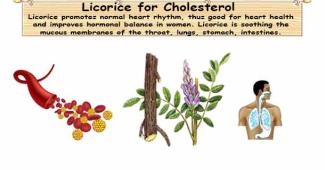
Liquorice root has a sweet flavor; it boosts overall health. Licorice root promotes normal heart rhythm, thus good for heart health and improves hormonal balance in women.
Virtually all Chinese herbal formulas contain licorice because it assists in gastrointestinal absorption and harmonizes the herbal blends.
What is Licorice? How does it lower cholesterol?
What is Licorice (Glycyrrhiza glabra)? Glycyrrhiza glabra or licorice plant is a legume, native to southern Europe and parts of Asia. Its root extract has a sweet flavor. Licorice extract is producing by boiling the root and subsequently evaporating water to get a syrup form; it has various medical properties.
How does Licorice lower cholesterol level? The mechanism of action of licorice in lowering your cholesterol level is still not clear. It appears that licorice has pancreatic lipase inhibitory activity, thus decrease in dietary fat absorption. It makes the significant lowering of triglycerides, total cholesterol, and LDL cholesterol. Licorice’s active constituent glycyrrhetinic acid shows to reduce body fat mass; this may be due to excretion of excess lipids as feces.
How does licorice lower your heart diseases and strokes risk?
Isoflavone (formononetin) found in licorice shows effective activity in protecting mitochondrial function against oxidative stresses. Oxidation of LDL cholesterol plays a major role in the development of atherosclerosis. Isoflavone in licorice can reduce this oxidation. Isoflavan glabridin get accumulates in macrophages and inhibits macrophage-mediated oxidation of LDL by almost 80 percent. Thus, licorice prevents oxidation of LDL, in turn, stops inflammation of arteries, so no plaque formation, and heart diseases.
7 Medicinal Uses of Licorice
Licorice is soothing the mucous membranes of the throat, lungs, stomach, intestines. Additionally, with the support of the immune system, it cleanses inflamed mucous membrane.
- Cholesterol control - Licorice has pancreatic lipase inhibitory activity, thus helps to lower triglycerides, total cholesterol, and LDL cholesterol. It is also effective in obesity treatment by eliminating fat deposits along with feces. However, it increases sodium and water retention that may hinder any change in body weight.
- Prevent LDL oxidation - Licorice’s isoflavone and isoflavan content help to prevent oxidation of LDL cholesterol, which in turn prevents inflammation of arteries, so no plaque formation, and thus it prevents heart diseases.
- Strengthen digestion - Licorice is useful for various digestive problems, including stomach ulcers, heartburn, colic, and chronic gastritis.
- Respiratory health - Some use licorice for a sore throat, bronchitis, cough, and infections caused by bacteria or viruses.
- For liver disorders - There is some evidence that bioactive chemicals in licorice may effectively be treating hepatitis B and hepatitis C.
- Menstrual Cramps - It has anti-inflammatory, antispasmodic, and some estrogenic activity that which might assist menstrual cramp and post menstrual syndrome symptoms such as breast tenderness, menstrual cramps, nausea and bloating, not to mention mood swings.
- Licorice is also in use for osteoarthritis, malaria, tuberculosis, food poisoning, and chronic fatigue syndrome (CFS).
Recommended Licorice daily dosage
Licorice extracts of 2 to 4 ml three times a day, or licorice root of 5 to 15 grams a day (approximately equal to 200 to 600 mg of glycyrrhizin).
How do you take Licorice?
Licorice tea recipe needs one teaspoon (2 to 4 grams) of licorice root, and 150 ml milk/water. In a tea pan, bring milk/water to boil. Add licorice root, lower the heat and allow it to brew for 3 to 4 minutes. No need to add sugar/honey to taste (because licorice itself is 50 percent sweeter than sugar), strain it into a cup, and enjoy it.
Licorice available in different forms
Licorice is available as an extract, dried root, dried root powder, and capsules. Also, licorice can find as extracts of its bioactive components. Consult your physician and choose the best form for your effective cholesterol management.
Scientific Evidence for Licorice as natural cholesterol herb
A study with a title "ANTIDYSLIPIDAEMIC ACTIVITY OF GLYCYRRHIZA GLABRA IN HIGH FRUCTOSE DIET-INDUCED DSYSLIPIDAEMIC SYRIAN GOLDEN HAMSTERS" published in Indian Journal of Clinical Biochemistry, 2009 / 24 (4) 404-409. A result indicates there is an increase in HDL cholesterol level and a decrease in triglyceride, and LDL cholesterol levels.
Another study with the title "Antiatherosclerotic effects of licorice extract supplementation on hypercholesterolemic patients: increased resistance of LDL to atherogenic modifications, reduced plasma lipid levels and decreased systolic blood pressure" published by Nutrition. 2002 Mar;18(3):268-73. The result shows the dietary consumption of licorice-root extract by hypercholesterolemic patients may act as a moderate hypocholesterolemic nutrient and a potent antioxidant agent and, hence against cardiovascular disease.
Possible side effects & medicine interaction of Licorice
Licorice is normally safe for most people when consumed a right dosage. You can even consume large dosages as medicine for a short period without any problems. However, it is not considering as safe when using high dosage for more than a month. Taking 30 grams or more of licorice daily for over a month may cause severe side effects; including elevated blood pressure, low level of potassium in the blood, weakness, and paralysis.
The active ingredient, glycyrrhiza, if taken in excess, can lead to pseudo-aldosteronism, which makes you overly sensitive to a hormone in your adrenal cortex. It leads to headaches, fatigue, high blood pressure, and even heart attacks.
Licorice had other side effects include tiredness, menstrual cycle problem in women, headache, sodium & water retention and decreased the desire to sex & erectile dysfunction in men.
Licorice may interact with some drugs used to slow down clotting, estrogen-containing drugs, and any drug that depletes the potassium level.
Holy Basil (Tulsi)

Holy basil is in use traditionally as an “adaptogen.” Tulsi can dissolve cholesterol build-up in the arteries and releases it into the bloodstream and then kidneys expel them as waste.
How does Basil lower your cholesterol level?
What is Holy Basil (Ocimum sanctum)? Holy basil is a plant native to India and is in use traditionally in Ayurvedic medicine as an “adaptogen” means it increase body's resistance to being physical, chemical or environmental stressors. Indian Hindus considering it as a sacred plant and often planted around Hindu shrines. The Hindu name for holy basil is Tulsi; it means "the incomparable one." Medicinal parts of basil are their leaves, stems, and seeds.
How does Basil lower your cholesterol level? Ocimum sanctum can lower lipid levels, but their mechanism of action is still unclear. Various studies show there is no potential inhibition of HMG-CoA reductase has observed. Basil essential oil contains eugenol, a phenolic compound that may be responsible for its action to lower high serum lipid profile.
How does Basil lower heart diseases & strokes risk?
Eugenol in holy basil has possessed antioxidant activity. Oxidation of low-density lipoprotein is an important risk factor for the development of atherosclerosis. Eugenol acts as an antioxidant to inhibit LDL oxidation and so decrease atherogenic index (AI) levels as well as cardiac lipid peroxidation and significantly enhanced the activity of the cardiac antioxidant enzymes. Basil can be successful in preventing atherosclerosis and heart diseases.
13 Medicinal Uses of Basil
- Basil has some efficacy to improve lipid profile. It can lower total cholesterol, triglycerides, and LDL cholesterol levels. It shows some increase in HDL cholesterol levels.
- Holy Basil has antioxidant property and helps to prevent plaque formation, so useful for heart diseases.
- Tulsi may be also helpful in improving blood-glucose levels in diabetes.
- Holy basil is useful for the common cold, influenza (flu), and H1N1 (swine) flu.
- Basil can also help in treating asthma, and bronchitis.
- Tulsi can improve appetite and digestion, useful to treat stomach upset and gastric ulcer. It is helpful in digestion problems such as indigestion, heartburn, bloating, vomiting, intestinal gas, diarrhea, dysentery, and intestinal worms.
- Holy Basil also shows to heal an earache, headache, fever, viral hepatitis, malaria, and tuberculosis.
- Basil is also useful for mercury poisoning. It can counteract snack, and scorpion bites as well as promote longevity.
- A study suggests Tulsi has a COX-2 inhibitor activity, similar to modern drug-based painkillers, may be due to its high concentration of eugenol.
- Holy basil can lower stress-related hypertension and normalizes the blood pressure.
- Tulsi can protect your heart, blood vessels and promotes proper circulation.
- It has the mild blood-thinning capability; thereby it decreases the chances of strokes.
- Basil helps and protects your liver; it helps to attain healthy liver function, detoxification of blood by improving the liver’s ability to metabolic breakdown of poisons (dangerous chemicals) in the blood.
Recommended Basil daily dosage
The appropriate dose of holy basil depends on several factors such as the user's age, health, and other conditions. Also, basil has varieties; each one has been varying bioactive composition, thus dosage various.
For the preventive purpose, dried Tulsi leaves of 300mg to 600mg daily, and 600mg to 1800mg can take as divided dosage for two/three times a day. Even some recommend a dose of two grams/twice/day of freshly dried herb taken for several months. Recommended dosage of Holy basil extracts is 250 to 450mg a day. Child dosage is normally a quarter to half that of the adult dosage.
Basil available in different forms
Tulsi is available in different forms of powdered leaves as capsules, and extracts.
The basil extracts are available as soft gels; the dosage is decided based on the bioactive composition of the final extract. Consult your physician for exact dosage.
How do you take Basil?
Holy basil tea needs 2 grams of basil leaves, sugar/honey to taste, and a cup of milk/water. In a tea pan, bring milk/water to boil, add basil leaves, lower the heat and allow it to brew for 3 to 4 minutes, add sugar/honey to taste, strain it into a cup, and enjoy it.
If you decide to take the supplement as a capsule or soft gel extracts, then you can take it along with a cup of milk. Because the basil is considering as a warming herb, so you need milk (cooling) to counteract this.
Bioactive constituents of Basil
Phytochemical compounds present in the tulsi leaf are eugenol (a volatile oil), ursolic acid (triterpenoid) and rosmarinic acid (phenylpropanoid). Other bioactive compounds are caryophyllene and oleanolic acid. Holy basil seed contains oils of linoleic acid and linolenic acid.
Nutritional value of basil includes vitamins (A & C), minerals (calcium, iron & zinc) and chlorophyll.
Scientific evidence for Basil as natural cholesterol herb
A clinical study "Antidiabetic, antihypercholesterolemic and antioxidant effect of Ocimum sanctum (Linn) seed oil" was investigated in rabbits published in Indian Journal of Experimental Biology. The study result confirms basil does not possess anti-diabetic effect but has significant hypolipidemic and antioxidant activity. Lipid lowering effect may be due to some constituent in oil which either increases catabolism or interferes with absorption of cholesterol.
Possible side effects & medicine interaction of Basil
Tulsi has a long history of traditional use in India. It is safe and available as a dietary supplement. Holy basil might slow blood clotting, so there is a concern that it could increase the risk of bleeding.
Holy basil might slow blood clotting, taking it along with medications that also slow clotting might increase the chances of bruising and bleeding.
Some medications that slow blood clotting includes aspirin, clopidogrel (Plavix), dalteparin (Fragmin), enoxaparin (Lovenox), heparin, ticlopidine (Ticlid), warfarin (Coumadin), and others.
Pentobarbital cause’s drowsiness, taking holy basil seed oil with pentobarbital might cause too much drowsiness.
Fenugreek

Fenugreek’s steroidal saponins are capable of inhibiting cholesterol absorption and synthesis. Trials have shown that fenugreek reduces cholesterol and triglyceride levels in the blood.
What is Fenugreek? How does it reduce cholesterol?
What is Fenugreek (Trigonella foenum-graecum)? Fenugreek seeds are hard, yellowish-brown, angular, and with a side of about three millimeters. Fenugreek is native to India and southern Europe. For centuries, it has grown in India, the Mediterranean, and North Africa. In India and China, it has been in use to treat arthritis, asthma, bronchitis, improve digestion, maintain a healthy metabolism, increase libido and male potency, cure skin problems (wounds, rashes, and boils), treat a sore throat, and cure acid reflux. It has studied for its cardiovascular benefits.
How does Fenugreek reduce your cholesterol level? Cholesterol reducing property of fenugreek remains unclear, potential mechanisms of action include reduced intestinal cholesterol absorption and increased bile acid production. Liver requires cholesterol to produce more bile acid and the more bile acid produced; then more cholesterol used up.
Fenugreek exhibits hypocholesterolemic, and hypolipidemic activity. Fenugreek's galactomannan fiber and saponin content have believed to be responsible for cholesterol absorption and increase bile acid excretion. Dietary intake of fenugreek normalizes the activity of lipid metabolizing enzymes.
How does fenugreek reduce heart diseases & strokes risk?
Fenugreek has antioxidant property; this is due to the presence of glutathione and beta-carotene in the fenugreek seeds. This antioxidant property prevents the oxidation of LDL cholesterol, this in-turn stop’s inflammation of arteries, and so no plaque formation. Thus, fenugreek's antioxidant property helps to reduce the risk of atherosclerosis and heart diseases. Also, fenugreek reduces the LDL level in the blood, which in turn reduces the risk to heart diseases.
8 Medicinal Uses of Fenugreek
- Fenugreek can help to improve your lipid profile; it reduces total cholesterol, triglycerides, and LDL.
- Fenugreek can help in treating diabetes and reduce the blood-glucose level, so it is considering as fenugreek diabetes herb.
- Fenugreek seed contains mucilage, which helps to soothing gastrointestinal inflammation by coating a line in the stomach and intestine, effective for heartburn (or acid reflux).
- Reduces cardiovascular risk - fenugreek lower cholesterol, blood sugar, enhance gastrointestinal function, and possess anti-inflammatory property thus it lower cardiovascular risk.
- Fenugreek is an effective topical treatment for skin problems such as abscesses, burns, boils, eczema, and gout.
- The use of fenugreek significantly increased breast milk, among breastfeeding mothers.
- Reduces menstrual discomfort - it opens up obstructed menses to make the processes work smoothly and comfortably.
- Minimizes menopause symptoms - Fenugreek contains the chemicals similar to the female sex hormone estrogen. Loss of estrogen causes menopausal symptoms, thus eating fenugreek reduces menopausal symptoms.
Recommended fenugreek daily dosage
Fenugreek to help reduces high triglyceride levels; your daily dosage may be closer to 10 to 30 g defatted seed powder each day. If you are taking fenugreek as a tincture, take three to four mL dose, three times each day.
Fenugreek available in different forms
Fenugreek is of different forms; they are raw fenugreek seeds and defatted fenugreek seed powder. Fenugreek supplements are available as tablets, capsules, and tincture.
How do you take fenugreek?
Fenugreek seeds can be chewed well and swallow slowly. Fenugreek seed powder or defatted seed powder can swallow with milk. Fenugreek supplements are available as tablets, capsules, and tincture it is convenient to take.
Bioactive constituents of fenugreek
Fenugreek seeds are a rich source of the polysaccharide galactomannan. They also contain diosgenin, yamogenin, gitogenin, tigogenin, and neotigogens. Other bioactive constituents of fenugreek include mucilage, volatile oils, and alkaloids such as choline and trigonelline.
Scientific Evidence for Fenugreek as natural cholesterol herb
A study with a title “Effect of fenugreek seeds on blood glucose and serum lipids in type I diabetes” published in Eur J Clin Nutr. 1990 Apr;44(4):301-6. The result shows total serum cholesterol, LDL and VLDL cholesterol and triglycerides were reducing significantly. The HDL cholesterol fraction, however, remained unchanged.
Possible side effects & medicine interaction of fenugreek
While Fenugreek is considering being safe when used moderately, there have been reports of a few minor side effects. Nausea is one common side effect, while other people have reported gastrointestinal discomfort (diarrhea and gas). It is not recommendable to use Fenugreek use during pregnancy since it has the potential to induce labor.
Coriande

Coriander is a diuretic in nature that makes the kidneys perform their roles of excretion better. Therefore, the kidneys flush out the excess unneeded cholesterol from the body.
What is Coriander? How does it lower your cholesterol?
What is Coriander (Coriandrum sativum)? Coriander is one of the oldest herbs and spices on record. Coriander is also a reference to be as cilantro (leaves and seeds). Coriander is naturally low in sodium and saturated fat and is a good source of vitamin C, dietary fiber, iron, and calcium.
How does Coriander lower your cholesterol? Coriander seed increases the activity of HMG-CoA reductase enzyme, and there is an increase in the levels of fecal output of total bile acids and neutral sterols. The coriander seeds show significant influence on the metabolism of lipids, decrease in triglycerides & LDL, while an increase in HDL.
Coriander as a cholesterol lowering herbal, it is a diuretic in nature that makes the kidneys perform their roles of excretion better. Therefore, the kidneys flush out the excess unneeded cholesterol from the body.
9 Medicinal Uses of Coriander
- Coriander seeds have a significant hypolipidemic effect, resulting in lowering of levels of total cholesterol and triglycerides and increasing levels of high-density lipoprotein. This effect may be due to increase synthesis of bile by the liver and increasing breakdown of cholesterol into other compounds.
- Coriander seeds are useful in traditional Indian medicine as a diuretic by boiling equal amounts of coriander seeds and cumin seeds, then cooling and consuming the resulting liquid.
- Coriander Tea is a traditional home remedy for soothing a burning bladder.
- Coriander seed is useful for patients suffering from kidney problems.
- Coriander, like many spices, contains antioxidants, which can delay or prevent the spoilage of food seasoned with this spice.
- In holistic and traditional medicine, it is in use as a carminative and as a digestive aid. Traditionally coriander has used to treat various digestive and gastric conditions, including upset stomach, loss of appetite, flatulence, hernia, nausea, diarrhea, bowel spasms, and intestinal gas. Coriander has a reputation as an appetizer and useful to increase appetite.
- Coriander has been in use as a folk medicine for the relief of anxiety.
- Has been in use for insomnia in Iran.
- Coriander has documented as a traditional treatment for diabetes.
Recommended Coriander daily dosage
The appropriate coriander dosage depends on several factors, including age, sex, health, and other health conditions.
Coriander seeds are safe; still, rare allergic reactions may occur. There is no data available regarding maximum daily dose recommendation of coriander seeds.
A typical daily dose of 3 grams of coriander is considering as a safe dosage for most of the people.
Coriander available in different forms
Like all other spices, coriander is available throughout the year providing a fragrant flavor that is reminiscent of both citrus peel and sage.
Coriander is also available as a fresh leaf, volatile oil, and tincture. Coriander oil is much more concentrated compared to other forms.
How do you take Coriander?
Coriander tea recipe - use one teaspoonful of whole coriander seeds for each cup of boiling water. Let the coriander seeds steep for five minutes in a covered mug and strain the seeds. If you require to sweeten it, then you can add honey.
Bioactive constitutes of Coriander
Fruits contain 14.1% proteins, 16.1 fatty acids (chief fatty acids petroselic acid, oleic acid, and linolenic acid.), 21.6% carbohydrates, 4.4% minerals (calcium 0.63, phosphorus 0.37%, and iron 17.9 mg per 100grams). Volatile oil: chief components D-(+), -linalool (coriandrol), including among other’s borneol, p-cymene, camphor, geraniol, limonene, alpha-pinenes, and the unusual smell is because of the presence of trans-tridec-2-enale content. Hydroxycoumarin includes umbelliferone and scopoletin.
Scientific evidence for Coriander as natural cholesterol herb
A study with a title “Hypoglycemic and hypolipidemic effects of Coriandrum sativum L. is published in J Ethnopharmacol. 2011 Sep 1;137(1):652-61. Epub 2011 Jun 28. The result shows sub-chronic study reduced plasma glucose (normoglycemia on Day 21), insulin and Insulin resistance, Total cholesterol, LDL-cholesterol, and Triglycerides.
Possible side effects & medicine interaction of Coriander
Coriander is considering as safe and adopted by most people when taken by mouth in appropriate amounts.
There was a report of severe diarrhea, stomach pain, darkened skin, depression, menstruation lapse, and dehydration in a woman when they took a 10-percentage extract of 200 mL for seven days.