
Other Diabetes Types

Other not so common types of diabetes are LADA (Late Autoimmune Diabetes in Adults) and MODY (Maturity onset diabetes of the young).
Other Types of Diabetes
- Latent Autoimmune Diabetes in Adults (LADA)
- Maturity Onset Diabetes of the Young (MODY)
What is LADA?
Latent Autoimmune Diabetes in Adults (LADA) is a slowly developing form of type 1 diabetes, also called type 1.5 that is diagnosed among adulthood. Similar to typical type 1 diabetes, the autoimmune process of LADA destroys cells in the pancreas. Nevertheless, slowly and eventually, they need insulin treatment.
LADA is different from diabetes type 2 still people with LADA are frequently misdiagnosed because both diabetes occurs in adulthood with similar symptoms. Over time, this misdiagnosis can lead to uncontrolled blood sugar levels, which can develop life-threatening severe diabetic complications.
How does a doctor distinguish between Type 2 and Type 1.5 (LADA)?
Diagnose LADA based on two blood tests currently in use to detect LADA:
- GAD Antibody test - Attacking the beta cells of the pancreas by inflammatory cells, produces an enzyme GAD (Glutamic Acid Decarboxylase), so this is a marker for the diagnosis of LADA in adults.
- C-Peptide Test - C-Peptide is an amino acid produced by the pancreas proportional to the amounts of insulin in produce. A low level of C-peptide in the blood indicated that the pancreas is not producing enough insulin and can suggest LADA in a type 2 patients.
What is MODY?
Most commonly MODY (also called genetic diabetes) behaves like a very mild form of type 1 diabetes, with continued partial insulin secretion with normal insulin sensitivity. It is not diabetes type 2 in a young person, as might incorrectly be inferred from the name.
MODY is a diabetes type with six primary sub-classifications depending upon the gene that is responsible for its onset. Only some 1 to 2% of type 1 has this variety of diabetes but mostly goes unrecognized. MODY is an autosomal predominant inherited disease, means born with a single (auto) gene that can become from either parent. If a parent has MODY, then their children have a 50% more chances of developing MODY.
MODY is a monogenic defect of insulin secretion occurs at any age. And it is dominantly inherited and no longer includes any forms of diabetes type 2.
MODY is not exclusively among adolescents, and the research knowledge shows it can also be diagnosed up to an age of 55.
Type 1 Diabetes Good & Bad Foods
Changing the eating habit overnight is hard! To begin with small changes and stick with it.
List of right and wrong diabetes food helps you to know how to maintain your blood glucose level within the target range without any unwanted spikes. Learn, what are the good and bad foods for diabetes?
Healthy Right Diabetes Foods
Healthy right foods for diabetes are foods that help stabilizes your blood sugar level.
Healthy diabetes foods are just nutritious foods that help stabiles the blood glucose level without many spikes.
- Choose foods that are rich in nutrients. People with diabetes find it difficult to manage blood sugar with limited food choices, so they need to choose nutrient-rich food whenever possible.
- Eat always fresh, natural, and unprocessed foods. Nature design foods as per our body’s requirements; on the other hand, human-made foods are still based on the economy and not health.
- Try including natural colorful foods in every meal. The plate should fill with many colors, such as greens, yellows, reds, oranges, etc. Ayurveda advises to include colorful foods to fulfill all body’s nutrient requirements.
- Whole grains, fresh fruits, and vegetables are the optimum choices for carbohydrate needs. These foods tend to be high in fiber, which help keeps blood-glucose in reasonable control. Fresh raw vegetables are diabetic friendly, so enrich your diet with broccoli, cabbage, greens, carrots, squash, cucumbers, peppers, and onions.
- Always include a balanced meal contain everything carbohydrate, fats, and proteins. Fat and protein will not affect the blood glucose level as compared with carbohydrate, which affects your blood-glucose almost immediately. “Carb count” is the only best way to control blood glucose levels for people with diabetes who prefer a variety of meal plans.
- Natural, unprocessed fats are avocados, olive & coconut oil, and nuts & seeds. Also, dairy (butter & ghee), organic eggs, and fatty fish are healthy fats. It can help benefit your health. Fats don't have much of a direct effect on blood sugar, but they can be useful in slowing the absorption of carbohydrates.
- Protein has minimal effect on blood sugar, improves sugar cravings, and fasten satiety feeling. Protein-rich foods are beans, legumes, eggs, seafood, dairy, peas, tofu, meats, and poultry.
- Diabetes superfoods are chocolate, Broccoli, Blueberries, Steel-cut oats, Fish, Olive oil, Psyllium husk, Cannellini beans, Spinach, Sweet potatoes, Walnuts, Quinoa, Cinnamon, Collard greens, and Turmeric.
Unhealthy Wrong Diabetes Foods
Unhealthy wrong foods for diabetes are foods that disturb your blood sugar level.
Unhealthy diabetes foods are foods that cause diabetes control difficult or worsen diabetes complications. These foods disturb the blood glucose level by producing spikes followed by drops.
- Refined vegetable oils, processed meats, and snack foods are chips, crackers, and baked goods. These foods are generally high in disease-causing, artery-clogging ingredients, so they should avoid it at all costs.
- Avoid simple carbohydrates such as processed/refined sugars, white bread, pastries, chips, cookies, and pasta. These refined carbohydrates have negligible nutritional benefits and dump glucose and cause blood sugar spikes.
- Stop filling your plate with one or two colors only, usually white & brown such as bread and cookies. Mostly, these colored foodstuffs are simple sugar that dumps glucose in the bloodstream and causes blood-glucose spikes.
- Avoid garnishing the food with unwanted, unhealthy items. Stop garnishing bread with butter or cream cheese on bagels. It will add extra calories not needed. Question yourself and convince to use low carb alternatives such as mustard and balsamic vinegar.
- Processed high calories packed food items are called junk food. It is an enemy to people with diabetes, stop consuming it.
- Filling the most area of the plate with carbohydrates for diabetes is an outdated method, stop filling the plate with carbs; instead, use only 20 to 100 grams per meal?
- Eliminate or limit sweet-tasting foods such as sugar, sweet fruits, sugar-containing foods, and sugar substitutes.
- Tran’s fats raise unhealthy cholesterol and increase the risk of heart disease.
List of low carb foods
Carbs are the main problematic macronutrient, you are well aware of! So low carb is the best solution for better blood sugar control.
Low carb vegetables for better blood sugar control –
- Broccoli (0.15 g/100g),
- Watercress (0.79 g/100g),
- Celery (1.37 g/100g),
- Spinach (1.43 g/100g),
- Mustard Greens (1.47 g/100g),
- Asparagus (1.78 g/100g),
- Radish (1.8 g/100g),
- Avocado (1.84 g/100g),
- Zucchini (2.11g/100g),
- Mushrooms (2.26g/100g),
- Tomato (2.69g/100g),
- Olives (2.8g/100g),
- Eggplant (2.88g/100g),
- Bell Pepper (2.9g/100g),
- Cauliflower (2.97g/100g),
- Cabbage (3g/100g),
- Spinach (3g/cup),
- Cucumber (3.13g/100g),
- Artichoke (3.88g/100g),
- Broccoli (4.04g/100g),
- Okra (4.25g/100g),
- Green Beans (4.27g/100g),
- Turnips (4.63g/100g),
- Brussels Sprouts (5.15g/100g),
- Kale (5.15g/100g),
- Pumpkin (6g/100g),
- Carrots (6.78g/100g),
- Celeriac (7.4g/100g),
- Onion (7.64g/100g), etc.
Best low carb fruits to manage blood sugar control are:
- Raspberries (5g/100g),
- Blackberries (5.7g/100g),
- Strawberries (6g/100g),
- Blueberries (12g/1-0 grams),
- Plum medium-sized (80 g) contains 6 g of carbs,
- Mandarin medium size (75 g) contains 7 g of carbs,
- Kiwi medium size (70 g), contains 8 g of carbs,
- Cherries (10g/100g),
- Cantaloupe (6.9g/100g), and
- Peach medium size (150 g) contains 13 g of carbs.
- Applesauce (24.8g/cup),
- Apricot (3.1g one whole),
- Coconut (5.2g/cup), Grapes ( 26.8g),
- Grapefruit (0g one whole),
- Honeydew (14.4g/cup),
- Lemon (3.8 one whole),
- Mango (25.2g/cup),
- Orange (13g one whole),
- Passion fruit (2g one whole),
- Peach (8.9g one whole),
- Pineapple (17.2g/cup), and
- Watermelon (10.4g/cup).
Low carb grains -
- Oatmeal (24.1g/cup),
- Buckwheat (29g/cup),
- Whole Wheat (30.7g/cup),
- Wild Rice (32g/cup),
- Quinoa (34.2g/cup),
- Barley (38.3g/cup),
- Brown Rice (42.3g/cup).
Still, going for grain-free is the best option.
Best & Worst diabetes foods
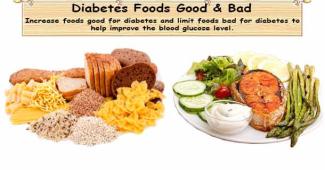
Increase foods good for diabetes and limit foods bad for diabetes to help improve the blood glucose level.
Best diabetes foods are Asparagus, Avocados, Beans, Blueberries, Broccoli, Carrots, Cranberries, Fish, Flaxseed, Garlic, Kale, Melon, Nuts, Raspberries, Red Grapefruit, Red Onions, Red Peppers, Soy, Spinach, Tea, Tomatoes, and Yogurt.
Worst diabetes foods are White rice, Bananas, Chinese food, Breakfast pastries, Fruit smoothies, Trail mix, Refined cereal, Fruit juice, Energy bars, Pasta Alfredo, french-fries, and Tran’s fat-containing foods.
Stop ingesting sugar called by different names
Sugar is associated with the risk of heart disease, cancer, and diabetes complications. So eliminate it! Whatever the name is?
Some of the names for sugar that you may find in the ingredients include:
- table sugar,
- brown sugar,
- molasses,
- honey,
- beet sugar,
- cane sugar,
- confectioner's sugar,
- powdered sugar,
- raw sugar,
- turbinado,
- maple syrup,
- high-fructose corn syrup,
- agave nectar,
- sugar cane syrup,
- fructose,
- lactose,
- sorbitol,
- xylitol,
- glycol,
- glycerol,
- mannitol,
- isomalt and
- other sugar alcohols.
Type 1 Diabetes Glycemic Index

Carbohydrates are classified into two types based on how fast or slow it digested; they are simple and complex carbohydrates.
Glycemic Index, Load & Response
Glycemic index (GI), glycemic load (GL), and glycemic response (GR) are the three critical characteristics of the carbohydrate food on your blood glucose level. Once you are well-versed with these terms, then you can smartly choose only good carbs and learn to avoid bad carbs.
Glycemic Index (GI)
What is glycemic index GI?
Glycemic index (GI) is a number, which tells you how fast that carb affects your blood glucose level. All carbohydrates are digested and broken down into glucose in varying rate (slow to fast), which are indicated by the “Glycemic Index or GI.”
Complex carbohydrates are digests slowly, and release glucose is steadily in the bloodstream. On the other hand, digestion of the simple carbohydrates are quick, and glucose is dumped into the bloodstream and makes a blood-glucose level spike.
Food close to nature tends to have a low glycemic index than refined and processed foods having a high glycemic index.
Classification of Glycemic Index
Glycemic index is of three levels, they are:
- Low GI (good) carbs: 55 or less
- Moderate GI (neutral): 56 to 60
- High GI (bad): 70 or more
Digestion of low GI (55 or less) carbs and release of glucose into the bloodstream is slower. Also, the blood glucose rise of low GI carbs are much lower when compare to the moderate GI (56 to 60), and high GI (70 or more).
High GI (70 or more) carbs such as refined sugars and bread are digested easily and release of glucose into the bloodstream more quickly and the blood glucose spikes much faster than low GI foods such as vegetables and whole grains.
How glycemic index affect your blood sugar level?
Eating a lot of bad carbohydrates (high GI) will have a hard time controlling your blood sugar.
Glycemic index food list
- Low GI Foods - whole wheat, oatmeal, oat bran, pasta, converted rice, barley, bulgar, Sweet potato, corn, yam, lima/butter beans, peas, legumes and lentils, Most fruits, non-starchy vegetables, and carrots.
- Medium GI foods - are rye and pita bread, Quick oats, Brown, wild or basmati rice.
- High GI foods - White bread, Cornflakes, puffed rice, bran flakes, instant oatmeal, white rice, rice pasta, macaroni, and cheese from the mix, potato, pumpkin, Pretzels, rice cakes, popcorn, saltine crackers, melons, and pineapple.
How do you modify the glycemic index of a meal?
I like a few high GI foods. Is there any way to change the Glycemic Index?
Yes, it is possible to lower the glycemic index of high GI foods by combining it to fat, fiber, and acids such as lemon juice or vinegar. Also, the glycemic index of the fruits such as bananas is low while about to ripe and goes high after-ripen.
Seven factors can modify the actual glycemic index of a meal!
- Cooking – Heat, water used, and length of cooking food can modify the GI of the food. During cooking starch in the food gelatinized, making it easier to digest and change into high GI. After cooling, the gelatinized starch reorganize its original state and thus back to its low GI number. For example, GI of raw carrots is 20, and the once boiled, its GI raises to 50.
- Protein – Combining protein with carb slow down the digestion of starch, thus lowered the GI.
- Processing – Finally ground or milled starchy food that reduces in the particle size makes it easily digestible and modified into high GI.
- Fiber – Addition of fiber into a food can lower the GI of the food, because fiber thickens (soluble fiber) or indigestible thus slow down the digestion of starch.
- Fat – Addition of fat increase the GI of the food by slowing down the digestion. For example, the GI of potato chips is 57 due to the presence of oil (fat), and GI of a baked potato is 85.
- Acid – Presence of acid in the food slows down stomach emptying and thus the GI. Adding vinegar or lemon juice lower the GI. Also, sourdough bread has a much lower glycemic index value than regular bread. Research shows adding vinegar to a meal can reduce the post-meal blood sugar rise by about 50%.
- Ripeness – Unripen bananas have low GI about 40, but after-ripen it has a high GI of about 65. Also cooked unripe banana raises it’s GI to about 65.
Glycemic Index & Diabetes Control
Persons with diabetes who want to use the GI for the betterment of their blood glucose control should eat a healthy, low GI diet. Some tips include:
- Increase the consumption of low GI food such as whole grains, nuts, legumes, fruit, and non-starchy vegetables.
- Decrease the consumption of starchy high GI foods such as potatoes, white rice, and white bread.
- Eliminate (but rarely you can enjoy within limit) the consumption of sugary foods like cookies, cakes, candy, and soft drinks.
What is the best time to bolus insulin to match the glycemic food you ingest?
If you are eating a meal with mainly high glycemic index (70 or more) foods, then it digests faster, causes massive blood sugar peaks within minutes. So best to bolus your insulin 15 to 20 minutes before eating.
Eating a meal with mainly moderate glycemic index (56 to 60) foods then digests a bit slower, causes modest pronounced blood glucose peak in about 45 to 70 minutes. And the best time to bolus your insulin is 5 to 10 minutes before eating.
Eating a meal with mainly low glycemic index (55 or less) foods then digests much slower, causes less pronounced blood glucose peak in about an hour or two. And the best to bolus is right after eating.
The above said insulin bolus timing might help to coincide closely with the blood glucose peak after eating. However, you need to test and fine-tune the timing for perfect individualization.
Glycemic Load (GL)
What is glycemic load?
The glycemic response to the food depends not only on the glycemic index but also on the total amount of carbohydrates, and this led to the concept of glycemic load. Glycemic load accounts for the amount of carbohydrate in the food and how this each gram of carb raises the blood glucose levels.
GL is the measure of the overall effect of the food on your blood glucose level. The GL is the more accurate indicator because it incorporates both the quality and quantity of the carbs consumed.
GL = GI x carbohydrate (in grams)/100
Calculate the glycemic load by multiplying the number of carbs in grams per serving by the food’s glycemic index divided by 100. Where available carbohydrate = total carbohydrate - dietary fiber. One unit of GL approximates the glycemic effect of 1 g of glucose.
GI, GL & prevalence of diseases!
Traditionally our ancestors consumed nature unprocessed plant-based diets high in fiber such as whole grains, legumes, and nuts as staples. These diets were low GI and low GL. Shifting from traditional natural food to western artificial (highly processed) foods raised the prevalence of diabetes, obesity, and CVD.
Researchers in the American Journal of Clinical Nutrition found that eating foods with high glycemic loads could be linked to chronic diseases. Some such conditions are type 2 diabetes and heart disease; it may be due to the raising of blood sugar and insulin levels.
The intake of a reduced GI/GL diet favors the glycemic control of the studied population. Reference: Nutricion Hospitalaria. 2012; 27(2):510-515.
Low GI & GL is associated with lower glucose and insulin level. Lower glucose and insulin levels are associated with improved risk profile;
- increased high-density lipoprotein cholesterol,
- low levels of glycosylated proteins (hbA1C),
- oxidative status,
- hemostatic variables, and
- endothelial function.
Classification of glycemic load
The glycemic load is of three levels, they are:
- Low GL: less than 10,
- Intermediate GL: 11 to 19
- High GL: more than 20.
Glycemic Response (GR)
Glycemic response of a food’s (carb) is the effect it has on blood sugar levels after consumption. It is natural to have a rise in blood glucose and insulin levels after eating and then back to the normal after a short period.
Glycemic index is conceptually the glycemic response produced by a portion of food that contains 50 g (or 25 g in some case) of the carb. GR is in percentage.
GI, GL & GR are all used to stabilize glycemia
Many dietary ideas to reduce postprandial glycemia that includes:
- Low carb – minimize the amount of carb consumption.
- Include fat, protein, fiber & acid – increase these to slow down gastric emptying.
- Incorporate amino acids (protein) – adding amino acids help increase the secretion or effectiveness of insulin.
- Low GI – replace high GI food with low GI foods.
The fundamental flaw with low GI foods
The general belief is that GI of 55 or lower is good for the health. However, the sweet poison fructose (specifically fructose corn syrup) has the GI of 19. If you add fructose to a high glycemic food, then it becomes low or moderate GI food. Because adding fructose is the recipe to lower GI.
Fructose is super-low GI; then it must be “good" right? Not! It is known for its atherogenic and insulin resistance triggering character. Super low-GI fructose is a major cause of global obesity, diabetes, and other diseases.
A low GI food may comparable to the tortoise, and the high GI food may be equivalent to the hare. Hare (high GI) may be fast blood sugar rise, and tortoise might be slower blood sugar rise, but both will reach the destination (BS raise).
What is your take-home extract about the glycemic index? Eat natural unprocessed foods.
Some studies show that people who eat a low GI diet tend to be healthier; maybe these people tend to eat fewer processed foods.
GI number says nothing about the healthiness of food. But GI advocate, as well as skeptics both accept in common, is fresh, natural, whole products.
A glycemic index is a number indicating how quickly a food raises the blood glucose level. While all carbohydrates except fiber are converted into glucose eventually, just some carbs do much faster than others.
Your focus should be on eating natural, whole, unprocessed foods and not require to worry about what is a glycemic index that it.
Type 1 Diabetes & Artificial Sweeteners

Is it possible for people with diabetes to eat sweets? The answer is yes; they can use artificial sweeteners.
What is an Artificial Sweetener?
There are different sweeteners available such as sugars, reduced-calorie sweeteners, and low-calorie sweeteners. Most of these sweeteners are artificial not naturally occurring, instead manufactured chemically.
Types of sweetener
Sweeteners that are in use are sugar, reduced-calorie sweetener, and low-calorie sweeteners.
Sugar
Sugars are naturally-occurring carbohydrates. Sugar contains high calories and can raise blood glucose levels. Some of the naturally available sugars are brown sugar, cane sugar, confectioner's sugar, fructose, honey, and molasses.
Reduced calorie sweeteners
Reduced calorie sweeteners are alcohols from a sugar called sugar alcohols. These sweeteners have just half the calories of sugars. They can raise the blood-sugar levels, but not as high as natural sugars. Some of the reduced-calorie sweeteners are isomalt, maltitol, mannitol, sorbitol, and xylitol. These reduced-calorie sweeteners are frequent use in sugar-free candies.
Low-calorie sweeteners
They are an artificial sweetener, which means they are created chemically rather than found naturally. We consider. low-calorie sweeteners as calorie-free foods, they have no or negligible calories and will not raise the blood sugar levels.
Best Artificial Sweeteners for Diabetics
FDA has approved below mentioned low-calorie sweeteners for people with diabetes. FDA considers these low-calorie sweeteners are safe for use; also American Diabetes Association recommends their use.
Saccharin can be useful in both hot and cold foods. Avoid this sweetener if pregnant or breastfeeding.
Aspartame can be useful in both cold and hot foods but may lose some of its sweetness at higher temperatures. People with phenylketonuria should avoid this sweetener. Phenylketonuria is a metabolic disorder.
Acesulfame potassium or acesulfame-K can be useful in both cold and hot foods; it will not lose its sweetness even during baking and cooking.
Socialize can be useful for hot and cold foods; it will not lose sweetness during baking and cooking. Most of the processed foods often contain to socialize.
Artificial Sweeteners in Prepared Foods
Different prepared foods labeled as No sugar, low sugar, naturally sweetened, no added sugar. These terms in prepared food products are overwhelming. Let us now identify which products sweeten the way a person with diabetes wants them.
- Label with “No sugar” means the product to do not contain sugar at all and may contain sugar alcohols or artificial sweeteners.
- Label with “No added sugar” means that the product has not extra-added sugar during processing. However, the original food source might have contained sugar such as fructose in fruit juice. You may add additional sweeteners other than sugar such as sugar alcohols or artificial sweeteners.
- Label with “Sugar-free” means that the product has no sugars but may contain sugar alcohols or artificial sweeteners.
- Label with “All natural” means that the product does not have artificial ingredients, including artificial sweeteners. Nevertheless, it may contain natural sweeteners such as sugars or sugar alcohol.
If you still have any doubt, check the Nutrition Label & Ingredients list for detail information.
Craving for sweets all day, what can I do?
Cutting down sweet is very tough; you should not have to avoid them altogether. Instead, plan to limit it in steps, how do you do it? White rice, bread, and potatoes raise your BG more than sugar. You have to calculate the carbohydrate content of your sweet and replace the equivalent carbohydrate from your regular meals. Using this substitution method, you can enjoy your sweets a couple of times each week.
Many with diabetes have managed their craving for sweets by have small pickles. For some strange reason, pickles will often satisfy that craving for sweets.
How to Design Type 1 Diabetes Diet?

Your body may not adopt even best healthy food, because everyone’s body digested differently also your interest in taste varies.
Design Best Diabetes Food
First, keep in mind, what works for someone else may not necessarily work for you—and vice versa.
Whatever the diabetes diet suggested, your body may not adopt even the best one. Because each body is different, the digestion process may vary and the food that interests you varies. Thus, it is a must to individualize your diet with:
- some trial (try different foods),
- testing (measuring blood-glucose level),
- recording (making a log),
- analyzing (processing the data), and
- finalizing a suitable one.
Test diabetes diet
What can diabetes eat? The answer to this controversial question is literally at your fingertip. Test Eat Test…
Testing is the most critical tools in gaining control of the blood-glucose numbers. Mostly, many medical professionals suggest fewer numbers of testing per day. Nevertheless, many well-controlled diabetics have been testing many times until mastering the diets and their blood-glucose relationship. Knowledge is power, so it is advisable to follow those who made it already.
Doctors may suggest different testing times for useful information, but testing blood-glucose before & after 1 or 2 hours of the meal is the information needed for the individualizing diabetic diet.
Next, you should need to know the blood-glucose peak (the highest blood-glucose number after a meal). It also varies from person to person, because each one's digestion and absorption power may vary. So, you have to find what your peak blood-glucose time is? That is the time after your first bite of food. Once you find your peak time, then stick at that time for testing until finalizing your diet.
Health is wealth
Now you may think it is a costly process requiring numerous test strips. Yes, you are correct; you need many testing strips to finalize your diet plan. However, once you master your diet and blood glucose levels, then it can save you many dollars, improves health & wellbeing, and prevent diabetes complications.
How to analyze a diabetes diet?
Now you need below said information to individualize your diet:
- Blood glucose level before the meal.
- After food blood glucose level
- What are the foods you have?
- What is the content; fat, protein & carbohydrate (simple or complex carb & fiber content)
- Level of physical activity
It is time to record all the above information in a diabetes log that helps to finalize and mastered the art of designing a diabetes diet. From the data available in your hand, it is easy to correlate the carbohydrate intake and the respective blood-glucose rise.
You know the stress level, sleep deprivation, and infection can have a huge impact on your blood glucose level.
So if there are unrelated spikes in your blood glucose while finalizing the diet, you should take into account:
- your level of stress
- the quality of sleep the day before, and
- any form of infection that might affect your blood sugar level.
This data helps you understand other blood glucose disturbance other than diet.
If you're before meal blood glucose is too high then reduce the amount of carb in the diet can help to reach the target glucose level.
What should be your blood glucose value?
As per the American Diabetes Association (ADA), the target goal is as below:
- Fasting blood glucose level: 90 to 130 mg/dl (5 to 7.2 mmol/L)
- Postprandial blood-glucose level: Less than 180 (10 mmol/L)
Non-Diabetic has the following reading.
- Fasting blood glucose level: 70 to 100 mg/dl (3.9 to 5.5 mmol/L)
- Postprandial blood-glucose level: 70 to 140 mg/dl (3.9 to 7.7 mmol/L)
Postprandial glucose measurements should be taken every 1 to 2 hours after the beginning of the meal, preferably individualized peak levels in patients with diabetes.
When does food make blood glucose spikes in diabetes?
How soon after eating and how long does it last?
Every individual body is different, and thus, their insulin requirement is distinct; YMMV is an acronym stands for "Your Mileage May Vary." It varies depending on the time of the day, the food you ate, the physical activity you performed, and the medication you take. I know this is not the answer you expect, but no other way.
You should self-monitor your blood glucose at 60, 75, and 90 minutes after food. Additionally, you may also locate spikes at different times after breakfast, lunch, and dinner once you have arrived an individualized most consistent spike time. After that, you can drop these extra tests.
Finalize diabetes diet
During data collection, you may find it challenging to meet target values. Don’t be frustrated?
It is common for a most diabetic; this is a long-term process to the betterment of your diet choice for adequate blood glucose control.
Analyze the diabetes log by yourself or with your dietician and finalize which foods have low or no blood glucose spikes. And which are the foods that disturb your blood glucose control?
Once you mastered this art, then frequent blood tests are not required and follow the testing time suggested by your doctor.
Best wishes for a successful diet modification for better blood sugar control :)
Blood Sugar Levels

For a proper understanding of diabetic health, you need to compare with an average healthy individual (a person without diabetes).
Blood sugar number means
To understand how your blood sugar behaves throughout the day? You need to monitor your blood sugar at different times. Your doctor can help you find a suitable blood-glucose target range. Here, we provided general blood-glucose numbers based on the American Diabetes Association guidelines.
Blood-glucose level influencing factors
Seven factors can influence your blood glucose level.
- Foods you eat,
- The exercise you undertake,
- How effective you are managing your stress,
- The individualized medication you take,
- Restful sleep you get,
- The illness you have,
- Hormonal changes
Self-monitoring of glucose levels is the best tool to keep track of these influencing factors. It helps you to take the necessary measures to control your blood glucose level more effectively.

Fasting blood-glucose number (before breakfast)
This test be performed on an empty stomach, mostly after eight hours of fasting before breakfast. It shows how effective your long-acting insulin or medication that you take is. In general, the results will be as follows:
- FPG blood sugar number is considered normal up to 100 mg/dl (or 5.5 mmol/L).
- FPG Levels between 110 and 125 (6.1 to 6.9 mmol/L) are considered impaired fasting glucose (pre-diabetes). It is slightly higher than usual but not high enough to diagnose diabetes.
- FPG level of 126 mg/dL (7.0 mmol/L) or higher absorbed on two different days to confirm diabetes.
- People with diabetes on treatment should plan to achieve between 90 and 130 mg/dL (5 mmol/L to 7.2 mmol/L).
Pre-meal blood glucose number (before lunch & dinner)
This reading should be carried out before lunch and dinner. It shows how effective your breakfast and lunchtime insulin or medication dosage is.
- For normal healthy individuals, blood sugar levels should be maintained between 82 to 110 mg/dL (4.4 to 6.1 mmol/L).
- For people with diabetes, the blood sugar number should be between 90 and 130 mg/dL (5 mmol/L to 7.2 mmol/L).
Two hours after eating (breakfast, lunch, or dinner)
Blood glucose rises to its peak for a few hours after you eat (not only for people with diabetes but also for non-diabetics).
- For people without diabetes, blood sugar increases modestly after eating and decreases after two hours.
- A blood-glucose number between 140 to 200 mg/dL (7.8 to 11.1 mmol/L) is at risk for type 2 diabetes called impaired glucose tolerance or pre-diabetes.
- The initial blood glucose rise is quite high for diabetes, which should stay at least 180 mg/dL (10 mmol/L).
This reading shows if the insulin/medication you took was enough to cover the carbohydrates you ate.
Just before bedtime
A target range for someone with diabetes is 110 to 150 mg/dL (6.1 to 8.4 mmol/L). You should not go to bed with blood sugar that is too low, because that may put you at risk of having a severe hypoglycemia episode during the night.
Diabetes Information
Diabetes is a chronic condition characterized by an ineffective management of glucose in the bloodstream. It is not merely a blood sugar issue; rather, it stems from a disruption in insulin and leptin signaling.
What is diabetes?
Diabetes mellitus is a metabolic disorder affecting how the body utilizes digested food for energy. The majority of what we consume breaks down into glucose, the primary energy source for the body.
After digestion, glucose enters the bloodstream, and cells utilize this glucose for fuel. However, glucose requires insulin for cellular absorption; insulin facilitates the uptake of glucose into cells.

During mealtime, the pancreas automatically releases insulin. It ensures glucose enters the cells, thus blood glucose levels decline. Diabetes arises when blood sugar levels remain elevated due to improper glucose metabolism.
Individuals with diabetes experience significant blood glucose spikes (hyperglycemia) after meals. This condition results from the body's inadequate insulin production, improper utilization of insulin, or cellular resistance to insulin. Thus, elevated glucose levels persist in the bloodstream, denying cells the essential energy they need.
Why is it called Diabetes Mellitus?
The term "diabetes" originates from the Greek word "diabaineine," indicating a tubular organ that transports or expels water, highlighting the excessive urine production associated with the condition.
In 1675, Thomas Willis added "Mellitus," a Latin term meaning "honey," to describe the sweet taste of diabetic urine.
Matthew Dobson confirmed in 1776 that excess sugar in the urine and blood contributes to this sweetness.
History of Diabetes
In ancient times, Indians diagnosed diabetes by observing if ants were attracted to urine of the patient, dubbing it the "sweet urine disease." This naming convention also appeared in ancient Chinese, Korean, and Japanese cultures.
The Role of the Pancreas in Diabetes: In 1889, researchers Joseph von Mering and Oskar Minkowski established the pancreas's involvement in diabetes by instigating symptoms in dogs post-pancreas removal.
Insulin Production: In 1910, Sir Edward Albert Sharpey-Schafer discovered that a lack of a specific hormone from the pancreas leads to diabetes.
World Diabetes Day: In 1922, Frederick Banting successfully extracted insulin from cow pancreases; establishing the first effective diabetes treatment. He earned the Nobel Prize in 1923 for this landmark work. November 14, his birthday, is now recognized as World Diabetes Day.
Distinguishing Diabetes Types: In 1936, Sir Harold Percival Himsworth published works that classified diabetes into type 1 and type 2.
Diabetes Facts
What is diabetes?
Diabetes is a chronic medical condition defined by elevated blood glucose levels linked to issues with insulin production and regulation. The condition primarily encompasses three types of diabetes: type 1 diabetes, type 2 diabetes, and gestational diabetes.
Global Diabetes Crisis! Take action now to STOP Diabetes.
By 2016, the global population of individuals with diabetes reached 422 million, up from approximately 382 million in 2013 and 108 million in 1980. The incidence of diabetes among adults over 18 years increased from 4.7% in 1980 to 8.5% in 2014.
The World Health Organization (WHO) reported that diabetes caused 1.5 million fatalities in 2012, making it the eighth leading cause of death. Additionally, high blood sugar complications led to another 2.2 million deaths. In 2014, the International Diabetes Federation (IDF) estimated that diabetes accounted for 4.9 million deaths globally.
What is type 1 diabetes?
Type 1 diabetes represents a medical condition where the body cannot synthesize insulin. Consequently, individuals with type 1 diabetes must administer insulin injections throughout their lives.
This inability to produce insulin typically stems from the immune system erroneously targeting and damaging the pancreatic beta cells responsible for insulin production.
Type 1 diabetes accounts for approximately 10% of all diabetes cases. It is also known as insulin-dependent diabetes or juvenile diabetes.
What is type 2 diabetes?
Type 2 diabetes arises from the body’s insufficient insulin production or the cells' inadequate response to insulin, a phenomenon known as insulin resistance.
Recent research indicates that it represents a disorder arising from disruptions in insulin and leptin signaling, evolving over an extended period. Approximately 90% of diabetes cases are classified as type 2.
Many individuals achieve effective blood glucose control through healthy lifestyle modifications. A significant concern lies in the fact that over 50% of those affected remain unaware of their condition.
Type 2 diabetes involves issues with both insulin and leptin. Leptin, a hormone produced by fat cells called the satiety hormone. It plays a vital role in regulating hunger and body weight. Leptin informs your brain about how much to eat and when to stop.
When you develop leptin resistance, weight gain becomes inevitable. Leptin is also responsible for proper insulin signaling; therefore, any impairment in this process can lead to insulin resistance. In conclusion, type 2 diabetes emerges from dysfunction in both insulin and leptin.
What is pre-diabetes?
Nearly all individuals with type 2 diabetes initially experienced prediabetes. The disruption in insulin and leptin signaling progresses gradually; it first leads to prediabetes and subsequently culminates in full-blown diabetes.
During prediabetes, blood glucose levels rise above normal but do not reach the threshold for a diabetes diagnosis. Implementing a healthy lifestyle can effectively reverse prediabetes and prevent the progression to full-fledged diabetes.
What is gestational diabetes?
Gestational diabetes refers to diabetes that occurs during pregnancy. In most cases, it resolves after childbirth. However, women who experience gestational diabetes face an increased risk of developing type 2 diabetes later in life.
Often, a diabetes diagnosis during pregnancy may actually indicate type 2 diabetes rather than gestational diabetes. For many, managing blood glucose levels through diet and exercise is possible; only 10 to 20% require medication. Undiagnosed gestational diabetes can lead to complications during delivery, particularly involving larger-than-normal babies.
Are there additional types of diabetes?
Less common forms of diabetes include monogenic diabetes, which is hereditary, and diabetes related to cystic fibrosis.
What are the common symptoms of diabetes?
The prevalent symptoms of diabetes include increased urination, severe thirst, and continuous hunger.
Are you worried about your own health or that of a loved one? If so, it is essential to familiarize yourself with the symptom of type 2 diabetes and its associated type 2 risk factors.
Individuals at risk for type 1 diabetes must recognize the t1d symptoms and understand how to avert triggers associated with type 1 diabetes.
How is diabetes diagnosed?
To ascertain whether you have diabetes, healthcare professionals utilize three diagnostic methods for diabetes: the HbA1C test, the Fasting Plasma Glucose (FPG) test, and the Oral Glucose Tolerance Test (OGTT).
How to manage type 1 diabetes?
Type 1 diabetes is a chronic condition. It requires individuals to keep their blood sugar levels close to normal at the same time by avoiding hypoglycemic episodes.
Management involves lifelong insulin therapy, which can include injections, insulin pens, or pumps. Regular monitoring of blood glucose, typically 3 to 6 times daily. Additionally, adhering to a healthy lifestyle with a nutritious diet and regular physical activity for effective type 1 diabetes management.
How to manage type 2 diabetes?
Diabetes is a chronic condition. Its management should prioritize maintaining blood sugar levels within a normal range while avoiding hypoglycemia.
You can accomplish this through a balanced diet, regular exercise, achieving weight loss finally, if it all fails then consider taking diabetes medication and, sometime even insulin injections may also be required.
Your body produces sufficient insulin, yet it struggles to recognizes and utilize it effectively. This condition reflects a more advanced phase of insulin resistance. Type 2 Diabetes is virtually reversible.
How do you prevent diabetes?
Modifying your lifestyle through maintaining a healthy weight, consuming nutritious foods, and engaging in regular physical activity demonstrates efficacy in delaying or preventing type 2 diabetes.
Is alternative medicine, specifically natural treatments, effective for managing diabetes?
Commonly utilized alternative natural therapies for diabetes include herbs, yoga, acupressure, and reflexology.
Diabetes complications
Poorly controlled diabetes results in various health complications related to the condition.
Poorly regulated blood glucose levels can lead to significant damage over time. Affected areas include blood vessels, the heart, eyes, kidneys, and nerves.
Common complications of diabetes encompass heart attacks, strokes, retinopathy, nephropathy, erectile dysfunction, bladder control issues, and urinary tract infections.
Additional complications related to diabetes are gastroparesis, depression, foot issues, skin disorders, hearing impairment, gum diseases, infections, and wounds or lesions that heal more slowly.
However, if you control your blood glucose level within or close to a normal range, then the likelihood of facing these complications is nearly zero.
Therapeutic body massage
As per TCM concept, Liver meridian is connecting with the eye, so a good liver means brighter eyesight. This Liver massage is simple to do to improve your eyesight or correcting your eye problems.
Therapeutic abdominal massages for better vision
- Powerful Neck Loosening Massage
- Chinese Taoist Kidney, Stomach and Liver Massage
Powerful Neck Loosening Massage
Stiffness around the neck and shoulders can cause severe eye tension. To loosen-up, your neck and release tension performs Neck Rolls.
How do you do a powerful neck loosening massage?
- turn your head in a circular motion
- move it left to right as far as you can
- let it drop forward and then backward as far as possible
While head is all the way back, lift both shoulders up and near your earlobes and move head right to left and left to right several times. This movement squeezes the tension right out of the neck and trapezious muscles. You will feel relaxed and refreshed after performing this movement for one to two minutes. Perform these exercises often during the day. They help to reduce eyestrain, neck tightness, and eye tension headaches.
Note: Practice Do-In or Self Massage to your neck and shoulders with your fingers, knuckles, and palms. If you have any soreness or energy blockages in these areas, by massaging them, you will feel renewed energy and fresh blood flowing to your head, brain, and eyes. Without the proper nerve and blood supply to the eyes, vision improvement cannot progress at a steady rate. In fact, nerve and blood flow blockages can definitely hold back your quest for Perfect Eyesight For faster eyesight improvement; the "Head Lift" Technique is unsurpassed.
Chinese Taoist Kidney, Stomach and Liver Massage
It is a Key to Super-Health of whole body and Clear-Vision. In Chinese Medicine, the kidneys are considering the health and longevity organs of the whole body. The stomach is considering the central energy station or grand central station for food distribution to the entire system. The liver is the great detoxifying organ of the body. It filters out chemicals, pollutants, environmental poisons, preservatives, fats, oils, etc. A weak liver places great stress on the immune system. Liver congestion causes poor food digestion & fatigue.
How do you do kidney massage? Rub your hands together until warm and place them over the kidneys (right and left side of lower back) for 10 seconds. Next, rub the kidney area vigorously, at least 35 times up and down. Finish this massage by lightly pounding the kidney area with your palms.
How do you do Stomach & Liver Massage? Rub under right and left side of the rib cage 35 times. The liver is under the right rib cage. The stomach is under the left rib cage. This Do-In massage can help sharpen your vision and bring energy and healing power into your stomach and liver.
Benefits of abdominal massage: It not only improves eye vision, but also it is good for indigestion, constipation, stomach flatulence, and stomach bloating.
Is acupressure safe?
Acupressure is generally reporting as safe when performed by an experienced practitioner. No serious complications have been publishing, despite millions of treatments every year. Self-administered acupressure believes to be safe with proper training.
Vigorous acupressure may cause bruising in sensitive individuals. Carotid dissection and retinal and cerebral artery embolism have been associated with acupressure treatments, although the patients may have been predisposed to these adverse effects. Speak with your doctor or another qualified health care provider before receiving treatment.
Acupressure Eye Massage

Acupressure clears the blockage of qi, so eye receives enough vital energy and blood circulation, and consequently, the eye problem vanishes by its own.
Acupressure holistic vision therapy
You can do the following Chinese eye massages after meals, during the commercial breaks while watching TV, or as often as you like.
Chinese Eye Massage Part 1
In this category, there are four eye massage available, they are:
- Healing Eye Socket Massage
- Temple Massage
- Healing Ear Lobes Massage
- Bone Behind Head Massage
Healing Eye Socket Massage: With the middle fingers, massage, the bone of the eye sockets with eyes closed. Move the fingers outwards and upwards, then down to the bridge of the nose, as indicated by the arrows in figure 1. Repeat eight times.
Temple Massage: Use the middle fingers to massage the hollows in the temples on either side of the face in an up and down movement. Repeat 8 times. (See Figure).
Healing Ear Lobes Massage: Use the thumbs to massage the bones behind the ear lobes in an up and down movement. Repeat 8 times. (See figure)
Bone Behind Head Massage: Use the thumbs to massage the bones behind the head on either side of top of the neck, in an up and down movement. Repeat 8 times. (See figure)
Perform eye palming to rest on your eyes.
Chinese Holistic Eye Massages - Part 2
This set of Chinese’s eye exercises is excellent for students during intensive study periods.
- With the fingers, gently massage the areas in the back of the skull directly behind the eyes. These may be very tender. (See figure)
- Rotate the big toes clockwise and counterclockwise, and then massage them thoroughly, on the front, back and top, to improve blood supply to the brain and optic nerves, and to relax the neck muscles.
- Massage the eye reflex areas on the soles directly below the second and third toes on both feet.
- Massage the eye reflex areas directly below the nails of the big toes.
Chinese Holistic Eye Massages - Part 3
Yuyao Point Massage
- Identify the two Yuyao points located at the medical (inner) aspect of the eyebrows.
- Press your thumbs against the 2 points in a circular movement to a count of eight beats per cycle. Repeat the eight circles.
Zanzhu Points Massage
- Identify the Zanzhu points, which are located on both sides of the nasal bridge.
- Using either your right or left hand, place your thumb and index finger on the points. Press downwards and massage upwards to a count of eight beats per cycle. Repeat the eight cycles
Shibai Points Massage
- Identify the Shibai points on your cheeks by dropping a vertical line from the pupils of your eyes and a horizontal line from the nearer (sides) of your nose. The cross point of these two lines is where the Shibai point is.
- Press your index fingers on the Sibai points and support your thumbs on the angles of your jaws with the same remaining middle, ring, and little fingers on both sides of your chin. Massage the points in a circular movement to a count of eight beats per cycle. Repeat this for eight cycles.
Taiyang Point Massage
Pressing on temple points and sliding around the eye sockets
- Identify the Taiyang points, which are located at the most hollow areas of your temples.
- Press on the Taiyang points with your thumbs and flex the remaining fingers into a fist position.
- Use the knuckles of your index fingers to slide over from medial to the lateral aspect of the upper eye sockets for the first four beats, and continue to do similarly over the lower eye sockets for the second four beats of each cycle. Repeat these eight cycles.
When you have completed the 3-stage regime of acupressure massage, look at a distance for a short while to ensure a total relaxation of your eye muscles.
Is Acupressure safe?
Acupressure is generally reporting as safe when performed by an experienced practitioner. No serious complications have been publishing, despite millions of treatments every year. Self-administered acupressure believes to be safe with proper training.
Vigorous acupressure may cause bruising in sensitive individuals. Carotid dissection and retinal and cerebral artery embolism have been associated with acupressure treatments, although the patients may have been predisposed to these adverse effects. Speak with your doctor or another qualified health care provider before receiving treatment.
Diabetes Cure
There is no known cure for diabetes until date, but rigorous researches are going on to find a cure. So we can expect that happy moment of cure at any time: today, tomorrow or at least to the next generation.
Cure for Diabetes
Everyone should try to contribute to finding a cure. How can you participate? I think our brain is the most powerful in the world; whose power is still not known fully? Yes, I confidently hope if all of us jointly and strongly imagine a cure for diabetes, then it helps to happen at the earliest.
Therefore, I request you (all diabetics) to strongly image for a day with:
- No more fingers prick many times a day.
- No more, squeeze out of significant blood drop.
- No more medication/insulin shots as schedule
- No more space allocation for diabetic-drugs in the refrigerator
- No more pain of inserting a needle into the skin
- Enjoy the meal without any restriction and free from any mathematical calculation.
- Worry not for a blister on foot and allow it to cure by its own.
- No bigger purse into the restroom before/after a meal
- No more monthly medical expenses as significant as a car payment
- No more depression on seeing blood sugar/glucose spikes.
- Enjoy with family and friends without any concerned about what may happen when I am around them.
- No more, worry for my family and friends regarding my mood, so they can happily be spending their time with me.
- No more panic regarding hypoglycemia or hyperglycemia.
- No more worry about diabetes complications.
- My beloved once is free from worry regarding my health when I am away from them.
- No more, frequent visit to hospitals, doctors, diabetes educators, and nurses. Free from their hard to follow advice.
- Finally, stop wondering why God is punishing me and or no more scolding of god. Also, start pricing the nature for gifted with a cure for diabetes.
- Freely mingle with this beautiful world without any concern about health.
I wish you all people with diabetes to become non-diabetic and enjoy this beautiful life without any worry as said previously.