
Type 1 Diabetes Diagnosis Tests
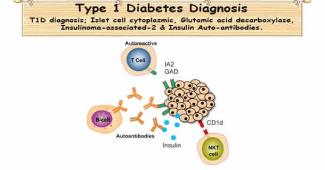
High level of blood glucose is the first test with the random blood glucose test, fasting blood glucose test, and or oral glucose tolerance test.
It only helps to diagnose diabetes that is the condition with a high blood glucose/sugar level. After that, how do we differentiate between diabetes type 1 & 2?
Diagnosing Type 1 Diabetes
Confirm the type 1 diabetes with an autoantibody testing; they are:
- Islet cell cytoplasmic auto-antibodies
- Glutamic acid decarboxylase auto-antibodies
- Insulinoma-associated-2 auto-antibodies
- Insulin Auto-antibodies
Islet cell cytoplasmic auto-antibodies test
This test helps to measure islet-cell autoantibodies that attack against a variety of islet cell proteins. It is most commonly detected among newly diagnosed diabetes type 1, almost detected in about 80% of type 1 diabetes.
Glutamic acid decarboxylase autoantibodies test
This test helps to measure autoantibodies that attack against beta-cell proteins (antigen) still it is not that much specific to beta cells. It is also most commonly detected among newly diagnosed diabetes type 1, almost detected in about 75% of type 1 diabetes.
Insulinoma-Associated 2 autoantibodies test
This test also measures autoantibodies attacking against beta cell antigens, but it is not specific, still detects in about 60% of type 1 diabetes.
Insulin Auto-antibodies test
This test measures autoantibody is targeting against insulin; this is an antigen considered more specific to beta cells.
To confirm the diabetes type, an expert suggests a combination of the above-said autoantibody tests for newly diagnosed diabetes, to distinguish between type 1 and type 2 diabetes.
Easy Diabetes Yoga
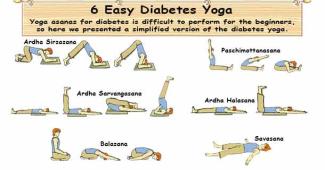
Yoga poses for diabetes are difficult for the beginners, so in this article, we provided a simplified version of the diabetes yoga postures.
Are you new to yoga? And want to get the maximum benefit without yoga injury, then we advise you to read Yoga tips for beginners, Yoga safety tips to avoid yoga injury and Benefits of a yoga pose.
If you are a regular practitioner of yoga and mastered various yoga poses, then it is better for you to do diabetes yoga instead of this simplified version of diabetes yoga.
Easy to do diabetes yoga postures
Yoga helps to lower blood sugar level by stimulating the internal organs responsible for the carbohydrate metabolism.
Simplified yoga poses for diabetes in this article can stimulate the endocrine glandular system and make it work to its full efficiency. Endocrine glands include the pituitary, thyroid, parathyroid, thymus, adrenals, pancreas, and sex glands (ovaries and testes).
6 Easy Diabetes Yoga Poses
Even though these easy to do diabetes yoga poses are simple to perform, still you can enjoy the full health benefits.
Start your yoga session with a warm-up exercise - Most of the Yoga Masters insisted not to practice yoga poses straight away. And, they emphasize to do some warm-up exercises before a yoga session.
- Ardha Sirsasana Ardha means half, siras mean head, and asana means to stand, literally means half headstand. It is better to first start with “master gland” of the endocrine system because it controls the functions of the other endocrine glands. The pituitary gland is as small as the size of a pea and located at the base of the brain. To stimulate pituitary and normalize its function, Ardha Sirsasana is the simplified yoga pose. To learn more, visit Ardha Sirsasana.
- Ardha Sarvangasana stimulates the thyroid and parathyroid, thus help normalizes its function. The thyroid gland plays a vital role in controlling the body's metabolism and parathyroid for calcium balance in the blood. To learn more, visit Ardha Sarvangasana.
- Ardha Halasana is half plow pose, considering to be the pose to reveal a hidden treasure. Regular practice of this yoga rejuvenates the entire abdominal organs; stomach, spleen, pancreas, intestine, liver, and kidney. This pose is beneficial in the treatment of diabetes by strengthening the entire digestive system. To learn more, visit Ardha Halasana.
- Paschimottanasana stimulates liver, pancreas, and kidney. It is not only beneficial in the treatment of diabetes but also helps lower cholesterol and high blood pressure. It activates the nervous system, calm mind, and relieves your stress. To learn more, visit Paschimottanasana.
- Child's Pose or Balasana is a relaxation yoga. It relaxes your entire physical and mental body, help relieve stress-related conditions. Perform this yoga In-between other diabetes yoga poses to improve overall benefits. To learn more, visit Child's Pose or Balasana.
- Finish your yoga session with Savasana - Well-experienced Yoga Guru's always complete a yoga session with a very relaxing yoga pose called as “Savasana.” It helps to gain the most from the yoga poses you have just done. Furthermore, make you more relaxed, it is a very simple asana, but very difficult to attain perfection.
For maximizing the yoga benefits, you can practice chakra balancing to further fine tune your glandular system's performance.
How does Yoga help Lower Blood Sugar?
Everyone will accept, yoga is effective in stress reduction!
Stress elevates blood sugar. Stress leads to emotional eating and worsens diabetes complications. Yoga massages your abdominal organs, thus increases nutrient and oxygen-rich blood supply to the abdominal organs and rejuvenate them.
Many studies confirm that doing yoga provide a modest reduction in weight. Losing weight lower body fat that might lower insulin resistivity. Also, yoga improves the performance of the pancreas, liver and muscle cells.
Is yoga safe?
Always learn yoga under yoga expert’s guidelines. Because, if done yoga wrongly it may provide more harm than benefit!
Yoga is well-tolerated in studies, with few side effects reported in healthy individuals.
Yoga poses that put pressure on the uterus, such as an abdominal exercise, should avoid during pregnancy.
People with disc disease, fragile or atherosclerotic neck arteries, a risk of blood clots, extremely high or low blood pressure, glaucoma, retinal detachment, ear problems, severe osteoporosis, or cervical spondylitis should avoid some yoga poses.
Certain yoga breathing techniques should avoid by the people who had heart or lung disease.
Savasana

The finishing yoga poses should be included at the end of every yoga session or between every 30 minutes of yoga duration, to attain maximum benefits from the yoga poses that is just performed.
This finishing yoga is mean to relax your body after the yoga session. It normalizes the body and helps to reap maximum benefits from the yoga poses performed during the yoga session. It also provides a relaxing effect to the mind, body, and spirit. Let us see a few finishing poses:
- Savasana or Corpse Pose
- Final Corpse
Well-experienced Yoga Guru’s always end a yoga session with a totally relaxing yoga pose called as “Savasana,” it helps to gain the most from the yoga poses you have just done. Furthermore, make you more relaxed, very simple asana but very difficult to attain perfection.
Savasana or Corpse Pose
Savasana is a Sanskrit word Shava means "corpse" (A dead body), and Asana means "posture" or "seat.” That is lying as a dead body, is a pose of total relaxation.
Savasana is better than sleep finish every yoga session with Savasana; it integrates and assimilates what we have just practiced. Some yoga teachers recommend certain times to spend in Savasana, at least five minutes for every thirty minutes you have spent doing other yoga asanas.
However, savasana may seem like an easy pose, but it can actually be very tough to learn and practice perfectly. Even the great yoga masters called it the most difficult about all yoga poses. Unlike other poses, which are active, moving, and physically demanding, it requires a conscious decision to release the mental chatter and surrender fully into a state of presence.
Is Savasana a Nap?
Yoga master considers it as the most important pose in yoga; it enhances and renews the body, mind, and spirit. Savasana is not a nap, instead remain in present, and be aware during the pose. Corpse pose exists in the middle space between sleep and effort.
Benefits of Savasana
During stressful instances, the sympathetic nervous system produces a “fight or flight” response that can over-stimulate your mind and body, causing anxiety, fatigue, depression, and diseases. On the controversy, practicing Savasana stimulates the parasympathetic nervous system, known for its “rest and digest” response. Relaxing the physical body has numerous benefits that include:
- Lower blood pressure,
- Decrease heart rate,
- Slow & deep respiration,
- No muscle tension,
- Decrease in metabolic rate.
- Relieve from headaches, fatigue, insomnia, nervous tension, anxiety, and panic-attacks.
- Increase energy, concentration, memory, self-confidence, and productivity.
In addition to the mind-body benefits, Savasana is also a time during your practice when you can connect with your peaceful, innermost self.
How do you do Savasana?
- Lie with your back, legs straight, and arms at your sides. Rest on your hands five inches apart from your body with palms facing upward. Rest on your feet drops open and closes our eyes.
- Let your breath occur naturally, when breath is free mind also free. When the breath is, allows moving naturally, the mind settles into itself.
- Allow your body and mind to feel heavy on the ground.
- From your feet soles to head-crown, consciously set free every body part, organ, and cell.
- Relax your face; make your eyes drop deep into their sockets. Welcome peace and silence into your mind, body, and soul.
- To exit savasana; first take a deep breath followed by gentle movement from toes to head (head be the last part) and awareness back to your body. Then, slowly roll to your right side and rested there for few seconds, inhale and comfortably move to seated position.
Hindrance or obstacles to the savasana
The most common obstacles to a Savasana practice are:
- Nap (a brief sleep),
- Boredom,
- Mental agitation,
- Tension
Although Savasana is the most difficult asana to perform, the focus is simple - relax everything (every body part and mind). If you get distracted or agitated, you can always undo, unwind, let go from the start.
Final Corpse
The final corpse provides immense relaxation. It requires you to be tense followed by relaxation. Final corpse is always should practice at the end of the yoga session and has a relaxation effect.
In order to experience Relaxation, you must first experience tension. Working up from the feet, as shown below, you first tense and lift each part, then drop (do not place) it down. Now, let your mind travel throughout the body, commanding each part to relax. Let yourself go. Sink deep into the quiet pool of the mind. To bring your consciousness back to your body, gently move your fingers and toes, take a deep breath and sit up as you exhale.
How do you perform the Final Corpse pose?
- Feet and Legs - raise your right foot just an inch off the ground. First, tense the leg, hold in position, and let it drop. In addition, repeat it on the left foot.
- Hands and Arms - raise your right hand just an inch off the ground. First, tense the hand, hold in position, and let it drop. In addition, repeat it on the left arm.
- Buttocks – raise your hips an inch off the ground. First, tighten your buttocks together, hold in position, let drop the hip and relax.
- Chest – raise your back and chest an inch from the ground, keeping your hip and head grounded. First, tense the back and chest, relax, and drop them down.
- Shoulders – raise your shoulders an inch from ground and push them up tight with your neck. Let them drop and relaxed.
- Head - Tuck in your chin gently and roll your head smoothly from side to side. Locate a comfortable position in the center for the head to rest, and then relax.
Visualize your body in your mind and feel
- I relax the feet; the feet are relaxed.
- I relax the legs; the legs are relaxed.
Continue this up on the body, applying the technique to each part along the way - the knees, hip, stomach, chest, neck, jaw, scalp, and so on. Feel relaxation all over the body as you guide your awareness throughout every part of the body. Each time when you inhale, feel the wave of oxygen-rich blood flowing down to your feet. Each time when you exhale, feel the tension flowing out of your body. Hold your mind like a deep, stand still lake, without any ripple. Now go deep within yourself, and experience your true nature.
Surya Namaskar

Surya Namaskara a Sanskrit word, surya means sun and namaskara means to salute that is in English as Sun Salutation. This yoga shows our gratitude and thanks to this wonderful nature Sun, by doing so our body and mind are benefits by these different poses.
Surya namaskara sun salute
- STEP 1: Pranamasana – stand straight on your feet in the Yoga Mountain Pose, hold your palms together in prayer position (Anjali mudra), and exhale. Anjali mudra is doing by pressing firmly the palms & fingers of the hands together with fingertips pointing up. This mudra helps to alleviate mental stress and anxiety.
- STEP 2: Hasta Uttanasana - Inhale, raise your arms overhead, keeping your palms together in Anjali mudra.
- STEP 3: Hastapaadasana - Exhale and then bend forward until your hands touch your feet.
- STEP 4: Aekpaadprasarnaasana - Inhale, step the right leg back, arch back, and lift your chin.
- STEP 5: Dandasana - Exhale, step the left leg back into plank position. Keep your spine and legs in a straight line and support your weight on hands and feet. It helps improve digestion, prevent sciatic pain, activate leg muscles, and prevent feet, calf muscle tiredness.
- STEP 6: Ashtanga Namaskara - Retaining the breath (suspend breathing), lower your knees, chest and then your forehead, keeping your hips up and toes curled under.
- STEP 7: Bhujangasana - Inhale, stretch forward and bend back. Keep your arms straight. Bhujangasana may strengthen the spine and relieve stress & fatigue. Traditional texts say it increases body heat and destroys disease.
- STEP 8: Adho Mukha Svanasana - Exhale, curl your toes under, press down into your heels, and lifts your hips. It strengthens your entire body; it relieves fatigue and rejuvenates the body, immune system, digestion, and blood flow. It calms mind and lifts spirits.
- STEP 9: Ashwa Sanchalanasana - Inhale, bring your right leg forward, with the top of the foot stretched out flat on the floor, and lift your chin.
- STEP 10: Uttanasana - Exhale and then bend forward until your hands touch your feet.
- STEP 11: Inhaling, stretch your arms forward and over your head. Slowly bend backward from the waist.
- STEP 12: Exhaling and back to Tadasana.
Warm-up before Yoga

Many yoga practitioners choose to ignore warm-up exercises before a yoga session, straight away diving into the yoga postures. This dangerous one could result in a yoga injury.
Warm-up before Yoga
Warm-up exercises are important before a yoga session, because it helps the body to prepare itself for the yoga poses. Warm-ups help to improve your blood circulation, makes your muscles elastic, helps to loosen joints, and makes your body more flexible. Thus through warm-up before the yoga session helps you reduce your chances of yoga injury that may arise from stiff muscles or joints.
Walking or Skipping – helps to improve blood circulation and improves overall body flexibility. Have a waking/joking for at least 1 to 2 kilometers or do track mill or skipping to 50 to 100 counts.
Neck loosening Exercises - Many people had tension in their necks, leading to stiffness and tension headaches. Doing these six yoga Neck Exercises eases tension, increases flexibility, and tones up the muscles. Do these exercises slowly and keep your spine straight?
- Exercise 1: First, drop your head back; hold for some seconds, and back straight.
- Exercise 2: Drop your head right forward, hold for some seconds and back straight.
- Exercise 3: Turn your head all the way to the right, hold for some seconds and back to center.
- Exercise 4: Then turn all the way to the left, hold for some seconds and back to center position.
- Exercise 5: Drop your head forward and roll it around in clockwise as wide a circle as possible.
- Exercise 6: Repeat in the opposite direction (counter clockwise).
Shoulder Lifts & Stretching Exercises - Many people had tension in their shoulders, leading to stiffness and arm pain. Doing these shoulder-lifting exercises eases tension, increases flexibility, and tones up muscles in the shoulders. Do these exercises slowly, keep your spine straight and neck relaxed?
- Slowly and firmly raise your right shoulder, and then drop it down.
- Repeat the above with your left shoulders.
- Slowly and firmly raise both your shoulders at once, and then drop them down.
- Sit in a comfortably erect position, hold a strap (make sure the strap is sufficiently long, so that your hands are sufficiently far apart) and straighten your arms forward. Inhale as you move slowly your arms up until they are overhead, and exhale as you bring them down behind you.
- Coordinate these movements with your inhalation/exhalation cycle, making the movement smooth.
Arm Swings with Trunk Rotation – relax your arms by swing it at the sides of your body and bend over at the waist; it brings fresh oxygenated blood to the arms. Slowly swing your trunk from side to side, it relaxes your trunk and makes it more flexible.
Now your body is more flexible, improved blood circulation, and you are ready to do yoga poses. Still before going to any tough yoga poses, you are advice to start with “Surya Namaskar”.
How to lower A1C?
Now let us see "10 well-proven steps to lower A1C" Why should you lower your A1C? What should be your A1C number? How long it takes to reduce your A1C levels? And finally, don’t try achieving your target A1C with too much hypoglycemia.

Firstly, don’t get discouraged over your numbers. Trends are more concerned than a single test.
How to lower A1C?
To lower A1C, maintain your blood sugar levels within the target range without being low (hypo) or high (hyper). Now, you may ask, how can you control blood sugar levels within a healthy range?
A low-carbohydrate diet, in combination with regular exercise, can help lower your HbA1c.
On the other hand, a high-carb diet causes blood glucose spikes and requires more insulin, making it challenging to maintain blood sugar. If you can reduce your insulin requirement (i.e., with a low-carb diet), it is easier to prevent hypo or hyper and thus maintain a better blood sugar level.
Why you should lower your A1C?
High A1C increases the chances of developing diabetes complications of heart, kidney, eyes, and nerves.
The clinical trials; the Diabetes Control and Complications Trial (DCCT) and Epidemiology of Diabetes Interventions and Complications (EDIC) have found a correlation between lowering A1C and a drop in diabetes complications. Also, lowering every 1% of the A1C can reduce complications as high as:
- Eye disease by 76%
- Nerve damage by 60%
- Heart attack or stroke by 57%
- Kidney disease by 50%
What should be your A1C number?
The clinical studies and Dr. Richard K. Bernstein's experience confirmed that an optimal A1C target is 4 to 4.6%. This A1C target helps to avoid diabetes complications and provides the longest life expectancy.
However, the right A1C for you is based on five crucial things:
- Your age,
- Ability to identify hypoglycemia,
- The frequency of hypoglycemia,
- Other health conditions you have, and
- Expected life expectancy.
Optimal A1C is better if you can achieve it without any hypoglycemia risk. If you cannot identify your early signs of hypo, then you should aim for a slightly higher A1C. Discuss with your healthcare professionals to help set a perfect A1C goal for you.
Everyone agrees elevated blood sugar leads to diabetic complications. The blood sugar goals advised by the American Diabetes Association (ADA), the Canadian Diabetes Association (CDA), and the Australian Diabetes Association (ADS) are on the higher side.
To prevent complications from diabetes, it is better to keep blood glucose levels within the range of healthy non-diabetic people. Healthy non-diabetic fasting blood sugar stays within 70 to 100 mg/dL or 3.8 to 5.5 mmol/l. After meals (post-meal), it can rise to 120 mg/dL or 6.7 mmol/l and drops below 100 mg/dL or 5.5 mmol/l within two hours.
Know your limits, but never stop trying to exceed them. However, don’t fix any target that is hard to achieve.
Aim for an easy a1c target, once you realize it, you will gain knowledge and confidence to proceed to the next level.
10 Sure Tips to Lower Your A1C
Many people with diabetes may ask, why my numbers are high! How can I lower my A1C? To solve a problem, you should dig to the root of the problem instead of just hacking at the leaves. So, start from scratch and analyze the problematic areas to correct them to achieve your target A1c.
Achieving your target requires patience, readiness to learn, the ability to analyze, and the willpower to accept failures and stick with the plan.
Below are the ten well-proven steps to lower A1C:
1. Carefully choose food
Food has a direct impact on blood glucose and, subsequently, A1C.
Avoid sugar, refined carbs, and factory-made foods. However, you can enjoy it on some rare occasions during festivals; occasionally, high BS does not cause significant damage. Still, you should practice limit; otherwise, your blood sugar level may get disturbed, and becomes difficult to get back on track.
Which diet is better, low-fat or low-carb? - Type 2 diabetes has a problem with carbohydrate metabolism. For type 1 diabetes high carb diet makes it difficult to manage BS. So, whether you are type 1 or 2, a low-carb or reduced-carb diet is the best. However, don’t lose the nutritional benefits of vegetables, fruits, nuts, seeds, and greens. You can lower your carb in steps until you reach your A1C goal.
Make intelligent carbohydrate choices by avoiding simple carbs like processed and refined carbohydrates. Simple carbohydrates that raise blood sugar levels include white bread, white rice, chips, soda, cookies, and sweets. Additionally, it increases the risk of obesity, inflammation, diabetes, and heart disease.
Choose unrefined carbohydrates rich in fiber, vitamins, minerals, and other natural compounds that promote health. Select foods with a low glycemic index, such as whole grains, beans, seeds, and fruits and vegetables.
Consistent with your carb intake: Plan to eat the same amount of carbs at each meal on all days; Ideally, eat the fewest carbohydrates possible for dinner. It can assist you in achieving your desired A1c because it is simple for your body to process.
Restrict calorie intake: A study shows restricted calorie intake leads to a healthier life and the best life expectancy. Calorie restriction helps to lower your blood sugar & A1C.
Eat at the same time every day. Eating on time can help you avoid BS fluctuations. Preferably, you can skip dinner by just having a glass of warm milk with a pinch of turmeric.
Try achieving your target by changing your diet, their combination, timing, and or its frequency.
2. Food that might help lower A1C
Functional foods and herbs can help lower your a1c.
A1C-lowering Foods: Functional foods are avocados, berries, cold-water fish, fiber-rich grains, legumes, nuts, green tea, spinach, cocoa, red wine, and vinegar. Useful herbs are cinnamon, fenugreek, and garlic. Try incorporating these into your regular diet.
Dark Chocolate: Patients with type 1 diabetes who consume 25 grams of dark chocolate daily, two to five times a week, have a significant effect on their A1C.
Drink enough water: A study showed that 1 cup of plain water daily was associated with a -0.04% lower A1C in men. So, drinking sufficient water can help lower your A1C.
3. Increase physical activities
Exercise reduces insulin resistance and helps to move the glucose better into the muscles with lesser insulin requirements.
Exercise helps lower your A1C: Exercise burns more sugar, thus helping reduce your blood sugar and A1C. Exercise for diabetes makes you physically and mentally feel better and stress-free. This peaceful state helps lower blood glucose spikes. If you build muscles, then it increases your calorie consumption, which in turn contributes to maintaining good BS.
Aerobic exercise, resistance training, and their combination were associated with declines in A1C levels in type 1 & type 2 diabetics. Exercise has shown more benefits in shorter bouts of 10 min with higher intensity.
Exercise has shown more benefits in shorter bouts of 10min with higher intensity.
4. Lose weight if you are overweight
Losing weight helps achieve A1C: Losing weight reduces insulin resistance in type 2 diabetes, thus better BS and A1C. In obese type 1 diabetes, losing weight reduces the total insulin requirement and efficient blood sugar control.
Studies show 5 to 10% weight loss makes a massive health benefit; they need less medicine, better BS & A1C, reduced complications, and lowers cholesterol & blood pressure.
5. Avoid, minimize, and manage stress smartly
Stress leads to disturbance in the blood sugar, which in-turn disturb A1C
Psychological problems fluctuate A1C: Stress, depression, anger, anxiety, and panic can fluctuate your BS and A1C. The stress puts you in the fight or flight response mode, which makes your number crazy and would not stabilize.
Many studies confirm a negative mindset affects your number even if you are perfect in other things. The positive thoughts make a massive benefit in attaining optimal A1C and improved wellness. Stress increases hormone secretion, which makes it harder for insulin to perform its regular duty.
Keep yourself cool using music, dancing, aerobics, yoga, and meditation.
6. Get Restful Sleep
During sleep, the body performs detoxification and repair. So, sleep duration & quality is essential for better A1C and overall health.
Research indicates that people with type 1 diabetes who slept for more than six hours had lower A1c levels. Similarly, those who get restful sleep (quality and quantity) had a lower number. According to a different study, patients with type 2 diabetes who slept for longer than nine hours and less than five hours had higher A1cs.
7. Exposing to Sunlight
Studies found vitamin D plays a vital role in insulin production and has a positive association with insulin resistance.
Vitamin D supplementation decreases A1c levels in children and adolescents with type 1 diabetes. Enhanced vitamin D supplementation also improves A1c in type 2 diabetes.
Spending time in the sun is the most natural way to get the required amount of vitamin D. To meet the recommended amount of vitamin D, schedule 10 to 30 minutes of sunlight exposure most days of the week.
8. Understand influencing factors
Many things may affect your blood sugar. such as food type, calorie intake, eating time, routines, stress, infection, sleep quality, illness, weather, pollution, and electromagnetic radiation. Try to figure out which affects you the most and learn how to reduce its influence.
Food type: Avoid foods that are allergic to you. Also, certain foods might cause more BS spikes; find and avoid them.
Eating time: Maintain a consistent eating schedule each day. Avoid late-night eating, which is detrimental to your mental and physical health. Dinner should not be eaten after 10 p.m.; preferably complete before 9 p.m.
Thyroid problems: Have you had your thyroid checked lately? A slightly low level may result in some weight gain and BS spikes.
Infection of any form raises BS levels: Additionally, high blood sugar increases infection risk. You can even suspect infection if your glucose level is spiked without reason. Beware of oral diseases; brush twice daily, floss after meals, and scrap tartar and plaque regularly.
Maintain room temperature: Cold weather may increase A1C levels. For every 1°C decrease in temperature, there was an increase in the risk of A1C of more than 7%
Avoid air pollution: Air pollution was associated with higher A1c. Keep your living space cleaner. If possible, get an air purifier.
Reduce exposure to electromagnetic radiation: High electromagnetic radiation exposure is associated with elevated levels of A1c. You can reduce electromagnetic radiation by limiting the sources, reducing exposure time, increasing the distance from the source, and using radiation shields.
9. Achieving your target BS
Try to maintain your BS as close to the healthy non-diabetic range. If you are experiencing frequent hypoglycemia, then you should be lenient until you can able to avoid lows.
What to do if experiencing frequent High & Low BS? - If you find it difficult to control your BS due to successive highs & lows; then, you need to start from scratch. If you have type 1 diabetes, then begin again ultimately by determining your basal and bolus rates.
Setting the right basal rate is more important to avoid both highs & lows and is the foundation on which the bolus dosing works.
10. Proper treatment to lower A1C
Follow your treatment plan: Diabetes treatment is highly individualized. You and your healthcare provider can determine the steps you need to take to manage diabetes successfully. Always consult your medical team before making any adjustments.
Medication is not everything: Many patients think medicine or insulin can fix diabetes. It is only a small part of diabetes management. You need to support it with a proper diet and physical activity for it to work and produce the expected result. Many type 2 diabetes can control BS without medicine through a synergic combination of healthy eating and exercise. In the case of type 1 diabetes, this synergic combination helps lower the insulin dose.
A slight modification in the treatment makes a significant difference: Sometimes changing the insulin treatment, dosage, or timing can make a huge difference. Just shifting your insulin shot to 15 minutes before your meal can help stop BS spikes after eating. Try achieving your target A1C by modifying your diabetes medication or insulin - dose, type, timing, and or frequency.
Avoid mistakes: Periodically confirm that your glucose meter is accurate. Be sure you are pricking your finger correctly. Choose the proper lab for error-free A1C results. Be careful about the expiry date of the medicines & test strips.
Don't expect too much too soon: Do not rush to see results. Instead, be slow and consistent to achieve a permanent, stable result. Set attainable goals, take baby steps, and make a lasting change. You may give up if you try more than you can manage. Set achievable goals based on your potential rather than impractical ones.
Every individual is different, “Your Mileage May Varies YMMV.” So, an easy A1C target for your friend might not be easy for you and vice versa.
Don’t Rush: 5 Steps to Achieve Your Goal
What is the lesson of the tortoise and the hair story? Slow and steady wins the race.

However, if you are new to diabetes and its control, then, at first it may be challenging to achieve it. Even, Dr. Richard K. Bernstein faced difficulties reaching today’s number (4.1 or 4.2%). He put his best efforts into testing, analyzing, modifying, and again testing, and after years of struggle, he made it. You can also make it if you put in consistent effort until your target has been met.
Strikeout “im” in impossible to make it POSSIBLE
Achieving your A1C target is not impossible if you firmly decide to do it.
- Step 1: The American Diabetes Association (ADA) advised people with diabetes to aim for an A1C of 7% (BS equivalent is 172 mg/dl or 9.6 mmol/l). Thus, you can start by setting an A1C goal of 7.0 to 6.5%; at this target, the diabetes complication risk is high. If you are experiencing frequent hypoglycemia, stay in this range for a few months. During this time, put your maximum effort to understand hypoglycemia triggers and learn to stop them.
- Step 2: Once you become an expert in avoiding hypoglycemia, you can try achieving a pre-diabetic range of 6.4 to 5.7%. Its BS equivalent is 151 mg/dl or 8.4 mmol/l to 126 mg/dl or 7 mmol/l. Medication alone cannot do the magic; support it with a nutritious diet low in carbs and increased physical activity.
- Step 3: By adapting to a healthy lifestyle, you experience occasional or no hypoglycemia. Next, you can aim for an A1C of 5.6 to 5.2 % (BS equivalent is 122 mg/dl or 6.8 mmol/l to 108 mg/dl or 6 mmol/l). Infection raises your blood sugar level; thus, you should prevent it. Learn to handle it if it affects you. Insufficient sleep affects your BS and dieting habits; never compromise on restful sleep. Go to bed on time and wake early.
- Step 4: You have attained mastery in glucose management. Now, you can try for suboptimal A1C of 5.1 to 4.7% (BS equivalent is 104 mg/dl or 5.8 mmol/l to 90 mg/dl or 5 mmol/l). To reach this target, you need a further reduction in carbohydrates and increased physical activity. At this A1C range, your diabetes complications risk is almost zero; keep it up!
- Step 5: Now you can try the best optimal A1C of 4.6 to 4.2%. BS equivalent is 86 mg/dl or 4.8 mmol/l to 72 mg/dl or 4 mmol/l. It is a healthy non-diabetic range. Stress makes you BS crazy and difficult to predict. To achieve optimal A1C, learn to avoid and manage stress. THUMPS UP! You have now gained a MASTER in DIABETES MANAGEMENT. Please share your expertise in the diabetes forum and HELP others.
If you have trouble at any target range, stay at that range for a few months until your body gets practiced to the BS. Once your BS stabilizes, you feel comfortable and confident. Then only, you can try reaching the next target.
ACCORD study shows intensive glycemia treatment is dangerous, is it true?
No, then why? The ACCORD study targeted an A1C of less than 6.0% with excess medication and drug combination. Also, this study advised participants to take a low-fat (means high-carb) diet for BS control. High-carb diet advice needs increased insulin by Insulin Secretagogues or insulin shots. This increased insulin is a risk of hypertension, Coronary Artery Disease, and cardiovascular disease.
Following an intensive treatment with a low-carb diet and increased physical activity with minimal use of medication or insulin shots surely improves your health.
How long it takes to lower your A1C levels?
Is it possible to lower A1C levels overnight? It is impossible to reduce your A1C overnight. Unlike your blood sugars which can go up or down within minutes, your A1C will take weeks to change. The A1C value is a measurement of your three-month average blood sugar. Therefore, you can lower your A1C in one to two months if it is 10% or higher. However, it might take longer to reduce if your A1C is 7%.
Health conditions that stop achieving your target A1C
Health problems such as gastroparesis, IBS, anemia, kidney disease, liver problems, and sickle cell disease can make it tougher to attain the A1C target. In such a case, you must fix a slightly lenient a1c goal.
Don’t try achieving your target A1C with excess of hypoglycemia.
Even though your A1C maybe 5.6%, it is not good for your health if you have a lot of low blood sugar to attain this range. Time in that range, which refers to the percentage of time your blood sugar is within your target range, is crucial.

For example, see the graph with three blood sugar fluctuations. You should achieve line 3, which is the best, and not line 1, which is the worst. Because all the time the blood sugar in line 3 is within the target range. Line 2 has fewer out of target range and line 3 has the highest fluctuation with many highs and lows.
Achieving a target A1C with many blood sugar highs and lows is not beneficial to your health; instead, try achieving a1c with blood sugar always or mostly within the target range.
I wish you all the best of luck in reaching your desired A1C in the healthiest possible manner.
Yoga Safety Tips

Yoga is often helping to improve balance, concentration, mental acuity, and flexibility of the body. Yoga has therapeutic value, and promotes overall personal development. It is easy enough to perform by all age groups. With all these benefits, it is hard to believe that you can also harm yourself in any manner. Yoga does not really harm you at all; however, if not taking proper precautions while performing yoga can cause yoga injuries.
Your grandmother might have told you that an ounce of prevention is worth a pound of cure, yes she was right.
Top ten Yoga tips to stay away from Yoga Injuries
- Find a certified yoga instructor - It is ideal to perform yoga under the supervision of a yoga instructor who can supervise you how correctly you are performing and help you when necessary.
- Special health conditions - You need to tell your yoga instructor if you are pregnant or have had any injuries, musculoskeletal ailments, t condition, high/low blood pressure, surgery, or any other such as special conditions. Your yoga instructor can simplify the yoga poses or suggests other poses that will meet your needs.
- Make your body flexible - Always start your yoga session with warm-up stretches for about 5-10 minutes to relax your muscles and promote blood circulation. Then proceed to be easy, intermediate, and more advanced poses gradually and makes them enjoyable to do without any strain.
- Have convenience clothing’s – Don’t go for too tight or loose clothing, because it can restrict muscular movement, causes nuisance and distraction during yoga practice.
- Do not compete – Yoga should be performed gently with enjoyment at your own pace do not go for competition with another peoples who practicing yoga along with you. Just do not force yourself to compete with others.
- Stay within your limits – know your limits and do not force beyond your capacity. If you feel any uneasy or pain during yoga poses, cut short the yoga poses or stops doing it. Yoga beginners have the tendency to push beyond their capacity due to too much of enthusiasm.
- Listen - you know the best, what is good for your body and well-being? Yoga should be a relaxing experience and should not cause any pain. Listen to your body closely as you practice yoga so that you can reap the maximum benefits.
- Be patience – it is impossible to master all yoga poses in a single go. It is important to start slowly and give some time to your body to adapt to the yoga poses. Keep in mind “slow and steady wins the race.”
- Do not eat just before the yoga session - Yoga should not practice on a full stomach; it is necessary to have been at least two-hour gap after food before the yoga session. This helps more comfortable, efficient practice and provides maximum benefits.
- Do not do if tired – it is advisable to stop performing yoga if you feel too tired (or of low energy level) to avoid yoga injury or any strain to the body system.
Beginners Yoga Tips

Yoga beginners are more enthusiastic and like to master yoga in a single go. Please keep in mind “yoga is for relaxation” do not make it as a stressful event.
Yoga Tips for Beginners
- Best times for yoga – for a maximum benefit the best time for practicing yoga are early morning or evening that is during sunrise or sunset. However, can practice at any time; try to perform yoga at the same time daily and at the same place if possible.
- Do on the empty stomach - It is strictly not to practice right after having a meal, at least there should be a gap of two hours after a meal. Even having a yoga session when thirsty or hungry is not recommended.
- Duration of the yoga session – Beginners can start with half an hour yoga session in the beginning and gradually increase it to one hour once your body is ready for it.
- Make your body flexible before the yoga session – it is always advisable to start with aerobic exercise to make your body flexible and to promote blood circulation. This helps you to perform yoga poses better than normal.
- Do not strain you – Beginners due to enthusiasm try to master in yoga in the first class itself, but please note yoga is for relaxation do it without pain. If you feel strain stop doing it and consult your yoga instructor for modification or alternate yoga, pose.
- Do not do when fatigue – never try to force yourself to perform yoga when tired, fatigue, sleepy or hungry. It is always better to skip the yoga session if feel tired.
- Pain/tired after the yoga session – it is common for beginners to feel pain or tiredness after yoga session or on the next day. However, this pain or tiredness will vanish on regular practice, and you will become more brisk and energetic for the whole day.
- Benefit of daily yoga practice – you will be more energetic, more attentive, more patience, stress free, more flexible, free from musculoskeletal problems (most common after age of 35 years), even free from many common diseases (diabetes, cholesterol, blood pressure abnormalities, sleep disorders, digestion problems, etc.), and you can be youthful even at your old ages.
- Food after the yoga session – do not drink or eat anything immediately after the yoga session it is always better to have after 15 to 30 minutes.
- Yoga perfection – Beginners should not try hard for yoga asana perfection in the cost of strain; instead try to make your pose perfect gradually until reach total perfection.
- Practice at a well-aired place – it is not necessary to practice yoga in open air; even open air may cause uneasiness. Therefore, it is best to practice in a well-aired place, which is convenient to you.
- For better performance – A warm bath makes the body more flexible and improves blood circulation period, therefore, have a bath before yoga. It helps you better perform yoga poses than normal.
Diabetes Supplement Magnesium

Magnesium supplementation helps to normalize hypertension, insulin resistance, glucose intolerance, cardiovascular disease, and diabetes complications.
Magnesium and Diabetes
Magnesium deficiency has been known to associate with hypertension, insulin resistance, glucose intolerance, dyslipidemia (A disorder of lipoprotein metabolism, including lipoprotein overproduction or deficiency), increased platelet aggregation (The clumping together of platelets in the blood), cardiovascular disease, diabetes complications and pregnancy complications.
Magnesium deficiencies are more common among diabetes; a decreased magnesium level is due to increased magnesium losses through frequent urination in both type 1 and type 2 diabetics. Low dietary intake of magnesium may be associated with higher incidences of type 2 diabetes in some studies, but not all.
Magnesium mechanism of action
The mineral magnesium is essential for all energy depended systems such as glycolysis, oxidative energy metabolism, normal bone metabolism, neuromuscular activity, electrolyte balance and biosynthetic reactions. The Kidney primarily regulates magnesium homeostasis.
The magnesium mechanisms by which it affects insulin resistance, hypertension, and cardiovascular diseases are unknown. However, the magnesium use helps normal metabolism, cellular transport systems, intracellular signaling systems, electrolyte homeostasis, platelet aggregation, vascular smooth muscle tone and contractility, and phosphorylation and dephosphorylation reactions.
Magnesium plays an important role in
- Regulating the neuromuscular activity of the heart maintains normal heart rhythm.
- Proper calcium & Vitamin C metabolism
- Convert’s blood sugar into energy
- Activation of enzymes for proper metabolism of protein and carbohydrates for energy production
- Important for the metabolism of phosphorus, calcium, potassium, sodium, B-complex vitamins, and vitamins C and E
- It is necessary in the production of sex hormones testosterone and progesterone. The small intestine absorbs magnesium and vitamin D, need for proper utilization of the magnesium. Magnesium is essential for bone growth, body temperature, normal heartbeat, nerve transmission, and arterial health. Magnesium is vital for DNA and RNA production. It helps in prevention of stroke.
Benefits of Magnesium supplements
- Glycemic control – studies show an inverse relationship between plasma magnesium levels, and glycemic control indices have been noted in both type 1 and type 2 diabetes.
- Insulin sensitivity - diet low in magnesium is associated with increased insulin levels, and clinical magnesium deficiency is strongly associated with insulin resistance. Conversely, magnesium supplementation has a mild positive effect on insulin sensitivity. Supplementation trials have primarily focused on the type 2 diabetes.
- Hypertension - observational studies indicate an inverse relationship between magnesium levels and hypertension in people with and without diabetes. Clinical trials have produced inconsistent results.
- Cardiovascular disease – low level of magnesium is associated with dyslipidemias, atherosclerosis, acute myocardial infarction, and cardiovascular disease. Most trials in type 2 diabetes has shown a little effect of supplementation on lipid levels, although mild improvement with type 1 diabetes.
- Complications – some research suggests that subjects with common microvascular complications, retinopathy, and neuropathy of diabetes have lower serum-magnesium levels than the subjects without complications. In type 2 diabetic people with micro- and macro-albuminuria were associated with low magnesium levels than with normo-albuminuria.
Recommended dose of Magnesium
The Recommended Daily Allowance (RDA) is 400 mg/day for men, 310 mg/day for women. The Tolerable upper intake level (UL) is 350 mg/day as supplemental magnesium. Daily intake from food and water is not included in the UL.
Health risks of too much Magnesium
Hypermagnesemia may occur with renal insufficiency that impairs magnesium clearance. Supplement intakes greater than 500 mg/day of elemental magnesium may cause diarrhea.
Magnesium is relatively nontoxic in people with normal renal function. Chronic supplementation or use of magnesium containing medications such as laxatives and antacids can lead to hypermagnesemia in people with impaired renal function. Hypermagnesemia can result in hypotension, headaches, nausea, altered cardiac function, central nervous system disorders, and death.
Medication that may interact with Magnesium supplements
Magnesium supplements that may interact with antibiotics (quinolone, tetracycline, monocycline and nitrofurantoin) and minimize its effects, blood-pressure medication (calcium-channel blockers) and increase its side effects, increases the absorption of diabetic medications (glipizide and glyburide), medication for under active thyroid (Levothroxine) and reduces its effect.
Natural sources of Magnesium
Natural sources of magnesium are:
- Legumes - Soybeans, moth beans, peanut, cowpeas, hyacinth beans, soybeans, cocoa, peanuts, and lima beans
- Nuts and seeds - Almonds, cashews, sesame seeds, sunflower seeds, cottonseed, peas, and wild rice
- Cereal grain - wheat, wheat bran, wheat germ, whole grains, millet, barley, oats, and yellow corn
- Dark leafy vegetables - nettle
- Fruits - peaches, figs, lemons, and grapefruit
- Sea food - Irish moss, and kelp
- Fish, meat, etc. - perch, cod, carp, flounder, shrimp, mackerel, herring, halibut, bluefish, shellfish, snails, swordfish, and meat
- Medicinal herbs – licorice, and garlic
- Others - brewer's yeast, tofu, and blackstrap molasses
Chemical form of Magnesium
Oral supplements are available in numerous forms; they are Dolomite, magnesium amino acid chelate, magnesium ascorbate, magnesium gluconate, and magnesium oxide.
Diabetes, Vitamin D & Calcium

Combinational supplements of vitamin D and calcium may help improve blood-sugar level and insulin performance. In addition, it is associated with reduced risk for diabetes type 2.
Sun exposure is a tricky feeling, but too little can be a problem. That is because sunshine stimulates skin cells to produce vitamin D; you need vitamin D for Calcium absorption a substance that keeps bones strong and help to warding off a variety of other ailments.
The body needs vitamin D for proper absorption of calcium. Without enough vitamin D, there is no formation of the hormone calcitriol, an active form of vitamin D. This in turn causes low calcium absorption from the food. Therefore, body starts taking calcium from the skeleton system and making the existing bone structure weaker as well as stop the formation of new strong bones.
You need calcium for our heart, muscles, nerves, and blood clot for its proper functioning. Calcium deficiency leads to the development of osteoporosis. Many studies emphasize that fewer calcium intakes throughout life can cause low bone mass and high fracture possibility.
Vitamin D, Calcium and Diabetes
Many studies suggest that use of vitamin D and calcium supplementation has a potential benefit for prevention and management of type 2 diabetes mellitus. Vitamin D and calcium deficiency is even common among developed countries, and so simple inexpensive supplementation can help to prevent and better management of diabetes. For type 2 diabetics or pre-diabetics, vitamin D helps the body to secrete more insulin and may increase insulin sensitivity.
A study shows that low levels of vitamin D could lead to poor blood sugar control among diabetics and increase the risk of developing metabolic syndrome.
Epidemiologic studies have shown a role of vitamin D deficiency in the cause of type 1 diabetes, so protect children from type 1 diabetes by providing adequate vitamin D, which produces either by the body using sunlight or through foods and supplements. Another study has indicated that vitamin D may be helping the prevention of cardiovascular complications among diabetes.
Now it appears that lack of vitamin D, may play a role in asthma, cancer, depression, heart disease, diabetes, even weight gain. Evidence shows that children, who get adequate vitamin D, either from the sun or from supplements, may have a reduced risk of developing type 1 diabetes. Studies also link inadequate vitamin D to more severe childhood asthma. Children with asthma who have low vitamin D levels have more hospitalizations and use more asthma medications.
Vitamin D & Calcium mechanism of action
The active form of vitamin D is a substance that produces from its precursors in response to decreased level of calcium and/or increased levels of parathyroid hormone. Calcium level’s regulations are by vitamin D working in conjunction with two other hormones; they are parathyroid and calcitonin.
Vitamin D exists in several forms. A simplified version is as follows:
- Vitamin D1is a precursor of active vitamin D, vitamin D1 converts into vitamin D2 (calcidiol) by an enzyme in the liver.
- Vitamin D2 is converting to Vitamin D3 (calcitriol) by an enzyme in the kidneys. Vitamin D3 is the active form of vitamin D.
Benefits of Vitamin D & Calcium supplements
You need vitamin D for the proper absorption of calcium; you need calcium for stronger skeletal systems.
Vitamin D and calcium help to prevent or manage diabetes mellitus.
Vitamin D may also help to prevent cardiovascular complications common among diabetes.
Recommended dose of Vitamin D & Calcium
Recommended calcium intake is 200mg for six-month infants and 1000mg/day for adults. Tolerable upper intake level (UL) for calcium is 1000 mg for infants and 2500 mg for adults.
Recommended dietary allowance (RDA) that is average daily quantity of intake of sufficient to meet the nutrient requirements of vitamin D is 400 IU (10 mcg) for six-month infants and 800 IU (20 mcg) for adults. Tolerable upper intake level (ULs) for vitamin D is 1000 UI (25mcg) for infants and 4000 IU (100mcg) for adults.
Health risks of too much of Vitamin D & Calcium
Vitamin D excess (also called hypervitaminosis D) is rare and mostly caused by taking excessively supplemented by vitamin D. It leads to high levels of calcium, and has symptoms of nausea, vomiting, decreased appetite, confusion, and heart rhythm abnormalities, or kidney stones.
Getting high calcium can cause constipation and might interfere with the body's ability to absorb iron and zinc. Too much of calcium from supplements (but not by food) might increase the kidney stones risk.
Medications that interacts with Vitamin D & Calcium supplements
Corticosteroids, orlistat (weigh loss drug), cholestyramine (cholesterol-lowering drug) and epileptic seizures drug phenobarbital & phenytoin may interact with Vitamin D supplements and affects vitamin D and in-turn calcium absorption.
Natural sources of Vitamin D & Calcium
Exposing yourself to sunlight is the most important source of vitamin D because sunlight is far more likely to provide you with your vitamin D requirement than food is. UV rays from the sun can trigger vitamin D production in your skin.
Natural sources of vitamin D are Cod-liver oil, Salmon, Tuna fish, Milk, Egg, Liver, Cheese, and Yogurt.
Natural sources of calcium are Almonds, Asparagus, Avocados, Brewer’s yeast, Broccoli, Buttermilk, Cabbage, Carob, Cheese, Collards, Dairy foods, Dandelion greens, Dulse, Figs, Filberts, Green leafy vegetables, Kale, Kelp, Milk (cow & goat), Mustard greens, Oats, Prunes, Salmon (with bones), Sardines, Seafood, Sesame seeds, Soybeans, Tofu, Turnip greens, Watercress, Whey, Yogurt.
Chemical form of Vitamin D & Calcium
Vitamin D is available in two forms, vitamin D2 or ergocalciferol and D3 or cholecalciferol they chemically vary only in their side-chain structure. Synthesis of vitamin D2 is by the UV irradiation of ergosterol in yeast, and synthesis of vitamin D3 is by the irradiation of 7-dehydrocholesterol from lanolin and the chemical conversion of cholesterol.
There are various calcium compounds available, such as calcium carbonate and calcium citrate and others. When you take smaller dosage (500 mg or less) several times, a day better absorbs calcium supplements.