
Good & Bad Fats
Popular people derailed the nutrition policy for over half century because of their ambition, worst science, politics, business, and bias.
Fats from nature are always right and health-supportive. Fats made or modified by a human (industrial) is mostly adverse and health detrimental.
Good & Bad Fats: Misleading dietary guidelines
The US Senate Select Committee on Nutrition and Human Need released its Dietary Goals for the United States. They said overconsumption of fat, particularly saturated fat linked to six of the ten leading causes of death. The report urged Americans to reduce their fat consumption. They insist on using polyunsaturated in place of saturated (from animal sources). Additionally, they suggest margarine and corn oil in place of butter, lard, and tallow.
Time has come to end the old low-fat myth.
In the 1960s, Americans consumed about 45 % of calories from fats and oils. During that period, only about 13 % of adults were obese, and less than 1 % had type 2 diabetes. Today, Americans are talking about 33 % of calories from fats and oils. In spite, 34 % of adults are obese, and more than 11 % have diabetes.
Why lowered fat consumption did not provide the expected benefits?
You know, a fatty acid type is more significant than quantity. For example, the above said dietary guideline to use margarine instead of butter. Grass-fed cow's butter is healthier than humanmade margarine.
People start replacing fat with refined carbohydrates in their diet. These carbohydrates are bread, rice, potatoes, and sugary drinks. Today’s health deterioration may be due to this reason. High carbohydrate intake leads to sugar and insulin spikes. This sugar/insulin spikes may increase your risk of heart disease and diabetes risk.
Food manufacturers use excess sugar in the place of fat to increase the palatability of the foods. Do you know! Sugar is highly dangerous to your health compared to fat.
Unsaturated fatty acid – Good when within limits
A fatty acid with at least one double (-C=C-) bond in the carbon chain is an unsaturated fatty acid. They are generally from vegetables and seeds, less stable and high in omega 6. Unsaturated fats are of two types; they are mono and polyunsaturated. Monounsaturated fatty acids have only one double (-C=C-) bond in the carbon chain. Whereas polyunsaturated fatty acids do have two or more double bonds (-C=C-C-C=C-).
Clinical studies have shown dietary intake of n-3 polyunsaturated fatty acid reduce pain. It reduces pain from rheumatoid arthritis, dysmenorrhea, inflammatory bowel disease, and neuropathy. Additionally, levels of n-6 series fatty acids are high in patients with chronic pain. These shows polyunsaturated fatty acids play a vital role in pain regulation. Reference: “Unsaturated fatty acids and pain,” published in Biological and Pharmaceutical Bulletin, 2011; 34(8):1174-8.
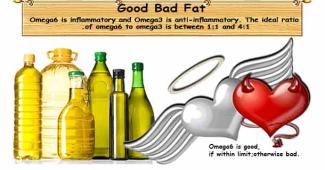
Omega 6 produces the inflammatory hormone. This hormone is necessary for the immune system and healing wound or injury. Omega-3 has the opposite function that is precursors to the anti-inflammatory compounds. Many researchers established the ideal ratio of omega-6 to omega-3 in the diet is between 1:1 and 4:1. Reference: “Evolutionary Aspects of the Dietary Omega-6 to Omega-3 Fatty Acid Ratio: Medical Implications.” Published in World Review of Nutrition and Dietetics 100 (2009): 1–21.
The polyunsaturated oils have been of concern in recent times. The researchers learned the high level of omega-6 is not desirable as once thought. So it is recommended to decrease the intake of the omega-6 polyunsaturated oil.
The omega number indicates the position of the first double bond.
High temperature and oxygen during extraction processing make the polyunsaturated fatty acids become reactive and form free radicals. Free radicals can cause heart disease, stroke, and even cancer. You should strict in avoiding industrial processed polyunsaturated oils corn, safflower, soy, and sunflower.
Omega 6 is pro-inflammatory and Omega 3 is anti-inflammatory.
Omega-3 is an “essential” fatty acid cannot synthesize by your body. These fatty acids reduce your risk of coronary heart disease. Additionally, it boosts your immune system. Omega 3 fatty acids are available in certain fish, grass-fed animal meat, flaxseed, walnut, chia seeds, and hemp seeds. Eat wild salmon twice a week; it is the best source of omega 3; farm-raised salmon should avoid at any cost.
Omega-6 fatty acids are in vegetable oils corn, canola, safflower, and soybean. Omega-6 is pro-inflammatory, thus reduce its consumption. You cannot necessary to avoid, instead increase the use of omega-3, which is anti-inflammatory.
A less common omega-6 fatty acid, gamma-linolenic acid (GLA) has anti-inflammatory effects along with other disease-fighting powers. GLA sources are rare oils such as black currant, borage, and hemp oils.
Polyunsaturated oils corn, soy, safflower, sunflower, and canola, are the worst choice for cooking. Since these oils are oxidized while heating and thus removes these omega-6 oils from your grocery list. Additionally, most of these vegetable oils are from GMO products.
Omega 3 to Omega 6 balance
The ideal omega-6 to omega-3 ratio is 1:1, but the American's ratio is 15:1 to 50:1!
Omega 6 produce inflammatory hormones, part of the immune system, and healing wound. Omega-3 has the opposite function, precursors to the anti-inflammatory compounds. Researchers have established the ideal ratio of omega6 to omega-3 in the diet is between 1:1 and 4:1. Reference: “Evolutionary Aspects of the Dietary Omega-6 to Omega-3 Fatty Acid Ratio: Medical Implications.” Published in World Review of Nutrition and Dietetics 100 (2009): 1–21.
Omega-6 fats are pro-inflammatory and contribute to insulin and membrane resistance, altering your mood, and impairing learning and cell repair. To avoid high levels of omega-6, you can stop all vegetable seed oil use.
If you do not lower your omega-6 fats to acceptable levels, you will not get wonderful benefits of omega-3 fats such as reduced risk of heart disease, cancer, stroke, Alzheimer's, arthritis and many other degenerative illnesses.
Daily needs of Omega3 & Omega6 fatty acids
Recommended daily intake is about 6 g/day (5 g omega6 + 1 g omega3) for women and 8 g/day (6.4 g omega6 + 1.6 g omega3) for men.
Cold-pressed Vs. Industrially processed oils
Traditional, cold-pressed unsaturated vegetable oils extra virgin olive oil, peanut oil, and sesame oil have been in use for hundreds of years. Cold-pressed process of oil extraction from seeds and nuts does not use chemicals or heat to extract the oil.
The modern processed oils such as soybean, sunflower, corn, canola, cottonseed, and safflower oil are usually GMO crops, as well as use high temperature and toxic chemicals to extract the oil from GMO seeds. Industrial processing damages the vegetable oil and converts fatty acids into harmful trans fat.
Blood Pressure Chart by Age

Blood pressure chart on this page can be helpful to figure out if your blood pressure is at a healthy number or if you need to take steps to improve your numbers.
Blood pressure reading includes systolic and diastolic pressure values. Systolic blood pressure is the peak pressure when the heart contracts while pumping blood. Diastolic blood pressure is the drop in force when the heart is at rest between beats.
Often blood pressure is noted as the systolic number above or before the diastolic, such as 120/80 mmHg. (The mmHg is millimeters of mercury, the unit to measure pressure.)
Blood Pressure Chart by Age
Naturally, aging loses the elasticity of the arteries. Thus blood pressure rises with age. The blood pressure chart on this page provides blood pressure related to age.
We came to know through medical studies that there is a thumb rule for the systolic number is 100 plus your age for men (100 plus age minus 10 for female).
The study SPRINT (Systolic Blood Pressure Intervention Trial) found that when systolic blood pressure was lowered to below 120 mmHg, there was a 27 % reduction in mortality from all causes compared to below 140 mmHg.
Some modern physicians thought that healthy blood pressure reading is 120/80 mmHg regardless of any consideration for age. Yes, it is always better to manage this number without considering the age. However, if you find hurdles, then it is ok for you to relax your target a little based on age.
Eight blood pressure categories or classifications
Eight blood pressure categories are as below (in mmHg):
- Optimal BP – Below 120 (SBP) & 80 (DBP). Best or most favorable blood pressure range. This range is good for your heart, kidney, other internal organs, and for overall health.
- Normal BP – Below 130 (SBP) & 85 (DBP). Blood pressure range noted among most healthy individuals. Even if it is not optimal, it is still considering a good number. Keep it up, stick with a healthy diet, and doing regular exercise.
- Prehypertension – Within 130 to 139 (SBP) & 85 to 89 (DBP). Prehypertension is considering as an alarm that you may develop hypertension at any time. Prehypertension individuals are likely to develop high blood pressure unless you introduce necessary healthy habits.
- Grade 1 HTN – Within 140 to 159 (SBP) & 90 to 99 (DBP). Stage 1 hypertension individual needs lifestyle changes and may consider taking blood pressure medication.
- Grade 2 HTN – Within 160 to 179 (SBP) & 100 to 109 (DBP). Stage 2 hypertension individual needs to take combination hypertension medication along with healthy lifestyle changes.
- Grade 3 HTN – Above 180 (SBP) & 110 (SBP). Stage 3 hypertension individual require immediate emergency medical care.
- Isolated systolic HTN (grade 1) – SBP within 140 to 159 & DBP below 90. Stage 1 isolated systolic hypertension individuals require a lifestyle change and may consider taking hypertension drugs. Care should be taken to avoid DBP less than 55 mm Hg in older patients with ISH.
- Isolated systolic HTN (grade 2) – SBP above 160 & DBP below 90. Stage 1 isolated systolic hypertension individuals require a lifestyle change and may consider taking hypertension drugs. Care should be taken to avoid DBP less than 55 mm Hg in older patients with ISH.
What blood pressure category you belong?
When systolic and diastolic blood pressures fall into different categories, you should use the higher category to classify blood pressure levels. For example, 150/79 mmHg would be stage 1 hypertension.
Also, you can consider hypertension even if you one number is high regardless of the other. If your systolic number is 140 or more, you may have hypertension, also if your diastolic number is healthy. If your diastolic number is 90 or more, you may have hypertension, even if your systolic number is healthy.
Healthy Pressure Range

Blood pressure is a vital indication, which reveals the overall health of a person. To understand healthy blood pressure range, you require to know what systolic and diastolic blood pressures are.
- Systolic blood pressure is the blood pressure number when the heart contracts (beats).
- Diastolic blood pressure is the blood pressure number between heartbeats (when the heart rests).
Blood pressure has two numbers, the upper one is systolic, and a lower one is diastolic. The systolic pressure represents the heart contracting pressure, while the diastolic pressure represents the heart relaxing pressure (in-between heart contracts).
Healthy Blood Pressure Reading
Our body cells need nutrients and oxygen to fulfill their energy needs. Blood circulation provides these nutrient and oxygen to every tissue, muscles, organs and cells through blood circulation from the heart to every part within the body.
The heart is a muscular pump that pumps blood throughout the body during your entire life span. Low oxygen blood enter into the lungs and reloaded with oxygen. Oxygen-rich blood sent throughout the body. The heart pumps out blood with some pressure so that it can easily reach extremes. This pumping of heart generates blood pressure.
How does your body maintain healthy Blood Pressure?
Baroreceptors are sensors in the blood vessels that sense the blood pressure and send it to the brain, so that the brain maintains a healthy blood pressure by communicating with the kidneys, arteries, veins, and heart to increase, decrease, or maintain blood pressure, as needed. Its function is to ensure all the organs and tissues receives sufficient blood supply.
If your blood pressure is too high, baroreceptors send a signal to the brain. The brain instructs
- The heart to beat slower, pump less blood per beat,
- Relaxes the arteries that carry oxygen-enriched blood from the heart,
- Constrict the veins that carry oxygen-depleted blood to the heart.
Results in a drop in blood pressure until it attains healthy blood pressure.
On the other hand, if your blood pressure is too low, baroreceptors send signals to the brain. The brain instructs
- The heart to beat faster, pump more blood per beat,
- Constructs the arteries that carry oxygen-enriched blood from the heart,
- Relaxes the veins that carry oxygen-depleted blood to the heart.
Results in rise in the blood pressure until it attains healthy blood pressure.
If the above said control loop not able to maintain healthy blood pressure, then next master control system involving kidney is pressed into the service.
- If the blood pressure is high, kidney pulls more water out of the blood by excreting more urine than usual thus decrease blood pressures.
- If the blood pressure is low, kidney keeps more water in the blood by excreting less urine than usual thus increases blood pressure.
This control loop is slow acting; it takes hours compared to baroreceptor control which is very quick.
What is normal healthy blood pressure?
There is no standard for normal healthy blood pressure; this value varies from one country to another and from one institution to another based on their experience and the knowledge.
Normal blood pressure range is a blood pressure needed to keep the system healthy, and the chances of developing complication are at the lowest.
Based on the studies and collective information, the common opinion is a systolic blood pressure of 110 plus or minus 10 mmHg and diastolic blood pressure of 70 plus or minus 10 mmHg.
The study SPRINT (Systolic Blood Pressure Intervention Trial) found that when systolic blood pressure was lowered to below 120 mmHg, there was a 27 % reduction in mortality from all causes compared to below 140 mmHg.
The History of Lipid & Cholesterol Discovery

The history of cardiac care spans centuries. Understanding lipids transformed modern medicine. Discover the key milestones below.
Early Anatomy & Blood Circulation
- Cave drawings: First heart diagram found in Spain.
- 1555: Andreas Vesalius disproved liver-centric blood theories.
- 1559: Riva di Trento described coronary arteries.
- 1628: William Harvey proved heart pumps blood.
The Cholesterol Timeline
- 1758: Cholesterol first isolated from gallstones by Francois Poulletier de La Salle.
- 1815-1838: Named "cholesterol" by Michel Eugene Chevreul, later found in human blood.
- 1932-1964: Structure defined by Adolf Windaus; synthesis mapped by Dr. Konrad Bloch.
Atherosclerosis & Lipoproteins
- 1850s: Richard Quain and Rudolf Virchow defined atherosclerosis and fatty vascular deposits.
- 1951: Elevated LDL identified in heart patients.
- 1973-1985: Joe Goldstein, Michael Brown, and team identified LDL pathways and receptor mechanisms.
The Diet-Heart & Lipid Hypothesis
- 1913: Nikolai Anitschkow linked cholesterol to atherosclerosis in rabbits.
- 1950s-1970s: Ancel Keys proposed the 7-country study, sparking debate over fat vs. sugar (John Yudkin) in diet-heart links, leading to the 1977 dietary guidelines.
Evolution of Lipid Testing
- 1934: First cholesterol blood tests.
- 1950s-1969: John Gofman isolated plasma lipoproteins, leading to the Friedewald formula for calculating LDL.
Breakthroughs in Cholesterol Treatment
- 1955: High-dose niacin found to lower cholesterol.
- 1976-1987: Akira Endo isolated the first HMG-CoA inhibitor, leading to the 1987 approval of Lovastatin.
- 1997-2008: Ezetimibe developed; JUPITER trial highlighted the role of inflammation and CRP.
Frequently Asked Questions (FAQs)
Who discovered cholesterol and when?
French physician François Poulletier de la Salle first isolated cholesterol in solid form from gallstones in 1758. In 1815, French chemist Michel Eugène Chevreul purified the sterol and officially named it "cholesterol" (from the Greek chole for bile and stereos for solid).
When was the link between cholesterol and heart disease discovered?
The link was first suggested in 1854 when Dr. Rudolf Virchow described atherosclerosis as an arterial clog caused by excess cholesterol deposition. Later, in 1913, scientist Nikolai Anitschkow definitively established the lipid hypothesis by feeding cholesterol to rabbits and inducing plaque formation.
When were HDL and LDL cholesterol identified?
Doctors David Barr, Edward Russ, and Howard Eder first noted in 1951 that heart disease patients had elevated low-density lipoprotein (LDL) and decreased high-density lipoprotein (HDL) levels. The formal measurement formula (Friedewald formula) to calculate LDL based on total cholesterol, HDL, and triglycerides was developed in 1969.
Who won the Nobel Prize for cholesterol research?
Several scientists won the Nobel Prize for charting cholesterol metabolism:
- 1927: Adolf Windaus and Heinrich Wieland for discovering the chemical structure of cholesterol and bile acids.
- 1964: Konrad Bloch and Feodor Lynen for mapping the complex cholesterol synthesis and fatty acid pathways.
- 985: Michael Brown and Joseph Goldstein for discovering the LDL receptor pathway and its genetic role in hypercholesterolemia.
When was the first cholesterol-lowering statin drug invented?
In 1976, Japanese biochemist Akira Endo isolated the first HMG-CoA reductase inhibitor (Compactin) from the fungus Penicillium citrinum. This breakthrough directly led to the approval of Mevacor (lovastatin) in 1987 as the world’s first commercial statin drug.
Hypertension Blood Test

Once you are diagnosed as hypertension, then you should know the reason behind the cause of hypertension.
Purpose of hypertension blood tests
Blood test for hypertension patients has three objectives are secondary hypertension causes, know whether hypertension caused organ damage, and know your risk for cardiovascular disease.
Evaluation of hypertension patients has three objectives; they are:
- Diagnose or rule out a secondary cause of high blood pressure (such as renal artery stenosis, hyperaldosteronism, pheochromocytoma, coarctation of the aorta, cushings's syndrome, renal disease and coarctation of the aorta).
- Check whether the high blood pressure has caused target organ damage (such as Coronary heart disease, myocardial infarction, left ventricular hypertrophy, aortic aneurysm, peripheral vascular disease, retinopathy, hypertensive encephalopathy, chronic kidney failure, cerebral hemorrhage, stroke and heart failure).
- Check risk factors for cardiovascular diseases, such as a high-cholesterol level or high blood-glucose level (diabetes).
Obtain all this required information from your medical history, physical examination, laboratory investigations and other diagnostic procedures.
Hypertension Physical examination
Immediately, after hypertension diagnosis, your initial physical examination should include:
- Need to take three blood pressure measurements (ignore the first) on three separate occasions with the patient seated, back and arm supported.
- Measure BP in both arms, if the values are different, the higher value should use subsequently.
- Measures your height, weight and waist circumference; waist circumference provides necessary information regarding cardiovascular risk related to obesity.
- Examine for hypertensive retinopathy.
- Examine your neck for carotid bruits, distended veins or an enlarged thyroid gland.
- Heart examination for abnormalities in rate and rhythm, increased size, precordial heave, clicks, murmurs, and third & fourth heart sounds.
- Examine the lungs for rales (an abnormal crackling or rattling sound) and bronchospasm (spasmodic contraction of the smooth muscle of the bronchi, as in asthma).
- Examine the abdomen for bruits, enlarged kidneys, masses and abnormal aortic pulsation.
- Examine the extremities for diminished/absence of peripheral arterial pulsations, bruits and edema.
- Neurological examination
- Initial laboratory studies
Initial tests for hypertension
Initial lab tests should include:
- Use a 12-lead electrocardiogram to look for left ventricular hypertrophy (LVH), using voltage criteria.
- Urinalysis is to measure protein and blood levels in urine.
- Complete blood cell count
- Perform the random plasma glucose test, if elevated; do fasting blood glucose, OGTT, or A1C test?
- Measure the serum electrolyte levels - sodium, potassium, creatinine (test that measures kidney function), and calcium.
- Random lipid profile; it includes total cholesterol, HDL cholesterol, LDL cholesterol and triglycerides.
Additional tests will order based on clinical findings. These may include but are not limited to complete blood count, chest x-ray, uric acid and urine micro-albumin.
Hypertension Diagnosis

Blood pressure test is quick and easy, it measures pressure in millimeters of mercury (mmHg) and recorded as two numbers systolic over a diastolic, example, 120 over 80 or 120/80.
Hypertension Diagnosis
Blood pressure is a vital indicator of the overall health. To understand blood pressure diagnosis you require to know about:
- Systolic blood pressure – this is the blood pressure when the heart contracts (beats). It is the first or top number in the blood pressure measurement.
- Diastolic blood pressure – this is the blood pressure between heartbeats (when the heart rests or relaxes). It is the second or bottom number in the blood pressure measurement.
8 blood pressure categories in mmHg
- Optimal BP – Below 120 (SBP) & 80 (DBP). The most favorable blood pressure range. This range is good for your heart, kidney, other internal organs, and for overall health. Recheck BP every year.
- Normal BP – Below 130 (SBP) & 85 (DBP). Blood pressure range noted among most healthy individuals, even if it is not optimal. Recheck BP every year.
- Prehypertension – Within 130 to 139 (SBP) & 85 to 89 (DBP). Prehypertension is an alarm that you may develop hypertension at any time. Recheck BP once in 3 to 6 months.
- Grade 1 HTN – Within 140 to 159 (SBP) & 90 to 99 (DBP). Stage 1 hypertension individual needs lifestyle changes and may consider taking medication. Recheck BP once in 2 months & treat accordingly.
- Grade 2 HTN – Within 160 to 179 (SBP) & 100 to 109 (DBP). Stage 2 hypertension individual may need to take combination hypertension medication. Recheck BP within one month & confirm treatment.
- Grade 3 HTN – Above 180 (SBP) & 110 (SBP). Stage 3 hypertension individual require immediate emergency medical care. Recheck BP within one week, until BP drops.
- Isolated systolic HTN (grade 1) – SBP within 140 to 159 & DBP below 90. Stage 1 isolated systolic hypertension individuals require a lifestyle change and drug. Care should be taken to avoid DBP less than 55 mm Hg in older patients with ISH. Recheck BP once in 2 months & treat accordingly.
- Isolated systolic HTN (grade 2) – SBP above 160 & DBP below 90. Stage 1 isolated systolic hypertension individuals require a lifestyle change and drugs. Care should be taken to avoid DBP less than 55 mm Hg in older patients with ISH. Recheck BP within one month & confirm treatment.
How to you prepare yourself for hypertension diagnosis?
Blood pressure measurement can influence by numerous factors; thus, you should prepare yourself to avoid these negative influences.
- Coffee or smoking - Do not drink coffee or smoke cigarettes for 30 minutes before the test. Smoking and caffeine may cause a short-term rise in the blood pressure.
- Empty your bladder - Go to the bathroom, urinate to empty the bladder, a full bladder can show an elevated blood pressure reading.
- Sit comfortably - Sit in a comfortable position for 5 minutes before the test, movement can cause short-term rises in blood pressure.
- No tension/anxiety - Avoid tension-anxiety and make yourself-cool, anxiety may raise pressure.
- Rest before measurement - Do not perform any strong physical activity before blood pressure diagnosis.
Correct procedure for hypertension diagnosis
Blood pressure measurement is easy to take using sphygmomanometer or automatic blood pressure monitor; it takes just less than 5 minutes for a single reading.
How to take blood pressure measurement?
- BP on both arm - Blood pressure measurement varies from one arm to another; measure blood pressure in both arms and use the arm with higher reading for subsequent measurements.
- Relax - You should relax for at least 5 minutes in a proper sitting position before BP measurement.
- Support the arm - Rest your arm by supporting it at the level of the heart. Ensure no tight clothing that might constrict the arm.
- Proper cuff position - Neatly place the cuff with the indicator mark over the brachial artery. The bladder should cover at least 80 % of the arm (but not more than 100 % – that is bladder encircle over the bladder).
- Repeat three times - You should repeat blood pressure measurement three times and record measurement as displayed. Calculate an average value, which is your actual blood pressure number.
Both systolic blood pressure (SBP) and diastolic blood pressure (DBP) in a blood pressure reading are important.
At a younger age, DBP number is most useful, and when grows older, SBP is especially significant.
How do you avoid incorrect hypertension diagnosis?
Blood pressure can vary from time to time and affected by many factors, the food you ate, the level of physical activity, your mental state (stress, anxiety, etc.) and much more. Some of those factors that can affect your blood pressure and may contribute to incorrect blood pressure measurement are:
- Biorhythms or circadian rhythm in blood pressure - your body responded rhythmically on the regular cycles of day, afternoon, evening, night, sun, moon and seasons. Similarly, the highest BP reading occurs during late morning up to the middle of the afternoon. The lowest reading occurs during early sleep. Therefore, discuss with your physician regarding this biorhythm before you confirmed as high blood pressure.
- Only one blood pressure reading has no meaning - Blood pressure can be influenced by the time during the day. Some of the influencers are food you have recently eaten (particularly salty foods), your mental state (stress, anxiety, etc.), the level of recent physical activity, how well you sleep on previous night and temperature inside the room. Therefore, you must take two to three BP reading at different times during a day; calculate the average that is your blood pressure number.
- White coat syndrome - high BP reading in front of white-coated persons (doctors, nurses or other health-care professional) otherwise the blood pressure is normal.
The Ultimate Guide to Fat Metabolism: Digestion, Lipoproteins, and the Truth About Cholesterol
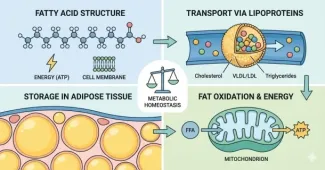
When we discuss heart health, fat metabolism (also known as lipid metabolism) is often misunderstood. For decades, dietary fats have been cast as the primary cause of arterial blockages. However, the reality of how your body handles, processes, and transports lipids is a highly coordinated biological masterpiece.
Understanding the mechanisms of fat digestion, lipid absorption, and lipoprotein pathways is crucial to achieving healthy cholesterol balance naturally.
What is Fat Metabolism?
At its core, fat metabolism is the complex physiological process involving fat digestion, intestinal absorption, liver lipoprotein synthesis, and the recycling of bile acids.
Lipids (the biological term encompassing fats, oils, and waxes) do not merely store energy. They provide structural integrity to your cells, act as neural insulation, and serve as the foundational building blocks for critical hormones.
The Link Between Carbs and Fat Storage
Your lipid metabolism works in tandem with your carbohydrate metabolism. When you consume carbohydrates, they break down into glucose. The body converts immediate excess glucose into glycogen. However, when glycogen stores are entirely full, the remaining glucose is converted directly into fat for future survival needs.
Understanding the Three Main Types of Fats
Before exploring how lipids travel through your blood, it is essential to distinguish the three main classes of fats:
- Simple Lipids (Triglycerides): Making up roughly 98% of all dietary and stored body fats, triglycerides consist of three fatty acids bound to a glycerol backbone.
- Saturated Fats: Found in animal meat and dairy, these possess no carbon-to-carbon double bonds, making them solid at room temperature and structurally harder to break down.
- Unsaturated Fats: Found primarily in plant oils, these have one or more double bonds, making them liquid at room temperature and easier for the body to break down.
- Compound Lipids: These are lipids fused with other chemically active compounds. They include phospholipids (essential for cellular membranes), glycolipids, and lipoproteins.
- Derived Lipids: Hydrocarbon ring structures rather than chains. Cholesterol is a derived lipid that exists inside every human cell membrane.
What Are Lipoproteins? Your Vascular Transport Vehicles
Because fats are hydrophobic (meaning they do not mix with water) and your blood plasma is primarily water, lipids cannot travel through the circulatory system alone.
To move freely, your body wraps fats inside apolipoproteins (special transport proteins) to form soluble spheres called lipoproteins. Lipoproteins are categorized entirely by their density—determined by the ratio of fat to protein within them:
- Chylomicrons: Massive, low-density particles formed by the intestines to distribute dietary triglycerides to muscle and fat tissues.
- Very Low-Density Lipoproteins (VLDL): Produced endogenously by your liver to distribute fatty acids and energy between meals or during fasting.
- Intermediate-Density Lipoproteins (IDL): The short-lived transitional state when a VLDL particle sheds its core triglycerides.
- Low-Density Lipoproteins (LDL): Commonly called "bad cholesterol". LDL's primary job is to deliver vital cholesterol from the liver out to the peripheral tissues, brain, and hormone-producing glands.
- High-Density Lipoproteins (HDL): Known as "good cholesterol". HDL functions as a vascular clean-up crew, collecting excess circulating cholesterol and hauling it back to the liver.
The Three Essential Pathways of Lipid Homeostasis
Your body maintains a precise baseline of cellular lipids through three highly controlled pathways:
[Dietary Fats] ──> Exogenous Pathway ──> [Chylomicrons to Tissues]
│ (Remnants to Liver)
▼
[Liver Lipids] ──> Endogenous Pathway ──> [VLDL ──> IDL ──> LDL to Tissues]
▲
│ (Excess Cleared)
[Tissues/Cells] ─> Reverse Cholesterol Transport ─┘ [HDL back to Liver]
1. The Exogenous Pathway (Dietary Fat Absorption)
This pathway deals with the processing of fats derived directly from the foods you eat.
- Emulsification: In the small intestine, bile acids act like a biological detergent, splitting large fat globules into highly exposed, smaller droplets.
- Hydrolysis: Pancreatic lipase enzymes break those droplets down into monoglycerides and free fatty acids.
- Chylomicron Launch: Intestinal cells absorb these free components, repackage them into chylomicrons, and discharge them into the bloodstream via the lymphatic vessels.
- Tissue Delivery: As chylomicrons flow past fat cells and muscle tissues, an enzyme called lipoprotein lipase strips away triglycerides for storage or immediate structural use. The remaining "chylomicron remnants" return directly to the liver for extraction.
2. The Endogenous Pathway (Liver-Driven Synthesis)
Your liver acts as an internal factory, creating its own lipids regardless of what you eat. In fact, endogenous liver production accounts for roughly 67% to 75% of your daily cholesterol requirement.
- When your dietary intake drops, your liver automatically scales up its production to satisfy your cells' physiological needs.
- The liver packs these fats into VLDL, releasing them into circulation between meals.
- Once muscle and adipose tissues drain VLDL of its triglycerides, the particle shrinks into an IDL, which the liver rapidly remodels into cholesterol-dense LDL.
3. Reverse Cholesterol Transport (Vascular Clearing)
This pathway is your body's main mechanism for preventing plaque buildup. HDL particles are synthesized by the liver and intestines completely empty of cholesterol.
Using advanced anti-inflammatory properties, HDL hunts for excess, oxidized cholesterol in your peripheral tissues and arterial walls. It loads this stray lipid waste into its core and ships it securely back to the liver to be safely processed into bile acids or discarded via feces.
When Fat Metabolism Fails: The Atherosclerosis Risk
High systemic cholesterol is rarely a disease on its own; it is typically an adaptive physiological reaction to insulin spikes and chronic systemic inflammation.
Small, Dense LDL vs. Large, Buoyant LDL
Standard medical panels measure your total mass of LDL, but particle size matters far more than total volume:
- Large, Buoyant LDL: These large, fluffy particles glide smoothly through your blood vessels without sticking.
- Small, Dense LDL: Triggered by diets high in refined carbohydrates and processed sugars, these small, easily oxidized particles penetrate the delicate endothelial walls of your arteries. Prolonged vascular exposure causes rapid oxidation, provoking inflammation and creating dangerous arterial plaque.
Naturally Optimizing Your Lipid Pathways
Rather than artificially altering blood values, focusing on the root metabolic causes allows your body to regulate its lipid pathways naturally:
- Eliminate Refined Sugars: Reducing processed flours and simple carbohydrates prevents the frequent insulin spikes that cause the liver to overproduce harmful, small, dense LDL.
- Prioritize Soluble Fiber: Eating ample fiber binds tightly to bile acids in your digestive tract, helping flush old cholesterol waste from the body.
- Incorporate Omega-3 Healthy Fats: Replacing processed trans fats with high-quality omega-3 fatty acids (like cod liver oil) increases protective HDL levels and lowers circulating triglycerides.
Frequently Asked Questions (FAQ)
What is the main function of lipid metabolism?
The primary goal of fat metabolism is to digest, absorb, and transport hydrophobic fats through a water-based bloodstream. It converts dietary nutrients into usable cellular energy, maintains membrane stability, and facilitates hormone synthesis across peripheral tissues.
What is the difference between endogenous and exogenous cholesterol?
Exogenous cholesterol comes directly from dietary food sources through intestinal absorption, supplying about 25% to 33% of your needs. Endogenous cholesterol is produced directly by your liver and body cells, fulfilling the remaining 67% to 75% of your metabolic requirements.
Why are low-fat diets often ineffective at lowering cholesterol?
Your body operates under strict lipid homeostasis. When you dramatically lower your intake of dietary fats, your liver compensates by increasing its internal endogenous cholesterol synthesis. Consequently, simple low-fat diets often result in only minor blood lipid variations.
How do chylomicrons differ from VLDL?
While both are designed to transport energy-rich triglycerides to muscle and fat cells, their origins differ. Chylomicrons handle the exogenous pathway, carrying dietary fats absorbed by the small intestine. VLDL handles the endogenous pathway, moving fats synthesized internally by the liver during fasting or between meals.
What causes LDL cholesterol to become dangerous?
LDL particles become dangerous when they shrink into small, dense, oxidized variants. This structural shift is primarily driven by chronic inflammation and high insulin levels caused by a diet rich in refined carbohydrates and sugars. These tiny particles easily lodge in arterial walls, initializing plaque formulation.
Hypertension Causes
Blood pressure tends to rise with age unless taking steps to prevent or control it. Several conditions favor and contribute to the cause of hypertension.
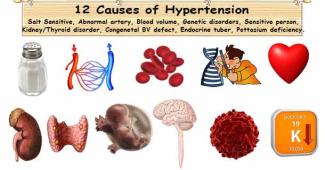
12 Causes of Hypertension
Primary or essential hypertension is in about 90 to 95 percent of individuals with high blood pressure. There is no identifiable hypertension cause; it develops gradually over several years.
Secondary hypertension is in about 5 to 10 percent individual with high blood pressure. There is an identifiable underlying condition that causes hypertension; it develops suddenly. The various health conditions that cause hypertension are kidney problems, adrenal gland tumors, and congenital blood vessel defects.
5 Causes of Primary or Essential Hypertension
Even though we do not know the exact cause of high blood pressure; still, various studies show there are some health traits that can contribute to the causes.
- Salt-sensitive individuals - are more likely to develop water retention, which in turn causes elevated blood pressure. A study confirms that the majority of people with hypertension are oversensitive to salt.
- Abnormality in the arteries – the majority of the hypertensive have some particular defect in the arteries. The abnormalities are arterial stiffness (lack of elasticity) and narrow. Narrowing or stiffening of arteries leads to rising in blood pressure. Narrowing of arteries is due to aging and other health conditions such as diabetes, cholesterol, etc.
- Blood volume increase or forceful heart beating - That is more than the average volume of blood and heart beating forcibly leads to elevated blood pressure.
- Genetic disorders - approximately about 30 % of essential hypertension are due to hereditary, mostly affecting the hormones of the adrenal gland may cause hypertension.
- Sensitive individuals - Stressful life leads to increased activity of the sympathetic nervous system, causing a rise in norepinephrine release. It leads to an increase in cardiac output, thus rise in blood pressure.
According to Ayurveda, impaired digestion leads to accumulation of ama (toxins) in the system preventing normal blood flow, which leads to the high blood pressure.
In the case of primary hypertension of unknown cause, you need anti-hypertension drug treatment to manage blood pressure at a healthy pressure range.
7 Causes of Secondary Hypertension
In few with high blood pressure, their underlying health condition causes hypertension. Mostly, they develop suddenly due to the severity of the health condition responsible for its cause.
In few with high blood pressure, their underlying health condition causes hypertension. Mostly, this develops suddenly due to the severity of the health condition responsible for its cause.
Some of the medical conditions causing secondary hypertension are problems with kidney, adrenal, thyroid, congenital blood vessels, sympathetic nervous system, and hypokalemia.
Some of the medical conditions causing hypertension are:
1. Kidney Damage - Without proper kidney functions, the toxins in the body are not filtered out. A defect in the kidneys cannot properly regulate blood pressure and leads to hypertension.
a. Renal artery stenosis (Renovascular disease) - this kidney condition that can increase renin release. Then, it raises the levels of angiotensin II and aldosterone. The increase in renin increases blood volume due to improved reabsorption of sodium and water. The rise in angiotensin II causes an increase in cardiac output. The net effect is elevated blood pressure.
b. Chronic renal disease - is damage to the nephrons in the kidney occurs due to any number of pathologic processes. This condition stops the kidney to excrete a reasonable quantity of sodium, leads to sodium and water retention. Therefore, blood volume increases; thus, blood pressure gets elevated.
2. Adrenal problems (tumor, adenoma, or hyperplasia) increases aldosterone circulation, which causes sodium and water retention. Thus creating an elevation in blood pressure.
a. Pheochromocytoma – are tumors in the adrenal. It leads to high levels of epinephrine and norepinephrine. It leads to systemic vasoconstriction and cardiac stimulation; this contributes to a rise in blood pressure.
b. Renin-Angiotensin-Aldosterone System - It produces angiotensin and aldosterone hormones. Angiotensin constricts blood vessels; this leads to an increase in blood pressure. Aldosterone controls the kidney’s fluid and salt level balance. Increased aldosterone activity may change kidney function, increase blood volumes, and high blood pressure.
3. Thyroid disorder - both hyper and hypothyroidism can cause high blood pressure. Although hypertension mechanism is not still precise. The increase in thyroxine levels causes an increase in blood volume and a rise in heart rate; both this may contribute to an elevation in blood pressure.
4. Congenital blood vessels defect - Structural and functional changes of small and large arteries may cause high blood pressure. The angiotensin pathway and the immune system may stiffen small and large arteries; this affects blood pressure.
5. Sympathetic Nervous System Activity - has vital functions in blood pressure regulation; they are heart rate, blood pressure, and breathing rate. Imbalances in this system cause high blood pressure.
6. Neuroendocrine Tumor - are abnormal growths in endocrine glands. Endocrine glands produce hormones. These hormones produced excessively by the endocrine tumors and released into the blood. People with a neuroendocrine tumor may cause high blood pressure.
7. Hypokalemia - a condition characterizes by the low level of potassium in the blood than usual. It causes sodium-potassium imbalance, leads to sodium & water retention, causing an increase in blood pressure.
In the case of secondary hypertension with the known cause, you need to treat the underlying condition first, at the same time, you need anti-hypertensive medication too.
White Coat Hypertension
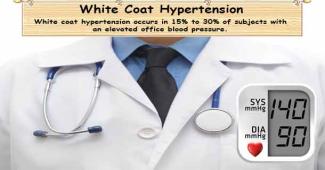
Some people experiencing elevated blood pressure in front of doctors or nurses (white coats) otherwise the blood pressure is normal considering as white coat hypertension/syndrome.
White-coat hypertension occurs in 15% to 30% of subjects with an elevated office blood pressure.
What is white coat hypertension or syndrome?
What causes white coat hypertension?
White coat effects often because of stress, nervous, or anxious about having your blood pressure tested by a doctor or nurse.
If you are anxious, systolic and diastolic blood pressure may rise to 30mmHg.
These causes are mostly due to the clinical environment. Many knowing have and feel their nervous or anxious. Few others unknowingly have this feeling.
What are the symptoms of white coat hypertension?
7 common white coat syndrome symptoms are:
- Racing heart - or palpitation means heart beats harder or faster.
- Unusual sweating
- Trembling or Shaking
- Shortness of breath (Swallow breathing)
- Cold or sweaty limbs
- Not being able to be still and calm.
- Dry mouth
If any of the above-said symptoms exist in the clinical environment, then suspects white coat hypertension.
How do know you have white coat syndrome?
You may be nervous or anxious about your blood pressure taken by the doctor or nurse without you or your doctor realizing it. The only way to know for sure is to compare the readings taken in the doctor’s office with readings taken at home.
If your doctor suspects white coat hypertension, then he/she may ask to check your blood pressure at home or to wear a device called an ambulatory blood pressure monitor. Usually, worn this device for 24 hours and can take blood pressure every 30 minutes.
What can you do about white coat hypertension?
You should wait for 3 to 5 minutes before measuring your blood pressure. The best practice is to take 3 BP measurements and average the readings to get your exact blood pressure measurement.
Relax and calm down helps to bring your blood pressure back to normal. Just rest for a while before having your blood pressure measured. Take few deep breath, ensuring the diaphragm (not the chest) inflates.
Studies have been suggested that white coat hypertension may simply be a precursor of sustained hypertension.
Reference: Isolated office hypertension: a prehypertensive state? Journal of Hypertension. 1996; 14:327–332. People with white coat hypertension do not need any treatment. Still, they are more prone to hypertension later in their lives.
Thus people with white coat syndrome need to follow high blood pressure lifestyle changes to prevent or avoid hypertension.
Hypertension Risk Factors

Specific traits, conditions, or habits might increase your chances to develop hypertension called high blood pressure risk factors.
13 Hypertension Risk Factors
Many of the below said hypertension risk factors can be modified by adopting a healthy lifestyle.
- Overweight or Obesity – if the body mass index (BMI) is between 25 to 30 kg/m3 is considering as overweight and if the BMI is more than 30kg/m3 is considering as obese. Excess weight increases your risk of developing high blood pressure. Therefore, lose weight until you reach a healthy weight. Obese people are two to six times more likely to develop high blood pressure.
- Unhealthy diet - especially high carb, high sodium and low potassium diet. Too much of refined carb & sodium and too little of potassium tends to raise your blood pressure. On the other hand, reducing sodium and raising potassium can lower your blood pressure. Avoid packed and preserved foods, because they contain large quantities of sugar, refined carbs, sodium salt, and chemicals.
- Alcohol use - drinking too much alcohol tends to raise blood pressure, anything less than one to two drinks of alcohol per day is considering ok.
- Lack of physical activity – tends to develop obesity and high blood pressure.
- Smoking – can harden/stiffen (lose elasticity) the arteries and lead to elevated blood pressure.
- Stress – situations make the adrenalin gland to secrete more adrenaline hormones. Also, long lasting stress makes the body practiced to this excess adrenaline, in due course leads to elevated blood pressure.
- Certain Medicines - Non-steroidal Anti-inflammatory Drugs (NSAIDs) such as Ibuprofen (Advil, Motrin, Ibuprofen) can worsen or develop high blood pressure. Additionally, it causes damage to the kidneys, worsens heart failure, and increases heart attack or stroke risk. A cough and cold medicines containing decongestants such as pseudoephedrine and phenylephrine can raise your blood pressure and heart rate by constricting your arteries, not only those in your nose. Birth controls pills contain a synthetic mixture of hormones estrogen and progesterone; these hormone can raise your blood pressure.
- Certain chronic conditions - may increase your risk of high blood pressure, they are diabetes, kidney disease, and sleep apnea. Sleep apnea is a sleep disorder characterize by stop breathing for a while (10 and even up to 30 seconds) during sleep. Hormone-replacement therapy can induce elevated blood pressure in some individual.
- Low in Vitamin D - can lead to high blood pressure. Researchers suggest vitamin D may affect an enzyme made by your kidneys raises your blood pressure. Exposing to the rising sun for about 10 to 30 minutes is the easy, safe, and economical fix for this problem.
- Aging – greatly increases the likelihood to develop high blood pressure, especially elevated systolic readings, this is mostly due to hardening of arteries due to aging.
- Family history – hereditary play an important role towards high blood pressure; it appears to run in families. It might be most likely due to the unhealthy lifestyle that is carried over to the next generation.
- Gender - men have an increased chance of developing high blood pressure than women.
- Prehypertension or gestational hypertension – those who have already diagnosed as hypertension or having had high blood pressure during pregnancy, are more likely to develop hypertension than normal individuals.
Aging, family history, gender, and prehypertension/gestational hypertension are the risk factors that cannot be modified called unchangeable or non-modifiable hypertension risk factors. Other risk factors can be reduced with some consistent healthy lifestyle changes called changeable or modifiable hypertension risk factors.