
Hypertension Exercises
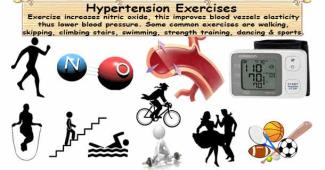
Hypertension exercise help lower your blood pressure and is right for your heart, kidney, and other organs.
Exercise, blood pressure, and your heart
What happens in your body during exercise? When you exercise, heart rate rises, and your heart forces more blood to flow through your blood vessels. It makes the endothelial cells in the blood vessel lining to release more nitric oxide, which makes the blood vessel to widen to accommodate excess blood flow. This construction and widening of blood vessels by exercise help to maintain blood vessel elasticity as well as prevent plaque formations.
Can exercise help lower my blood pressure? Activity is one of the best remedies to lower your blood pressure. A single workout reduces blood pressure for an entire day, and regular exercise keeps the blood pressure in control for the long term.
Can exercise replace antihypertensive medicines? If you are already on medication for hypertension, regular exercise may allow you to lower the medicine dosage. If your blood pressure is only marginally high, then exercise routine might allow you to control blood pressure without medication.
Can exercise help prevent hypertension? Regular exercise is not only useful in the treatment of hypertension, but also the prevention of hypertension. Because exercise helps to maintain arterial elasticity, improves hearts pumping capacity, maintain a healthy weight, and better circulation.
The most common cause of high blood pressure is your blood vessel losing its elasticity. Once you start doing exercise, then your blood vessel start regaining its elasticity and thus normalizes your blood pressure over time.
You do not need to spend hours in the gym to get these exercise benefits. Walking, taking the stairs instead of the elevator, and washing your car can help increase the secretion of nitric oxide, improve blood vessel’s elasticity, and lower your blood pressure.
Nitric oxide helps to keep your blood vessels relaxed (widen). You know at the early plaque building stages of arteriosclerosis, there is a reduced quantity of nitric oxide in the blood vessels.
Unless the doctor tells you otherwise, you can get a minimum of 30 minutes of moderate-intensity activity on most or all days of the week. Do these 30 minutes of exercise at one stretch or break it up into 10 minutes each?
Ways to improve physical activities
Physical activity has an important part in treating and preventing hypertension. Becoming more active can lower your systolic blood pressure by an average of 4 to 9 mm Hg.
- Walk while talking on the phone.
- Play with the kids and take a dog for a walk.
- Cleaning the house, do gardening, watering plants, rake leaves, washing vehicle.
- Try using stairs instead of the elevator or lift.
- Walk the most instead of using vehicles.
- At the office; walk to see the co-worker instead of calling or emailing.
High Blood Pressure Exercises
How does exercise lower hypertension? Exercise can help increase the secretion of nitric oxide, improve blood vessel’s elasticity, and lower your blood pressure. Practice makes your heart stronger, pump more blood with less effort, the force on your arteries decreases, and lower your blood pressure. Additionally, regular exercise help maintains a healthy weight, another important way to lower blood pressure.
What kind of exercise works best to lower blood pressure? One of the best most straightforward exercises you can do is regular walking. Any form of physical activities can help lower your blood pressure, such as aerobic activity, strength training, and flexible exercise.
Aerobic exercise
Aerobic activity can be an effective & easy first step to controlling high blood pressure. Strengthening exercise such as weight lifting is the second line of exercise important to lower blood pressure.
Additionally, flexibility exercises can also help lower your blood pressure.
Aerobic exercise makes your heart beat faster, breathe harder; lungs expand, and energize the whole body. Also, aerobic exercises burn extra calories, help to lower weight, which in turn helps lower blood pressure.
Few aerobic exercises for hypertension
- Household chores such as mowing the lawn, gardening, raking leaves, and cleaning floor/utensils,
- Playing basketball, tennis or other sports,
- Brisk walking,
- Jogging,
- Riding bicycling; outdoor or indoor,
- Swimming or attending water aerobics class,
- Dancing,
- Climbing stairs,
- Skating,
- Cross-country skiing
There is evidence that aerobic activity helps reduces blood pressure; SBP by about 4 mmHg and 2.5 mmHg for DBP. Doing the aerobic exercise for 30 minutes a day on most of the days or all days of the week provides many benefits. You can split up this 30 minutes exercise session into three of 10-minutes each.
Strength exercise for hypertension
In addition to aerobic exercise, many people suggest incorporating resistance exercise.
Resistance or strength training can temporarily raise your blood pressure during exercise. This raise is notable depending on how much weight you lift. Also, it can produce long-term benefits to your blood pressure and cardiovascular health. There is evidence that resistance exercise helps reduces blood pressure; SBP by about 3 mmHg and 3.5 mmHg for DBP.
Few strength exercises
- Bodyweight exercises
- Hand weights
- Kettlebells
- Resistance bands
- Medicine balls (exercise balls)
- Water jug workouts
- Resistance machines at the gym
- Strength classes at the gym
- Rope climbing or rock wall climbing
The exercise prescriptions for hypertension include a duration of 20 to 60 minutes of aerobic exercise 3 to 5 times a week. If new to exercise, then start slowly with five to ten minutes a day and add a little more time each week, aiming for at least two to three hours per week.
Hypertension exercise benefits
Exercising can lower your blood pressure; additionally, it improves your overall well-being.
Some of the most common hypertension exercise benefits are:
- Lower blood glucose & blood pressure,
- Lesser chances of high cholesterol,
- Lower the risk of heart disease and stroke,
- Stronger heart and bones,
- Keep the joints flexible,
- Lose weight,
- Gain more energy,
- Reduce stress levels,
Exercise safety considerations
Caution: If you have had a heart attack or coronary artery disease, then consult your doctor before starting an exercise regimen.
If you are presently on a sedentary lifestyle, then you should begin by doing the low-intensity exercise of short duration, say 10 minutes. Increase your activity level gradually to avoid pain, discomfort, and discontinuation.
- If you feel any discomfort such as very tired, unwell, sick, or dizzy then temporarily stop exercising for a short time, then start fresh again.
- If you are experiencing chest pain, breathlessness or fainting, then stop exercising and consult your doctor.
- When you are doing weight training, avoid holding your breath as this can cause dangerous spikes in blood pressure that might cause fainting. Instead, do easy continuous slow breathing during exercise.
- Avoid exercises with your head is lower than the heart as this can cause an immediate elevation in your blood pressure.
- Lift low weights more time, instead of heavyweights. Because lifting heavyweight strains more and thus cause more increase in blood pressure.
Cholesterol Diagnosis Test
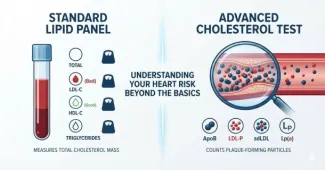
What are tests to diagnose cholesterol? It is a blood test to measure different lipid levels in the blood to assess cardiovascular risk.
Comprehensive Guide to Cholesterol Tests: Standard vs. Advanced Lipid Panels
A routine cholesterol check measures the total mass of fats in your bloodstream. However, traditional numbers tell only half the story. Nearly half of all patients hospitalized for a heart attack have completely normal standard cholesterol scores. To truly map your cardiovascular health, you must understand both standard testing and modern, advanced lipid testing.
Standard Lipid Panel vs. Advanced Cholesterol Tests
A traditional **standard lipid panel** calculates the physical weight (mass) of your cholesterol per deciliter of blood. An **advanced cholesterol test** counts the exact number of lipid particles traveling through your blood vessels and analyzes their size.
Think of your bloodstream as a highway. A standard test weighs the cargo trucks. An advanced test counts the number of actual vehicles on the road. High particle "traffic" increases your risk of arterial plaque buildup, even if the total cargo weight appears safe.
Standard Lipid Profile
Measures the overall fat mass in the blood to screen basic cardiovascular risk.
- Total Cholesterol: < 200 mg/dL
- LDL-C (Bad): < 100 mg/dL
- HDL-C (Good): > 60 mg/dL
- Triglycerides: < 150 mg/dL
Advanced Lipid Testing
Directly counts plaque-forming particles and reveals inherited, hidden genetic risk.
- Apolipoprotein B (ApoB): < 100 mg/dL
- LDL Particle Number (LDL-P): < 1,000 nmol/L
- Small Dense LDL (sdLDL): Remnant: < 35 mg/dL
- Lipoprotein(a): Lp(a): < 50 mg/dL
6 Key Biomarkers for Targeted Heart Risk Assessment
Advanced modern testing uses specific cardiovascular biomarkers to identify underlying systemic risks:
- Apolipoprotein B (ApoB): A precise count of every single plaque-forming particle in your blood. This provides a more accurate picture of risk than standard LDL measurements.
- Lipoprotein(a) or Lp(a): A sticky, genetically determined variant of LDL. Elevated levels are strongly linked to inherited early heart disease risk.
- Small Dense LDL (sdLDL): Tiny, dense particles that easily penetrate and damage arterial linings. They are far more likely to trigger inflammation than larger LDL fragments.
- High-Sensitivity C-Reactive Protein (hs-CRP): A highly reliable indicator of systemic inflammation. Inflammation drives the hardening of arteries independently of fat levels.
- Homocysteine: An amino acid marker used to track vitamin B12 or folate deficiencies. High levels damage the endothelial lining of blood vessels.
- Coronary Artery Calcium (CAC) Scan: An imaging test used to visualize calcification within heart tissue. This serves as an excellent physical predictor of potential future cardiac events.
Preparing for Your Test: Fasting & Medications
To get completely accurate baseline data, you must follow strict procedural prep guidelines:
- The Fasting Rule: You should fast for 9 to 12 hours prior to a traditional lipid test. Avoid eating or drinking anything except plain water. Non-fasting blood draws alter calculated LDL scores by up to 10% and fluctuate triglycerides by up to 20%.
- Illness Timelines: Acute biological trauma causes blood lipid figures to plummet temporarily. Always wait at least six weeks to test after recovering from major surgeries, accidents, strokes, or heart attacks.
- Pregnancy Adjustments: Hormonal shifts naturally elevate system lipids during gestation. Postpone baseline diagnostic tracking until at least six weeks after giving birth.
Medications That Fluctuate Lipid Data
Certain everyday medications can artificially elevate your clinical cholesterol values. Consult your prescribing doctor about safely pausing these therapies for 24 hours prior to your lab visit:
- Beta-blockers
- Epinephrine
- Anabolic steroids
- Oral contraceptives
- High-dose Vitamin D supplements
Who Needs Testing and How Often?
Your personal medical background determines your optimal testing interval:
- Healthy Adults (Over Age 20): Schedule a routine screening panel once every five years.
- High-Risk Profiles: Individuals managing diabetes, high blood pressure, or a personal history of stroke should seek diagnostic checks annually.
- Advanced Panel Candidates: Consider comprehensive particle testing if you possess a strong family history of early cardiac events or display worsening vascular markers despite normal basic LDL-C results.
Frequently Asked Questions (FAQ)
Why would a doctor order an advanced lipid panel if my cholesterol is normal?
An advanced lipid panel is ordered because standard lipid tests only measure the total weight of your cholesterol, which can hide critical risks. If you have small, dense LDL particles or elevated levels of the genetic marker Lipoprotein(a), your arteries can accumulate plaque even if your basic LDL-C number looks completely healthy. Advanced panels catch these hidden dangers.
What medications can cause your cholesterol numbers to go up before a test?
Several common drugs can artificially raise your blood cholesterol levels right before your blood draw. These include blood pressure beta-blockers, oral contraceptives (birth control pills), anabolic steroids, epinephrine, and high-dose vitamin D supplements. Always tell your doctor what medications you take before scheduling your lab work.
Do I need to fast for an advanced cholesterol test?
Yes, it is highly recommended to fast for 9 to 12 hours before your blood draw. During this time, you should not eat any food or drink anything except plain water. Eating beforehand can cause your triglycerides to fluctuate by up to 20% and throw off calculated LDL particle accuracy.
How long should I wait to test my cholesterol after being sick?
You should wait at least six weeks after recovering from a major illness or physical trauma before testing your cholesterol. Events like a heart attack, stroke, major surgery, or an accident cause your body's lipid levels to drop temporarily. Waiting six weeks ensures your metabolism has stabilized and your numbers are accurate.
Cholesterol Screening Test: Do You Really Need to Fast?
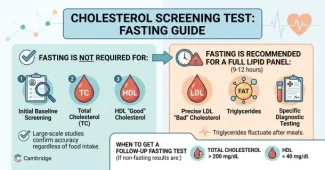
High cholesterol rarely presents noticeable symptoms, meaning routine screening is your primary line of defense against cardiovascular risks. Many individuals delay these essential checks because they believe they must fast for 9 to 12 hours beforehand. However, a standard baseline cholesterol screening test does not require fasting. Understanding when you can skip the fast makes maintaining your health far more accessible.
Why Baseline Cholesterol Screening Doesn't Require Fasting
If you want a clear baseline picture of your heart health without the inconvenience of fasting, a non-fasting screening test evaluates two major lipid markers: Total Cholesterol and HDL (good) Cholesterol.
Large-scale clinical insights, including extensive data analyzed by Cambridge researchers, confirm that total cholesterol and HDL levels remain highly accurate regardless of whether you have recently eaten. While eating causes your triglycerides to fluctuate for up to 8 hours, it does not significantly alter these two foundational markers.
When Do You Need a Follow-Up Fasting Test?
A non-fasting screening acts as an initial filter. You will only be required to take a detailed, fully fasting lipoprotein profile to confirm a diagnosis if your screening numbers indicate potential risks:
- Total Cholesterol: Registers above 200 mg/dL.
- HDL Cholesterol: Drops below 40 mg/dL.
Age-Based Cholesterol Screening Guidelines
1. General Guidelines for Adults
All healthy adults over the age of 20 should receive a cholesterol screening test at least once every five years.
- Normal Results: If your numbers stay consistently optimal, your doctor may extend the time between your checks.
- Borderline Results: If your total cholesterol is borderline high or your HDL is low, you will require more frequent monitoring.
2. High-Risk Individuals (Any Age)
Routine screening intervals do not apply to individuals dealing with pre-existing metabolic or structural conditions. You must undergo consistent cholesterol testing regardless of your age if you manage:
- Diabetes mellitus.
- Coronary heart disease or history of stroke.
- Chronic high blood pressure (hypertension).
3. Pediatric Screening for Children
Early screening prevents long-term arterial damage. Children should be screened under the following criteria:
- Family Risk History: If a parent or close relative has a history of severe hypercholesterolemia or early heart attacks (under age 55 for men; under age 65 for women), children should begin screening between the ages of 2 and 10.
- Metabolic Complications: Children who are clinically obese or diagnosed with diabetes should be tested every 3 to 5 years, even if their early baseline numbers appeared normal.
Frequently Asked Questions (FAQs)
Is a non-fasting cholesterol test accurate?
Yes, a non-fasting cholesterol test is highly accurate for measuring total cholesterol and HDL (good) cholesterol levels. Large-scale clinical studies demonstrate that eating beforehand has a minimal impact on these specific markers, making it a reliable tool for initial risk screening.
Why do some doctors still recommend fasting before a lipid panel?
Fasting is recommended when your doctor needs to measure your exact triglyceride levels and calculate your low-density lipoprotein (LDL or "bad" cholesterol) precisely. Triglyceride levels fluctuate significantly for about 8 hours following a meal, which can alter the complete calculation of a full lipid profile.
What happens if my non-fasting cholesterol test results are abnormal?
If your baseline non-fasting test reveals a total cholesterol level over 200 mg/dL or an HDL level under 40 mg/dL, it serves as a clinical red flag. Your healthcare provider will then order a comprehensive, fasting lipoprotein profile test to confirm a formal diagnosis.
Understanding High Cholesterol Risk Factors: Controllable vs. Genetic Causes
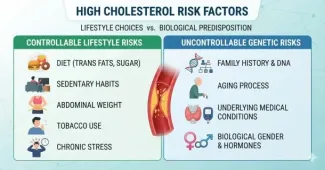
Your blood cholesterol levels are heavily influenced by a combination of daily habits and underlying biology. Identifying your specific risk factors is the first step toward reducing your chances of heart disease and stroke. Medical experts divide these risks into controllable lifestyle factors and uncontrollable genetic or biological traits.
7 Controllable Lifestyle Factors That Raise Cholesterol
By recognizing and adjusting daily behaviors, you can directly limit these seven common risk factors:
- Diets High in Trans Fats and Refined Carbs: While dietary cholesterol from food has a minor impact, industrial trans fats heavily raise bad low-density lipoprotein (LDL). Diets heavy in simple carbohydrates or excess calories also accelerate fat storage and elevate lipid levels.
- Sedentary Habits: Lacking regular physical activity slows down your metabolism. Sitting or lying down for prolonged periods impairs your body's ability to clear fats, reducing your protective high-density lipoprotein (HDL) levels.
- Abdominal Weight and Obesity: Carrying excess weight, particularly around the stomach, alters how your liver processes lipids. This often leads to a dangerous combination of elevated LDL and suppressed HDL levels.
- Excessive Alcohol Intake: Consuming alcohol heavily puts a severe strain on your liver. As the liver prioritizes filtering alcohol out of your bloodstream, it alters normal lipid metabolism and drives up overall cholesterol levels.
- Tobacco Use and Smoking: Smoking releases toxic chemicals that directly damage the inner lining of your blood vessels. This structural damage makes it much easier for fatty plaques to stick to your arteries.
- Chronic Mental Stress: Long-standing psychological stress triggers the continuous release of stress hormones like cortisol. This hormonal spike alters liver function, raising blood cholesterol. Stress also prompts emotional overeating of high-glycemic foods.
- Cholesterol-Altering Medications: Several common prescription drugs can negatively shift your lipid profile by raising triglycerides or lowering HDL. Common culprits include thiazide diuretics, beta-blockers, supplemental estrogen, and corticosteroids
6 Uncontrollable Biological Risk Factors
Some risk factors are built into your DNA or biology and cannot be altered by lifestyle changes alone:
- Premature Family Heart Disease: Your risk escalates if a first-degree male relative (father or brother) had a stroke or heart disease before age 55, or a female relative (mother or sister) experienced it before age 65.
- Inherited Hypercholesterolemia: Roughly 1 in 500 individuals inherits a specific genetic mutation known as Familial Hypercholesterolemia (FH). This condition prevents the liver from clearing bad cholesterol, causing dangerously high LDL levels from birth.
- Underlying Medical Illnesses: Chronic health conditions such as diabetes, chronic hypertension, hypothyroidism, and kidney or liver diseases directly impair your systemic metabolism and skew cholesterol numbers.
- Biological Gender and Hormones: Men generally face a higher risk of elevated cholesterol earlier in life than pre-menopausal women. However, after women go through menopause, hormonal shifts cause their baseline cholesterol risks to surpass those of men.
- Natural Aging Processes: As your body ages, cellular efficiency drops. The liver gradually becomes less efficient at filtering out circulating LDL particles from your bloodstream, causing a natural upward trend in cholesterol numbers over time.
- South Asian Ethnicity: Individuals of Indian, Pakistani, Bangladeshi, and Sri Lankan descent possess a documented, independent genetic predisposition that heightens their risk for abnormal cholesterol levels and early heart issues.
Screening Recommendation: All adults aged 20 or older should undergo a comprehensive fasting blood test, called a lipoprotein profile or an LDL-P particle test, at least once every five years to monitor these biological shifts.
Frequently Asked Questions (FAQs)
Can stress cause high cholesterol levels?
Yes, chronic emotional or physical stress releases hormones like cortisol and adrenaline. These hormones cause the liver to produce and pump more glucose and cholesterol into the blood. Stress also frequently drives people to cope by eating comfort foods rich in refined sugars and fats, which further increases lipid counts.
Which medications are known to raise cholesterol?
Several widely prescribed classes of drugs can disrupt your lipid profile. These include thiazide diuretics (used for high blood pressure), beta-blockers, oral estrogen therapy, and corticosteroids (used to treat chronic inflammation). If you notice a sudden jump in your lipid numbers, review your prescription list with your doctor.
What is the difference between lifestyle-induced and genetic high cholesterol?
Lifestyle-induced high cholesterol stems from modifiable behaviors like a sedentary routine, smoking, or consuming trans fats. Genetic high cholesterol, such as Familial Hypercholesterolemia, is passed down through family DNA and alters how your liver breaks down lipids. Individuals with genetic variants can present with dangerously high cholesterol despite maintaining a pristine diet and an active lifestyle
8 Surprising Root Causes of Secondary High Cholesterol
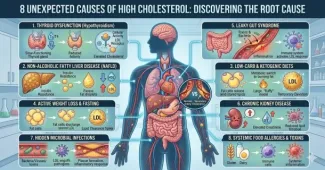
High cholesterol isn't always caused by diet. Discover 8 unexpected secondary causes of elevated LDL, including thyroid issues, leaky gut, fatty liver, and weight loss.
1. Thyroid Dysfunction (Hypothyroidism)
An underactive thyroid produces insufficient thyroid hormones, directly lowering cellular LDL receptor activity. Because the body cannot effectively clear or consume circulating lipids, hypothyroidism triggers a sharp rise in blood LDL cholesterol levels. Additionally, a severe shortage of cellular cholesterol disrupts the synthesis of essential steroid hormones, including cortisol, DHEA, and testosterone. Managing this condition with a statin before correcting the underlying thyroid deficiency can complicate metabolic health.
2. Non-Alcoholic Fatty Liver Disease (NAFLD)
The liver plays a central role in processing and metabolizing systemic cholesterol. When a person consumes regular surpluses of alcohol or refined carbohydrates (particularly sugar), the pancreas is forced to release excess insulin. Unused glucose converts into fat and builds up in the liver as triglycerides, creating a fatty liver. This dysfunction raises triglycerides and small dense LDL particles while simultaneously lowering protective High-Density Lipoprotein (HDL).
3. Low-Carbohydrate & Ketogenic Diets
When transitioning to a low-carbohydrate diet, the body quickly burns through its stored glycogen reserves for fuel. Once glycogen is exhausted, your metabolism adapts by breaking down stored fat cells to use as energy. This rapid fat mobilization causes a temporary, sharp increase in circulating blood cholesterol. For some individuals, this elevation lasts 3 to 6 months before stabilizing at a healthy baseline. The resulting elevated cholesterol is often composed of large, fluffy LDL particles, which are considered structurally benign compared to small, dense particles.
4. Active Weight Loss and Fasting
Embarking on a journey to lose weight alters standard blood panel values temporarily. When a person undergoes significant weight loss—particularly after losing 30 to 50 pounds—their shrinking fat cells (adipocytes) discharge stored LDL cholesterol directly into the blood tracking system. According to clinical insights published in The Journal of Nutrition, losing weight via caloric restriction or fasting causes a short-term rise in serum LDL cholesterol. This spike subsides completely once body weight stabilizes and fat reserves settle.
5. Chronic Microscopic Leaky Gut Syndrome
Leaky gut syndrome describes a condition marked by increased intestinal permeability. This structural compromise allows macro-proteins, bacterial toxins, and partially digested food particles to breach the intestinal lining and leak directly into the bloodstream. The immune system marks these foreign particles as dangerous antigens and responds with systemic inflammation. Because LDL cholesterol possesses natural immune-defense properties, the body elevates LDL synthesis to bind and neutralize these entering toxins. Lowering cholesterol with medications fails to fix the root permeability issue; repairing the gut lining naturally normalizes LDL values.
6. Chronic Kidney Disease & Nephrotic Syndrome
Impaired renal clearance directly interferes with structural lipid breakdown. Clinical studies reveal that elevated blood triglycerides heavily correlate with increased creatinine levels, marking a notable drop in kidney function. Conditions like nephrotic syndrome disrupt normal lipid filtration, leading to significant systemic accumulations of total cholesterol, LDL particles, and triglycerides in the bloodstream.
7. Hidden Microbial Infections
When chronic bacterial or viral infections take hold, they unleash microscopic toxic byproducts into systemic circulation. The human immune defense response initiates a rise in total cholesterol. LDL particles act as a protective mechanism by surrounding, binding, and deactivating the circulating microbes and their associated toxins to remove them safely from the blood. While many healthcare professionals attribute arterial plaque to independent cholesterol buildup, it is often initiated by the arterial inflammation caused by these underlying hidden microorganisms.
8. Systemic Food Allergies and Toxins
When the body mistakenly recognizes specific harmless food proteins as dangerous invaders, it triggers an allergic immune response. The immune system releases inflammatory compounds to neutralize the perceived threat, resulting in tissue irritation and systemic stress. Symptoms of this chronic internal struggle include bloating, abdominal cramps, skin rashes, and respiratory issues. The ongoing inflammation forces a secondary metabolic shift that spikes lipid production as a cellular protection mechanism.
Holistic Recovery Strategies
To resolve secondary high cholesterol without immediate reliance on lifelong medication, focus on systemic healing:
- Limit Refined Carbohydrates: Drastically reduce sugar and processed flour intake to halt excess liver fat storage and reverse fatty liver markers.
- Incorporate Healthy Fats: Transition your diet toward whole foods rich in omega-3 fatty acids, nuts, legumes, fruits, and vegetables to aid liver cell recovery.
- Engage in Regular Exercise: Dedicate time to vigorous physical training, which actively burns through stagnant triglycerides stored inside the liver.
- Eliminate Food Triggers: Identify hidden allergens via testing or elimination diets, stopping the ingestion of reactive foods to calm chronic systemic inflammation.
Frequently Asked Questions (FAQs)
Can hypothyroidism cause high cholesterol?
Yes. Thyroid hormone regulates how efficiently your body processes and eliminates fats. When thyroid function is low, your cells lose the ability to consume circulating lipids properly, leading to a noticeable accumulation of LDL cholesterol in your bloodstream.
Why does cholesterol go up during weight loss?
When you lose weight or fast, your fat cells shrink by releasing their stored fat reserves into the bloodstream to be used as fuel. This active fat breakdown causes a temporary rise in serum LDL cholesterol numbers that naturally normalizes once your weight stabilizes.
Does a low-carb diet cause high cholesterol?
A low-carbohydrate diet can cause a temporary rise in LDL cholesterol for 3 to 6 months as your body switches to burning fat for daily energy requirements. However, this diet simultaneously lowers triglycerides, improves beneficial HDL, and improves blood glucose levels.
How does liver health affect cholesterol levels?
The liver is responsible for manufacturing, processing, and clearing cholesterol. Excess alcohol or sugar intake overworks the liver, causing extra glucose to store as fat (fatty liver), which drives up triglycerides and harmful small LDL particles while driving down good HDL.
Preeclampsia
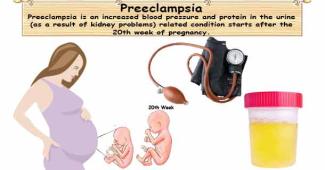
Preeclampsia complicates 5 to 6% of pregnancies, but it increases up to 25% in women with preexisting hypertension.
What is Preeclampsia?
What Is Preeclampsia? Preeclampsia is an increased blood pressure, and protein in the urine (as a result of kidney problems related condition) starts after the 20th week of pregnancy. Preeclampsia affects the placenta and mother's kidney, liver, and brain. Preeclampsia is a leading cause of fetal complications including low birth weight, premature birth, and stillbirth.
What is superimposed preeclampsia? Superimposed preeclampsia is characterized by worsening of high blood pressure and protein in the urine in chronic hypertension patients with the vascular or renal disease. About 25% of pregnant women with preexisting hypertension develop superimposed preeclampsia. Superimposed preeclampsia risk is especially high among women with severe chronic hypertension and pre-existing cardiovascular or renal disease. The diagnosis may be difficult if there is pre-existing proteinuria as a result of the renal disease. You can suspect its diagnosis if there is a sudden increase in proteinuria, blood pressure, or abnormal liver enzyme levels.
Preeclampsia that develops when you already have high blood pressure is called "superimposed preeclampsia." Between 13 and 40 percent of women with high blood pressure develop superimposed preeclampsia during pregnancy.
Most women who develop preeclampsia should be closely monitored to avoid problems. The only way to cure preeclampsia is to deliver the baby.
What is Eclampsia? If the preeclampsia left untreated, it might result in seizures known as eclampsia, the second-leading cause of maternal death.
How common are hypertension and preeclampsia during pregnancy? Hypertension occurs in 6 to 8 % of all pregnancies in the U.S., 70 % of them are first-time pregnancies.
Over the past decade, the preeclampsia has increased by about one-third. This raise in preeclampsia is due to rise in the older mothers and multiple births. The number of births to women aged 45 and older is increasing. Also, rates of twin births increased about 50%, triplet and other higher multiple births increased more than 400% mostly among women in their 40s.
In a severe case of preeclampsia, there may be red blood cell breakdown, low counts of blood platelet, impaired liver function, kidney dysfunction, swelling, shortness of breath (due to fluid in the lungs), or visual disturbances.
Preeclampsia risk factors
The following factors may increase the risk towards preeclampsia:
- Mothers with chronic hypertension; high blood pressure diagnosed before pregnancy.
- First-time mother
- Hypertension or Preeclampsia during previous pregnancy
- Obese women or have a BMI of 30 or greater.
- Pregnancy before age 20 or after age 40
- Women have diabetes, kidney disease, rheumatoid arthritis, lupus or scleroderma.
- If your sisters or mother had preeclampsia
- Mother carrying multiple babies
- Increased insulin resistance
- Hypercoagulability (inherited thrombophilia)
- Hydatidiform mole
Preeclampsia symptoms
Symptoms of mild preeclampsia are hypertension, water retention and proteinuria (protein in the urine).
Symptoms of sever preeclampsia are persistent headaches, blurred vision, light sensitivity, urinate small quantity, upper right abdominal pain, and tendency to bruise easily. Consult your doctor immediately, if you experience these symptoms.
Preeclampsia causes
Those with chronic hypertension have a preeclampsia risk of 7 to 8 times higher than others.
There is no definitive known cause of preeclampsia, though likely related to a below causes:
- Abnormal formation and development of the placenta
- Immunologic factors
- Endothelial dysfunction
- Environmental factors such as air pollution
Preeclampsia Diagnosis
How do I know if I have preeclampsia? There is no test to diagnose preeclampsia. Signs of preeclampsia are high blood pressure and proteinuria (protein in the urine). Symptoms of preeclampsia are persistent headaches, blurred vision, light sensitivity, and abdominal pain. All these symptoms are common during healthy pregnancy, thus regular prenatal checkup likely more frequently than recommended for pregnancy is the best way for early detection of preeclampsia.
Additionally, your doctor may also order other tests such as checking kidney and blood-clotting functions; ultrasound scan to check your baby’s growth, and Doppler scan to measure the efficiency of blood flow to the placenta.
Does preeclampsia lead to long-term heart or blood vessel problems?
According to the National High Blood Pressure Education Program (NHBPEP), preeclampsia is not a risk factor for chronic hypertension or heart-related problems. Also, it reports, women with healthy blood pressure and develops preeclampsia after the 20th week of pregnancy, their BP goes away within six weeks after delivery. Still, these women have increased risk towards high blood pressure or another heart disease later in their life.
Even though hypertension and preeclampsia during pregnancy are serious, most women have successful pregnancies. More frequent prenatal care is important for you and your baby’s health.
Prevent Preeclampsia
Ways to prevent preeclampsia are healthy lifestyle changes such as maintaining a healthy weight, exercise regularly, eat smartly (stop fried & junk foods), stay hydrated (drink 6 to 8 glasses of water), get enough rest, elevate your feet several times a day, stop alcohol, and avoid caffeine beverages.
There is no proven method to prevent or avoid preeclampsia. Therefore, those who develop signs of a preeclampsia should monitored closely to reduce or avoid relating complications. The one and the only way to cure preeclampsia are to deliver the baby.
Preeclampsia Treatment
The only cure for preeclampsia is delivery. You are at increased risk of seizures, placental abruption, stroke and severe bleeding until your blood pressure drop to a healthy range.
Treatment for preeclampsia depends on how close it is to your due date? If you are close to due date and baby is healthy, then you doctor want to deliver your baby as early as possible.
If you have mild preeclampsia and baby has not reached full development, then you need to be more careful until you are close to the due date or baby develop fully.
- Always take rest by lying on your left side, this takes the baby’s weight off from your major blood vessels.
- Increase the frequency of prenatal checkups.
- Reduce the sodium salt consumption.
- Drink more water, at least 8 glasses of water per day.
- Consume more fruits and vegetables rich in potassium such as banana, papaya, prune, raisins, mango, kiwi, orange, cantaloupe, honeydew melon, and pear.
- Exposing to morning sunlight gives you enough vitamin D, which helps to lower your BP.
- Do regular walking helps to lower your blood pressure.
- Elevate your feet several times during the day.
- Avoid alcohol and tobacco use; it further hardens the blood vessels.
- Avoid caffeine-containing beverages; it produces short-term spikes in blood pressure.
If you have severe preeclampsia and baby have not reached full development, then you need to take your blood pressure lowering medication along with above said lifestyle changes and supplementations.
- Antihypertensive medication – You require taking blood pressure lowering medications to control your blood pressure at or below 140/90 mmHg. Certain antihypertensive medication is not safe during pregnancy, discuss with your doctor to choose a best.
- Corticosteroids – In the case of severe preeclampsia or HELLP syndrome, corticosteroid medications can improve liver and platelet function temporarily, this help prolong your pregnancy, help your baby’s lungs to mature within 48 hours. It is important for preparing a premature baby for its life outside the womb.
- Anticonvulsant medications – For severe preeclampsia, you doctor may suggest magnesium sulfate to prevent seizure.
How can preeclampsia affect the mother and baby?
- Mother - If not treated properly in time, preeclampsia leads to the liver or renal failure and in the future cardiovascular events for the mother. Additionally, it leads to life-threatening conditions such as eclampsia (severe preeclampsia with seizures) and HELLP syndrome (hemolysis, elevated liver enzymes, and low platelet count).
- Baby – It affects blood supply to the placenta, so your baby receives less blood and oxygen resulting in low birth weight.
Most women can able to deliver a healthy baby if the preeclampsia is diagnosed early and provide proper treatment with more frequent prenatal care.
High Cholesterol Symptoms: What Are the Real Warning Signs?
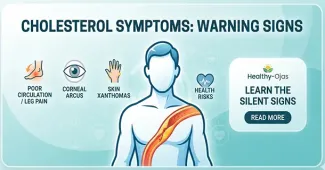
Does High Cholesterol Have Symptoms? No, high cholesterol is a 'silent' condition. The only way to know your levels is through a lipid profile blood test.
High cholesterol is often called a "silent condition" for a simple reason: it rarely gives you a warning before causing serious damage. Unlike a cold or a broken bone, elevated cholesterol quietly builds up in your blood vessels without causing pain, fever, or obvious day-to-day discomfort. By the time noticeable symptoms do appear—such as leg pain while walking, chest tightness, or unusual skin deposits—cholesterol plaque has usually been narrowing your arteries for years.
However, over time, unmanaged high cholesterol causes fatty deposits (plaque) to build up in your blood vessels—a process called atherosclerosis. When this plaque restricts blood flow or causes blockages, physical symptoms finally begin to appear.
According to conventional medical guidelines from bodies like the American Heart Association (AHA), the true warning signs are actually symptoms of the cardiovascular complications caused by this arterial blockage.
What are the Secondary warning signs of high cholesterol (hidden complications)?
When long-standing cholesterol plaque limits circulatory flow, the body begins signaling distress through specific clinical complications:
1. Coronary Artery Disease (CAD) & Angina
Cholesterol buildup within the coronary arteries narrows the pathways supplying blood to the heart muscle.
- Chest Tightness (Angina): A pressing, constricting pain or fullness in the chest that often amplifies during exercise or stress.
- Referred Pain: Discomfort that can radiate into the jaw, neck, throat, back, or down the left arm.
- Shortness of Breath: Sudden respiratory difficulty or fatigue caused by compromised cardiac efficiency.
2. Peripheral Artery Disease (PAD)
Atherosclerosis can compromise the peripheral blood vessels, most frequently affecting the lower extremities.
- Intermittent Claudication: Reproducible cramping, aching, or numbness in the calves, thighs, or buttocks while walking.
- Circulatory Changes: Poorly healing sores on the feet, cold skin, or structural changes in toenail growth.
3. Stroke and Transient Ischemic Attack (TIA)
If unstable cholesterol plaque in the carotid arteries ruptures, it can form local blood clots or travel upward, blocking essential blood flow to neural tissues.
- Neurological Signs: Sudden numbness on one side of the face or body, slurred speech, acute vision loss, or balance instability.
4. Dermatological Indicators
In severe cases, or among individuals with inherited genetic conditions like Familial Hypercholesterolemia, physical signs appear directly on the skin or eyes:
- Xanthomas: Distinct, yellowish fatty deposits or nodules forming over the knuckles, elbows, knees, or Achilles tendons.
- Xanthelasma: Soft, elevated yellow plaques localized on or around the eyelids.
- Corneal Arcus: A light grey or white ring tracing the outer edge of the cornea, which can serve as a marker for inherited lipid disorders when appearing in adults under age 45.
How do doctors diagnose high cholesterol without symptoms?
High cholesterol produces no physical symptoms; conventional medicine relies on objective, lab-based diagnostics to evaluate a patient's cardiovascular risk profile. Physicians use standardized screening schedules, precise biomarker analysis, and advanced cardiovascular imaging to detect lipid imbalances before arterial damage occurs.
Primary care physicians assess cardiovascular risk through detailed, objective laboratory evaluations.
+---------------------------------------+
| Standard Non-Fasting Lipid Panel |
+---------------------------------------+
|
v
Is Triglyceride Level >175 mg/dL?
/ \
/ \
Yes v v No
+-----------------------------------+ +-----------------------------------+
| Fasting Lipid Confirmation Test | | PREVENT-ASCVD Risk Assessment |
| (9-12 Hour Food Baseline) | +-----------------------------------+
+-----------------------------------+ |
v
+-----------------------------------+
| Optimal Treatment/Lifestyle Plan |
+-----------------------------------+
Because you cannot rely on "feeling" high cholesterol, the only reliable way to check your levels is through a simple blood test called a Lipid Panel.
The Standard Lipid Profile Component Breakdown:
A lipid panel blood test measures the concentrations of specific fats moving through the circulatory system:
This measure:
| Biomarker Component | Clinical Definition | Standard Target Thresholds |
| Total Cholesterol | Total blood cholesterol content in the bloodstream. | Under 200 mg/dL |
| LDL-C ("Bad") | An atherogenic molecule delivers lipids into arterial walls. | Under 100 mg/dL (Under 70 for high-risk patients). |
| HDL-C ("Good") | Reverse transport, clearing excess lipids back to the liver. | Above 40 mg/dL (Men); Above 50 mg/dL (Women) |
| Triglycerides | Reverse transport, clearing excess lipids back to the liver. | Under 150 mg/dL |
- Total Cholesterol: The baseline calculation of the total cholesterol content in your blood. AHA Guidelines: Under 200 mg/dL is desirable.
- Low-Density Lipoprotein Cholesterol (LDL-C): Clinically referred to as "bad cholesterol," this is the primary atherogenic molecule responsible for delivering lipids into arterial walls, creating plaque. AHA Guidelines: Under 100 mg/dL (under 70 mg/dL for high-risk cardiac patients).
- High-Density Lipoprotein Cholesterol (HDL-C): Known as "good cholesterol," this molecule performs reverse cholesterol transport, gathering excess blood lipids and carrying them back to the liver for clearance. AHA Guidelines: Above 40 mg/dL for men; above 50 mg/dL for women.
- Triglycerides: A type of storage fat found in the blood. Elevated levels combined with high LDL-C accelerate the hardening of the arteries. AHA Guidelines: Under 150 mg/dL.
Clinical Protocol: Fasting vs. Non-Fasting Lipid Panel Tests
Modern clinical standards emphasize flexibility to optimize routine compliance:
- Routine Initial Screenings: Usually conducted via non-fasting protocols because standard meals cause minimal variation in total cholesterol or LDL-C numbers.
- Refined Diagnostic Confirmation: If initial screening indicates elevated triglycerides (typically over 175 mg/dL), doctors will order a precise 9-to-12-hour fasting lipid panel to get at an exact clinical baseline.
When should you get a clinical lipid panel test?
Conventional medical organizations—including the Centers for Disease Control and Prevention (CDC), the American Heart Association (AHA), and the U.S. Preventive Services Task Force (USPSTF)—have standardized testing frequencies based on age, gender, and pre-existing cardiovascular risk factors.
1. General Age-Based Screening Guidelines
For healthy individuals with no known family history of early heart disease or metabolic disorders, the conventional screening timeline follows a structured framework:
- Children and Adolescents (Ages 9 to 11):
- Conventional guidelines recommend a baseline universal screening at least once between ages 9 and 11.
- This early check helps identify children with severe, undiagnosed genetic conditions like Familial Hypercholesterolemia.
- Young Adults (Ages 20 to 39):
- Healthy adults in this age bracket should undergo a routine lipid panel every 4 to 6 years.
- Doctors use this baseline to monitor early adult lifestyle trends and metabolic changes.
- Middle-Aged and Older Adults (Men Ages 45–65, Women Ages 55–65):
- Routine screening frequency shifts to every 1 to 2 years due to natural, age-related cardiovascular changes and hormonal shifts (such as menopause).
- Seniors (Over Age 65):
- Standard guidelines advise annual lipid panel checks to monitor and track stroke and myocardial infarction risk profiles.
2. High-Risk Indicators Requiring Accelerated Screening
Physicians do not wait for the standard 4-to-6-year interval if a patient exhibits specific cardiovascular risk-enhancing factors. Individuals should get tested much earlier or more frequently (such as annually) if they have any of the following:
- Family Medical History: Having a first-degree relative (parent or sibling) diagnosed with premature heart disease (men under age 55 or women under age 65).
- Pre-Existing Chronic Conditions: Diagnosis of Type 1 or Type 2 diabetes, high blood pressure (hypertension), obesity, metabolic syndrome, or chronic kidney disease.
- Lifestyle Factors: Active history of tobacco use/smoking, chronic sedentary lifestyle, or a long-term diet high in saturated and trans fats.
3. Testing Intervals for Ongoing Medical Treatment
If a clinical screening detects high lipid levels and a physician initiates treatment, testing intervals transition from "prevention" to "monitoring":
- When starting or Adjusting Medication: A follow-up lipid panel is ordered 4 to 12 weeks after initiating a new statin regimen or adjusting a dosage to confirm drug efficacy.
- Routine Maintenance Monitoring: Once a patient’s lipid levels stabilize at their target goal, a physician will typically order a lipid profile every 12 months to ensure long-term compliance and treatment effectiveness.
Predictive Analysis: Comprehensive Risk Equations
A single high cholesterol reading does not tell the whole story. Conventional physicians input lipid panel results into advanced algorithms—such as the PREVENT-ASCVD equations—to calculate a patient's 10-year and 30-year risk estimation for heart attack, stroke, or heart failure. It optimizes safety by integrating complex markers—such as kidney function (eGFR), body mass index (BMI), and diabetic status—while removing traditional race-based variables to improve accuracy across modern patient populations. The American Heart Association PREVENT™ Online Calculator.
Doctors look closely at Risk-Enhancing Factors to determine if a patient needs treatment, even if they have borderline numbers:
- A strong family history of premature cardiovascular disease.
- Metabolic conditions like Type 2 diabetes or chronic kidney disease.
- Elevated Lipoprotein(a) [Lp(a)] or High-Sensitivity C-Reactive Protein (hsCRP), which are advanced markers for inherited heart risks and systemic inflammation.
Advanced Diagnostics: Subclinical Plaque Imaging
When blood work falls into a borderline zone, a cardiologist may use a Coronary Artery Calcium (CAC) Scan to look directly inside the body. This specialized, low-dose CT scan takes cross-sectional images of the heart's vessels. It detects early, hardened calcium deposits left behind by dangerous cholesterol plaque, providing visual confirmation of cardiovascular disease long before any physical warning signs ever manifest.
High Cholesterol Symptoms: Frequently Asked Questions
Q1: What are the early warning signs of high cholesterol?
There are no early warning signs. High cholesterol is completely asymptomatic and is often called a "silent killer." You cannot feel plaque building up inside your blood vessels. The only way to detect early imbalances before arterial damage occurs is through a standard lipid panel blood test.
Q2: Can high cholesterol cause physical symptoms like dizziness or headaches?
No. High cholesterol does not directly cause dizziness, headaches, or fatigue. If you are experiencing these symptoms, they are likely related to other underlying conditions, such as high blood pressure (hypertension) or advanced cardiovascular disease, rather than elevated cholesterol levels on their own.
Q3: What does high cholesterol pain feel like?
High cholesterol itself causes no pain. However, the arterial blockages (atherosclerosis) it creates over time do cause pain. This typically manifests as:
- Angina: A crushing tightness, pressure, or squeeze in your chest during exertion.
- Claudication: Dull aching, cramping, or muscle fatigue in your calves or thighs while walking.
Q4: Are there visible signs of high cholesterol on the skin or face?
Yes, but typically only in severe cases or inherited conditions like Familial Hypercholesterolemia. Visible markers include:
- Xanthelasma: Raised, soft yellow plaques on or around the eyelids.
- Xanthomas: Fatty yellowish nodules over joints, knuckles, or tendons.
- Corneal Arcus: A white or grey ring tracing the outer edge of the eye's cornea.
Q5: How often should I have my cholesterol levels checked?
Screening frequencies vary by age and your baseline risk profile:
- Ages 9–11: At least once as a universal baseline childhood check.
- Ages 20–39: Every 4 to 6 years for healthy adults.
- Ages 45–65 (Men) & 55–65 (Women): Compressed to every 1 to 2 years.
- Over Age 65: Annually to continuously monitor cardiovascular and stroke risks.
Q6: Do I need to fast before a cholesterol blood test?
Not always. Under current medical guidelines, routine initial screenings can be performed via non-fasting tests because standard meals have a negligible impact on total cholesterol and LDL levels. However, if your initial results show elevated triglycerides (above 175 mg/dL), your doctor will order a strict 9-to-12-hour fasting test for confirmation.
Chronic Hypertension & Pregnancy

Chronic hypertension complicates about 5% of pregnancies, and this rate is increasing due to delayed pregnancy.
Chronic High Blood Pressure Pregnancy
Chronic hypertension is high blood pressure before pregnancy or diagnosed within the first 20 weeks of pregnancy. Additionally, if the 12-week postpartum checkup does not resolve the blood pressure.
In the first trimester, if a patient have severe hypertension will have a greater than 50% risk of developing superimposed preeclampsia. Hypertensive patients should undergo increased frequency of laboratory tests, ultrasound scans (to assess growth), and antenatal testing.
What are the chronic high blood pressure risk factors? Specific traits, conditions, or habits might increase your chances to develop hypertension called hypertension risk factors.
What are the symptoms of high blood pressure? Studies show one in every three adults has high blood pressure, but one-third of them unknowingly having hypertension. Therefore, you should not disregard hypertension symptoms, when experiencing them.
How is high blood pressure diagnosed? Blood pressure is a vital indicator of the overall health. For proper diagnosis, you should know the correct procedure for a hypertension diagnosis.
How does high blood pressure affect pregnancy? Chronic hypertension during pregnancy puts extra strain on your heart and kidneys and increases your risk towards heart disease, kidney disease, and stroke. Other possible complications include preeclampsia, premature birth, low birth weight, placental abruption, and cesarean delivery.
What can I do to have a healthy pregnancy? Even though hypertension during pregnancy is serious problem, most women have successful pregnancies. More frequent prenatal care is important for you and your baby’s health.
What is the difference between chronic vs. gestational hypertension?
On many occasions, it is difficult to know whether you have chronic hypertension or gestational hypertension. If you diagnose hypertension before 20 weeks of gestation, then it indicates you have chronic hypertension that affects 5% of pregnant women.
Gestational or pregnancy-induced hypertension is high blood pressure develops at 20 weeks of gestation or later. Gestational hypertension is hypertension develops during pregnancy and mostly goes away after childbirth.
Pregnancy complications in women with chronic hypertension
Although many chronic hypertensive women had a healthy pregnancy, they are at increased risk for various pregnancy complications such as superimposed preeclampsia, fetal growth restriction, placental abruption, preterm birth, and cesarean section.
Preeclampsia - 17 to 25% of women with chronic hypertension develop superimposed preeclampsia.
Fetal Growth Restriction - 10 to 20% prevalence of fetal growth restriction; estimated weight is less than the 10th percentile for gestational age–based population norms in women with chronic hypertension.
Placental Abruption - Chronic hypertension had a frequency of placental abruption of 1.56% compared with 0.58% in non-hypertensive women.
Preterm Birth and Cesarean Delivery - 12 to 34% preterm delivery among women with chronic hypertension but as high as 62 to 70% among women with severe hypertension (≥170/110 mm Hg two times at least 24 hours apart).
Management of chronic hypertension in woman planning for pregnancy
Pre-pregnancy care - Prenatal care of women with chronic hypertension should start before pregnancy that is even when they are planning to become pregnant. You should update your knowledge about the pregnancy risks and need to optimize your antihypertensive treatment and lifestyle change before conception. However, the majority of women who enter pregnancy with chronic hypertension have it unknowingly.
Women on angiotensin-converting enzyme (ACE) inhibitors or angiotensin II receptor blockers (ARBs) and planning to become pregnant has to discuss with their doctor to prescribe an alternative. It is because ACE & ARBs has increased risk towards congenital abnormalities, if taken during pregnancy. Women on chlorothiazide have to discuss with their doctor to prescribe an alternative, because chlorothiazide may increase the risk of congenital abnormality and neonatal complications. Atenolol and other beta-blockers should be avoided, because of its association with babies born small.
Methyldopa is considered as the first choice in pregnancy because of its limited effect on uteroplacental blood flow. Sometimes an alternative must be found because of elevated liver enzymes or complaints of a headache. Labetalol, a combined alpha-blocker, and beta-blocker is an alternative to methyldopa. It tolerates well and easy twice-a-day dosing schedule than methyldopa. Calcium channel blockers (nifedipine) are frequently used because of its use to stop premature labor. Diuretics have been in use for pregnancy despite its theoretical risk of preventing normal blood volume expansion.
During pregnancy care - Pregnant women with uncomplicated chronic hypertension should aim for a blood pressure less than 150/100 mmHg, do not lower diastolic below 80 mmHg. Pregnant women with target-organ damage secondary to chronic hypertension should aim for a blood pressure lower than 140/90 mmHg. There is concern that overly aggressive antihypertensive treatment may decrease fetoplacental perfusion and increase the risk for fetal growth restriction.
Recommend more frequent prenatal visits for pregnant women with chronic hypertension compared with healthy women to evaluate blood pressures, urine protein, fundal height, ultrasound (to the evaluation of fetal growth & amniotic fluid volume), and maternal symptoms.
Studies show antihypertensive treatment has not reduced superimposed preeclampsia, placental abruption, or growth restriction or to improve neonatal outcome. Every 10 mmHg drop in blood pressure in women taking antihypertensives was associated with a 145 g decrease in birth weight. Such drugs are methyldopa, acebutolol, atenolol, labetalol, metoprolol, oxprenolol, pindolol, propranolol, bendrofluazide, chlorothiazide, hydrochlorothiazide, ketanserin, hydralazine, isradipine, nicardipine, nifedipine, verapamil, and clonidine.
- Centrally acting agents - also called central adrenergic inhibitors, Methyldopa may have mild hypotension in babies in first two days of life. It has no obvious association with congenital abnormalities.
- Beta-blockers - Labetalol (rare mild hypotension in first 24 hours of life and rare hypoglycemia), Atenolol (low birth weight/placental weight and decreased fetal heart rate), Metoprolol, Oxprenolol, and Pindolol. All beta-blockers has no obvious association with congenital abnormalities.
- Alpha-blockers - Prazosin has no obvious association with congenital abnormalities.
- Calcium-channel blockers - Nifedipine, Amlodipine, and Verapamil, has no obvious association with congenital abnormalities.
- Diuretics - Chlorothiazide (Possible association with congenital abnormalities, neonatal thrombocytopenia, neonatal hypoglycemia/hypovolemia, and maternal/fetal electrolyte imbalances), Bendroflumethiazide (Maternal hypovolemia), and Furosemide (No obvious effects).
- Vasodilators - Hydralazine (no congenital abnormalities association) and Diazoxide (may inhibit uterine contractions, maternal hypotension, and neonatal hyperglycemia).
Large, randomized, placebo-controlled studies have shown that the use of calcium, low-dose aspirin, or antioxidant (vitamin C and E) does not confirm decrease in the preeclampsia risk. Still, you can prefer to use cranberry juice, fish oil (omega-3 fatty acids), flaxseed oil, garlic, ginger, ginkgo Biloba, green tea, and natto to lower your risk towards preeclampsia.
For women with chronic hypertension managing their BP without medications, the timing of delivery is recommended at 38 to 39 weeks of gestation. For women with chronic hypertension on medications, the recommended delivery is at 37 to 39 weeks of gestation. For women with chronic hypertension on medications and difficult to control or diagnosed with superimposed preeclampsia, the recommended delivery is at 36 to 37 weeks of gestation. If markers of severe preeclampsia were present then recommended delivery is at 37 weeks of gestation or earlier.
Post-pregnancy care - Based on the benefits of breastfeeding, women with chronic hypertension even on antihypertensive medications should breastfeed. Although most antihypertensive medicines have measurable amounts in the breast milk, which is lower than in maternal plasma.
Suggested first line antihypertensive drugs that are safe in breastfeeding mothers include labetalol, nifedipine, and enalapril.
Higher breast milk levels of atenolol are reported and noted lethargy and bradycardia in newborns breastfed by mothers on atenolol. Thus, a breastfeeding mother should avoid atenolon and change to other options. The diuretics use during breastfeeding is not recommended because they may decrease breast milk production.
Hypertension Pregnancy
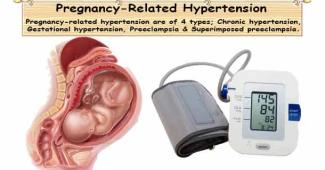
Pregnancy-related hypertension is dangerous to both the mother and the fetus. Luckily, many pregnant women with hypertension have had healthy babies without any serious problems.
Pregnancy-Related Hypertension
Chronic hypertension complicates 3 to 5% of pregnancies. Gestational hypertension complicates 6 to 7% of pregnancies. Preeclampsia complicates 2 to 8% of pregnancies.
What is normal blood pressure during pregnancy? Normal blood pressure during pregnancy is usually somewhere close to 120/80 mm Hg.
What is high blood pressure during pregnancy? A blood pressure of over 140/90 mm Hg, or systolic (top number) 15 points more than before pregnancy is considered as high blood pressure during pregnancy.
Can I have a healthy pregnancy with hypertension? Even though hypertension and preeclampsia during pregnancy are serious, most women have successful pregnancies. More frequent prenatal care is important for you and your baby’s health.
What changes happen to your blood pressure during pregnancy?
During pregnancy, blood volume slowly rises by about 40 to 50% through increased aldosterone. The rise in blood volume, in turn, increases heart rate (by about 15 beats/min), stroke volume, and cardiac output (by about 50% during the first trimester).
The left ventricle (left side of the heart does a significant amount of pumping) becomes thicker and larger. This temporary change allows the heart to work harder to support the increased blood volume.
The kidneys release increased amounts of vasopressin, a hormone that leads to increased water retention. The renin-angiotensin system is up-regulated, causing increased aldosterone levels, which in turn increases blood pressure.
The systemic vascular resistance decreases slightly due to smooth muscle relaxation and vasodilation caused by elevated progesterone. Diastolic blood pressure drops between 12 to 26 weeks and increases again to pre-pregnancy levels at around 36 weeks.
During early pregnancy, from 5th-week pregnancy to the middle of the second trimester, the blood pressure decrease because pregnancy hormones dilate blood vessels.
Thus, the resistance to blood flow is lower, and there should be a drop in blood pressure. Blood pressure drops slightly early in pregnancy, then returns to pre-pregnancy levels in the third trimester.
4 types of pregnancy-related hypertension
- Chronic Hypertension– Women who have high blood pressure over 140/90 mmHg before pregnancy or before 20 weeks of pregnancy. And their hypertension persists even after delivery.
- Gestational Hypertension– High blood pressure develops after 20 weeks of pregnancy. And their hypertension mostly vanishes after delivery.
- Preeclampsia – Both chronic and gestational hypertension can lead to preeclampsia with the presence of protein in the urine after 20 weeks of pregnancy. If not treated immediately, this can lead to serious complications for both mom and baby.
- Chronic hypertension with superimposed preeclampsia - Superimposed preeclampsia is characterized by worsening of high blood pressure and protein in the urine in chronic hypertension patients with the vascular or renal disease.
What pregnancy complications high blood pressure can cause?
Pregnancy-related hypertension puts extra strain on your heart and kidneys and increases your risk towards heart disease, kidney disease, and stroke.
Other possible complications include the following:
- Preeclampsia – Hypertension developed before 30 weeks of gestation will have 50% chance for preeclampsia. It is a condition characterized by high blood pressure and protein in your urine. Without proper, timely treatment, preeclampsia can cause vision changes, kidney or liver problems, congestive heart failure, stroke, and seizures. In some rare instants, it can lead to life-threatening eclampsia and HELLP syndrome. Eclampsia can cause seizures and leads to coma. HELLP syndrome develops when you have serious blood and liver problems.
- Premature birth - If the placenta is not furnishing enough nutrients and oxygen to your baby. A pregnant woman with high blood pressure or preeclampsia requires ti give birth too early, even before 37 weeks of pregnancy. Studies show 62 to 70 % of women with severe hypertension deliver early. 28 % of women with hypertension have their baby before 37 weeks pregnant.
- Low birth weight – High blood pressure decrease the nutrient flow to the baby through the placenta, thus may cause growth problem to the baby. So baby may born with low weight, less than 5 pounds 8 ounces (2.5 kg).
- Placental abruption – It is premature separation of placenta from the uterus wall before birth. Your baby stops getting enough oxygen and nutrients in the womb. You may have bleeding from the vagina. It is a medical emergency require immediate treatment. For mild hypertension, the risk of placental abruption is about 1 in 100 women. For severe hypertension or preeclampsia, the risk is 5 to 10 percent.
- Cesarean delivery – High blood pressure during pregnancy may lead to cesarean birth (also called C-section). Surgery to take out a baby through a cut your doctor makes in your belly and uterus. A cesarean delivery has the risks of infection, internal organs injury, and bleeding. About 4 out of 10 women with high blood pressure give birth by C-section.
What happens to your hypertension after delivery?
- Chronic (preexisting) hypertension: Your blood pressure will stay high after delivery, and you will need to take medicine to control it. Undiagnosed hypertensive women may appear as normotensive in early pregnancy. Because blood pressure normally drops in the first trimester. When hypertension is noted later in the pregnancy, it may be considered as gestational.
- Gestational hypertension: Your blood pressure back to normal within a few weeks after delivery, but your chances to develop chronic hypertension later in life. In people with gestational hypertension, blood pressure usually normalizes in six weeks of postpartum.
Stages of Hypertension
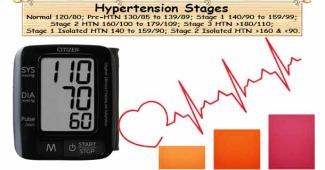
Blood pressure is the force of blood against the walls of arteries during circulation. When blood pressure stays elevate over time, then it is considering as high blood pressure, hypertension, or hypertensive.
The prevalence of high blood pressure increases progressively with age. Results from the Framingham study shows in middle-aged and elderly persons, the residual lifetime risk of developing hypertension is 90%.
High blood pressure overview
Both numbers in a blood pressure test are important, but for people who are 50 or older, systolic blood pressure gives the most accurate diagnosis of hypertension. Systolic is the top number in a blood pressure reading. It is considering as high if it is 140 mmHg or above.
Globally, hypertension is a greater concern; with blood pressure causing deaths accounts for 13.5%.
Stages of Hypertension
Healthcare professional classified blood pressure into six categories; they are optimal, normal, prehypertension (mild), stage 1 (moderate), stage 2 (severe), and stage 3 (critical).
Additionally, there are three more categories; they are stage 1 isolated systolic hypertension, stage 2 isolated systolic hypertension, and resistant hypertension.
Eight blood pressure categories are as below (in mmHg):
- Optimal BP – Below 120 (SBP) & 80 (DBP). Most favorable BP range.
- Normal BP – Below 130 (SBP) & 85 (DBP). BP of healthy individuals.
- Prehypertension – Within 130 to 139 (SBP) & 85 to 89 (DBP).
- Grade 1 HTN – 140 to 159 (SBP) & 90 to 99 (DBP). Stage 1 hypertension
- Grade 2 HTN – 160 to 179 (SBP) & 100 to 109 (DBP). Stage 2 hypertension
- Grade 3 HTN – Above 180 (SBP) & 110 (SBP). Stage 3 hypertension
- Isolated systolic HTN (grade 1) – SBP within 140 to 159 & DBP below 90.
- Isolated systolic HTN (grade 2) – SBP above 160 & DBP below 90.
There are 4 stages of hypertensions; high normal or prehypertension, mild or stage 1 HTN, moderate or stage 2 HTN, and severe or stage 3 HTN.
Additionally, there is two more stage of systolic hypertension, they are stage 1 isolated systolic HTN, and stage 2 isolated systolic HTN.
Prehypertension
If the blood pressure stays between 120/80 mmHg to 139/89 mmHg, then you cannot diagnose as hypertension and consider as pre-hypertension. Means it is not a high blood pressure but most likely to develop in the future. You can prevent high blood pressure by adopting a healthy lifestyle.
Stage-1 hypertension - A mildly elevated blood pressure, a BP number between 140/90 to 159/99 mmHg is considering as stage-1 hypertension. It is an early form of high blood pressure considering as mild and need medical treatment with BP monitoring on every doctor’s visit.
Stage-2 hypertension – A moderately elevated blood pressure, a BP number between 160/100 to 179/109 mmHg is considering as stage-2 hypertension. It is the second stage of hypertension considering as moderate and needs immediate medical treatment with frequent monitoring.
Stage-3 hypertension – A severely elevated blood pressure, a BP number over 180/110 mmHg is considering as stage-3 hypertension. It is the third stage of hypertension considering as severe and needs urgent stringent medical treatment with more frequent monitoring to avoid any hypertension complication.
Isolated systolic hypertension
Isolated systolic hypertension is an elevation only in the systolic number of your blood pressure (the top number). Diastolic number (the bottom number) remains normal or slightly elevated.
Stage-1 isolated systolic hypertension - A mildly elevated systolic BP number between 140 to 159 mmHg, but the diastolic BP number stay lower than 90 mmHg is considering as stage-1 isolated systolic hypertension. It requires medical treatment with blood pressure monitoring on every doctor’s visit.
Stage-2 isolated systolic hypertension - A moderately elevated systolic BP number over 160 mmHg, but the diastolic BP number stay lower than 90 mmHg is considering as stage-2 isolated systolic hypertension. It requires immediate medical treatment with frequent blood pressure monitoring to avoid hypertension complications.
Resistant Hypertension
A patient is considering having resistant hypertension when his or her blood pressure is not controllable despite treatment with an optimal dose of three antihypertensive drugs of different classes with one of the agents being a diuretic.