
Alternative Holistic Medicines
Alternative or holistic medicine includes many systems of healing, and every system has its own merits, there are some features, which differentiate these from modern medicine..
Holistic approach thus the name Holistic medicine
Alternative medicines consider a person as a whole that is physical, mental, social, and spiritual planes it is considering as a small universe, so called with this name and the resultant cure called by holistic healing or health. Whereas modern medicine treats us as a machine that is, emphasis is only upon the physical-aspects of life.
Guidelines to holistic health
Alternative approach’s belief that the human body has an innate healing ability, so it provides guidelines by emphasis on the maintenance of health by following healthy life styles with proper diet, exercise, human relations, sexuality, and optimistic, clean environment, moral and spiritual values.
Simple, Safe and Economical - Alternative medicines are mostly from natural herbs or minerals, and diagnosis is based on physical and mental symptoms. On the other hand, modern medicine has potent hard drugs, unnecessary diagnostic and surgical interference.
No side effects - Alternative medicine has less or no side effects, but additional it has over-all health benefits by nourishing the internal organs.
Healing for many chronic illnesses - Time-tested traditional medicine has an alternative and possible healing to most of the diseases, which have no amenable treatment from modern medicines.
Incontinence Causes
Weak muscles, nerve damage, medicine side effects, or other disease conditions can cause incontinence (Bladder control problem).
Causes of Incontinence
- Weak muscles, in particular, pelvic muscles cause the bladder control problems. Pregnancy and childbirth stretches and weakens this muscle. Weak muscles allow the bladder to go out of position, which may stretch the urethra opening.
- Nerve damage may send wrong signals to the bladder and results in bladder spasm, which may leak out urine without a warning. In some cases, damaged nerves do not sense or send no signals to the brain when the bladder is full. In this cause, both incontinence and incomplete emptying are possible.
- Prostate problems in men may cause bladder problems. Prostate is a male gland about the size of a walnut that surrounds the urethra (the tube that carries urine).
- o An enlarged prostate, common among older men, may press the urethra. Results in a weak urine stream, an urgent need to urinate followed by leakage, and frequent urination at night.
- o Surgery or radiation treatment for prostate cancer can cause temporary or permanent bladder control problems.
Diseases and conditions that can damage the nerves
- Diabetes
- Parkinson’s
- Multiple sclerosis
- Stroke
Trauma that can damage the nerves
- pelvic or back surgery
- herniated disc
- radiation
Other causes of Incontinence
- Medicines, alcohol, and caffeine can affect certain muscles or nerves. Medicine taken to calm the nerves may dull the nerves in the bladder and stop them from signaling the brain when the bladder is full. Without the message and urge, the bladder overflows. Drinking alcohol can also cause these nerves to fail. Water pills or diuretics medication removes water accumulated in the body and sends them to the bladder. This unexpected rapid filling may cause the bladder to leak. Caffeine drinks such as coffee and cola can cause the bladder to fill quickly.
- Infection such as a urinary tract infection can irritate bladder nerves and cause the bladder to squeeze without warning. Treat infection can help vanishes this type of incontinence.
- Over weight can put extra pressure on the bladder and contribute to stress incontinence.
Bladder Problem Types
Weak muscles or nerve damage can cause bladder control problems. Based on the cause and symptom bladder problems are of different types.
Each bladder control problem is different. Some of the common causes of bladder control problems are:
- weak muscles,
- damaged nerves,
- Medicine that dulls the nerves
Bladder control problem types
Bladder control problems of incontinence have different types. Six most common types of incontinence are:
Temporary incontinence - The name itself explains this incontinence does not last longer. It may be due to an illness, like a urinary tract infection, that causes frequent and sudden urination difficult to control or may be due to unexpected side effects of the medicine that increases the urination. As soon as you correct the cause then the temporary incontinence problem vanishes.
Stress incontinence - Produce urine leak when cough, laugh, sneeze, or exercise. This stress means physical pressure (pressure on the bladder) and not mental stress. When the pelvic and sphincter muscles are strong, they can handle the extra pressure from a cough, sneeze, exercise, or laugh. However, when those muscles are weak, then sudden pressure will expel urine out of the bladder.
Urge incontinence - It causes a urine leak after a strong, sudden urge to urinate. Nerve damage from diabetes, stroke, infection, or another medical condition may cause urge incontinence.
Mixed incontinence - It causes a urine leak due to mix of stress and urge incontinence. You may leak urine with a laugh or sneeze at one time and after a strong, sudden urge at another time.
Functional incontinence - Functional incontinence causes urine leakage because of functional problems such as cannot walk nor have other mobility problems.
Overactive bladder - Overactive bladder causes increase urination frequency. One who has overactive bladder needs to urinate eight or more times a day, and two or more times each night. Symptoms may be strong, sudden urges to urinate, and may or may not have urged incontinence.
Alternative Treatments
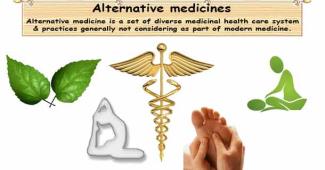
Some simple alternative treatments are natural herbal medicines, yoga, acupressure and reflexology holistic massage.
The term alternative medicine is the free use to cover all forms of medicines except modern or allopathic. In 1973, the Medical Faculty of the University of Rome convened the first World Congress of Alternative Medicines, and the provisional program contained more than 135 different therapies. The W.H.O. has also identified and listed more than 100 types of practices and termed these as traditional medicine.
Alternative treatments
Alternative medicines otherwise called as alternative therapy, alternative healing, alternative treatment, holistic medicine, holistic therapy, healing therapy, holistic healing, natural medicine, naturopathic medicine, natural remedies, complementary medicine, integrative medicine, and traditional medicine. Each medicine called with different names has to differ from each other with a very sensitive meaning.
There are 100s of systems of alternative medicines still in practice all over the world. Every country or region has its own traditional system of medicine such as for the Chinese – acupressure & acupuncture, for the French - magnetic healing, for Germans - Heilpraxis, for English - Herbalism, for Indians - Ayurveda, for Muslim countries - Unani, for southern part of the country - Siddha and for Japanese - shiatsu.
Most popular alternative treatments
Some of the most popular forms of alternative treatments are Herbal remedies, Unani, Siddha, Naturopathy, Yoga, Acupuncture & Acupressure, Magnetotherapy, Shiatsu, Herbalism, Meditation, Aroma therapy, Bach Flower Remedies, Gem therapy, Chromotherapy, Hydropathy, Diet Therapy, Reflexology and Reiki.
3 Types of CAM Treatment
What is CAM? Complementary and alternative medicine (CAM) refers to therapies other than conventional medicine. Complementary refers to therapies used in conjunction with conventional medicine that complements the treatment.
What is Alternative medicine? Alternative medicine refers to therapies used in place of conventional medicine.
The National Center for Complementary and Alternative Medicine, a federal scientific agency categorizes CAM into three broad groups that include:
- Natural products – This include dietary supplements such as vitamins, minerals, herbs, probiotics, special diets, and functional foods.
- Manipulative practices - massage, chiropractic, osteopathy, and reflexology.
- Mind-body medicine - include yoga, meditation, hypnosis, Tai Qi, and qigong.
Reference: NCCAM Special Report.
In the United States, CAM is frequently used by adults, with 40% reporting its use in the past 12 months.
Reference: Complementary and Alternative Medicine Therapies for Diabetes: A Clinical Review.
A United States national survey reported 57% of those with diabetes using CAM in the previous year.
Reference: American Journal of Public Health 2002; 92: 1648–1652.
According to a report from the Fraser Institute, 50% to 79% of Canadians had used at least 1 CAM sometime in their lives, based on surveys from 1997, 2006 and 2016.
Reference: Complementary and Alternative Medicine: Use and Public Attitudes 1997, 2006, and 2016.
Most commonly used CAM in 2016 were massage (44%), chiropractic (42%), yoga (27%), relaxation techniques (25%), and acupuncture (22%).
Women Sexual Dysfunction
Female sexual dysfunction causes
- Infections and irritation, chronic high blood sugars promote yeast infections and vaginal irritation.
- Low blood flow, vascular damage caused by poorly controlled diabetes restricts the blood flow to the vagina, which causes dryness and interferes with arousal.
- Nerve damage, women who have neuropathy to the genital area, the reproductive organs, or the vagina may have difficulty achieving orgasm.
- Neurogenic bladder, women with nerve damage to the bladder may have incontinence problems that make sex difficult and/or embarrassing. It can also make urinary tract infections (UTIs) more common, which may make sex uncomfortable.
Common female sexual dysfunctions
Numerous diabetes women are experiencing sexual problems that may include:
- vaginal dryness or decreased lubrication,
- sexual intercourse with discomfort or painful
- lack of desire for sexual activity
- low or absent sexual response
Low/absents from sexual response can be the inability to attain or remain to arouse, lack or absent of sensation in the genital, and always or occasional inability to attain orgasm.
Causes of sexual problems in women with diabetes may be due to nerve damage, lack of blood supply to genital and vaginal tissues, and hormonal changes. Other causes may be due to some medications, alcohol, smoking, psychological problems of anxiety or depression, gynecologic infections, other conditions relating to pregnancy or menopause.
Consult doctors for treatment, the treatment may be after diagnosing the cause. They will prescribe over the counter vaginal lubricant for dryness. In most of the cases, psychological counseling may provide useful solution.
Stroke Symptoms
Most common symptoms of stroke are numbness, confusion, trouble seeing & walking and severe headache.
If you have any stroke symptoms, seek immediate medical attention.
Symptoms of stroke
- Sudden numbness or weakness of face, arm, or leg which, in particular, on one side of the body.
- Sudden confusion, trouble speaking, or understanding
- Sudden trouble seeing in one or both eyes
- Sudden trouble walking, dizziness, loss of balance or coordination
- Sudden severe headache with no known cause
If you or someone having one or more of these stroke symptoms, without any delay immediately get emergency medical care.
ED Treatments
Lifestyle changes, including exercise, quit smoking, lose weight, and cutting back on alcohol may solve the problem. Numbers of other treatments are also available.
ED Treatment options
ED Counseling - Even though most cases of ED have a physical cause, counseling can help couples deal with the emotional effects.
ED Oral medication - Your doctor may prescribe a pill to treat ED. Current brands include Viagra, Levitra, and Cialis. These drugs work by increasing blood flow to the penis. Do not take any of these drugs if you are taking nitrates, a type of heart medicine.
ED Injectable medication - Medicines injected into the shaft of the penis or inserted into the tip of the penis usually cause an erection within 50 to 15 minutes and last for 30 minutes to several hours. Prostaglandin (alprostadil, Caverject, Edex), and phentolamine (Regitine), they cause vascular dilation and a relaxation of smooth muscle. This injection is useful not more than once in four to seven days.
ED penile Vacuum devices

Penile implant

Stroke Risk factors
Some common risk factors of stroke are age, hereditary, gender, prior stroke, other diseases conditions, and lifestyle.
Risk factor of stroke can classify into two major types; they are the risk factors that are controllable and that are uncontrollable.
Uncontrollable Risk factors of stroke
- Aging doubled the chances of having a stroke each 10 years of life after 55. Stroke is most common among the elderly; still a lot under 65 also have strokes.
- Heredity increases the chances of stroke, if a parent, grandparent, sister, or brother had a stroke.
- Gender, Stroke is more common in men than women are. However, more than 50 % of total stroke deaths occur in women may be due to birth control pills and pregnancy.
- TIA, Prior stroke, or heart attack increases the risk of having another by almost 10 times.
Controllable Risk factors of stroke
- High blood pressure is the leading cause of stroke. Effective treatment for blood pressure reduces the major risk factor of stroke.
- Smoking fumes to contain nicotine and carbon monoxide that are one of the major stroke-causing factors. Quit smoking and avoid exposing to second-hand smoking.
- Heart disease increases the risk, but can manage with proper medication and following therapeutic lifestyle. Discuss with your doctor about aspirin therapy.
- Diabetes can affect nerves and blood vessels, but can control by proper diabetic care.
- Hyperlipidemia, in particular, low level of HDL-good cholesterol increases the chances of having a stroke. However, it can keep in control by therapeutic lifestyle changes and if needed with medication.
- Physically inactive and obesity increases the chance of having high blood pressure, hyperlipidemia, diabetes, heart disease and stroke. Try to lower weight by healthy diet and increased physical activity.
ED Tests
Diagnose erectile dysfunction by assessing patient’s history, through physical examination and finally, some lab tests.
ED diagnosis
While a simple, recounting of sexual activity might distinguish among problems with sexual desire, erection, ejaculation, or orgasm.
ED diagnosis by Physical Exam
- If the penis is not sensitive to touch - then it is a nervous system problem.
- Problems of secondary sex (sexual maturity distinguishes one gender to other) hair growth, breast enlargement, etc. - hormonal problems (endocrine system)
- Circulatory problem - decreased pulses in the wrist or ankles.
- Physical (penis) - that bends or curves when erect (Peyronie's disease).
- If nocturnal erections (involuntary erections during sleep) do not occur, then ED is likely to have a physical rather than psychological cause.
Lab ED tests
Blood counts, urinalysis, lipid profile, and measurements of creatinine and liver enzymes. Measuring the amount of free testosterone in the blood can yield information about problems with the endocrine system and is indicated especially in patients with decreased sexual desire.
- Blood tests measure hormone levels, cholesterol, blood sugar, liver and kidney function, thyroid function and levels of other sex hormones.
- CBC–Complete blood count (CBC) of red cells and white cells is useful to examine anemia; it causes fatigue and general malaise. The level of blood lipids (fats) may indicate arteriosclerosis, which can reduce blood flow to the penis causing erection problems.
- Liver and kidney function tests help to find any Liver or kidney disease can contribute to hormonal imbalances, which may results in ED.
- Thyroid function tests to find any thyroid hormonal abnormality, which regulate metabolism and sex hormone production; a deficiency may result in impotence.
- Urinalysis to measure levels of protein (albumin), glucose (sugar), and hormone testosterone. High levels of protein indicated kidney disease; high level of glucose indicates diabetes and low level of testosterone may cause ED.
- Erectile function tests to asses erectile by examining the blood vessels, nerves, muscles, and tissues of the penis.
- Duplex ultrasound is useful to diagnose blood flow, venous leak, atherosclerosis, and calcification of erectile tissue. This test is by inducing erection by injecting prostaglandin (hormone-like stimulator).
- Nocturnal penile tumescence (NPT), it is normal for a man to have five to sex erections each lost for 30 minutes with an in-between gap of 90 minutes during sleep, particularly during rapid eye movement (REM). Their absence may be due to nerve function or blood supply problems in the penis.
- Bulbocavernosus reflex test is to access nerve sensation in the penis. The physician presses the glans (head) of the penis, which immediately causes the anus to contract if nerve function is normal. If there is any abnormality suspected, then your doctor suggests specific nerve tests for further evaluation.
Heart Failure Treatments
Early diagnosis and treatment can be helpful to safeguard the people with heart failure against its complication and provide them longer and active lives.
Heart failure treatment
Treatment for heart failure depends on its type and stage, but main goals are:
- Provide treatment for the condition, which is the underlying cause of the heart failure, such as coronary heart disease, hyperlipidemia, hypertension, or diabetes.
- Relieve the symptoms
- Prevent the heart failure progression.
- Provides a longer and quality active life
Heart failure treatment can include therapeutic lifestyle changes, medications, and if needed other medical procedures and surgery.
Lifestyle Measures for heart failure
- Stick to Healthy Eating Plan by lowering salt, low sugar, saturated fat, trans-fat, and cholesterol. Salt can support a fluid buildup in the body, causing the heart failure worse. Sugar may increase or cause diabetes and play a role in increasing blood cholesterol. Fat, saturated fat, Trans-fat, and cholesterol can increase the blood cholesterol levels, LDL - bad cholesterol and lowering the HDL - good cholesterol. Hyperlipidemia can cause heart disease and heart failure.
- Increase potassium intake, because many of the heart failure medications can deplete the potassium level in the body. Lack of potassium can cause rapid heartbeat; it is a dangerous condition may even lead to sudden death. Potassium rich sources are bananas, beets, strawberries, raisins, and greens. Consult health care team for any additional potassium supplements.
- Increase intake of fruits, vegetables, whole grains, beans, seeds, nuts and some varieties of fishes.
- If overweight, plan to lose some weight in steps safely.
- Increase physical activity can lower many risk factors of heart failure, discuss with the healthcare team for some useful tips.
- Check weight everyday, if sudden weight gain or loss immediately consults the doctor.
- An alcohol drinker should plan to stop alcohol to avoid a danger. For severe heart failure, stop alcohol additionally even limits the fluid intake.
- A smoker should quit smoking, and even stop exposing to second-hand smoke.
- Finally yet importantly, get enough sleep and rest.
For detail information on “Therapeutic Lifestyle Changes,” you can visit cholesterol home-remedies (or therapeutic lifestyle changes).
Heart failure Medications
Most commonly used medication for treating heart failure.
- Diuretics or water fluid pills help to reduce the fluid buildup in the body, thus for the treatment of swelling due to a fluid buildup.
- ACE inhibitors help to lower blood pressure and reduce the heart’s load, thus reduce the risk of a heart attack.
- Aldosterone antagonists stimulate the body to remove salt and water through urine, thus lowers the blood volume that the heart needs to pump.
- Angiotensin receptor blockers lower the blood pressure by dilating the blood vessels, so the heart is relieved from hard work.
- Beta-blockers - reduce heart rate and blood pressure by dilating blood vessels. Thus decrease the workload on the heart, can be useful to treat irregular heartbeat or arrhythmias.
- Digoxin helps the heart to beat stronger and pump enough blood.
- For very severe heart failure, give medicines intravenously (IV) that is injecting into veins in the arms.
- Need to take oxygen if trouble breathing even after medications, give extra oxygen in the hospital or home. Learn how to get oxygen from the healthcare team.
Medical procedures and surgery for heart failure
If lifestyle changes and medications not reduce the severity of the heart failure, then medical procedures and surgery may need.
Coronary Artery Bypass Grafting - Take arteries or veins from other parts of the body and placed around blocked coronary to bypass it in a surgical procedure. This makes a new route for proper blood flow to the heart muscle.
Cardiac resynchronization therapy - In 30% of heart failure cases, instead of beating simultaneously, the two ventricles beat slightly out of phase and disrupts the hearts pumping. To correct this problem, a type of pacemaker is implanting near the heart. This device helps to resynchronize both sides of the heart and decrease the symptoms.
Cardioverter defibrillator (ICD) - ICD helps to control ventricular arrhythmia or irregular heartbeat. Without treatment, ventricular arrhythmia can cause sudden cardiac arrest. Cardioverter defibrillator is implanting to solve this problem. It senses for any heart beat irregularity, if so it will send out a mild shock to the heart and bring back to the normal rhythm.
Left ventricular assist device - It is a mechanical heart pump helps to pump blood from the heart to the rest of the body. Mostly, people use this pump until they go for heart transplant.
Heart transplant - Heart transplant is recommended when all other treatments fail to produce results or in case of severe heart failure. Some people can receive healthy hearts from a deceased donor.