
Hypertension Symptoms
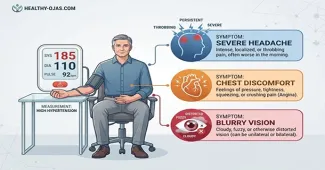
If you are experiencing severe chest pain, shortness of breath, sudden numbness, or a severe headache alongside a blood pressure reading above 180/120 mm Hg, call emergency services immediately. This may be a hypertensive crisis.
High blood pressure (hypertension) typically has no visible signs or symptoms.
Therefore, you should not disregard hypertension signs when experiencing them.
Hypertension is non-symptomatic
The "Silent Killer": medical institutions like the Centers for Disease Control and Prevention (CDC) label hypertension a "silent killer."
Because high blood pressure rarely causes noticeable symptoms on its own, even when readings reach dangerously high levels. Millions of adults live with elevated numbers for years without ever realizing it.
The vast majority of people with hypertension feel completely fine and only discover they have it during a routine checkup or screening. Most people only discover they have it after a routine screening or a severe cardiovascular event like a stroke or heart attack.
Waiting for physical symptoms to appear before checking your blood pressure is a dangerous medical gamble. The only definitive way to know your status is through regular, accurate screenings using a validated blood pressure cuff. Chronic high pressure silently erodes your arterial walls, meaning the very first "symptom" of untreated hypertension is often a catastrophic medical event, such as a heart attack or stroke.
Severe hypertension symptoms (BP emergency signs)
While everyday hypertension does not cause symptoms, a sudden, severe spike in your numbers does. If your blood pressure climbs to 180/120 mm Hg or higher, you are entering what medical professionals call a Hypertensive Crisis.
This extreme pressure inflicts immediate, acute damage on your vital organs, including your brain, heart, kidneys, and eyes. If you or a loved one experiences the following emergency symptoms alongside a high blood pressure reading, call emergency services immediately:
- Severe, Sudden Headache: A blinding, throbbing pain that hits without warning.
- Chest Pain or Palpitations: A feeling of tightness, crushing pressure, or a rapid, irregular heartbeat.
- Shortness of Breath: Sudden difficulty breathing or catching your breath while at rest.
- Visual Disruptions: Blurred vision, double vision, or a sudden loss of sight in one or both eyes.
- Neurological Signs: Sudden dizziness, confusion, difficulty speaking, numbness, or loss of balance.
- Severe anxiety, confusion, or cognitive disorientation.
- Severe Nosebleeds: Epistaxis that is profuse and fails to stop after 10 minutes of direct pressure.
Knowing Your Blood Pressure Numbers
Know the normal blood pressure numbers and Hypertension stages. The Universal Target: Highlight the universal treatment target of less than 130/80 mm Hg for all adults.
Knowing where your average readings fall tells you exactly what steps you need to take next:
- Normal Blood Pressure: Readings are consistently under 120 mm Hg systolic AND under 80 mm Hg diastolic. If you fall into this category, maintain your current healthy lifestyle habits to prevent changes as you age.
- Elevated Blood Pressure: Readings range from 120–129 mm Hg systolic AND are less than 80 mm Hg diastolic. While not yet diagnosed as clinical hypertension, elevated blood pressure will worsen without intervention. Immediate lifestyle changes are required to bring these numbers down.
- Stage 1 Hypertension: Readings consistently span 130–139 mm Hg systolic OR 80–89 mm Hg diastolic. At this stage, your doctor will evaluate your overall cardiovascular risk. They may recommend a strict period of lifestyle modification or introduce medication if you have existing risk factors like diabetes or kidney disease.
- Stage 2 Hypertension: Readings reach 140 mm Hg or higher systolic OR 90 mm Hg or higher diastolic. This level of pressure requires immediate clinical management, usually involving a combination of lifestyle changes and daily prescription medication.
- Hypertensive Crisis: Reading higher than 180 mm Hg systolic and/or higher than 120 mm Hg diastolic. Immediate emergency medical evaluation is required.
Effects of untreated high blood pressure
If a user ignores tracking their blood pressure because they "feel fine," the constant internal arterial pressure silently damages the body over time.
- Heart Health: Causes arterial stiffening, leading to coronary artery disease, heart attacks, and heart failure. High pressure forces your heart muscle to work much harder to pump blood. This causes the left ventricle to thicken and stiffen (left ventricular hypertrophy), eventually leading to heart failure. It also accelerates coronary artery disease, increasing your risk of a sudden heart attack.
- Brain Health: Significantly increases the risk of stroke, transient ischemic attacks (TIAs), early cognitive decline, and vascular dementia. Hypertension is the leading manageable cause of stroke. It can cause blood vessels in the brain to burst (hemorrhagic stroke) or clog (ischemic stroke). Furthermore, a lack of steady, smooth blood flow causes subtle, long-term damage to the brain's white matter, leading to early cognitive decline and vascular dementia.
- Kidney Health: Damaged renal blood vessels fail to filter waste, leading to chronic kidney disease or total kidney failure. Your kidneys rely on a dense network of delicate capillaries to filter metabolic waste from your blood. High blood pressure scars and constricts these vessels. Damaged kidneys cannot filter waste efficiently, eventually resulting in total kidney failure requiring dialysis or a transplant.
- Vision Loss: Causes retinopathy, fluid buildup under the retina (macular swelling), and optic nerve damage. Chronic pressure damages the tiny blood vessels supplying your retinas (hypertensive retinopathy). This can cause fluid leakage, swelling of the macula, and optic nerve damage, resulting in blurred vision or permanent blindness.
Disclaimer: The health information provided on Healthy-Ojas is intended for educational purposes only. It does not constitute medical advice, diagnosis, or treatment. Always seek the advice of a qualified healthcare professional or cardiologist regarding any questions you have about a medical condition, lifestyle modifications, or prescription medications. Never disregard professional medical advice or delay seeking care because of something you read on this website.
Thus, if you are in doubt about increased blood pressure, then go for a blood pressure diagnosis.
Ayurveda Tri Doshas
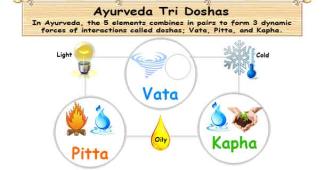
In Ayurveda, the five elements combines in pairs to form three dynamic forces of interactions called doshas; of three forms, they are Vata, Pitta, and Kapha. They are born from the five basic elements known as mind body types.
What is Doshas?
Dosha can often translate as biological type or constitution. Dosha is a Sanskrit word means unfavorable, flaw, not good, can cause danger, fault, disease, etc. against the cosmic rhythm. Therefore, doshas may be considering as the pathogenic factors, or disease-causing agents.
In Ayurveda, dosha is considering as the governing principles as every living thing in nature characterized by the dosha.
In Ayurvedic philosophy, the five elements combine in pairs to form three dynamic forces called doshas. These three forces (vata, pitta & kapha) circulate in the body and govern physiological activity. Their distinct proportions decide individual temperament and physical constitution. When it became unbalance leads to particular physical, mental and emotional disorders.
Five element and dosha
The five element (Panchamahabhutas) combine in different ways to form the three vital bio-energies; vata, pitta, kapha.
- The elements air and ether combine to form Vata.
- The elements fire and water combine to form Pitta.
- The elements earth and water combine to form Kapha.
Dosha and its characteristics
The central concept of Ayurvedic medicine is the theory that health exists when there is a balance between three fundamental bodily humors or doshas called Vata, Pitta and Kapha.
- Vata is the impulse principle necessary to mobilize the nervous system function. Vata predominates during old age. Manifest as the movement of nerve impulses, air, blood, food, waste, and thought. Its characteristics are cold, light, irregular, mobile, rarefied, dry, and rough. Function of the Vata dosha are movement, breathing, natural Urges, transformation of the tissues, motor functions, sensory functions, secretions, excretions, fear, emptiness, and anxiety. Aggressive vata dosha can result in nerve irritation, high blood pressure, gas, and confusion. Too little dosha (shortage) can result in nerve loss, congestion, constipation, and thoughtlessness.
- Pitta is the fire principle uses bile for digestion and metabolism. Pitta predominates during teen age (during hormonal changes) and adult. Manifest as enzymes that digest food and the hormones that regulate metabolism. Its characteristics are hot, light, fluid, subtle, sharp, malodorous, soft, and clear. Functions of the pitta dosha are body heat (temperature), digestion, perception, understanding, hunger, thirst, intelligence, anger, hate and jealousy. Aggressive pitta dosha can result in ulcers, hormonal imbalance, irritated, skin (acne), and anger. Too little dosha (shortage) can result in indigestion, inability to understand, and sluggish metabolism.
- Kapha is the water principle relates to mucous, lubrication and is the nutrient carrier. Kapha predominates during childhood year (during growth. Manifest as cells that make up organs and fluids, which nourish and protect them. Its characteristics are oily cold, heavy, stable, dense, and smooth. Functions of the kapha dosha are stability, energy, lubrication, forgiveness, greed, attachment, accumulation, holding, and possessiveness. Aggressive kapha dosha can result in mucous build-up in the sinus and nasal passages, the lungs and colon. Too little dosha (shortage) can result in experiences a dry respiratory tract and burning stomach.
As per Ayurveda, health exists only when there is balance between all the three fundamental bodily doshas or humors called Vata, Pitta and Kapha.
According to Ayurveda, dosha is one of the three humors that make up one’s constitution this concept also called as Tri-dosha theory. Tridosha are the psychobiological or biological pattern regulating the complete bodily function.
If all three doshas are in perfect equilibrium, you will experience:
- Every body tissues are functioning properly.
- Waste products (urine, feces and menstrual blood, etc.) eliminates in time & quantity.
- The body channels are open and clear without any blockage.
- The digestive fire is at its optimal level.
- All the five sense organs work at its best.
- The body, mind and spirit are in harmony.
Blood Pressure vs. Heart Rate Chart
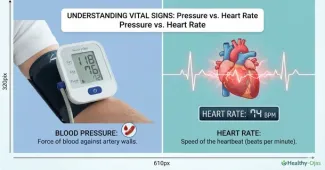
Blood pressure is the force of blood moving through vessels; heart rate is how fast the heart beats.
Blood pressure measures the force of blood exerted against the artery walls, while heart rate counts how many times your heart beats in a minute. They are distinct vitals that are operated by different bodily systems.
Heart Rate
What is a heart rate? Heart rate is the measure of the beating of the heart per minute, or the number of contractions of the heart per minute (bpm).
A heartbeat is a two-part pumping action that takes about one second.
- The Process: The heart chambers contract and relax to pump blood throughout the body.
- The Sound: The classic "lub-dub" sound is made by the heart valves snapping shut.
- The Purpose: It delivers oxygen and nutrients to organs while removing waste products.
Heart rate is measured by counting the number of pulses per minute. The unit of measurement for the heartbeat is "Beats per minute" (BPM).
Normal Heart Rate Ranges (Factual Intent)
The "normal heartbeat" or "resting heart rate" generally look for baseline numbers by age and condition.
Group | Normal Resting Heart Rate |
| Adults (18+) | 60 to 100 beats per minute (bpm) |
| Well-trained Athletes | 40 to 60 beats per minute (bpm) |
| Children (6-15 years) | 70 to 100 beats per minute (bpm) |
| Infants (0-12 months) | 100 to 160 beats per minute (bpm) |
The heartbeats below 60 are referred to as bradycardia, and rates above 100 are referred to as tachycardia.
How to Measure Your Heartbeat (Actionable Intent)
You can check your heartbeat manually using these short steps:
- Locate: Find your pulse on your wrist (radial artery) or neck (carotid artery).
- Press: Use your index and middle fingers. Do not use your thumb, as it has its own pulse.
- Count: Count the beats for 15 seconds.
- Calculate: Multiply that number by 4 to get your beats per minute (bpm).
Common Heart Rhythm Variations (Diagnostic Intent)
Irregular heartbeats ("arrhythmias") are looking to understand variations:
• Tachycardia: A resting heart rate that is too fast (over 100 bpm).
• Bradycardia: A resting heart rate that is too slow (under 60 bpm in non-athletes).
• Palpitations: The sensation of a racing, fluttering, or skipping heartbeat.
When to See a Doctor (Safety Intent)
Search queries regarding "heart palpitations danger" require clear medical boundaries. Seek immediate medical attention if an irregular heartbeat is accompanied by:
- Chest pain or pressure
- Shortness of breath
- Dizziness, lightheadedness, or fainting
What factors determine your heart rate?
The obvious purpose of the heartbeat is to push blood throughout the body. The rate of the heartbeat is a factor influence cardiac output, the volume of blood, and the speed of delivery of blood to every body cell. There are certain situations when the blood requires reaching cells more or less quickly.
Physical activity (or exercise), just standing up from resting, can increase the cellular requirement for both oxygen and blood nutrients (particularly glucose). Sensors located in the brain stem and hypothalamus are responsible for the feedback regulation of the heart rate to meet the demands of your body cells. Relaxation and sleeping states require minimal cellular requirements.
There are individual differences in the resting heart rate, which can be influenced by genetics, sex (females have faster heart rates than males), and state of health. These differences are related to personality, psychology, and physical fitness.
Maximum heart rate
The maximum heart rate is the maximum number of beats (heart contractions) per minute. It is a useful tool to measure or predict the exercise level. It is a good practice to monitor your heart rate while exercising to confirm you are staying within a safe range or use it to monitor how well your exercise raises your heart rate to acceptable ranges.
Based on your age and physical condition, a formula is used to calculate your maximum heart rate. This method uses an age-predicted maximum heart rate formula:
- For Women: 226 - Age
- For Men: 220 - Age
Example: If you are a 40-year-old woman, your age-related maximum heart rate will be 226- 40 years = 186 BPM (beats per minute), for a man with the same age, 220 - 40 = 180 BPM.
Physical activity and your Target Heart Rate
Based on your age, pulse rate during exercise should be within 60 to 85 percent of your maximum heart rate.
Age | Target heart rate |
20 | 120 to 170 |
25 | 117 to 166 |
30 | 114 to 162 |
35 | 111 to 157 |
40 | 108 to 153 |
45 | 105 to 149 |
50 | 102 to 145 |
55 | 99 to 140 |
60 | 96 to 136 |
65 | 93 to 132 |
70 | 93 to 123 |
What Do Blood Pressure Numbers Mean?
Blood pressure is recorded as two numbers, measured in millimeters of mercury (mm Hg):
- Systolic Pressure (Top Number): Measures the force your heart exerts on artery walls each time it beats.
- Diastolic Pressure (Bottom Number): Measures the force your heart exerts on artery walls while resting between beats.
Blood Pressure Chart Ranges
According to the American Heart Association, adult blood pressure falls into five distinct categories:
| Blood Pressure Category | Systolic mm Hg (Top) | Diastolic mm Hg (Bottom) |
| Normal | Less than 120 | Less than 80 |
| Elevated | 120 – 129 | Less than 80 |
| Hypertension Stage 1 | 130 – 139 | 80 – 89 |
| Hypertension Stage 2 | 140 or higher | 90 or higher |
| Hypertensive Crisis | Higher than 180 | Higher than 120 |
Symptoms of High and Low Blood Pressure
"what are the hidden symptoms of high blood pressure", "signs your blood pressure is too low"
High Blood Pressure (Hypertension): Widely known as a "silent killer" because it typically presents no symptoms until it reaches life-threatening levels.
Low Blood Pressure (Hypotension): Occurs when blood pressure drops below 90/60 mm Hg. It frequently causes noticeable symptoms like dizziness, fainting, blurred vision, and fatigue.
When to Seek Emergency Medical Care (Safety Intent)
When should you go to the ER for high blood pressure", "hypertensive crisis warning signs"
A reading over 180/120 mm Hg requires immediate attention. Go to an emergency room if a high reading is accompanied by:
- Severe chest pain
- Shortness of breath
- Back pain, numbness, or weakness
- Difficulty speaking or sudden vision changes
Frequently Asked Questions: Decoding Your Vitals
While standard health charts provide essential baseline data, clinical numbers rarely exist in a vacuum. Your cardiovascular network adapts dynamically to your everyday environments, routines, and physical stressors. Consequently, many patients experience unexpected or fluctuating readings when tracking their vitals at home.
To help you better interpret your metrics, we have compiled and answered the most common questions regarding how blood pressure and heart rate interact, what causes anomalous readings, and how to verify that your digital monitoring equipment is giving you precise, actionable results.
Can you have a normal heart rate but high blood pressure?
Yes, it is entirely common to have a normal heart rate (between 60 and 100 bpm) while having elevated or stage-defined high blood pressure (130/80 mm Hg or higher). Because entirely independent physiological systems regulate blood pressure and heart rate, a heart beating at a healthy, rhythmic rate can still force blood through stiff, narrowed, or highly resistant arterial walls.
Why does blood pressure drop while the heart rate increases?
A sudden drop in blood pressure accompanied by a rising heart rate is usually your body's compensatory reflex mechanism. When your blood volume falls—due to severe dehydration, sudden blood loss, or structural pooling when standing up quickly (orthostatic changes)—vessel pressure plunges. Sensors in your brain stem instantly signal your heart to pump much faster (tachycardia) to keep critical oxygen delivery moving to vital organs.
What causes a high pulse and high blood pressure simultaneously?
Spiking both metrics at the exact same time is typically caused by a sudden surge of adrenaline or external physical stressors. Common everyday triggers include intense physical exertion, high anxiety or panic attacks, acute pain, excessive caffeine consumption, or nicotine use. Over the long term, unresolved sleep apnea and chronic stress can keep both of these vital numbers consistently elevated.
Why does a digital blood pressure monitor show a different pulse than manual counting?
Digital home monitors calculate pulse based on oscillometric arterial wall vibrations rather than direct tactile beats. If your machine shows a fluctuating or variant number compared to a manual wrist check, it is typically caused by talking or moving during inflation, a loose or incorrectly aligned arm cuff, low batteries, or underlying cardiac rhythm irregularities like atrial fibrillation that confuse the machine’s sensor algorithm.
Diastolic Blood Pressure

During the circulation of blood, the blood pressure drops as it moves away from the heart through arteries, and toward the heart through veins.
Diastolic blood pressure (DBP) is a more potent cardiovascular risk factor than SBP until age 50; after that, Systolic blood pressure (SBP) is more important.
Diastolic blood pressure varies depending on the activity, surrounding temperature, diet-taken, state-of-mind (emotional), physical posture and medicine in use.
What is diastolic blood pressure?
For every heartbeat, blood pressure varies between systolic and diastolic blood pressures. Diastolic is the pressure drop in the arteries, which generates near the beginning of the cardiac cycle when the ventricles are filling with blood.
Blood pressure readings are measured in millimeters of mercury (mmHg), and it is noted as two numbers, example 110 over 70 (i.e. 110/70). The bottom number (70 mmHg) is the diastolic blood pressure reading. It represents the minimum pressure generated when the heart relaxes. Diastolic blood pressure is the blood pressure number between heartbeats (when the heart rests).
Importance of Diastolic Blood Pressure
Heart pump’s blood into your blood vessels, enough diastolic pressure requires maintaining blood flow to all parts of your body. Diastolic pressure maintains blood flow back to heart after collecting waste products after consumption of nutrient and oxygen.
Diastolic blood pressure readings are specifically important in the monitoring of the blood pressure in younger individuals.
High and low diastolic blood pressure
If the diastolic number is low, your body cells unable to collect waste products. It may lead to toxin accumulation. If a number less than 60 mmHg are, considering as a low diastolic number called hypotension.
Every 10 mm rise in diastolic pressure may double the risk of heart attack, stroke, kidney failure and heart failure.
At age less than 50 the diastolic is the important predictor of adverse outcome.
Ayurveda Five Elements
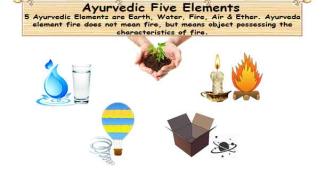
Everything in this universe is the product of different combinations of the five basic elements: earth, water, fire, air, and space.
Ayurvedic microcosm macrocosm
The basic premise of Ayurveda is that the entire cosmos or universe is part of one singular absolute. Everything that exists in the vast external universe (macrocosm) also appears in the internal cosmos of the human body (microcosm). In other words, all human beings are a living microcosm of the universe and the universe is a living macrocosm of the human beings.
What is Ayurvedic five-element theory?
The Panchamahabhuta (five basic elements) are Akash (ether), Vayu (air), Agni (fire), Jala (water) and Prithvi (earth). Ayurveda uses the characteristics of the five elements to identify different objects. If they classify anything as "fire," does not mean literally as fire. It means the object possess the characteristics of fire such as combustion, heat, etc.
Ayurveda views nature (including human) as made up of five basic elements or qualities. These elements are earth, water, fire, air, and space; believed to be composed of both matter and energy. These elements interact and give rise to all that exists.
- Earth (Prthvı) element is dense, heavy, hard and principle of inertia. In the human body, all solid structures and compact tissues are obtaining from the earth element. They exist in various structural parts such as the bones, nails, teeth, muscles, cartilage, tendons, skin, and hair. Sense of earth element is smell, organ nose.
- Water (Jal) element is liquid, soft and the principle of cohesion. In the human body, all fluids are obtaining from the water element. They exist in many forms in the body such as plasma, blood, saliva, nasal secretion, digestive juice, eye secretion, mucus, cytoplasm, cerebrospinal fluid and liquid inside the cell. Sense of water element is taste, organ tongue.
- Fire (Agni) element is hot, light and principle of radiance. It controls enzyme functioning. In the human body, it believed to regulate body temperature and responsible for digestion, absorption, assimilation and regulate metabolism. The solar plexus, located in the abdomen is the seat of fire in the body. Fire manifests as the gray matter in the brain allows one to recognize, appreciate, and comprehend the world. Sense of fire element is vision, organ eye.
- Air or wind (Vayu) element is cold, mobile, rough and principle of vibration. It is the element of movement, in human body it represents every movement include muscular movement, lungs contraction, intestines movement and movement in every cell. In the cosmos, it is the movement of the earth, wind and air. It governs thought, desire, and will. Sense of air element is touch, organ skin.
- Space or Ether (Akasha) element is clear, subtle and principle of pervasiveness. It corresponds to the spaces in the body, which include the mouth, nostrils, thorax, abdomen, respiratory tract, and cells. Space allows the existence of sound in order to travel. Sound does not indicate only audible sounds, it also include subtler vibrations that resonate in our body. Sense of ether element is hearing, organ ear.
These five elements exist in all things including human body. These five elements combine in different ways in the human body to govern mind, body, and spirit.
Concept of Mahabhoot in Other Civilizations
- Western Air, Water, Aether, Fire, Earth
- Chinese (Wu Xing): Water, Metal, Earth, Wood, Fire
- Japanese (Godai): Earth,, Water, Fire, Air, Wind, Void, Sky, Heaven
- New Zealand: Air, Water, Flora, Fire, Earth
- Greek: Fire, Earth, Air, and Water
Systolic Blood Pressure
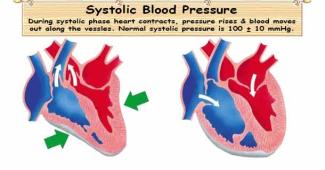
Blood pressure is the pressure generated by the blood circulating against the walls of blood vessels. This circulating blood pressure is higher when the heart contracts (Systolic).
After age 50, Systolic blood pressure (SBP) is more important; before that, diastolic blood pressure (DBP) is more potent cardiovascular risk factor.
Systolic blood pressure may vary based on the activity; surrounding temperature, diet-taken, state-of-mind (emotional), physical posture, and medicines you are taking.
What is systolic blood pressure?
For every heartbeat, blood pressure varies between systolic and diastolic pressures. Systolic pressure is the peak pressure in the arteries, which generated at the end of the cardiac cycle when the ventricles are contracting.
Blood pressure readings measured in millimeters of mercury (mmHg) and are noted as two numbers, for example, 110 over 70 (i.e., 110/70). The top number (110 mmHg) is the systolic blood pressure reading. It represents the maximum pressure generated when the heart contracts (beats).
Importance of systolic blood pressure reading
Heart pump’s blood into the blood vessels, enough systolic BP requires pushing blood to all parts of your body. Systolic pressure generates a blood flow to all branches to provide oxygen and nutrients for every body cell.
Aging increases the importance of systolic blood pressure. It rises with age because of the hardening of the arteries; this is a natural process.
High and low systolic blood pressure
If the systolic number is low, your body cells are unable to get the required oxygen and nutrients. It may even lead to cell death. Less than 90 mmHg are considering as low called hypotension.
At age 50 to 59 systolic pressure is the most important predictor.
If the systolic number is high, your blood vessels are becoming harder (start losing elasticity) and develop scars. It may cause blood vessel blockage or rupture leads to organ damage or even failure. If the number is over 140 mmHg, it is considering as high called hypertension. If only the systolic blood pressure is more than 140 mmHg, but the diastolic maintains average at less than 80 mmHg known as isolated systolic hypertension.
Stroke Rehabilitation
Stroke recovery or rehabilitation is the treatment for stroke patients with disability, to help them return to normal life as much as possible by regaining the skills of everyday living.
Stroke Rehabilitation
The goal of the stroke rehabilitation is to make an individual who had a stroke to reach the maximum level of independence and be as productive as possible. Stroke survivors often need complex rehabilitation; progress and recovery are highly individualized for each person. Although most of the functional abilities may restore soon after a stroke and still the recovery is an ongoing process.
- Occupational therapy is an exercise and training procedure to help the stroke patient relearn everyday activities, such as eating, drinking, dressing, bathing, cooking, reading, writing, and toileting.
- Therapeutic recreation uses treatment, education, and recreation services to help people to enhance their health, functional abilities, independence, and quality of life.
- Speech and language therapy is for patients who have problems of understanding speech or written words, cognitive loss, or problems in forming speech.
- Psychologists can assess cognitive function and educate people with stroke coping strategies.
- Vocational rehabilitation can work closely with a person who has stroke and their employer to promote the successful return to work.
Stroke rehabilitation can last from a few days up to several months. Functional improvement is visible in the first few days to weeks.
Stroke Treatments
Goal of stroke treatment is to remove blockage or to arrest the leak, restore the normal blood flow and prevent or limit any damage.
Treatment of Ischemic Stroke
Goal for the treatment of ischemic stroke is to dissolve, remove, or shatter a blood clot that is preventing blood from reaching an area of the brain.
Intravenous TPA - Inject Tissue plasminogen activator (TPA intravenously into the bloodstream, the blood to the clot carries it and TPA breaks up the clot and normalizes the blood flow.
Important: It cannot give TPA to people after three hours of the onset of their symptom, if given it increases the risk of bleeding inside the brain.
Intra-Arterial Thrombolysis - Give this treatment for up to six hours after the onset of symptoms. A small catheter is inserts into the major blood vessels in the leg, and advances it precisely towards the brain with the help of a special video system. Reach the blood clot to its center and injecting TPA. TPA begins to dissolve the blood clot and normalizes the blood flow. This treatment requires special equipment and technical expertise, so it is only available in selected hospitals around the country.
The MERCI Retriever - The Mechanical Embolus Retrieval in Cerebral Ischemia is an approach to remove or break up blood clots. A special device is carefully insert into the blood vessel in the leg advances towards the brain where the blood clot is trap, the retriever catch and pulls it out, thus normalize the blood flow.
Surgical treatment for Ischemic Stroke
- Carotid endarterectomy is a surgical procedure mostly performed to remove the plaque blocking the carotid artery in the neck.
- Cerebral angioplasty is another technique uses balloons, stents, and coils to treat some types of problems with the blood vessels in the brain. It is widely used because of its safety and effectiveness.
Traditional Chinese Medicine

Traditional Chinese Medicine is a TCM) is more than 3,000 years old. The treatment and diagnostic methods focus is to re-establish balance to the internal and external energies through diet, herbal, acupuncture, and breathing techniques.
TCM Introduction
Traditional Chinese Medicine (TCM) is one of the world's oldest forms of medicine practice originated in China, with a history of more than 2,500 years. TCM is associated with early Taoists and Buddhists; they observed energy within themselves, in plants and animals, and throughout the cosmos. They further believe in the natural order of the universe and the direct correlation between the human body and the cosmos. TCM is the main form of medicine in China today. TCM does not treat the illness alone, but the person with the illness.
TCM believes that the life and activity of individual human beings have an intimate relationship with the environment on all levels. It largely considers the philosophical concept that the human body is a small universe.
TCM treatments include herbal medicine, acupuncture (& acupressure), Qigong and Taiji. TCM evolved various theories, which include those of:
- Yin-yang,
- Five Phases or elements,
- Vital energy (Chi)
- Body fluid
- Human body Channel system - meridian,
- Zang Fu organ theory,
- Health & Disease in TCM
- TCM Diagnosis Methods
- TCM Treatments
The clinical diagnosis and treatment in Chinese Medicine have mainly based on the yin-yang and five elements theories. These theories apply the phenomena and laws of nature to the study of the physiological activities and pathological changes of the human body and its interrelationships.
Health in TCM
According to TCM, health means the body system is in a state of dynamic harmony is a equilibrium), both among the various parts of the body additionally between the body and environmental conditions.
Disease in TCM
The breakdown of the relative equilibrium within the organism or between the organism and its environment leads to disease. In terms of TCM, this is considering as imbalance between yin and yang.
TCM views not only the human body as a whole additionally, it also emphasis the unity of the human body and nature. Nature persistently influences the human body; nevertheless, the body learns to adapt to variations in the natural environment.
TCM holistic approach
TCM holistic medical takes into account physical, psychological, and social aspects as a whole. The TCM believes the body, mind, and spirit are fundamentally everyone are the same. To explain the oneness they put forward the three forms of water; water is wet in fluid nature, ice is hard and cold, and steam with its hot, gaseous nature. Even though they appear to be different, the molecules are the same in three different states. Similarly, body, mind, and spirit look different expressions of the same.
Qi is a Chi: The Vital Energy
In TCM chi is pronounce as chee, spell as Qi means energy. Chi represents an invisible energy flow, which circulates in plants, animals, and human as well as this universe. It animates the physiological functions, health and wellbeing of the individual. As per TCM energy distributes throughout the human body along the energy networks called meridians, which connects all parts of the body. Obstruction in chi flow causes various problems ranging from illness to social difficulties. Some common TCM treatments are diet, exercise, meditation, herbs and acupuncture to enhance or correct the chi flow.
Yoga

Yoga refers to be the traditional physical and mental disciplines with healing power originating in India. It balances body, mind, and spirit, so considered as Holistic therapy.
Before applying any alternative medicine’s therapy, you should be aware that many of these therapies have not evaluated in scientific studies. Often, only limited information is available about their safety and effectiveness.
Yoga Meaning
Sanskrit word yoga has many meanings, and it is derived from the Sanskrit root yuj, meaning, "to control,” "to yoke," or "to unite.” Translations include "joining,” "uniting,” "union,” "conjunction,” and "means.”
Yoga is an art of the rightful way of living, or a mental physical system for the benefit of the body, mind, and the inner spirit.
The word Yoga literally means union that is merging of the atma (individual soul) with the paramatma (Universal Soul). According to Yoga philosophy, one by cleansing their mind and controlling their thoughts can back to that primeval state, also the individual self was nothing but a part of the divine self.
It is believed that Hiranyagarbha (The Cosmic Womb) had originally advocated the traditional yoga system, from which all other yoga systems have evolved. The entire credit goes to Maharishi Patanjali for his knowledge of yoga practices, such as yogasanas and pranayama.
Yoga is an ancient system of exercises that encourages the union of mind, body, and spirit. Yoga is a mental and physical discipline; it uses the body and breathing to develop self-awareness and mental clarity.
Patanjali's Yoga Sutra
Patanjali systematized the various yogic practices in his work "Yoga Sutra.” He describes the aim of yoga as self-knowledge, and he described eight fundamental things to achieving it. These are:
- Yama (five refraining): non-violence, non-lying, non-covetousness (do not be an extreme desire to acquire), non-sensuality (do not excessively indulgence in sexual desire), and non-possessiveness.
- Niyama (five observances): purity, contentment (happiness with one's situation in life), austerity (trait of practicing Self-discipline), study (pursuit of knowledge), and surrender to god.
- Asana (means seat): Yoga sutras refers to the seated position used for meditation.
- Pranayama (stopped breathing): Prana means breath, ayama means stop. It is also interpreting as control of the life force.
- Pratyahara (Abstract): Detachment of the sense organs from external objects.
- Dharana (Concentration): Concentrate attention on a single object.
- Dhyana (Meditation): continuous and profound contemplation (thoughtful observation) on a subject of a deep or difficult to understand nature.
- Samadhi ("Liberation"): Is merging of the consciousness with the object of meditation.
Yoga Traditional view
Yoga is a complete system, of which the postures or asanas is a small quite useful part. The word "Yoga" referred to the whole, not merely one part, which is the postures, or Asanas. The entire purpose of Yoga is spiritual in nature, according to the ancient sages.
Goal of Yoga is Yoga
The goal or purpose of Yoga is Yoga itself; union itself, of the little self and the true self, a step to awakening the preexisting union called Yoga. The term Yoga is the preexisting union between Atman and Brahman, Jivatman and Paramatman, and Shiva and Shakti, or the realization of Purusha standing alone as separate from Prakriti.