
Vasodilators

Vasodilators are a class of drugs that dilate, relax or widen blood vessels (mainly the arterioles) results from relaxation of smooth muscle cells, which allows blood to flow more easily that causes blood pressure to drop.
Vasodilators medications
Vasodilators are used to treat or prevent hypertension, heart failure, preeclampsia (high blood pressure during pregnancy), angina, and pulmonary hypertension. Vasodilators are often used in combination with other drugs and are rarely used alone.
Vasodilators Types
There are different types of vasodilators, they are:
- Arterial dilators (mainly affect the arteries): They reduce arterial pressure by decreasing systemic vascular resistance.
- Venous dilators (mainly affect the veins): They reduce venous pressure, which reduces preload on the heart thereby decreasing cardiac output.
- Mixed dilators (affect veins and arteries): They act on both arteries and veins, and therefore termed as mixed or balanced dilators.
Commonly prescribed vasodilator medications on the market, include:
- Arterial dilator drugs are hydralazine hydrochloride (brand name: Apresoline) and Minoxidil (brand name: Loniten). Its side effects are reflex tachycardia, anorexia, and hypotension.
- Venous dilator drugs are organic nitrates (such as nitroglycerin, isosorbidenmono-/di-nitrate, and sodium nitroprusside). Its side effects are hypotension, headaches, rebound hypertension on discontinuation.
- Combination dilator drugs are Nitroprusside, Pimobendan, and Angiotensin converting enzyme (ACE) inhibitors.
Who should avoid vasodilators?
Avoid vasodilators, if you are taking bisulfates, diuretics (water pills), insulin, phenytoin, corticosteroids, estrogen, warfarin, or progesterone. Avoid vasodilators, if you are pregnant, nursing women, diabetes, heart disease, or uremia (build-up of waste in your blood).
What are the side effects of vasodilators?
Rapid heartbeat (tachycardia), palpitations, edema, nausea, vomiting, stomach upset, dizziness, flushing, headache, growth in body hair, joint pain, swelling around the eyes, aches/pains in the joints, and chest pain.
What are the warning signs of vasodilators?
Consult a doctor immediately if having; fever, fast heartbeat, fainting, chest pain, breathing problems, sudden weight gain.
Peripheral Adrenergic Inhibitors
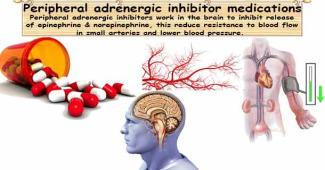
Peripheral-acting adrenergic antagonists reduce resistance to blood flow in small arteries by inhibiting the release of epinephrine and norepinephrine.
Peripheral Alpha-Adrenergic medications
Peripheral adrenergic inhibitors or antagonists drugs are rarely used unless other medications don't help. Commonly prescribed Peripheral-acting adrenergic blockers medications on the market, include:
- Guanadrel (brand name: Hylorel)
- Guanethidine mono sulfate (brand name: Ismelin)
- Reserpine (brand name: Serpasil)
- Doxazosin (brand name: Cardura)
- Prazosin (brand name: Minipress)
- Terazosin (brand name: Hytrin)
- Tamsulosin (brand name: Flomax)
- Silodosin (brand name: Rapaflo)
- Alfuzosin (brand name: Uroxatral)
- Mecamylamine (brand name: Inversine, Vecamyl)
Who should avoid peripheral alpha-adrenergic blockers?
Elderly and people who have liver problems should discuss with the doctor about the risks of using these medications.
What are the side effects of peripheral alpha-adrenergic blocker?
Potential effects include dizziness, tiredness, lightheadedness, diarrhea, heartburn, vision problems, swelling (of the hands, feet, ankles, or legs), decreased sexual ability and a stuffy nose. Reserpine is commonly used in people with severe hypertension and is often prescribe in combination with a diuretic and a beta-blocker (or another medication that slows the heart rate).
If you have nightmares, insomnia, or depressed, you should stop using the drug.
What are the warning signs of peripheral alpha-adrenergic blocker?
Consult a doctor immediately if having; chest pain, irregular heartbeat, painful erection in men.
Calcium Channel Blockers
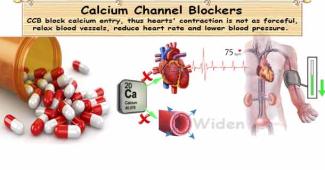
Calcium channel blockers block calcium from entering the smooth muscle cells of the heart and arteries. When calcium enters these heart and arterial cells, it causes a stronger and harder contraction.
Calcium channel blocker blocks calcium entry; thus hearts' contraction is not as forceful, relaxes blood vessels, reduce heart rate, and lower blood pressure.
Calcium channel blockers medications
The British Hypertension Society recommended first-line therapy in patients over 55 should be a calcium channel blocker or a thiazide-type diuretic.
CCB class of drugs can easily identify by the suffix "-dipine." Commonly prescribed CCB medications on the market, include:
- Amlodipine besylate: (brand name: Norvasc, Lotrel)
- Clevidipine: (brand name: Cleviprex)
- Diltiazem hydrochloride: (brand name: Cardizem CD, Cardizem SR, Dilacor XR, Tiazac)
- Felodipine: (brand name: Plendil)
- Isradipine: (brand name: DynaCirc, DynaCirc CR, Prescal)
- Nicardipine: (brand name: Cardene, Cardene SR)
- Nifedipine: (brand name: Adalat CC, Procardia XL)
- Nisoldipine: (brand name: Baymycard, Sular, Syscor)
- Verapamil hydrochloride: (brand name: Calan SR, Covera HS, Isoptin SR, Verelan)
- Aranidipine (brand name: Sapresta)
- Azelnidipine (brand name: Calblock)
- Barnidipine (brand name: HypoCa)
- Benidipine (brand name: Coniel)
- Cilnidipine (brand name: Atelec, Cinalong, Siscard) Not available in the US
- Efonidipine (brand name: Landel)
- Lacidipine (brand name: Motens, Lacipil)
- Lercanidipine (brand name: Zanidip)
- Manidipine (brand name: Calslot, Madipine)
- Nilvadipine (brand name: Nivadil)
- Nimodipine (brand name: Nimotop) this drug can pass the blood-brain barrier and useful to prevent cerebral vasospasm.
- Nitrendipine (brand name: Cardif, Nitrepin, Baylotensin)
- Pranidipine (brand name: Acalas)
- Bepridil: (brand name: Vasocor)
Calcium channel blockers used alone may cause increased proteinuria in patients with the chronic renal disease.
Mechanisms of action - Decrease in the concentration of free intracellular calcium ions results in decreased contraction of heart and vasodilation of arteries. Diuretic effect through increase in renal blood flow and glomerular filtration rate. And inhibition of aldosterone secretion.
What to do, if calcium channel blocker causes feet and ankles swelling?
Unfortunately, feet and ankles swelling can be a side effect of calcium channel blockers. If it is not severe, you can continue using it. But, if it is severe, you need to stop taking it and try choosing another class of antihypertensive medicines.
Why does the heart stop beating, when kept in a calcium solution?
Calcium channels are present in the heart when activated they reduce the contractile property of heart muscle. That is why in calcium solution, the heart stops beating. For this same reason, your doctor prescribes calcium channel blockers for cardiac arrest.
What are the conditions suggest the use of calcium channel blockers?
Calcium channel blockers might prescribe for hypertension with heart conditions such as coronary artery disease, coronary spasm, angina, abnormal heart rhythms, hypertrophic cardiomyopathy, diastolic heart failure, Raynaud’s syndrome, and pulmonary hypertension (hypertension in the arteries of the lungs). Calcium channel blockers are also used to prevent migraine headaches.
Calcium channel blockers are recommended for people with angina pectoris, chest pain caused by an inadequate oxygen supply to the heart muscle in patients with coronary artery disease.
The calcium channel blockers amlodipine and felodipine should use for systolic heart failure.
Can older adults take CCB?
Older adults have more side effects from calcium channel blockers than younger, thus a low dose of calcium channel blockers prescribed for them.
Who should avoid Calcium Channel Blockers?
Avoid Calcium Channel Blockers, if you have a heart condition, liver or kidney problems, pregnant, and taking nitrates, quinidine, or fentanyl.
What are the side effects of calcium channel blockers?
Side effects of calcium channel blockers can include palpitations, constipation, drowsy, headache, increased appetite, GERD, bleeding gums, lightheadedness, dizziness, low blood pressure, ankle feet swelling, and sexual dysfunction.
Immediately consult your doctor, if you are experiencing weight gain, breathing difficulty, skin rash/hives, and fainting.
What are the warning signs of calcium channel blocker?
Consult a doctor immediately if you are having chest pain, heavy rashes, swelling of the face, eyes, lips, tongue, arms, or legs, fainting, irregular heartbeat.
Beta Blockers

Beta-blockers reduce the heart rate, heart’s workload and the heart’s output of blood, which in turn lowers blood pressure.
Beta-blockers
Beta-blockers, also written as β-blocker, also called beta- adrenergic receptor blocking agents, it binds to beta receptors present on the cells of the heart, arteries, kidneys and other tissues stimulated by the stress hormones such as adrenaline and noradrenaline.
Some compelling indication for the use of beta-blockers in hypertensive patients are childbearing women, increased sympathetic drive, and intolerance to ACE inhibitors & ARBs.
Guidelines for the hypertension management in the UK were updated; beta-blockers are not recommended as the first-line drug in hypertension patients without compelling indications.
Mechanisms of Action - Initially these drugs decreases cardiac output, followed by reduction in peripheral vascular resistance. Other actions include decrease in plasma renin activity, resetting of baroreceptors, release of vasodilator prostaglandins, and blockade of beta-receptors.
Commonly prescribed non-selective beta-blockers medications on the market, include:
- Carteolol hydrochloride (brand name: Cartrol)
- Nadolol (brand name: Corgard)
- Penbutolol Sulfate (brand name: Levatol)
- Propranolol hydrochloride (brand name: Inderal)
- Sotalol hydrochloride (brand name: Betapace)
- Timolol maleate (brand name: Blocadren)
- Pindolol (brand name: Visken)
- Carvedilol (brand name: Coreg)
- Labetalol hydrochloride (brand name: Trandate)
- Oxprenolol Hydrochloride (brand names: Trasacor, Trasicor, Coretal, Laracor, Slow-Pren, Captol, Corbeton, Slow-Trasicor, Tevacor, Trasitensin, Trasidex)
Commonly prescribed cardioselective beta blockers medications on the market, include:
- Betaxolol (brand name: Kerlone)
- Acebutolol (brand name: Sectral)
- Atenolol (brand name: Tenormin)
- Metoprolol succinate (brand name: Toprol-XL, Metoprolol Succinate ER)
- Metoprolol tartrate (brand name: Lopressor, Metoprolol Tartrate)
- Bisoprolol fumarate (brand name: Zebeta)
- Nebivolol (brand name: Bystolic)
- Esmolol (brand name: Brevibloc)
Beta blockers are preferred treatment in hypertension with angina, resting tachycardia (racing heartbeat while resting), a rapid onset heart attack and atrial fibrillation. Less commonly prescribed for a migraine headache, tremor, and anxiety.
The sympathetic nervous system is part of the autonomic nervous system. It mediates the fight-or-flight response stimulated by the stress hormones such as adrenaline and noradrenaline. It is responsible for raising alertness, heart rate, and blood pressure. Beta blockers blunt this exaggerated physiological response to stress, which in turn reduces high blood pressure.
There are three types of beta receptors control several functions based on their location. Beta 1 receptors are present in the heart, eye, and kidneys. Beta 2 receptors are present in the lungs, gastrointestinal tract, liver, uterus, blood vessels, and skeletal muscle. Beta 3 receptors are present in fat cells.
Some beta-blockers are selective to the beta 1 receptor more than the beta 2 receptor called cardioselective agents. Nonselective beta blockers can bind to both the beta 1 and beta 2 receptors.
Can I use beta blocker, I have hypertension and hyperthyroidism
Hyperthyroidism is associated with an increased beta-adrenergic receptors. This increased beta-adrenergic activity is responsible for many of these symptoms of hyperthyroidism that include palpitations, tachycardia, nervous, anxiety, and heat intolerance. It explains the ability of beta blockers to improve rapidly many of these symptoms.
Is it true, beta-blocker can mask low blood sugar symptoms in diabetes patients?
Yes, beta blockers may mask low blood sugar symptoms specifically rapid heartbeat in people with diabetes who treated with insulin. So you cannot rely on the symptoms to know your blood sugar is low, and it can be dangerous.
I have diabetes, is it ok for me to use beta-blockers?
Beta-blockers have been implicated in causing or worsening diabetes control. Studies show the risk of the onset of diabetes in people who took beta-blockers was approximately 20 to 28% greater than those who did not take beta-blockers.
Beta-blockers may inhibit the glucose release from the liver, block insulin secretion from the pancreas, and thus lower insulin levels even during high blood glucose.
There is evidence that not all beta-blockers affect insulin secretion. For example, cardioselective beta blockers have an affinity for the beta-1 receptor; these drugs are less likely to interfere with the secretion and regulation of insulin.
Do beta blockers help with anxiety, social interactions, etc.?
Social anxiety disorder, also known as social phobia, involves intense fear of social situations because of your feeling of being watched or evaluated by others.
Common social anxiety triggers are meeting new people, public speaking, stage performance, being the center of attention, talking with important people, eating or drinking in public, making phone calls, and attending parties.
When a person is under stress, stress hormones bind to various receptors that create physical symptoms of anxiety like palpitations, sweating, and muscle tension. Beta blockers are useful for relieving anxiety and social phobia. Beta blockers function by preventing stress hormones binding to the receptors, thereby it will not affect the emotional symptoms of anxiety and only control physical symptoms such as shaking hands/voice, sweating, and rapid heartbeat.
Can patients with COPD or asthma take a beta-blocker?
Beta 2 adrenergic receptors are present in the bronchi of the lungs. During stress, epinephrine act on these receptors causes the bronchi to relax, which in turn opens the airways. It helps you breathe well and oxygenate better to carry of flight or fight activity.
Asthma involves constriction of the airways. Salbutamol is the puffer medication used to treat an asthma attack that opens up the airways by acting on beta 2 adrenergic receptors.
So a person with asthma do not want to take a beta blocker because it is a medication that prevents your airways from opening, thus complicates your chronic obstructive pulmonary disease (COPD) or asthma treatment.
Is there a condition that might stop prescribing beta blocker?
For some conditions beta blockers are not recommended, this includes uncontrolled heart failure, low blood pressure, heart rhythm problems, or bradycardia (slow heart beat). If you have asthma or another lung disease, beta blockers are not advisable because they may provoke severe asthma attacks.
However, cardioselective beta blockers have an affinity for the beta-1 receptor result in fewer adverse effects on your lungs. It selectively blocks beta-1 receptors with little or no effect on beta-2 receptors.
Does beta-blocker affect sexual function (erectile dysfunction) in normal males?
For proper erection, activation of beta-receptors in the tissues and arteries of the penis required. Some (non-selective) beta-blocker bind to every beta-receptors and block it and does not allow the blood vessel to relax and allow the penis to fill up with blood to make a proper erection. Some beta blockers such as carvedilol and labetalol also block certain alpha receptors, which can cause ED.
However, 'cardio-selective' beta blockers are those that only block the beta-1 receptors and do not tend to cause erectile dysfunction. Nebivolol is a beta blocker that helps erectile function by increasing nitric oxide (NO) with their alpha-blocking properties.
Do not stop beta blocker on you own or abruptly; it can lead to angina, hypertension, or heart attack.
Additionally, use it with caution in the elderly, pregnant women, renal disease, and thyroid disease. Do not use it, if you have asthma or lung disease.
Who should avoid Beta-Blockers?
If you have slow heart rate, heart block/shock, pregnant or nursing women, kidney or liver problems, asthma, diabetes, overactive thyroid, and elderly should discuss with the doctor, regarding any specific risks of using Beta-Blockers.
What are the side effects of Beta-Blockers?
Constipation, diarrhea, gastrointestinal problems, asthma symptoms, bronchial spasm (especially in asthmatics and COPD patients), Bradycardia, tiredness, and decreased ability to exercise. A headache, depression, anxiety, slow heartbeat, rash, cold hands & feet (due to reduced blood flow to the limbs), lightheaded, dizziness, insomnia, strange dreams, and impotence.
Metabolic effects (raise triglyerides levels and decrease HDL cholesterol; may worsen insulin sensitivity and cause glucose intolerance). Increased incidence of diabetes mellitus.
If you have diabetes and on insulin therapy, then you should closely monitor your response to insulin therapy.
If you are planning to become pregnancy, then before conception consult your doctor for a safer hypertension medication.
What are the warning signs of beta-blockers?
Consult a doctor immediately if you are having chest pain, breathing problems, slow/irregular heartbeat, swelling of the hands, feet, or legs.
Angiotensin Receptor Blocker

Angiotensin receptor blockers (ARBs), also known as angiotensin II receptor antagonists, AT1-receptor antagonists are a class of antihypertensive drug that modulates the renin–angiotensin system.
Angiotensin receptor blocker medication
These drugs block the angiotensin, which causes narrowing of the arteries. Angiotensin needs a receptor to constrict the blood vessel. ARBs block these receptors, thus blood vessels stays open and blood pressure drops.
Commonly prescribed ARBs on the market, include:
- Candesartan (brand name: Atacand)
- Eprosartan mesylate (brand name: Teveten)
- Irbesartan (brand name: Avapro)
- Losartan potassium (brand name: Cozaar)
- Telmisartan (brand name: Micardis)
- Valsartan (brand name: Diovan)
- Olmesartan (brand name: Benicar)
- Azilsartan medoxomil (brand name: Edarbi)
For what conditions ARBs can be useful?
Angiotensin receptor blocker (ARB) are the drugs of choice for patients with hypertension, heart failure, chronic kidney failure, heart attack (myocardial infarction that weakens the heart muscle), and prevent kidney failure in people with diabetes or hypertension. ARBs may prevent diabetes and reduce stroke risk in patients with hypertension and an enlarged heart. ARBs may prevent recurrence atrial fibrillation.
Who should avoid angiotensin receptor blockers?
Avoid Angiotensin II antagonists, if pregnant or nursing women, kidney disease, liver disease, low blood volume, low salt in their blood, or taking diuretics (water pills) then you should talk to your doctor regarding the risks of taking these medications.
What are the side effects of angiotensin receptor blockers?
This class of antihypertensive drugs is well tolerated. Still few common side effects are a sore throat, sinus complaints, heartburn, dizziness, back pain, diarrhea, headache, and hyperkalemia.
Some rare, infrequent side effects are first dose orthostatic hypotension, rash, diarrhea, dyspepsia, abnormal liver function, muscle cramp, myalgia, back pain, insomnia, decreased hemoglobin levels, renal impairment, pharyngitis, and nasal congestion.
ARBs should not use during pregnancy. This drug can cause injury or even death to a developing fetus. When pregnancy is detected, consult your healthcare professional immediately to change your hypertension medication class.
What are the warning signs of angiotensin receptor blockers?
Consult a doctor immediately if you are having breathing problems, fainting, swelling of the face, throat, lips, eyes, hands, feet, ankles, or legs.
ACE Inhibitors

Angiotensin is a natural chemical in the body causes the arteries to become narrow. Angiotensin-converting enzyme (ACE) forms the angiotensin. ACE inhibitors limit the ACE activity, thus lessen angiotensin formation, which lowers blood pressure.
ACE inhibitor medications
Mechanism of Action - These drugs inhibits angiotensin- converting enzyme. Increased formation of bradykinin and vasodilator prostaglandins. Decreased secretion of aldosterone help sodium excretion.
Commonly prescribed ACE inhibitors on the market, include:
- Benazepril hydrochloride (brand name: Lotensin)
- Captopril (brand name: Capoten)
- Enalapril maleate (brand name: Vasotec)
- Fosinopril sodium (brand name: Monopril)
- Lisinopril (brand name: Prinivel & Zestril)
- Moexipril (brand name: Univasc)
- Perindopril (brand name: Aceon)
- Quinapril hydrochloride (brand name: Accupril)
- Ramipril (brand name: Altace)
- Trandolapril (brand name: Mavik)
- Imidapril hydrochloride (brand name: Tanatril)
Advantages of ACE inhibitor – It improves glucose tolerance and insulin resistance. It possess protecting against renal glomerular especially in diabetes mellitus. Do not adversely affect quality of life.
ACE (Angiotensin converting enzyme) inhibitors are the drugs of choice for patients with heart failure, chronic kidney failure, or heart attack (myocardial infarction that weakens the heart muscle).
As per new recommendation by the British Hypertension Society; ACE inhibitors are the first-line drug for patients who are younger than 55.
The ACE inhibitor is recommended for people with diabetes who have increased protein levels in the urine (proteinuria), heart failure, or a prior heart attack. An ACE inhibitor may be the first drug choice for a person with kidney disease.
For whom ACE inhibitor medication is suitable?
An ACE inhibitor may be suitable for the heart failure treatment with preserved left ventricular function (diastolic dysfunction) and systolic heart failure. Diastolic dysfunction is characterized by normal heart contraction, but the left ventricle is not relaxing properly, so less blood enters the heart. Systolic dysfunction is characterized by heart muscle not contracting with enough force, thus less amount of oxygen-rich blood pumped throughout the body.
When to take ACE inhibitor?
It should usually take on an empty stomach, preferably one hour before meals.
Why are ACE inhibitors contraindicate for people with renal artery stenosis?
ACE inhibitors for people with renal artery stenosis will cause hypoperfusion of the kidneys that will lead to renal failure.
Why ACE inhibitors cause an excessive cough in some?
ACE inhibitors may associate with a dry, persistent cough in 5 to 35% of patients. The mechanism of a cough is likely multifactorial; it prevents the breakdown of bradykinin and substance P, resulting in its accumulation in the respiratory tract.
Why ACE inhibitors cause hyperkalemia?
Inhibition of ACE will reduce the concentration of angiotensin II. It reduces the secretion of aldosterone and secretion of potassium, thus leading to hyperkalemia.
How do ACE inhibitors help reduce proteinuria?
Lungs secrete angiotensin converting enzyme (ACE) in response to hypotension (low BP) or hypovolemia (low blood volume). This enzyme converts angiotensin into more powerful vasoconstrictor angiotensin II, which help increase blood pressure.
Angiotensin II may also directly contribute to accelerating renal damage by sustaining cell growth, inflammation, and fibrosis. ACE inhibitors that inhibit the activity of the renin-angiotensin-aldosterone system (RAAS) are renoprotective and may slow or even halt the proteinuria or progression of chronic nephropathies.
Hypertension and diabetes exert harmful effects on the kidney via angiotensin II and overusing the kidneys to get rid of waste, both of which are lessened by ACE inhibitors.
Why is ACE inhibitor contraindicate for bilateral renal stenosis?
Renal artery stenosis is an arterial narrowing that carries blood to one or both of the kidneys. Your body is sensing this low blood supply to the kidneys and mistakenly interpret it as having low blood pressure. It signals the release of kidney hormones to increase blood pressure.
ACE inhibitor triggers drop in the intraglomerular and filtration pressures. ACE inhibitors do not directly reduce the renal blood flow but drop the glomerular perfusion pressure hence leads to acute renal function deterioration.
Who should avoid ACE inhibitor?
Avoid ACE inhibitor, if you are pregnant (this medicine has risk in late pregnancy), kidney or liver problems, diabetes, heart problems, and taking diuretics.
What are the side effects of ACE inhibitors?
Skin rash (6%), loss of taste, chronic dry hacking cough (in about 10 - 30%, it is the most common and distressing symptom), tiredness, headache, nausea, vomiting, sleeping problems, dizziness, fast heartbeat, reduced sexual function, liver damage, chest pain, and rarely kidney damage.
Women who plan to get pregnant and on ACE inhibitors for hypertension treatment should change the class of drugs. ACE inhibitor has been shown to be dangerous to both mother and baby during pregnancy. It might cause low blood pressure, kidney failure, high potassium level and even death of the newborn.
Frequently, the ACE inhibitor has an association with a dry cough and rarely with angioedema (0.2% life threatening); if you are one, then can you choose ARBs instead.
What are the warning signs of ACE inhibitor?
Consult a doctor immediately if you are having chest pain, breathing or swallowing problems, swelling of the face, eyes, lips, tongue, or legs.
Diuretics

Diuretics also called water or fluid pills, because it helps the body remove excess sodium and water, which help control blood pressure. It is more effective if the cause of hypertension is due to fluid built up in the body.
Diuretics medication
How does diuretics work? Diuretics also called as ‘fluid or water pills,’ because it causes you to pass more urine than usual. Diuretics work on your kidneys and make it to flushing sodium out of your body along with the unwanted extra fluid. This sodium and water removal will reduce blood volume and thus lowered your blood pressure.
Mechanisms of Action - Initially these drugs reduce the plasma volume and cardiac output. Long term effect of these drugs are decrease in total peripheral vascular resistance.
The Joint National Committee on Prevention, Detection, Evaluation, and Treatment of High Blood Pressure recommends most people try thiazide diuretics as the first-line drug treatment for hypertension and heart problems related to high blood pressure.
If diuretics are not able to lower your blood pressure, then your doctor may recommend additional hypertension medications to lower your blood pressure.
The British Hypertension Society recommends thiazide-type diuretic or calcium channel blocker as the first-line therapy in patients over 55 years.
Various studies suggest low dose thiazide-type diuretic as the first-line therapy for hypertension patients.
Because of the effectiveness of thiazide diuretics as an antihypertensive, they are the first-line of treatment for most patients with hypertension.
These drugs do reduce blood pressure by increasing urine production; this also promotes excretion of more than the normal quantity of sodium, potassium, and magnesium. It leads to these mineral deficiencies. To avoid this, you should take potassium and magnesium rich foods.
Thiazide diuretics lowered mortality and morbidity from stroke, heart attack, and heart failure more than beta blockers.
Who should avoid diuretics? Avoid diuretics, if you are breastfeeding women (it may pass into the breast milk), problems making urine, kidney or liver problems, and pregnant women. You should discuss with the doctor regarding the risks of using diuretics.
Advantages of this drug - Least expensive antihypertensive drugs. Best drug for treatment of systolic hypertension and for hypertension in the elderly. Can be combined with all other antihypertensive drugs to produce synergetic effect.
Is diuretic induce hyperglycemia?
Prolonged high-dose thiazide diuretic therapy can cause glucose intolerance and may occasionally lead to diabetes mellitus.
Short-term metabolic & epidemiologic studies and various clinical trials suggest a connection between thiazide diuretic use and the development of type 2 diabetes. However, in another review of the placebo-controlled hypertension trials with diuretics, there was only about 1% increase in new-onset diabetes compared with placebo.
The results are controversial, we hope diuretic-induced glucose intolerance is dose-dependent, it is less common with loop diuretics, and not noted among spironolactone use. And it is reversible on withdrawal of the agent.
How does loop diuretics cause hypokalemia?
Loop and thiazide diuretics get rid of water, sodium, and potassium from the body. This increased potassium loss can potentially cause hypokalemia.
Thiazide and loop diuretics can cause potassium loss from the blood, which leads to abnormal heart rhythms. If it happens to you, then eat potassium rich foods, a potassium supplement, or take a potassium-sparing diuretic.
Can diuretics worsen gout?
Thiazide and loop diuretics have shown to increase your serum urate levels, thus increased your risk of gout.
Water pills removes the excess water from your body, this causes increased uric acid levels. If you have never had gout and using diuretics for hypertension treatment, you are at risk of developing gout. Diuretics reduce urate excretion and increase its reabsorption; the effect is dose dependent.
Types of diuretics
There are three types of diuretic medications, they are thiazide, loop, and potassium-sparing diuretics.
Thiazides diuretics
Thiazides are the most commonly prescribed diuretics used to treat high blood pressure. These drugs decrease fluids in your body as well as relax your blood vessels.
Commonly available thiazides diuretics are:
- Chlorothiazide (brand name: Diuril),
- Chlorthalidone (brand name: Thalitone),
- Hydrochlorothiazide (brand name: Esidrix, Microzide & Oretic),
- Metolazone (brand name: Zaroxolyn), indapamide (brand name: Lozol),
- Bendroflumethiazide (brand name: Aprinox, Bendroflumethiazide, Bendroflumethiazide BP & Prestim).
Loop diuretics
Loop diuretics are often used to treat a hypertensive patient with heart failure.
Commonly available loop diuretics are:
- Torsemide (brand name: Demadex), furosemide (brand name: Lasix),
- Bumetanide (brand name: Bumex),
- Ethacrynic acid (brand name: Edecrin).
Potassium-sparing diuretics
All diuretic except potassium-sparing diuretics cause you to lose potassium; this can lead to arrhythmia. These diuretics reduce fluid levels in your body without losing potassium. Potassium-sparing diuretics may prescribe for people at risk of low potassium levels. This diuretic is less effective in reducing your blood pressure as compared to other diuretics. Thus doctors prescribe it with another hypertension drug.
Commonly available potassium-sparing diuretics are:
- Amiloride (brand name: Midamar),
- Spironolactone (brand name: Aldactone),
- Triamterene (brand name: Dyrenium),
- Eplerenone (brand name: Inspra).
Diuretics combination
Commonly available diuretic combinations are:
- Amiloride hydrochloride + hydrochlorothiazide (brand name: Moduretic),
- Spironolactone + hydrochlorothiazide (brand name: Aldactazide),
- Triamterene + hydrochlorothiazide (brand name: Dyazide & Maxzide).
What are the side effects of diuretics?
It is a good idea to avoid these drugs if you have a history of diabetes or gout.
Low blood potassium level, high potassium level (if on potassium-sparing diuretics), low sodium levels, and increased blood sugar level. Other side effects are a headache, dizziness, thirst, muscle cramps, increased cholesterol level, skin rash, blood uric acid, gout, diarrhea, frequent urination, stomach upset, interfere with calcium metabolism, hormonal issues, and impotence (22%).
Metabolic side effects are (uncommon with small doses) hypokalemia, hypomagnesaemia, hypernatremia, hyperuricemia, dyslipidemia (increased total and LDL cholesterol), impaired glucose tolerance, and hyperkalemia (with thiazides).
What are the warning signs of diuretic?
Consult a doctor immediately if you are having: heavy rash, breathing or swallowing problems, and Hyperuricemia (Gout).
Hypertension Medications
Blood pressure can control by hypertension lifestyle changes and hypertension home remedies. Still, if your blood pressure is not controllable, then you need to take antihypertensive medication.
Most with hypertension will need lifelong treatment. Sticking to the treatment plan is important, this can prevent the hypertension complications and help to live & stay active.
When do you need hypertension drugs?
If you have borderline or stage I hypertension, hypertension lifestyle change might help you to lower your blood pressure to achieve "normal" range.
Suggest a hypertension drug if:
- Your blood pressure remains at 160/100 mmHg or more after following lifestyle guidelines for hypertension.
- Your blood pressure remains at 140/90 mmHg or more additionally having diabetes or cholesterol or having a cardiovascular disease after following lifestyle guidelines for hypertension.
- People whose blood pressure remains at 130/80 mmHg or more additionally have certain diseases - have had a recent heart attack, stroke, TIA (transient ischemic attack) or chronic kidney diseases. Follow lifestyle guidelines for hypertension along with the medication to avoid further risks.
Different classes of hypertension medication
Blood pressure medications also known as antihypertensive are to lower your blood pressure available on prescription. The classes of blood pressure medications include:
- Diuretics - Diuretics get rid of excess sodium and water from your body and help control blood pressure. Mostly used in combination with other medication.
- ACE inhibitors - Angiotensin is a chemical in your kidney and throughout the body causes the arteries to narrow. Angiotensin-converting enzyme (ACE) inhibitors allow the body produce less angiotensin, which helps the blood vessels to relax, which lowers blood pressure.
- ARBs - Angiotensin II receptor blockers blocks angiotensin, a chemical causes the arteries to narrow. Angiotensin needs a receptor to bind with to constrict the blood vessel. Angiotensin receptor blocker (ARBs) block the receptors so fails to constrict the blood vessel. Blood vessels stay relaxed and thus blood pressure reduced.
- Beta-blockers - Beta-blockers reduces your heart rate, heart's workload and heart's output, which lowers your blood pressure.
- Calcium channel blockers - It prevents calcium from entering the smooth muscle cells of the heart and arteries, which lowered normal heart’s contraction. Calcium channel blockers relax blood vessels, reduce heart rate and lower blood pressure.
- Renin inhibitors - Renin is an enzyme produced by your kidneys that start a chain of chemical steps that construct blood vessels thus increases blood pressure. Renin inhibitors reduce the production of renin and lowering its ability to begin this process. Thus relaxes the blood vessels and lower the blood pressure.
- Alpha blockers - It reduce the arteries resistance, relax muscle tone of the vascular walls.
- Alpha-beta blockers – It is used as an IV drip for patients under hypertensive crisis and prescribed for hypertensive outpatient at risk for heart failure. Alpha-beta blockers include carvedilol (Coreg) and labetalol (Trandate).
- Central agonists - It works in the central nervous system rather than work directly on the cardiovascular system, thus may cause drowsiness.
- Peripheral adrenergic inhibitors - It blocks brain signal that messages blood vessels to constrict. This medication is rarely used when others failed to help.
- Blood vessel dilator or vasodilators - It causes the blood vessel muscles to relax, allowing it to dilate (widen).
- Antihypertensive combination medicine - It is a combination of 2 different type of hypertension medicine to get the benefit of both for effective blood pressure control.
On many occasions, the most effective antihypertensive medication or its combination is a matter of trial and error. It is the fact that two or more drugs combination is often more effective than one.
What should be your blood pressure treatment goals?
- For healthy adults aged 60 or older, the BP goal less than 150/90 mmHg.
- For healthy adults aged younger than 60, the BP goal less than 140/90 mmHg.
- For people with chronic kidney disease, diabetes, coronary artery disease, or high risk towards coronary artery disease, the BP goal less than 140/90 mmHg
However 120/80 mmHg or lower is the ideal blood pressure you should aim. Additionally, you should better achieve with healthy lifestyle changes.
Antihypertensive questions you want to ask
My blood pressure is now normal, can I stop my hypertension medications!
People with their blood pressure is sky high frequently reach emergency department just because of stopped taking their hypertension medicine thinking that blood pressure is normalized.
Your blood pressure is in normal range BECAUSE you are taking your medication. If you stop taking it, then your BP will become sky high.
However, if you are ready to take drastic changes such as healthy diet, physically more active, exercise regularly, weight loss, etc. then it possible to lower your antihypertensive medicine in steps and it is possible to reach normal BP without medication.
These drastic lifestyle changes make your blood pressure LOW (less than 110/70) with symptoms such as lightheadedness, dizziness, or fainting if your blood pressure drops. This symptom indicates you need to reduce your blood pressure medication dosage or even stop it.
What if I forget to take my hypertension medication?
If it is just 6 hours to the next dose, then you just skip and continue with the next dose. Otherwise, you can take the medication immediately.
You can download a smartphone app to remind you! Search Google play store for meds and pills reminder. “Medisafe” is a meds and pills reminder that help prepares your schedule and add alarms or reminders. There are also reminder services to remind you through a phone call at the time of your medication.
Is it true, once I start taking hypertension medication you need to take it lifelong?
No, it is not true. But it is tough to stop, and almost everyone who starts taking antihypertensive drugs keeps taking it for the rest of their life. Antihypertensive drugs lower your blood pressure and not cure hypertension cause. Hence you need lifelong treatment.
You know, diabetes, cholesterol, hypertension, etc. are all not diseases but disorders. Except in very few exceptions, your body require this medication support for lifelong.
It does not mean you cannot stop though, what it means you need to reduce it gradually in steps allowing your body to readjust itself. For example, if you are taking one tablet once daily, then along with stringent lifestyle changes you can cut down your dose to half tablet once daily for few weeks. Monitor your blood pressure more frequently to avoid accidental spiking of your BP due to reduced medication dosage. If your blood pressure is within the normal range, then along with lifestyle changes you cut down dose further for few weeks gradually until you totally withdraw your medication.
If your hypertension is due to obesity, stress or smoking, then by changing these factors it is possible to withdraw your antihypertensive medication.
Even after taking the antihypertensive drugs my BP is not normalizes, why?
If your blood pressure stays stubborn about the target in spite of the treatment with three drugs one among them is a diuretic known as resistant hypertension. High blood pressure cannot be classified as “Resistant” until treatment failure with three-drug combination one among them should be a diuretic.
Having resistant hypertension does not mean you never reach your target. If you are your doctor can identify the exact reason behind failure to achieve the target, then there is good chance to achieve your goal effectively.
How long should it take for the antihypertensive drug to start producing a result?
One medicine work very quickly, another one may take time, so generally speaking, if you do all the things right as well as taking a right antihypertensive medicine, three weeks is a pretty good maximum time to see some results. Otherwise, you may require changing the drug or drug combination.
What is the best first line of drug for the hypertension treatment?
Some individuals respond well to one drug but not for another. Usually, it takes the time to determine the right drug or drugs and proper dose to lower your blood pressure with minimum side effects.
- For prehypertension treatment - No antihypertensive drug is indicated and advised to follow healthy hypertension lifestyle changes.
- For stage 1 hypertension - For hypertensive patients aged 55 and over, first-line antihypertensive drug choice should be either a calcium channel blocker or a low dose thiazide-type diuretic. For hypertensive patients younger than 55, first-line antihypertensive drug choice should be an ACE inhibitor or ARB (if an ACE inhibitor not tolerated).
- For stage 2 hypertension - If the first-line drug was a calcium channel blocker or thiazide-type diuretic and if you require a second-line drug, then add an ACE inhibitor or ARB (if an ACE inhibitor not tolerated). If the first-line drug was an ACE inhibitor or ARB, then add a calcium channel blocker or a thiazide-type diuretic if the second-line drug is required.
If you require three drugs to normalize your blood pressure, then a combination of ACE inhibitor or ARB, calcium channel blocker and thiazide-type diuretic is the best.
What antihypertensive drug is suitable for hypertension along with other health condition?
- For people with heart failure – Choose one or combination of drugs from diuretic, BB, ACEI, ARB & Aldo ANT.
- For people with post myocardial infarction – Choose one or combination of drugs from BB, ACEI & Aldo ANT.
- For people with high coronary disease risk – Choose one or combination of drugs from diuretic, BB, ACEI & CCB.
- For people with diabetes – Choose one or combination of drugs from diuretic, BB, ACEI, ARB & CCB.
- For people with chronic kidney disease – Choose one or both of drugs from ACEI & ARB.
- For people with recurrent stroke prevention – Choose one or both of drugs from diuretic & ACEI.
ACEI angiotensin-converting enzyme inhibitor; Aldo ANT aldosterone antagonist; ARB angiotensin receptor blocker; BB beta blocker; CCB calcium channel blocker.
Hypertension Home Remedies

Most of the people with high blood pressure can control their blood pressure by following few simple home remedies to lower blood pressure.
16 Simple Home Remedies to Lower Blood Pressure
If you are interested in using home remedies to lower your blood pressure, incorporate these home remedies along with medicine (do not stop hypertension medicines). If home remedies start lowering your blood pressure effectively, then slowly reduce your medication dosage.
1. Hibiscus Tea – Worldwide traditionally hibiscus is in use to naturally manage blood pressure. Hibiscus acts as a diuretic draws sodium from the bloodstream, thus decreasing your blood pressure. It mimics a hypertension drug angiotensin-converting enzyme (ACE) inhibitors.
Ingredients you will need 1 to 2 teaspoon of dried hibiscus flower, 1 or 2 cinnamon sticks, 1 cup of clean water, unrefined sugar and ½ lemon.
Recipe: Boil water, add 1 to 2 teaspoons of dried hibiscus & 1 cinnamon sticks, simmer the heat, and allow it steep for 5 minutes. Optionally, add unrefined sugar and lemon to taste. Drink this tea 2 to 3 times per day for best result.
2. Coconut Water – Tender Coconut water contains potassium and magnesium; require these two nutrients for proper muscle function. You know the heart is a muscle, and it requires this nutrient for its functioning. Coconut water act like a potassium-sparing diuretic to lower blood pressure by removing excess water from the body but retain potassium. Studies show coconut water affects systolic blood pressure.
Ingredients you will need 1 or 2 tender coconuts per day.
Recipe: Drink 8 ounces of coconut water 1 to 2 times per day, ideally in the morning.
3. Ginger-Cardamom-Cinnamon Tea - Cardamom causes vasodilation (dilation of blood vessels) and allows blood to flow more easily, thus lowering blood pressure. Cardamom also has antioxidant, gastro-protective, antispasmodic, antibacterial, anti-platelet, and anti-cancer properties.
Ginger prevents heart conditions by lowering blood pressure, decreasing cholesterol, and preventing blood clots. Additionally, ginger acts as a blood thinner, thus prevents blood clots. You know blood clots reduce or restrict blood flow; this leads to high blood pressure.
Cinnamon has antioxidant, anti-inflammatory, anti-diabetic, anti-microbial, immunity-boosting, and cancer & heart disease-protecting abilities. Studies have shown cinnamon reduces most common risk factors for heart disease such as high cholesterol, high triglyceride, and high blood pressure.
Ingredients you will need 3 to 4 cardamom pods, four black peppers, four cloves, one cinnamon stick, a small piece of ginger, and raw sugar.
Recipe: Bring 2 1/2 cups of water to boil, simmer the flame, add all the ingredient, simmer for 5 to 10 minutes, and strain and drink the tea.
4. Pomegranate - Pomegranate seeds contain phytochemicals, flavonoids, antioxidants, and polyphenols. It reported to improves cardiovascular health. It improves the heart and blood vessels function, lowers LDL cholesterol, raises HDL cholesterol, reduces high blood pressure, and reverses atherosclerosis (arterial block).
Recipe: Add pomegranate seeds to your salad, or juice the seeds into a tasty drink.
5. Beets & Radishes - Beets and radishes contain nitrates; it dilates blood vessels (vasodilation), lower blood pressure, reduces endothelial inflammation, and platelet aggregation. The beneficial effects are related to the nitrate (NO3) found in beetroot juice. Your body converts the nitrates (NO3) into bioactive nitrite (NO2) and nitric oxide (NO). It helps relax and dilate your blood vessels and helps prevent blood clots. The study shows hypertensive who drink one glass of beetroot juice per day for a month reduced blood pressure by an average of 8 mmHg systolic and 4 mmHg diastolic pressure.
Recipe: Drink a glass of beets or radishes juice daily. Additionally, you can add fresh beets and radishes to any dish.
6. Dark Chocolate - Dark chocolate made from cocoa (Theobroma cacao), it contains antioxidants including polyphenols, flavonoids, and catechins. Flavanols release nitric oxide (NO) that dilates blood vessels, thus lower blood pressure and improve blood circulation. Eat-in moderation, dark chocolate reduces your heart disease and stroke risk. Other proven benefits of dark chocolate are decreased bad cholesterol, increases good cholesterol, protects against sun damage, boosts brain health, and provides vitamins & minerals. Three ounces of dark chocolate a day can lower blood pressure, especially useful for those with isolated systolic hypertension.
Recipe: Confirm that your dark chocolate contains at least 50 to 80% of cocoa for required benefits. Remember the more cocoa it contents, the more nutritious it is.
7. Vitamin D - Sun vitamin is responsible for proper cell growth and development. Your body gets 50 to 90% of vitamin D absorbed by your bodies directly from the sun. Nowadays, people spend less time outdoors, so vitamin D deficiency is prevalent worldwide. Vitamin D deficiency can lead to hypertension, mental health illnesses, congenital disabilities, and autoimmune disorders. The study shows vitamin D supplementation lowered high blood pressure by suppressing renin (a hormone). It works similar to a popular antihypertensive angiotensin-converting enzyme (ACE) inhibitors.
Recipe: the Best way to get your daily vitamin D requirement is by exposing your maximum skin to raising sunlight for about 15 to 30 minutes. If you are choosing to take supplements, then go for an active form of vitamin D3, not D2. The daily recommended dose of Vitamin D3 is 2,000 IU.
8. Lavender - Lavender is a popular essential oil used as the mind, body, and soul relaxant. It is also known to lower blood pressure and heart rate. A study shows aromatherapy with specific essential oils (lavender, ylang-ylang, and bergamot) can lower blood pressure. The recommended usage is once daily.
Recipe: Use lavender as fragrance, or incorporate it into your baked foods and daily cooking.
9. Coriander - Coriander seeds and essential oil both have blood sugar-lowering effects, ease digestion, decrease blood pressure, improve cholesterol levels, and prevent neurological inflammation.
Recipe: Boil four glasses of water in a container, add a cup each of coriander leaves and celery, simmer them for about 20 minutes, strain and drink daily once.
10. Watermelon Seeds – It contains ‘cucurbocitrin’ that widens the blood capillaries, improves kidney function, and reduces blood pressure. Vasodilator effect of watermelon seed provides natural relief from hypertension.
Recipe: Boil 1 cup of water, crush two tablespoons of dried watermelon seeds, simmer for 2 to 3 minutes, leave it for 15 minutes, strain the liquid, and drink this tea. Alternatively, grind equal parts of dried watermelon and poppy seeds and take one teaspoon of this in the morning and evening on an empty stomach.
11. Fenugreek Seeds – It contains potassium and dietary fiber; it can lower your blood pressure. Studies show Fenugreek seeds are useful in the treatment of hypertension.
Recipe: Soak two teaspoons of fenugreek seed in water in the night, next day morning eat the fenugreek once in the morning on an empty stomach and drink the soaked water. Continue taking this remedy for three months for better results.
12. Lemons – A study shows lemon has antihypertensive property may be due to aura pentene present in it. The high vitamin C content has the antioxidant property that lower free radicals and benefits heart health.
Recipe: Squeeze ½ lemon into a cup of warm water and drink in the morning on an empty stomach. For best results, do not add salt or sugar.
13. Banana - Banana is high in potassium content. A study found a natural compound in the banana has an antihypertensive effect without any side effect. Eat a banana in the night before going to bed. Do not drink milk along with a banana.
14. Garlic – Several studies show garlic produces nitric oxide and hydrogen sulfide that relaxes the blood vessels, whether raw or cooked. Thus garlic is effective in controlling high blood pressure. Garlic might lower pressure by about 5 mmHg.
Recipe: Take ½ a cup of milk, add 2 to 3 cloves of peeled garlic, simmer it for 15 to 20 minutes, turn off the heat, eat the garlic and drink the milk.
15. Apple Cider Vinegar – Organic, raw, unpasteurized ACV with the mother of vinegar is full of beneficial bacteria and enzyme. Additionally, it contains vitamins B1, B2, B6, and C. Also; it contains small amounts of calcium, potassium, iron, and magnesium. The acetic acid in ACV has many health benefits, including high blood pressure reduction. The research found acetic acid reduced blood pressure. It is by lowering the renin activity; an enzyme regulates blood pressure. Another study shows ACV effectively reduce cholesterol.
Recipe: Take two teaspoons of ACV diluted with a glass of water and drink just before food two or three times a day.
16. Potatoes – It contains high levels of magnesium and potassium; this helps to lower blood pressure.
Recipe: Boil the potatoes in water for 30 minutes or until it becomes soft. Peel the potatoes and eat 2-3 tablespoons of the potato every morning and night. Alternatively, peel the raw potato and grind it with a little water into a paste. Add one tablespoon of the paste, 1/2 lemon juice to a glass of water, and drink it first thing in the morning (on an empty stomach).
Cholesterol Exercises
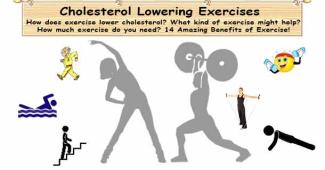
Exercise refers to planned or structured physical activity includes aerobic and resistance training.
Regular exercise can produce some fantastic result both in better management of cholesterol as well as your overall wellbeing.
Exercise to Lower Cholesterol
One best way to control high cholesterol is exercise; it has been proven to increase HDL and reduce triglycerides. Another effective way to ensure a healthy cholesterol level is by choosing diet smartly.
Exercise to lower cholesterol does not mean to run a marathon. The key to success is starting simple and gradually increase the effort. Perform some warm-up, stretch before start exercising and make it cool down after finishing the exercise. Newbie for the activity should always start slowly from five to ten minutes per day, then add a little more time each week, and finally aiming for two to three hours per week.
Caution: Those who have heart disease, hypertension, a man over 40 or woman over 50 planning to be active should be more careful before starting and during their physical exercise program.
How does exercise lower lipid profile?
Exercise makes your heart beat faster and breathes harder, thus burns more calories. Lungs expand more and energize the whole body.
The precise mechanisms of the lipid-lowering effect of exercise are unclear, but below is the list of suggested pathways:
- During training, skeletal muscles start utilizing lipids instead of glycogen that decreases plasma lipid levels.
- Exercise stimulates the production and actions of certain enzymes that help move cholesterol from blood to the liver (reverse cholesterol transport). Then cholesterol is converted into bile for fat digestion or excreted out.
- Exercise will lower the levels of an enzyme (cholesteryl ester transfer protein) that decrease the HDL level in the plasma. That is why exercise proportionally increases the HDL cholesterol level.
What kind of exercise might help lower cholesterol?
Exercise has positive impacts on the pathogenesis, symptomatology and physical fitness of individuals with dyslipidemia, and to reduce cholesterol levels.
Numerous studies prove the effectiveness of both aerobic exercise and resistance training in controlling/improving cholesterol levels and cardiovascular health. Aerobic and resistance training combination might produce even better improvement in cholesterol levels.
How much exercise do you need to lower cholesterol level?
Start exercising in intervals of 10 to 15 minutes and increase slowly to 30 minutes over time. Exercise intensity should be low or moderate level as your endurance increases.
About 40 minutes of moderate to vigorous-intensity exercise 3 to 4 times a week is recommended to improve cholesterol levels, lower blood pressure, and reduce heart attack or stroke risk. At least 150 minutes of moderate-intensity exercise or 75 minutes of vigorous-intensity activity per week is recommendable for overall cardiovascular health.
Ok, how do you know you are doing exercise that is moderate or vigorous intensity. One best way to determine the exercise intensity is a talk test. During moderate-intensity exercise, you can able to hold a conversation. However, during vigorous-intensity activity, you need to stop the conversation for breath after a few words.
Aerobic exercise for cholesterol control
Aerobic exercise involves cardiorespiratory endurance exercises such as jogging, running, and cycling.
Clinical studies on aerobic exercises, show these exercises appear to benefit cholesterol the most, by lowering LDL by 5 to 10% and raising HDL cholesterol by 3 to 6%.
Water sports such as swimming, water walking, and other water games, can also have similar results in your cholesterol profile.
Here is a list of aerobic exercises that you can try; brisk walking, climbing stairs, swimming or taking a water aerobics class, and dancing — also riding bicycle (outdoors or indoors), taking an aerobics class, playing (basketball, volleyball, tennis or other sports), in-line skating, ice skating or skateboarding, and cross-country skiing.
Resistance training to control cholesterol
Resistance training exercises are strength-developing exercises utilizing external resistance or own body weight.
Men with high triglycerides and low HDL cholesterol which start doing exercise showed a significant increase in HDL cholesterol levels (4.9%), reductions in plasma triglycerides (−15.0%), and significantly reduced apolipoprotein B levels (−6.0%). Reference: Arteriosclerosis, Thrombosis, and Vascular Biology. 2001; 21:1226-1232.
Some of the resistance training exercises are Barbell, Dumbbell, Chest Press Machine, parallel bars, Push-Ups, Squat, Leg Press, Lunge, Deadlift, Leg extension, Wall Sit, Leg curl, Snatch, etc.
Doing exercises with weights, spring or elastic bands, or weight machines three times a week builds the muscles and bones. When you have more muscles and less fat, then these muscles burn more calories even between exercise sessions.
14 Amazing Benefits of Exercise
- Improves Lipid profile - Studies have shown exercise can increase your LDL particles size that help reduces your cardiovascular risk. In a study, a 12-week endurance exercise reduced small, dense LDL by up to 17%. Additionally, exercise helps to increase HDL-C, lower Triglycerides, reduce LDL-C, and improves lipoprotein particle size.
- Weight loss - During exercise, the body burns stored fat, resulting in decreased total body fat that leads to weight loss.
- Sharpen Mind - Regular exercise can have a profoundly positive impact on your brain; improves memory and useful for ADHD.
- Boost Immunity - Numerous studies shown individuals do regular exercising has less prone to mild viral infections such as colds or flu.
- Proper Glucose Metabolism - Exercise reduces insulin resistance and lower diabetes risk. If you already have diabetes, then exercise help regulates it better.
- Lower Chronic Diseases – Exercise can lower your risk of heart disease, high blood pressure, stroke, diabetes, and certain types of cancer.
- Stops Osteoporosis - Exercise can prevent osteoporosis by strengthening the skeletomuscular system.
- Increases Longevity - Exercise reduces various diseases and improve your overall health, which in turn increases your longevity.
- Goodbye to Fatigue - Immediately after exercise, you may feel tired, but in the long run, it would increase your energy level and no more fatigue.
- Lower Heart Rate - The heart pumps more blood per beat means reduced heart rate.
- Efficient Cardio Function - Exercise improves your lung capacity, maximize oxygen utilization, and provides enhanced cardiac function.
- No Pain - Exercise releases endorphins, body's natural painkiller.
- Psychological Wellbeing - Exercise help produce serotonin in your body; this can have a positive impact on stress, depression, and anxiety. Additionally, it will improve your mood.
- Restful Sleep - Exercise makes your body in need rest, improves mood, removes pain, and thus help you sleep better.