
Sleep Apnea Diagnosis
Sleep apnea is diagnosing base on the medical and family histories, physical exam, and results from sleep studies. Usually primary-care doctor evaluates the symptoms first. He or she then decides whether there is any need to see a sleep specialist.
These specialists are doctors with experience in diagnose and treat people with sleep problems. They may include lung, nerve, or ear, nose, and throat specialists.
Sleep apnea diagnosis test
The diagnosis of sleep apnea is usually based on the; Medical & family history, physical examintion, sleep study, and Polysomnogram
Medical and Family History – Sleep-apnea Test
Doctor will ask patient and their family members about how the patient sleeps and how he/she functions during the day. To help the doctor diagnosis, keeping a sleep diary for one to two weeks. Write down how much sleep each night, as well as how sleepy at various times during the day.
Help diagnosis by providing details about how louder the snoring is and how often make gasping or choking during sleep. Patients are not aware of these symptoms and so family member or bed partner help to provide such details.
If the parent is a child who may have sleep apnea, discuss with child's doctor about the child's signs and symptoms.
Tell your doctor if anyone in the family diagnosed with sleep apnea or has had symptoms of the disorder.
Physical Exam - Sleep apnea Diagnosis
Doctor will check the mouth, nose, and throat for extra or large tissues that may narrow the windpipe, which develops sleep apnea. The tonsils often are enlarging in children with sleep apnea.
Adults with sleep apnea may have an enlarged uvula (tissue that hangs from the middle of the back of the mouth) or soft palate (roof of the mouth in the back of the throat).
Sleep apnea sleep Studies
A sleep study is the most accurate test for diagnosing sleep apnea. It collects various information that happens with breathing while sleep.
A sleep study is often performing in a sleep center or lab; it may be a part of the hospital. Patients need to stay overnight in the sleep center.
Polysomnogram
A polysomnogram or PSG is the most common study for diagnosing sleep apnea. This test records:
- Brain’s activity
- Eye movement and other muscle activity
- Heart rate & breathing
- Quantity of air moves in and out of the lungs while sleeping
- Level of oxygen in the blood
A PSG is painless, patent needs to go to sleep as usual, but with sensors on the scalp, face, chest, limbs, and finger. The staff at the sleep center will check and record data throughout the night.
A sleep specialist analyzes the results of the PSG to see whether have sleep apnea and if so then how severe, it is. He or she will use the results to plan for the treatment.
Sleep Apnea Symptoms
Most common Signs and Symptoms of sleep apnea are narrowing of airway with blockage in breathing during sleep and daytime sleepiness.
Nigh time Sleep apnea Symptoms
- The most common sleep apnea sign is loud and chronic snoring. They pauses may occur during snoring followed by choking or gasping.
- Usually snoring is loudest when sleep with the back, due to narrowing of the windpipe. Snoring may not happen every night or everyone with sleep apnea.
- Mostly sleep may not disturb during snoring or gasping occurs. Thus, one who had sleep apnea does not able to know their breathing problem. Only family members or bed partner will often notice these problems. Not everyone who snores has sleep apnea.
Daytime Sleep apnea Symptoms
- Morning headaches
- Memory or learning problems or difficult concentrating
- Feeling irritable, depressed or having mood swings
- Wake up with dry throat
- In children, it can cause hyperactivity, poor performance in school, and aggressiveness. They also may have unusual sleeping positions, bedwetting, and may breathe by mouths instead of noses during the day.
- Another common sign of sleep apnea is sleepiness during the daytime and falling asleep when quiet and not active.
Sleep apnea Risk Factors
Some of the factors that contribute to the cause of sleep apnea called as sleep-apnea risk factors.
Sleep apnea Risk
- It is an estimate that more than half of the people who have this condition are overweight.
- Sleep apnea is more common in men than women are. That is one out of fifty men and one out of fifty women has sleep apnea estimated in middle-aged population.
- Aging can increase the risk of having sleep apnea. That is one out of ten people over the age of 65 have sleep apnea. Women after menopause have more risk.
- Family history - If any family member has sleep apnea, can increase the chances to develop it.
- People who have small airways in their noses, throats, or mouths also are more likely to develop it. Smaller airways may be due to the bone structure of neck & throat area, allergies or other medical conditions that cause congestion in these areas.
- Small children often have enlarged tonsil tissues in the throat. This can increase the chances of having it.
- Other risk factors include smoking, high blood pressure, stroke, or heart failure.
Sleep apnea Causes
During awake the throat muscles keep the airway stiff, and open so air can flow into the lungs freely. However, during sleep, these muscles are more relaxed. Still, these relaxed throat muscles cannot stop the airway from staying open in the case of healthy individual.
What causes sleep apnea?
However, if having obstructive sleep apnea, the airways are blocked or narrowed during sleep, because:
- Throat muscles and tongue relax more than normal.
- Tongue and tonsils are larger than normal than restrict the opening into the windpipe.
- Being overweight, the extra soft fat tissue causes the inside opening to narrow and makes it harder to keep open.
- Head and neck bone structure may cause a smaller windpipe.
- Aging losses the ability of brain signals to keep the throat muscles stiff during sleep. Thus, the airway will narrow or collapse.
Not enough air flows into the lungs when the airways are fully or partly block during sleep. This can cause loud snoring and a drop in the blood oxygen levels.
When the oxygen drops to dangerous levels, then it triggers the brain to disturb sleep. It helps to tighten the upper airway muscles and open the windpipe. Thus normal breath starts, mostly with a loud snort or choking sound.
The frequent drops in oxygen levels and reduced sleep quality trigger the release of stress hormones. It raises the heart rate and increases the risk for high blood pressure, heart attack, stroke, irregular heartbeats and also raises the risk for or worsens heart failure.
Untreated sleep apnea also can lead to changes in how the body utilizes energy and thus increases the risk for obesity and diabetes.
Sleep Apnea Types
Why does sleep apnea patient’s airflow into the lungs drop during sleep? This is the cause due to two main reasons. These causes of airflow block define the two major types of sleep apnea.
Sleep Apnea Types
Sleep apnea are classified into two types they are:
- obstructive sleep apnea
- central sleep apnea
Obstructive sleep apnea
The most common type of sleep apnea is obstructive sleep apnea. It means that the airway has collapsed or blocked during sleep. The blockage may cause shallow breathing or breathing pauses.
During breathe any air that squeezes past the blockage can cause loud snoring. Obstructive sleep apnea happens more often affects people who are overweight, but it can affect anyone.
Central sleep apnea
Central sleep apnea is a less common type of sleep apnea. It happens when the area of the brain that controls breathing does not send the correct signals to the breathing muscles. Therefore, it makes no effort to breathe for certain brief periods.
Central sleep apnea often occurs with obstructive sleep apnea, but sometimes, it can occur alone. Snoring does not typically happen with central sleep apnea.
Sleep apnea a chronic sleep disorder
Sleep apnea is a common disorder with one or more pauses in breathing or shallow breaths while sleeping. Breathing pauses can last from a few seconds to minutes. They often occur five to 25 times or more an hour. Then normal breathing starts again, sometimes with a loud snort or choking sound.
Sleep apnea usually is a chronic (ongoing) condition that disrupts sleep on three or more nights each week. It causes to move out of deep sleep and into light sleep immediately after breathing pauses or shallow-breath.
This results in poor sleep quality thus makes daytime tiredness. Sleep apnea is one of the leading causes of excessive daytime sleepiness.
Natural Sleepaids
Sleep disorder is the inability to get a good night's sleep. The condition has more to do with quality of sleep than quantity; in fact, some people need as little as four hours per night. The causes of sleep disorders include mental anguish, breathing problems, uncomfortable or erratic sleeping arrangements, drug and alcohol misuse, digestive disorders, and depression, among many others.
Natural alternative medicinal treatment for sleep
Alternative medicine treatment for sleep can be considering as a natural sleep aid, because it stimulates the body naturally to bring back normal sleep pattern. Natural sleeping aids are becoming more and more popular nowadays because of no side effects such as daytime sleepiness, and it does not make addiction.
Just remember that not everything will work for everyone so need some trial and error (and a fair bit of patience) may need for choosing best natural sleep aid.
Natural Herbal as sleep aid
It is estimated that about half of all sleeping problem cases are attributed to psychological disorders such as grief, stress, depression, stress and anxiety. In such cases, herbal sleep aids can be quite helpful, not only in helping to get some good night sleep, but in nourishing the nervous system as well.
Some of the herbs useful as sleep aids are: Calamus root, Chamomile, Valerian root, Jatamansi, Passion Flower, St John's wort, Skullcap and Ashwagandha.
Yoga sleep therapy for insomnia
Yoga refers to be the traditional physical and mental disciplines originating in India. It can balance body, mind, & spirit. Yoga sleep therapy can be effective for the treatment of sleeping disorders, by activating glandular systems responsible for the illness.
Some of the yoga poses or yoga exercises beneficial for cannot sleep are Tadasana, Salabhasana, Bhujangasana and Shavasana.
Pranayama as sleep aid
Pranayama is the technique of collecting and storing more prana (life) from the air (oxygen) we breathe, or in simple word’s pranayama control life force. Several researchers suggest the power of pranayama in treating stress-related disorders, asthma, and oxidative stress. So pranayam can consider as a sleep aid. Yoga practitioners who are practicing pranayama experience strong and controlled mind.
Some useful pranayamas are Deep Breathing, Anuloma Viloma, Bhastrika, Kapalabhati, and Shauchapranayama.
Yoga nidra as sleeping aid for insomnia
Yoga Nidra may render in English as "yogic sleep" or "sleep of the yogis.” Yoga Nidra works very effectively on mental resolve, will power, resolutions and calms you thus useful for sleep disorders.
Holistic Acupressure healing touch sleeping aid
According to Traditional Chinese Medicine theory, a human body is considering as a mini nature. When the sun descends, the night is coming; meanwhile, the Qi (vital energy) and blood slip into the interior and human fall into sleep. If Qi and blood cannot slip into the interior in the evening because of any reasons, you will get into sleep disorder.
Acupressure sleep healing is particularly effective in treating sleep disorders such as insomnia. Many people report immediate improvements in their sleeping habits. With acupressure, the sensation of sleep comes easily, lasts without interruption, and is deeper and more refreshing.
Reflexology massage as sleeping aid
Our whole-body organs have reflex points on our foot and hands. Therefore, diseases can treat by stimulating the reflex points of the organ responsible for the disease. Reflexology sleep treatment can use in support of other treatments for sleeping problems. Reflexology is simple to do and have no side effects and many benefits not only to as sleep aid, but provide goodness for overall body system.
Sleep Medications
All sleep medications should take shortly before bed. Do not attempt to drive or perform other activities that require concentration after taking a sleep medication, as the medication will make you sleepy.
Sleep treatments with medcations
- Sleep medications – Benzodiazepines, non-benzodiazepines, Ramelteon, and antidepressants.
- Antidepressant as sleep aids
- Over-the-Counter Sleep Aids
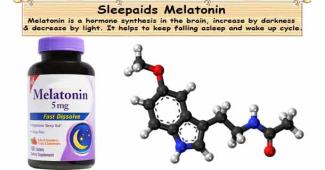
- Hormones Supplements – Melatonin
- Cognitive-Behavioral Therapy
Medications should use in combination with good sleep practices or sleep hygiene.
The most commonly prescribed medications for sleeping disorders include two classes of sedative-hypnotic medications: benzodiazepines and non-benzodiazepine (benzodiazepine receptor agonists).
Sleep medication drugs - Benzodiazepines
Benzodiazepine sleep aids are useful for the treatment of insomnia; some common medications are Dalmane (Flurazepam), Doral (Quazepam), Halcion (Triazolam), ProSom (Estazolam), Restoril (Temazepam), Klonopin (Clonazepam), Ativan (Lorazepam), Xanax (Alprazolam). Benzodiazepines are the most commonly prescribed medications for the treatment of sleep problems. These medications are generally advisable for short-term use. These medications can cause addiction (when used for long term) and next-day hangover.
Taking benzodiazepines is not advisable if pregnant or breast-feeding, history of drug abuse, depression, or respiratory conditions.
Sleep medication drugs – Non-benzodiazepines
Some of the non-benzodiazepines prescribed for sleep problems are Zolpidem (Ambien, Edluar), Eszopiclone (Lunesta), Ramelteon (Rozerem), and Zaleplon (Sonata).
Zolpidem (Ambien, Edluar) - Zolpidem is useful to treat insomnia (difficulty falling or staying asleep). It belongs to a sedative-hypnotics class of medications, works by slowing down the brain activity to induce sleep.
It will make sleepy soon after take it and will remain sleepy for some time after taken the medication. Go to bed immediately after taking zolpidem and to stay in bed at least for 7 to 8 hours. Do not take zolpidem if it is unable to remain asleep for 7 to 8 hours from having medication. It should not take Zolpidem unless able to get a full night's sleep - at least 7 to 8 hours.
Sleep problems should improve within 7 to 10 days after start taking zolpidem. If not or if worsen, then discuss with a doctor. Zolpidem is for short-term treatment only that is up to 2 weeks, after that it may not help or drop in performance.
Taking zolpidem is not advisable if having a history of depression, liver or kidney disease, or respiratory conditions.
Possible side effects of zolpidem: getting out of bed while not being fully awake and do an activity that you do not know you are doing, abnormal thoughts and behavior, memory loss, anxiety, severe allergic reactions.
Eszopiclone (Lunesta) - Eszopiclone is useful to treat insomnia (difficulty falling or staying asleep). Eszopiclone is in a hypnotic’s class of medications, works by slowing brain activity to induce sleep. Do not take eszopiclone immediately after a heavy, high-fat meal, because it may not work as expected.
Eszopiclone should only be taken immediately before bed and able to sleep for at least 8 hours. If not able to get 8-hour sleep, then it may cause dizziness, lightheadedness, hallucinations, coordination, and memory problems.
Sleep problems should improve within 7 to 10 days after start taking eszopiclone. If not or if worsen, then discuss with a doctor.
Taking eszopiclone is not advisable if having a history of drug or alcohol abuse, depression, lung disease, or a condition that affects metabolism.
Sudden withdrawal symptoms of eszopiclone are anxiety, unusual dreams, stomach and muscle cramps, nausea, vomiting, sweating, shakiness, and rarely, seizures.
Zaleplon (Sonata) - Zaleplon is useful for those who have difficulty falling asleep. Zaleplon does not help to stay asleep longer or limit the number of times awaken during the night, because it stays active in the body for the shortest amount of time. Zaleplon is in a class of medications called hypnotics, works by slowing activity in the brain to allow sleep. This might not be the choice for those who wake during the night.
Taking sonata is not advisable if severe liver impairment, Pregnant, depression, liver or kidney disease, or respiratory conditions.
Possible side effects of Zaleplon are drowsiness, dizziness, lightheadedness, lack of coordination, numbness, burning, or tingling in the hands or feet, headache, appetite loss, vision problems, eye pain, noise sensitivity, smell distortion, painful menstruation.
Ramelteon (Rozerem) - Ramelteon can be helpful who has difficulty falling asleep. Ramelteon is in a class of medications called melatonin receptor agonists, works differently than the others, by targeting the sleep-wake cycle, not by causing central nervous system depression. It works similarly to melatonin, a natural substance in the brain that keeps the sleep cycle. It can prescribe for long-term use, and the medication has shown no evidence of abuse or dependence.
Taking rozerem is not advisable if Pregnant, breast-feeding, kidney problem, respiratory problem, sleep apnea, or depression.
Possible side effects include headache, drowsiness, fatigue, dizziness, nausea, worsening of insomnia, diarrhea, and depression.
Narcolepsy
People with narcolepsy may suddenly fall into REM sleep and wake up directly from it. This causes vivid dreams while waking-up, falling-asleep, and may cause muscle weakness. Sometimes, narcolepsy patients fall asleep suddenly during the middle of talking, eating, or another activity.
Facts about Narcolepsy
Sleep cycle has two important phases; they are non-rapid eye movement (NREM) and rapid eye movement (REM). Most people start their sleep with NREM phase and after about 90 minutes of sleep, they will move from NREM to REM sleep.
Dreaming occurs during the REM sleep and the muscles normally become limp during this phase, this prevents from acting out of dreams.
People with narcolepsy often fall into REM sleep quickly and wake up directly from it. This is a link to vivid dreams and muscle weakness.
A chemical called by “Hypocretin” helps control wakefulness people who have narcolepsy have low levels of hypocretin.
Researchers suggest certain factors may work together to cause a low level of hypocretin. That include genetic; brain injuries; contact with toxins, such as pesticides; and autoimmune disorders (the immune system mistakenly attacks own body's cells).
Symptoms mostly begin during the teen or young adult years. Due to sleep dept and extreme daytime tiredness, people with narcolepsy may find it difficult to perform at school and work.
Narcolepsy has no known cure; but medications, lifestyle changes, and other therapies can help improve its symptoms.
Restless Legs Syndrome
Restless legs syndrome (RLS) causes a strong urge to move the legs, which occurs due to unpleasant feelings in the legs. Leg moment temporarily provides to relieve from this feeling.
People with RLS describe an unpleasant feeling as tingling, creeping, crawling, pulling, itching, aching, burning, or electric shocks. Sometimes, this feeling also occurs in the arms.
The urge to move with unpleasant feelings occurs during resting and inactive. It tends to be worsening in the evening and at night and are slightly relieved in the morning.
What is Restless legs syndrome?
RLS can make it difficult to fall asleep and stay asleep, so people with RLS feel tired and sleepy during the day. Poor sleep quality affects normal routine life and a low performance in learning or work. Furthermore, not getting enough sleep can cause depression, mood swings, or other health conditions.
RLS can consider as mild to severe based on:
- Severity of the symptoms, and the frequency of occurrence
- How easily movement relieves the symptoms.
- How much of the symptom affects the quality and quantity of sleep?
Different types of RLS based on its cause
- RLS that starts early in life (before 45 years) and mostly run in families. This type of RLS may even start in childhood. This RLS tends to last for the rest of the life. Over time, RLS symptoms worsen and occur more often. Mild case of RLS may have long time without symptoms.
- RLS starts later in life (after 45 years) mostly do not run in families. It tends to have a sudden onset. RLS symptoms usually do not get to worsen with age.
- Some disease conditions, and medication may also trigger RLS. For example, kidney failure, Parkinson disease, diabetes, rheumatoid arthritis, pregnancy, and iron deficiency are some disease conditions that are links with RLS. In this case, of RLS, the symptoms usually occur suddenly.
If a condition or medication that develops RLS, it may go away if this condition is relieved or stopped. For example, RLS that develops due to pregnancy will go away after giving birth. Kidney transplants to relieve RLS develop due to kidney failure.
Treatments for RLS include lifestyle modification and medication. Lifestyle modification helps to relieve mild cases; medication can relieve or prevent the symptoms of more severe RLS.
Sleep Apnea
Sleep apnea is a common disorder having one or more pauses in breathing or shallow breaths while sleeping. The Greek word ‘apnea’ literally means ‘without breath.’
Sleep apnea is otherwise calling or spelling as sleeping apnea, sleep apnea syndrome, sleepapnea, and sleep apnoea.
Define Sleep Apnea
Sleep disordered breathing or breathing pauses can last from a few seconds to minutes. They often occur five to 30 times or more an hour. Typically, normal breathing then starts again, sometimes with a loud snort or choking sound.
Sleep apnea usually is a chronic (ongoing) condition that disrupts the sleep three or more nights each week. Patients often move out of deep sleep and into light sleep when breath pauses or shallow breath occurs. This results in poor sleep quality thus tired during the day. Sleep apnea is one of the leading causes of excessive daytime sleepiness.
Sleep apnea often goes undiagnosed. Doctors usually cannot detect the condition during routine office visits. In addition, there are no blood tests for the condition.
Most people who have sleep apnea do not know they have it because it only occurs during sleep, mostly without their knowledge and happens unknowingly. A family member and/or bed partner may first notice the signs of sleep apnea.