
Weight Loss Lower Cholesterol
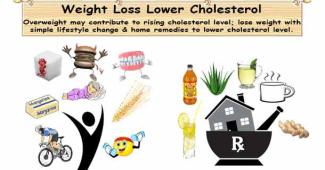
Obese or overweight may contribute to rising cholesterol level; maintaining your BMI in a healthy range by loses weight help lower cholesterol level.
Being overweight or obese can increase the chances of having a high level of triglycerides & LDL, and low level of HDL. Also, it can lead to high pressure, diabetes, heart disease, and other health problems. Having excess weight around the waist may be likely to develop the metabolic syndrome.
Weight loss Cholesterol-lowering effect
If overweight and have high cholesterol, may need to get the LDL and the weight under control by changing the diet and by increasing physical activity. At the start of the TLC (Therapeutic Lifestyle Changes) program, the focus will be on lowering LDL by reducing saturated fat and calories and by increasing fiber, which could also, helps to lose weight. Various studies confirm that losing weight (weight loss) lower your cholesterol numbers.
After about two to three months of cholesterol home remedies, if still continue to be overweight. Then you may need to focus additional attention on losing weight as the approach to LDL goal, especially if have the metabolic syndrome.
15 Health benefits of losing weight
You can reduce your cholesterol levels significantly by losing 5% to 10% of your body weight. However, it is not easy to accomplish, begin with small steps. Incorporate regular physical activity into your daily routines such as walking up and down stairs, play with kids, walk during a phone conversation, gardening, and a lot more. Do regular exercise such as aerobic and weight training. Avoid sugar and refined simple carbohydrate and replace it with a healthy homemade meal.
- Stop diabetes - Help avoiding type 2 diabetes, stops pre-diabetes from progression towards diabetes, and improved blood glucose control if you already have diabetes. Losing weight increases insulin sensitivity that is lower insulin resistance.
- Get quality sleep - Research shows that losing 5 percent of your body weight can help you sleep better and longer throughout the night. What’s more? Shedding excess body weight can help alleviate sleep apnea and snoring.
- Lower Blood pressure - Losing 5 to 10% of weight, decreases your blood pressure by 5 mmHg on average.
- Reduced risk towards heart attack & stroke - Extra pounds of weight puts too much strain on your circulatory system, and your heart needs to pump harder. Losing weight reduces the strain on your heart and thus lower the risk towards a heart attack and stroke.
- Lower risk for Joint Pain - Extra weight on your midsection increases the everyday wear & tear of your joints. Losing weight put reduced strain on the skeletal frame and joints, which in turn lower the risk of joint pain.
- Improved Fertility - Epidemiological evidence clearly shows being obese has an adverse impact on reproductive health. An excess body weight causes sex hormone metabolic disturbances; this leads to menstrual disturbances, erection problem, and subfertility. Losing weight improves your sexual performance and fertility.
- Reduced psychological problems - Studies have shown that weight loss greatly enhances the quality of life and associated with increased self-esteem and lower rates of depression.
- No more Allergies - Additional weight strains your respiratory system and thus increased risk towards respiratory conditions. Losing weight might lower respiratory system strain, thus help alleviate allergy.
- Reduced Inflammation - In studies looking at the effect of excess weight especially abdominal fat cells produce a large number of substances that result in inflammation in blood vessels. This inflammation results in plaques and clots, which in turn causes strokes and heart attacks. Losing weight significantly lowers the levels of inflammatory substances circulating in the blood.
- Full of energy – Excess weight lower dopamine, which in turn increases body weight. Losing weight increases dopamine, which helps further weight reduction. Additionally, increased dopamine increases your energy level and enhances your mood.
- Improved immune function - Australian researchers found that for obese individuals, shedding just 10 pounds could straighten out an off-balance immune system.
- Ability to move around easily – No one will dispute, losing weight improves our ability to move around easily without any difficulty.
- Better Bladder Control - Losing weight lower the pressure to the abdomen and thus lessen urinary incontinence.
- Reduced Risk of Alzheimer’s & Dementia - Weight loss lowered inflammatory chemical circulation in the bloodstream, thus reduce memory loss and chances of developing dementia.
- Increase life expectancy - Losing weight makes you healthier than before, this put you in a position to live a healthy long life.
You start respecting your body more. It is not easy to lose weight; it makes you discipline and persistence. You become an inspiration to others, and they too try to do the same and consult you as an expert.
Healthy Body mass index
The Body Mass Index or Quetelet index is a statistical measure of body weight based on a person's height. It is easy to measure and calculate, so most widely used tool to identify weight problems, such as underweight, overweight or obese.
BMI calculation formula
BMI calculation formula in SI units
BMI = Weight in kg is divided by the square of Height in meters.
BMI calculation formula in Imperial units
BMI = Weight in pounds is multiply by 703 and divided by the square of Height in inches.
Or
BMI = Weight in pounds is multiply by 4.88 and divided by the square of Height in feet.
Studies on the relationship between body mass index and serum cholesterol show a significant, direct association of BMI with total cholesterol and LDL-cholesterol in men. HDL-cholesterol was inversely relating to BMI in both sexes. Lower risk of CHD (coronary heart disease) in women compared with men or similar BMI.
- If the BMI is within 18.5 to 24.9, then it is considering as normal weight.
- If the BMI is within 25 to 29.9, then it is considering as overweight.
- If the BMI is 30 or greater, then it is considering as obese.
Healthy waist size
A waist measurement of 35 inches (40 inches for men) or more for women is one of the factors involved in the metabolic syndrome. It also indicates an increased risk of the obesity-related conditions, such as heart disease.
Many health experts are even more stringent in recommending a target of 30 inches or less for a woman and 35 for a man.
How to measure Waistline?
Here is the procedure to measure your waistline size.
- Take a measuring tape.
- An upper garment covering the waist should be removed, or at least hold it up with the hands.
- It is easy to identify the exact waistline; it is just a ½ inch above the belly button (navel).
- The measuring tape should hold just above the navel and wrap around the body. Confirm that the tape runs a perfect circle the waist without sag in between.
- During measurement, do not pull your stomach inwards and be relaxed.
- Note down the number that ends near the starting point of the tape; it is the waist size measurement.
8 Easy ways to lose weight
- Limit Sugar - On average, Americans eat about 15 teaspoons of added sugar each day. This excess of added sugar usually hidden in various processed foods, so you may be consuming a lot of sugar without even realizing it. Minimizing your intake of added sugar is a great way to improve your diet and weight.
- Avoid Refined Simple Carbs - Refined carbs have had most of their beneficial nutrients and fiber removed. The refining process leaves nothing but easily digested simple carbs. Refined simple carbs rich diet spikes blood glucose and insulin level, which in turn leads to inflammatory chemicals released into the bloodstream.
- Eat Slowly - Faster eaters are much more likely to become obese, compared to those who eat more slowly. Slow eating helps the body to signal satiety, and you start to reduce your diet intake.
- Avoid unhealthy fats - Replace unhealthy Fat such as Trans fat with Coconut Oil or Ghee. Studies show coconut oil can boost your metabolism, while help you eat fewer calories. Ghee helps digestion and metabolism, thus help lower your body weight. However, too much of oil/ghee will rise your body weight.
- Get Enough Sleep - Studies have shown sleep-deprived people are 55% more chance to become obese than those who get enough sleep. Sound sleep is important for weight loss.
- Eat More Fiber - Fiber increases the feeling of fullness and promotes the release of satiety hormones. Thus you eat less naturally, even without your knowledge. Fiber feeds friendly gut bacteria; this has linked with a reduced risk of obesity. However, you should increase your fiber intake gradually in steps to avoid abdominal discomforts such as bloating, cramps and diarrhea.
- Do Cardio — Jogging, running, cycling, power walking or hiking can help burn more calories and improve mental & physical wellbeing and promote weight loss.
- Do Resistance Exercises - Loss of muscle mass is a side effect of dieting, then your body will start burning fewer calories than before. Weightlifting built-up muscles and thus burn more calories in a healthy way.
6 Simple home remedies for weight loss
- Lemon Juice - Drink preferably unsweetened lemon juice (1/2 fruit squeezed in a glass of water) in the morning on an empty stomach. Lemon juice helps improve digestion and aids in detoxification. Good digestion is a most for weight loss.
- Apple Cider Vinegar - Drink one or two teaspoons of raw, unfiltered apple cider vinegar in a glass of water just before breakfast and dinner. It helps break down fat, prevents the accumulation of body fat, and thus lower weight.
- Aloe Vera - Aloe Vera stimulates the metabolism, increases energy consumption, mobilizes unused fat in the body and thus lower body weight.
- Green Tea - Replace soda or other drinks with green tea. Drink 3 to 4 cups of green tea daily help lose weight. You can combine it with ginger for more effective result.
- Hot Water Remedy - Switching from cold water to hot water can flush out the toxins from the vessels and boost metabolism, thus help lose weight easily.
- Ginger - Grate a little ginger and mix in some lime juice and Himalayan salt, chew this before meals help you lose weight.
Acupressure for Hypertension

One of the effective ways to treat hypertension naturally is with acupuncture or acupressure treatment, which aims to bring your body back into balance.
What is acupressure/acupuncture?
Qi or Life force energy is the energy flows in your body. When Qi flow is normal, you are in a state of balance; feel energized and healthy. However, when Qi flow is disrupted, you are in a state of imbalance; that is disharmony in your body, low energy and unhealthy.
Acupressure helps to reestablish Qi normal flow by applying pressure on specific points, thus bring back your healthy state.
Stress tend to be the culprit that disrupt Qi flow causing obstructive energy flow.
How can acupressure lower blood pressure?
Hypertension therapeutic mechanisms of acupuncture are unclear, but some evidence suggests acupuncture can affect the intrarenal renin-angiotensin system and sympathetic nervous and endocrine systems.
Some studies have shown acupuncture inhibit the activation of the neuron in the hypothalamus, midbrain, and medulla, resulting in reduced activity of premotor sympathetic neurons in the medulla.
Acupuncture may also affect the endocrine system. And it leads to a decrease in plasma renin, aldosterone, angiotensin II, norepinephrine, and serotonin.
8 Acupressure points for Hypertension
The most frequently used acupoints for hypertension clinical trials were LV3 (Tai Chong), LI11 (Qu Chi), GB20 (Feng Chi), ST36 (Zusanli), LI4 (He Gu), SP6 (Sanyinjiao), CV4 (Guanyuan), and PC6 (Nei Guan).
It is well known that increased activity in the renin–angiotensin–aldosterone system (RAAS), as well as in the sympathetic nervous system, causes hypertension. The above said hypertension points help reduce this activity and thus lower blood pressure.
1. LV 3 - Acupuncture Point - Tai Chong (English: Great Surge)
Location: On the dorsum side of the foot, in the depression proximal to the 1st metatarsal space.
Indication for clinical uses: Eye issues such as blurred vision, red, swollen, painful eyes. Menstrual issues and Genital issues such as pain/swelling, hernia, impotence, seminal emission. Useful for digestive problems such as nausea, vomiting, constipation, diarrhea w/ undigested food. Also, it is a valuable calming point for anger, irritability, insomnia, anxiety.
Functions: Regulates Liver Qi, control Liver Yang, regulates menstruation, calms Shen, and nourishes Liver Yin.
LV3 is useful for stress, lower back pain, hypertension, menstrual cramps, limb pain, insomnia, anxiety, digestive issues, eye problems, genital depression, headaches, canker sores, and irritability. LV 3 is often coupled with LI 4 (4 Gates) to move Qi and Blood throughout the body effectively.
Needling: Perpendicular insertion of 0.5 to 0.8 cut.
2. LI 11 - Acupuncture Point - Qu Chi (English: Pool at the Crook)
Location: The point is on the lateral end of the transverse cubital crease when the elbow is flexed, at the midpoint between LU 5 and the lateral epicondyle of the humerus.
Indication for clinical uses: Reduce high fevers and lower blood pressure. Useful for skin diseases such as hives, herpes zoster, acne. Burning diarrhea, elbow & upper limb disorders, hot flashes, and menstrual issues. Blood circulation issue such as Raynaud's and anemia. Skin problems such as hives and itchiness, as well as for tennis elbow.
LI 11 is also used preventively to help battle cold and flu, and other immune-compromising conditions.
Needling: Perpendicular insertion of 1.0 to 1.5 cun.
3. Gallbladder 20 (Feng Chi)
Location: Right at the skull base, at the top of the neck back, in the soft depressions just lateral to the thick tendons of the trapezius muscle.
Feng Chi is helpful for common ailments of the head and neck such as a headache, vertigo, pain or stiffness of the neck, blurry vision, red or painful eyes, tinnitus, nasal obstruction, common cold, and rhinorrhea.
Feng Chi translates into English as Wind Pool, because the location resembles a small pool. In Chinese Medicine, as “wind pathogens” tend to collect here. It's an excellent idea to cover this part of your neck, when cold and windy outside, so the wind pathogens don't enter.
Indications of clinical uses: hypertension, fever/chills, stiff neck, paralysis, twitching, tremors, numbness, dizziness, vertigo. Head and brain issues such as seizures, memory, mental/neurological disorders. Sense organs (eyes, ears, nose, tongue), eye issues, and headache (occipital).Also, for the problems of the neck, shoulders, and upper back.
4. ST 36 - Acupuncture Point - Zusanli (English: Leg Three Miles)
Location: On the anterior side of the lower leg, three cun below ST 35, a middle finger width from the anterior border of the tibia.
Indications of clinical uses: Low immunity, chronic illness, poor digestion, weakness, abdominal pain, bloating, nausea, vomiting, GERD, hiccups, diarrhea, constipation, breast problems, lower leg pain, asthma, wheezing, dyspnea, PMS, depression, nervousness, insomnia.
Functions: Tones Qi and Blood, Strengthens the Spleen and Stomach, strengthens the body and Wei qi, raises Yang, calms the Shen, activates the meridian, stops the pain.
Needling: Perpendicular insertion of 1.0 to 2.0 cun.
5. LI 4 - Acupuncture Point - He Gu (English: Joining Valley)
Location: On the dorsum side of the hand, between the 1st and 2nd metacarpal bones, in the middle of the 2nd metacarpal bone on the radial side.
Indication and Clinical uses: Head and faces problems such as a headache and body ache, dizziness, congestion, swelling and pain of the eye, nosebleed, toothache, lockjaw, deafness, mumps, swelling of the face, facial paralysis, and a facial tic. Gastric distress, abdominal pain, constipation, diarrhea, dysentery. Psychogenic tense, manic psychosis, and irritability.
Use along with LV 3 (the Four Gates) to effectively move the qi and blood in the body to remove stagnation and alleviate pain.
Functions Expel Wind, tones qi, and strengthens immunity, stop the pain.
Needling: Perpendicular insertion for 0.5 to 1.0 cun. Do not needle during pregnancy.
6. SP 6 - Acupuncture Point - Sanyinjiao (English: Three Yin Intersection)
Location: On the medial side of the lower leg, three cun above the tip of the medial malleolus, on the posterior border of the medial aspect of the tibia.
Indications & clinical uses: This point crosses the Spleen, Kidney, and Liver meridians, it can treat conditions associated with all of these three organs. It's an essential point in the treatment of any digestive, gynecological, and emotional health. Digestive disorders, gynecological issues, male sexual issues, difficult labor. Menstrual problems, bleeding disorders, insomnia, palpitations, and other anxiety-related emotions. Dizziness, Hypertension.
Function: Tone Yin, and Blood. Strengthens the Spleen and Stomach, harmonizes the Liver, strengthens the Kidneys, and calms the Shen.
Needling: Perpendicular insertion to 1.0 to 1.5 cun. Do not needle during pregnancy.
7. Ren 4 or CV 4 Guanyuan (English: Gate of Origin)
Location: On the anterior median line of the lower abdomen, three cun below the umbilicus.
Functions: Tone Kidneys (Qi, Yin, and Yang), nourishes Essence, benefits Original Qi, calms the Shen, helps menstruation, and the uterus.
Indications & Clinical use for this point is Impotence, frequent micturition, and retention of urine. Also, irregular menstruation, infertility, diarrhea, prolapse of rectum, and dyspepsia.
Needling: Perpendicular insertion for 1.0 to 2.0 cun.
8. PC 6 - Acupuncture Point - Nei Guan (English: Inner Gate)
Location: On the palmar aspect of the forearm, two cun above the transverse crease of the wrist, between the tendons of m. Palmaris longus and flexor carpi radialis.
Indications & clinical uses for this point is chest congestion, cardiac pain, and palpitation. And epilepsy, vomiting, hiccup, depression, dizziness, vertigo, and spasm. Also, for the pain of the upper extremities, Cough, asthma, Irritability, and malaria.
Functions: Opens the chest, regulates Heart Qi, calms the Shen, harmonizes the Stomach, relieves nausea and vomiting, and regulates Qi.
Needling: Perpendicular insertion for about 0.5 to 1.0 cun.
Is high blood pressure Acupressure safe?
Acupressure is reporting as safe when performed by an experienced practitioner. No severe complications have published, despite millions of treatments every year. Self-administer acupressure is considering safe with proper training.
Acupressure is safe. However, you should do acupressure along with your hypertension medication (don't stop it).
If your blood pressure drops after few days of acupressure, then you can reduce the dosage and monitor your blood pressure closely for any raise. If it raises, then change back to your original medicine dosage. On the other hand, if BP reduces further after some days of practice, then again, you can reduce the drug dose!
Flaxseed
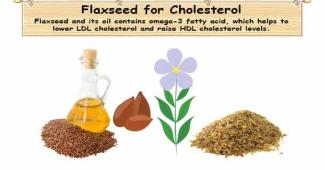
The Latin name of the flaxseed is Linum usitatissimum, which means “very useful.” Flaxseed or linseed oil is one of the major sources of alpha-linolenic acid (ALA), an essential fatty acid that appears to be beneficial for heart disease, inflammatory bowel disease, arthritis, and other conditions.
Flaxseed has been used as a traditional food and remedy in Mediterranean cultures for thousands of years.
Hippocrates, the father of medicine, advocated flax for the relief of abdominal pains.
Flaxseed oil
Flaxseed or linseed also contains a group of chemicals called lignans that may play a role in the prevention of cancer. We get Flaxseed oil from the seeds of Linum usitatissimum, L (flaxseed).
A human study shows that dietary flaxseed can significantly improve lipid profile in patients with high cholesterol; additionally, it may even reduce cardiovascular risk factors.
9+ Health Benefits of Flaxseed
- Flaxseed might be useful for fatty liver patients. Consumption of 5 g of flaxseed daily for one week in the form of bread and drinks. Fecal excretion of fat increased by 50 %. Ref: Flaxseed dietary fibers lower cholesterol and increase fecal fat excretion, but magnitude of effect depends on food type. Nutrition & Metabolism 2012; 9:1–8.
- Flaxseed meal enriched biscuits taken for eight weeks lower LDL, VLDL, total cholesterol, and triglycerides. Additionally, it increases HDL cholesterol. Ref: Production of functional biscuits for lowering blood lipids. World Journal of Dairy & Food Sciences 2012;7(1):01–20.
- Eating foods with milled flaxseed lowered blood pressure in patients with atherosclerosis of the lower extremities.
- Natural treatment of bowel syndrome. Sufficient amount of dietary fiber is a cornerstone in the prevention and treatment of constipation. Flaxseed as a functional food. Current Topics in Nutraceutical Research 2005;3(3):167–188.
- Dietary supplementation with 10 g of flaxseed powder for one month reduced fasting blood glucose by 19.7 % and glycated hemoglobin by 15.6 % Ref: An open-label study on the effect of flaxseed powder (Linum usitatissimum) supplementation in the management of diabetes mellitus. Journal of Dietary Supplements 2011 Sep; 8(3):257-65.
- Research in laboratories has shown that flaxseed inhibits the formation of colon, breast, skin, and lung tumors.
- Anti-inflammatory properties of flaxseed may protect the kidneys from damage in adults. Ref: Consumption of long-chain n-3 PUFA, α-linolenic acid, and fish is associated with the prevalence of chronic kidney disease. British Journal of Nutrition 2011 May; 105(9):1361-8.
- Flaxseed oil has been found to be beneficial for those who suffer from Crohn’s Disease and Colitis. Several studies have found that this oil seems to be able to calm the inner lining of the inflamed intestines. Another benefit exists as there is a high content of mucilage in flax and this is an effective natural laxative.
- The risk of heart disease is lower in individuals who take flaxseed oil. Evidence indicates that those who eat a lot of ALA are less likely to suffer a fatal heart attack and it reduces high blood pressure.
Benefits of Flaxseed oil
ALA (alpha-linoleic acid) constitutes 57% of the total fatty acids in flax, making flax the richest source of ALA. Every tablespoon of flaxseed oil contains 8 grams of ALA.
Omega-3 fatty acids in flax oil shown to reduce inflammation and help prevent certain chronic diseases such as heart disease and arthritis.
Essential fatty acids appear to be important for cognitive & behavioral function as well as normal growth and development.
Clinical studies suggest strong evidence for preventing heart disease and problems that contribute to heart disease.
The range of possible uses for flaxseed oil includes High cholesterol, Heart diseases, autism, ulcers, migraine headaches, preterm labor, emphysema, psoriasis, glaucoma, Lyme disease, systemic lupus erythematosus (lupus), irregular heartbeats (arrhythmias), multiple sclerosis, and panic attacks.
How much flaxseed should you take?
There is no fixed dosage for flaxseed consumption. However, there is various suggested dosage for different health benefits, they are:
- For high cholesterol, you can take 40 to 50 grams of flaxseed per day.
- To lower triglycerides, you can take 40 to 60 grams of flaxseed oil daily.
- 15 grams for improving kidney function in people with lupus.
- 40 grams for mild menopause symptoms.
Flaxseed oil is available in liquid and soft gel capsules. This oil requires special packaging because it gets destroyed easily by heat, light, and oxygen.
Do not store grounded flaxseed for a long time; instead, you can store whole flaxseed and ground the seed when required on a daily basis using a coffee grinder.
Side effects of Flaxseed
Flaxseed oil supplements do appear to be well tolerating by most of the people, and there is a long historical use of flaxseed products without many reported side effects.
Based on animal studies, an overdose of flaxseed may cause shortening-of-breath or rapid breathing, weakness, walking difficulty, and may cause seizures. High doses of flaxseed taken without enough water, can cause constipation.
Flaxseed is rich in soluble fiber. Thus too much of it might cause diarrhea, cramping, gas, and bloating. It is advisable to increase the dose slowly in steps. Rancid (oxidized) grounded flaxseed or flaxseed oil may lead to cholesterol problems and inflammation.
Flaxseed may stimulate menstruation and other hormonal changes that could be harmful during pregnancy or breastfeeding. So pregnant women are advisable to avoid ingesting it.
Flaxseed must ground before ingestion for easy digestion and maximum health benefits.
Yoga for Hypertension

Hypertension yoga has the power to normalize blood pressure by calming down the mind responsible for most probable cause of hypertension.
Yoga information
If you are new to yoga and interested in practicing yoga for hypertension management, then for gaining maximum benefit without injury, learn yoga tips for beginners, yoga safety tips to avoid yoga injury and benefits of a yoga pose.
Yoga refers to be the traditional physical and mental discipline originate in India. It can balance body, mind, and spirit. Therefore, Yoga pose normalizes blood pressure, whatever the cause; whether it is mental or physical.
Yoga normalizes your blood pressure
Yoga can bring back your blood pressure to a healthy range by gentle compression (massage)
- The endocrine glands (pituitary, pancreas, ovaries, testes, thyroid, and adrenal),
- The exocrine glands (sweat, salivary, mammary, pancreas and liver),
- The internal organs (stomach, small and large intestine).
These are the glands and organs directly or indirectly responsible for Renin-angiotensin system. This gentle compression provides fresh nutrient-rich blood supply to the organs and thus heals it and starts working as expected. Additionally, yoga improves your overall physical as well as mental well-being.
6 Hypertension Yoga to Normalize Your Blood Pressure
The yoga for high blood pressure regulates blood pressure that belongs to the forward bends, supine, sitting, and inversions asana. Forward bends are the fundamental yoga to practice by persons suffering from hypertension.
Six hypertension-friendly yoga postures are Uttanasana, Adho Mukha Svanasana, Supta Baddhakonasana, Viparita Karani, Savasana, and Pranayama.
Start Yoga session with Warm-up - Most of the Yoga Masters insisted not to practice yoga poses straight away. Instead, they emphasized to do some warm-up exercises before a yoga session.
- Uttanasana - In Sanskrit, “ut” means intense, “tan” means to stretch or extend and “asana” means pose. In English, it means Standing Forward Bend. In Uttanasana, your head is below the heart. It allows an unusual occasion of blood to rush to your head (rather than your feet), giving your cells a rejuvenating boost of oxygen. For more information visit Uttanasana.
- Adho Mukha Svanasana - Adho Mukha Svanasana Asana is a Sanskrit word Adho means Forward; Mukha means Face; Svana means Dog; and Asana means Posture. In English, it means Downward Facing Dog Pose. It is a mild inversion that calms the nervous system and helps relieve stress. For more information visit Adho Mukha Svanasana.
- Supta Baddha konasana - Supta Baddha konasana is a Sanskrit word Supta means Reclining, Baddha means Bound, Kona means Angle, Asana means Pose. It promotes deep relaxation, and in a matter of minutes, you feel refreshed and rejuvenated. For more information visit Supta Baddha konasana.
- Viparita Karani - Viparita Karani is a Sanskrit word, viparita means turned around, reversed, or inverted and karani means doing, making, or action. In English, it means Legs-Up-The-Wall Pose. It has anti-aging effects on your body. Viparita Karani "destroys" old age and death. For more information visit Viparita Karani.
- Pranayama - Do you know how to breathe? Are you using your lungs fully? The way you use your lungs reflects in your health, energy, immunity, and life span. The purpose of practicing pranayama is to make the respiratory system function at its best. It automatically improves the circulatory system, without which the processes of digestion and elimination would suffer. Pranayama makes the most for hypertension in controlling their blood pressure by boosting circulation. Some pranayama suitable for hypertension is Bhastrika Pranayam, Anulom Vilom Pranayam, Bhramri Pranayam & Udgeeth Pranayam.
- Savasana - Savasana is a Sanskrit word Shava means corpse (A dead body), and Asana means posture. That is lying like a dead body, it is a pose of total relaxation. For more information visit Savasana.
How does Yoga Lower Blood Pressure?
Stress elevates blood pressure. Everyone will accept, yoga is effective in stress reduction thus lower blood pressure. Additionally, yoga massages the abdominal organs; this increases blood & oxygen supply and rejuvenate it.
Many studies confirm that doing yoga provide a modest reduction in weight. Losing weight lower body fat thus may lower blood pressure. Additionally, yoga improves the performance of the internal organs.
Is yoga safe?
Yoga has been well tolerated in studies, with few side effects reported in healthy people.
Yoga poses that put pressure on the uterus, such as an abdominal exercise, should avoid during pregnancy. People with disc disease, fragile or atherosclerotic neck arteries, the risk of blood clots, extremely high or low blood pressure, glaucoma, retinal detachment, ear problems, severe osteoporosis, or cervical spondylitis should avoid some yoga poses. Certain yoga breathing techniques should avoid in people with heart or lung disease.
Yoga is safe; however, you should practice yoga along with your hypertension medication (don't stop it).
If your blood pressure drops after few days of yoga practice, then you can reduce the dosage and monitor your blood pressure closely for any raise. If it raises, then change back to your original medicine dosage. In the other hand, if BP reduces further after some days of practice then again you can reduce the drug dose!
For best blood pressure lowering effect, along with yoga you can follow certain healthy lifestyle changes called as hypertension home remedies. It includes diet, salt restriction, exercise, smoking, alcohol, and stress management.
Along with hypertension yoga, you can also take high-pressure herbs, hypertension homeopathy, hypertension acupressure, and high blood pressure massage for effective blood pressure lowering.
Fish Oil
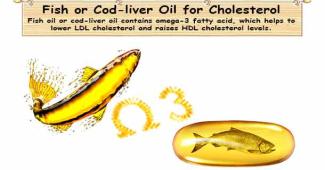
Cod-liver or fish oil is nutrient-rich food supplements that can help boost energy, libido, muscle growth, brainpower, and general health.
Fish/Cod-liver Oil Cholesterol
Cod-liver oil or fish oil is an abundant source of nutrients difficult to obtain elsewhere, such as vitamin A, arachidonic acid, DHA, and B vitamins.
Often many asked differences between fish and cod-liver oil, which is best? Fish oil and cod liver oil are different even though both from fish and have omega-3 fatty acids EPA and DHA. So Fish Oil or Cod Liver Oil?
Extraction of Fish Oil is from the flesh of tuna, herring, cod and other deep-sea oily fish species. It is rich in EPA (18%) and DHA (12%) but doesn’t have many vitamins A or D.
Extraction of Cod liver oil is from the liver of the cod fish. Compared to fish oil, cod liver oil has less EPA (8%), and DHA (10%) but rich in vitamins A and D. Liver contains an anti-fatigue factor, extremely rich in carnitine, lipoic acid, and other energy-rich nutrients. Liver and cod-liver oil are by far the richest sources of vitamin A.
So, it is better to have both; one with high omega 3 and other with high vitamins A & D.
Benefits of vitamin A in cod liver oil
- Promote vision health
- Promote fertility in males and females
- Prevents childhood asthma
- Protect against oxidative stress
- Protect against environmental toxins,
- Prevent kidney stones
- Regulates blood sugar
- Protect against fatty liver disease
Benefits of omega 3 in the fish oil & cod liver oil
Omega-3 fatty acid present in cod liver oil helps to prevent:
- Heart disease,
- Cancer,
- Depression,
- Arthritis,
- Alzheimer's disease,
- Ulcers,
- Diabetes,
- Hyperactivity and other diseases
Omega 3 is useful to lower high cholesterol and inflammation; reduces triglycerides, total cholesterol, C-Reactive protein, homocysteine, interleukin 6, and Apolipoprotein B. It is good for diabetes; lower blood sugar, HbA1C, insulin resistance, and Ketone bodies. It is useful for cognitive health, memory, depression, anxiety, ADHD, and bipolar disorder. It lower blood pressure, lubricates joints, fight wrinkles and protect vision.
Omega-3 increases the ability to concentrate as well as the boost energy level. Several studies and trials in humans have shown favorable results relating to dietary cod liver oil and fish oil on various cardiovascular disease risk factors.
Cholesterol fish oil side effects
Omega-3 fatty acids can provide relief from a variety of ailments. However, in large dosage, Omega-3 fatty acids can interfere with the blood’s clotting property, thus increasing the risk of hemorrhagic strokes. It can inhibit clotting ability and raises the risk of internal bleeding. People who have a bleeding disorder or uncontrolled hypertension (high blood pressure) is already at greater risk for a stroke; they should avoid taking omega-3 as a supplement.
It is rich in vitamin 'A' & vitamin ‘D’; too much of vitamin A can cause congenital disabilities. Vitamin A can interfere with bone growth and make the bones prone to fractures. Too much of Vitamin D is toxic to internal organs.
Fish & Cod-liver oil dosage
A typical fish oil capsule contains omega 3 fatty acids EPA 180 mg, DHA 120 mg, and a total of 300 mg per capsule. Manufacturers suggested a dosage of 2-3 capsules per day.
A standard 1000 mg fish oil soft gel provides around 300 mg of omega-3s (and even less of EPA & DHA), so to get recommended 500 mg EPA and DHA, a minimum of 2 soft-gels is necessary.
The American Heart Association recommends people with coronary heart disease may need 1,000 mg of EPA and DHA daily. Those with high triglycerides may need 2,000 to 3,000 mg per day. Reference: Lancet. 1999 Aug 7;354(9177):447-55.
Study shows, a dosage of 850 mg EPA and DHA per day reduces heart attack risk by 28% and sudden death by 45%. Shockingly, this study showed no cholesterol-reducing benefit and increased LDL cholesterol modestly (might be large fluffy molecule).
Omega3 Supplement Lower Cholesterol
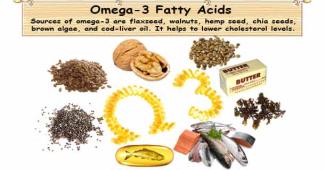
Omega-3 is considering as a good fat, which you find in oil-rich fish and some plant oils. Omega-3 is polyunsaturated fatty acids, has health benefits and is essential in the diet.
Omega-3 fatty acids are heart healthy fat; it can lower triglyceride values in your blood.
Omega-3 fatty acids
Fatty acids are the building blocks of fats; the body can make some fatty acids, and others cannot. The essential fatty acids are vital means the body must need to maintain proper health; however, the body cannot make it and need it as a dietary supply.
Types of Omega-3 fatty acids
There are three types of omega-3 fatty acids; they are:
- ALA (alpha-linolenic acid) is a short-chain fatty acid.
- EPA (eicosapentaenoic acid) is a more important long-chain fatty acid.
- DHA (docosahexaenoic acid) is another vital long-chain fatty acid.
Essential fatty acids ALA, DHA, and EPA, cannot be made in the body and require to get them from the diet.
The short-chain essential fatty acid ALA is in abundantly in various plant sources such as flaxseed, walnut, etc. Humans can convert this omega-3 fatty acid to long-chain forms (EPA, DHA) with efficiency below 5% (Only about 5 percent of the ALA is converting into EPA or DHA). Women have higher ALA conversion efficiency than men do.
Food sources of Omega-3 fatty acids
The omega-3 acids in most plants are alpha-linoleic acids (ALAs); they are flaxseed, walnuts, hemp seed, and chia seeds. Oils rich in ALA are oils from canola, olive, flaxseed and soybean. The microalgae Crypthecodinium cohnii and Schizochytrium are wealthy sources of DHA (but not EPA). Oil from brown algae (kelp) is a source of EPA. A study found butter made from the milk of grass-fed cows contains substantially more CLA, vitamin E, beta-carotene, and omega-3 fatty acids.
Animal sources are Salmon (cod-liver oil), trout, mackerel, sardines, pilchards, herring, kipper, eel, and whitebait. Usually, in the animal foods, the ALA already converts into DHA and EPA and is more efficient sources of omega-3 than plant foods. Eggs produced by hens fed with greens, and insects contain higher omega-3 fatty acids than grain fed. The seaweeds and algae are the sources of omega3 fatty acids present in fish; similarly, the grass is the source of omega3 fatty acids present in grass fed animals. The omega6/omega3 ratio of grass-fed beef is about 2:1 whereas, grain-fed beef usually has a ratio of 4:1. The brains and eyes of mammals are extremely rich in DHA as well as other omega-3 fatty acids.
Importance of omega-3
- Long-chain omega-3 fatty acids are necessary for normal growth and development,
- It required for maintaining cardiovascular health and brain function. It appears to be important for cognitive (memory and brain performance) and behavioral function.
- It is required for the normal function of the eyes, nervous system, kidney, and liver, in fact, all body systems.
- Functional benefits include the contraction of muscles and the dilation or constriction of blood vessels, blood clotting, and inflammatory processes.
- It can reduce inflammation and may help lower risk even for cancer, and arthritis.
- It helps improve depression, poor circulation, mood swings, dry skin, fatigue, vision and nerve problems.
9 Amazing Health Benefits of Omega 3
Omega-3 fatty acids have many health benefits, including protection against heart disease and possibly stroke. Also, fetal brain development benefits from omega-3 supplementation, and this continues after the birth.
- Blood Cholesterol - Omega 3 improves blood lipid profile, lower blood pressure, minimize inflammation, reduce coronary calcium scores and slow plaque formation.
- Vascular Health - Omega3 supplementation improves macro and microvascular function, thus lower coronary and peripheral arterial disease.
- Cardiovascular System - Omega-3 fatty acids improve the cardiovascular risk profile of subjects with metabolic syndrome, including markers of inflammation and auto-immunity.
- Homocysteine - Omega 3 supplementation will decrease homocysteine levels in diabetic patients and heal's inflammation conditions cystic fibrosis.
- Anticoagulant - Omega-3 fatty acids possess strong anticoagulant effect and antiarrhythmic effect. You can find Omega-3 fats in fish. Anticoagulant is the direct thrombin inhibitor and thus prevents plaque and heart disease. Heart arrhythmia is a disorder of the heart rate (pulse) or heart rhythm; omega 3 normalizes the heart rhythm.
- Beneficial for brain function - thus useful attention, behavior, and emotional problems. Some of these conditions are bipolar disorder, mania, depression, ADHD (attention-deficit hyperactivity disorder), autism, cognitive decline, etc.
- Vision health - Omega 3 is helpful for various eyes related conditions such as dry eye syndrome, glaucoma, and macular degeneration.
- Immune system function - omega-3 fatty acids support the immune system, thus good for pneumonia, allergic rhinitis, bronchial asthma, decrease the severity of autoimmune disorders, treatment of rheumatoid arthritis, and inhibit the growth of cancer.
- Liver - Omega 3 supports liver function, thus useful for chronic hepatitis C, fatty liver, and other liver conditions.
Hypertension Herbs

High blood pressure herbs are effective not only to normalize blood pressure, but also good for organs such as kidney, heart, and lungs. Long-term of high blood pressure can affect these organs.
Blood Pressure Herbs
- Garlic - helps to break up toxins. You know toxin buildup leads to abnormal blood pressure and heart problems. Garlic stimulates blood circulation and is best herbs for the digestive system. For more information, you can visit hypertension herb Garlic.
- Arjuna – is a famous cardiac tonic, it is used to lower blood pressure, heart rate, and for heart conditions. Traditionally used to support circulation and oxygenation of tissues. It acts similar to the beta-blocker, also a powerful antioxidant and protects liver. For more information, you can visit hypertension herb Arjuna.
- Sarpagandha - has sedative and anti-hypertension property, thus for centuries, it is in use for the treatment of hypertension by traditional Indians. For more information, you can visit hypertension herb Sarpagandha.
- Punarnava - is an excellent natural diuretic, anti-inflammatory, mild laxative and heart tonic. It is useful in treating obesity, to improve appetite, jaundice, and general fever. According to Chinese’s medicine, blood pressure has a relation with kidney malfunction. For more information, you can visit hypertension herb Punarnava.
- Coriander - is a good diuretic, it makes your kidneys perform their roles of excretion better and thus lowers high blood pressure. For more information, you can visit hypertension herb Coriander.
- Ashwagandha – is a sedative, diuretic, adaptogen, rejuvenating tonic, anti-inflammatory, aphrodisiac, and immune booster. It is especially good in stress-related disorders such as arthritis, hypertension, hypotension, diabetes, and general debility. For more information, you can visit hypertension herb Ashwagandha.
- Ginkgo Biloba - can improve blood circulation by dilates arteries and reduces blood pressure. Gingko also aids in improving memory and mental alertness because of increased blood flow to the brain. For more information, you can visit hypertension herb Ginkgo Biloba.
- Hawthorn’s berry - opens coronary arteries, improve blood flow, and lower blood pressure. Hawthorn lessens artery hardening and strengthens heart muscle making it more effective in delivering blood to the body. For more information, you can visit hypertension herb Hawthorn.
- Ginger - lowers the blood pressure by relaxing muscles surrounding blood vessels. Commonly used in Asian cooking. Ginger is also a powerful digestive herb helps relieve uneasiness and nausea. For more information, you can visit hypertension herb Ginger.
How do hypertension herbs lower blood pressure?
Synthetic oral antihypertensive agents exert their effects by various mechanisms. These chemical agents lack of action in a large segment of patients. Additionally, these oral agents have adverse effects such as gastrointestinal problems, asthma symptoms, tiredness, headache, Bradycardia, slow heartbeat, mineral imbalances, and impotence.
Alternatively, various plants provide hypotensive property and widely used in traditional systems. Several medicinal plants have investigated for their use in hypertension patients. Various hypertension herbs works differently in blood pressure control such as:
- Vascular smooth muscle cell (VSMC) - many herbs ameliorate increased blood pressure by favorably modulating the VSMC phenotype.
- Endothelial cells - endothelial derangement could lead to hypertension, herbal remedies can reverse it.
- Reactive oxygen species - An increase of ROS, and the corresponding fall in intracellular endothelial antioxidant levels signals an oxidative stress state. The oxidative stress leads to endothelial cell dysfunction, hypertension, atherosclerosis, and other vascular complications. Interestingly, blocking ROS production by exposure to herbal antioxidants shown to reduce blood pressure.
- Nitric oxide (NO) - is an important indicator of vascular health and due to its vasodilation property, it plays a role in blood pressure regulation. Many plants and herbs indeed increase the bioavailability of NO.
- Hydrogen sulfide (H2S) - deficiency may lead to the development of hypertension. H2S exhibits a vasodilation effect and prevent vascular inflammation. Herbs like garlic increase the H2S level, thus lower blood pressure.
- Renin–Angiotensin–Aldosterone (RAA) system - plays an important role in regulating blood pressure. Also, Angiotensin II may increase the sympathetic nervous system (SNS) activity, which may lead to hypertension by elevating cardiac output and increasing peripheral vascular resistance.
Are hypertension herbal remedies safe?
Remember that herbal remedies are medicines (containing bioactive chemicals), so may have some side effects. It may also interact with other medicines you are taking. It is best to get advice from (registered) herbal practitioners before taking it, if the treatment is for pregnant women, breastfeeding mother, child, or older people.
You can take hypertension herbs along with your hypertension medication (don't stop it).
If your blood pressure drops after few days of herb use, then you can reduce the dosage and monitor your blood pressure closely for any raise. If it raises, then change back to your original medicine dosage. In the other hand, if BP reduces further after some days of practice then again you can reduce the drug dose!
High Blood Pressure CAM Treatments

Natural Alternative medicine practitioners believe that best treatment is possible for hypertension by enlivening the mental & body system, which is responsible for this high blood pressure.
High blood pressure natural treatment
In the USA about 4 in 10 adults are using complementary and alternative medicine (CAM). CAM use in adults is greater among women and those with higher levels of education and higher incomes.
A natural treatment is possible for hypertension by enlivening the renin-angiotensin and circulatory system, which are responsible for this disorder. It can rejuvenate heart, kidney and other organs, thus normalizes blood circulation and in-turn blood pressure.
Alternative treatment not only helps hypertension treatment; furthermore, helps to avoid or slow down long-term blood pressure complications such as eye, kidney, heart diseases, and stroke. Additionally, it can lower cholesterol level, improve digestion, strengthen heart & kidney and detoxify your body.
Alternative medicine is categorizing into five groups they are:
Biologically based practices – are therapies involving substances found in nature having purported medicinal properties. Examples are herbs and dietary supplements to control diabetes.
Mind-body therapy – are practices uses the relationship of mind and body to achieve improved health or treat diabetes. Examples are yoga, tai chi, and meditation.
Manipulation and body-based practices – are massaging specific body parts or the whole body. Examples are chiropractic therapy, osteopathic manipulation, and reflexology massage.
Energy healing - are practices involving energy fields around and inside the human bodies that are altered by energy healers for a health benefit. Examples are chakra balancing, Reiki, external qi gong, and therapeutic touch.
Whole medical systems – are complete medical systems often evolved earlier than conventional medicine. Examples are Homeopathy, Naturopathy, Ayurveda and traditional Chinese’s medicine.
Biological based practices and mind-body medicines are the most commonly used alternative therapies.
5 Effective Hypertension Alternative Treatments
Natural treatment for hypertension is not effective unless supported by exercise, table salt restriction, increased fiber intake, stress reduction, restful sleep, and losing weight. It is possible to achieve blood pressure within a healthy non-hypertensive range.
- Hypertension Herbal - also called botanical medicine utilizes plants parts such as seeds, berries, roots, leaves, bark, or flowers to control blood pressure. Herbal medicine has its origins in ancient cultures including those of the Egyptians, American-Indians, and Chinese. The herbal medicine contains phytochemical nutrients evoke responses in our body to balance, heal and restore health. For more information, you can visit hypertension herbal treatment.
- Hypertension Yoga - Yoga refers to be the traditional physical and mental disciplines with healing power originated in India some 5000 years ago. Yoga poses can balance body, mind, & spirit. Yoga helps to regulate the nervous system by increasing vagal tone or the body’s ability to successfully respond to stress. The vagal tone starts at the base of the skull and travels throughout the body, touching the respiratory, digestive, and nervous systems. It supports hypertension treatment by activating glandular systems responsible for the disorder. For more detailed information visit yoga for hypertension treatment.
- Acupressure Hypertension Healing - came from traditional Chinese medicine. According to acupressure, a block in the flow of chi (vital energy) results in disease. To release this blockage or to restore normal energy flow, should stimulate specific acupoints. By putting physical pressure on the right acupressure points, you can get rid of various diseases including hypertension. To learn more, you can visit acupoints for hypertension treatment.
- Reflexology Hypertension Massage - Our body organs have reflex points on our foot and hands. By manipulating these points with gentle firm massage, you can stimulate the organ to work to its full efficiency. By massaging organs associated with hypertension to restore normal blood pressure, additionally bring back wellness and prevent/heal hypertension complications. To learn more, you can visit reflex points for hypertension treatment.
Are you interested in lowering hypertension naturally?
Natural hypertension treatments have classified into natural products (herbs and homeopathy), mind & body therapy (yoga and acupressure), manipulative & body-based practices (reflexology massage).
Numerous natural treatments are useful in hypertension management. An alternative therapy work for your friend or relative may not work for you. If you are interested in trying natural blood pressure treatment, do so along with your conventional medicine (i.e. your regular BP medication). Be careful; uncontrolled blood pressure can lead to life-threatening complications.
At the initial stages of treatment, you should be more vigilant on your blood-pressure levels, because it may drop to hypotension. If the blood pressure is dropping consistently, proportionally, you should reduce your conventional oral medication.
What to Choose; Alternative, Complementary & Integrative Hypertension Treatment?
What is Alternative Medicine? Alternative medicine is therapies used in place of conventional (mainstream) medicine. Examples of alternative practices include herbal, homeopathy, yoga, acupuncture, and reflexology.
What is complementary medicine? Complementary medicine is the term for treatment using a group (i.e. more than one) of alternative therapies that one compliments the other for better efficacy. An example of complementary medicine includes herbal & homeopathy or a combination of herb, yoga, acupressure and reflexology.
What is integrative medicine? Integrative medicine is the term for a combination of alternative (or complementary) therapy and conventional medicine. It is ultimately superior to a single model approach of treatment provides safer, faster, and more efficient treatment. Example: hypertension control using medicine and alternative medicine (any one from the herb, yoga, acupressure or reflexology) or complementary medicine (combination of herb, yoga, acupressure and reflexology).
Ok, how do you START? It is always preferable to go for integrative medicine that is along with your conventional treatment (hypertension drug) try only one alternative medicine. You should do more BP testing to know how effective your alternative treatment is? It helps to modify your conventional medicine dosage.
For example, along with your conventional treatment, you can introduce homeopathy. Why should you choose homeopathy first? Because skeptics often consume an entire bottle of homeopathic medicine to prove it as placebo. It confirms homeopathy is 100% free from side effects so that you can try without any worry. If you chose correct homeopathy remedy for hypertension, then your blood pressure drops. So you must be more vigilant and should adjust your conventional medicine dosage accordingly. If the blood pressure drops consistently, proportionally, you can reduce your BP medication.
Once you are satisfied with the result and after your blood pressure stabilized, then you can try conventional and complementary treatment (i.e. adding another alternative therapy). For example, you can add herbal medicine to lower your blood pressure along with yoga and conventional treatment. In a similar way, you can add more natural treatments until your blood pressure normalizes. In the case of hypertension, you can add more natural treatment (herb, yoga, acupressure & reflexology) until you can totally eliminate the use of medication.
Combination Medicines

Combination medication is the combination of two different type of hypertension medication to get the benefit of both and to effective blood pressure control.
Hypertension Combination medication
Commonly prescribed combinational antihypertensive medications on the market, include:
Diuretic Combinations
- Amiloride and hydrochlorothiazide (brand name: Moduretic)
- Spironolactone and hydrochlorothiazide (brand name: Aldactazide)
- Triamterene and hydrochlorothiazide (brand name: Dyazide)
- Triamterene and hydrochlorothiazide (brand name: Maxzide)
Beta blockers and diuretics combinations
- Atenolol and chlorthalidone (brand name: Tenoretic)
- Bisoprolol and hydrochlorothiazide (brand name: Ziac)
- Metoprolol and hydrochlorothiazide (brand name: Lopressor HCT)
- Nadolol and bendroflumethiazide (brand name: Corzide)
- Propranolol and hydrochlorothiazide (brand name: Inderide)
- Propranolol ER and hydrochlorothiazide (brand name: Inderide LA)
- Timolol and hydrochlorothiazide (brand name: Timolide)
ACE inhibitors and diuretics combinations
- Benazepril and hydrochlorothiazide (brand name: Lotensin HCT)
- Captopril and hydrochlorothiazide (brand name: Capozide)
- Enalapril and hydrochlorothiazide (brand name: Vaseretic)
- Lisinopril and hydrochlorothiazide (brand name: Prinzide)
- Lisinopril and hydrochlorothiazide (brand name: Zestoretic)
- Moexipril and Hydrochlorothiazide (brand name: Uniretic)
Angiotensin-II receptor blockers (ARBs) and diuretics combinations
- Losartan and hydrochlorothiazide (brand name: Hyzaar)
- Valsartan and hydrochlorothiazide (brand name: Diovan HCT)
Calcium channel blockers and ACE inhibitors combinations
- Amlodipine and benazepril (brand name: Lotrel)
- Diltiazem and enalapril (brand name: Teczem)
- Felodipine and enalapril (brand name: Lexxel)
- Verapamil and trandolapril (brand name: Tarka)
Miscellaneous combinations
- Clonidine and chlorthalidone (brand name: Combipres)
- Hydralazine and hydrochlorothiazide (brand name: Apresazide)
- Methyldopa and hydrochlorothiazide (brand name: Aldoril)
- Prazosin and polythiazide (brand name: Minizide)
Combination medication side effects
The side effects of this medication will be the same as those of the side effects of all individual medications.
Combination medication warning signs
The warning signs for this medication will be the same as those of the warning signs of all individual medications.
Renin Inhibitors
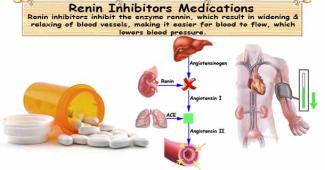
Renin inhibitors inhibit the enzyme renin, which results in widening blood vessels, making it easier for the blood to flow, which lowers blood pressure.
Renin inhibitor medication
Commonly prescribed renin inhibitor medications on the market, include:
- Tekturna (generic name: Aliskiren)
Renin inhibitors have the following actions:
- It dilates arteries and veins by blocking angiotensin II formation, thus reduces arterial pressure, preload, and afterload on the heart.
- It reduces sympathetic adrenergic activity by blocking angiotensin II on sympathetic nerve release and reuptake of norepinephrine.
- It increases renal excretion of sodium and water by blocking angiotensin II in the kidney and by blocking angiotensin II stimulation of aldosterone secretion. Thus lower blood volume, venous pressure, and arterial pressure.
Who should avoid renin inhibitors?
Avoid Renin inhibitors, if you are pregnant or planning for pregnancy or have kidney problems. Also avoid if you are taking water pills (diuretics), other antihypertensive medicines, heart medicines, or medicines to treat a fungus.
What are the side effects of renin inhibitors?
Common side effects of this medicine include dizziness, headache, diarrhea, and stuffy nose.
What are the warning signs of renin inhibitor?
Consult a doctor immediately if you are having: low blood pressure, swelling of face, throat, lips, eyes, or tongue.