
Cholesterol Lowering Fibers

What is dietary fiber? Soluble and insoluble fibers can lower your cholesterol level by limiting cholesterol absorption & regulating bile acid.
Dietary fiber cannot digest or absorb by the body. However, it can help reduce the risk of heart disease additionally good for the digestive tract and overall health.
You cannot avoid dietary fiber unless you are 100% carnivore. Your ancestor’s diet is mostly fruits, nuts and vegetable containing lot of fibers.
Lower cholesterol with fiber foods
Broadly, there are two kinds: soluble (acts like a sponge) and insoluble (doesn’t act like a sponge). There are two main types of cholesterol-lowering fiber foods, they are:
- Insoluble fibers
- Soluble fibers (or viscous fibers)
Both fiber types have health benefits; however, only soluble fiber can reduce the risk for heart diseases by help lowering LDL cholesterol. Distinguish between these two types of fibers based on how they go through the digestive tract.
Insoluble fibers
Insoluble fibers are incapable of dissolving; therefore, known as “roughage” and helps the colon to function properly. It has a laxative effect and adds bulkiness to the diet, which helps to prevent constipation (but not diarrhea). It is mainly available in many whole-grain foods, fruits (with the skins), vegetables, and legumes.
Sources of insoluble fiber are whole wheat, whole grains, wheat bran, corn bran, seeds, nuts, brown rice, bulgur, zucchini, celery, broccoli, cabbage, onions, tomatoes, carrots, cucumbers, green beans, dark leafy vegetables, raisins, grapes, fruit, and root vegetable skins.
Soluble fibers
Soluble fiber goes largely dissolved into a gel-like substance in the intestines. This fiber helps to block cholesterol and fats from being absorbed through the wall of the intestines. Additionally, it emulsifies fat, binds & remove bile acids, and inhibit bile acid absorption. Liver requires more cholesterol to produce required bile acids, thus reducing the blood cholesterol level.
Furthermore, eating foods rich in fiber can help to feel fullness with fewer calories, which makes it a good choice of food, if you need to lose weight.
Sources of soluble fibers are barley, oats, psyllium, apples, bananas, berries, citrus fruits, nectarines, peaches, pears, plums, prunes, Brussels sprouts, dry beans, peas, soy products (such as tofu, miso).
Barley reduced both LDL and non-HDL by 7%. Reference: A systematic review and meta-analysis of randomized controlled trials of the effect of barley β-glucan on LDL-C, non-HDL-C and apoB for cardiovascular disease risk reduction. Published in European Journal of Clinical Nutrition, 2016; DOI: 10.1038/ejcn.2016.89.
Psyllium fiber
Psyllium fiber can help those suffering from constipation, diarrhea, or high cholesterol; appropriate daily intake can help improve these conditions.
Dietary supplement psyllium husk swells up to ten times of its weight with water. If you add 30grams of fiber in your diet, you would have an extra 300gram in your digestive system that bulks up and help pass on your stool. Thus, resulting in less pressure for intestinal movement or loose stools.
Psyllium husk fiber can help improve digestion; furthermore, clinical studies show that it is beneficial in lowering high cholesterol. A daily intake of 10 grams psyllium lowered cholesterol levels by 5% and LDL cholesterol by 9%.
8 Health Benefits of Fiber
Dietary fiber may boost your health, some of its potential benefits include:
- Bowel health: Fiber help increases water absorption in the intestine, regulate bowel movement, stool formation, proper defecation, and reduces risk towards colon cancer. Moreover, it regulates the absorption of nutrients. Insoluble fiber may lower your diverticulitis risk (inflammatory intestinal polyps) by 40 %. High fiber intake may lower your hemorrhoids risk. Fiber may provide some relief from IBS.
- Blood sugar control: Soluble fiber may slow down carbohydrate digestion and absorption of glucose thus help regulate blood sugar.
- Blood cholesterol control: Soluble fiber emulsifies fat, binds & remove bile acids, and inhibit absorption. Liver requires more cholesterol to produce bile acids, thus reducing the blood cholesterol level.
- Heart health: Research shows fiber intake has an inverse association with a heart attack by up to 40%.
- Stroke: Research shows every 7 grams more fiber per day found to have decreased in stroke risk by 7%.
- Weight loss: Fiber ingestion provides a sense of fullness. Thus it enhanced weight loss among obese people.
- Skin health: Fiber ingestion improves gut health by removing bad microbes and increase good microbes. If there are a high bad microbe, then the skin require expelling its toxin that affects its health. Thus, skin not requires to expel toxins; also good microbes provide additional nutrient for healthy skin.
- Gallstones and kidney stones: Fiber ingestion may reduce gallstone and kidney stone risk, because of its ability to regulate bile acid.
Dietary fiber helps to prevent coronary heart disease, stroke, high cholesterol, hypertension, diabetes, obesity, and certain gastrointestinal diseases.
Are there any side effects of dietary fiber?
Some who suddenly raise their fiber intake mostly by supplementation may complain to have mild bloating and cramping. Lower daily ingestion of fiber help eliminate these symptoms, and you can raise the fiber intake slowly in steps once your body accepts it.
Fiber feeds the microbe in your gut. You can get a few hundred extra calories a day from the "indigestible" fiber in your food digested by microbes. Excess insoluble fiber (wheat bran) can aggravate heartburn, intestinal gas, and diarrhea.
Sudden increase in fiber ingestion by fiber supplementation instead of more fruits and vegetable consumption can speed up intestinal transit lead to diarrhea, bloating, and malabsorption. Rarely, consuming excess fiber with little water may lead to constipation and even risk of intestinal blockage.
To prevent these side effects, increase your fiber intake slowly over few weeks. Begin fiber intake by adding more fresh fruits and veggies into your diet instead of supplementation. After your body begin accepting it, you can increase fiber intake by supplementation.
Is dietary fiber good during diarrhea? Soluble fiber helps diarrhea by absorbing water and adding bulk to stools. Insoluble fiber provides inert bulking help with constipation but makes diarrhea worse.
How much dietary fiber do I need?
You know, our ancestors used to consume 100-150g of fiber/day that is from fruits and vegetables.
Recommended dietary fiber intake is 16 to 18 g/d for men and 12 to 14 g/d for women. Another rule of thumb is to get 14 grams of fiber for every 1,000 calories of diet.
How much fiber is TOO much? There is no single answer for everyone; every human body differ vastly. Too much fiber can undergo fermentation in your large intestines causing gas, pain, and misery. If your experience these symptoms then lower ingesting fiber.
Fiber help dilutes your food, similar to water dilutes lemonade. We cannot just drink lemon juice and sugar without diluting it with water. However, too much water leaves the lemonade diluted and difficult to get enough nutrition.
Tips to add more fibers in your diet
Some who increase the fiber intake suddenly all at once may experience intestinal gas, abdominal cramps or bloating and other few discomforts. Thus, it is advisable to increase the fiber intake gradually, which allows your body to adapt to it. Soluble fiber absorbs more water and swells, so you should need to drink more water as you increase the fiber intake.
Many people are unknowingly getting more fibers, by preferring certain food items. Some of these food items are as below:
- Choose hot or cold breakfast cereals such as oatmeal & oat-bran that have 3–4 grams of fiber per serving.
- Eat the whole fruit instead of drinking its juice. For example, one orange has six times more fiber than one 4-ounce glass of orange juice.
- Choose whole-grain flours (and products) against refined white flours.
- Prefer high fiber cereals, legumes, seeds, and nuts as snacks.
- Eat vegetable salads.
Research studies on dietary fiber
There are numerous studies on dietary fiber intake and its benefits, below are a list of few studies.
- Cancer: Dietary fiber intake and risk of breast cancer by menopausal and estrogen receptor status. European journal of nutrition 2013 Feb; 52(1):217-23.
- Blood Pressure: Dietary fiber and blood pressure: a meta-analysis of randomized placebo-controlled trials. Archives of Internal Medicine 2005 Jan 24; 165(2):150-6.
- Cholesterol: The Effects of Barley-Derived Soluble Fiber on Serum Lipids. The Annals of Family Medicine 2009; 7:157-163. DOI: 10.1370/afm.917
- Inflammation: Effect of dietary fiber on circulating C-reactive protein in overweight and obese adults: a meta-analysis of randomized controlled trials. International Journal of Food Sciences and Nutrition Volume 66, 2015 - Issue 1.
- Diabetes type 2: Dietary Fiber for the Treatment of Type 2 Diabetes Mellitus: A Meta-Analysis. Journal of the American Board of Family Medicine January-February 2012 vol. 25 no. 1 16-23. What would improve your digestion, bowel movements, and overall health is understanding what a healthy diet is (as opposed to opinion), and following it.
- SIBO: One daily fiber snack bar (containing 21 grams of fiber) for three weeks significantly increased Bacteroidetes bacteria and decreased Firmicutes. Reference: Fiber supplementation influences the phylogenetic structure and functional capacity of the human intestinal microbiome. Published in American Society for Nutrition, November 12, 2014, doi: 10.3945/ajcn.114.092064.
Cholesterol Lowering Foods

Make your diet effective to lower your cholesterol level; Eat natural whole healthy foods can lower LDL, triglyceride, and total cholesterol; additionally, improve HDL.
He who takes medicine and neglects to diet wastes the skill of his doctors. ~ Chinese Proverb
Below are healthy diets; it helps lower your cholesterol level. Additionally, this food is good for your overall health.
- Fruits & vegetables are good for health; because, they loaded with nutrients (minerals & vitamins), and a good source of fibers (eat with skins to get more fiber).
- Stop white sugar; it is a major risk towards cardiovascular disease; increases triglyceride level and contribute plaque formation. Additionally, in an unhealthy way sugar creates insulin spikes. Excess blood glucose causes glycosylation and leads to plaque formation. You are advised to use unrefined sugar in place of refined white sugar. Unrefined sugar contains numerous nutrients; it slows down glucose absorption and reduces insulin spikes.
- Limit carbohydrate consumption; since high carbohydrate digestion and absorption causes blood glucose spikes proportional to the carbohydrate in the food. This glucose spikes in turn proportionally raises the insulin level in your blood. Excess unused glucose is converted into fat and stored in the liver & adipose tissue. Long Term, fat storage in the liver, leads to fatty liver and in the adipose leads to obesity. Studies show high carbohydrate diet raises triglycerides associated with cardiovascular risk. On the other hand, low carbohydrate diet reduces the triglycerides level. Specifically, you should stop eating refined carbohydrates; it has low nutrient value but creates high glucose, insulin and triglycerides spikes. Refined flour affects digestion; on the other hand, whole-grain flour helps digestion and easily passes through the intestinal tract. Furthermore, it has fiber; it helps the excretion of fat and prevents its absorption.
- Dietary fiber helps to eliminate fats and stop absorption through the intestine. Increased fiber consumption is useful for various gastrointestinal disorders, confirmed by numerous studies. Some of these disorders are gastroesophageal reflux disease, duodenal ulcer, diverticulitis, constipation, and hemorrhoids. These health conditions may be the cause for high cholesterol level. To learn more, you may visit benefits of fiber to lower your cholesterol level.
- Ban trans-fats, because trans fat raises your blood cholesterol levels; especially LDL cholesterol and increase your risk towards heart disease. Man-made trans fats are hydrogenated vegetable oils; they are not friendly with your digestion and strain your digestive system. On the food label, if you find “partially-hydrogenated” or “hydrogenated” word before oil; it indicates the food containing trans-fats. You should avoid this food completely. To learn more, you may visit LDL cholesterol foods.
- Nuts & seeds are rich in protein, fiber, heart-healthy unsaturated fats, vitamin E, magnesium, potassium, natural plant sterols and a host of beneficial nutrients. All nuts and seeds help improve your cholesterol level. In a study published in the American Journal of Clinical Nutrition, people who ate 1.5 ounces of whole walnuts six days a week for one month lowered their total cholesterol by 5.4% and LDL cholesterol by 9.3%. Almonds and cashews are other good options.
- Flax seed raw, drink and bread consumption can decrease total and LDL-cholesterol (by 12 and 15%) by increasing fat excretion (by 23 to 50%). Flaxseed fibers lower your blood cholesterol; additionally, plays a role in energy balance. Reference: "Flaxseed Dietary Fibers Lower Cholesterol and Increase Fecal Fat Excretion, but the magnitude of the effect depends on the food type" was published in Nutrition and Metabolism, 2012; 9(8).
- Omega-3 fatty acids from fish decreases triglyceride (by 25% to 30%), increases LDL cholesterol (by 5% to 10%) and increases HDL cholesterol (by 1% to 3%). Additionally, in a clinical study fish oil consumption of 5.6 g/d has significantly lowered blood pressure (-3.4/-2.0 mmHg). Reference: “Fish Consumption, Fish Oil, Omega-3 Fatty Acids, and Cardiovascular Disease” published in Circulation 2002; 106: 2747-2757. To learn more, you may visit HDL good cholesterol foods.
- Saturated & unsaturated oils consumption in moderate quantity can support healthy cholesterol level. Many leading cardiologists based on their experience they claim; saturated fats (e.g. coconut oil) for cooking (frying) are beneficial. It is more stable than unsaturated fats, and it will not go rancid easily. You can consume organic grass fed animals in moderation. Beware, Processed meats possess inflammatory and heart-disease-causing properties. Unsaturated-fats containing olive oil or flaxseed oil has high levels of monounsaturated fats; raises HDL, and lower LDL when you use them. Poly & monounsaturated fats can lower LDL and total cholesterol. To learn more visit good and bad fat.
- Red-wine consumed moderately appears to reduce the heart disease rate by about 20%. Red wine contains "Resveratrol"; this is a flavonoid antioxidant compound in grape skin and seeds. Caution, extremely heavy drinking seems to have a negative effect. If you are a non-drinker, do not start; because alcohol can affect your liver and cause Cirrhosis.
- Dark chocolate is nutritious; it contains fiber, iron, magnesium, copper, manganese, potassium, phosphorus, zinc, and selenium. Dark chocolate is powerful antioxidants, improve circulation, improve brain function, raises HDL, protect LDL oxidation, and lower cardiovascular disease risk. In a 2007 study published in AJCN, participants who given cocoa powder had a 24% increase in HDL levels over 12 weeks, compared with a 5% increase in the control group. Remember to choose the dark or bittersweet kind.
- Tomato juice decreases LDL cholesterol levels and increases LDL resistance to oxidation, published in British Journal of Nutrition, Volume 98, Issue 06, December 2007, pp. 1251-1258. In conclusion, a high dietary intake of tomato products had atherosclerosis protective effects. It significantly reduced LDL cholesterol levels and increased LDL resistance to oxidation in healthy normal cholesterol adults. These protective atherosclerosis features associated with changes in serum lycopene, beta-carotene, and gamma-carotene levels.
Is it possible to lower cholesterol by low-fat diet?
Our body absorb just 1/3 of the cholesterol requirement from the diet, the remaining 2/3 is from liver production. Additionally, based on the dietary cholesterol intake, your liver is capable of balancing its production. Any defect in this mechanism may lead to cholesterol-level disturbance.
High cholesterol level is mostly due to inflammation or any other underlying health condition. Thus, by lowering dietary fat intake you cannot achieve significantly lower cholesterol.
Studies demonstrated that low-fat diet has greater reductions in LDL cholesterol, but it is not persisting over time. On the other hand, low carbohydrate diet exhibits various benefits; weight loss, HDL increases, reduces LDL & triglyceride and reduces heart disease risk.
But study shows for a smaller number of people that is about 2% of the population on low carb diet has elevated LDL and total cholesterol.
Limiting carbohydrate intake (instead of fat) is more effective in the management of cholesterol. Various clinical studies confirm this; additionally, it helps to lower your risk towards diabetes.
Low Carb Diet Lower High Cholesterol
Are you looking forward to lowering your cholesterol number just with food? Try a low-carb diet; clinical study shows carbohydrate restriction lower triglyceride level and improves HDL level.
“Carbohydrate Restriction Alters Lipoprotein Metabolism by Modifying VLDL, LDL, and HDL Sub-Fraction Distribution and Size in Overweight Men” was published in The Journal of Nutrition February 2006 vol. 136 no. 2-384-389. In this study, we showed consumption of a carbohydrate-restricted diet had critical implications for the size and atherogenicity of lipoproteins and on the overall risk factors for cardiovascular disease. Carbohydrate restriction and weight loss significantly reduced triglycerides (TG) and apolipoproteins involved in TG metabolism, reduced the levels of atherogenic lipoprotein particles, and increased the mean HDL particle size.
Cholesterol Lifestyle Change
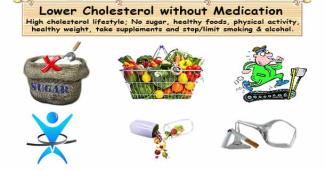
The cholesterol lifestyle change is a set of healthy habits. It helps to lower your cholesterol levels with-or-without medication.
One of the first duties of the physician is to educate the masses not to take medicine. - Sir William Osler, MD (1849-1919).
Sir William Osler was a Canadian physician and one of the four founding professors of Johns Hopkins Hospital. He is always described as the "Father of Modern Medicine."
Simple proved High cholesterol lifestyle change
If you are with determination, then you can lower cholesterol in a healthy way. To make it happen, you need to change your daily activities.
Today, more than 95% of all chronic disease is caused by food choice, toxic food ingredients, nutritional deficiencies and lack of physical exercise. ~ Mike Adams
First, you should know why your blood cholesterol level is high? High cholesterol is a sign of other health conditions. Such conditions are hypothyroidism, fatty liver, infections, food allergy, leaky guts, and kidney disease. Additionally, cholesterol raises for momentarily during weight loss and new to low carb diet.
In some cases, it is difficult to predict the high cholesterol cause. Even such person can lower their cholesterol level with lifestyle modification and supplementation. For effective cholesterol management, you should support your body to back its healthy state.
6 Simple lifestyle change to lower cholesterol
- Choose healthy food;
- Increase in physical activity;
- If you are overweight, lose weight;
- If you are a smoker, stop smoking;
- If you are a drinker, stop or reduce alcohol;
- Take vitamin K, D, C, B9, etc. and mineral magnesium supplementation.
Cholesterol-lowering diet or food
Let food be thy medicine and medicine be thy food ~ Hippocrates
By eating healthy foods and avoiding unhealthy foods, you can lower your cholesterol level.
- Stop or at least reduce all sugary foods and drinks from the diet.
- High carbohydrate diet increases your triglyceride level. High triglyceride is a major heart disease contributor and metabolic syndrome.
- Eat fiber rich foods, prefer soluble fiber rich foods, if your body accept it.
- Ban man-made trans-fat in all form.
- Flaxseed helps to lower total cholesterol and LDL-C. Also, help increases fat excretion.
- Taking certain plant products rich in sterols (e.g. Phytosterols) in your diet help lower your LDL.
- Regular fish consumption or omega3 supplementations can lower triglyceride level and raises HDL-C.
Cholesterol-lowering food is a guide for healthier food choices to lower your cholesterol number.
Increase physical activity
Those who think they have no time for exercise will sooner or later have to find time for illness. ~ Edward Stanley
The next step is doing regular exercise to lower your cholesterol. Exercise lowers your cholesterol levels; additionally, it provides flexible, energetic, and improved wellness.
Physical activity or exercising for 30 minutes on most of the days in a week help lower cholesterol. Exercising betterment your cholesterol numbers; increased HDL, lowered LDL, and reduced triglyceride. Learn more by visiting physical activity to improve cholesterol number.
Obese or overweight
Being overweight is being halfway sick. ~ Sicilian Proverb.
Obesity may be a reason for elevated cholesterol level. You have to take necessary steps to lose weight.
You are considering as obese if your waist size is larger than 40-inches in men and 35-inches in women. You are considering as overweight if your BMI (body mass index) is greater than 25. Learn more by visiting lose weight to improve your cholesterol number.
Cholesterol Supplements
Cholesterol supplements improve your cholesterol number. Some of these supplements are vitamin B3, Sterols or Stanols, Omega 3 and soluble fibers.
Niacin or vitamin B3, taken in large doses (1 to 3 grams a day), is a drug. It lowers LDL cholesterol (by up to 30%), boosts HDL cholesterol, and reduces triglycerides. Recommended for people with low HDL and elevated triglycerides. Use under medical supervision.
Sterols or Stanols is a plant compound interfere with absorption of dietary cholesterol. Two daily grams lowers LDL cholesterol (by 9 to 20 %). Recommended dosage is 400 milligrams of sterols per dose, for a daily total of 800 milligrams.
Certain fishes are rich in omega-3 fatty acid. This fishes increases HDL cholesterol and is beneficial for your heart. You might eat these fishes two to three times per week. Otherwise, take Omega-3-supplement. Learn more by visiting Omega 3 cholesterol supplement.
Soluble fibers limit dietary cholesterol absorption and improve intestinal health. Soluble fiber is in oat bran, barley, nuts, seeds, beans, lentils, peas, and some fruits and vegetables. The most commonly used fiber supplement is psyllium. Learn more by visiting cholesterol-lowering fiber foods
Quit Smoking & Limit Alcohol
Cigarettes are a classical way to commit suicide.
If you are a smoker, stop smoking can lower your cholesterol level. Also, it improves your health by all means.
Heavy drinker should restrict alcohol consumption, it reduces liver strain and improves cholesterol number.
Cigarette smoking and serum lipid and lipoprotein concentrations: an analysis of published data BMJ. Mar 25, 1989; 298(6676): 784–788. Smokers have higher serum concentrations of cholesterol (3.0%), triglycerides (9.1%), VLDL-C (10.4%), and LDL-C (1.7%) and lower serum concentrations of HDL-C (-5.7%), and apolipoprotein-AI (-4.2%) compared with nonsmokers.
Total Cholesterol
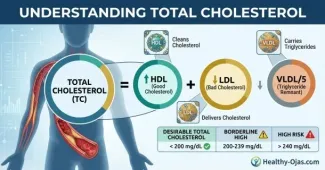
When looking at your latest lipid panel, understanding what is a high total cholesterol level is usually the very first question that comes to mind.
What is a High Total Cholesterol Level? A Complete Guide to Interpreting Your Lipid Profile
While a score over 240 mg/dL is clinically flagged as high, focusing exclusively on this single number can be deeply misleading. To truly assess your metabolic and cardiovascular health, you must break total cholesterol down into its individual components—HDL, LDL, and VLDL—and evaluate how they balance against one another.
1. Deconstructing Total Cholesterol: The Basic Equation
Total Cholesterol (TC) is not a single, isolated type of fat. Instead, it represents the cumulative amount of cholesterol packed inside all the major lipoproteins circulating in your bloodstream.
The standard clinical formula used to calculate your total number is:
Total Cholesterol (TC)}= LDL-C + HDL-C + VLDL-C
Where:
- LDL-C (Low-Density Lipoprotein): Often called "bad" cholesterol; delivers lipids to your tissues but can form arterial plaque if excessive.
- HDL-C (High-Density Lipoprotein): The "good" cholesterol; acts as a scavenger that clears excess fat from the blood and takes it back to the liver.
- VLDL-C (Very-Low-Density Lipoprotein): Primarily carries triglycerides. In standard labs, VLDL cholesterol is calculated using the Friedewald formula:
VLDL-C = Triglycerides/5
2. Standard Total Cholesterol Reference Ranges
Blood tests measure total lipid concentrations in milligrams per deciliter (mg/dL) or millimoles per liter (mmol/L). The medical classifications are broken down as follows:
| Classification | Reference Range (mg/dL) | Reference Range (mmol/L) | Clinical Evaluation |
| Optimal | Below 200 mg/dL | Under 5.2 mmol/L | Low baseline risk; ideal clearance. |
| Borderline High | 200 – 239 mg/dL | 5.3 – 6.2 mmol/L | Early indicator to review lifestyle choices |
| High | 240 mg/dL and above | Over 6.2 mmol/L | Increased risk; requires detailed fractional analysis. |
3. Why a "Normal" Total Cholesterol Can Blindside You
A common clinical trap is assuming a total score below 200 mg/dL guarantees heart safety. Looking at total cholesterol alone is often useless because it hides the underlying ratio of good to bad lipids.
Scenario A: Low Total, High Heart Risk
- Your Result: Total Cholesterol = 161 mg/dL (Looks excellent).
- The Hidden Breakdown: If your HDL is exceptionally low at 15 mg/dL, your remaining 146 mg/dL consists of highly dangerous LDL and VLDL particles.
- The Reality: Despite a "perfect" total number, you carry a very high risk of heart disease due to poor lipid clearing.
Scenario B: High Total, Low Heart Risk - Your Result: Total Cholesterol = 229 mg/dL (Flagged as borderline high).
- The Hidden Breakdown: If your HDL is exceptionally high at 68 mg/dL, your circulating pool of plaque-causing VLDL and LDL is actually very low.
- The Reality: High protective HDL numbers lower your overall risk, making your "high" total score completely benign.
4. The True Metric: The Total/HDL Cholesterol Ratio
Because raw numbers can be misleading, researchers rely on the Total-to-HDL Ratio (TC/HDL-C) to predict atherosclerosis and plaque vulnerabilities. You find this by dividing your total cholesterol by your HDL score.
A lower ratio indicates that a healthy portion of your overall lipids consists of protective HDL particles:
| Risk Category | Men's Ratio Target | Women's Ratio Target |
| Optimal (Low Risk) | Less than 3.5 | Less than 3.0 |
| Moderate Risk | 3.5 – 5.0 | 3.0 – 4.4 |
| High Risk | Greater than 5.0 | Greater than 4.4 |
Data Note: According to the Framingham Heart Study, an elevated ratio (e.g., 9.6 for men and 7.0 for women) more than doubles baseline cardiovascular risk profiles.
5. Factors Driving High Total Cholesterol
If your overall breakdown reveals an unhealthy profile, your elevated numbers are typically driven by a few distinct clinical and lifestyle factors:
- Excess Saturated and Trans Fats: Over consumption triggers the liver to down regulate its LDL clearance receptors, leaving more cholesterol circulating in the bloodstream.
- Physical Inactivity: Sedentary lifestyles steadily lower your protective HDL counts, which skewing your total ratio into dangerous categories.
- Metabolic and Thyroid Sluggishness: Medical conditions like untreated hypothyroidism heavily slow down cellular lipid clearance, driving up overall systemic counts.
Frequently Asked Questions (FAQ)
What is a high total cholesterol level?
A total cholesterol level is clinically classified as high when it reaches 240 mg/dL or above. Levels between 200 and 239 mg/dL are considered borderline high.
Can you have a high total cholesterol level and still be healthy?
Yes. If your total cholesterol is elevated primarily because your HDL ("good" cholesterol) is exceptionally high (above 60 mg/dL), your overall cardiovascular risk may actually be very low. This is why evaluating your breakdown is essential.
Which is more important: total cholesterol or the cholesterol ratio?
Your Total-to-HDL ratio is a significantly more accurate predictor of cardiovascular conditions and arterial plaque buildup than your total cholesterol number alone. The ratio shows exactly how much protective cholesterol you have relative to plaque-promoting varieties.
Triglycerides
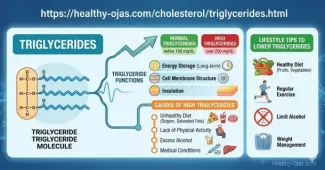
Learning what causes high triglycerides and how to lower them is a foundational step in mastering your metabolic and long-term cardiovascular health. While often grouped alongside cholesterol during a standard lipid profile test, triglycerides serve an entirely distinct biological function as the body's primary energy storage vehicle. When these levels rise above normal parameters, they shift from an essential fuel source into an aggressive driver of arterial plaque, metabolic syndrome, and systemic
What Causes High Triglycerides and How to Lower Them: An In-Depth Guide
1. What are Triglycerides?
Triglycerides are the most abundant type of lipid (fat) circulating inside the human body. Biochemically, a single triglyceride molecule is formed through an esterification process.
- A Glycerol Backbone: A three-carbon sugar alcohol chain.
- Three Fatty Acid Tails: Long hydrophobic carbon chains attached to each glycerol carbon atom.
[ Glycerol Backbone ]
| | |
[Fatty] [Fatty] [Fatty] <-- Acid Tails
The Difference Between Triglycerides and Cholesterol
Though both are lipids transported together inside lipoproteic shells, they serve radically different purposes:
Triglycerides store unburned calories and supply immediate or delayed ATP energy to your muscles and tissues.
Cholesterol is a non-fatty, waxy steroid used by the liver to build cellular membranes, insulate nerves, and synthesize essential hormones.
2. Biological Synthesis and Transportation
Your body acquires and processes triglycerides through two main pathways:
Exogenous (Dietary) Pathway
When you ingest dietary fats (butter, oils, meat), pancreatic lipases in the small intestine break them down into monoacylglycerols and free fatty acids. Once absorbed by intestinal cells, they are re-synthesized back into triglycerides and packed into microscopic transport vehicles called chylomicrons. Chylomicrons move through the lymphatic system into the bloodstream to deliver energy.
Endogenous (Hepatic) Pathway
When you consume excess calories—particularly from simple sugars, refined starches, or alcohol—the liver converts this surplus energy directly into lipids. The liver packages these internal triglycerides into Very-Low-Density Lipoproteins (VLDL) and pumps them into circulation.
Cellular Storage
When these transport particles pass through adipose (fat) or muscle tissue, an enzyme called lipoprotein lipase (LPL) extracts the fatty acids. Muscle tissue oxidizes them for immediate fuel, while adipose tissue safely stores them as anhydrous fat droplets for future systemic use.
3. Interpreting Your Triglyceride Levels
Triglyceride concentrations are evaluated using a fasting lipid panel test and measured in milligrams per deciliter (mg/dL):
| Diagnostic Classification | Triglyceride Range (mg/dL) | Clinical Significance |
| Normal / Optimal | Below 150 mg/dL | Indicates low risk and healthy lipid clearance |
| Borderline High | 150 – 199 mg/dL | Early sign of metabolic sluggishness or high carbohydrate intake |
| High | 200 – 499 mg/dL | Accelerates arterial plaque buildup and cardiovascular risk. |
| Very High (Severe) | 500 mg/dL and above | Drastically increases the immediate risk of acute pancreatitis. |
4. Pathophysiology: What Causes High Triglycerides?
Elevated serum triglycerides (hypertriglyceridemia) stem from a combination of metabolic, lifestyle, and genetic factors:
Nutritional Overload
Consuming more calories than the body burns causes the liver to continuously generate VLDL particles. Diets rich in fructose, sucrose, and processed starches trigger a surge in hepatic de novo lipogenesis (fat creation).
Insulin Resistance and Type 2 Diabetes
In a healthy state, insulin suppresses the release of fatty acids from fat tissues. When cells become resistant to insulin, this suppression fails. Free fatty acids flood back into the liver, forcing it to overproduce and secrete massive volumes of VLDL triglycerides.
Excessive Alcohol Intake
Alcohol acts as an immediate metabolic priority for the liver. While processing alcohol, the liver's natural fat-burning mechanisms are shut down, accelerating the conversion of acetate into triglyceride fatty acid chains.
Hypothyroidism
Low levels of thyroid hormone slow down general metabolic clearance. This compromises the activity of lipoprotein lipase enzymes, leaving triglyceride-rich particles circulating in the blood much longer than normal.
Genetic Mutations
Primary hypertriglyceridemia is driven by inherited genetic mutations, such as familial chylomicronemia syndrome, which impair the body's ability to create or utilize lipid-clearing enzymes.
5. Medical Risks of Untreated Hypertriglyceridemia
Allowing triglyceride levels to remain elevated triggers a cascade of serious systemic pathologies:
Cardiovascular Disease and Atherosclerosis
High concentrations of triglycerides alter the structural layout of other cholesterol particles. They cause regular LDL particles to shrink into small, dense LDL particles. These tiny, altered particles easily breach the endothelial lining of your arteries, oxidize rapidly, and create arterial plaque (atherosclerosis).
Acute Pancreatitis
When blood triglyceride levels surpass 500–1,000 mg/dL, the excess lipids thicken the blood and clog capillary beds within the pancreas. Localized lipases breakdown these concentrated triglycerides into toxic, free fatty acids, causing severe localized autodigestion, dangerous inflammation, and tissue death.
Non-Alcoholic Fatty Liver Disease (NAFLD)
When the liver is overwhelmed by fat synthesis, it begins storing those excess triglyceride fat globules inside its own functional parenchymal cells. Over time, this leads to structural liver inflammation and scarring.
6. Action Plan: How to Lower High Triglycerides
Fortunately, triglycerides respond incredibly fast to targeted clinical interventions.
Step 1: Eliminate Refined Carbs and Sugars
- Action: Swap out high-glycemic starches (white bread, pasta, pastries) for high-fiber alternatives.
- Mechanism: Cutting out simple sugars deprives the liver of the quick raw materials it uses to synthesize excess VLDL fat particles.
Step 2: Implement Daily Cardiovascular Exercise
- Action: Perform 30 minutes of moderate-intensity aerobic exercise (brisk walking, cycling) daily.
- Mechanism: Muscle contractions stimulate cellular glucose uptake and activate lipoprotein lipase, pulling triglycerides directly out of the blood to use for active muscle energy.
Step 3: Optimize Fatty Acid Quality
- Action: Ban all trans fats, limit saturated fats, and introduce heavy doses of Omega-3 fatty acids (salmon, walnuts, flaxseed).
- Mechanism: High-dose Omega-3 fatty acids structurally inhibit the specific liver enzymes responsible for assembling fresh triglycerides.
Step 4: Medical Therapies (When Lifestyle Isn't Enough)
When lifestyle changes are insufficient, physicians turn to prescription medications:
- Fibrates: Medications (like Fenofibrate or Gemfibrozil) that aggressively stimulate your body's natural fat-clearing enzymes to drop triglycerides by 20% to 50%.
- Prescription Omega-3 Fatty Acids: Highly purified, concentrated fish oil formulations engineered to turn down hepatic lipid output.
Frequently Asked Questions (FAQ)
What is the primary cause of high triglycerides?
The primary cause is an excess intake of unburned calories, particularly from simple sugars, refined carbohydrates, and alcohol. The liver takes these unneeded calories and directly converts them into fat particles that travel through your bloodstream.
Do high triglycerides have noticeable symptoms?
Mild to moderate high triglycerides usually cause no noticeable symptoms and are called a "silent" risk factor. However, extremely severe cases (above 500 mg/dL) can cause sudden, intense abdominal pain from acute pancreatitis or cause fatty yellowish bumps called xanthomas to form on the skin.
How long does it take to lower triglyceride levels?
Triglycerides drop much quicker than cholesterol. By eliminating alcohol, severely restricting simple sugars, and exercising daily, you can often see a significant, measurable reduction in your blood levels within just a few weeks.
creases the probability for small dense LDL. TG/HDL-C ratio below 3.8 increases the probability for large fluffy LDL.
HDL Good Cholesterol
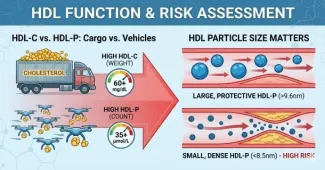
High-density lipoprotein is once considering as good cholesterol. Because it performs reverse cholesterol transport and expected to prevent heart disease.
Is HDL Cholesterol Really Good? The Truth About HDL-C vs. HDL-P
High-Density Lipoprotein (HDL) has long been celebrated as the "good cholesterol" because it plays a vital role in reverse cholesterol transport—the process of clearing excess fat from your arteries and delivering it back to the liver for excretion. However, modern lipid science reveals that simply having a high HDL cholesterol (HDL-C) number on a standard lab test does not guarantee a healthy heart. To truly understand your cardiovascular risk, you must look closer at HDL particle numbers (HDL-P) and HDL particle size.
Understanding HDL Cholesterol Ranges
A standard lipid profile measures HDL-C, which tells you the total weight of the cholesterol carried inside your HDL particles per deciliter of blood.
- Optimal: More than 60 mg/dL (>1.55 mmol/L)
- Borderline Risk: 40 to 60 mg/dL (1.03 to 1.55 mmol/L)
- High Risk: Less than 40 mg/dL (<1.03 mmol/L)
How HDL Safely Clears Cholesterol
- Scavenging: Smaller HDL particles absorb unused cholesterol from arterial plaques and peripheral cells.
- Hormone Production: HDL travels to steroidogenic organs—like the adrenal glands, ovaries, and testes—to deliver cholesterol needed to synthesize crucial steroid hormones.
- Elimination: The remaining cholesterol is returned to the liver, where it is excreted into bile and ultimately leaves the body through the intestines.
Why High HDL-C Is Not Always Protective
For years, clinical assumptions implied that higher HDL-C levels always equaled better heart protection. However, landmark genetic databases have challenged this concept. Studies show that individuals who inherit genes causing naturally elevated HDL-C levels throughout their lives do not necessarily have a lower rate of heart disease.
This mismatch occurs because HDL-C (cholesterol quantity) and HDL-P (particle count) measure entirely different metrics:
- HDL-C represents the total volume of passenger cargo (cholesterol).
- HDL-P represents the number of actual transport vehicles (particles) moving through your blood.
If you have a high HDL-C but a low HDL-P, it means you have a few very large particles stuffed with cholesterol, rather than an abundant fleet of active particles clearing plaque from your arteries.
The Role of HDL Particle Size and Numbers
Advanced lipid testing looks past the basic surface weight to assess the efficiency of your reverse cholesterol transport system.
HDL Particle Number (HDL-P) and Size
HDL-P counts the actual particles, serving as a stronger cardiovascular risk predictor than HDL-C.
- Optimal HDL-P: > 34.9 µmol/L
- Optimal Particle Size: > 9.6 nm
A prevalence of small, dense particles indicates metabolic issues, while larger particles are linked to better health.
Why Inflammation Lowers HDL
During infection or chronic inflammation, the body consumes high amounts of HDL to create cortisol, often resulting in temporarily lower HDL-C levels.
Frequently Asked Questions (FAQ)
- HDL-C vs. HDL-P: HDL-C measures the total weight of cholesterol, while HDL-P measures the count of actual particles.
- High HDL Risk: Very high HDL-C might not be protective if particle count (HDL-P) is low, indicating poor plaque clearance.
- Low HDL Reasons: Chronic inflammation causes the body to use HDL for producing essential hormones, lowering circulating levels.
- Particle Size Importance: A high number of small, dense HDL particles often correlates with metabolic syndrome and artery disease.
LDL Bad Cholesterol
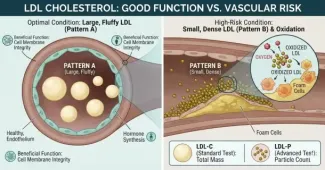
Have you ever wondered, why is LDL cholesterol called bad cholesterol if it is good for your body’s vital cellular functions? While standard blood tests routinely label low-density lipoprotein (LDL) as a health hazard, cutting-edge cardiology reveals that raw LDL cholesterol levels are a weak predictor of heart disease. In reality, LDL plays a vital defensive and structural role in your immune system, and it only becomes a danger under very specific structural and chemical conditions.
Why Is LDL Cholesterol Called Bad Cholesterol If It Is Good? The Truth About Heart Risk
Standard medical checklists often oversimplify heart health by labeling low-density lipoprotein (LDL) as inherently toxic. However, a closer look at advanced lipidology reveals that your body cannot survive without it.
1. The Vital Role of LDL: Why Your Body Needs It
In a healthy biological system, there is no such thing as "good" or "bad" cholesterol—all cholesterol is essential for survival. The primary function of LDL is to act as a delivery vehicle, carrying vital cholesterol and triglycerides from your liver to peripheral cells.
- Cellular Framework: Cells use this cholesterol to maintain cell membrane stability and optimal cellular functions.
- Immune Defense: Laboratory and clinical research shows that blood lipids support the immune system. In fact, LDL deactivates more than 90% of toxic bacterial byproducts.
- The Recycling Loop: Excess, unutilized cholesterol is collected by high-density lipoprotein (HDL) and carried back to the liver for recycling.
2. When Does "Good" LDL Turn "Bad"?
Labeling LDL as universally "bad" overlooks how heart disease actually develops. LDL particles only threaten your arterial walls under three specific conditions: when they shrink in size, increase in number, or become chemically altered through oxidation.
Pattern A vs. Pattern B Subtypes
Your standard lipid panel only measures the total weight of cholesterol inside the particles (LDL-C), which is a weak predictor of cardiovascular events. The true risk lies in the subtype pattern:
- Pattern A (Large & Fluffy): These particles resemble large cotton balls. They flow safely through the bloodstream without piercing your arterial linings.
- Pattern B (Small & Dense): These particles act like tiny bullets. Because of their miniature size, they easily puncture the endothelium (the inner layer of your arteries).
The Danger of Oxidized LDL (Oxy-Cholesterol)
Raw LDL cholesterol does not cause plaque. Damage occurs when small, dense LDL particles get trapped in the arterial wall and react with free radicals in the blood. This chemical reaction creates oxidized LDL, acting like rancid oil in your cardiovascular system.
Oxidized LDL triggers a chronic inflammatory immune response. White blood cells (macrophages) rush to clean up the oxidized particles, eventually becoming trapped and turning into fatty, calcified plaque.
3. Beyond LDL-C: Advanced Markers for Real Heart Risk
If you want an accurate picture of your cardiovascular health, you must look past basic LDL-C numbers and request advanced lipid testing.
| Lipid Metric | Clinical Function | Optimal Range |
| LDL-C (Cholesterol Mass) | Measures the total weight of cholesterol inside your LDL vehicles | < 130 mg/dL |
| LDL-P (Particle Number) | Tracks the actual number of individual LDL vehicles floating in your blood. Higher particle numbers mean a higher statistical chance of endothelial penetration. | < 1000 nmol/L |
| ApoB (Apolipoprotein B) | Measures the direct protein backbone attached to every single plaque-causing particle (LDL and VLDL). It is the most accurate predictor of cardiovascular disease (CVD) risk. | < 60 mg/dL |
4. What Hidden Factors Drive Up LDL Levels?
Because your liver manufactures LDL from Very-Low-Density Lipoprotein (VLDL) remnants, dietary cholesterol intake has a negligible impact on your base LDL numbers. Instead, elevated particle numbers or high LDL scores are typically triggered by underlying systemic issues:
- Metabolic Slowdowns: Sluggish thyroid function (hypothyroidism) directly delays lipid clearance.
- Systemic Stressors: Hidden low-grade infections, chronic inflammation, or minor liver dysfunction can force the body to produce more VLDL, subsequently raising your LDL-P count.
Frequently Asked Questions (FAQs)
Why is LDL cholesterol called bad cholesterol if it is good?
LDL is called "bad cholesterol" because its job is to carry lipids out into the body, meaning it is the specific type that can get trapped and form plaque inside your arterial walls. However, it is fundamentally good because your cells rely entirely on it to build protective membranes, produce hormones, and neutralize toxic bacterial infections. It only turns hazardous when it is small, numerous, and oxidized.
What is the difference between LDL-C and LDL-P?
LDL-C measures the total weight or concentration of cholesterol packed inside your lipoprotein vehicles. LDL-P measures the actual number of individual lipoprotein vehicles floating in your bloodstream. A person can have low LDL-C but a dangerously high LDL-P count, meaning they have many tiny, dense particles that are highly prone to causing arterial plaque.
Can you have a heart attack with low LDL cholesterol?
Yes. Standard LDL-C calculations are a weak standalone predictor of heart disease. If a person's total LDL weight is low, but those lipids are carried by a high number of small, dense "Pattern B" particles (high LDL-P or high ApoB), those particles can still oxidize, cause arterial inflammation, and create dangerous blockages.
How do I prevent LDL cholesterol from oxidizing?
To keep your LDL particles from turning into dangerous oxidized plaque, focus on neutralizing free radicals in your bloodstream. Clinical studies show that consuming powerful lipid-soluble antioxidants—such as Ubiquinol (CoQ10), pomegranate extracts, and lycopene—significantly protects circulating LDL particles from oxidative damage.
Lipoprotein
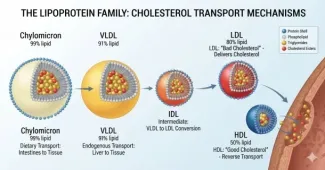
Blood is watery, and cholesterol is fatty; these two do not mix. Cholesterol transportation in the bloodstream needs to carry in small packages called lipoproteins. This package contains fats in the center and surrounded by proteins outside.
Understanding Lipoproteins: How Your Body Transports Cholesterol
Lipoproteins are specialized biochemical packages composed of fats (lipids) and proteins that allow cholesterol and triglycerides to move safely through your watery bloodstream. Because fats are hydrophobic (water-fearing) and blood is primarily water, they cannot mix on their own. To solve this, your body wraps lipids in an outer shell of water-soluble proteins called apolipoproteins, creating a transport vehicle that delivers nutrients to cells for energy, maintenance, and hormone production.
What is the Difference Between Lipoproteins and Apolipoproteins?
To understand how your body handles cholesterol, it helps to look at the structural components:
- Lipoprotein: The complete transport package containing an inner core of cholesterol esters and triglycerides, surrounded by an outer layer of phospholipids and proteins.
- Apolipoprotein: The specific protein portion of the outer cover. These proteins provide structural integrity, make the package water-soluble, and act as keys to unlock protein receptors on cells.
Major Types of Apolipoproteins
- Apolipoprotein A-I (ApoA1): The primary structural protein found in High-Density Lipoproteins (HDL). It helps clear excess fats from the body.
- Apolipoprotein B (ApoB): The main structural protein found in Low-Density Lipoproteins (LDL) and VLDL. High levels of ApoB are closely associated with a greater risk of heart disease.
The 5 Classes of Lipoproteins
Lipoproteins are classified primarily by their density, size, and fat-to-protein ratio. Larger particles contain more fat and less protein, making them less dense. As cells consume the fats inside, the particle shrinks, the fat percentage drops, and the protein density rises.
1. Chylomicrons
- Composition: Composed of 99% lipids and only 1% protein, making them the largest and least dense particles.
- Function: They carry dietary triglycerides and fats from your intestines to your liver, muscles, and fat tissues right after a meal.
2. Very-Low-Density Lipoprotein (VLDL)
- Composition: Contains about 91% lipids.
- Function: Created by the liver to transport endogenously produced triglycerides to your tissues for energy or fat storage.
3. Intermediate-Density Lipoprotein (IDL)
- Composition: Contains approximately 91% lipids and acts as a transitional state.
- Function: Formed as VLDLs give up their fatty acids. IDLs are usually brief intermediate particles and are rapidly converted into LDL or cleared by the liver.
4. Low-Density Lipoprotein (LDL) – "Bad Cholesterol"
- Composition: Contains roughly 80% lipids and a high concentration of cholesterol.
- Function: Transports cholesterol from the liver to peripheral cells throughout the body. Elevated levels are heavily linked to arterial plaque buildup and cardiovascular disease.
5. High-Density Lipoprotein (HDL) – "Good Cholesterol"
- Composition: The smallest and densest particle, composed of 44% lipids and 56% protein.
- Function: Performs "reverse cholesterol transport" by scavenging excess cholesterol from tissues and blood vessels and bringing it back to the liver to be broken down and excreted.
Lipoprotein Comparison Table
This breakdown shows how the major lipoproteins differ in composition and role:
| Lipoprotein Type | Primary Lipid Carried | Source Destination | Lipid % | Impact on Cardiovascular Health |
| Chylomicron | Dietary Triglycerides | Intestines -- Muscles/Adipose | 99% | Neutral (elevated levels may indicate rare genetic lipid disorders) |
| VLDL | Internal Triglycerides | Liver -- Body tissues | 91% | Negative (high levels are linked to plaque formation and insulin resistance) |
| IDL | Triglycerides & Cholesterol | Transitional state in blood | 91% | Negative (can rapidly convert to plaque-forming LDL) |
| LDL | Cholesterol | Liver -- Peripheral cells | 80% | Highly Negative ("Bad" cholesterol; strongly correlates with heart disease) |
| HDL | Cholesterol Esters | Peripheral tissues --Liver | 44% | Highly Positive ("Good" cholesterol; protects against arterial blockages) |
Frequently Asked Questions (FAQ)
What is the primary function of a lipoprotein?
The main function of a lipoprotein is to package water-insoluble fats (like cholesterol and triglycerides) with water-soluble proteins so they can be transported through the bloodstream to cells that need them for energy and repair.
Why is LDL called bad cholesterol and HDL called good cholesterol?
LDL is considered "bad" because it delivers cholesterol to your cells; if there is too much, it can build up as plaque in your arteries. HDL is considered "good" because it clears excess cholesterol from your tissues and takes it back to the liver for safe elimination.
How do cells absorb cholesterol from lipoproteins?
Cells have specific protein receptors on their outer surfaces. These receptors recognize and bind to the apolipoproteins on the outside of the lipoprotein package, drawing the particle inside to use its fat core
What happens when your lipoprotein levels are imbalanced?
An imbalance—such as high LDL or low HDL—is a condition known as dyslipidemia. It appears to increase the risk of plaque accumulation (atherosclerosis), which can lead to restricted blood flow, heart attacks, or strokes
Hypertension & Smoking

Cigarettes are smoked by over 1 billion people nearly 20% of the world population in 2014 and Smoking causes 1 in 5 deaths annually.
Are you a smoker? Smoking raises your heart rate and blood pressure, even leads to hypertension. You should plan to quit smoking to protect yourself against hypertension and heart disease. Learn how to stop smoking?
Smoking & Blood Pressure
In the U.S., about 30% of heart disease deaths have linked with cigarette smoking, because smoking is a major cause of atherosclerosis and coronary artery disease, especially in younger people.
Does smoking raise blood pressure?
With the first few puffs of smoke, the blood pressure rises from 10 to 15 % and heart rate rises by about 30 % during the first 10 minutes of smoking.
Toxic chemicals in the tobacco,
- Constrict blood vessels
- Decrease oxygen to the heart
- Increase heart rate
- Increase blood clotting
- Increase systemic oxidative stress,
- Reduce nitric oxide (NO) bioavailability,
- It causes endothelial dysfunction.
Smoking not only raises blood pressure temporarily, it even increases your risk towards hypertension and other heart diseases.
Smoking, passive/secondary smoking, or chewing tobacco raise your blood pressure immediately but temporarily. Additionally, nicotine can damage the artery walls lining; this narrowed your arteries, plaque formation, and permanent increase in your blood pressure.
As the plaque builds up, thus, the heart has to work harder to pump blood, and this might lead to a heart attack or stroke.
What do you feel when you quit smoking?
When you quit smoking, you may have some short-term side effects such as craving for cigarettes, irritability, feel hungry, cough often, headaches, unable to concentrate.
These smoking withdrawal effects are due to nicotine; your body practiced to it. Nicotine is an addicting agent present in cigarettes. You will experience these smoking withdrawal symptoms within the first few days of quitting; don’t lose heart, you must be patient and stay in control.
Do not consider these as side effects; it shows that your body has started healing and getting used to being without cigarettes. Smoking withdrawal symptoms are only temporary, which are stronger at the beginning but go away within 25 days.
Quit smoking benefits
Quit smoking does not only lower your blood pressure, but it also has numerous other benefits they are:
- Reduce your risk of disease (such as heart disease, heart attack, lung cancer, throat cancer, emphysema, ulcers, and gum disease).
- Feel healthier, fewer sore throats, increase stamina, and will not cough as much.
- Your look improves; lessen face wrinkles, get rid of teeth strain, and your skin starts glowing.
- Your tongue bud and nose sensors get a rebirth, sense of taste, and smell sense improvement.
- Saves you lot of money,
- Prolong your life; enjoy a new life with your loved once, fulfill your responsibilities.
How quickly can you expect beneficial effects of quit smoking?
Are you a smoker! There is good news, your body is quite resilient when you quit the tobacco habit, and then your risk towards life-threatening conditions begins to go away.
When you quit smoking,
- Within 20 minutes, heart rate and blood pressure drop.
- Within 12 hours, the carbon monoxide level in the blood back to normal.
- Between 2 weeks to 3 months, blood circulation improves.
- Within one year, heart disease risk is 50 % lower than the smoker.
- Within 2 to 5 years, stroke risk is the same as a nonsmoker’s.
How do you quit smoking?
Repeat in mind the good reasons to quit smoking - get more energy & easy breath, smoking cause’s cancer, heart disease, stroke and lung disease, when pregnant quit smoking helps the child get more oxygen.
- Prepare to quit - fix a date and throughout cigarettes and ashtrays from home, car, and place of work.
- Get medication if needed - can use nicotine gum, the nicotine patch, or the nicotine lozenge available in medication stores. Ask the doctor about other medicines that can help - Nicotine nasal spray, Nicotine inhaler, Bupropion SR pills, and Varenicline pills.
- Request Help - Tell the family, friends, and people at work that you are going to quit. Ask for their support by not smoking in front of you or offering smoke.
- Be positive - should be confident on you, your ability and will have to quit smoking permanently.
Yoga Benefits

Yoga is termed as a combination of breathing exercises, physical postures, and meditation. Yoga exercise poses are a healing system of practice.
Modern Yoga as an exercise
Yoga evolved as a spiritual practice in Hinduism, in the Modern world, a part of yoga, known as Asana, has grown popular as a form of just physical exercise. A yoga practitioner is knowing as yogi (for male) or yogini (for female). Yoga is a healing system of practice. Yoga is termed as a combination of breathing exercises, physical postures, and meditation.
Benefits of Yoga pose
Yoga is an art and science of right living; it is intending to incorporate into daily life. Yoga is beneficial for the whole person:
- Physical
- Mental
- Emotional
- Psychic
- Vital
Yoga helps to bring the series of bodily functions into perfect coordination so that they benefit the whole body. Yoga not only benefits the physical body, next it also benefits the mental and emotional levels…
Increasing number of peoples is turning towards yoga as an exercise and relaxation technique. In addition, yoga is choosing as a non-surgical, non-medical relief for bone, joint and muscle-related pains. Even some people consider yoga as a secret of youthfulness.
It believes to calm the nervous system and balance the body, mind, and spirit. It is thought by its practitioners to prevent specific diseases and maladies by keeping the energy meridian’s open and flow of life energy (Prana). Yoga is usually performing in classes, conducted at least once a week and for approximately 45 minutes. Yoga has been use to lower blood pressure, reduce stress, and improve coordination, flexibility, concentration, sleep, and digestion. It has also been use as supplementary therapy for such diverse conditions.
Yoga poses physical and mental exercise
Physical and mental exercises designed for wellbeing. On the physical level, yoga postures, called asanas, is design to tone, strengthen, align, spine supple and promote blood flow to all the organ & glands. Thus, yoga provides an overall healthy physical system.
On the mental level, yoga uses breathing techniques (pranayama) and meditation (dyana) to quiet, clarify, and discipline the mind. However, experts point out that yoga is not a religion, but a way of living with health and peace of mind.
Yoga poses safe? Yoga has well been tolerating in studies, with few side effects reported in healthy people. Yoga poses that put pressure on the uterus, such as an abdominal exercise, should avoid during pregnancy. People with disc disease, fragile or atherosclerotic neck arteries, a risk of blood clots, extremely high or low blood pressure, glaucoma, retinal detachment, ear problems, severe osteoporosis, or cervical spondylitis should avoid some yoga poses. Certain yoga breathing techniques should avoid in people with heart or lung disease.