
Learn how chronic high blood sugar accelerates atherosclerosis, increases heart attack risks, and causes diabetic cardiomyopathy. Discover actionable prevention strategies.
Understanding Diabetes and Cardiovascular Disease
Adults with diabetes are statistically twice as likely to develop heart disease or experience a stroke compared to those without diabetes. Chronic high blood sugar does not just affect glucose metabolism; it fundamentally alters vascular structure and accelerates cardiovascular decline.
Managing your cardiovascular risk factors is just as critical to your long-term health as managing your daily blood sugar levels.
How Diabetes Damages Your Heart and Blood Vessels
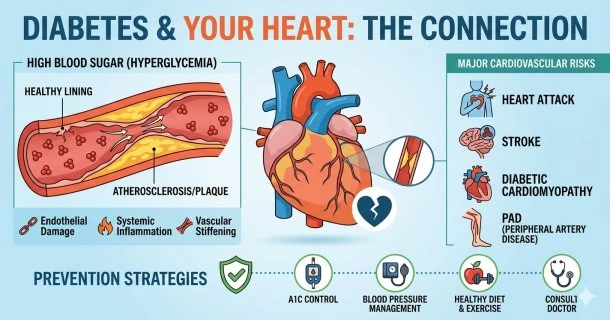
The relationship between diabetes and cardiovascular complications stems from metabolic changes that damage the circulatory system over time:
- Atherosclerosis Acceleration: Elevated blood glucose causes systemic inflammation and injury to the endothelial lining of the blood vessels. This damage makes it easier for low-density lipoprotein (LDL or "bad") cholesterol to accumulate, accelerating plaque buildup and narrowing the arteries.
- Vascular Stiffening: Chronic hyperglycemia leads to the formation of Advanced Glycation End-products (AGEs). These compounds cross-link with collagen in blood vessel walls, causing arterial stiffness and forcing the heart to pump harder.
- Blood Clot Risks: Diabetes alters blood platelet function and coagulation pathways, making the blood more prone to clotting. A clot blocking a narrowed artery can instantly trigger a heart attack or stroke.
Major Cardiovascular Complications Linked to Diabetes
1. Coronary Artery Disease (CAD) and Heart Attacks
Coronary artery disease occurs when plaque restricts blood flow to the heart muscle. In individuals with diabetes, CAD often progresses more rapidly and aggressively. Because diabetic nerve damage (autonomic neuropathy) can blunt pain signals, some individuals may experience a "silent heart attack," where classic chest pain is absent or mild, delaying emergency care.
2. Stroke and Cerebrovascular Disease
When atherosclerosis blocks or restricts blood flow to the arteries supplying the brain, it can cause an ischemic stroke. Alternatively, weakened blood vessels under high pressure can rupture, causing a hemorrhagic stroke. Managing blood pressure alongside blood sugar is essential to mitigating this specific risk.
3. Diabetic Cardiomyopathy
This distinct complication directly affects the structure and function of the heart muscle itself, independent of CAD or hypertension. Chronic metabolic stress causes the heart muscle to become thick, stiff, or dilated. Over time, diabetic cardiomyopathy reduces pumping efficiency and can progress to heart failure.
4. Peripheral Artery Disease (PAD)
Diabetes frequently restricts blood flow to the lower extremities by narrowing peripheral arteries. PAD causes leg pain during walking (claudication), cold feet, and poor wound healing. When combined with diabetic neuropathy, minor foot injuries can easily escalate into severe, slow-healing ulcers that increase the risk of lower-limb amputation.
Actionable Prevention and Management Strategies
The progression of cardiovascular disease in individuals with diabetes can be slowed or prevented through a comprehensive multi-factor management strategy:
- Optimize Glycemic Control: Consistently tracking blood sugar levels and keeping your Hemoglobin A1C within your targeted clinical range reduces endothelial stress.
- Manage Blood Pressure (The ABCs of Diabetes): Work toward a target blood pressure reading customized by your doctor (often below 130/80 mmHg) using lifestyle adjustments or prescribed medications like ACE inhibitors.
- Improve Lipid Profiles: High blood sugar often lowers "good" HDL cholesterol and raises "bad" LDL cholesterol and triglycerides. Prioritize a heart-healthy diet rich in soluble fiber and omega-3 fatty acids, and discuss lipid-lowering therapies (such as statins) with your physician.
- Incorporate Cardiovascular Exercise: Engage in moderate-intensity aerobic exercise, like brisk walking or cycling, for at least 150 minutes per week to improve insulin sensitivity and strengthen heart muscle function.
Frequently Asked Questions (FAQ)
Why does diabetes increase the risk of a heart attack?
Diabetes causes chronic high blood sugar, which triggers vascular inflammation and injures the inner lining of your blood vessels. This accelerated injury leads to a faster buildup of fatty plaque (atherosclerosis) within the coronary arteries, restricting oxygen delivery to the heart muscle and increasing the likelihood of a blockage.
What are the symptoms of a "silent heart attack" in diabetic patients?
Because long-term diabetes can damage the autonomic nerves that transmit pain signals from the heart, classic symptoms like crushing chest pain may not occur. Instead, warning signs may include sudden unexplained shortness of breath, profound fatigue, dizziness, nausea, unexplained sweating, or mild discomfort in the jaw, neck, or back.
How does high blood pressure compound diabetes heart risks?
When hypertension and diabetes coexist, they exert double the strain on your cardiovascular system. High blood sugar structurally weakens and narrows the arteries, while high blood pressure forces blood through those fragile vessels with excessive force. This combined stress drastically accelerates the risks of heart failure, stroke, and kidney disease.
Can heart damage from diabetes be reversed?
While advanced structural changes or scar tissue from a heart attack cannot be completely reversed, early-stage cardiovascular strain can be managed effectively. Tight glycemic control, optimizing blood pressure, losing excess weight, and taking cardioprotective medications can stabilize arterial plaques, improve heart muscle efficiency, and halt further disease progression.