
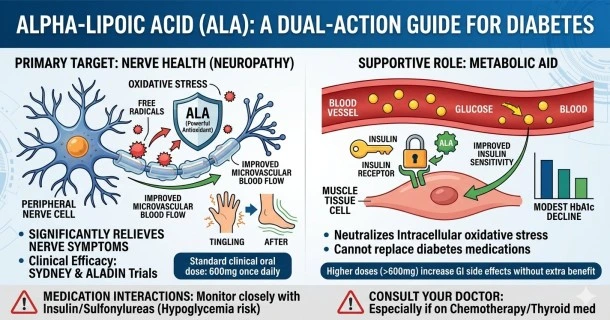
Can alpha-lipoic acid (ALA) ease diabetic nerve pain? Discover what clinical trials say about optimal dosages, neuropathy relief, and side effects.
Alpha-Lipoic Acid for Diabetic Neuropathy: An Evidence-Based Guide
Among the diverse array of dietary supplements marketed for metabolic health, Alpha-Lipoic Acid (ALA) stands out as one of the most thoroughly researched compounds. While many supplements make vague health claims, ALA has been evaluated in multiple large-scale clinical trials for its specific therapeutic role in managing secondary complications of diabetes.
Before adding ALA to your daily regimen, it is vital to understand what the scientific data reveals about its impact on nerve pain, insulin sensitivity, and overall safety.
What is Alpha-Lipoic Acid and How Does It Work?
Alpha-lipoic acid is an organic compound that acts as a potent antioxidant inside the human body. Unlike standard vitamins, ALA is both water-soluble and fat-soluble, allowing it to exert antioxidant protection across every cellular structure, including cell membranes and intracellular fluids.
The Cellular Mechanism of Action
Chronic hyperglycemia (high blood sugar) accelerates the production of free radicals, triggering systemic oxidative stress. In individuals with poorly controlled diabetes, this oxidative stress damages the microvascular blood vessels that supply oxygen and nutrients to peripheral nerves.
ALA helps counteract this destructive pathway through three primary mechanisms:
- Neutralizing Free Radicals: It directly scavenges oxygen radicals, reducing vascular inflammation.
- Regenerating Essential Antioxidants: ALA helps recycle other vital antioxidants in tissue fluids, including Vitamin C, Vitamin E, and glutathione.
- Supporting Mitochondrial Function: It acts as a necessary cofactor for multi-enzyme complexes in the mitochondria, helping cells break down glucose to generate biological energy efficiently.
Clinical Evidence: ALA and Diabetic Peripheral Neuropathy
The most compelling clinical evidence for ALA lies in its ability to treat diabetic peripheral neuropathy (nerve damage that causes tingling, numbness, burning, and sharp pain in the hands and feet).
Key Clinical Trials (ALADIN and SYDNEY)
Data from prominent multi-center clinical trial series—such as the ALADIN (Alpha-Lipoic Acid in Diabetic Neuropathy) and SYDNEY studies—have provided valuable clinical insights:
- Intravenous Therapy: Intravenous (IV) administration of 600 mg of ALA per day for 3 weeks demonstrated significant, rapid reductions in baseline neuropathic pain symptoms, including burning, paresthesia (tingling), and numbness.
- Oral Supplementation: Follow-up trials confirmed that oral supplementation also yields meaningful symptomatic relief. While oral absorption is lower than IV therapy, continuous daily oral dosing has been shown to improve neuropathic pain scores and support overall nerve conduction velocity over a period of 4 to 7 months.
Does ALA Lower Blood Sugar?
While ALA is highly effective at easing nerve symptoms, its ability to act as a primary blood-sugar-lowering agent remains limited.
Impact on Insulin Resistance
Clinical trials using hyperinsulinemic-euglycemic clamps show that ALA can modestly improve peripheral glucose disposal and insulin sensitivity in individuals with type 2 diabetes. By reducing oxidative stress within skeletal muscle tissue, ALA helps insulin receptors signal cells to open up for glucose absorption more smoothly.
However, meta-analyses reveal that oral ALA supplementation only causes a slight, gradual decline in fasting blood glucose and HbA1c levels. It cannot replace standard prescription diabetes medications (like metformin or insulin) and should only be viewed as a supportive therapy for nerve health.
Recommended Dosages and Safety Guidelines
To secure the nerve-protective benefits of ALA without experiencing adverse effects, it is critical to follow clinically established parameters.
- Clinically Proven Oral Dosage: For managing diabetic neuropathy symptoms, the standardized clinical oral dose is 600 mg taken once daily.
- The Diminishing Returns Threshold: Clinical trials have evaluated higher daily doses, such as 1,200 mg and 1,800 mg per day. The data revealed that increasing the dose beyond 600 mg does not provide additional therapeutic benefit for nerve pain, but significantly elevates the incidence of gastrointestinal side effects.
Potential Side Effects and Adverse Reactions
Oral ALA is generally well-tolerated when taken at the recommended 600 mg baseline dose, but some individuals may experience:
- Gastrointestinal Distress: Nausea, abdominal cramping, acid reflux, vomiting, and diarrhea (especially when taken on an empty stomach).
- Cutaneous Reactions: Allergic skin rashes, hives, or localized itching.
Critical Medication Interactions
- Anti-Diabetes Medications: Because ALA can modestly increase insulin sensitivity, taking it alongside prescription insulin injections or sulfonylureas (like glipizide or glyburide) may compound their blood-sugar-lowering effects. This increases your risk of developing hypoglycemia (low blood sugar). Monitor your glucose levels closely when starting ALA.
- Chemotherapy Interferences: Because ALA is an exceptionally powerful antioxidant, it can potentially interfere with the mechanisms of certain oxidative chemotherapeutic drugs. Cancer patients undergoing active treatment must avoid ALA unless cleared by their oncologist.
- Thyroid Medications: ALA can lower the conversion of T4 to the active T3 thyroid hormone. If you take levothyroxine, routine thyroid panel monitoring is recommended.
Frequently Asked Questions (FAQ)
Can alpha-lipoic acid reverse diabetic nerve damage?
Alpha-lipoic acid cannot structurally reverse advanced, long-term structural nerve degeneration. However, extensive clinical trials demonstrate that a daily 600 mg dose can significantly reduce neuropathic symptoms—such as burning, sharp pains, tingling, and numbness—by mitigating oxidative stress and improving microvascular blood flow to the nerves.
What is the best time of day to take an ALA supplement?
For optimal absorption, oral alpha-lipoic acid should be taken on an empty stomach, roughly 30 to 60 minutes before your first meal of the day. Ingesting ALA alongside food can significantly lower its bioavailability and reduce the amount of the compound absorbed into your bloodstream.
How long does it take for alpha-lipoic acid to work for neuropathy?
While intravenous ALA can provide relief within a few weeks, oral ALA supplements require more time to accumulate and work systemically. Most clinical studies show that individuals experience a noticeable, gradual reduction in nerve pain and tingling after 3 to 5 weeks of consistent, daily oral dosing.