
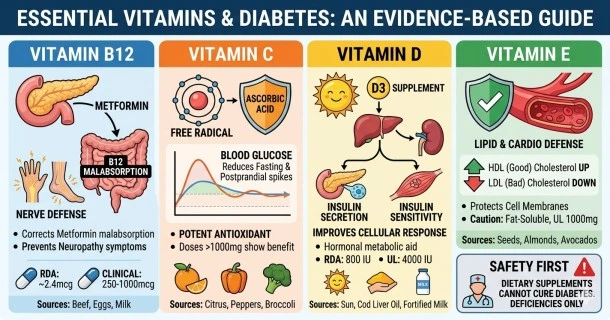
Can vitamins help manage diabetes? Discover what clinical research says about Vitamin B12 and metformin, Vitamin C and blood sugar, Vitamin D, and Vitamin E risks.
Essential Vitamins for Diabetes: An Evidence-Based Guide to B, C, D, and E
When managing type 1 or type 2 diabetes, optimizing your micronutrient status is an important element of overall metabolic care. Many people turn to over-the-counter dietary supplements in hopes of lowering blood sugar or preventing systemic complications.
However, major medical institutions—including the American Diabetes Association (ADA)—state that routine vitamin supplementation is not proven to lower blood glucose levels or treat diabetes effectively unless a clinical deficiency is verified.
Understanding what the science says about Vitamins B, C, D, and E can help you make informed, safe choices for your health.
1. B Vitamins: Metformin and Nerve Health
The B-complex family is critical for neurological function, cellular energy production, and the creation of red blood cells. For individuals with diabetes, Vitamin B12 (cobalamin) is the most clinically relevant nutrient.
The Metformin Link
Metformin is globally recommended as a primary first-line therapy for type 2 diabetes. However, long-term or high-dose metformin use is linked to localized vitamin B12 malabsorption. Metformin alters the calcium-dependent mechanisms in the ileum required to absorb the B12-intrinsic factor complex.
Clinical guidelines recommend that healthcare providers perform periodic biochemical screening of B12 levels in long-term metformin users. If a deficiency develops, it can cause megaloblastic anemia, cognitive decline, or peripheral neuropathy. Because B12 deficiency symptoms (like tingling, numbness, and burning in the hands or feet) directly mimic diabetic neuropathy, verifying the root cause through blood work is vital before beginning treatment.
- Clinical Supplementary Range: When a baseline depletion is identified, typical clinical oral dosages range from 250 mcg to 1,000 mcg of methylcobalamin daily. Intramuscular injections may be preferred for severe depletion or absorption issues.
2. Vitamin C: Antioxidant Action and Glycemic Control
Vitamin C (ascorbic acid) is a water-soluble antioxidant that has been heavily evaluated for its ability to neutralize the free radicals generated by chronic hyperglycemia.
Impact on Postprandial Glucose and HbA1c
Recent randomized, double-blind crossover clinical trials have shown that targeted Vitamin C supplementation may support standard metabolic therapies. Systematic meta-analyses indicate that daily doses exceeding 1,000 mg of Vitamin C can help reduce fasting blood glucose (FBG), improve postprandial (post-meal) blood sugar spikes, and support healthier HbA1c levels in individuals with type 2 diabetes.
Additionally, Vitamin C offers cardiovascular defense by lowering systolic blood pressure and supporting endothelial health. However, because Vitamin C is water-soluble, your body will safely excrete any excess amounts that exceed cellular capacity through your urine.
3. Vitamin D: Insulin Sensitivity and Pancreatic Beta Cells
Vitamin D (cholecalciferol) functions as a systemic hormone that directly affects the underlying pathways of type 2 diabetes and metabolic syndrome.
The Insulin Pathway
Vitamin D receptors (VDR) are embedded directly inside the insulin-producing beta cells of the pancreas and peripheral muscle tissues. Optimizing Vitamin D supports glucose regulation by:
- Promoting healthy, native insulin secretion from pancreatic beta cells.
- Enhancing overall peripheral insulin sensitivity, which helps cells absorb glucose out of the blood more effectively.
Conversely, living with a severe Vitamin D deficiency can lead to poor blood sugar control and increase the risk of severe cardiovascular complications.
- Clinical Dosage Safety: The National Institutes of Health (NIH) sets the standard adult Recommended Dietary Allowance (RDA) at 800 IU (20 mcg) per day. While doctors may temporarily prescribe higher weekly doses to correct a clinical deficiency, avoid exceeding the safe Tolerable Upper Intake Level (UL) of 4,000 IU per day on your own to prevent kidney irritation or hypercalcemia.
4. Vitamin E: Cardiovascular Support and High-Dose Risks
Vitamin E (alpha-tocopherol) is a fat-soluble antioxidant present in cell membranes, where it protects lipid structures from oxidative degradation caused by diabetes.
Clinical Findings and Precautions
Controlled clinical trials demonstrate that combining Vitamin C and Vitamin E supplementation can improve fasting blood glucose levels, lower low-density lipoprotein (LDL) cholesterol, and significantly elevate high-density lipoprotein (HDL) "good" cholesterol.
However, because Vitamin E is fat-soluble, it accumulates in the body's tissues rather than being flushed out. Taking high over-the-counter doses (typically exceeding 400 IU daily) without medical guidance is not recommended, as it can interact with blood-thinning medications and elevate the risk of bleeding.
Core Summary Table: Vitamins & Diabetes Reality Check
| Vitamin | Key Role in Diabetes Care | Source of Evidence / Guideline | Primary Whole-Food Sources |
|---|---|---|---|
| Vitamin B12 | Protects nerve health; prevents anemia caused by long-term metformin malabsorption. | ADA Standards of Care: Recommends annual or periodic screening for metformin users. | Lean beef, eggs, fortified cereals, and dairy products. |
| Vitamin C | Neutralizes free radicals; supports postprandial glucose control and healthy blood vessels. | Clinical Trial Consensus: Doses over 1,000 mg/day help lower blood pressure and FBG. | Bell peppers, citrus fruits, strawberries, spinach, and broccoli. |
| Vitamin D | Enhances pancreatic insulin secretion and peripheral insulin sensitivity. | Endocrine Consensus: Low levels are associated with higher HbA1c and metabolic syndrome risk. | Safe sun exposure, cod liver oil, wild salmon, and fortified milk. |
| Vitamin E | Provides antioxidant protection for blood vessels and cellular lipid structures. | Cardiovascular Trials: Combined with Vitamin C, it supports healthier lipid profiles. | Sunflower seeds, almonds, hazelnuts, and avocados. |
Frequently Asked Questions (FAQ)
Can taking vitamins cure or reverse type 2 diabetes?
No. Dietary vitamins and supplements cannot cure or reverse diabetes. They are intended to support overall health or correct verified nutritional deficiencies. Reversing insulin resistance or managing type 2 diabetes effectively relies on prescription therapies, regular exercise, and medical nutrition changes.
Why do I need to check my Vitamin B12 levels if I take metformin?
Metformin is highly effective for blood sugar control, but long-term use can alter how your digestive tract absorbs Vitamin B12, causing your body's nutrient stores to drop over time. The ADA recommends periodic blood screening because B12 deficiency causes severe fatigue and nerve tingling that closely mimics diabetic neuropathy.
Is it safe to take a daily multivitamin if you have diabetes?
Yes, a standard daily multivitamin is generally safe for people with diabetes. However, you should check the label to ensure it does not contain unnecessary added sugars or extreme doses that exceed 100% of your Recommended Daily Value. Always discuss any new supplements with your doctor or pharmacist to avoid medication interactions.