
Learn how GLP-1 receptor agonists lower A1C, regulate post-meal blood sugar, and support weight loss in Type 2 diabetes. Compare pills, injections & risks.
GLP-1 Medications for Type 2 Diabetes: How They Work, Types, and Side Effects
Glucagon-like peptide-1 (GLP-1) receptor agonists are a class of prescription medications that help manage blood sugar levels in people with Type 2 diabetes while supporting healthy weight loss and heart protection. Unlike insulin injections that directly supply the hormone your body lacks, GLP-1 medications mimic a natural gut hormone called incretin to help your body regulate glucose more efficiently after meals.
When paired with balanced nutrition and regular physical activity, GLP-1 therapies can significantly lower HbA1c (your 3-month average blood sugar) without causing dangerous blood sugar drops on their own.
How GLP-1 Receptor Agonists Work in the Body
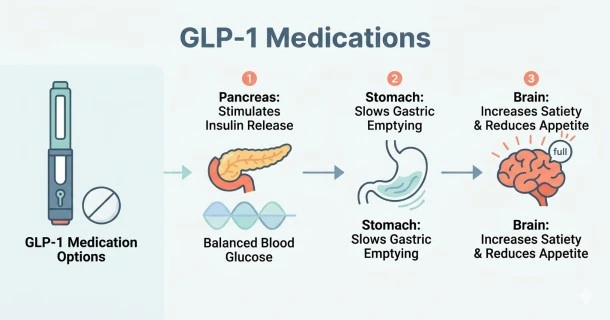
Whenever you eat, cells in your small intestine release natural GLP-1 hormone within minutes to manage incoming nutrients from carbohydrate metabolism. Because natural GLP-1 breaks down in the bloodstream within a few minutes, scientists developed long-acting GLP-1 medications that bind to the same cell receptors and work through four main actions:
- Glucose-Dependent Insulin Release: Prompts the pancreas to release insulin only when blood sugar levels rise after eating, helping move glucose into cells for energy.
- Glucagon Suppression: Prevents the liver from releasing excess stored sugar (glucagon) into the bloodstream when it is not needed.
- Slower Gastric Emptying: Slows the rate at which food leaves the stomach, preventing sharp post-meal blood sugar spikes (hyperglycemia).
- Appetite & Satiety Signaling: Acts on hunger centers in the brain to reduce cravings and help you feel full longer after smaller meals.
Common Types of GLP-1 Medications
GLP-1 therapies are available as once-weekly injections, daily injections, or daily oral tablets. Some newer medications—known as dual GIP/GLP-1 receptor agonists—target two gut hormone pathways at once for stronger blood sugar and weight control.
| Active Ingredient | Common Brand Names | How It Is Taken | Primary Approved Uses |
|---|---|---|---|
| Semaglutide (Injectable) | Ozempic, Wegovy | Once-weekly injection | Type 2 diabetes, cardiovascular & kidney risk reduction, weight management |
| Semaglutide (Oral) | Rybelsus, Wegovy tablets | Once-daily tablet | Type 2 diabetes, chronic weight management |
| Tirzepatide (Dual GIP/GLP-1) | Mounjaro, Zepbound | Once-weekly injection | Type 2 diabetes, chronic weight management, obstructive sleep apnea |
| Dulaglutide | Trulicity | Once-weekly injection | Type 2 diabetes, cardiovascular risk reduction |
| Liraglutide | Victoza, Saxenda | Once-daily injection | Type 2 diabetes (adults & children 10+), weight management |
| Orforglipron | Foundayo | Once-daily oral pill | Type 2 diabetes, chronic weight management |
Note: Brand availability, generic options, and approved indications vary by country. Always obtain these prescription medications through licensed pharmacies.
Key Benefits Beyond Blood Sugar Control
Clinical trials show that GLP-1 medications do more than keep daily glucose readings within your normal blood glucose range:
- Significant A1C Reduction: Most patients see an average drop in HbA1c of 1.0% to 1.5% or more. You can track how your A1C translates to daily blood sugar using our Blood Sugar & A1C Converter.
- Heart and Kidney Protection: Select GLP-1 medications lower the risk of heart attack, stroke, and worsening chronic kidney disease in adults with Type 2 diabetes.
- Low Risk of Hypoglycemia: Because GLP-1 drugs only stimulate insulin when blood sugar is elevated, they rarely cause hypoglycemia (low blood sugar) unless combined with insulin or sulfonylurea tablets.
- Sustainable Weight Management: Slower digestion and reduced appetite help decrease visceral body fat, which directly improves underlying insulin resistance.
Common Side Effects and How to Manage Them
Most side effects are digestive and occur during the first few weeks of treatment or right after a dose increase. Doctors typically start patients on a low dose and increase it gradually to help the body adjust.
- Frequent Digestive Effects: Nausea, mild vomiting, diarrhea, constipation, bloating, or acid reflux.
- Practical Tips for Relief: Eat smaller, slower meals; avoid greasy, fried, or heavily spiced foods; stay well-hydrated throughout the day; and stop eating as soon as you feel full.
Who Should Avoid GLP-1 Medications?
GLP-1 receptor agonists are not suitable for everyone. Discuss your full medical history with your healthcare provider before starting therapy:
- Type 1 Diabetes: These drugs are designed primarily for Type 2 diabetes and cannot replace lifelong insulin therapy in Type 1 diabetes.
- Thyroid Tumor History: Contraindicated in anyone with a personal or family history of medullary thyroid carcinoma (MTC) or Multiple Endocrine Neoplasia syndrome type 2 (MEN 2).
- Pancreatitis or Severe Stomach Conditions: People with a history of acute pancreatitis or severe gastroparesis (delayed stomach emptying) require careful medical evaluation.
- Pregnancy and Breastfeeding: GLP-1 medications must be stopped prior to a planned pregnancy and avoided while nursing.
- Vision Changes: Seek prompt medical evaluation if you experience any sudden, painless vision changes, as rare cases of optic nerve ischemia (NAION) have been noted in safety warnings.
Frequently Asked Questions (FAQs)
Are GLP-1 medications the same as insulin?
No. Insulin directly replaces the hormone your body needs to move sugar into cells, which can sometimes cause weight gain or low blood sugar. GLP-1 medications mimic a gut hormone that prompts your own pancreas to release insulin only when you eat, while also slowing digestion and reducing appetite.
Can I take a GLP-1 pill instead of an injection?
Yes. While many GLP-1 drugs are given as once-weekly injections under the skin, oral tablet options such as oral semaglutide (Rybelsus) and orforglipron are approved for managing Type 2 diabetes. Oral semaglutide must be taken on an empty stomach with a small sip of plain water so your digestive system can absorb it properly.
What happens if I stop taking a GLP-1 medication?
Because GLP-1 therapies manage chronic metabolic pathways rather than permanently curing diabetes, stopping the medication typically causes appetite to return to baseline and blood sugar levels to rise again. Always consult your doctor before stopping or changing your dose.
Do I still need to follow a diabetes diet while on a GLP-1 drug?
Yes. GLP-1 medications work best alongside a balanced diet rich in lean protein, fiber, and whole foods, plus regular exercise. Prioritizing protein and strength training also helps protect muscle mass while losing weight.